
Quick answers
Where should I book a Kedarnath helicopter ticket?
On the IRCTC HeliYatra site, heliyatra.irctc.co.in, which describes itself as the only official online booking site for Kedarnath and Hemkund Sahib helicopter tickets. Register for the yatra first and verify the ticket with its QR code or booking ID.
What happens if my helicopter is cancelled for bad weather?
The IRCTC policy says the fare is refunded in full, but the convenience fee and payment charges are not. Passengers in a cancelled slot are not carried forward to the next one, and IRCTC, UCADA and operators take no responsibility for your stay.
How much weight and baggage can I carry?
On IRCTC tickets, passengers are weighed by the operator; above 80 kg you pay Rs 150 per kg extra, and one baggage piece up to 2 kg is allowed. A charter operator may have different terms, so ask in writing.
Who regulates helicopter flights to Char Dham?
The DGCA approves operators and sets operating rules, and UCADA runs helipads, slots and control rooms for the state. The AAI provides air traffic services and the IMD weather support. The AAIB investigates accidents.
Why are flights held back when the sky looks clear at the helipad?
Weather in a valley can differ from the helipad. The AAIB's interim report on a 2025 accident records cloud at the valley exit that was seen on camera feeds. A hold is the system working.
What is the AAIB, and when will we know why a helicopter crashed?
The AAIB investigates accidents so that they can be prevented, not to blame anyone. It publishes preliminary or interim reports and later a final one; the 2023 Kedarnath report we read is dated about six months after the accident. No cause has been published for the 30 October 2026 crash.
Is it safe to fly a helicopter to Kedarnath or Badrinath?
We cannot give a risk figure, because no official count of all flights flown is available to us. The Ministry reports an incident-free first phase of 2026 and a list of added safeguards, and there was a fatal crash on 30 October 2026. Use the checks in this guide and keep your plan flexible.
What should I do if the helicopter has a hard landing?
Stay calm, follow the crew, leave only when told, move well away from the rotors and call 112. This is general advice and not an official rule.
A helicopter ride to Kedarnath or Badrinath saves a family a long, tiring climb, and for many elderly pilgrims it is the realistic way to reach the shrine. It is also flying in narrow valleys, at altitude, where cloud can close in within minutes. On Friday, 30 October 2026, a helicopter flying from Badrinath to Dehradun crashed near Joshimath in Chamoli, and all six people on board died. No cause has been published and the investigation has only just begun, so this guide does not say what went wrong and does not blame anyone. It is a practical note for families: what to check when you book, what the weather means for your plan, what to do at the helipad, and what the authorities say they now require. Checked 2 November 2026.
In short
- Book only through an official channel. For Kedarnath and Hemkund Sahib that is the IRCTC HeliYatra site, and you can verify any ticket there with its QR code or booking ID.
- Plan for delay. Flights are held back or cancelled when cloud or visibility is poor. The official rule is a full refund of the fare on a weather cancellation, but no hotel or onward cost. Keep a spare day.
- Never push the operator or the pilot to fly. A pilot who says no today is doing the job.
- Give your true weight and keep to the baggage limit. Weight and balance are among the things DGCA says it is enforcing.
- Ask for the safety briefing, wait for the crew’s signal, and never walk around the tail of a helicopter.
- Do not wait for the final report to be careful. The checks below are sensible on any flight.
What we know about 30 October, and what we do not
The Ministry of Civil Aviation says the helicopter, an AS350B3, took off from the Badrinath helipad at 1314 hrs for the Sahastradhara helipad in Dehradun with one pilot and five passengers, and crashed in the forest area near Chai village, Joshimath. A DGCA team was sent to Dehradun for a preliminary assessment. District officials have said that all six died. Reports mention bad weather, but that is the media’s reading and not an investigation finding. We have not found any AAIB report on this crash as of 2 November. Our case report keeps the reports and the differences between them.
Who looks after what
Passengers often do not know that more than one agency is involved, and that is part of why it is hard to know whom to ask. In August 2025 a parliamentary committee described a “responsibility vacuum” between the DGCA and UCADA on the Char Dham route and recommended a single national framework and a dedicated DGCA oversight cell. That is the committee’s view, not a ruling. This is how the roles are described in the official papers we opened.
| Who | What they do on a pilgrimage helicopter route | What it means for you |
|---|---|---|
| DGCA (the civil aviation regulator) | Approves the operators and their helicopters, sets pilot and operating rules, and audits. Its Operations Circular 02 of 2023 on helicopter pilgrimage operations applies to operators and shrine boards across India; it was amended on 11 September 2025 for Char Dham. | Ask the operator for its DGCA permit details. A genuine operator will give them without fuss. |
| UCADA (Uttarakhand Civil Aviation Development Authority) | The state body that runs helipads, allots time slots, selects the shuttle operators and runs the control rooms for Char Dham flying, according to the official releases and the parliamentary committee report. | Your slot and helipad come from this system. If it holds a flight back, that is its call to make. |
| AAI and IMD | Air traffic services and weather observation. The Ministry says ATC services began at Sahastradhara and Sersi in 2026, and five automatic weather stations with cloud-height sensors were installed at Sitapur, Kedarnath, Badrinath, Jhala and Kharsali. | Weather information is better than it was, but a clear helipad does not mean a clear valley. |
| IRCTC HeliYatra | The only official online booking site for Kedarnath and Hemkund Sahib helicopter tickets. Registration for the yatra is needed first. | Book here and verify the ticket here. Charter flights from Dehradun are sold by the operators, so their terms differ. |
| AAIB (Aircraft Accident Investigation Bureau) | Investigates accidents. Its reports say the sole aim is to prevent accidents, not to apportion blame. | Only its findings can tell us why an aircraft crashed. Until then, treat every cause you hear as a guess. |
Before you book
- Check the website address. The official site for Kedarnath and Hemkund Sahib is heliyatra.irctc.co.in. It says it is the only site that sells those tickets online. Registration for the Char Dham or Hemkund Sahib yatra is compulsory before you can book.
- Be careful with agents and social media pages that offer “guaranteed” seats. Ask for the booking ID, and check it on the HeliYatra “Verify Booking” page. The ticket’s QR code does the same job.
- For a charter, such as Dehradun to Badrinath, you deal with the operator. We could not open any public DGCA list of permitted operators, so ask the operator for its permit details, the helicopter’s registration and the booking terms in writing. Read the cancellation clause before you pay.
- Know the weight and baggage rules. On the IRCTC site, every passenger, child and infant is weighed by the operator before the boarding pass is issued. A passenger, or a passenger with an infant, weighing more than 80 kg pays an extra Rs 150 per kg, and one piece of baggage up to 2 kg is allowed. A sortie to Kedarnath takes at most two children and two infants. These are IRCTC’s terms for its tickets; a charter may differ.
- Carry the documents. A valid ticket and an original photo ID for each passenger, and a birth certificate for a child or infant.
- Know the refund rules. Cancel yourself and the refund falls with time: 75 per cent more than 5 days before the slot, 50 per cent from 48 hours to 5 days, 25 per cent from 24 to 48 hours, nothing under 24 hours. A “no show”, meaning you did not report an hour before the slot, gets no refund. If the service is cancelled for bad weather, a technical reason or a government order, the fare is refunded in full, but the convenience fee and payment charges are not. Passengers of a cancelled slot are not carried forward to the next slot, and the IRCTC terms say it, UCADA and the operators take no responsibility for your stay. If a refund does not reach you in 5 to 7 working days, you can write to heliyatra@irctc.co.in within 15 days of the departure date.
- Do not tie the helicopter to a hard deadline, such as a train, a flight home, an exam or a wedding the next day. The plans that go wrong are the ones where a delay turns into pressure to take off.
Weather and the limits of mountain flying
Officials themselves describe the Char Dham sector as among the most demanding flying in the country, with rugged terrain, quickly changing weather, narrow valleys and heavy helicopter traffic. The Ministry’s June 2026 release lists what has been added this season: dedicated routes published by the AAI, ATC at two helipads, helicopter tracking devices on every helicopter, five weather stations with cloud-height sensors, 33 cameras and two control centres, daily monitoring of pilots’ duty hours, and a cap on passenger load at 70 per cent of the maximum permitted. Pilots flying the yatra were required to have at least 750 hours of hill-flying experience, including 100 hours in the previous year and at least 10 take-offs and landings at Kedarnath. The Ministry said the first phase, from April to 26 June 2026, passed without an incident. About 400 helicopter movements were made daily.
Why does all of this matter to you? Because the weather in a valley is a local thing. The AAIB’s interim report on a June 2025 Kedarnath accident (still not final) records that the valley exit was covered by cloud on that morning, and that the operators judged conditions from three live camera feeds. DGCA has also shown that it acts on weather violations: in June 2025 the Ministry suspended the licences of two pilots for six months for flying in unsuitable weather. The lesson for a passenger is not to second-guess the pilot, but to give the system room to say “not today”. Fog, low cloud and rain in the hills do not respect a booking.
We could not open the DGCA civil aviation requirements or the visibility and cloud minima in the AIP India, so this guide does not quote any number for them. Ask the operator, if you wish, what weather rules it follows, but do not expect a passenger to argue with a pilot’s decision.
At the helipad
The AAIB’s final report on a 2023 accident at the Kedarnath helipad is a plain reminder for every boarding. A passenger walking towards the helicopter suddenly moved towards the rear and came into contact with the running tail rotor. The report notes that the safety briefing was not carried out as the operator’s procedure required, and that the passengers were escorted by officials and not by the operator’s dedicated staff. It recommended that every passenger, whatever their position, be briefed in a designated briefing area before each flight. This was a ground accident in April 2023, not a flight accident, and the report says it was not feasible to switch off the engines at Kedarnath to board passengers, which is why the approach matters so much.
- Ask for the briefing and listen. DGCA’s September 2025 list includes safety briefings for all passengers before boarding, covering the seat belt, safe embarkation and disembarkation, and emergency procedures.
- Wait for the crew’s signal before you walk to the helicopter, and go only in the direction they show you.
- Never go around the tail. Stay where the pilot can see you. Keep children by the hand and do not let them run ahead.
- Keep hats, dupattas, bags and umbrellas well secured or left behind. The downwash is strong.
- Fasten your seat belt and keep it fastened until the crew says otherwise. Keep the one piece of baggage on your lap or where the crew tells you.
- After a hard landing, stay calm, do what the crew says, leave only when told to, move well away from the helicopter and call 112. This is our general advice and not from an official source.
What has changed since 2025
A run of helicopter accidents in the Char Dham sector in May and June 2025 led the Ministry to suspend all charter and shuttle flying for two days in June, to suspend one operator’s Char Dham operations, and to post DGCA officers in the Kedarnath valley. In September 2025 the DGCA cleared helicopter flying to restart, after inspecting helipads and helicopters from 13 to 16 September. Its list included route checks and training for pilots, airworthiness checks, strict weight and balance limits, weather updates for pilots, compulsory passenger briefings and extra ground staff at helipads. The AAIB’s interim report adds that the DGCA circular was amended on 11 September 2025 to set up a control centre at Sitapur and to fix a minimum time per shuttle, so that boarding and getting off with the rotors running is not rushed. The parliamentary committee in August 2025 called the DGCA’s measures “reactive” and asked for a uniform national framework under the DGCA. How well these changes work is something the investigations will show.
A look at the numbers, with care
In July 2025, as reported, the Ministry told the Rajya Sabha that India had 12 helicopter accidents since 2020, of which 7 were in Uttarakhand, and that 30 people were killed, 21 of them in Uttarakhand. A separate reply the same month covered only the Char Dham Yatra: six accidents in five years, one in 2022, one in 2023, none in 2021 or 2024 and four till June 2025. The two sets overlap but are not the same, and neither tells you how risky one flight is, because we have no official count of all the flights flown. We also cannot tell how the two sets overlap. The 2026 season has had about 12,000 shuttle departures and over 2,000 charter operations in its first phase, according to the Ministry. Neither set includes the 30 October crash.
A family box
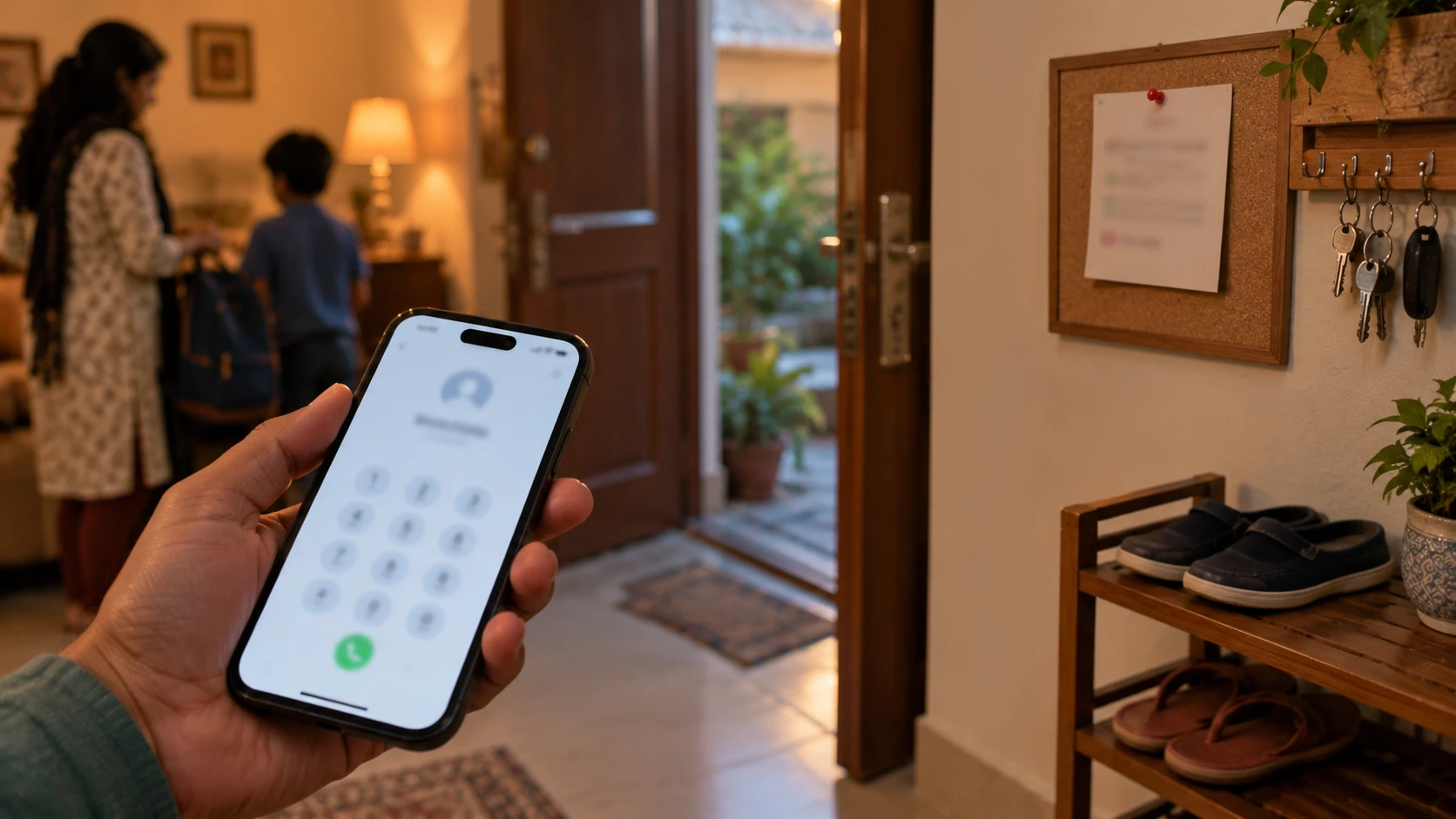
- Leave the booking ID, the operator’s name, the helicopter’s registration if known, the helipad and the slot with a family member who is not travelling.
- Agree in advance what will happen if the flight is delayed or cancelled: where you will stay, who you will call, and that nobody argues for a take-off.
- Tell elderly parents that a cancelled flight is not a failure. It is a safe day lost.
- Save 112 on every phone. Our emergency wallet card puts the numbers and one contact in a single printable card.
- If you hear of a crash, wait for the state government, the Ministry or the DGCA to confirm. Forwarded videos are often wrong or from another day.
What we could not confirm
- The cause of the 30 October crash. No AAIB finding had been published when we checked.
- The text of the DGCA civil aviation requirements for helicopter operations and the visibility and cloud minima in the AIP India. We did not find or open the DGCA requirement texts, the AIP India page loaded no text, and the Ministry’s Heli Disha guide would not open, so this guide does not quote them.
- A public DGCA list of permitted operators. The Ministry said six shuttle operators and seven charter operators were cleared when flying restarted in September 2025.
- Rules for other routes and for scenic or tourist rides. We opened nothing specific for Amarnath, Vaishno Devi or joyrides; the AAIB describes DGCA’s circular 02 of 2023 as applying to all operators and shrine boards for pilgrimage and seasonal helicopter operations in India, but we did not read its text.
- Whether the IRCTC terms are the same for every helipad and every season, and the terms for charter flights. We read the IRCTC pages on 2 November 2026.
- Any official Instagram, Facebook or LinkedIn video on helicopter passenger safety. We searched and found none we could open and check, so the videos below are from YouTube.
Do this before your yatra
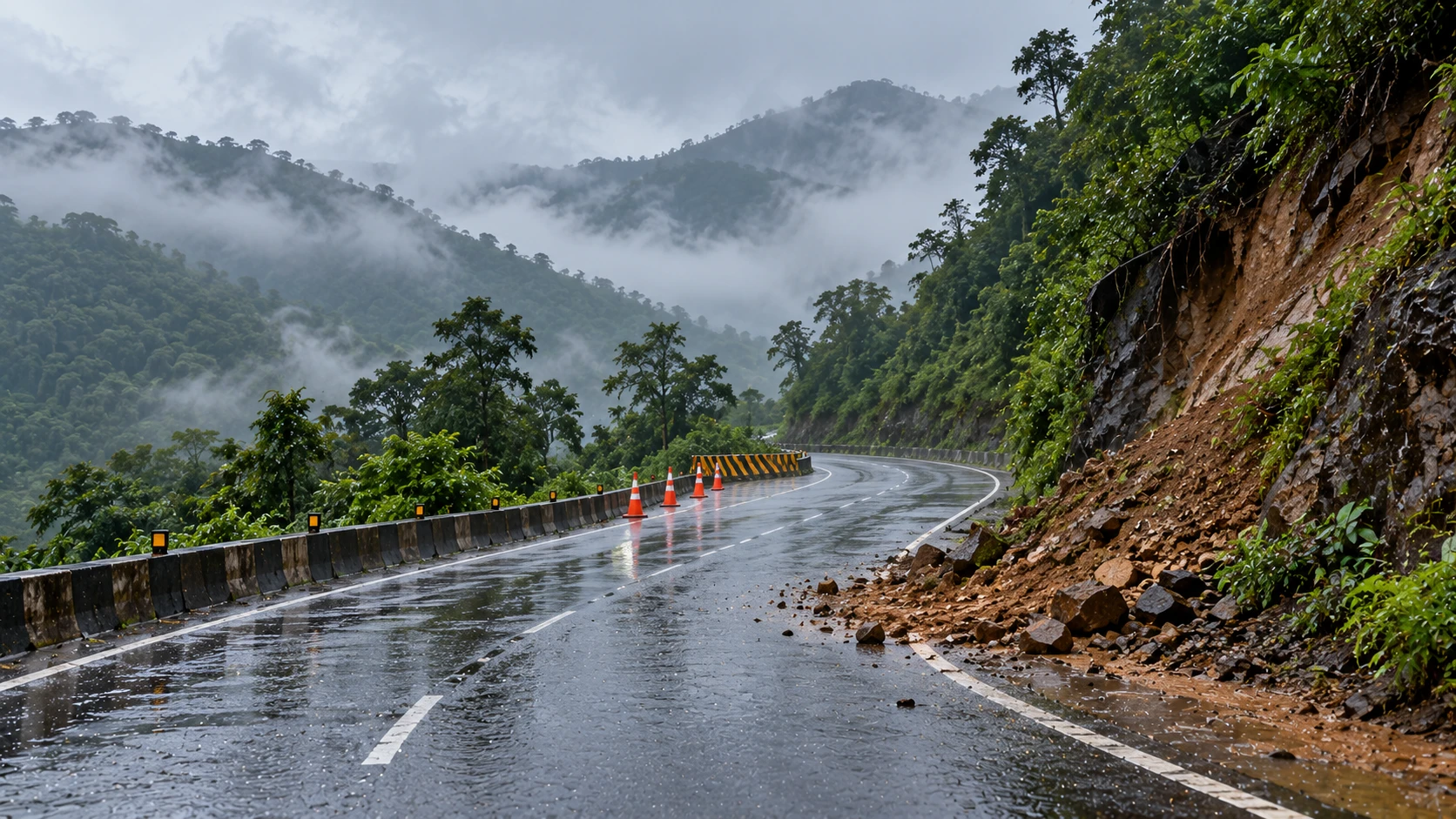
Book through the official site, register for the yatra, verify your ticket, give your true weight, keep a spare day, and listen to the briefing. For road routes to the same shrines, read our guide to driving hill roads in heavy rain and weather warnings and the emergency numbers guide.
What needs attention
- The Ministry says it added dedicated routes, ATC at two helipads, helicopter tracking, five weather stations with cloud-height sensors, camera surveillance and a 70 per cent load cap for the 2026 Char Dham season.
- DGCA's September 2025 measures include compulsory passenger safety briefings with seat belt, boarding and emergency procedures, and strict weight and balance limits.
- The AAIB's final report on a 2023 Kedarnath helipad accident found that the passenger safety briefing was not carried out as required and recommended briefing every passenger in a designated area.
- The AAIB's interim report on a June 2025 accident records cloud at the valley exit and that weather was judged from camera feeds; it is not a final report.
- A parliamentary committee in August 2025 described a responsibility vacuum between the DGCA and UCADA and called the DGCA's measures reactive.
- The cause of the 30 October 2026 crash is not established.
Controls that reduce risk
- Book on heliyatra.irctc.co.in for Kedarnath and Hemkund Sahib, and verify the ticket.
- For a charter, ask the operator for its DGCA permit details and the written terms.
- Keep a spare day and an agreed plan for a cancelled flight.
- Give your true weight and keep to the baggage limit.
- Listen to the briefing and wait for the crew's signal at the helipad.
- Save 112 and share the booking details with a family member at home.
Common unsafe practices
- Booking through an agent or a social media page without checking the ticket.
- Understating weight or carrying extra bags to avoid charges.
- Pressing the operator or pilot to fly because of a deadline.
- Skipping the briefing because the helicopter is already waiting.
- Walking towards the helicopter before the crew's signal, or round the tail.
- Believing a forwarded crash video or a cause before an official finding.
Leave a comment