
What happened here
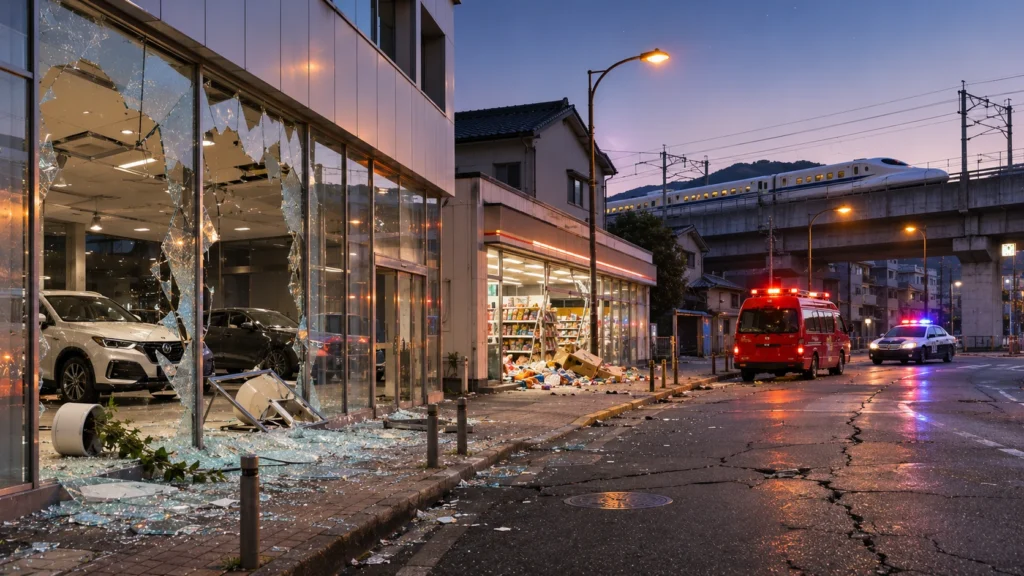
At 1.04 am JST on Sunday 8 November 2026, a magnitude 5.7 earthquake (Japan Meteorological Agency; USGS gives 5.5) struck western Shizuoka Prefecture in central Japan at a depth of about 40 km. HNGN reports shindo upper 5 in the Chita area of Aichi and lower 5 in parts of Aichi, Shizuoka, Nagano and Gifu; it was felt as far as Osaka and not in Tokyo. An Aichi emergency official told AFP there were 16 reports of mostly minor injuries; Chunichi Shimbun and Tokai Television reported at least 24 hurt across Aichi and Shizuoka, and HNGN says some people were hurt falling on stairs as they fled. No deaths were reported. Shop windows were shattered, including at a car dealership in Toyohashi, goods fell from shelves at a bookstore in Toyota, and Tokaido Shinkansen and regional trains were delayed. No tsunami warning was issued, the Hamaoka nuclear plant reported no disruption, and the JMA said a link with a Nankai Trough megaquake was unlikely but warned of aftershocks and landslides for about a week.
Quick answers
What happened in Japan on 8 November 2026?
A magnitude 5.7 earthquake struck western Shizuoka Prefecture at 1.04 am JST, hurting at least 24 people across Aichi and Shizuoka. No deaths were reported.
How strong was it?
5.7 per the Japan Meteorological Agency and 5.5 per USGS, at a depth of about 40 km. The strongest shaking was shindo upper 5 in the Chita area of Aichi.
Was there a tsunami warning?
No tsunami warning was issued.
Was the Hamaoka nuclear plant affected?
The operator reported no disruption (HNGN).
Does this raise the risk of a Nankai Trough megaquake?
A JMA official said no change had been detected and the likelihood of a link is low (HNGN). Yomiuri says the quake happened inside the subducting plate, not on the plate boundary, and that the JMA cannot rule a link out but asks people not to worry excessively.
What should I do in an earthquake?
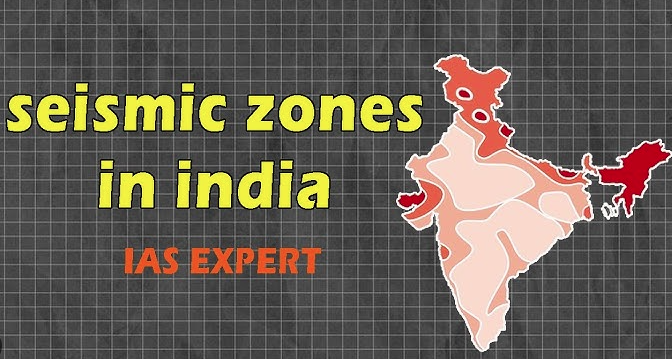
Drop, cover and hold on, do not rush down stairs, and expect aftershocks. Our earthquake safety guide for India is in the Safety Blogs section.
Why is there no city guide?
Safety guides cover Indian cities; this is a world case.
What happened
At 1.04 am Japan time on Sunday 8 November 2026, a magnitude 5.7 earthquake struck western Shizuoka Prefecture in central Japan, according to the Japan Meteorological Agency (USGS gives 5.5). HNGN puts the depth at about 40 km, with shaking of upper 5 on the Japanese shindo scale in the Chita area of Aichi and lower 5 in parts of Aichi, Shizuoka, Nagano and Gifu. It was felt as far away as Osaka but not in Tokyo.
An Aichi emergency official told AFP there were 16 reports of mostly minor injuries, and Chunichi Shimbun and Tokai Television reported at least 24 people hurt across Aichi and Shizuoka. No deaths were reported.
What the reports say
- Injured: at least 24 across Aichi and Shizuoka; HNGN says some people were hurt falling on stairs as they fled buildings, and eNCA reports a woman in her nineties who fell from her bed. A foreign resident hurt in a fall in Osaka is reported separately by local media and is not added.
- Damage: shattered store windows, including at a car dealership in Toyohashi, and goods fallen from shelves at a bookstore in Toyota. Tokaido Shinkansen and regional trains were delayed or suspended for inspection.
- Tsunami and nuclear: no tsunami warning was issued; the operator of the Hamaoka plant reported no disruption.
- Aftershocks: the JMA warned of strong aftershocks and landslides for about a week. HNGN says the JMA called a link with a Nankai Trough megaquake unlikely; Yomiuri says the quake happened inside the subducting plate, not on the plate boundary, and that a link cannot be ruled out but people should not worry excessively.
Where reports differ and what we do not know
- Injury count: 16 reports in Aichi, at least 22 by morning, at least 24 later in local media. On 9 November the Fire and Disaster Management Agency’s count, carried by Yomiuri, was 22 injured, 19 in Aichi and 3 in Shizuoka, so the official figure is lower than the media tally.
- Strongest shaking: HNGN and the other reports say shindo upper 5 was in the Chita area; Yomiuri names Hekinan, Aichi. We have not checked the JMA list and show both.
- Magnitude: 5.7 per the JMA preliminary figure and 5.5 per USGS.
- Location: western Shizuoka per the reports; no outlet gave coordinates, so the map point is approximate.
- Not known: the final injury count and the damage to roads, buildings and slopes.
What this case teaches
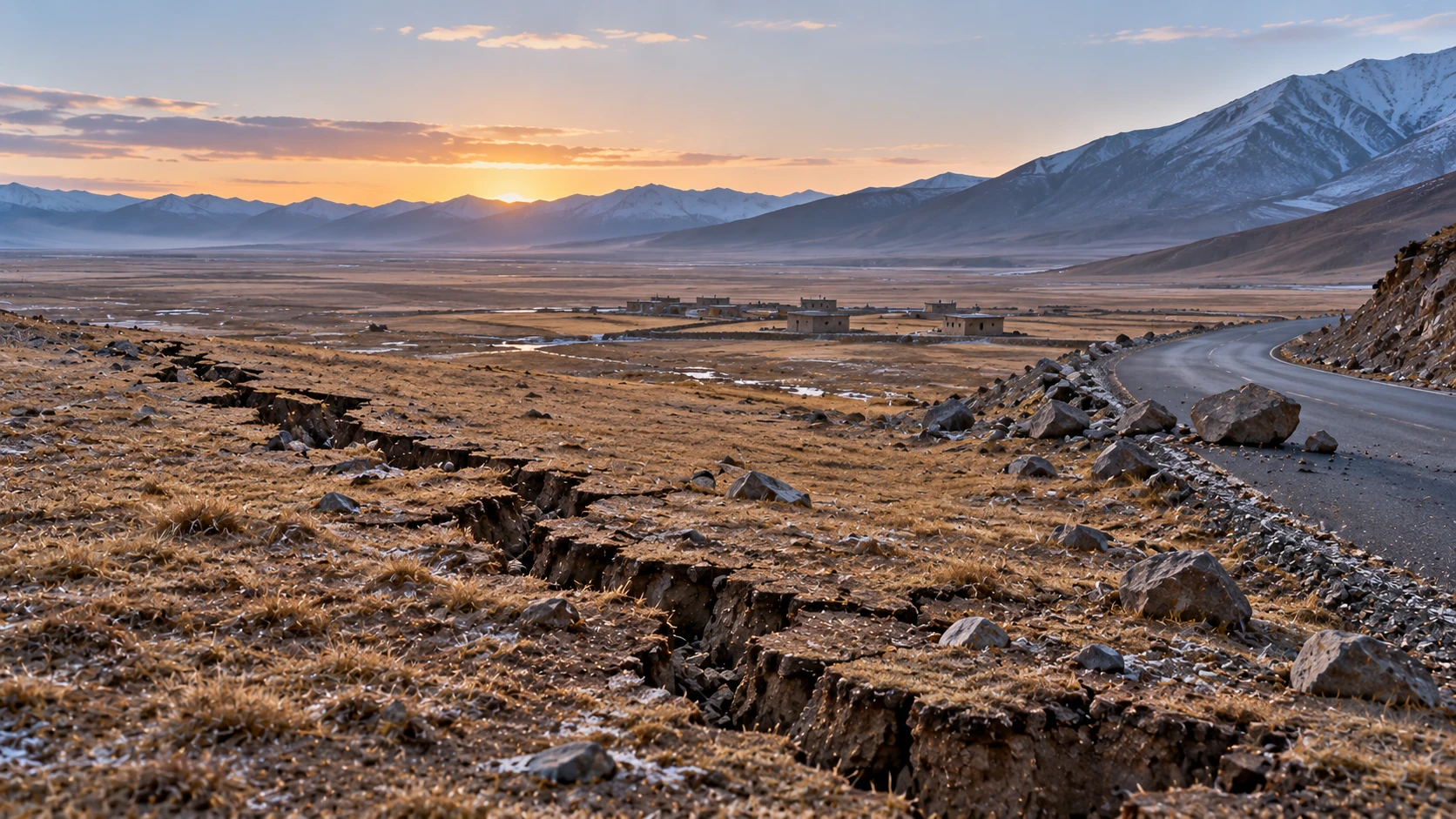
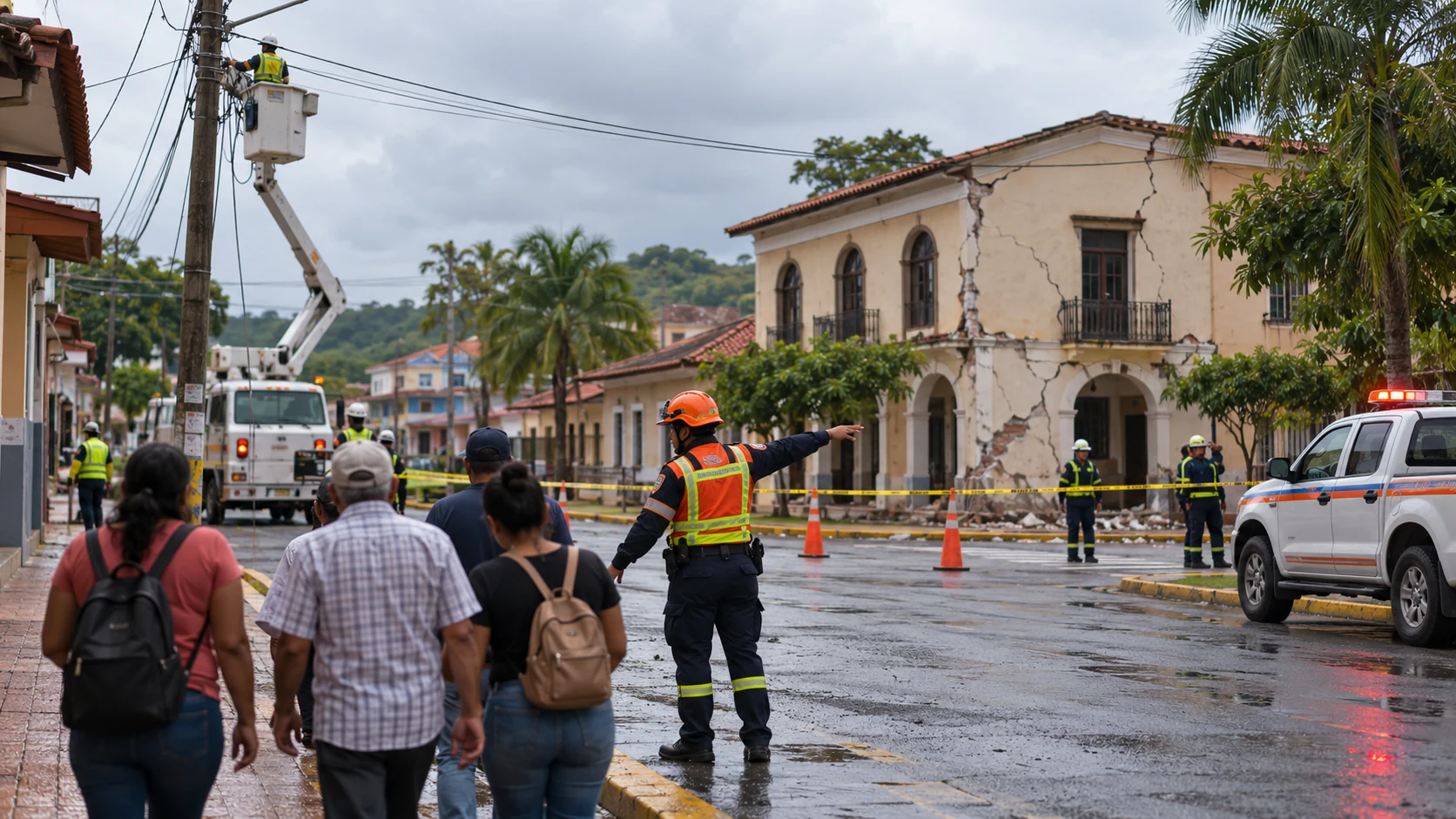
A quake that hurt dozens and killed nobody shows how much depends on small things: furniture secured, stairs avoided, a head protected. See our Tibet earthquake and Panama earthquake cases and the earthquake safety guide in our Safety Blogs section. This is a world case with no city guide.
- The M5.7 earthquake strikes western Shizuoka at about 40 km depth
- Tokaido Shinkansen and regional trains are delayed or suspended for inspection; people are hurt falling or fleeing
- An Aichi emergency official tells AFP of 16 reports of mostly minor injuries; at least 22 hurt by morning (HNGN)
- AFP report says Chunichi Shimbun and Tokai Television count at least 24 hurt
- The JMA warns of aftershocks and mudslides for about a week; a separate M4.3 quake hits Kumamoto at 10.53 am with no serious damage
- Yomiuri, citing the Fire and Disaster Management Agency, reports 22 injured, 19 in Aichi and 3 in Shizuoka, and that the JMA warns shindo upper 5 is still possible for a week
Why consequences escalated
- A M5.7 earthquake at 1.04 am on 8 November 2026 hurt at least 24 people across Aichi and Shizuoka, most slightly, with no deaths.
- The strongest shaking was shindo upper 5 in the Chita area of Aichi, and damage was limited to broken shop windows, fallen goods and train delays.
- No tsunami warning was issued and the Hamaoka nuclear plant reported no disruption.
- The JMA warned of aftershocks and landslides for about a week.
- The Fire and Disaster Management Agency's count on 9 November, reported by Yomiuri, is 22 injured (19 in Aichi, 3 in Shizuoka), lower than the media tally of 24; no deaths.
Failures and risk multipliers
- No official finding exists. What the reports raise as questions:
- How the injured were hurt, since some fell on stairs as they fled, and whether furniture was secured.
- How the final injury count will compare with the early 16 and 22 figures as assessment continues.
- Whether landslide risk during the week of aftershock warning is being communicated to hillside residents.
- These are open questions, not findings of fault; the quake caused no deaths.
Actions that reduce risk
- Residents: drop, cover and hold on under a sturdy table; do not run outside or rush down stairs during shaking; protect your head.
- Secure tall furniture, shelves and televisions; keep shoes and a torch by the bed; keep a go-bag and know your nearest evacuation area.
- After shaking: expect aftershocks, check for gas leaks and damage, stay away from slopes and cracked walls during the following week, and follow official warnings.
- Shops and businesses: keep glass fronts and stock shelves secured and tell staff where to shelter.
- Travellers and Indians in Japan: follow JMA and local-government alerts and your embassy advice.

Leave a comment