
What happened here
 1 / 2
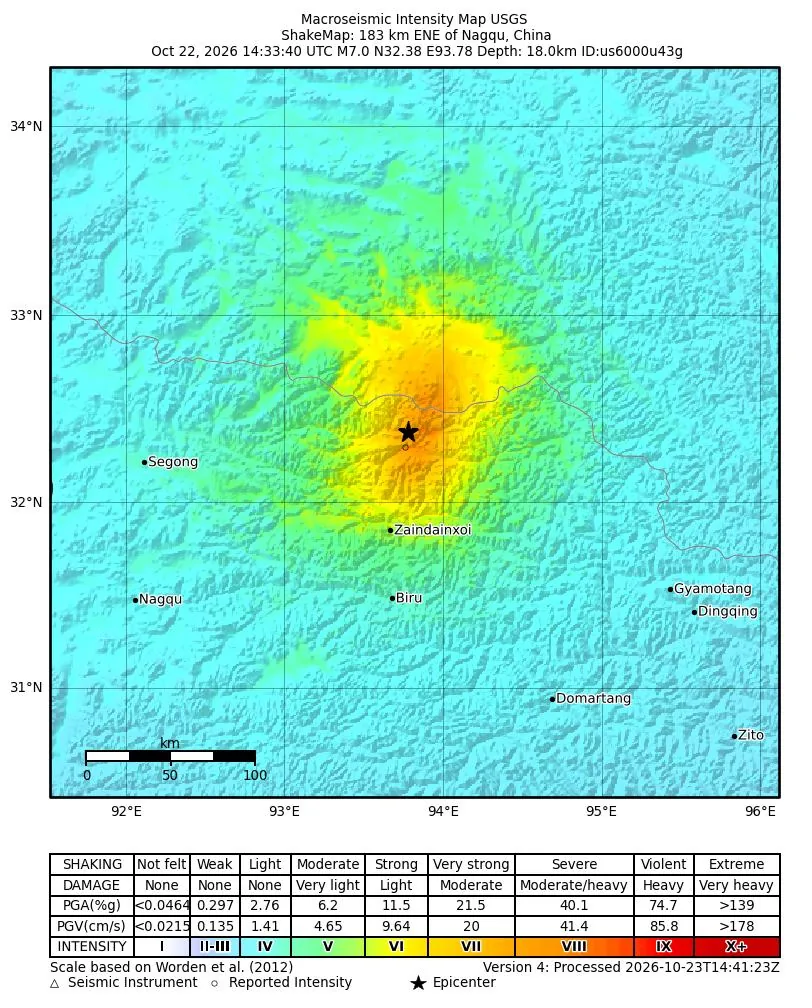
A magnitude 7.0 earthquake struck Baqen County in Nagqu, Tibet, at 10:33 pm China time on 22 October 2026. The official toll is 16 dead and 76 injured, with 339 homes collapsed and 12,489 people relocated. Agencies differ on depth and on the size of the strongest aftershock on 25 October.
Quick answers
What happened in Tibet on 22 October 2026?
A magnitude 7.0 earthquake struck Baqen County, Nagqu, at 10:33 pm China time, collapsing 339 homes in a remote high-altitude area.
How many people died?
The official count is 16 dead and 76 injured, with no one reported missing in Baqen County. Early reports gave different numbers, and the count could still change.
Was it the same quake as January 2025?
No. The January 2025 quake was in Tingri, Shigatse, and killed at least 126 people. This one is in Baqen, Nagqu.
Do agencies agree on the size?
Mostly. The USGS gives magnitude 7.0 at 18 km depth. Agencies differ on depth and on the strongest aftershock on 25 October, which CENC puts at 5.7 and the USGS at 5.9.
What can Indian readers learn?
Practise Drop, Cover and Hold On, stay out of cracked houses after a quake, keep warm and ventilated in shelters, and keep away from slopes on hill roads. These are our general lessons, not findings from China.
What happened
At 10:33 pm China time on Thursday 22 October 2026 (about 8:03 pm in India), a magnitude 7.0 earthquake struck the north of the Tibet Autonomous Region, which Chinese state media call Xizang. The epicentre was in Baqen (also spelt Baqên, or Drachen) County, in the city of Nagqu, near Maru township. The United States Geological Survey (USGS) placed it about 191 km east-north-east of Nagqu city, in a sparsely populated area at an altitude of roughly 4,800 m. It was night, and temperatures at that height drop below freezing in late October.
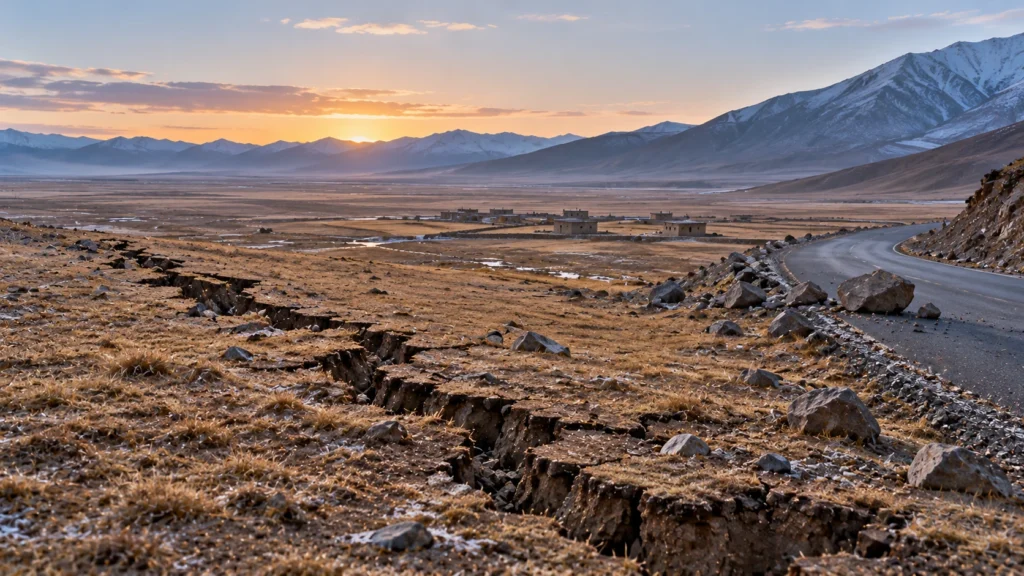
The USGS describes normal faulting, the kind of break that happens as the Tibetan plateau slowly stretches east to west. Its model, which is an automatic estimate and not a damage survey, said about 111,000 people felt moderate to severe shaking and gave an orange alert for possible fatalities. On Sunday 25 October, China’s earthquake administration said its field team had found the surface rupture, about 15 km east of the epicentre, as reported by Global Times.
This is not the January 2025 Tingri earthquake in Shigatse, which killed at least 126 people. It is a separate event, far to the north-east.
The latest toll, as of 26 October 2026
Updated 26 October 2026. The official count has been steady since Friday: 16 dead and 76 injured, as given by the Nagqu city government at a press conference on 23 October (Xinhua; Reuters, via the Straits Times). Xinhua’s Saturday report adds that 339 homes and 20 livestock sheds were damaged or destroyed, that all 76 injured people were being treated, and that five of the 11 initially classed as seriously injured had improved. Global Times, citing state broadcaster CCTV, says 36 injured people were still in hospital on Saturday evening and the rest had been discharged. AP reported on Friday that no one was missing in Baqen County, and that rescuers had searched every household three times. We found no report of a higher death toll up to 25 October.
The early numbers moved a good deal, so if you saw different figures last week, that is why. Injuries were first reported as 32, then 54, then 65, and then 76. Some early reports and a search listing we saw gave 18 dead; we could not open that report and Chinese authorities have not confirmed it. Our figures are the official ones, and they could still change. An exile-administration estimate of about 20 dead has been mentioned elsewhere; we could not open that statement and have not used it.
Magnitude, depth and aftershocks: where agencies differ
The USGS gives magnitude 7.0 (moment magnitude) at a depth of 18 km. Chinese reports also say 7.0, and Outlook India says a later update gave 10 km. India’s National Centre for Seismology was quoted by Outlook with a depth of 173 km, which is far from the other figures and does not fit a quake that broke the surface; we have not used it. A few photo captions say 7.1. Depth and magnitude are early estimates that agencies revise, so treat the single numbers with care.
Aftershocks have been many. CENC counted 413 by Friday, and the Baqen emergency headquarters said 949 had been recorded by 2 pm on Saturday, including eight of magnitude 4.0 to 4.9 (Xinhua). On Sunday 25 October at 7:25 pm China time a stronger aftershock hit Baqen. China’s CENC put it at 5.7 and called it the strongest aftershock so far (Global Times); the USGS lists the same event at 5.9. We saw no report of new casualties from it. The USGS catalogue also lists several aftershocks of magnitude 5.0 to 5.3 in the first three days.
Response
According to Xinhua and CCTV, more than 5,000 personnel were deployed to the front line by Friday. By Saturday morning, 52,450 relief items had reached the zone, including 4,651 tents, 2,000 prefabricated houses and 11,772 folding beds, and 35 temporary resettlement sites were open. Global Times, citing CCTV, puts the number relocated at 12,489 people out of 13,673 affected in two townships and 34 villages. The police and transport authorities checked more than 1,700 km of roads, 201 bridges and 324 culverts. Rockfalls closed a stretch of National Highway 317 to everything but emergency vehicles (Outlook, citing Xinhua). Train services were stopped briefly; speed restrictions on the Qinghai-Xizang railway were lifted on Friday night.
Power was fully restored on Saturday night, State Grid said. The work was hard going. Baqen is hundreds of kilometres from Lhasa, snow was forecast, and officials told journalists they feared more collapses from cracked or leaning houses during aftershocks, and rockslides (AP; Reuters). The first prefabricated houses started going up at about 2 am on Saturday, so people now in tents can move to better-insulated shelter.
What we do not know yet
- How many of the 339 collapsed homes were occupied, and where the 16 people died. We did not find an official breakdown by village, and we do not name anyone.
- How the older stone and mud-brick houses behaved compared with newer ones, and whether any building code or retrofit scheme applied. No engineering review has been published in the reports we opened.
- The final casualty count, once the area is fully surveyed after the aftershock sequence.
- Whether the strong aftershock of 25 October damaged the weakened houses further.
Lessons for readers in India
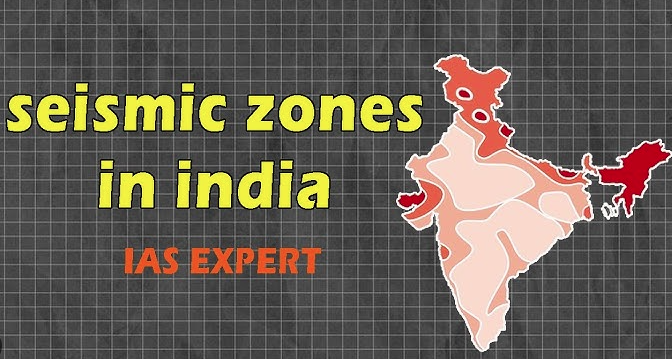
These lessons are ours. They are general earthquake-safety points, not findings from the Chinese reports, and none of the reports say any resident did something wrong. The Himalayan arc, from Kashmir and Himachal through Uttarakhand, Sikkim and Arunachal, lies along the same India-Eurasia collision that builds the Tibetan plateau. India’s seismic zoning under BIS standard IS 1893 puts much of this arc in its higher zones, so a night-time quake with cold, rockfalls and cut roads is not a foreign story.
- Drop, Cover and Hold On. When shaking starts, get down, take cover under a sturdy table or beside an inside wall away from windows, and hold on until it stops. Do not run for the stairs or a lift. The National Disaster Management Authority (NDMA) teaches the same drill. Our guide on natural disaster preparedness in India covers local risk and a family plan.
- Expect aftershocks, and keep out of cracked houses. In Tibet, officials warned that homes which cracked or leaned could fall in later tremors. If your house is cracked after a quake, stay outside until a qualified engineer clears it, even if the main shock was a day ago.
- Cold kills too. Late-October nights at 4,800 m are below freezing. If you shelter in a tent or car after a hill quake, keep warm layers, quilts and a hot drink ready. If you use a coal, wood or gas heater in a closed tent or vehicle, keep a vent open, because carbon monoxide builds up.
- Do not stop under a slope. Rockfalls blocked a national highway here. On hill roads in Himachal, Uttarakhand or the North-East, after a tremor keep moving away from steep slopes and loose rock, and do not drive through fresh debris.
- Keep a go-bag at the door. Torch, power bank, medicines, copies of documents, water and warm clothing. Our family emergency plan guide covers contacts and meeting points.
- Know whom to call. In India, 112 is the all-in-one emergency number. Our state-wise helpline list has the disaster control room numbers.
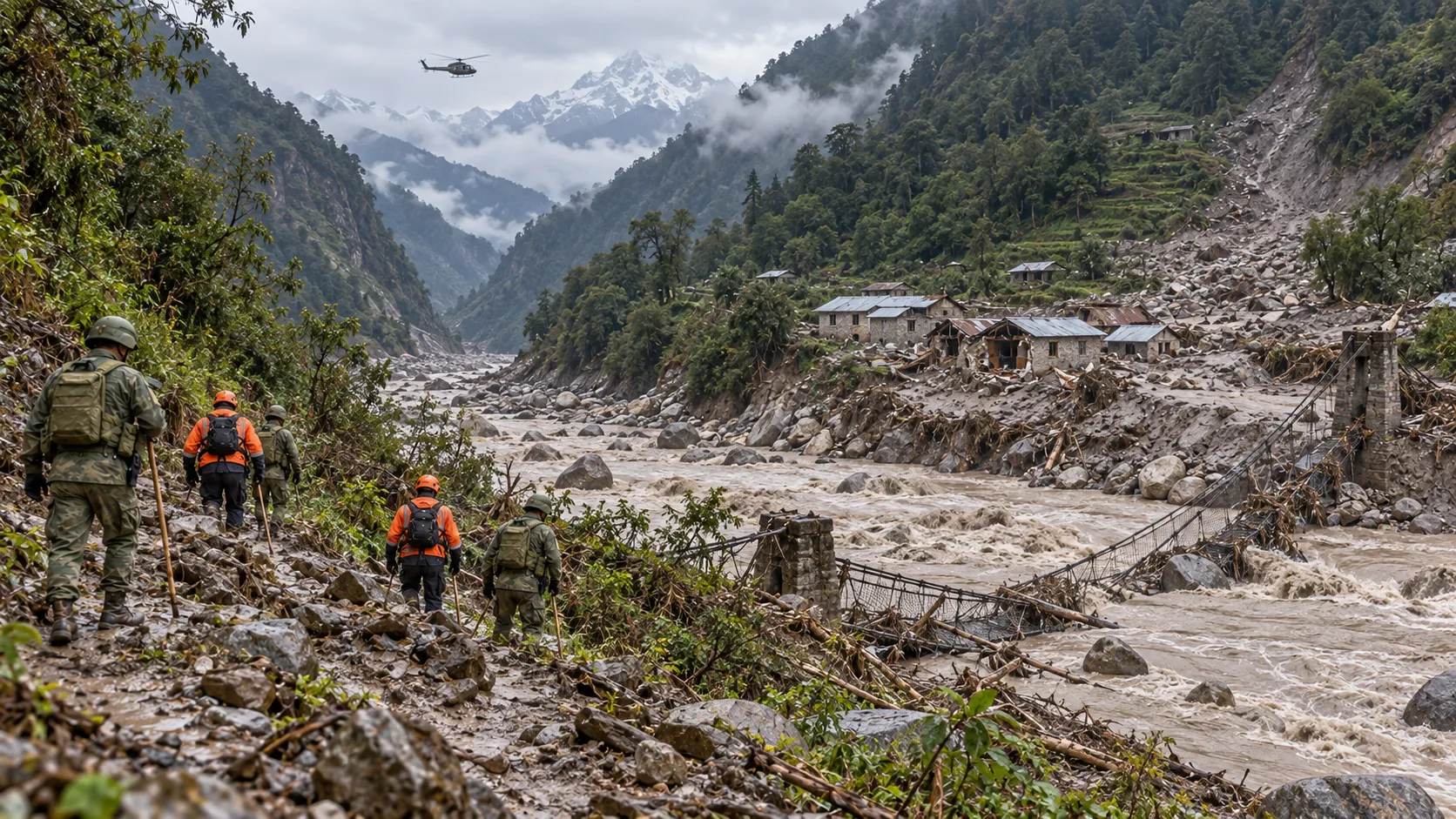
We have covered other big quakes and Himalayan hazards: the Panama M7.7 earthquake earlier this month, and the Nepal-Tibet flash flood, which also hit high-altitude communities. We have not seen any report of damage or casualties in India or Nepal from this quake in the sources we opened, and we make no claim about it being felt there.
What next
We will update this page when the authorities publish a survey of the damaged villages, a final count, or any finding on why homes failed. Until then, treat all single numbers on aftershocks, depth and injuries as provisional.
- M7.0 earthquake strikes Baqen County, Nagqu, Tibet (USGS; Xinhua)
- Aftershocks of magnitude 4.5 to 5.2 follow within hours (USGS catalogue); first early reports speak of no casualties, then 16 dead
- Nagqu authorities give 16 dead and 76 injured at a press conference (Xinhua)
- More than 12,000 people relocated; CENC counts 413 aftershocks; officials warn cracked homes may fall in aftershocks (Reuters)
- Three rounds of household searches done, no one missing in Baqen (AP); first prefabricated houses begin to go up at about 2 am; 949 aftershocks by 2 pm (Xinhua)
- Power fully restored in the quake zone (State Grid via Xinhua)
- Strongest aftershock so far, 5.7 per CENC and 5.9 per USGS; China's earthquake administration reports finding the surface rupture about 15 km east of the epicentre (Global Times)
Why consequences escalated
- A magnitude 7.0 normal-faulting earthquake struck a remote, high-altitude part of northern Tibet at night on 22 October 2026.
- The official toll is 16 dead, 76 injured and 339 homes collapsed, with no one missing in Baqen County; early counts changed several times.
- Agencies differ on depth (USGS 18 km) and on the size of the strongest aftershock on 25 October (CENC 5.7, USGS 5.9).
- About 12,500 people were relocated to tents and temporary shelters in sub-zero conditions; power was restored by 24 October.
- No engineering or building-performance review has been published yet.
Failures and risk multipliers
- Houses that cracked or leaned in the main shock stayed standing but were at risk in aftershocks, according to officials (Reuters, AP).
- At a high, cold, remote site, rockfalls blocked a highway and shelter had to be brought hundreds of kilometres (inferred from the reports; no review has been published).
- Early casualty counts changed from 'no casualties' to 16 dead and from 32 to 76 injured within a day, which made the first reports unreliable.
- How older housing performed, and whether any building rules applied, is not reported.
Actions that reduce risk
- Drop, Cover and Hold On when shaking begins; leave the building only after it stops, if it is safe.
- Stay out of cracked or leaning houses until an engineer clears them, even days after the main shock.
- Keep warm clothing, quilts and a go-bag ready; vent any heater used in a closed tent or vehicle.
- On hill roads, keep away from steep slopes and loose rock after a tremor.
- Save 112 and your state disaster control room number.



Leave a comment