
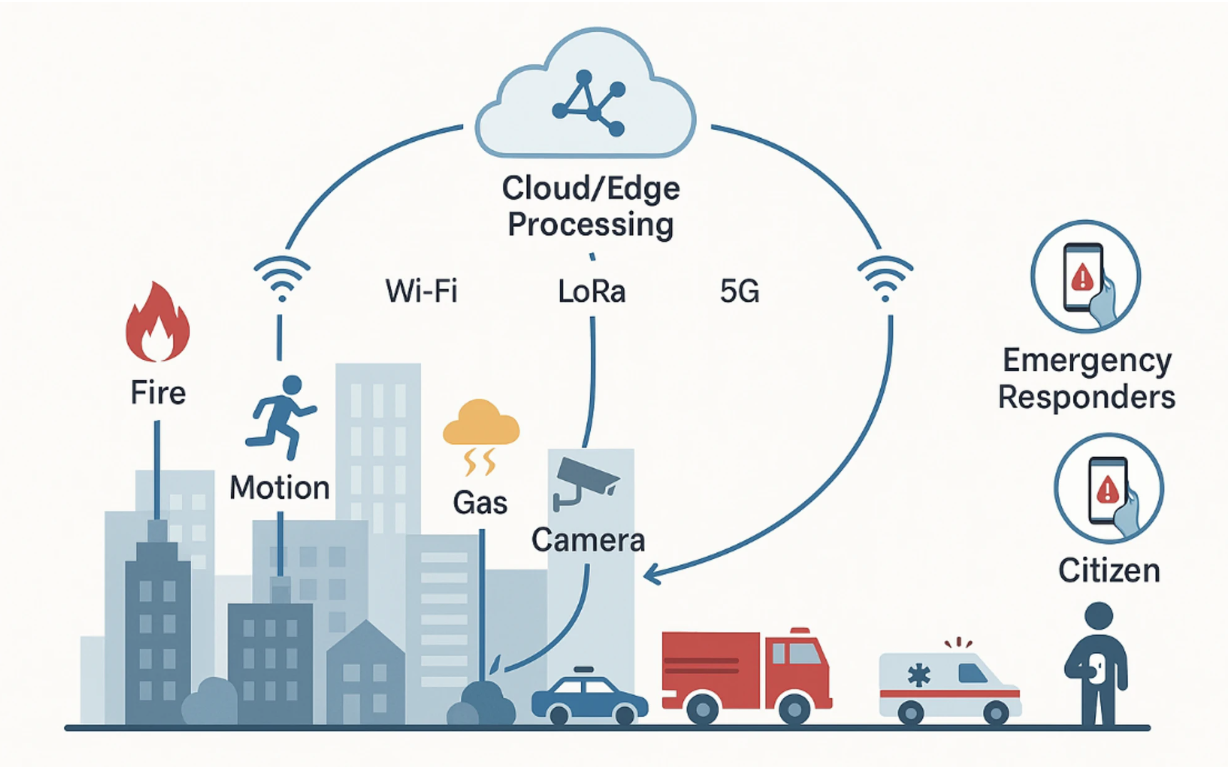
Quick answers
What is India's single emergency number?
112. It is meant to connect you to police, fire and medical help through one call, though how fully these services are joined up behind it varies from state to state.
What can India learn from Japan's volunteers?
Japan has about 7.84 lakh volunteer firefighters and neighbourhood disaster-prevention groups with about 4.5 crore members. Preparedness there is part of everyday neighbourhood life, not a campaign after a tragedy.
How can ordinary people help emergency response?
Learn CPR and first aid, join Civil Defence, Aapda Mitra or a community responder group in your city, and agree with your neighbours who will call for help and who will give first aid.
What do good emergency systems abroad have in common?
Decisions are taken locally, trained citizens act as first responders, apps send the nearest trained person, there is one emergency number, and response times are tracked and reported.
The National Crime Records Bureau (NCRB) recorded 4,67,857 accidental deaths in India in 2024. That is about one every 67 seconds (Accidental Deaths & Suicides in India 2024). Not all of them could have been prevented, but faster first help would have saved some.
Several countries have cut the wait for first help by training ordinary citizens and linking them to emergency dispatch. India can learn from them.
Why the first few minutes matter
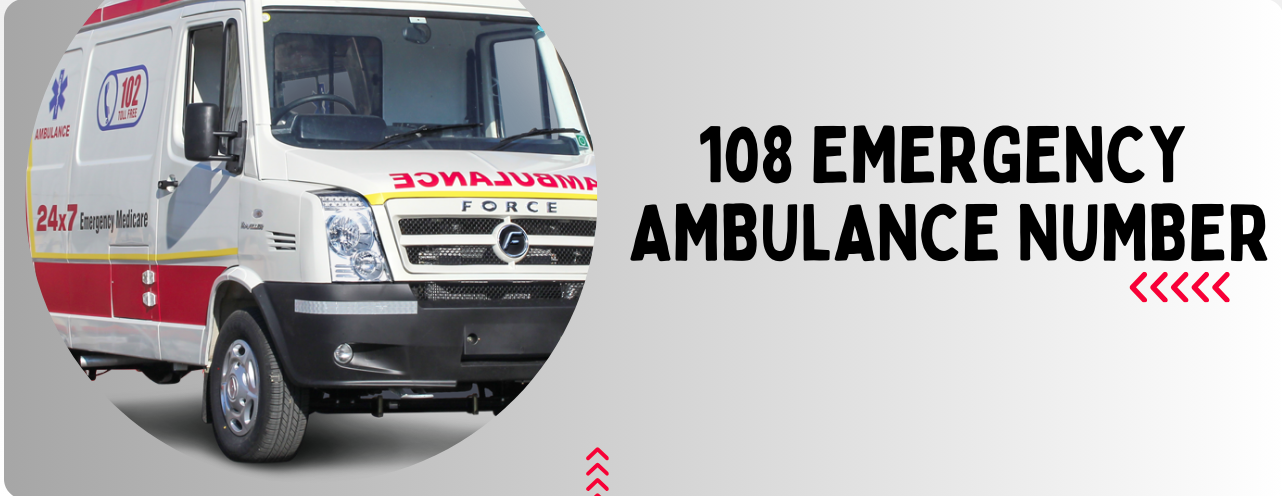
In India, we mostly wait for the government to arrive: the police van, the fire engine, the 108 ambulance. In a big city at rush hour, or a village far from the highway, that wait can be long. In a cardiac arrest, a serious bleed or a fire, the first few minutes matter most. In other countries, the person who helps in those minutes is often a trained neighbour, not a professional.
How other countries do it
| Country | Model | Key strength | Relevance to India |
|---|---|---|---|
| USA | 911 single emergency number (US practice) | One number for police, fire and medical help | Same idea as India’s 112 |
| Japan | Volunteer fire corps and voluntary disaster-prevention groups | About 7.84 lakh volunteer firefighters alongside about 1.68 lakh full-time firefighters | Neighbourhood volunteer teams |
| Singapore | SCDF myResponder app | Alerts registered volunteers to nearby cardiac arrests and minor fires; shows nearby AEDs | Citizen-responder alerts linked to 112 |
| Germany | Volunteer fire brigades | About 10.28 lakh active volunteer members, against 39,501 professional firefighters (2023) | A volunteer fire force for Indian towns and villages |
| Israel | United Hatzalah | Volunteer medics sent to nearby emergencies by a GPS app; many ride “ambucycles” | Medical first response in crowded cities |
(Sources: International Fire Service Information Center / FDMA data, 2023; Singapore Civil Defence Force; Deutscher Feuerwehrverband statistics, 31 December 2023; United Hatzalah profile. Response-time figures earlier shown for each country could not be verified and have been withdrawn.)
Look at Germany. For every professional firefighter there are more than 25 volunteers. Most of Germany’s fire cover outside big cities is provided by trained local people.
Case study 1: Japan, community first
Japan’s fire service relies on community volunteers as well as professionals. Every municipality has a volunteer fire corps, about 7,84,000 volunteer firefighters in all, and voluntary disaster-prevention groups have about 4.5 crore members (International Fire Service Information Center, based on FDMA data, 2023).
- Volunteer fire corps fight fires and carry out rescues in their own areas.
- Voluntary disaster-prevention groups organise residents to respond to disasters where they live.
Lesson for India: disaster preparedness works best as part of daily neighbourhood life, not as an awareness campaign after a tragedy.
Case study 2: Israel, United Hatzalah
United Hatzalah is a non-governmental volunteer network that uses a GPS-based mobile app to send the nearest trained responders to an emergency before the ambulance arrives.
- It was founded in 2006 by merging several local volunteer groups.
- Volunteers are sent to emergencies near them by the app, and many ride medically equipped motorcycles (“ambucycles”) that get through traffic.
- It is funded through private charitable support.
Lesson for India: in traffic-choked Indian cities, a trained volunteer on a two-wheeler could reach a patient long before an ambulance. Linking such volunteers to 112 and 108 could save lives in the golden hour.
What successful models have in common
- Local control. Decisions and resources sit close to where the emergency happens.
- Trained citizens. Volunteers, not only professionals, act as first responders.
- Technology. GPS and mobile apps send the nearest trained person.
- One emergency number. Every call goes to a single point that sends help.
- Accountability. Response times are tracked and reported.
How India could adapt these ideas
- Strengthen 112 so police, fire and ambulance are fully joined up in every state.
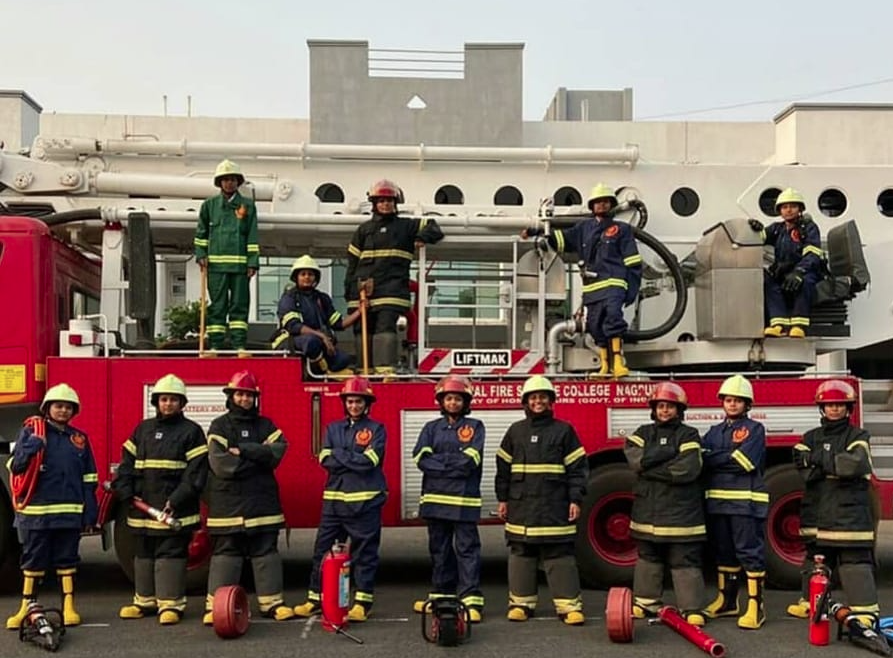
- Build trained volunteer forces in each district under the state disaster authority, learning from Japan and Germany.
- Launch a citizen responder app that alerts the nearest CPR-trained person to a cardiac arrest, as Singapore does.
- Track response times on dashboards in every emergency operations centre, and publish them.
- Teach first aid and CPR in schools across the country.
What India already has
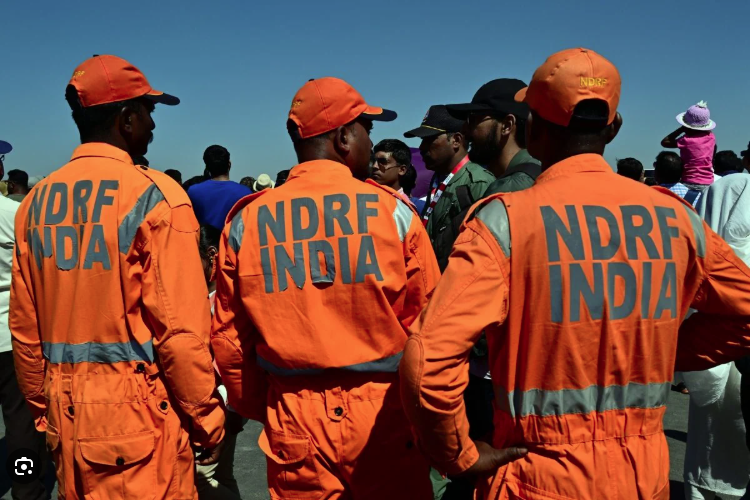
India has strong traditions of neighbours helping neighbours. In floods and other disasters, local people are almost always the first to rescue, cook and shelter. Civil Defence, Home Guards, NCC, NSS and Aapda Mitra volunteers already exist. What is missing is regular training, proper equipment and a link to the emergency dispatch system, so that this goodwill reaches the right place in the first few minutes.
What you can do
- Learn CPR and basic first aid. Many hospitals, the Red Cross and St John Ambulance run short courses.
- Join a volunteer programme such as Civil Defence or Aapda Mitra in your district, or a community responder group in your city.
- Save 112 and 108 on your phone, and know your nearest hospital with an emergency department.
- Start small: agree with your neighbours who has first-aid training, who has a vehicle and who will call for help.
The fastest first responder is the trained person who is already there. That could be you.
References
What needs attention
- In Japan and Germany, trained volunteers far outnumber professional firefighters
- Singapore and Israel use apps to send the nearest trained volunteer before the ambulance arrives
- Successful systems combine local control, trained citizens, technology, one number and accountability
- India already has volunteer bodies such as Civil Defence, Home Guards and Aapda Mitra, but they are not linked to dispatch
- Response-time comparisons between countries could not be verified and are not shown
Controls that reduce risk
- Fully integrate police, fire and ambulance under 112 in every state
- Build trained district volunteer forces under the state disaster authority
- Create a citizen responder app for cardiac arrests and minor fires
- Publish response times from every emergency operations centre
- Teach first aid and CPR in all schools
Common unsafe practices
- Relying only on government responders in the first few minutes
- Standing by because nobody nearby knows CPR or first aid
- Training volunteers but never linking them to 112 or 108
- Not tracking or publishing response times
- Copying foreign models without adapting them to Indian cities and villages
Leave a comment