
Quick answers
What should I do if I smell LPG in the kitchen?
Do not light a flame or operate electrical switches. If it is safe, close the burner and cylinder regulator, ventilate by opening doors and windows manually, move people outside and contact the authorised gas supplier or fire service from a safe place.
Should I switch off the kitchen light or exhaust fan?
No. Operating a switch can create a spark. Leave switches as they are, avoid phones inside the affected area and ventilate manually when this can be done without entering a dangerous concentration.
How can I check a suspected LPG leak?
Do not use a match or flame. Close the supply and obtain inspection from an authorised technician or distributor. A soap-solution check may reveal bubbles at an accessible connection, but it does not replace competent inspection.
When should the fire service be called?
Call immediately if there is fire, a strong or persistent leak, a damaged cylinder or valve, people are unwell, gas has accumulated in an enclosed area, or the supply cannot be shut safely.
In 2024, the National Crime Records Bureau (NCRB) recorded 1,355 fires from cooking gas cylinder or stove bursts, which killed 1,389 people. That is nearly four deaths every day. Another 160 people died in domestic gas cylinder explosions.
(Source: NCRB, Accidental Deaths & Suicides in India 2024.)
Almost every Indian kitchen has an LPG cylinder now. The Petroleum Ministry told the Lok Sabha in July 2026 that there were 33.13 crore domestic LPG connections in the country. Gas has made cooking cleaner and easier, but the safety habits have not always come with it. A cracked tube, a loose regulator or a match struck at the wrong moment is all it takes.
LPG fires and explosions (NCRB, 2023 and 2024)
| Indicator | 2023 | 2024 |
|---|---|---|
| Fires from cooking gas cylinder or stove bursts (cases) | 1,533 | 1,355 |
| Deaths in these fires | 1,532 | 1,389 |
| Domestic gas cylinder explosions (cases) | 199 | 146 |
| Deaths in these explosions | 201 | 160 |
(Source: NCRB, Accidental Deaths & Suicides in India 2023 and 2024, as reported by States/UTs.)
Two numbers from 2024 stand out:
- Women were 875 of the 1,389 people killed in cooking gas cylinder or stove-burst fires, about 63%. In most homes, they are the ones standing at the stove.
- 74 children under 14 died in these fires.
NCRB does not record the time of day or the cost of damage in these accidents.
How LPG accidents usually start
- A loose regulator. If the regulator is not fixed properly on the cylinder valve, gas escapes quietly.
- An old or cracked tube. Heat, age and rats crack rubber tubes, and the leak may be too small to notice at first.
- A leaking cylinder valve, often noticed during delivery or when the cylinder is changed.
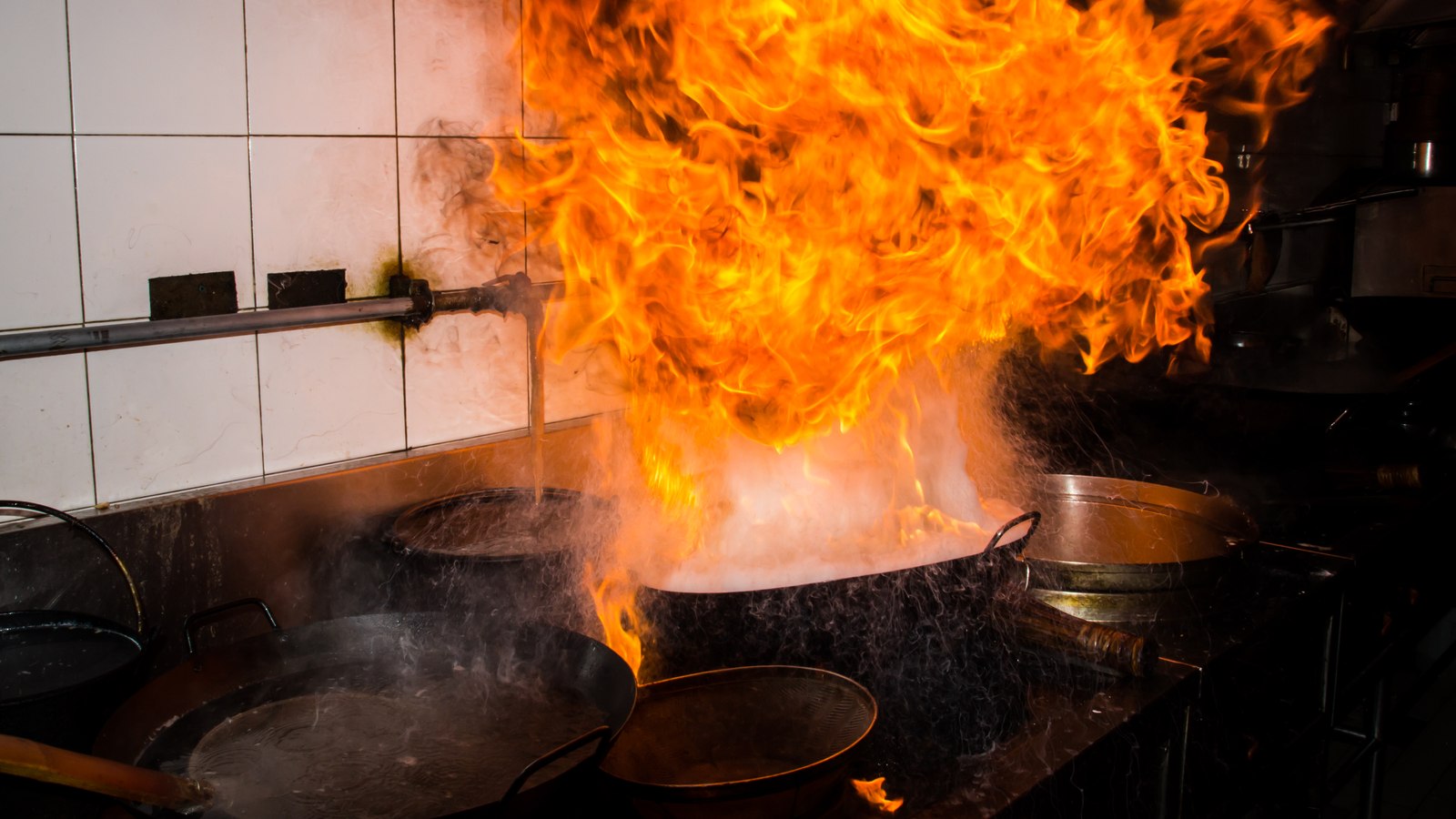
- A flame or spark near leaked gas. Lighting the stove, switching on a light or an agarbatti burning in the puja corner can ignite gas that has already leaked.
- A closed kitchen. LPG is heavier than air. It settles near the floor and in low corners, and builds up where there is no fresh air.
A real case: Surat, January 2024
- What happened: an LPG cylinder leaked while a family was cooking at home in Bhestan, Surat, on the evening of 30 January 2024.
- Result: the leak led to an explosion and fire. A two-year-old boy died of burns, and a man and his sister were badly burned.
- Cause: news reports did not say what ignited the gas.
- Lesson: your nose is your first alarm. If you smell gas, act before anyone lights anything.
If you smell gas
- Do not light anything and put out any flame, including diyas and agarbattis.
- Do not touch electrical switches, not even to switch off a light or the exhaust fan. A switch can spark.
- Close the burner knobs and turn off the regulator. If the cylinder valve itself is leaking, fit the safety cap back on it.
- Open all doors and windows by hand.
- Get everyone out of the kitchen, and call the LPG emergency helpline 1906 or your distributor from outside. If there is a fire, or the leak will not stop, call 101 or 112.
How to check for a leak
- LPG has a smell added to it (ethyl mercaptan) so that you can notice a leak. The strong, rotten-cabbage or rotten-egg smell is your warning.
- Never use a match or lighter to look for a leak.
- Oil company guidance says you can place your thumb on the cylinder valve for a few seconds; if the leak is heavy, you will feel the gas pressure. Soapy water can show bubbles at a leak, but use it only on the bung and body of the cylinder.
- Whatever you find, get the installation checked by your distributor’s mechanic. Do not repair it yourself.
Safe cooking and cylinder habits
- Keep the cylinder upright and at floor level, below the stove platform. Never keep it in a pit, a closed cabinet or in direct sun.
- Replace the old rubber tube with an ISI-marked Suraksha hose. Keep it uncovered so you can see it, and change it before the expiry date printed on it, or earlier if it cracks.
- Turn off the regulator after cooking and every night before bed.
- Strike the match first, then open the burner knob.
- Never leave a pot on the burner and walk away. Milk or dal boiling over can put out the flame, and gas keeps flowing.
- Keep curtains, plastic and cloth away from the stove, and wear cotton while cooking.
- Keep the kitchen ventilated, and do not let children play near the stove or cylinder.
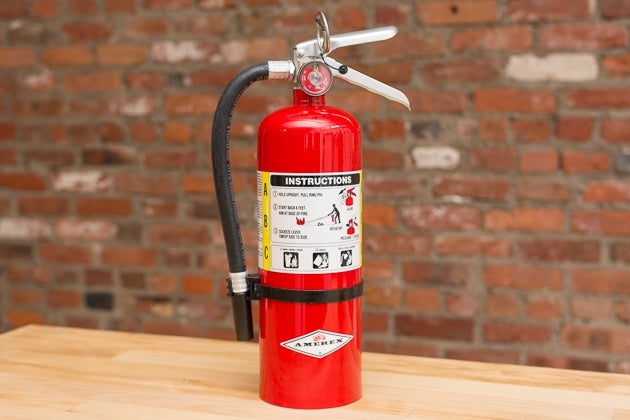
- Keep a small ABC dry powder extinguisher where you can reach it on the way out, not behind the stove.
What the oil companies advise on checks and replacement
| Part | What to do |
|---|---|
| Suraksha LPG hose | Life of 5 years; check regularly and replace if cracked or past its expiry date |
| Whole LPG installation | Get it checked by the distributor every two years |
| Cylinder valve | Check for smell or hissing every time the cylinder is changed; keep the safety cap |
| Hotplate (stove) | Use only an ISI-marked hotplate |
(Source: LPG consumer guidance, Pradhan Mantri Ujjwala Yojana, pmuy.gov.in.)
What should change
- Distributors should actually carry out the two-yearly home safety check, and customers should ask for it.
- Only ISI-marked hoses, regulators and stoves should be sold and fitted.
- Delivery staff should check for leaks when they fit a new cylinder and show families how to use the regulator safely.
- LPG safety messages should reach every home in the local language, especially new Ujjwala households.
Do this tonight
Go to your kitchen and look at the hose. Is it cracked, hard or past the date printed on it? Is the regulator off? Save 1906 on your phone, and teach everyone at home, including the children and the domestic help, what to do if they smell gas: no flame, no switch, regulator off, windows open, get out and call.
References
- NCRB, Accidental Deaths & Suicides in India 2024, Chapter 1 and Tables 1.7, 1.8 and 1.12 (ncrb.gov.in)
- NCRB, Accidental Deaths & Suicides in India 2023, Table 1.7
- Ministry of Petroleum and Natural Gas, Lok Sabha reply on domestic LPG connections, July 2026 (as reported by All India Radio News)
- Pradhan Mantri Ujjwala Yojana, LPG consumer guidance
What needs attention
- Cooking gas fires killed nearly four people a day in India in 2024
- Almost two out of three people killed in these fires were women
- Deaths from cooking gas fires and cylinder explosions fell from 2023 to 2024 but remain high
- Most LPG accidents start with a small leak from a loose regulator, cracked tube or faulty valve
- LPG is heavier than air, so leaked gas collects near the floor in a closed kitchen
- Switching on a light or striking a match near leaked gas can cause an explosion
Controls that reduce risk
- Replace rubber tubes with an ISI-marked Suraksha hose and change it before its expiry date
- Ask your distributor for the two-yearly LPG installation check
- Keep the cylinder upright, at floor level and below the stove platform
- Turn off the regulator after cooking and before bed
- Keep the kitchen ventilated and curtains away from the stove
- Teach everyone at home what to do if they smell gas
Common unsafe practices
- Using an old, cracked rubber tube instead of an ISI-marked Suraksha hose
- Leaving the regulator on overnight
- Switching a light or exhaust fan on or off after smelling gas
- Using a match or lighter to look for a leak
- Leaving a pot boiling on the stove and walking away
- Keeping the cylinder in a closed cabinet or below floor level
- Trying to repair the regulator or valve yourself
Leave a comment