

Quick answers
What are the biggest home safety risks for young children?
Accessible sockets and cords, hot liquids and stoves, small objects that can cause choking, balconies or stairs without railings, and cleaning chemicals within reach.
How can elderly people be protected from falls at home?
Add grab bars near toilets and beds, use anti-slip mats in bathrooms, keep a torch by the bed for power cuts, and remove loose rugs, wires and clutter.
How do I childproof my home?
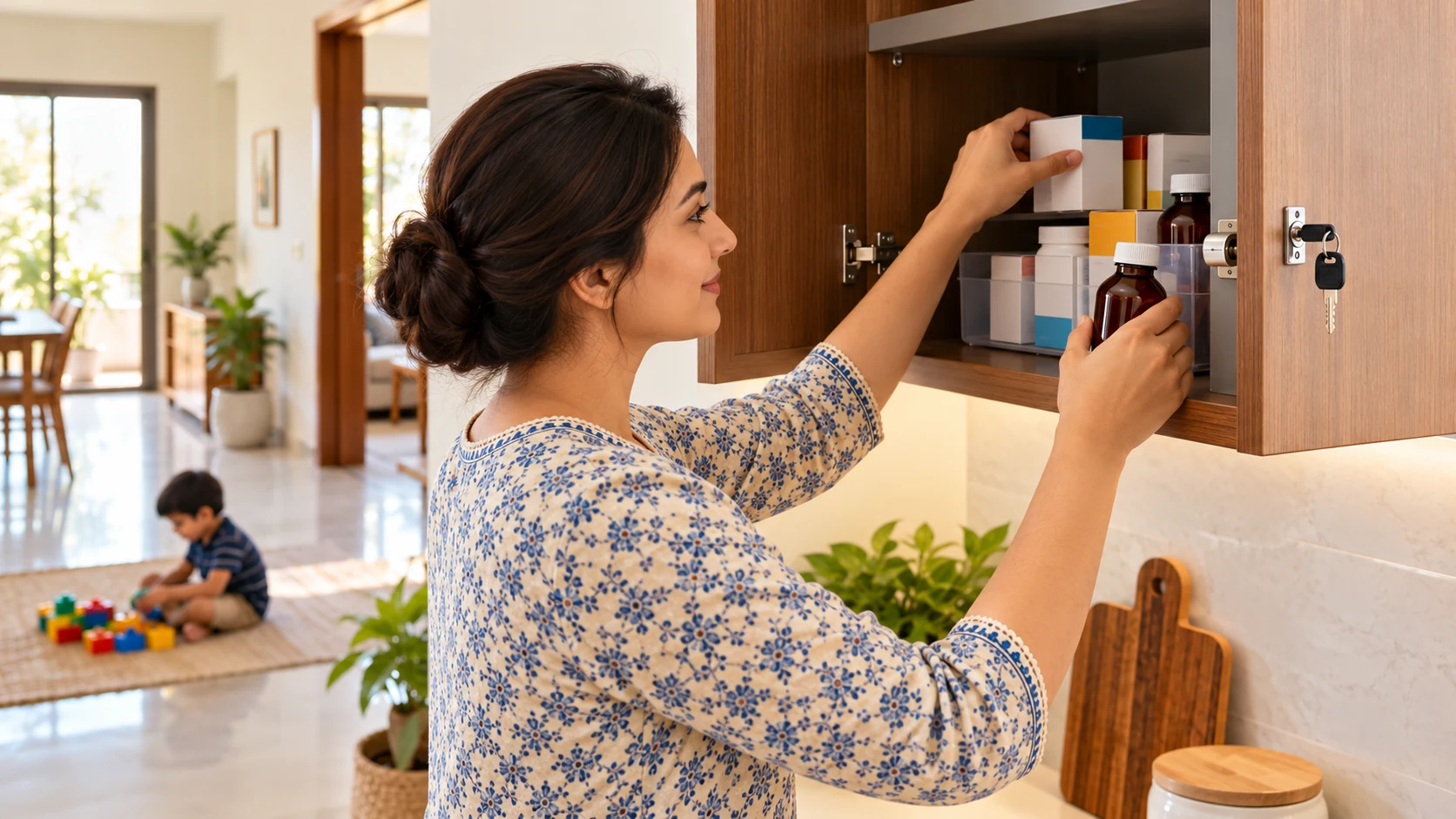
Install socket guards and childproof cabinet locks, keep medicines and cleaning products out of reach, lock stove knobs and gas valves when not cooking, and use soft corner guards on furniture.
What safety habits should every family follow at home?
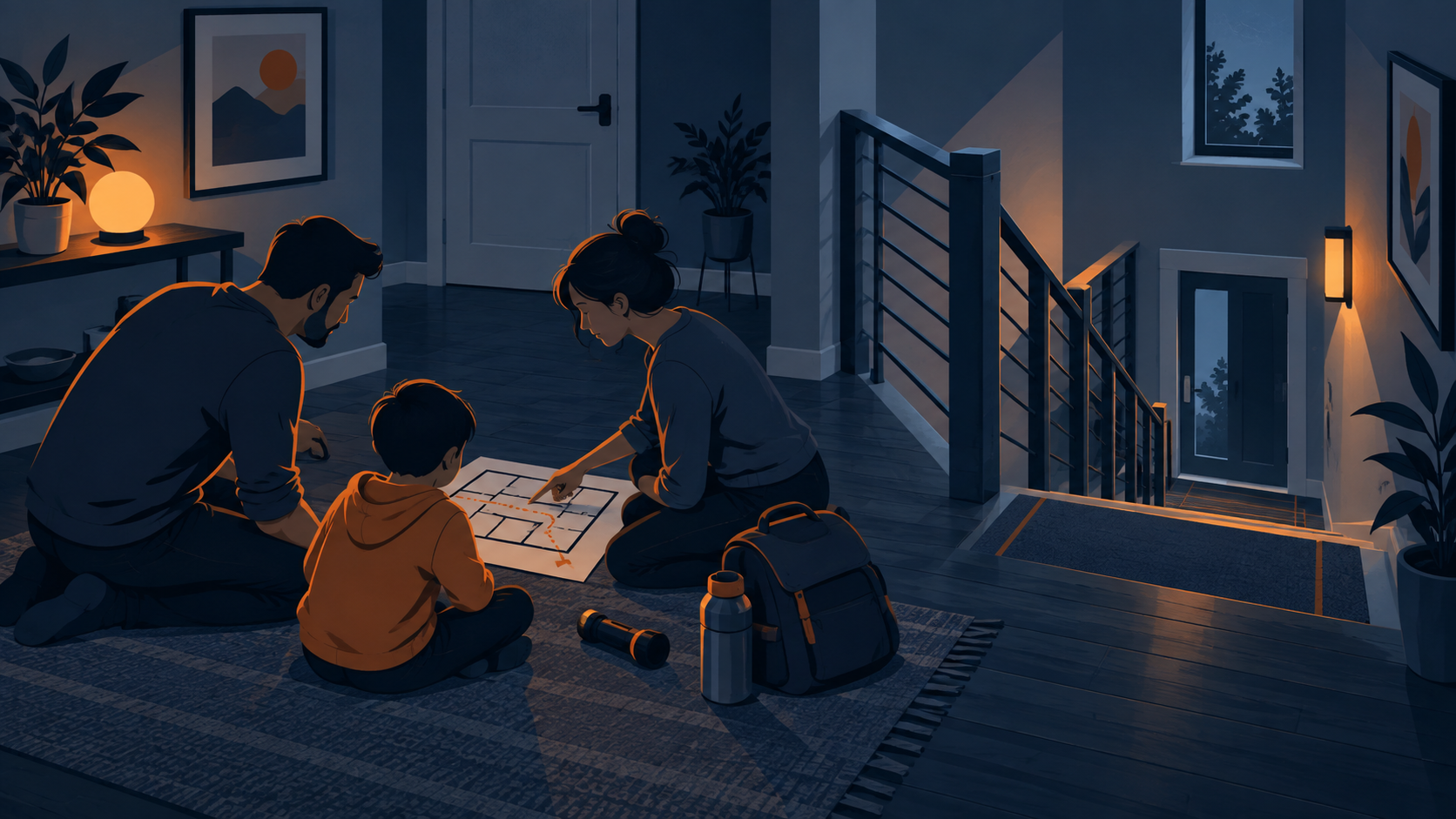
Keep an emergency checklist on the refrigerator, save family and ambulance numbers on quick dial, train family members in basic first aid and CPR, and test smoke and gas alarms regularly.
In 2024, the National Crime Records Bureau (NCRB) recorded 18,718 accidental deaths of children under 14 and 59,051 of people aged 60 and above. They died from drowning, falls, fire, electric shock, poisoning, road crashes and other causes. NCRB does not say how many of these happened at home.
(Source: NCRB, Accidental Deaths & Suicides in India 2024.)
A toddler does not know that a bucket of water can drown him. A grandmother who has walked to the bathroom a thousand times does not expect the wet floor this time. Both depend on the rest of the family to see the danger first. In most homes, the fixes are cheap and simple: a socket guard, a grab bar, a night light, a cupboard with a latch. What is usually missing is someone taking an hour to look.
Accidental deaths of children and older people (NCRB, 2024)
| Cause | Children (below 14) | Aged 60 and above |
|---|---|---|
| Drowning | 5,760 | 4,307 |
| Road and rail traffic accidents | 4,555 | 19,716 |
| Poisoning | 1,902 | 2,489 |
| Falls | 954 | 3,954 |
| Electrocution | 792 | 1,058 |
| Accidental fire | 392 | 1,219 |
| All causes (other than natural disasters) | 18,718 | 59,051 |
(Source: NCRB, Accidental Deaths & Suicides in India 2024, Table 1.8.)
What the data shows:
- Among the causes shown, drowning killed the most children: 5,760 in 2024.
- For people aged 60 and above, falls killed 3,954 and fire 1,219.
- These are all accidental deaths, not only those at home. NCRB does not publish a home-only count.
The biggest risks for young children
- Water. Buckets, tubs, open water tanks and sumps can drown a small child in very little water and very little time.
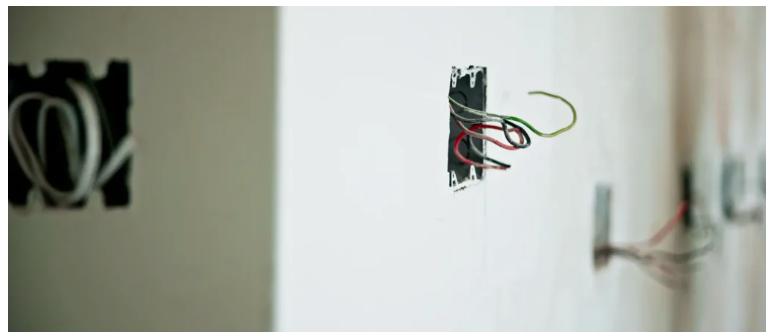
- Sockets and cords. Low sockets and dangling wires cause shocks and burns.
- Hot liquids and the stove. A cup of chai or a pot handle sticking out can scald a toddler badly.
- Small objects. Coins, buttons, batteries and small toy parts cause choking.
- Balconies, windows and stairs without proper railings or grills cause falls.
- Medicines, kerosene and cleaning chemicals kept within reach cause poisoning.
The biggest risks for elderly people
- Wet, slippery bathroom floors.
- Poor lighting at night, especially on the way to the toilet.
- Loose rugs, wires and clutter on the floor.
- No grab bars near the toilet, the bath or the stairs.
- Living alone, so help comes late after a fall or a fire.
Case study: flat fire in Lokhandwala, Mumbai (2024)
- What happened: a fire broke out in a 10th-floor flat of a 14-storey building in Lokhandwala Complex, Andheri West, on the morning of 16 October 2024. A short circuit was tentatively suspected.
- Outcome: a couple, both aged 74, and a 42-year-old man living with them died.
- Lesson: older people need more time to get out. A smoke alarm, a door that opens easily from inside and neighbours who check in can give them that time.
Simple changes that save lives
For children
- Never leave a small child alone near water. Empty buckets and tubs after use and keep water tanks and sumps covered.
- Fit socket guards, and put latches on cupboards with medicines and cleaning products.
- Keep medicines, kerosene, acids and cleaning liquids high up and in their original labelled bottles.
- Turn pot handles inwards and keep hot drinks away from table edges.
- Turn off the LPG regulator when you are not cooking.
- Fit grills or guards on low windows and balconies, and use soft corner guards on furniture.
- Teach simple rules: do not touch plugs, do not play with matches or the stove.
For elderly people
- Fit grab bars near the toilet, the bath and the bed.
- Use anti-slip mats in the bathroom and wipe up water at once.
- Put a night light on the way to the toilet, and keep a torch by the bed for power cuts.
- Clear loose rugs, wires and clutter from walking paths.
- Write emergency numbers in large print near the phone and on the fridge.
- Fit a smoke alarm and test it every month.
- If they live alone, arrange a daily phone call or a neighbour who checks in.
Family safety habits
- Keep a short home emergency checklist on the fridge door.
- Save 112, 108 (ambulance) and family numbers on quick dial on every phone, including the elders’ phones.
- Learn basic first aid and CPR as a family. Many hospitals and the Red Cross run short courses.
- Once a year, walk through the home together and look for new dangers as children grow and parents age.
What should change
- Housing schemes and new buildings should include basic child and elderly safety features, such as railings, grab bars and good lighting.
- Daycare centres and old-age homes should be inspected and certified for fire and safety.
- National household safety awareness should cover drowning, falls and poisoning, not just fire.
- Societies and RWAs should set up volunteer check-ins for elderly people living alone.
Do this today
Get down to the height of a two-year-old and look around your home. Then walk to the bathroom in the dark the way your parents do at night. Whatever scares you on either walk, fix it this week.
References
- NCRB, Accidental Deaths & Suicides in India 2024, Chapter 1 and Table 1.8 (ncrb.gov.in)
What needs attention
- Drowning was the biggest single cause of accidental death among children in 2024
- Older people were far more likely than children to die in falls and fires
- NCRB does not publish how many of these deaths happened at home
- At Lokhandwala, two 74-year-olds and a man living with them died in a flat fire
- Most home dangers for children and elders can be fixed cheaply
Controls that reduce risk
- Cover water tanks and sumps and empty buckets after use
- Fit socket guards and cupboard latches
- Fit grab bars and anti-slip mats in the bathroom
- Put night lights on the way to the toilet
- Fit a smoke alarm and test it monthly
- Learn first aid and CPR as a family
Common unsafe practices
- Leaving a small child alone near a bucket, tub or water tank
- Keeping medicines and cleaning chemicals within a child's reach
- Leaving pot handles and hot drinks where a toddler can reach
- Wet bathroom floors and no grab bars for elderly family members
- Dark passages to the toilet at night
- Leaving elderly parents living alone without daily contact

Leave a comment