
What happened here
 1 / 3
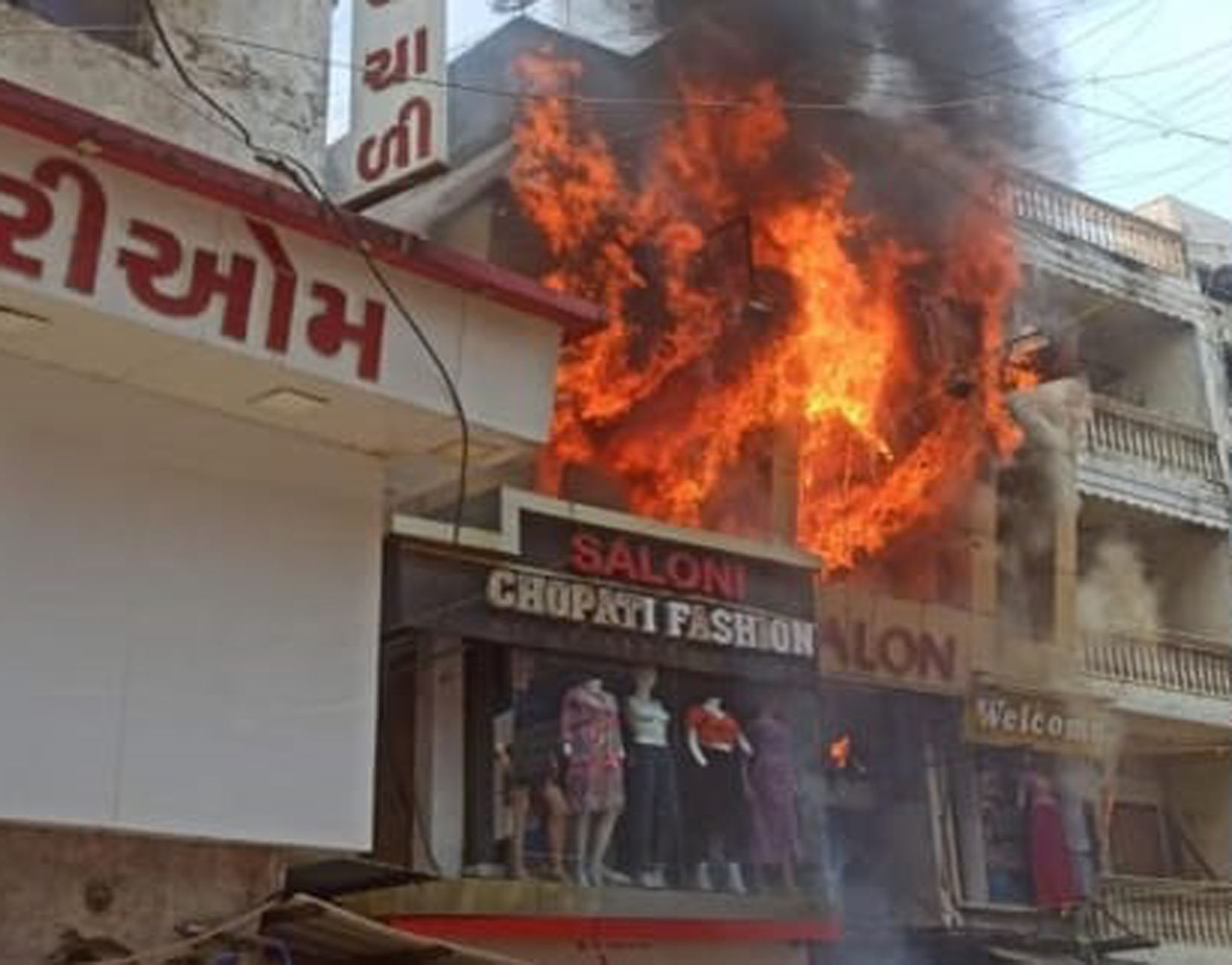
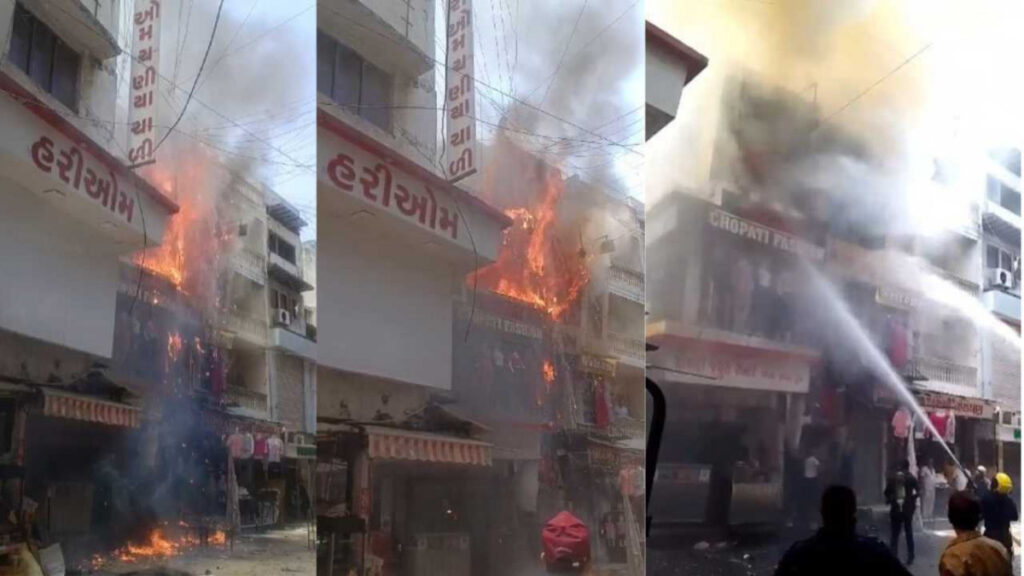
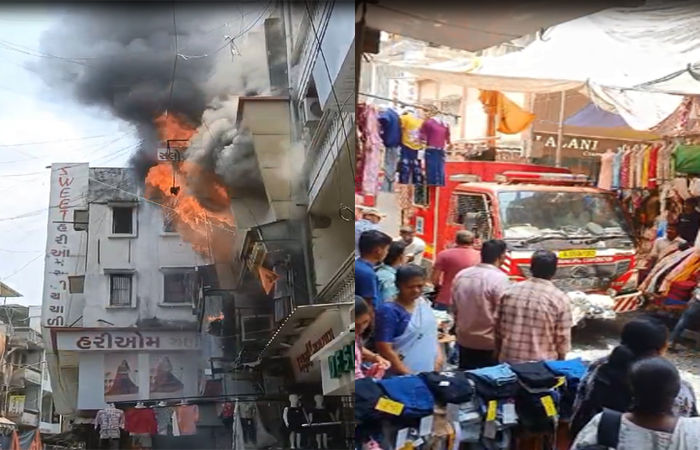
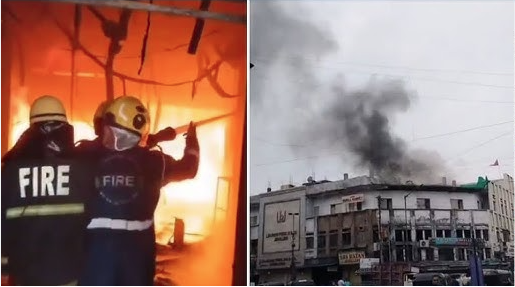
1 / 3 A garment-shop fire in Surat’s congested Chauta Bazaar showed how narrow lanes, encroachments, mixed occupancy and heavy combustible stock complicate urban firefighting.
Quick answers
What happened in the Chauta Bazaar fire in Surat?
In June 2024, a fire broke out in a garment shop on the second floor of Dalal Chamber in Surat's congested Chauta Bazaar. Firefighters arrived around 12:00 and controlled it by about 1:30 pm, and no injuries or deaths were reported.
Why was firefighting difficult in Chauta Bazaar?
Narrow lanes, illegal roadside stalls and traffic jams slowed fire engines, so the fire service used smaller vehicles. Nine fire trucks from four stations responded, and firefighters used oxygen masks in the heavy smoke.
What started the Chauta Bazaar shop fire?
The case account attributes the fire to an electrical short circuit when the shop's switches were turned on. It ignited nearby materials and spread quickly through the dense garment stock.
How can shopkeepers in crowded markets reduce fire risk?
Maintain electrical wiring, keep working fire extinguishers and smoke detectors, keep lanes free of encroachments so fire engines can reach, and run regular fire drills for shop owners and staff.
Introduction
On a bustling Friday afternoon, a massive fire erupted in a garment shop located on the second floor of Dalal Chamber in the congested Chauta Bazaar area of Surat. This incident triggered widespread panic among the occupants of nearby houses and shops due to the densely packed market and narrow lanes that complicated firefighting efforts. This case study examines the details of the incident, response efforts, and lessons learned to improve future safety measures.
Background
Chauta Bazaar is an old marketplace characterized by narrow lanes and old buildings, with heavy encroachments by roadside stalls. This environment presents significant challenges for emergency response vehicles. The fire broke out in Saloni Ladies Dresses on the second floor of a building that also housed other businesses and residential spaces.
Incident Timeline
- 11:40 a.m.: The shop owner, Javed Shaikh, opened the shop and turned on the electrical switches.
- 11:45 a.m.: A fire broke out on the second floor of Dalal Chamber.
- 11:55 a.m.: Surat Fire and Emergency Services (SFES) received the first call reporting the fire.
- 12:00 p.m.: Firefighting teams arrived at the scene.
- 1:30 p.m.: The fire was brought under control after extensive efforts.
Response Efforts
Given the narrow lanes and heavy encroachments, SFES deployed smaller firefighting vehicles to navigate the congested area. Despite the challenges, the firefighters managed to control the fire within an hour and a half. Nine fire trucks from four different stations responded, with firefighters using oxygen masks to combat the heavy smoke.
Analysis
Cause of Fire
The fire was caused by an electrical short circuit that occurred when the electrical switches were turned on. This ignited nearby materials, leading to a rapid spread of flames.
Challenges
- Narrow Lanes: The congested market area made it difficult for firefighting vehicles to reach the scene promptly.
- Encroachments: Illegal roadside stalls further impeded the movement of emergency vehicles.
- Smoke and Panic: Heavy smoke caused chaos and a stampede, complicating evacuation efforts and firefighting operations.
- Traffic Jam: The presence of a large crowd and the ensuing traffic jam delayed emergency response times.
- Repeated Encroachments: Despite multiple drives to clear the encroachments in Chauta Bazaar, unauthorized stalls return shortly after crackdowns, exacerbating the problem.
Impact
- Property Damage: Significant damage to the shop, including dress materials, furniture, electrical equipment, and structural components of the building.
- Economic Loss: The destruction of goods and property resulted in substantial financial losses for the shop owner and affected nearby businesses.
- No Casualties: Fortunately, no injuries or fatalities were reported, highlighting the effectiveness of the prompt evacuation and response.
Related Incidents
This incident bears resemblance to the fire tragedy at the TRP game zone of Rajkot, underscoring the critical need for clear emergency routes and strict enforcement against encroachments.
Lessons Learned
- Fire Safety Equipment: Ensuring all commercial establishments are equipped with functional fire safety equipment, such as fire extinguishers and smoke detectors, can significantly mitigate fire risks.
- Encroachment Control: Regular enforcement of laws to prevent illegal encroachments that block emergency access routes is crucial.
- Emergency Preparedness: Regular fire drills and awareness programs for shop owners and employees can improve readiness and response during emergencies.
- Infrastructure Planning: Urban planning should consider the need for accessible emergency routes in congested market areas.
- Community Vigilance: Encouraging the community to maintain clear pathways and report potential hazards can enhance overall safety.
Recommendations
- Regular Inspections: Conduct frequent safety inspections to ensure compliance with fire safety regulations and eliminate unauthorized encroachments.
- Enhanced Fire Safety Measures: Install fire suppression systems in high-risk areas and ensure regular maintenance.
- Public Awareness Campaigns: Launch educational campaigns to raise awareness about fire prevention and safety practices among shop owners and residents.
- Improved Infrastructure: Invest in infrastructure improvements to widen lanes and create designated emergency access routes in congested areas.
- Government Support: Provide financial assistance and support to businesses affected by such incidents to help them recover and rebuild.
Conclusion
The fire in Chauta Bazaar, Surat, underscores the critical need for robust fire safety measures and effective emergency response strategies in congested urban areas. By addressing the identified challenges and implementing the recommended actions, communities can enhance their resilience and preparedness against future emergencies. HowToSurvive.in is committed to spreading awareness and providing resources to help individuals and communities stay safe and prepared.
Additional Points
- Fire Engine Delays: Once again, the fire engine was trapped due to illegal encroachments in Chauta Bazaar, causing significant delays in firefighting efforts. Despite sirens, pushers did not move, highlighting the urgent need for stricter enforcement against such encroachments.
- Municipal Responsibility: The persistent issue of illegal encroachments reflects poorly on the municipal system’s ability to maintain clear and accessible pathways for emergency vehicles. The local government must prioritize the removal and prevention of such pressures to ensure safety.
- Legal and Regulatory Oversight: The building was less than 15 meters high and did not require an NOC from the SFES department. The responsibility for checking building permissions lies with the Central Zone of Surat Municipal Corporation (SMC), emphasizing the importance of inter-agency coordination in fire safety management.
- Community Action: The alertness and quick actions of the shop occupants and the public helped prevent further damage and injuries, demonstrating the importance of community awareness and preparedness.
More on Surat: see our Surat fire and emergency safety guide for fire brigade numbers, every fire station and the local risks to know.
- Electrical switches are turned on around 11:40
- Fire is noticed on the second floor around 11:45
- Surat Fire and Emergency Services receives a call around 11:55
- Crews reach the congested market around noon
- Fire is brought under control around 13:30
Why consequences escalated
- Dense combustible garment stock supported rapid fire growth
- Narrow lanes and encroachments restricted large-appliance access
- Mixed commercial and residential occupancy increased exposure
- Small response vehicles can be vital in historic market districts
- Electrical maintenance and isolation are critical in old commercial buildings
Failures and risk multipliers
- Operating without verifying occupancy, fire and building approvals
- Allowing combustible material or stock to compromise escape routes
- Locking, obstructing or reducing exits
- Failing to test alarms, emergency lighting and firefighting equipment
- Failing to train staff for immediate evacuation and emergency calls
People closest to the evidence
““Safety lesson””
Capacity, combustibility, warning, escape and emergency access must be verified together before occupancy.
Actions that reduce risk
- Compare actual occupancy and layout with approved plans
- Open and walk every exit to a safe assembly point
- Remove combustibles and storage from stairs and exit access
- Test alarms, emergency lighting and firefighting systems
- Train every shift and run a realistic evacuation drill
- Keep fire-service access clear and display the complete site address
Leave a comment