
Quick answers
Which Indian states are most flood-prone?
The answer depends on the period and measure used, such as affected area, people exposed, deaths, economic loss or repeated river flooding. The article compares the stated dataset rather than declaring one permanent ranking.
Why can flood-risk rankings change?
Rainfall, river flow, embankments, drainage, land use, urban growth, reporting quality and the years included can all change a ranking. Always read the dataset scope and date.
Does living outside a historically flooded district mean there is no risk?
No. Intense local rain, drainage failure, dam releases, coastal conditions and new construction can create flooding outside familiar flood zones. Follow current local warnings.
What should a household prepare before monsoon flooding?
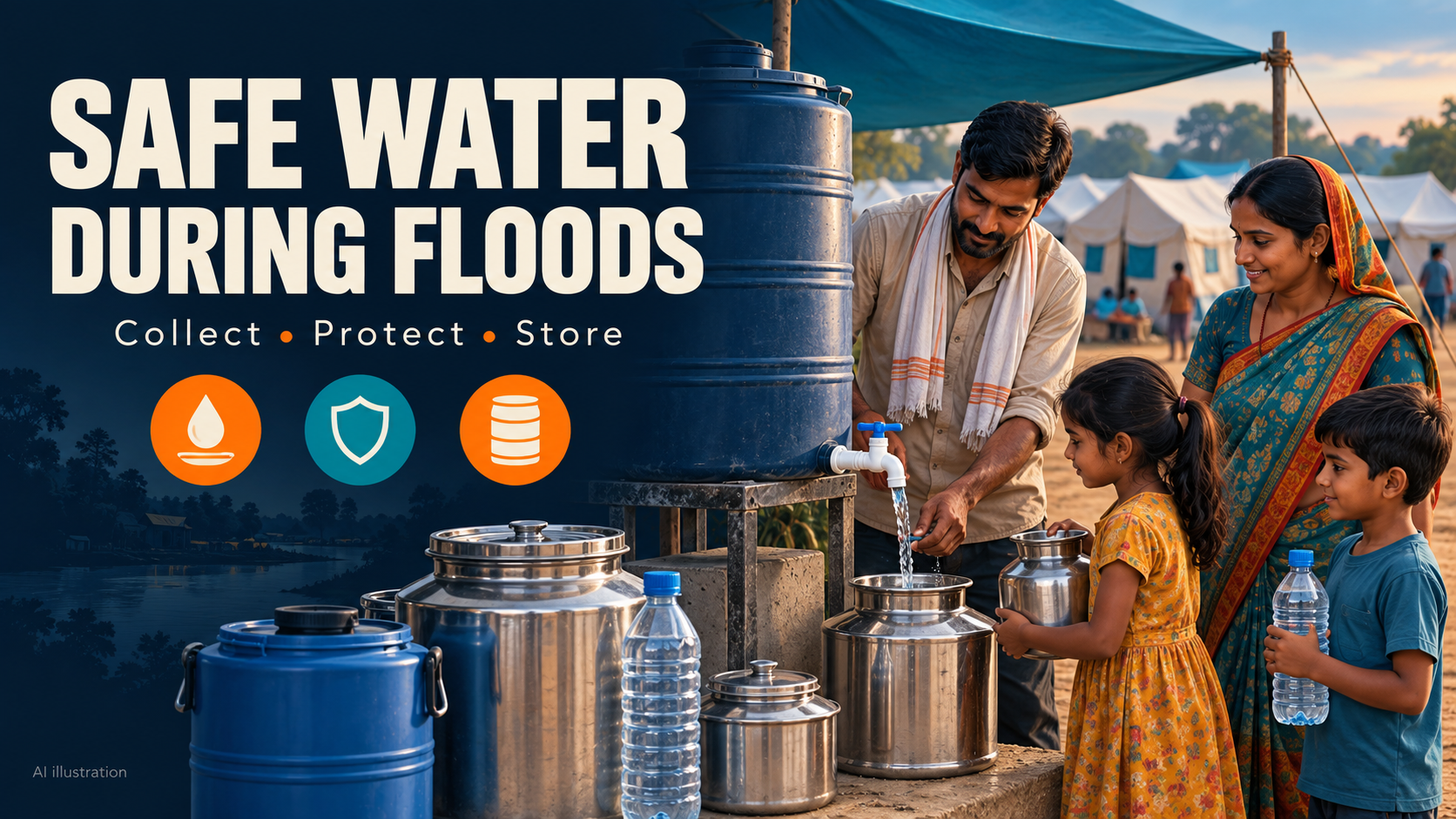
Know the evacuation route, protect documents and medicines, keep safe drinking water and lighting ready, charge communication devices and never plan to drive through moving floodwater.
🔴 Truth Drop
Every monsoon, more Indians die from floods than from any other natural disaster.
👉 Between 2019 and 2025, floods have affected over 7 crore people, destroyed millions of homes, and caused an estimated ₹2.5 lakh crore in losses.
(Source – NDMA, IMD, CWC Annual Flood Reports 2025)
Floods are no longer “natural” — they are a mix of climate change, unplanned construction, and broken drainage systems.
📖 Why This Matters
Floods don’t strike equally.
Certain states face repeated devastation every year because:
- Rivers overflow without embankment upgrades
- Urban areas choke on plastic-clogged drains
- Deforestation and encroachment erase natural water routes
The same regions keep drowning while the rest of India watches headlines and moves on.
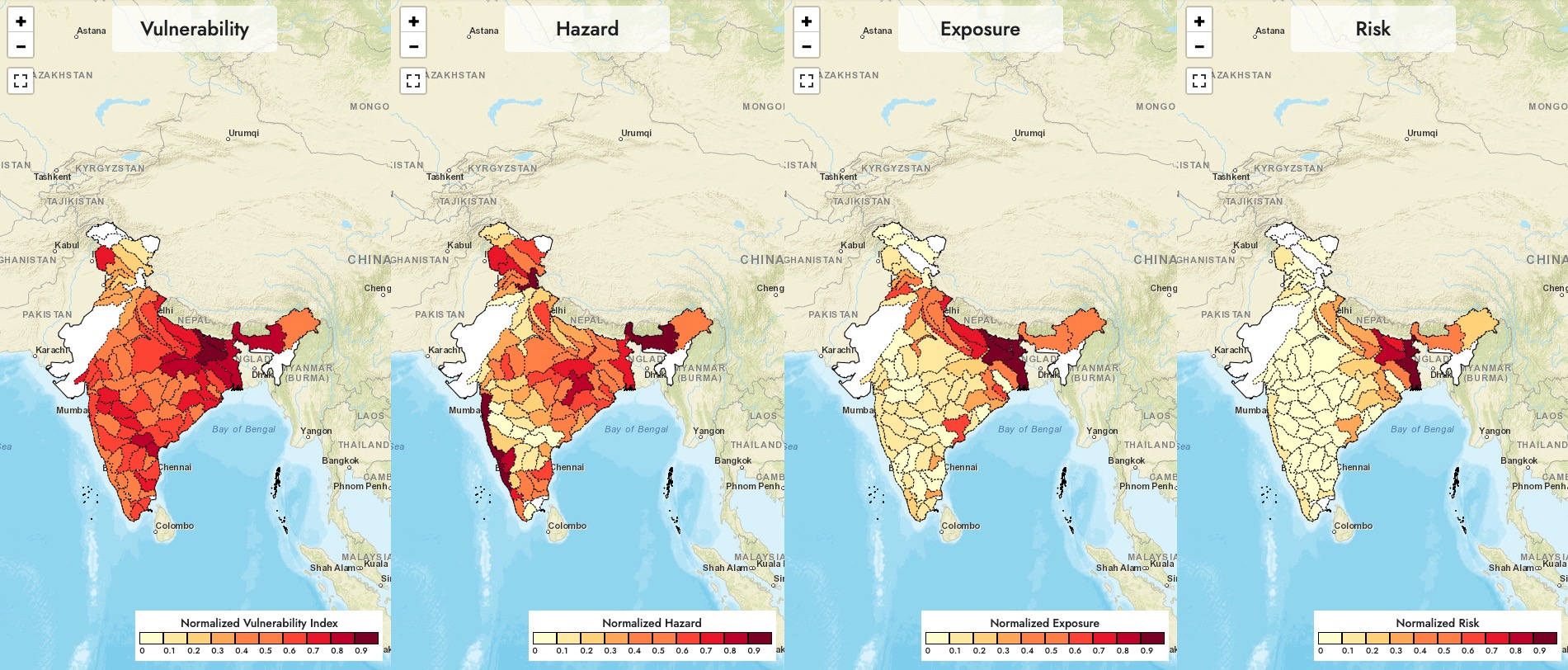
🗺️ Top 10 Flood-Prone States of India (2019 – 2025)
| Rank | State | % of Land Flood-Prone | Average People Affected per Year | Key Flood-Prone Rivers / Areas |
|---|---|---|---|---|
| 1️⃣ | Bihar | 73% | 1.6 crore | Kosi, Gandak, Bagmati – North Bihar plains |
| 2️⃣ | Assam | 40% | 70–80 lakh | Brahmaputra and tributaries |
| 3️⃣ | Uttar Pradesh | 28% | 50 lakh | Ghaghra, Rapti, Sharda, Ganga belt |
| 4️⃣ | West Bengal | 27% | 45 lakh | Ganga delta, Sundarbans |
| 5️⃣ | Odisha | 24% | 30 lakh | Mahanadi basin, coastal districts |
| 6️⃣ | Maharashtra | 15% | 25 lakh | Konkan coast, Krishna & Godavari basins |
| 7️⃣ | Kerala | 14% | 20 lakh | Periyar, Pamba – urban flash floods |
| 8️⃣ | Gujarat | 12% | 15 lakh | Sabarmati, Tapi, Saurashtra |
| 9️⃣ | Madhya Pradesh | 10% | 12 lakh | Chambal, Narmada |
| 🔟 | Jharkhand | 9% | 10 lakh | Damodar, Subarnarekha |
(Source – Central Water Commission Flood Atlas 2025; NDMA Annual Review 2024)
📊 Data Highlights (2019–2025)
- Total Lives Lost: ≈ 9,800
- Total People Affected: ≈ 7 crore
- Houses Damaged: > 25 lakh
- Crops Lost: > 9 million hectares
- Economic Loss: ₹2.5 lakh crore (≈ $30 billion)
⚠️ Urban floods rising fast: Chennai (2021 & 2023), Delhi (2023), Bengaluru (2022) show how cities are becoming as vulnerable as villages.
🧠 Why Flood Risk Is Increasing
- Climate Change = Erratic Rainfall
Heavy downpours in short bursts overwhelm drainage. - Urban Encroachment
Lakes and wetlands filled for construction = nowhere for water to go. - Poor Drainage & Waste Disposal
Plastic blocks storm water flow every monsoon. - Weak Infrastructure
Aging dams, embankments not maintained in decades. - Deforestation in Catchment Areas
Soil erosion and run-off increase river swell.
🛡 Survival Lessons for Citizens
✅ Know if you live in a flood-prone zone (CWC/IMD maps).
✅ Keep a 72-hour Emergency Kit — water, dry food, torch, first aid, power bank.
✅ Turn off electricity main when water enters house.
✅ Move to higher floors or rooftops — avoid basements.
✅ Store documents in waterproof bags.
✅ Download weather alerts (IMD or CWC Flood App).
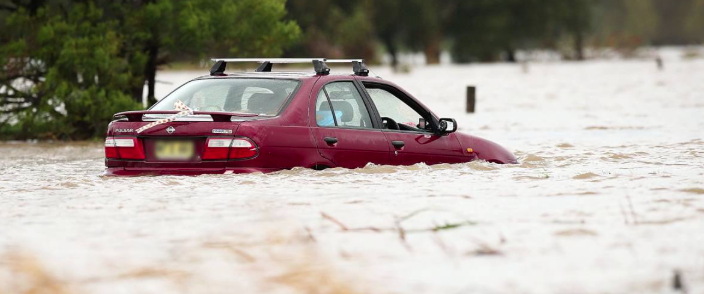
✅ Never drive or walk through flooded roads — just 6 inches of water can sweep you away.
📢 Systemic Lessons
India must:
- Build flood-resilient infrastructure & urban drainage systems.
- Enforce zoning laws — no construction in riverbeds or flood plains.
- Strengthen forecasting & early warning systems (IMD + CWC integration).
- Adopt community-based preparedness models like VFF India’s volunteer network.
- Create state-level flood resilience funds with transparent usage.
📣 Call to Action
🚨 Floods don’t wait for news alerts — they begin with our neglect.
👉 Check your district’s flood map today.
👉 Join community drills.
👉 Help build awareness — because preparation is the best rescue.
📎 References
- National Disaster Management Authority (NDMA) Flood Reports 2019–2025
- Central Water Commission (CWC) Flood Atlas 2025
- Indian Meteorological Department (IMD) Monsoon Review 2024
- World Bank “India Climate Resilience Profile,” 2023
- NIDM (2024) Statewise Flood Vulnerability Study
🔚 Closing Line
Floods may begin with rain, but they end with awareness.
This is why we built HowToSurvive.in — to turn data into action and citizens into defenders of life.
What needs attention
- The article topic must be linked to the actual occupancy and hazard
- Prevention and early warning provide more safety margin than last-second intervention
- Equipment is effective only when correctly selected, accessible and maintained
- People need short practised actions and a clear decision to stop and escape
- Children, visitors and people needing assistance require explicit planning
- Records, drills and inspections matter only when defects are corrected
Controls that reduce risk
- Complete a task- and site-specific hazard assessment
- Verify applicable Indian, state and local requirements
- Use competent inspection for installed systems and specialist hazards
- Keep alarms, exits, signs and emergency access usable
- Train intended users and practise evacuation
- Record defects with an owner and completion date
- Review the plan after changes, incidents or near misses
Common unsafe practices
- Relying on equipment without a hazard assessment
- Blocking or compromising escape routes
- Delaying the alarm or emergency call
- Attempting a response beyond training or safe conditions
- Re-entering before authorised clearance
- Treating a checklist as a substitute for competent inspection

Leave a comment