
What happened here

 1 / 10
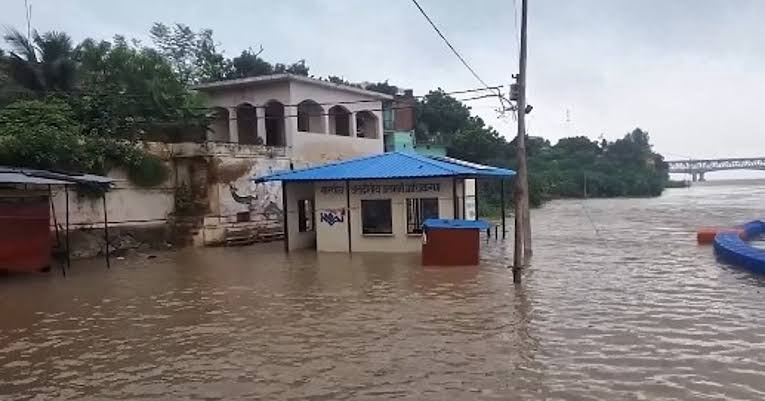
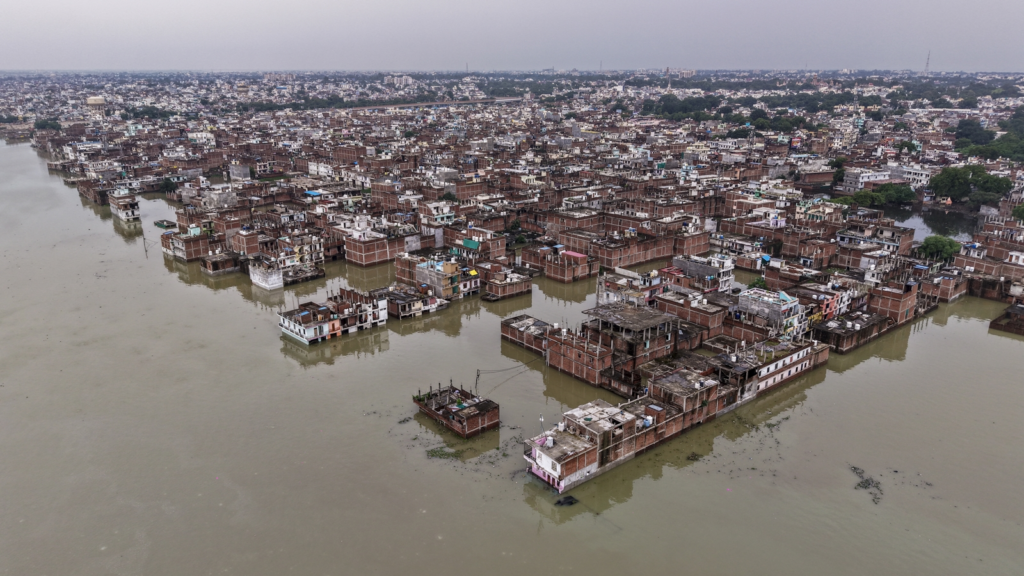
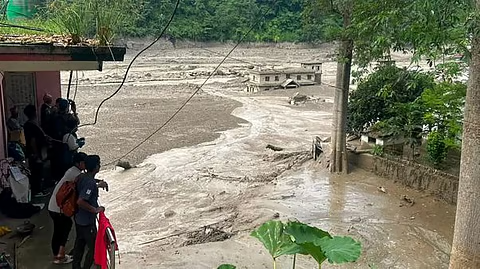
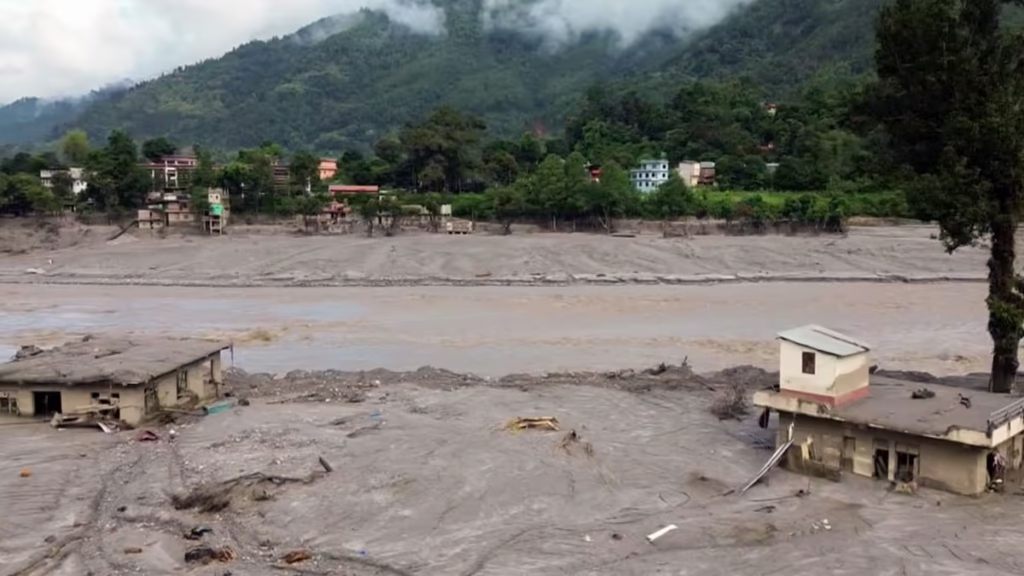
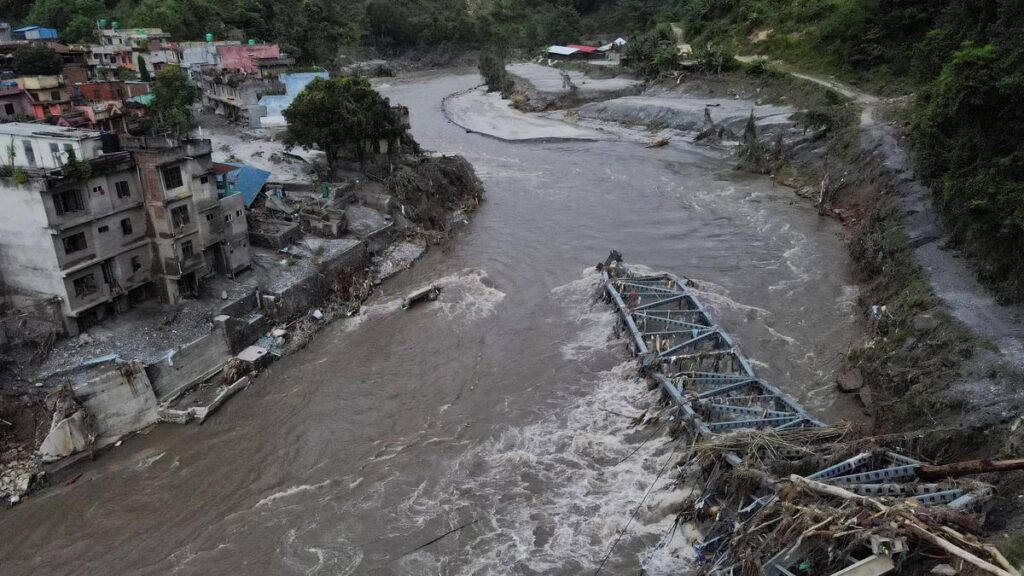
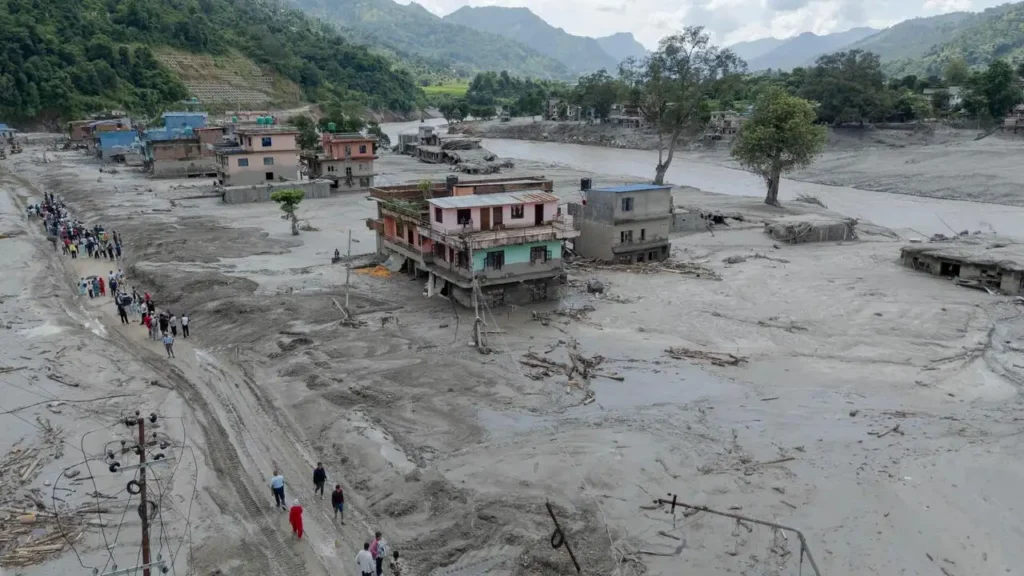
This regional case study separates two dated phases: the 12 September evacuation-and-shelter snapshot and a later 28 September statewide heavy-rain/flood toll. The figures must not be combined as if they were measured at the same time.
Quick answers
How many people were evacuated in the Uttar Pradesh floods in September 2026?
An Akashvani bulletin on 12 September 2026 reported flooding across at least 25 districts, with about 21,000 people evacuated in total and around 3,000 staying in relief camps, citing the state relief commissioner's office.
What was the later flood toll reported in Uttar Pradesh?
The Associated Press reported on 28 September that at least 62 people had died, 46 were injured and more than 1,000 houses were damaged after three days of heavy rain and flooding. This is a separate phase and should not be added to the earlier evacuation figures.
When is it safe to return home after a flood?
Do not return to flooded property until authorities confirm it is safe. Rely on instructions for your own locality, not on a state-level news report, as an evacuation route or all-clear.
What to do during floods in your area?
Avoid floodwater and follow official evacuation directions. Stay in a safe location until advised about returning, and find out where your locality publishes evacuation and return instructions.
A dated regional snapshot
Akashvani’s 12 September 2026 morning bulletin described flooding across at least 25 Uttar Pradesh districts. Citing the state relief commissioner’s office, it reported approximately 21,000 people evacuated in total and around 3,000 staying in relief camps. Akashvani bulletin, page timestamp 08:18 IST.
A later September phase changed the record
Associated Press reported on 28 September that at least 62 people had died, 46 were injured and more than 1,000 houses were damaged after three days of heavy rain and flooding in Uttar Pradesh. This later statewide toll is a separate observation window. It is not added to the 12 September evacuation or camp figures, and it does not convert those earlier response counts into an outcome rate. Associated Press follow-up, 28 September 2026.
What those figures do not mean
A cumulative evacuation count describes people moved over a period; current camp occupancy describes people staying in a particular form of accommodation at a reporting point. The difference is not a count of people missing, unsupported or already home. The bulletin does not give the information required to make those claims.
This review treats the figures as a response snapshot, not a complete audit. It does not rank districts, estimate a success rate or calculate a shelter coverage percentage. Such comparisons require matching definitions, time windows and a fuller account of where affected households are staying.
From moving people to supporting them
The next questions in a response review concern continuing needs: how people receive updates, where they can seek assistance and who determines when returning is appropriate. These are editorial questions for follow-up, not allegations that services were absent.
Households should rely on instructions for their own location rather than treating a state-level news report as an evacuation route or an all-clear. Goa’s Fire and Emergency Services guidance says not to return to flooded property until authorities confirm it is safe. That is general Indian safety guidance, not a statement that any particular Uttar Pradesh locality has been cleared. Official flood guidance.
Reporting boundary
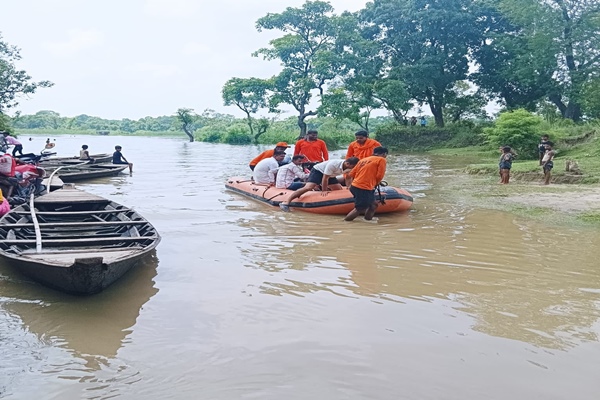
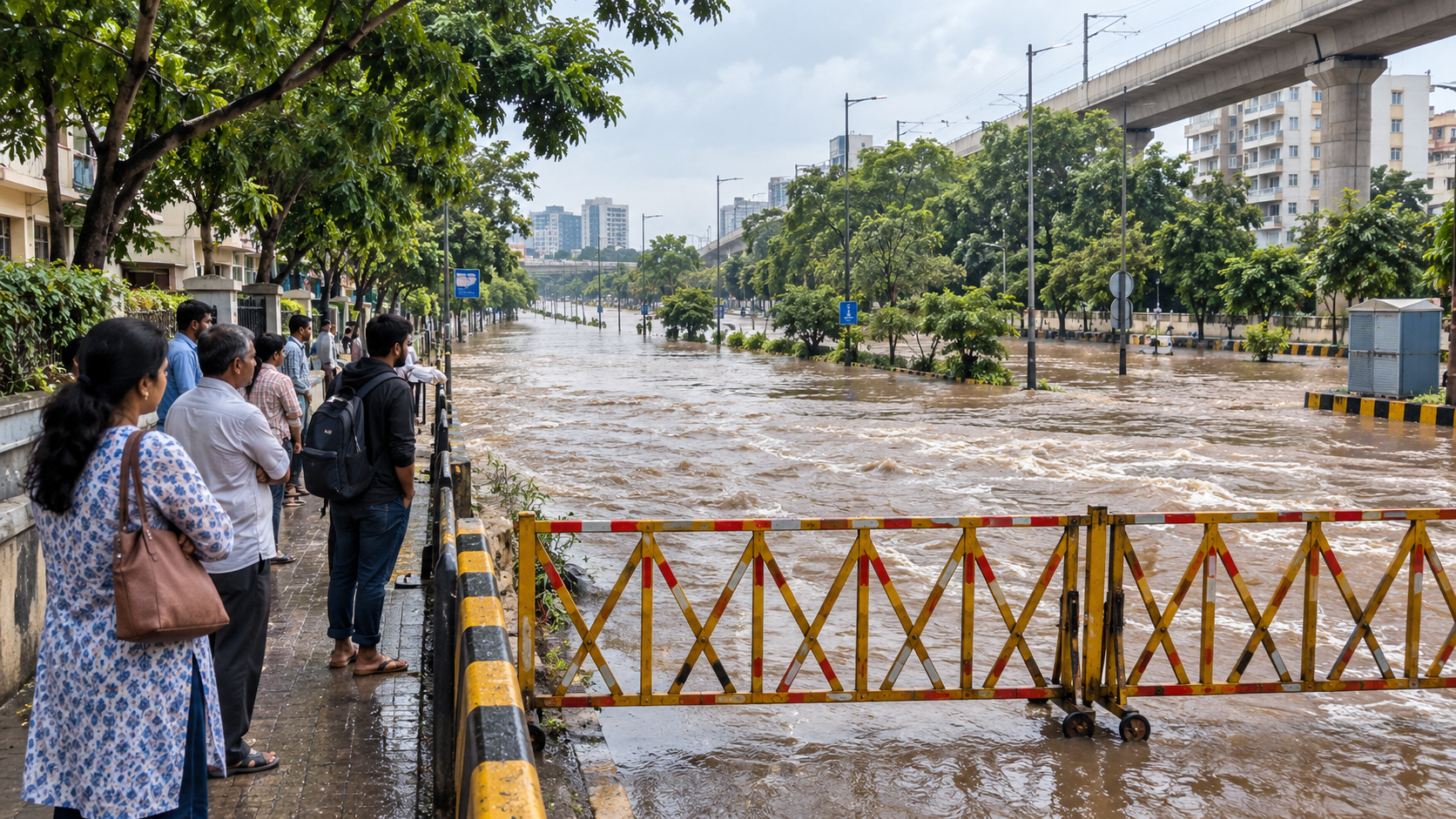
The flooding was ongoing before 12 September; that date is the first reporting snapshot used here, not a claimed onset date. A distinct late-September phase is recorded separately using the 28 September Associated Press report. A final consolidated state report was not located in the 6 October review. The AI cover depicts a fictional relief setting and does not document a camp, district or rescue. The News On AIR clip reports the 12 September response; the two SDMA clips are related preparedness learning rather than footage of this flood.
- Flood response was already underway; no single statewide onset time is assigned.
- Akashvani reported at least 25 affected districts, about 21,000 people cumulatively evacuated and about 3,000 staying in camps.
- A separate heavy-rain phase affected several Uttar Pradesh districts; it must not be read as the same observation point as the 12 September bulletin.
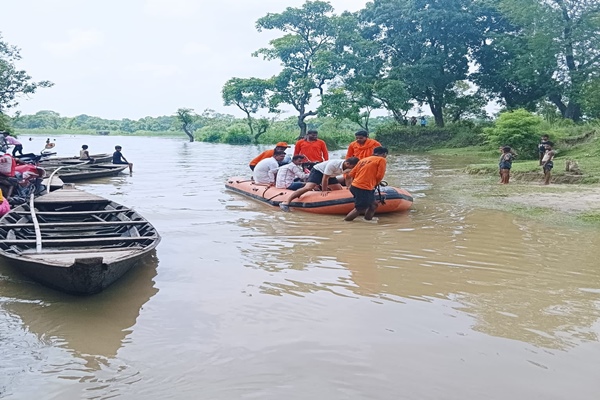
- Associated Press reported at least 62 deaths, 46 injuries and more than 1,000 damaged houses after three days of heavy rain and flooding. The report said schools closed in some areas and rescue teams moved people to safer places.
- The two dated phases remain separated. A final consolidated state report and district-level reconciliation were not located in the reviewed sources.
Why consequences escalated
- Editorial lesson: do not subtract differently defined figures to invent an outcome.
Failures and risk multipliers
- No operational failure is established by the bulletin alone.
Actions that reduce risk
- Keep the timestamp with shared updates.
- Follow instructions specific to your locality.
- Ask the responsible authority about continuing assistance.



Leave a comment