Case Study
What happened here
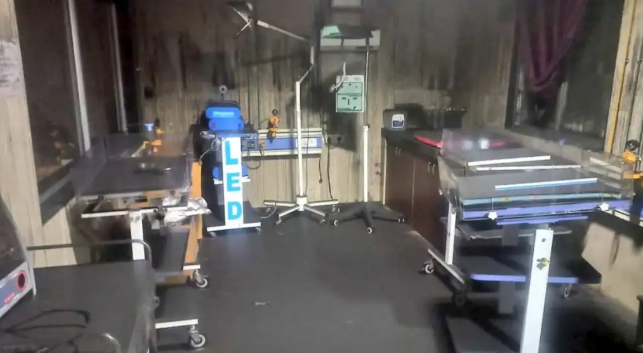
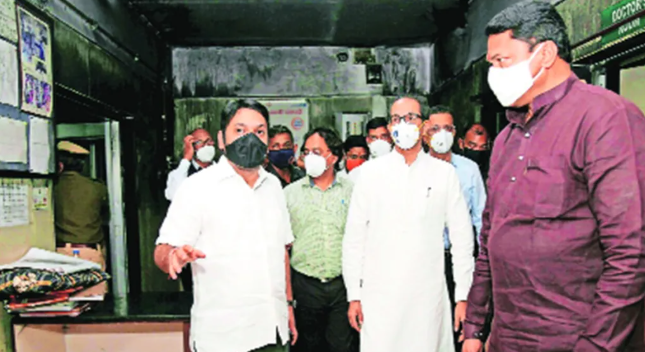 1 / 2
1 / 2 Infant deaths10
Babies rescued7
Fire areaOut-born section of SNCU
Approximate time01:30
Probable causeDefective electrical circuit in radiant-warmer control panel near cradle 8
Inquiry report submitted20 January 2021
Occupant capabilityInfants wholly dependent on staff evacuation
What we can say safely
A fire confined to the out-born section of the Special Newborn Care Unit killed ten infants; seven babies in the in-born unit were rescued. A government committee identified a probable defective circuit in a radiant-warmer control panel near cradle 8.
- SNCU operates with radiant warmers and continuous electrical load
- Fire develops in out-born unit
- Staff identify smoke/fire and begin rescue
- Seven infants in the separated in-born unit are rescued
- Ten infants in out-born unit die
- State expert committee investigates and submits report
Why consequences escalated
- Neonatal equipment needs preventive electrical maintenance and thermal inspection
- SNCUs require smoke detection suited to clinical conditions and reliable staff notification
- Compartment separation contributed to rescuing seven babies
- Every shift needs enough trained staff and evacuation carriers for all infants
- Fire drills must simulate oxygen-supported, non-ambulatory patients
- Equipment fault history and maintenance records must be auditable
Failures and risk multipliers
- Opening or occupying premises without verified approval
- Allowing one exit or one protective barrier to determine survival
- Ignoring inspection, maintenance or prior-warning evidence
- Failing to control hot work, electrical load, occupancy or water entry
- Presenting allegations or early casualty counts as final facts
People closest to the evidence
“Safety principle”
Public occupancy begins only after the complete life-safety system is verified and remains maintained.
Actions that reduce risk
- Verify approvals and occupancy limits
- Maintain two independent escape routes
- Inspect electrical, structural, drainage and fire systems
- Control hot work and combustible/fuel storage
- Practise assisted evacuation and accountability
- Track every defect to documented closure