
What happened here
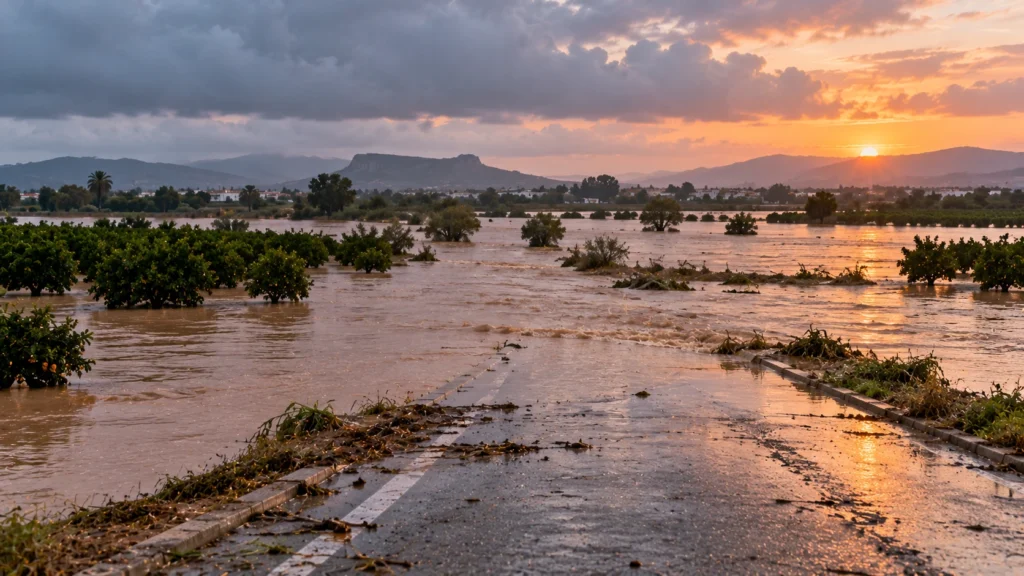
Storm DANA Adam brought extreme rain to eastern Spain from 17 to 19 October 2026, with 632 mm in 36 hours at Pego and rescues from roofs, homes and campsites. Most outlets report at least four deaths; counts range from three to seven. Over 1,000 rescues and 145 municipalities in lockdown on 19 October.
Quick answers
What happened in eastern Spain in October 2026?
A cut-off low named Adam brought extreme rain to southern Valencia and northern Alicante from 17 to 19 October, with rescues from roofs, homes and campsites.
How many people died?
Most outlets report at least four deaths linked to the storm. The Valencian official count was three, and broader counts say five to seven because they add borderline cases not confirmed as storm-related.
How much rain fell?
AEMET recorded 632 mm in 36 hours at Pego, provisionally, with 600 mm in 24 hours at Oliva reported by Euronews.
Was there a warning?
Yes. AEMET issued a special warning on 18 October and the Generalitat sent ES-Alert messages and confined 145 municipalities on 19 October.
What can Indian readers learn?
Act early on alerts, never drive into floodwater or underpasses, stay away from dry riverbeds and the coast, and plan help for elderly neighbours. These are our general lessons, not findings from Spain.
What happened
A cut-off low, which the Spanish weather service AEMET and the Spanish media call a DANA, was named Adam. Between Saturday 17 and Monday 19 October 2026 it dumped extreme rain on the Mediterranean side of Spain. The worst of it fell on the south of Valencia province and the north of Alicante province, mainly in the La Safor and Marina Alta districts. Monday 19 October was the peak day. By Tuesday 20 October the rain was easing, and the work shifted to pumping out water, clearing mud and counting the damage.
AEMET had warned a day earlier. Its special warning number 37/2026, issued at 13:39 on Sunday 18 October, spoke of very strong and persistent showers and storms, a high (70 per cent) probability, and possible sudden rises in streams and dry riverbeds, especially where the ground was already saturated. It said the biggest totals could come on the southern Valencia coast around Cape La Nao, with up to 200 to 300 mm in 12 hours and 300 to 400 mm locally over the whole episode, while admitting the exact location was uncertain.
How much rain fell
The measured figures are provisional and differ by station and by the period counted. Euronews, quoting AEMET, gives 632 mm in 36 hours at Pego in Alicante, 430 mm of it in six hours, 600 mm in 24 hours at Oliva in Valencia and 713 mm over the episode at L’Atzuvia. Watchers, also citing AEMET, says 465.2 mm fell at Pego on 19 October alone. Another report puts Forna in Valencia above 700 mm in 48 hours (Avamet network, via COPE). Euronews, quoting the national broadcaster RTVE, says this ranks among Spain’s most intense rain events but below Oliva in 1987 (817 mm in 24 hours) and Turis in the 2024 DANA (772 mm). The periods and instruments differ, so we do not rank these figures against each other or against Indian stations.
How many died
The toll depends on whom you ask, and the differences are real, not just rounding. Here is what each source we opened says, and what it counts.
- Four, in most coverage. RTVE’s video report is titled “4 muertos”. Watchers, citing the authorities, lists four deaths linked to the storm: a woman with reduced mobility found dead on the ground floor of her home in Oliva; a man who died of a heart attack at a flooded campsite in Oliva; a woman found dead after entering the sea at Sagunto; and a woman swept into a stream at Cabrera de Mar, near Barcelona, whose body was found the next day. The Spanish outlet econews.global, citing the news service Climatica, gives the same four places.
- Three, in the Valencian official count. At the coordination post in Oliva on 20 October, the Government Delegate in the Valencian Community at the time, Pilar Bernabe, spoke of three deaths, reports Diario de Alicante. They are the Oliva man and woman above and a man found on Tuesday morning in the Oliva-Pego marsh. She said the last one was not a death on the day of the DANA or because of it, though the authorities were keeping it in the count until the forensic result. Diario de Alicante also says neither of the two people found on Monday drowned. COPE’s report of the Prime Minister’s visit likewise speaks of three deaths and a fourth case under investigation.
- At least five, in Euronews. Euronews (20 October) says at least five people died but does not say who counted or where. We could not establish what its five are. Vozpopuli, which also says five, adds a man who died in Malaga province, but gives no source for the figure.
- At least six, in Libertad Digital. It adds the marsh case and a man of 60 to 70 recovered from the sea off Menorca, about 25 metres from shore in swimwear. The report itself says his death is not confirmed as storm-related. A headline linked from the Vozpopuli page speaks of seven.
- Cases outside the storm count. Watchers excludes the marsh case (Guardia Civil sources mention a preliminary medical emergency) and a man killed in Benaojan, Malaga, when a rock fell onto a car on 19 October. Authorities had not linked either to the flooding. COPE’s live page reports the Benaojan rock-fall death separately.
Our reading: four deaths are tied to the storm by most outlets, three if you take only the Valencian regional count, and the higher figures (five to seven) come from adding borderline cases. We lead with “at least four” and show the range. No one is named on this page. We found no report of missing persons from Valencia or Alicante and no forensic result by 22 October. The numbers could still change.
Rescues, evacuations and damage
On Monday 19 October regional Emergencies Minister Juan Carlos Valderrama said services had carried out more than 1,000 rescues, by air and on the ground, along the southern Valencia and northern Alicante coast (Watchers, Vozpopuli, econews.global). The Guardia Civil’s own balance, as reported by Watchers and Libertad Digital, was 496 rescues (423 in Valencia province, 73 in Alicante) and 2,141 evacuations. Another count says more than 2,600 preventive evacuations and almost 1,000 rescues, of which over 280 by air (Diario de Alicante). These counts come from different agencies and different cut-off times, so they should not be added together. The regional 112 centre logged 1,876 incidents between 17 October and 07:00 on 20 October (Watchers); an earlier count was 1,713.
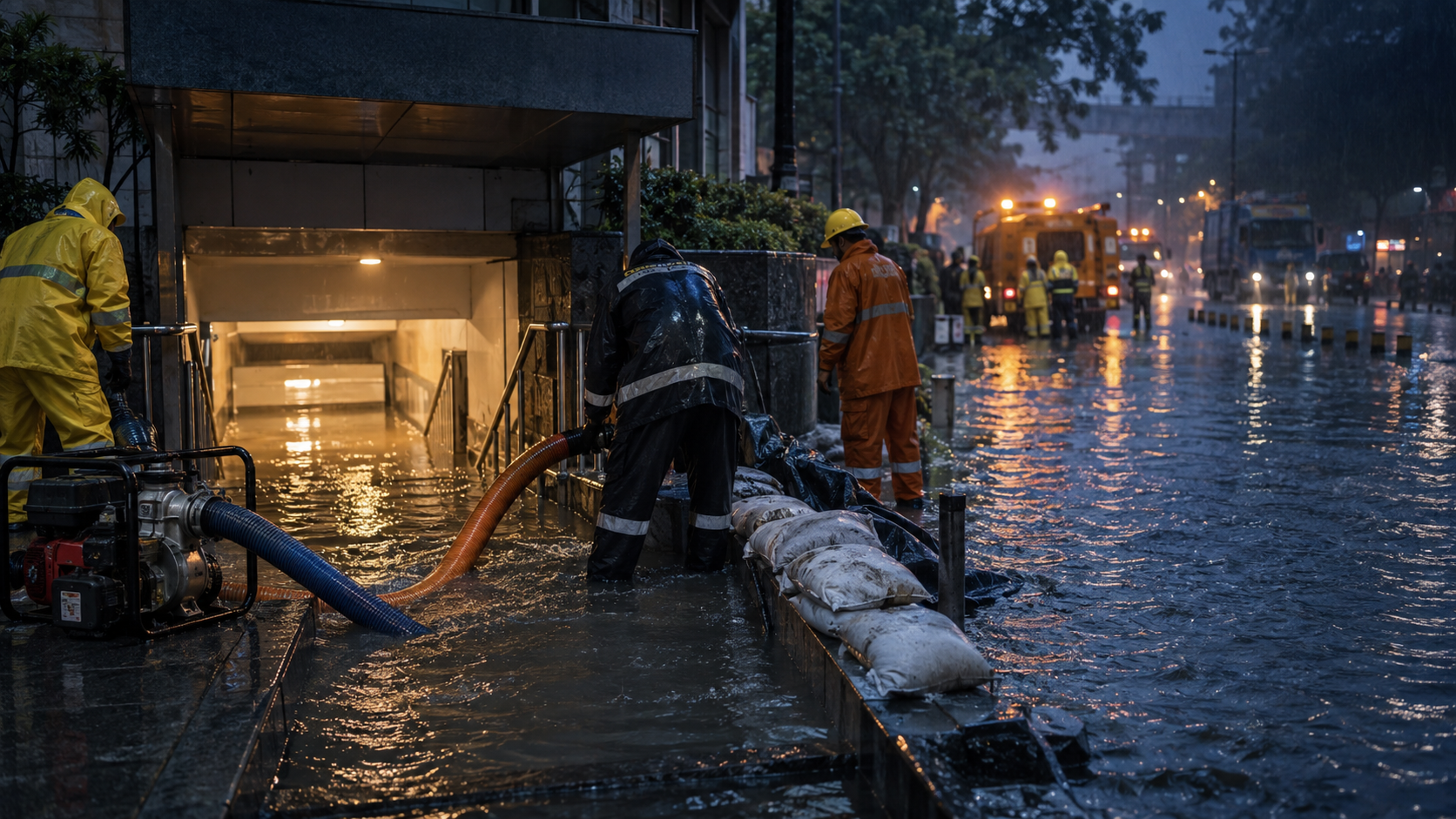
Oliva was among the worst hit. About 600 people sought help at its municipal centre and 400 spent Monday night there, says Euronews; most of those sheltered were from local campsites. By Tuesday just under a hundred were left (Diario de Alicante); COPE puts it at about 150. The rivers Girona and Vernisa and the Beniopa ravine overflowed, and Euronews also reports torrents in Ibiza and Formentera. Around 5,000 customers lost power on Monday morning and about 300 were still without it on Tuesday (COPE). More than 100,000 pupils in the Valencia region had no classes (Euronews).
On the roads, the DGT traffic authority reported 10 roads affected on 20 October, including the AP-7 motorway near Pilar de la Horadada, which was still closed (Watchers). COPE’s report says the AP-7 tunnel there was closed with water and mud and five vehicles inside. We found only that one report for the five vehicles and none of anyone being hurt in the tunnel.
The alerts and the lockdown
This was the first big test of the warning system since the October 2024 DANA, when delays in alerts were heavily criticised (Euronews; econews.global recalls that event killed more than 200 people in the same region). This time the Generalitat Valenciana sent ES-Alert mobile warnings over the weekend and again on Monday, telling people to avoid travel, stay away from rivers, ravines and the coast, and stay at home or move to upper floors (Euronews; COPE). On Monday at 12:11 it ordered confinement in 145 municipalities, 77 in Valencia and 68 in Alicante, and lifted it in stages. The last eight were released at 20:40 and the army’s emergency unit (UME) was stood down (COPE, 19 October). Whether the warnings were early and clear enough for everyone, especially for campsites and people who could not move, is a question for later reviews; we have not seen one yet.
What came next
On 20 October Prime Minister Pedro Sanchez visited Oliva and the government approved declaring the affected municipalities a disaster zone (zona catastrofica), which brings state help with reconstruction (COPE). The Generalitat president, Juanfran Perez Llorca, announced an aid package for families, self-employed people, firms and town councils (La Marina Alta). On 21 October a minister and the Government Delegate visited Pego, where the mayor asked for urgent aid for damaged roads, homes, vehicles, farms and businesses (eldiario.es La Marina). We have not seen any investigation into the response yet.
Lessons for readers in India
These lessons are ours. They are general flood-safety points, not findings from Spain, and none of the Spanish reports say any victim broke these rules. The pattern, though, will be familiar to anyone who has lived through a Mumbai, Chennai or Kerala downpour: a warning, then hours of rain that overwhelm drains and dry riverbeds, then rescues from roofs and vehicles.
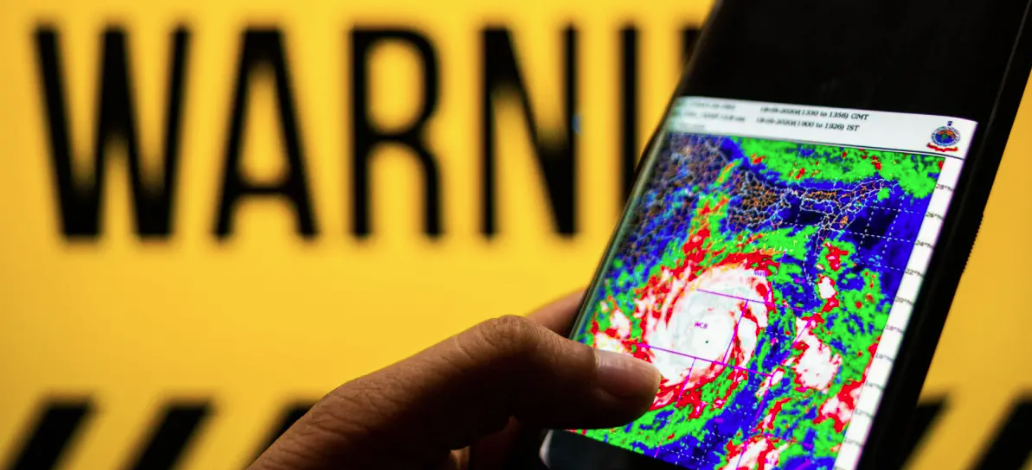
- Act on the alert, do not wait for the water. If your phone or the local authority tells you to stay home or move up, do it while the roads are still passable. Our cyclone safety guide explains warnings and evacuation in the Indian context.
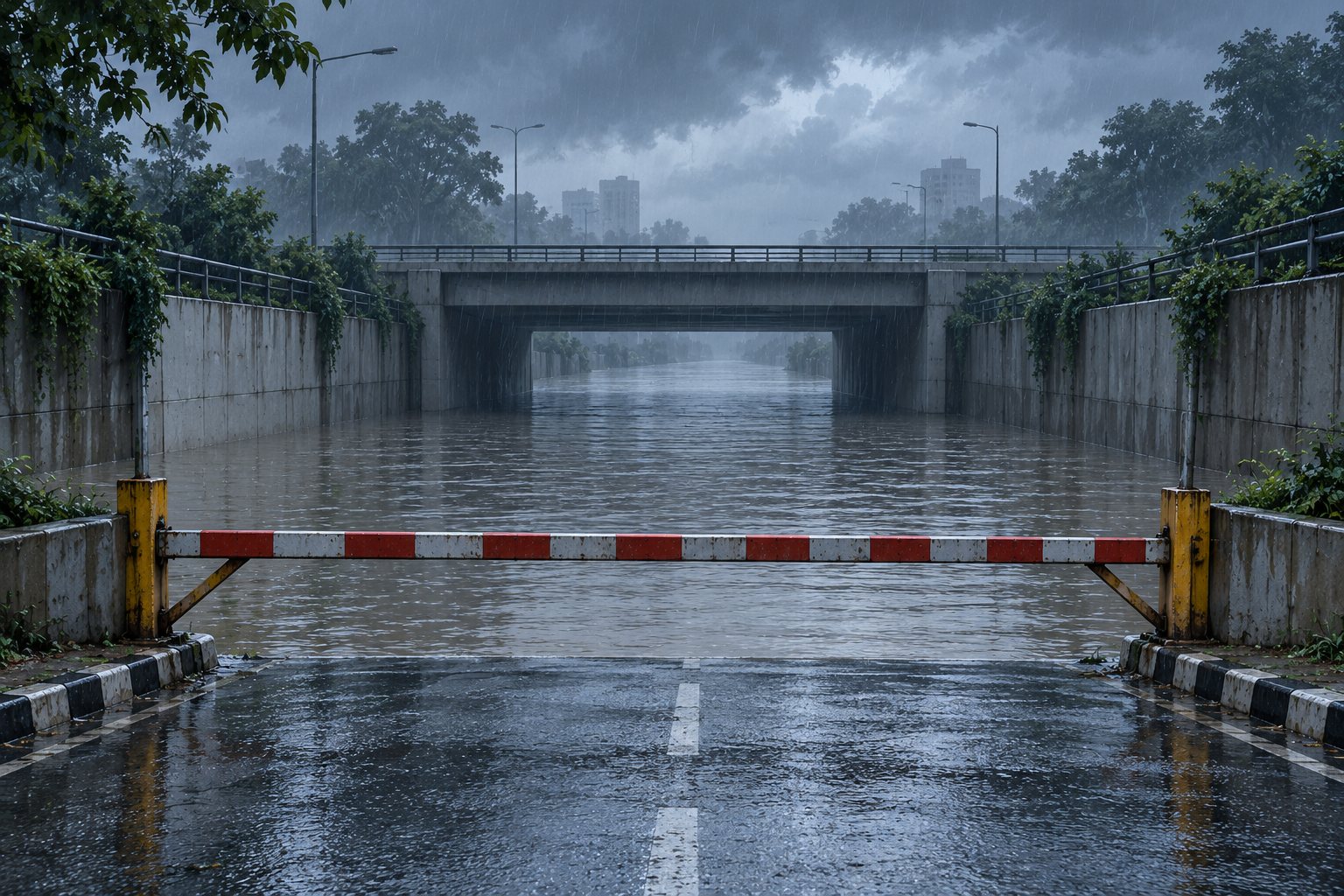
- Do not drive into water or underpasses. Water on a road or in an underpass is often deeper than it looks and the road under it may be damaged. If a road floods, turn around and take another route. Our guide on floodwater and when to turn around goes into detail.
- Stay away from dry riverbeds, ravines and the coast. Rain falling upstream can reach a normally dry nullah or rivulet within minutes. The Spanish alert told residents to keep away from rivers, ravines and the shore. The same applies to Indian rivulets, causeways and low bridges.
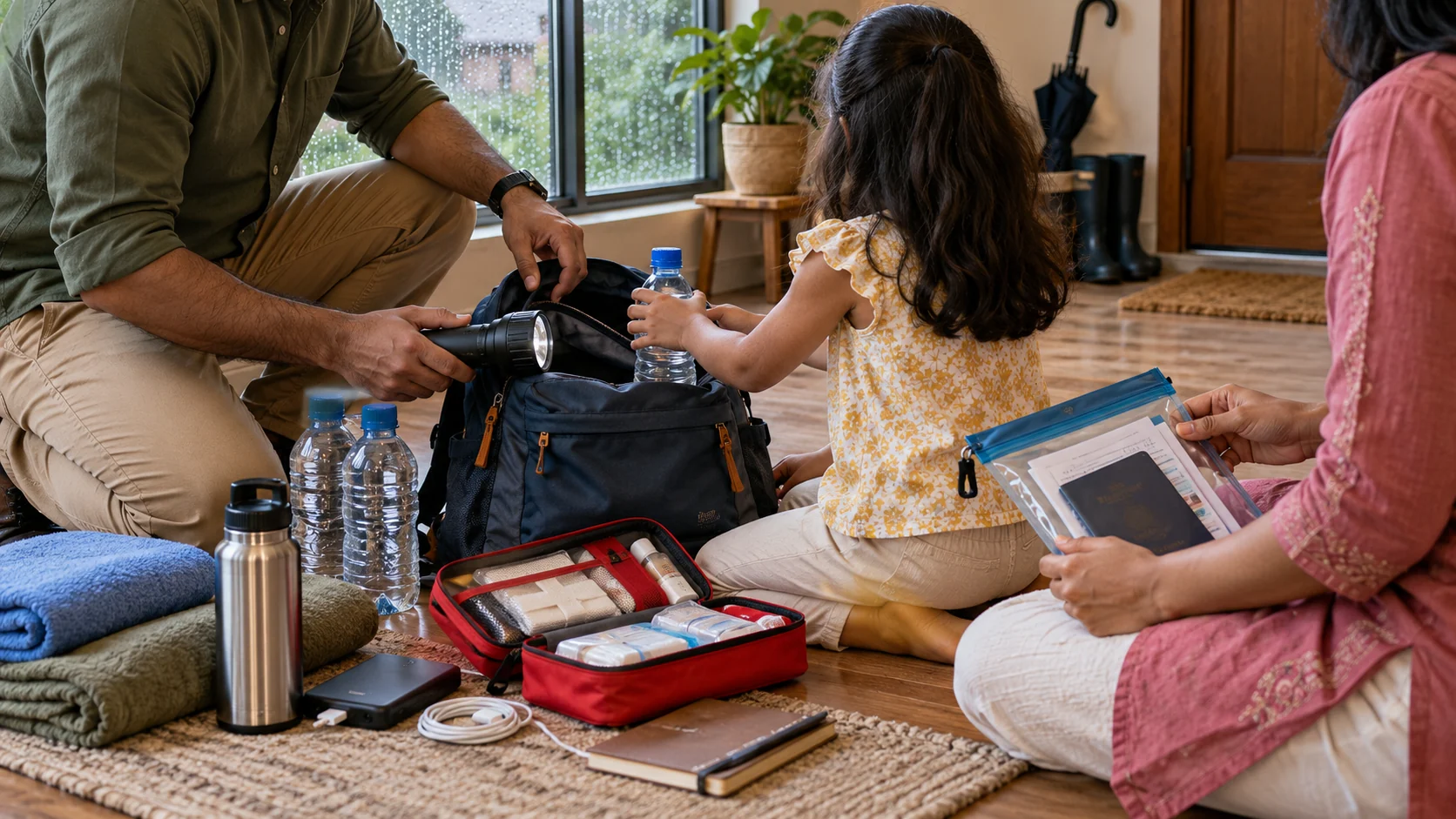
- Know your higher ground if you camp or live on a ground floor in a low area. Learn the way to higher ground before the rain begins, and keep medicines, a charged phone and a power bank ready.
- Look out for people who cannot move quickly. Elderly neighbours and people with reduced mobility need help early, not once the water is in the house. Agree a plan with them in advance.
- Keep out of the sea during a storm. Heavy surf and strong currents can overpower strong swimmers. If an orange or red warning is in force, stay off the beach.
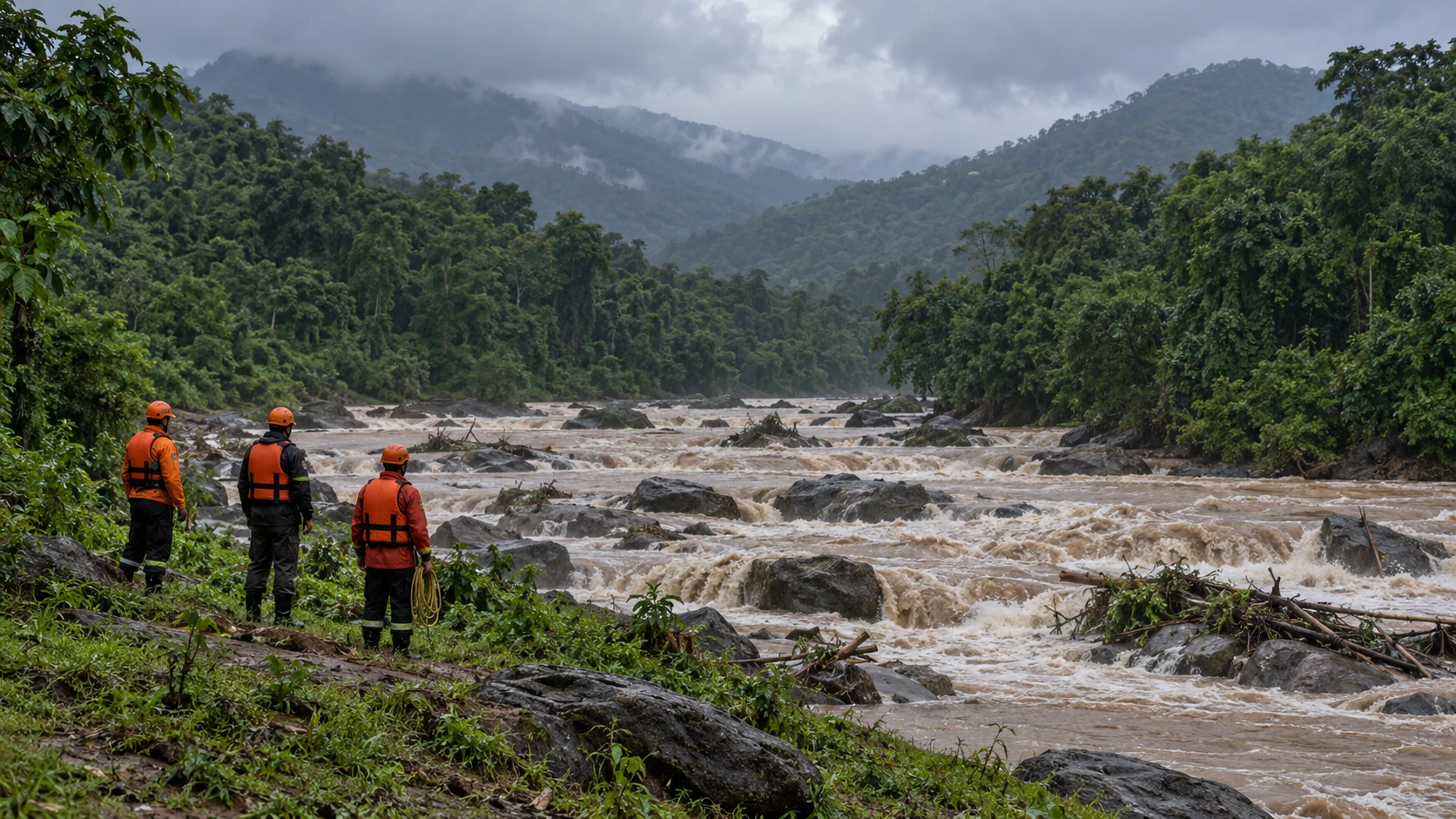
- Do not go into floodwater to rescue anyone. Call for help and throw something that floats if you can. For how fast a valley flood can arrive, see our case of the Nilambur flash flood.
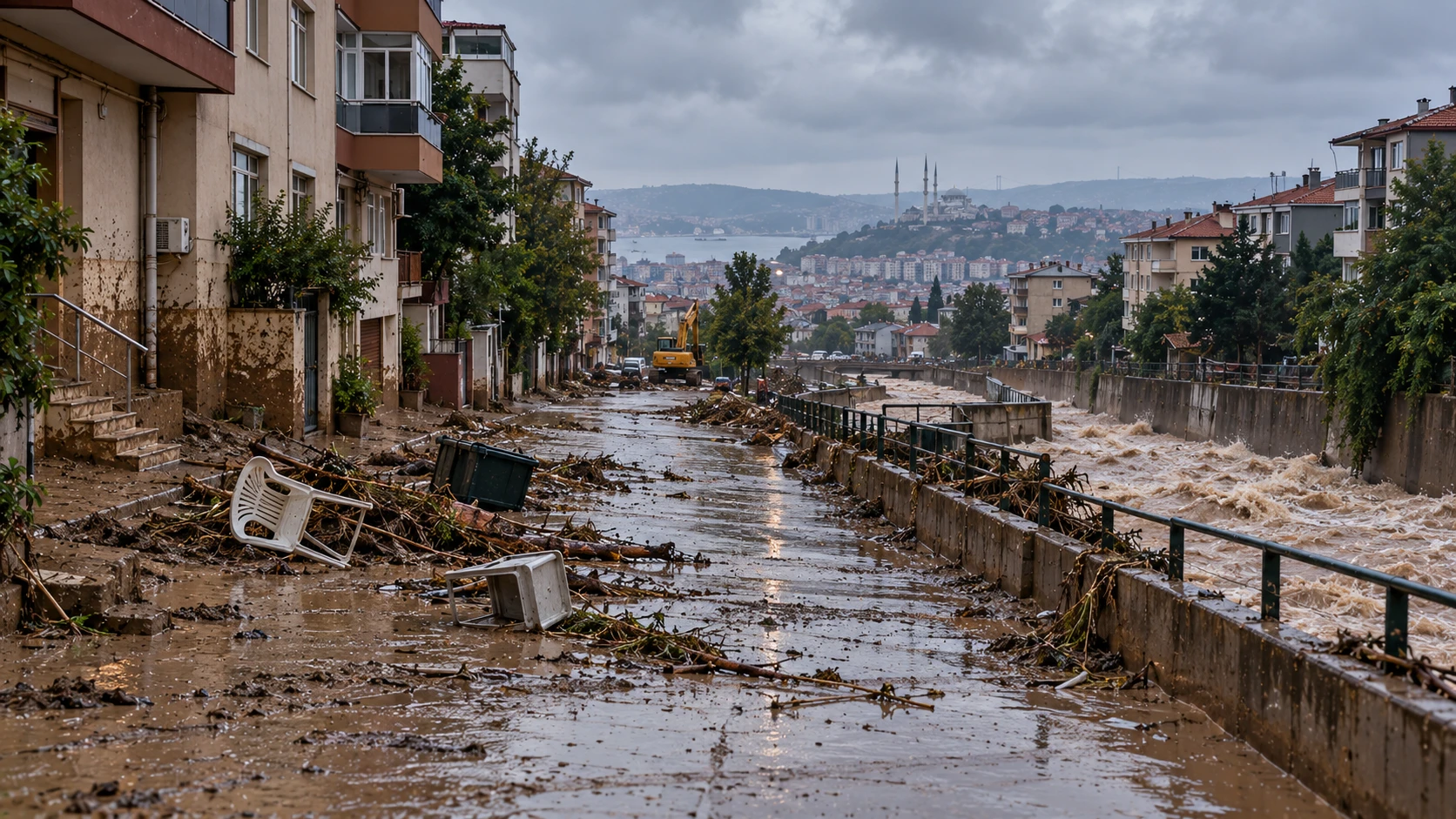
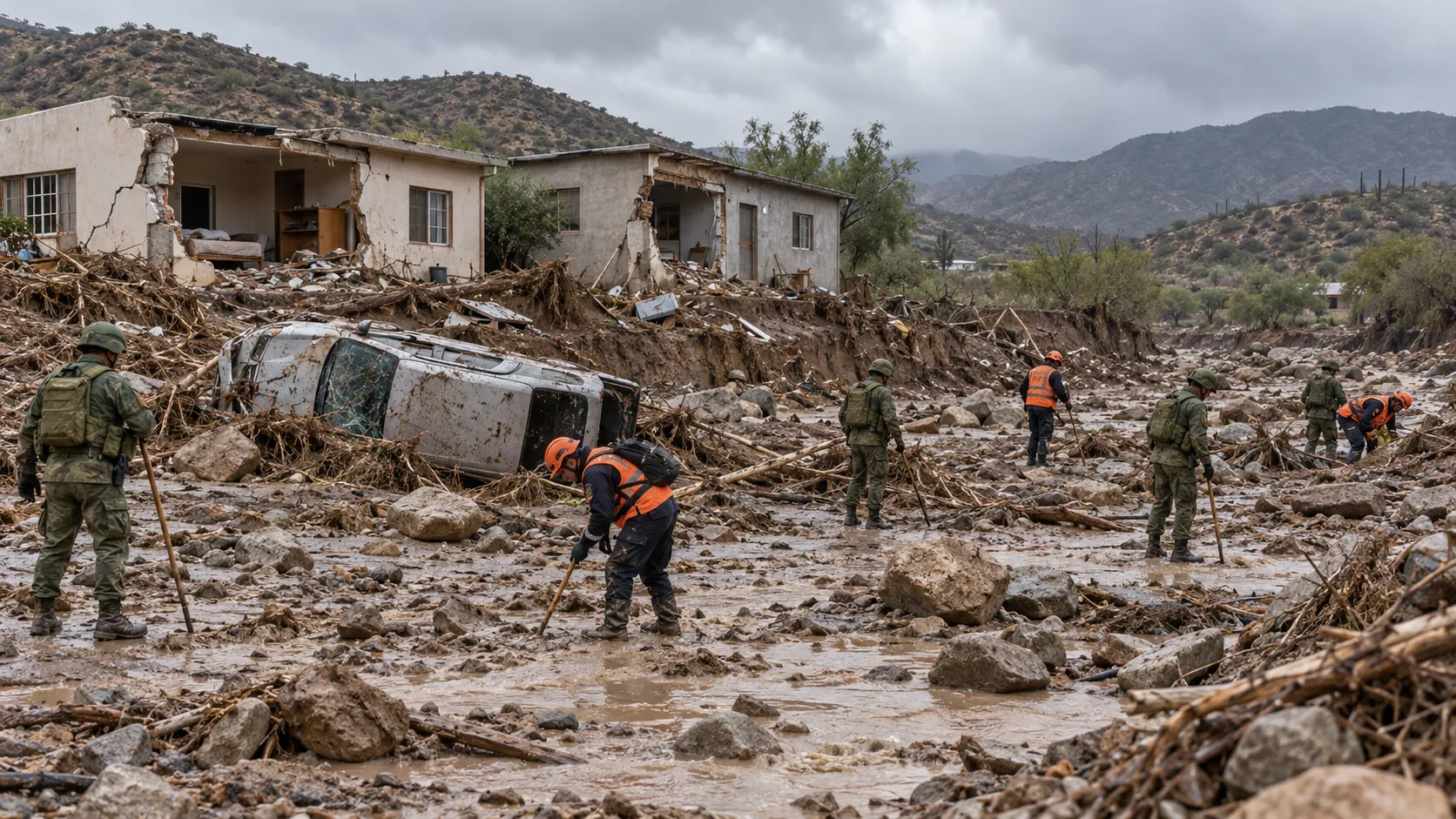
Other floods we have covered this month show the same pattern at different scales: Istanbul and Kocaeli, where record rain piled vehicles up in flooded streets, and Ensenada in Mexico.
If you are in Spain or India
The emergency number in Spain is 112, which the Valencian emergency centre uses (COPE). In India the same number, 112, reaches police, fire and ambulance, and 108 is the ambulance number in most states; save your state disaster control room number too. In Spain, ES-Alert messages arrive on phones in the affected area. Read them and follow them.
What is still not known
The final number of deaths linked to the storm is not settled. The forensic result for the man found in the marsh and the circumstances of the Sagunto and Menorca deaths have not been reported. We have no official damage figure; the Generalitat promised a full damage report within 48 hours (econews.global), which we have not seen. We do not know what review, if any, will be made of the alert timing. We will update this page when official counts are published.
- Rain begins; a woman is swept into a stream at Cabrera de Mar, Catalonia (Watchers)
- AEMET issues special warning 37/2026 for very strong, persistent showers on the Mediterranean coast and the Balearics
- A woman is reported dead after entering the sea at Sagunto (Watchers; the date is not given in all reports)
- ES-Alert sent; flood plan raised to level 2 in La Marina Alta and La Safor; the Girona river overflows; rescues begin at Oliva
- Confinement ordered in 145 municipalities, 77 in Valencia and 68 in Alicante
- Two deaths reported in Oliva: a woman with reduced mobility and a man at a flooded campsite; more than 1,000 rescues
- Last eight municipalities released from confinement; UME stood down
- A man is found dead in the Oliva-Pego marsh, cause pending; Sanchez visits Oliva and approves disaster-zone status; the Generalitat announces aid
- Minister and Government Delegate visit Pego; the mayor asks for urgent aid
Why consequences escalated
- A cut-off low (DANA) Adam brought extreme rain to the south of Valencia and north of Alicante from 17 to 19 October 2026.
- AEMET warned on 18 October; the Generalitat sent ES-Alert messages and confined 145 municipalities on 19 October.
- Most outlets report at least four deaths linked to the storm; the Valencian official count was three, and broader counts go to five, six or seven. Borderline cases are listed in the article.
- More than 1,000 rescues and 2,141 evacuations were reported; rescues were from roofs, homes, vehicles and campsites.
- No investigation has been reported yet; the forensic result for the marsh death is pending.
Failures and risk multipliers
- Campsites and low-lying ground floors in a known flood zone were exposed to a rapid rise in water (inferred from the rescues and evacuations; no review has been published).
- Some people were still on the road or the coast during warnings (the Sagunto sea death and vehicles in the AP-7 tunnel are reported; their circumstances are not established).
- Counts of the dead and of rescues differ between agencies and outlets, which makes the picture hard to follow in real time.
- Whether warnings reached everyone in time is not yet reviewed.
Actions that reduce risk
- Act on the alert early: stay home or move to higher ground before roads flood.
- Never drive into floodwater or an underpass; turn around and take another route.
- Stay away from dry riverbeds, ravines, causeways and the coast in heavy rain.
- Plan help for elderly or less mobile neighbours before the rain starts.
- If you are in India, save 112 and 108 and your state's disaster control room number.
Leave a comment