
What happened here
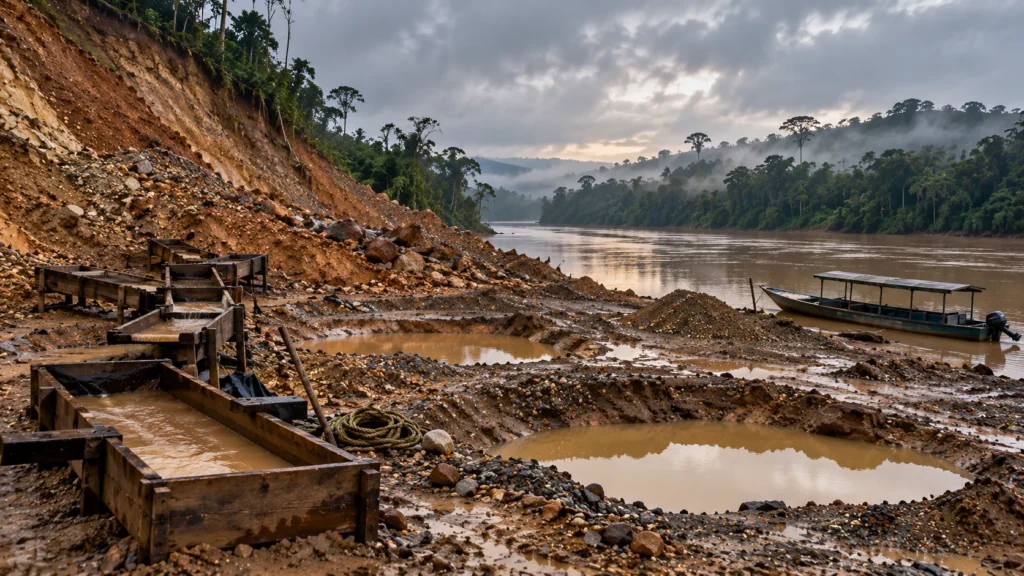
A slope at an artisanal open-pit gold mine collapsed on the morning of 19 October 2026 in Santa Bárbara de Iscuandé, Nariño, Colombia, killing 14 people, 12 of them women, and injuring 7. The site has no road, rescue teams were delayed by access and security, and the cause has not been established.
Quick answers
What happened at Santa Bárbara de Iscuandé on 19 October 2026?
A slope collapsed at an artisanal open-pit gold mine in the Chambero sector on the morning of 19 October, burying workers. The Nariño government counts 14 dead and 7 injured.
How many people died and who were they?
14 died, 12 of them women, mostly heads of household, according to Governor Luis Alfonso Escobar. Noticias Caracol says the other two were men. Names have not been officially published.
Was the mine legal?
Officials say it was not authorised. The governor calls it informal artisanal mining and says formalisation requests have been pending for more than 20 years.
Why was rescue difficult?
The site has no road and is reached by river. The National Mining Agency said access and public-order conditions kept its rescue team away, and the seriously injured needed helicopters.
What caused the collapse?
It has not been established. Most reports describe a slope collapse; one official told El Espectador that the river rose, water entered the tunnels and the roof fell. Heavy rain and fragile ground are cited as possible factors.
Is there a similar case in India?
On 2 July 2026 a rock face collapsed at a quarry at Madapattana near Bengaluru and 7 or 8 workers died. Officials said the quarry had a licence but safety norms were flouted.
What happened
On the morning of Monday, 19 October 2026, a slope collapsed at an artisanal open-pit gold mine in the rural Chambero sector (also spelt Chambergo) of Santa Bárbara de Iscuandé, a municipality on the Pacific coast of Nariño, in south-western Colombia. Earth and stones came down on people who were digging and panning for gold on the bank of the Iscuandé river. By the evening the Nariño authorities counted 14 dead and 7 injured, four of them seriously. Reuters, UPI, El Tiempo, Noticias Caracol, El Espectador and several other Colombian outlets report these same figures.
The time is given as about 8 a.m. (Noticias RCN) or 8.30 a.m. (El Tiempo, Noticias Caracol). One resident who reached the site later told El Tiempo it was closer to midday, so we say “morning”. Gabriel Ocaña, who heads the disaster-risk office of the Nariño government, said about 30 people were caught or affected (El Colombiano, Noticias RCN). The same resident thought about 42 miners may have been there. Neither figure is a headcount, and no report explains what happened to the roughly nine people who are neither among the dead nor among the injured.
The first count was nine dead. It rose to 14 later the same day. Search work was declared over, with no one reported missing, according to the governor and the departmental disaster office (Reuters, El Tiempo, Minuto30).
The people
Governor Luis Alfonso Escobar said 12 of the 14 dead were women, most of them heads of household who go to the pits out of economic need (El Colombiano, Noticias Caracol, Canal 1). Noticias Caracol says the other two were men. He told Blu Radio that women are the least able to get away from a falling slope, and that those who escaped tended to be the quickest on their feet. Of the seven injured, Canal 1 reports four women and three men.
Noticias Caracol reports that some of the dead and injured had come from Cauca and Chocó, the neighbouring departments, to work here; we did not find this in other reports. A resident quoted by El Tiempo said that in some families the father, mother and son were among those who died. Thirteen bodies were taken to the town of Santa Bárbara de Iscuandé and one to Guapi, in Cauca, where that person’s family lives. A list of the victims has been compiled by the municipal risk council (Informativo del Guaico), but the authorities have not published names in the reports we read, and we are not repeating any while the families are still grieving.
A site you can reach only by river
The mine has no road. The town is about an hour and a half by river from the site according to El Espectador and nearly two hours according to El Tiempo; El Espectador adds that Tumaco, where the injured were flown, is about six hours away by boat. Noticias Caracol says the injured were first carried out by motorcycle-taxi and boat, and that it can take three to four hours to reach the nearest medical point. Mr Escobar said the local hospital is a first-level facility that cannot treat the four most serious cases, and that these patients could not safely be moved by river or sea.
So the first rescuers were the people of the area. The resident who spoke to El Tiempo described people crying and running to find relatives, some trying to dig with their bare hands, and an excavator already working on the spot where people were buried when he arrived after a river trip of almost two hours. Firefighters, the Civil Defence and volunteers also took part (El Colombiano). He and three friends took one badly hurt person by fast boat to Guapi; he says three others were taken to Tumaco.
The governor asked the Colombian Air Force for helicopters. Canal 1 says this was complicated because the Air Force was at the same time dealing with a helicopter accident in Cauca. The Nariño government arranged help with the Army’s Third Division, and El Espectador and Informativo del Guaico report that five injured people, three of them women, were flown to Tumaco and admitted to a clinic there. That is five, not the four described as critical, and we could not reconcile the two numbers.
The National Mining Agency (ANM) said its specialised rescue team was ready but that difficult access and public-order conditions in the area stopped it from reaching the site (UPI, El Colombiano). The Ombudsman’s Office (Defensoría del Pueblo) pointed to illegal armed groups in the area and asked for safe access for rescue and humanitarian teams, air support, activation of the hospital network, a look at moving the hospital ship stationed at Guapi, and the presence of forensic doctors (Medicina Legal) to identify the dead.
What was the cause
This is not settled, and the reports do not say the same thing. Most describe the collapse of a slope or embankment (talud) at an open pit on the river bank. Mr Ocaña told El Espectador something different: that the river rose, water got into the tunnels and the roof of the workings fell. El Colombiano, quoting Colprensa, also speaks of people inside a tunnel in the early reports. The Nariño mines secretary, José Evelio Aguiño, said the mine was not authorised, that heavy rain and fragile ground may have contributed, and that the authorities must still establish the cause. He also said the departmental secretariat has no control over such sites, which fall under the ANM, the police and the regional environmental authority, CORPONARIÑO. Mr Ocaña said the operation had no control or environmental licence (El Espectador). Noticias Caracol links the unstable ground to El Niño; no other report we read says so. No technical investigation has been published.
Whether the mine was “illegal” or “informal” is also a matter of words. Reuters and Noticias RCN call it illegal. The governor calls it informal artisanal mining, and he says people have applied to formalise such work: at least seven requests for special mining reserve areas from communities in Santa Bárbara de Iscuandé are pending with the ANM, among 181 across Nariño, some waiting more than 20 years (Canal 1, El Espectador; Noticias Caracol says more than 25 years). He asked the ANM and the Ministry of Mines and Energy to move faster.
Not the first time
The Nariño government says two mine collapses in the department have killed 27 people in under three months (UPI, El Tiempo). The earlier one was on the afternoon of Wednesday, 19 August 2026, at an artisanal open-pit gold mine in the Puerto Rico area of Policarpa. Gabriel Ocaña put the toll at 13 dead and 7 injured, with one person missing in the first count (Vanguardia, Infobae, Al Jazeera). Some reports quote the governor with 12 dead and a date of 29 August; we follow the departmental disaster office and the dated reports of 20 August. Early reports spoke of an explosion; later reports describe a slope failure, and Infobae says a detonation may have made it worse. In February 2014 a collapse at an alluvial mine in another part of the same municipality, Sanabria, killed at least five, with 15 injured and 17 missing in the first reports (Vanguardia).
What is still unknown
The cause, and in particular whether this was a slope that failed at the pit or tunnel workings flooded by the river. The exact number of people at work. The names of the dead and injured. The condition of the injured after the transfer to Tumaco. Whether there will be any criminal or administrative inquiry, who held responsibility for the mine, and what help will reach the families of the 12 women who supported their households. The governor has said a census of these households and their children is under way (El Espectador). We have not found a statement from the national disaster unit (UNGRD) or a bulletin from the ANM beyond its post on X quoted in El Colombiano.
Why this matters
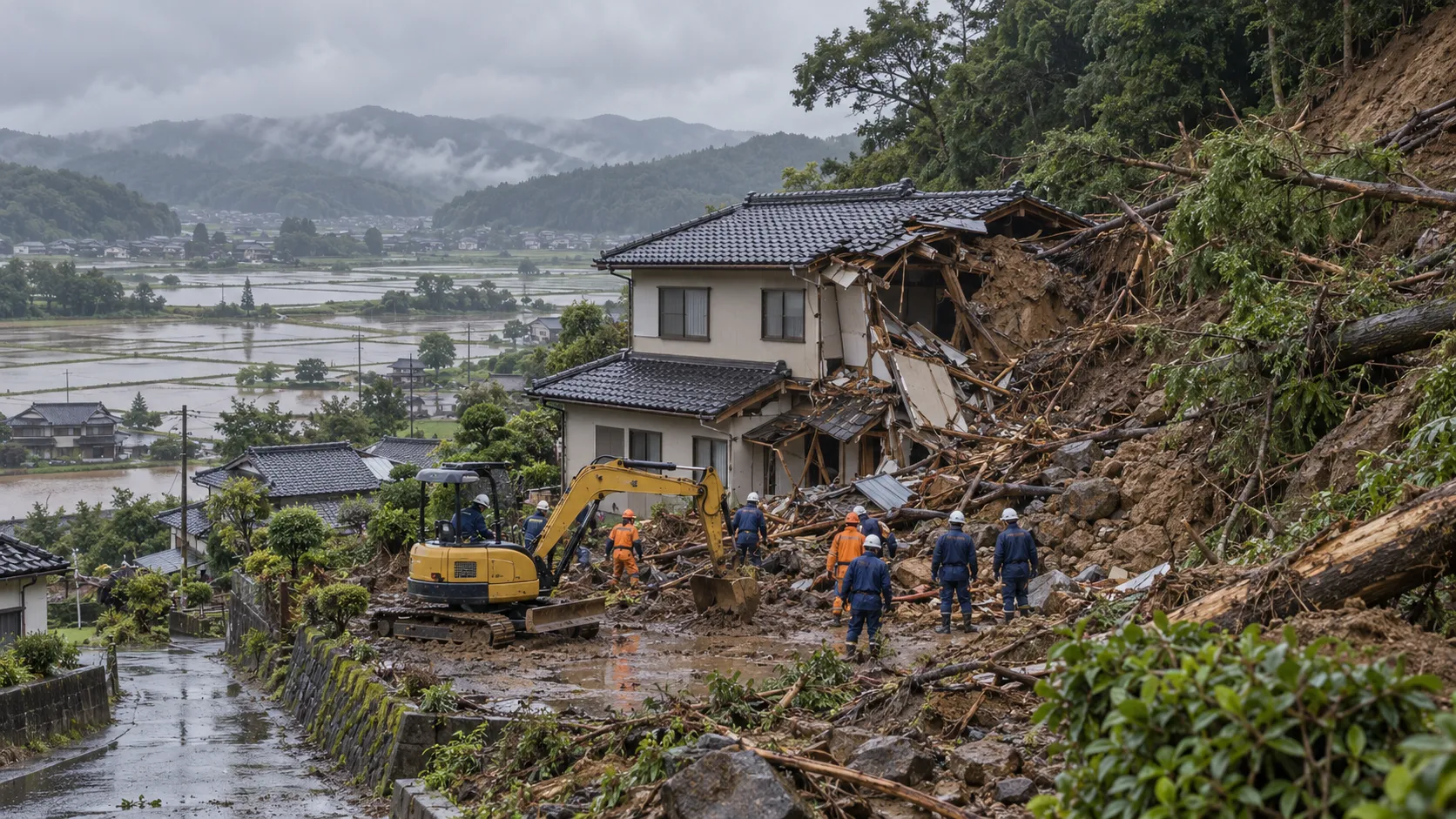
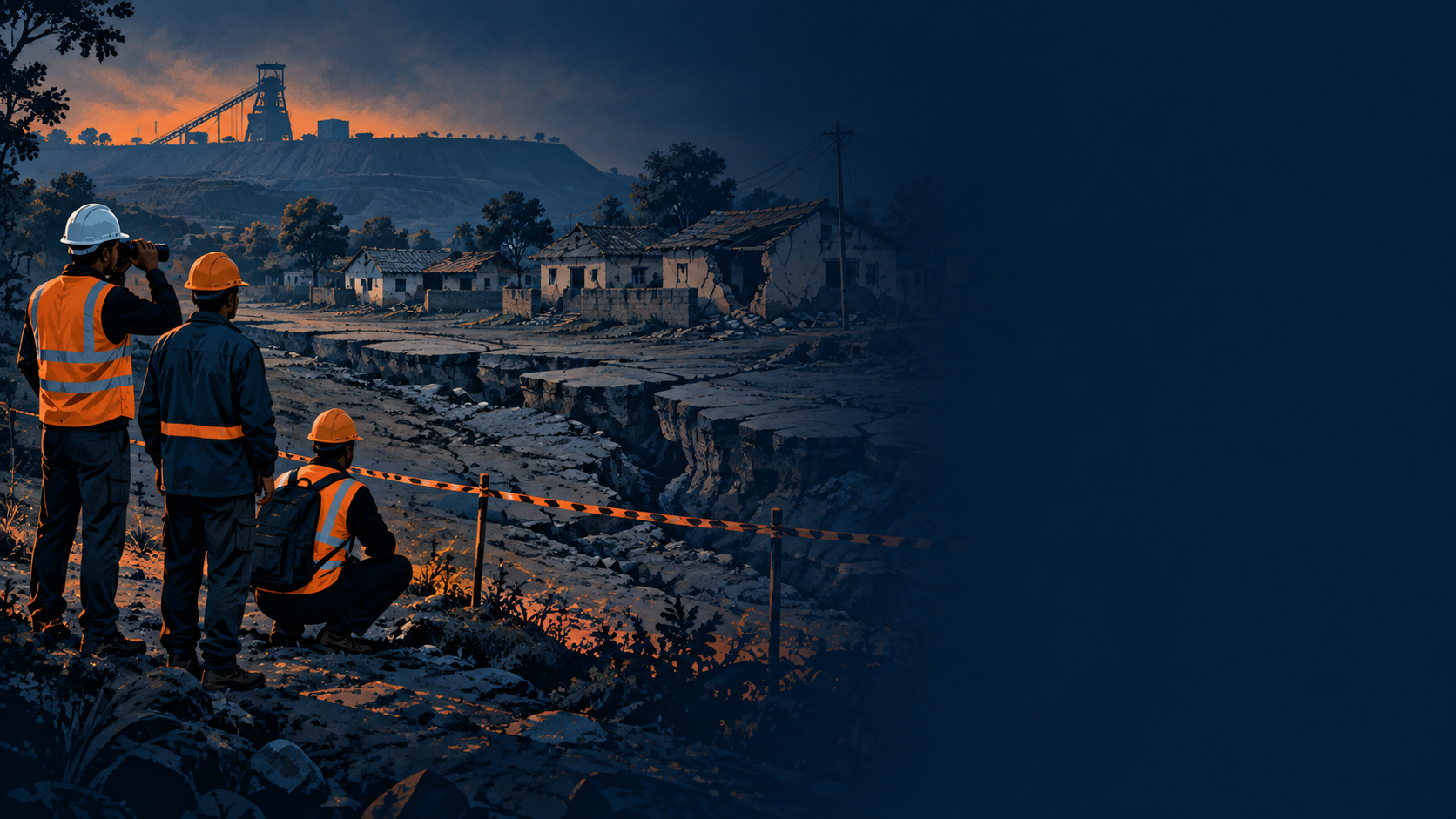
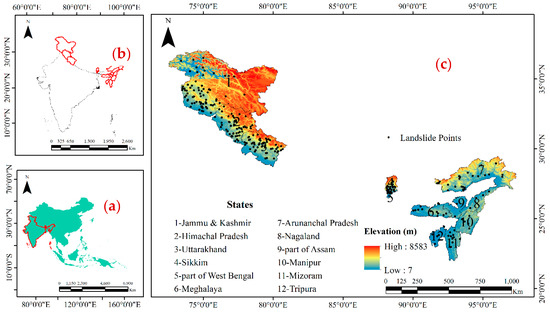
The pattern is familiar in India too: a rock or soil face dug into at its foot, rain, workers crowded below, no one checking the slope, and a site that rescue teams cannot reach quickly. On 2 July 2026 a rock face collapsed at a stone quarry at Madapattana near Bengaluru; seven or eight workers, mostly from Bihar, died. Officials told The Federal the quarry had a valid licence but that safety norms were flouted, and residents said unsafe quarrying had gone on for years. So a licence on paper did not protect those workers, and the lack of one in Nariño is not the whole story either. We have also covered the Dhanbad land subsidence, where a local MLA attributed the ground failure to illegal mining; that is an allegation and the cause has not been established. On heavy rain loosening slopes, see our report on the landslides in Japan after Typhoon Dujuan.
Lessons
The points below are general safety practice for earth and rock faces, not findings of any inquiry into this collapse.
- Do not work at the foot of a high, steep face. A vertical bank taller than a person can fall without warning, and digging into its base makes it more likely. Cut the face back in steps or at a gentle angle, and keep people, pumps and vehicles well away from the bottom of it.
- Treat rain and a rising river as a stop signal. Water soaks the ground, adds weight and softens a slope, and a river in spate can wash out a bank or flood a pit. Stop work when rain is heavy, and do not restart until someone who knows the ground has looked at it in daylight. Cracks along the top edge, small falls of earth and water seeping out of the face are warnings.
- Keep the number of people in a pit small. The more people below a face, the more who are caught. Separate machine work from hand work, and never let people work beneath an excavator’s digging face.
- Agree a lookout and a signal. One person who watches the slope and not the gold, and a whistle or horn everybody knows, gives people the few seconds they need. Keep an escape route clear and walk the route before work starts.
- Know who is on site. Reports differ by about 12 on how many people were there. A simple list kept by the site leader or the community council at the start of each shift tells rescuers who might be buried and when it is safe to stop searching.
- Plan the evacuation before the accident. At a site that can be reached only by river, agree the pick-up point, the boat, the nearest clinic, and who calls for a helicopter and on what number. Keep a first aid kit and a working radio or satellite phone. If a person is pulled out after being buried or crushed, basic first aid while waiting for transport matters: keep the airway clear, control bleeding, and keep the person warm and still.
- When people are buried, dig carefully and keep the rescuers safe. A second slide can kill the rescuers. Post a lookout before anyone goes below the face, and do not let heavy machinery run close to the spot where people may be trapped unless an experienced person is directing it. Dig with hands and small tools near the trapped person.
- Families and communities: tell someone at home where you are working and when you will be back, and ask your community council to keep a register of those who work at the pits. Ask the authorities, in writing, how your pit can be formalised and what technical help is available. A permit does not make a face safe, but it is the route to training, inspection and rescue cover.
- Authorities: pending formalisation requests, a site that rescue teams cannot reach and a workforce that includes many women with few other jobs point to the same gap: nobody inspects or supports these pits. Inspection, training and a rescue plan for remote sites need to come before the next collapse, not after.
- If you are in India and see a quarry or mine face being undercut, or workers below a loose face after rain, report it to the district mining office, and call 112 if people are in danger.
- A slope collapses at the Chambero open-pit gold mine and buries workers; villagers begin digging
- First reports say nine dead and about 30 people affected; the injured are moved by motorcycle-taxi and boat
- The Nariño government confirms 14 dead and 7 injured; the National Mining Agency says its rescue team cannot reach the site; the Ombudsman's Office asks for safe access and air support
- Search declared over with no one missing (Reuters, El Tiempo); Governor Escobar travels to Tumaco to coordinate and asks the Air Force for helicopters
- Five injured people are flown to Tumaco and admitted to a clinic; the governor says 12 of the 14 dead were women who headed households and that a census of the families has started
Why consequences escalated
- A slope or tunnel roof at an open-pit alluvial gold mine failed and buried people working at its foot; the technical cause has not been published.
- Most of the dead were women who earned a living panning and digging at the pit; the governor says many were heads of household.
- The site can be reached only by river, so the first rescue was done by villagers and the injured needed a helicopter to reach hospital.
- The National Mining Agency says its specialised team was ready but access and public-order conditions stopped it reaching the site.
- Officials say the mine was not authorised; the governor says formalisation requests have waited for more than 20 years.
Failures and risk multipliers
- Working at the foot of a dug-out face, in a rainy period and next to a river that can rise (rain and fragile ground per the mines secretary; the cause is not confirmed).
- A large number of people below one face at the same time, with no report of a lookout or an escape plan.
- No headcount: reports differ on how many people were at the site (about 30 or about 42).
- A site with no road, no nearby hospital and no evacuation plan, so the seriously injured waited for a helicopter.
- No inspection or technical oversight of an operation that officials say was not authorised.
Actions that reduce risk
- Do not work at the base of a steep or undercut face; cut it back in steps and keep people and machines clear of the bottom.
- Stop work in heavy rain or when the river is rising, and do not restart until the ground has been checked in daylight.
- Keep one lookout, an agreed signal and a clear escape route; keep the number of people in a pit small.
- Keep a written list of who is on site each shift and tell someone at home where you work.
- At remote sites agree the evacuation boat, clinic and helicopter call in advance, with a first aid kit and radio on site.

Leave a comment