

Quick answers
What are the fire safety laws in India?
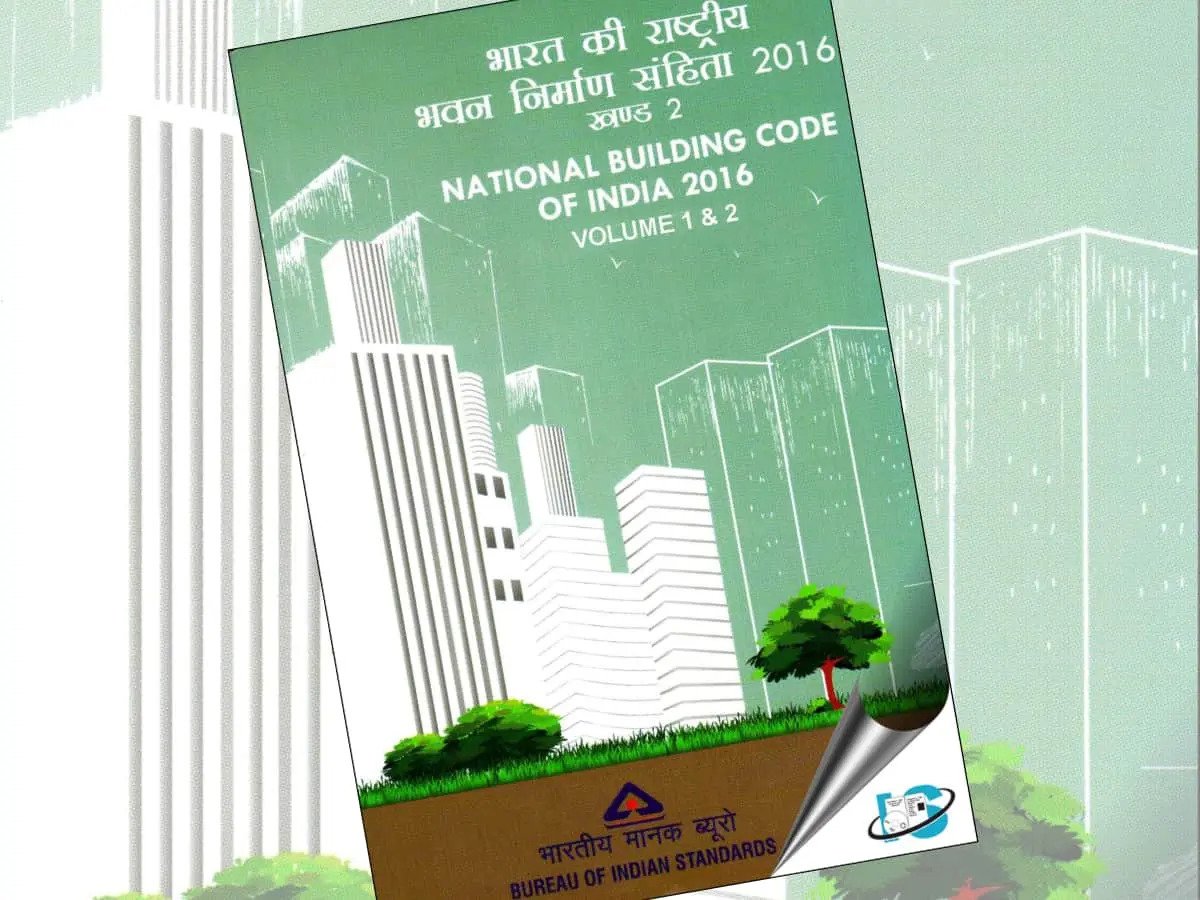
There is no single national fire law. Fire services are a state subject, so each state has its own fire act and rules, and cities add building bye-laws. The national standard, earlier NBC 2016 Part 4 and now NBCS 2026 Part F, is guidance that a state or city adopts.
Is the National Building Code legally binding?
Not by itself. The NBCS 2026 Part F text says it is voluntary and non-binding and is only for guidance and referral for the state government or local authority. It becomes binding when a state or local body adopts it in its rules or bye-laws.
Is NBC 2016 still in force?
A BIS notification in the Gazette of India dated 30 April 2026 withdrew NBC 2016 and established NBCS 2026 in its place. Many state rules and guides still refer to NBC 2016 Part 4, so ask your fire office which version it applies.
Who enforces fire safety in a building?
The state or city fire service. In Maharashtra the Chief Fire Officer or the Director issues fire safety approvals. In Gujarat state officials issue approvals and a private Fire Safety Officer does renewals and inspections. In Delhi the Delhi Fire Service issues the certificate.
Does my building need a fire NOC or fire safety certificate?
It depends on use, height and floor area under your state's rules. Delhi lists residential buildings above 15 m, hotels above 12 m, educational buildings above 9 m and all assembly buildings. The 2026 national standard's residential mark is 24 m or 750 square metres on a floor. Ask your fire office.
What is the height of a high-rise building in India?
NBC 2016 Part 4 defined it as 15 m or above. NBCS 2026 Part F defines it as 24 m or above. States may use their own figures.
What are the occupancy classes in the Code?
NBC 2016 Part 4 listed Group A residential, B educational, C institutional, D assembly, E business, F mercantile, G industrial, H storage and J hazardous. NBCS 2026 keeps the idea of grouping buildings by use; check Part F for its list.
Many people say India has a fire safety law and leave it at that. It is closer to the truth to say India has a layered set of rules, and the layer that actually applies to your flat, shop or school is usually a state one. That is why a building owner in one city is asked for a certificate at 15 metres and another is not asked until 24. This page explains the layers in plain words: the national standard, the state fire acts, the local bye-laws, who enforces them and when a certificate is needed. For the paperwork side, see our guide to the Fire NOC application and renewal process.
In short
- Fire services are a state subject. The cover text of the national standard says so, and says it is primarily for the State governments to ensure safety of life and property.
- The national standard guides; the state decides. The standard is only for guidance and referral and becomes binding when a state or local authority adopts it.
- The standard has just changed. The National Building Code 2016, Part 4, has been withdrawn and replaced by the National Building Construction Standards 2026, Part F, under a BIS notification in the Gazette of India dated 30 April 2026. Many guides and older pages still quote NBC 2016.
- Thresholds differ. A residential building needs a fire certificate above 15 metres in Delhi, and the 2026 national standard puts its own mark at 24 metres.
- Ask for the current certificate of your building and read what authority issued it.
The layers, from the top
1. The Constitution. Fire services appear as a municipal function in the Twelfth Schedule, and the national standard’s own cover text says it is primarily the responsibility of State governments. In February 2026 the Minister of State for Home Affairs told the Lok Sabha the same, adding that enforcement, inspections and penalties are governed by State Fire Service Acts and rules, according to an IANS report.
2. The national standard. For years this was Part 4 (Fire and Life Safety) of the National Building Code of India 2016. It classified buildings by use into Groups A to H and J (residential, educational, institutional, assembly, business, mercantile, industrial, storage and hazardous), and defined a high-rise as a building 15 metres or taller. It applied to all high-rise buildings, to hotels, schools and shops above 500 square metres on any floor, to educational and institutional buildings of 9 metres and above, to all assembly buildings and to buildings with deep basements. In 2026 the Bureau of Indian Standards published the National Building Construction Standards (NBCS) 2026, with fire and life safety as Part F. A BIS notification in the Gazette of India dated 30 April 2026 establishes SP 7:2026 and withdraws SP 7:2016, the National Building Code of India 2016, on the same date. We read Part F itself. It defines a high-rise as 24 metres or taller and sets a residential mark of 24 metres or 750 square metres on a floor. It also says that the state or local authority may modify these values, and that the document is voluntary and non-binding until adopted.
3. The state fire acts. Each state writes its own. Examples we opened are the Maharashtra Fire Prevention and Life Safety Measures Act, 2006, the Gujarat Fire Prevention and Life Safety Measures Act, 2013, and the Delhi Fire Service Act, 2007 with its 2010 Rules. In Tamil Nadu a 2025 bill proposed to repeal and re-enact the Fire Service Act of 1985 as the Tamil Nadu Fire and Rescue Services Act, 2025. We did not confirm whether it was finally enacted or when it begins. That is the reason you should never rely on a state name alone.
4. The local bye-laws. Many rules reach a building through the municipal building bye-laws. The Home Ministry told the Lok Sabha that the Model Building Bye-Laws, 2016 of the housing ministry have a fire safety chapter and that their effective enforcement is for the States and Union Territories.
Who enforces
The state or city fire service, not the central government. In Maharashtra, the owner or occupier of a building listed in the Act’s schedule must obtain provisional fire safety approval at the plan stage and final approval before the completion or occupancy certificate. These come from the Chief Fire Officer of the local authority, or from the Director where there is none. In Gujarat, the fire prevention officials issue plan approval and the certificate, while a private professional called a Fire Safety Officer carries out renewal, six-monthly inspections and mock drills. In Delhi, the Delhi Fire Service issues the certificate, and amendment rules reported as notified in May 2026 bring in empanelled auditors, annual declarations and random checks of their certificates, according to the Tribune.
Updated 28 October 2026. Gujarat has since changed its own list. The Gujarat Fire Prevention and Life Safety Measures (Amendment) Rules, 2026, published in the Gazette Extraordinary of 23 October 2026, replace the Third Schedule, and industrial buildings are on the new list from 1 April 2027. The details are on our page about what changes for industrial units in Gujarat.
Does it apply to my building?
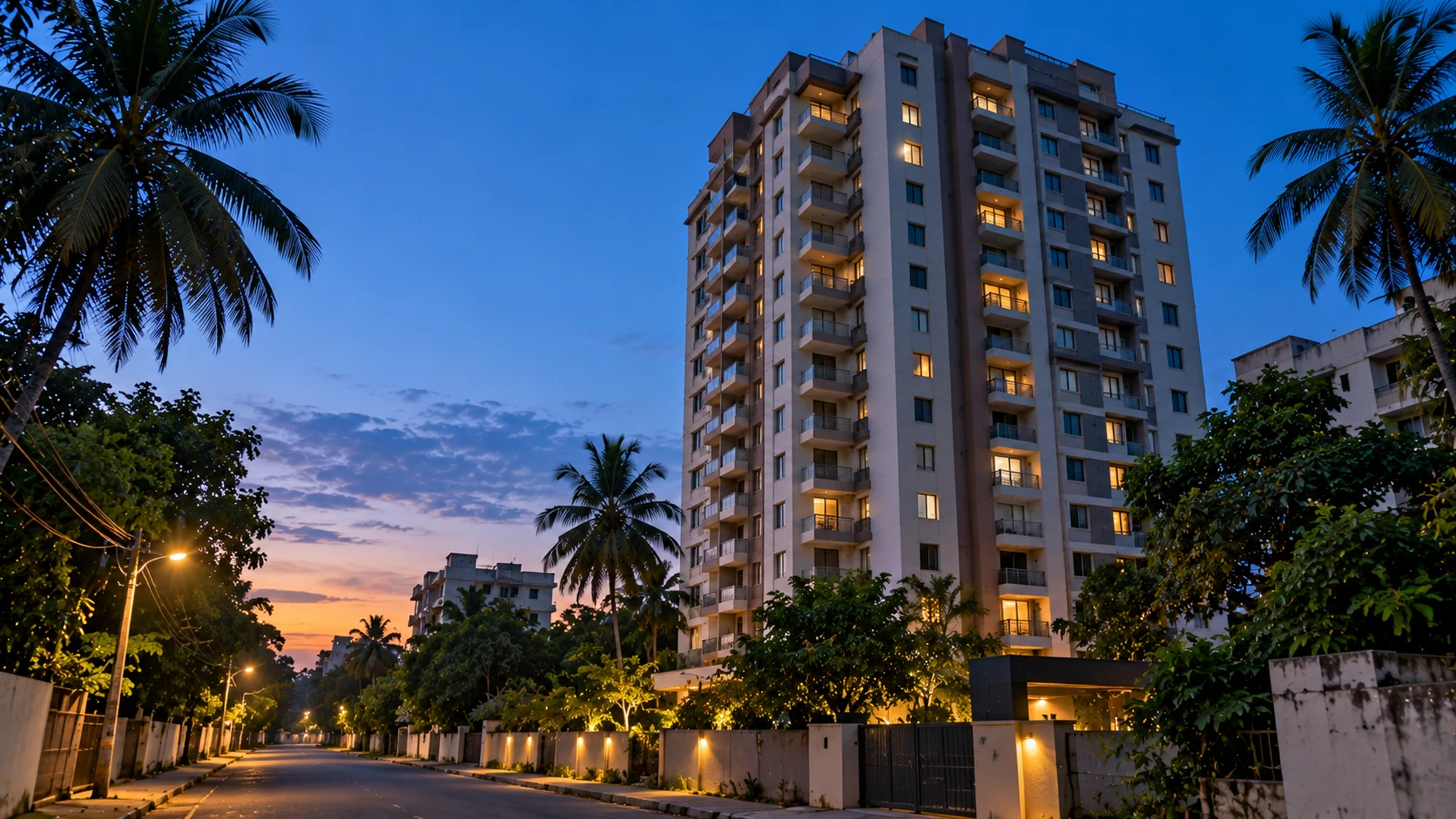
It depends on three things: what the building is used for, how tall it is and how large its floors are. Use is sorted into classes such as residential, educational, business and assembly. Look at the contrast between two places. Delhi’s fire service website says a residential building taller than 15 metres, or ground plus four upper floors, needs a Fire Safety Certificate, a hotel above 12 metres, an educational building above 9 metres, and every assembly building. Gujarat’s portal gives the same 15-metre example for residential buildings and says that a shorter one needs self-compliance. The 2026 national standard’s own mark is higher, at 24 metres. The state rule that applies to your building is the one that counts.
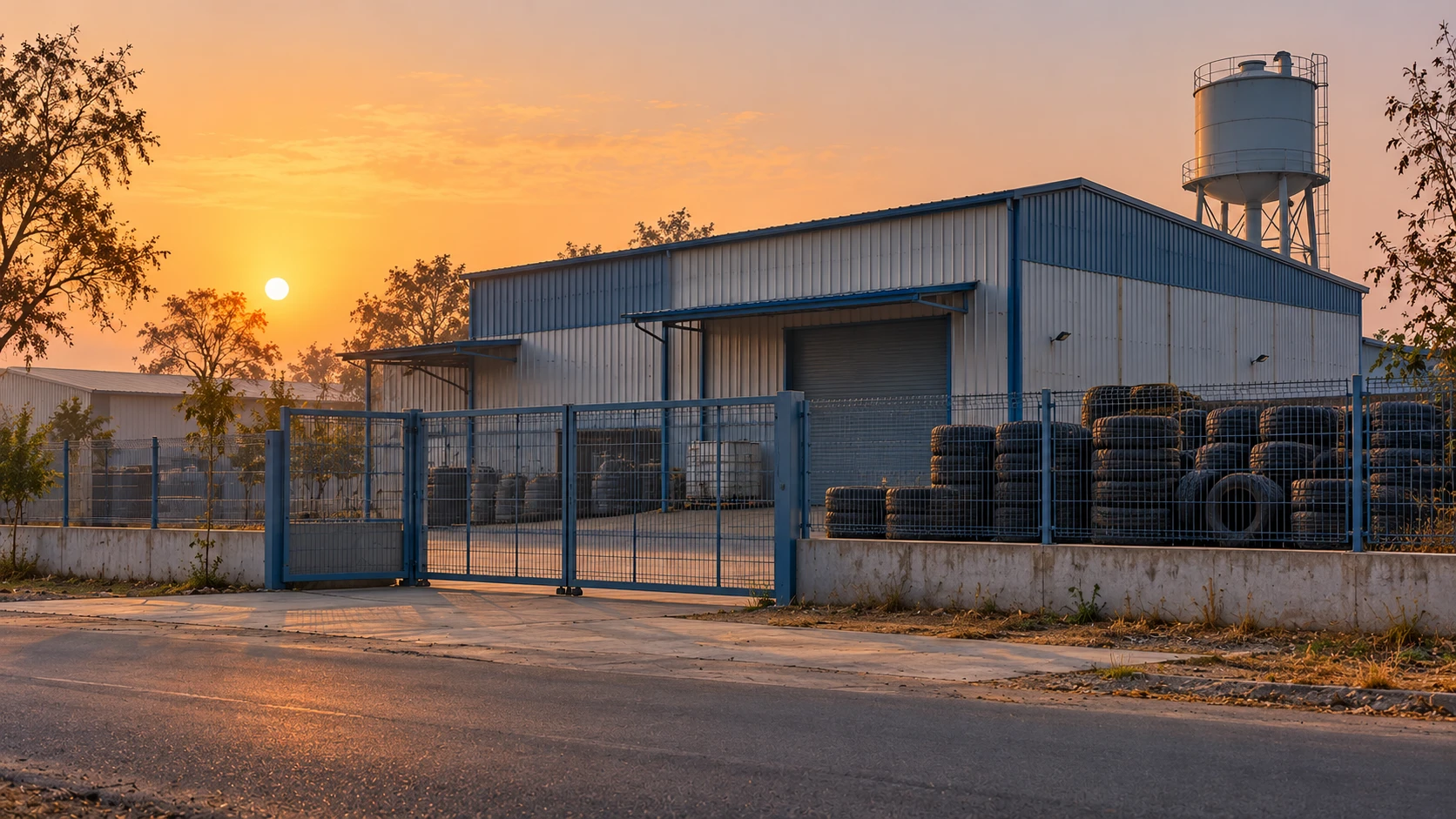
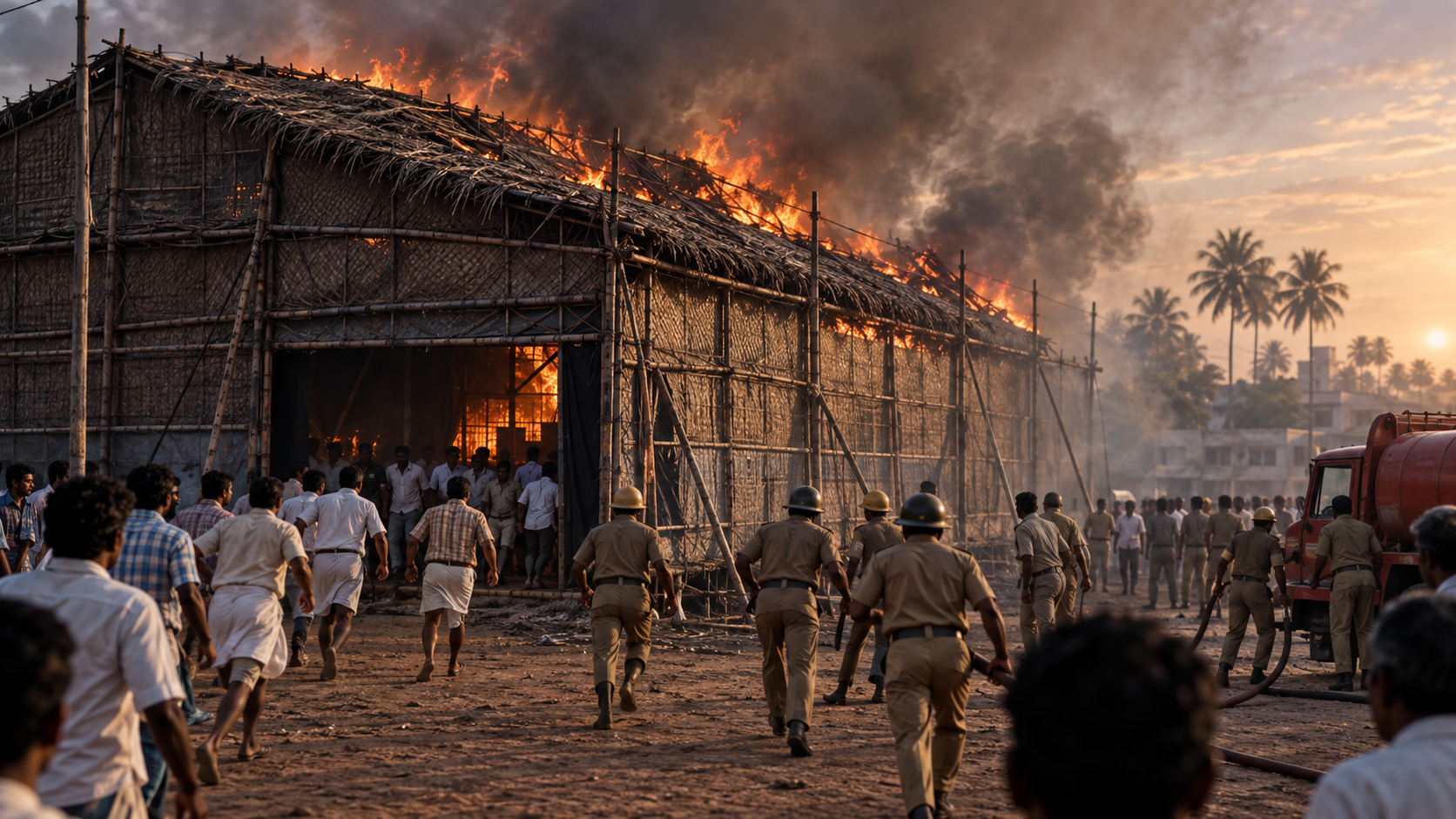
Two cases that show why this matters. A temporary structure is not always outside the law: Maharashtra’s 2023 amendment says tents, shamiyanas and tarpaulin shelters erected for temporary and ceremonial occasions count as a building under its Act, and the national standard text of 2016 treated them separately. And a large factory is not exempt for being a shed. Our report on the Farrukhabad tyre factory fire carries an officer’s statement that the unit had no NOC.
When a certificate is needed, and when it ends
The usual pattern is two stages. Fire plan approval comes before construction. A certificate comes after, once an inspection has found the building as approved. After that, renewal or an annual declaration keeps it alive, and the details differ. Gujarat’s portal gives a renewal before three years and then every two years. Delhi’s amended fire rules, notified in May 2026, say the certificate will stay valid unless suspended or cancelled, as long as an annual online declaration (Form K) is filed, in place of renewal. That part was due to start 90 days after publication, around 24 August 2026, but The Tribune reports that a Home Department notification of 16 October 2026 put it off until 20 May 2027. We have not seen the notified text, so check the Delhi Fire Service site for what applies on the day you apply.
What this means for you
- Owners. Do not assume an old NOC and an old reading of the Code are the same thing. Ask your fire office which rules and which version of the standard it applies today.
- Tenants and buyers. Ask for a copy of the current certificate, check its date and ask which authority issued it.
- School and hospital managers. Educational and institutional buildings are among those with the lowest height marks, so a low building may still be covered. See our piece on whether schools under 15 metres need a Fire NOC.
- Everyone. A certificate is a record of one day. The systems must work every day, as our guide to keeping fire systems working explains. For what the Code says about public buildings, see fire safety in public buildings.
What we could not confirm
- What the NBCS 2026 changes mean in each state. The withdrawal itself is in the Gazette of India notification of 30 April 2026, which we opened.
- Which states have adopted NBCS 2026. The same magazine named Maharashtra, Karnataka and Delhi as moving first, and we could not verify it.
- Whether Tamil Nadu’s 2025 bill became law, and whether Maharashtra’s 2023 amendment has been brought into force. The amendment text says it begins on a date notified by the government.
- The rules of states other than Maharashtra, Gujarat, Delhi and Tamil Nadu. We did not read the Karnataka, Uttar Pradesh, West Bengal or other state acts.
- The notified text of Delhi’s renewal change.
- We found no Instagram, Facebook or LinkedIn video we could open and match, so the videos below are from YouTube.
Do this today
Find the fire certificate for your building. Note the issuing office, the date and the validity. Then call or visit that office’s website once and ask which fire rules it applies to buildings like yours. Checked 28 October 2026.
What needs attention
- NBCS 2026 Part F says it is only for guidance and referral for the state government or local authority, and that it is voluntary and non-binding until adopted.
- NBC 2016 Part 4 defined a high-rise as 15 m or above; NBCS 2026 Part F defines it as 24 m or above.
- NBCS 2026 Part F sets a residential mark of 24 m or 750 square metres on a floor, and says the state or local authority may modify the values.
- Delhi's fire service FAQ lists residential above 15 m, hotels above 12 m, educational and institutional above 9 m and all assembly buildings as needing a certificate.
- Maharashtra's 2023 amendment extends the word building to tents, shamiyanas and tarpaulin shelters erected for temporary and ceremonial occasions.
- A Tamil Nadu bill of 2025 proposed to repeal and re-enact the Fire Service Act of 1985; its final status was not confirmed.
Controls that reduce risk
- Find your certificate and read the issuing authority, date and validity.
- Ask your state or city fire office which act, rules and standard version apply.
- Match your building's use, height and floor area to that office's table.
- Keep fire systems working between certificates.
- Re-check when your state notifies new rules.
Common unsafe practices
- Quoting NBC 2016 as the current national standard without checking whether your state has moved to NBCS 2026.
- Assuming the national 24 m mark overrides a state's lower threshold.
- Assuming a temporary structure or a shed is outside the fire law.
- Treating an old NOC as proof of current compliance.
- Applying under the wrong state's form or name for the certificate.





Leave a comment