
What happened here
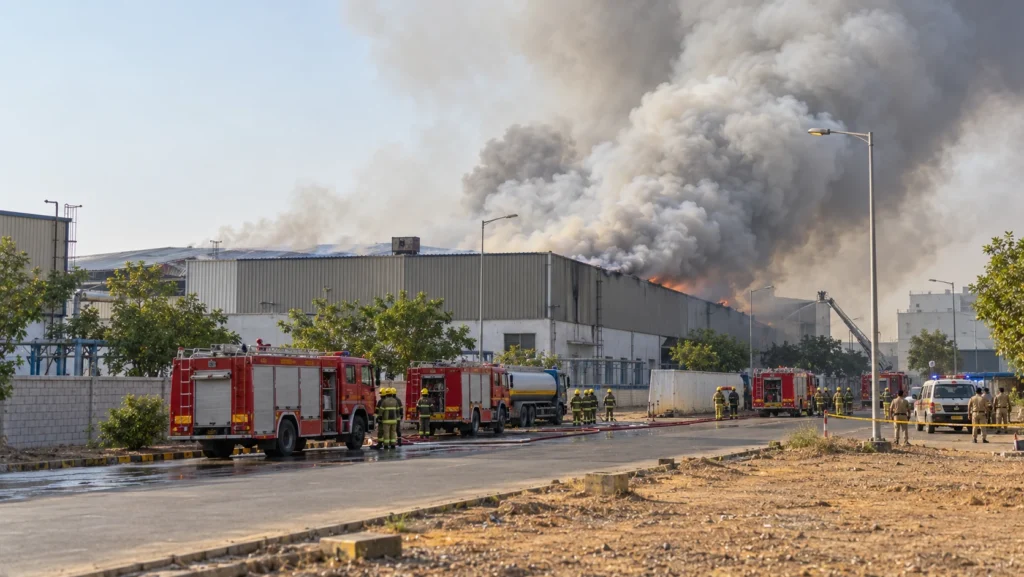
A fire broke out at the Parle-G biscuit factory in the Richhai Industrial Area, Jabalpur, on the afternoon of 19 October 2026. No deaths or injuries were reported and workers were evacuated. About 1,000 tonnes of stock and packing machines were reported lost, with an unconfirmed loss estimate above Rs 20 crore. A short circuit is suspected, but the cause is under investigation by the FSL.
Quick answers
Was anyone hurt in the Jabalpur Parle-G factory fire?
No deaths or injuries were reported. ASP Manish Bhardwaj said there was no report of any death or serious injury, and fire officer Kushagra Thakur told PTI that all workers were evacuated safely.
When and where did the fire happen?
On the afternoon of Monday, 19 October 2026, at the Parle-G biscuit factory in the Richhai Industrial Area, Jabalpur, Madhya Pradesh. Reports give the start as 2 pm to 2.30 pm; PTI says the fire brigade was alerted at 3 pm.
What caused the fire?
Not confirmed. A short circuit is suspected, and police said a Forensic Science Laboratory team will investigate.
How much was lost?
ETV Bharat and Patrika reported about 1,000 tonnes of finished biscuits burnt, and Patrika feared a loss above Rs 20 crore. No official or company figure has been published.
How many fire tenders were used?
Reports differ: more than 8 (ANI), 12 (Navbharat Live), more than 20 (PTI) and more than 40 (Patrika), with help from nearby factories, defence units and councils.
What happened
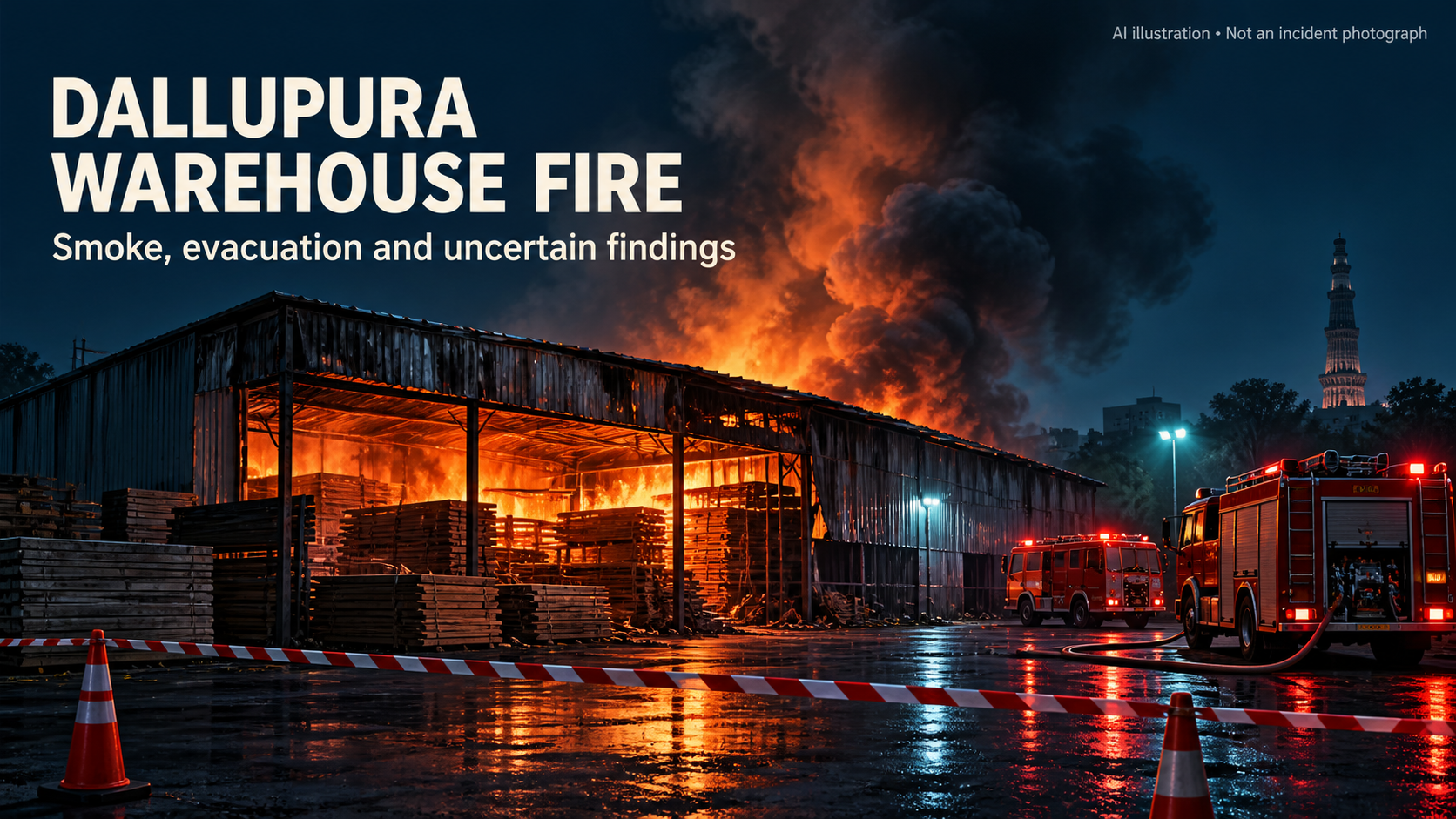
A fire broke out at the Parle-G biscuit factory in the Richhai Industrial Area of Jabalpur, Madhya Pradesh, on the afternoon of Monday, 19 October 2026. No deaths or injuries have been reported. The area falls under Adhartal police station limits. Reports differ on the time. Naidunia said about 2.15 pm, Patrika said the fire department was alerted at about 2 pm, ANI said about 2.30 pm, and PTI quoted a fire officer who said the alert reached the brigade at 3 pm.
ETV Bharat reported that the fire began in the packing area. Navbharat Live described it as a fire in the godown, which held finished biscuits and large storage machines. Naidunia, citing eyewitnesses, said the flames spread fast because the factory held a large quantity of packaging material, edible oil and other flammable material. Patrika reported that smoke could be seen from about 4 km away.
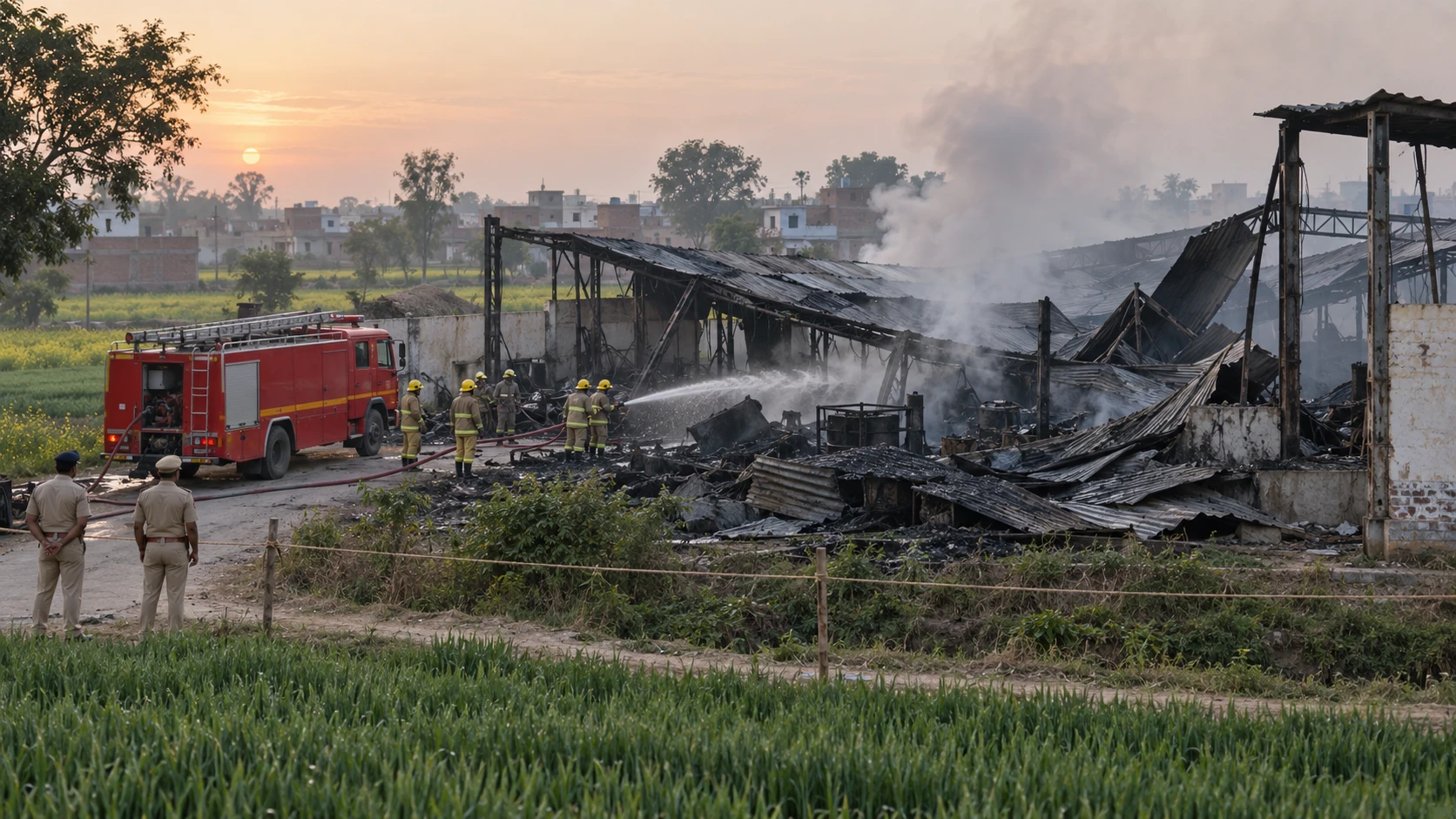
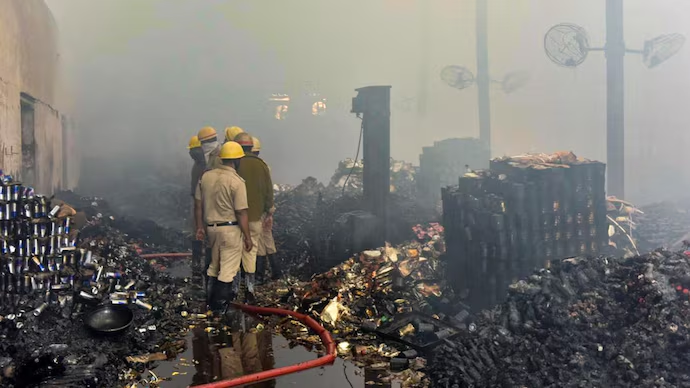
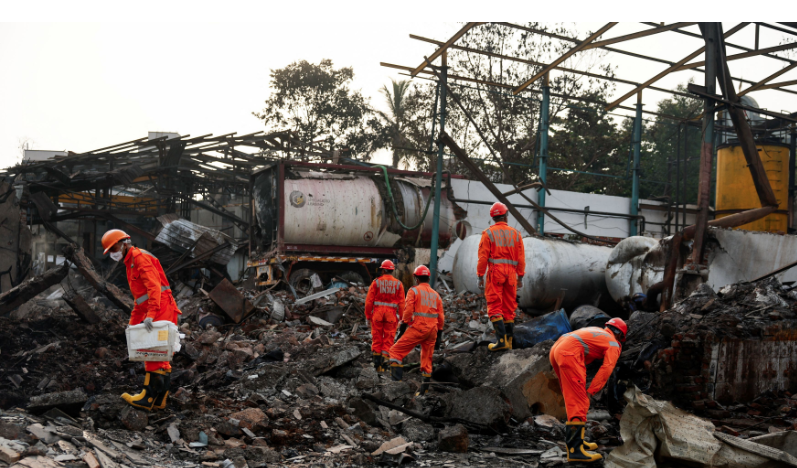
The damage is still being counted. ETV Bharat reported that about 1,000 tonnes of finished biscuit stock, packing material and biscuit-making and packing machines were destroyed or badly damaged, while raw material was safe. Patrika reported the same stock figure, put the machinery loss at more than Rs 4 crore and said the total loss could cross Rs 20 crore. Both are estimates. PTI quoted the fire officer as saying only that the factory may have suffered significant losses, and People’s Update said the value was not yet clear. We have not found a figure from the company.
The people
Additional Superintendent of Police Manish Bhardwaj told ANI and Amar Ujala that there was no report of any death or serious injury. Kushagra Thakur, the Jabalpur Municipal Corporation fire officer, told PTI that no one was hurt, that all workers were evacuated safely and that the factory’s own workers joined the firefighters.
How many people were inside is not settled. ETV Bharat, citing plant director Ramgopal Agarwal, said only 10 to 12 employees were present because Monday was a holiday, that they were doing machine maintenance and that all of them left as soon as the fire started. Navbharat Live said 50 to 60 employees got out safely after the fire alarm sounded. ETV Bharat also reported that employees tried to put the fire out for about an hour before fire tenders arrived. We are not naming any worker.
Response and investigation
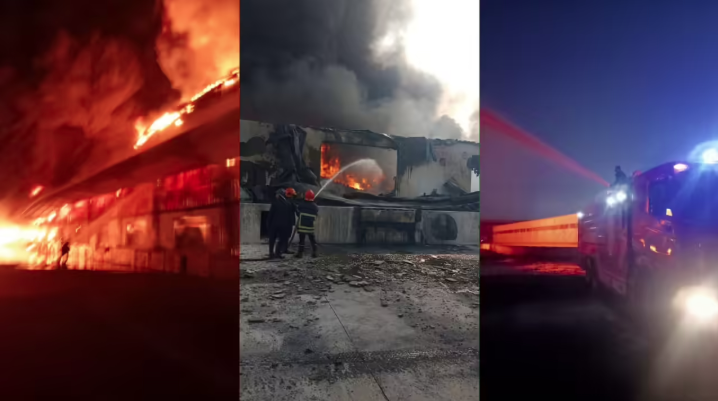
The number of fire vehicles differs from report to report. Amar Ujala and ANI said more than eight, Navbharat Live said 12, PTI said more than 20 tenders and water bowsers, and People’s Update said 20 vehicles and 20 tankers. Patrika reported that more than 40 vehicles worked into the night, with about 120 tanker trips by 9 pm. Help came from the Municipal Corporation, the Parle-G and Coca-Cola factories, the Vehicle Factory, the Gun Carriage Factory (GCF), the Khamaria factory, the Cantonment Board and the Shahpura, Patan and Bhedaghat municipal councils. Mr Thakur called the coordination between establishments excellent.
The fire near the machine room was brought under control within an hour of the alert, Mr Thakur told PTI, but the warehouse, where biscuits and packed raw goods were stored, was still burning and he said it would take time. Patrika reported that the production and machinery section was out by about 4.30 pm, and that the fire was still not fully controlled at 9 pm.
A short circuit is the preliminary suspicion, according to Mr Thakur and to ASP Bhardwaj, who said the real cause would be known only after a Forensic Science Laboratory (FSL) team investigates. Dainik Jagran noted that the short circuit cannot yet be treated as the final cause. When we checked on 20 October 2026, we found no report of an FIR, an official finding on the cause, a company statement, or the factory’s fire NOC status.
Why this matters
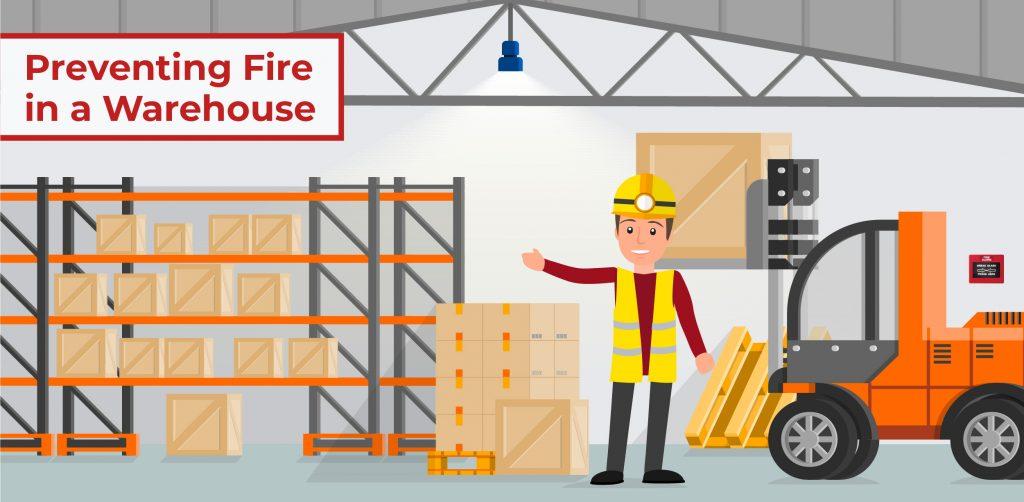
A biscuit plant may look like a low-risk workplace, but it holds a great deal of fuel: cartons and wrappers, edible oil and fat, flour and sugar dust, wooden pallets and, in the godown, stacks of packed stock. The reports say packaging and oil helped the fire spread, and a warehouse full of finished packs burns for hours. Our guide to warehouse fire safety in India explains how stored stock raises the fire load.
Nothing in the reports we read says whether the unit had a valid fire NOC or when its last fire audit was done, so this page makes no claim either way. It is still the first thing worth asking about any factory, and our note on what a Fire NOC does and does not prove shows what to check. Four days earlier, a fire at a foam unit killed two workers in Haryana, in the Sonipat foam factory fire. The two fires are different and neither cause is settled, but both show how quickly a factory fire can grow.
In Madhya Pradesh, NCRB recorded 459 accidental fires in 2024 that killed 452 people, of whom 45 died in fires it attributes to electrical short circuits. These figures cover all places, not only factories.
Lessons for food and packaging factories
- Treat packaging, oil and packed stock as the main fire load. Keep the finished-goods godown in a separate fire compartment from the packing hall, with fire doors that close fully and clear aisles between stacks.
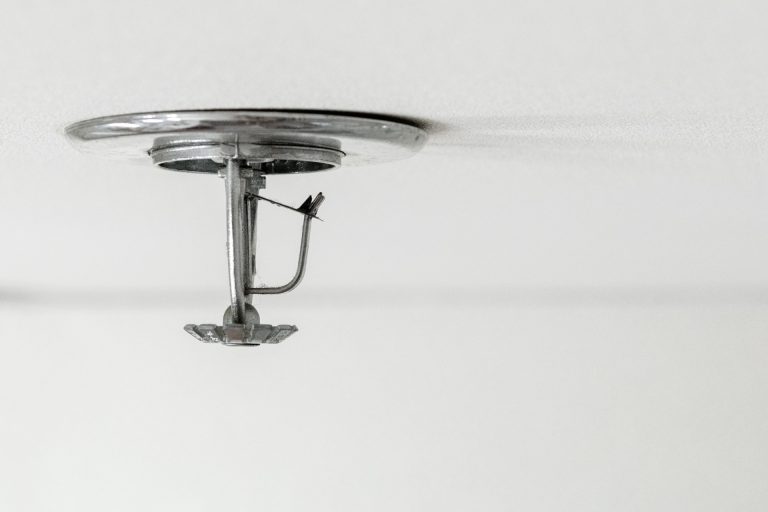
- Cover the godown with sprinklers and detection. A smoke or heat detection system should ring on a panel that someone watches, and the sprinkler pumps and water store should be tested on schedule. Our explainer on boiler explosions and factory fires lists other red flags in industrial plants.
- Call 101 early. A small flame can be tackled with the right extinguisher while a second person phones the brigade. Once the fire spreads to stock or packing, everyone leaves and the call goes out at once. Reports suggest this fire may have been fought by staff for some time before the alert; whether that is so is not confirmed.
- Inspect the electrics. Heat-scan panels, motor starters and cable joints, keep dust and oil film off them, and avoid overloaded extension boards. This is a general lesson, since the cause has not been established.
- Do not relax on holidays and maintenance days. Repair work needs a written permit, fewer people means slower detection, and contractors must be on the same headcount list as staff.
- Keep a working roll-call. The reports give 10 to 12 and 50 to 60 as the people present. Every shift supervisor should hold a current list, and the assembly point should be clear of the loading bay where tenders will enter. Practise it in a real fire drill.
- Plan for the water and the neighbours. About 120 tanker trips show how much water packed stock can swallow. Know your hydrant pressure and on-site water store, keep the gate and internal road clear for tenders, and keep a contact list for nearby plants and the fire brigade, as the mutual aid here showed.
If there is a fire where you work
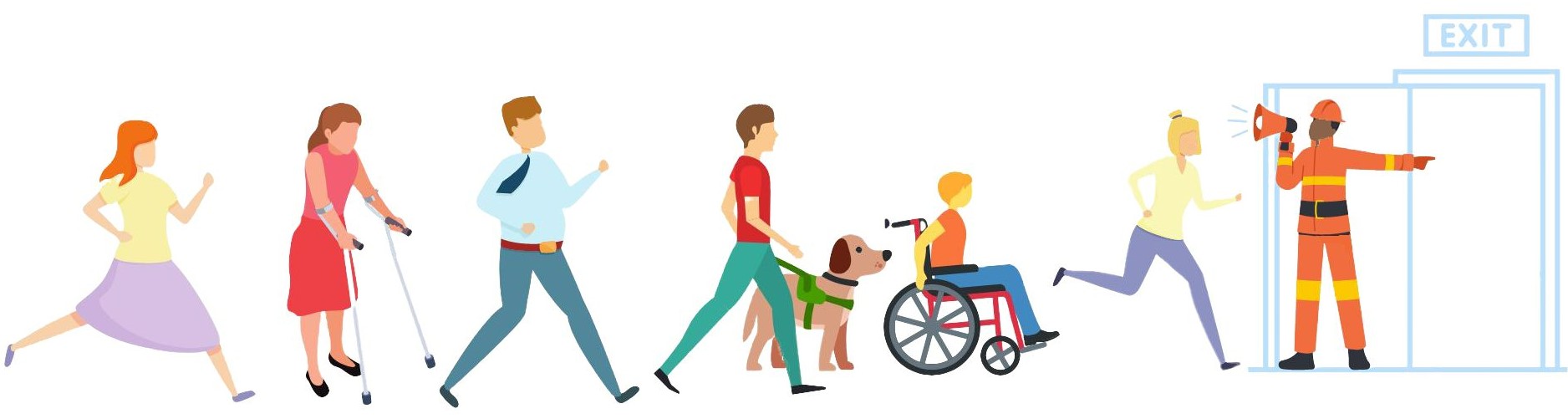
- Raise the alarm and leave by the nearest safe exit. Stay low under smoke and never use a lift.
- Call 112, the fire brigade on 101 or an ambulance on 108 from a safe place, and say what is stored in the building.
- Go to the assembly point and answer your supervisor’s roll-call. Do not go back for belongings.
- Tell the fire officers if anyone may still be inside and where they were working.
- People living near the plant should keep doors and windows shut while smoke from burning packaging drifts across.
What is still not known
The cause, the exact start time, where the fire began (the packing area or the godown), how many people were in the building, the final loss and when the fire was fully put out have not been confirmed. We could not find the factory’s fire NOC status, any FIR, an FSL finding or a company statement. We will update this page when officials publish findings.
- Fire starts at the Parle-G factory, Richhai Industrial Area; reports give different start times
- Alert reaches the Jabalpur Municipal Corporation fire brigade (PTI); ETV Bharat says tenders began arriving at 3 pm after staff tried to put the fire out for about an hour
- Fire near the machine room brought under control; warehouse of biscuits and packed raw goods still burning (PTI)
- Production and machinery section reported extinguished (Patrika)
- ASP Manish Bhardwaj says no deaths or serious injuries and that an FSL team will examine the cause (Amar Ujala, ANI)
- Fire still not fully controlled; more than 40 vehicles and about 120 tanker trips so far (Patrika)
- No follow-up found on extinguishing, loss, cause, FIR or fire NOC status
Why consequences escalated
- No deaths or injuries were reported; workers were evacuated.
- About 1,000 tonnes of finished stock, packing material and machines were reported lost.
- Packaging material and edible oil were reported to have helped the fire spread (Naidunia, eyewitnesses).
- Fire vehicles came from the municipal corporation, nearby factories, defence units and neighbouring councils.
- A short circuit is suspected, but officials say the FSL must establish the cause.
Failures and risk multipliers
- The cause is not established and no official finding has been published.
- Reports differ on how many people were in the factory and on the number of fire vehicles.
- ETV Bharat reported that staff tried to put the fire out for about an hour before the tenders arrived.
- Fire NOC status and the fire safety arrangements were not reported.
Actions that reduce risk
- Factories: keep finished-goods stores in a separate fire compartment, with sprinklers and monitored detection.
- Factories: heat-scan electrical panels and cables on schedule and keep dust and oil film off them.
- Factories: use written permits for maintenance work and keep one headcount list for staff and contractors.
- Factories: test hydrants, pumps and on-site water, keep tender access clear and hold a mutual-aid contact list.
- Officials: publish the FSL finding and the fire safety audit status so other food plants can learn from it.
Leave a comment