
Quick answers
What should I do if I see smoke in a train coach?
Shout to wake the people near you and pull the alarm chain, as the Indian Railways advice reported by PTI says. Move away from the fire along the coach, take your phone and wallet, leave the bags, and get down only after the train has stopped, on the side away from the other track.
Can I pull the alarm chain if there is a fire?
Yes. Section 141 of the Railways Act punishes using the means of communication without reasonable and sufficient cause, and a fire is a reasonable cause. Pulling it for a trivial reason can mean a fine of at least five hundred rupees on a first offence, unless the court records special reasons.
Should I jump out of a burning train?
Not while it is moving. In the Nagina fire, bystanders told a newspaper that some passengers who jumped onto the track in the dark were hurt. Wait for the train to stop, then get down on the side away from the other line.
What are the helpline numbers for a train emergency?
139 is the railway helpline, which Railways asked passengers to use in May 2026 to report suspicious activity. 112 is the single emergency number for police, fire and ambulance, and 101 reaches the fire brigade.
What can I not carry in a train?
Dangerous goods such as firecrackers, petrol, kerosene and gas cylinders. Section 164 of the Railways Act makes it punishable with imprisonment up to three years, a fine up to one thousand rupees, or both.
What should I do if there is smoke in a metro train?
Tell the driver through the emergency intercom or handle, stay calm, move away from the fire, follow staff instructions and do not force the doors or walk on the track. This is Hong Kong MTR guidance; we could not open an Indian metro text.
Is a fire extinguisher kept in every train coach?
We could not verify this from an official source we could open, so we do not state it. Use an extinguisher only if you know how and it is safe, and never at the cost of leaving the coach.
Why do train fires spread so fast in a sleeper coach?
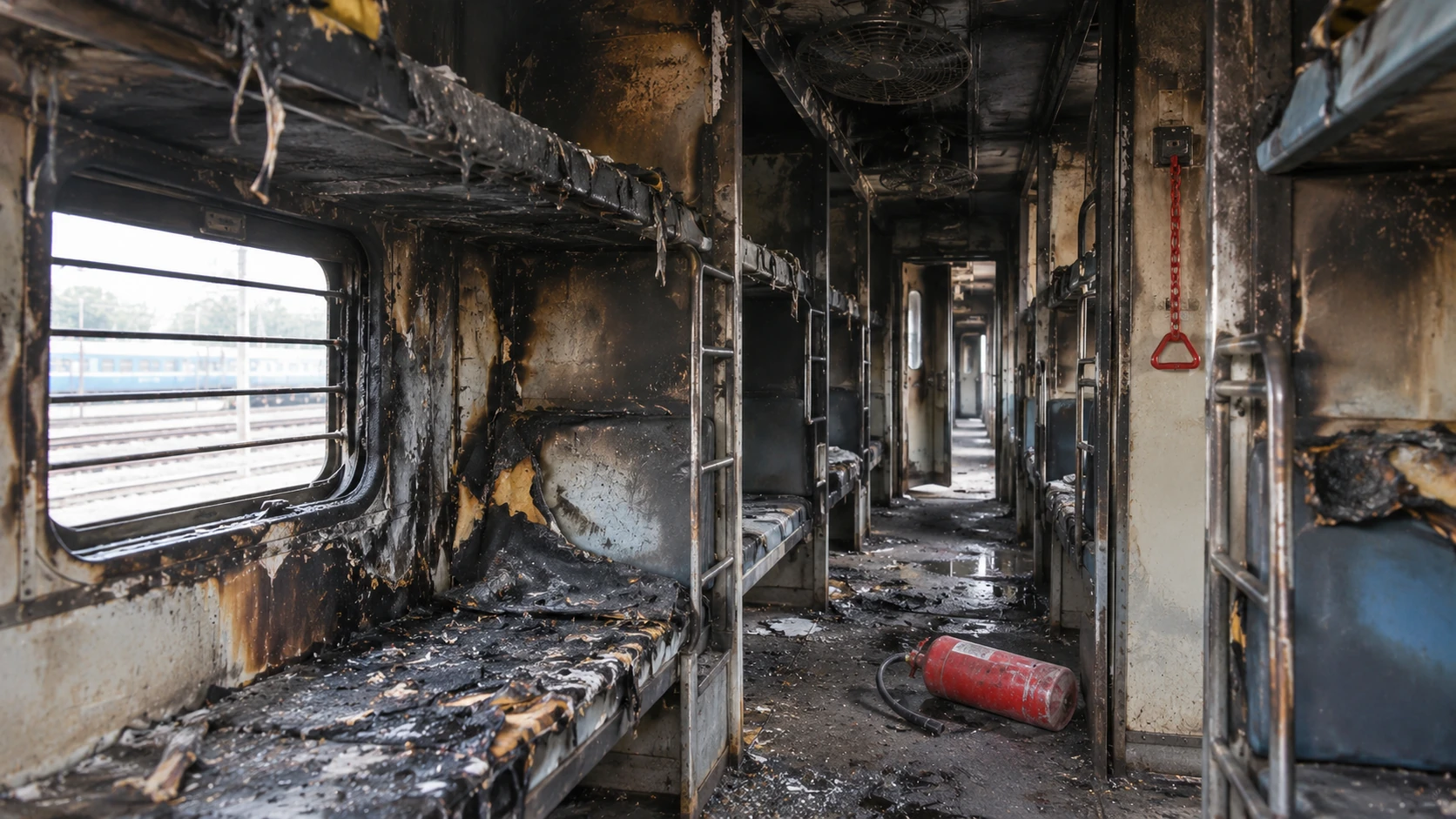
Seat covers, blankets and bags burn, the coach is narrow and passengers are asleep. In the Nagina fire six seats burnt, according to one local report. This is our reading of the reports, not an official finding.
A fire in a moving train is frightening because you cannot simply walk out. The coach is long and narrow, the corridor is full of bags, and in a sleeper coach most people are asleep when it starts. This page is a plan you can hold in your head before you board: how to raise the alarm, how to leave, what not to carry, and what to do in a metro. We have drawn on two train fires already recorded on this site, the Indian Railways advice we could open, the Railways Act and one foreign metro operator. Checked 10 November 2026.
In short
- Smoke or flames in your coach: shout, then pull the alarm chain. Indian Railways advice reported by PTI is to stop the train by pulling the chain, and to leave the affected coach through the vestibules (the connecting gangway) where they exist.
- Take your phone and wallet, leave the bags. A bag can wait; a corridor jammed with luggage cannot.
- Do not jump from a moving train. Wait for it to stop, then get down on the side away from the other track.
- Do not carry crackers, petrol, kerosene or gas. Under the Railways Act it is an offence punishable with up to three years in jail.
- In a metro, use the emergency intercom or handle to tell the driver, stay calm, and do not open emergency doors or step onto the track unless staff tell you to.
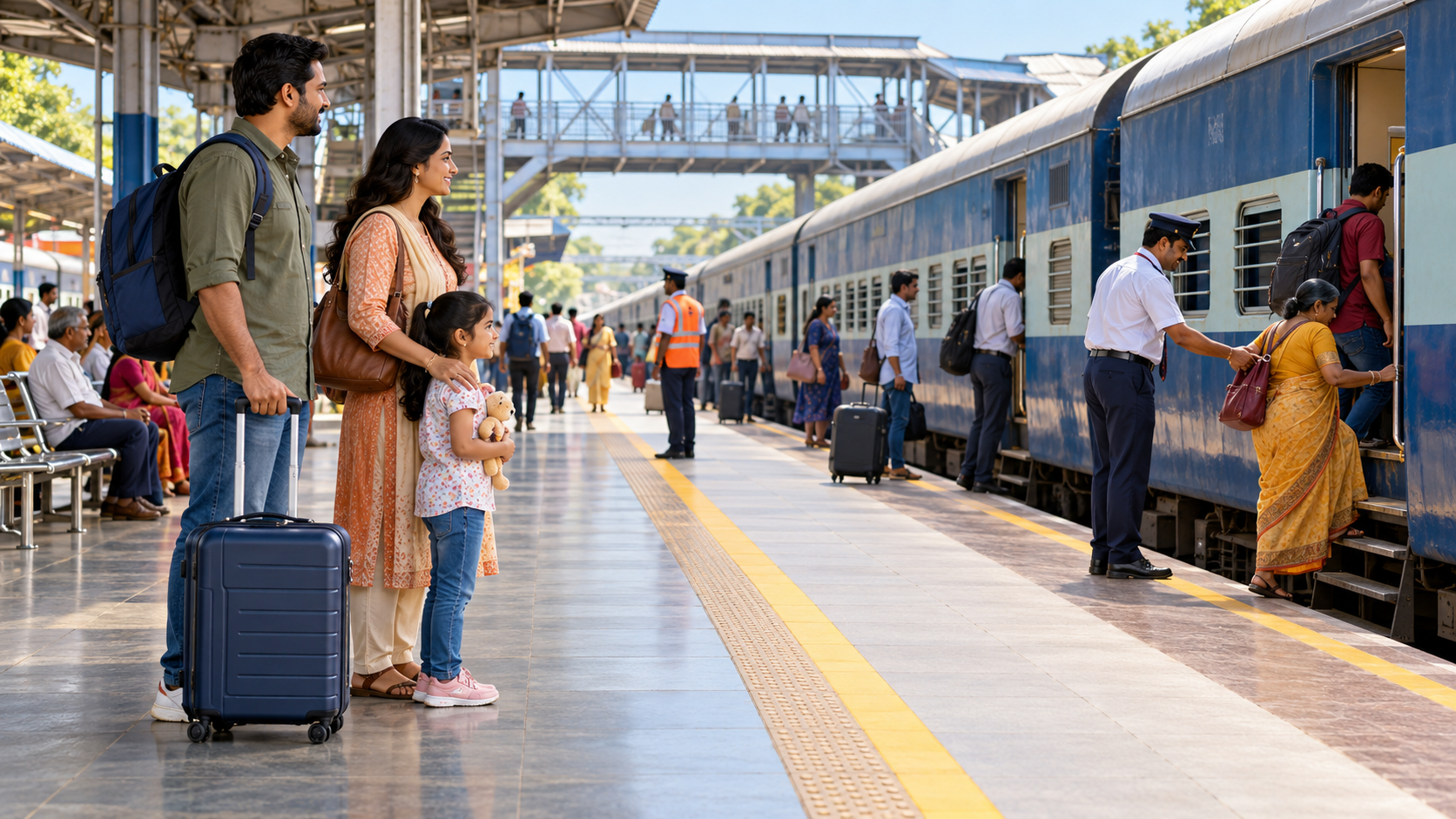
When you board: thirty seconds that help
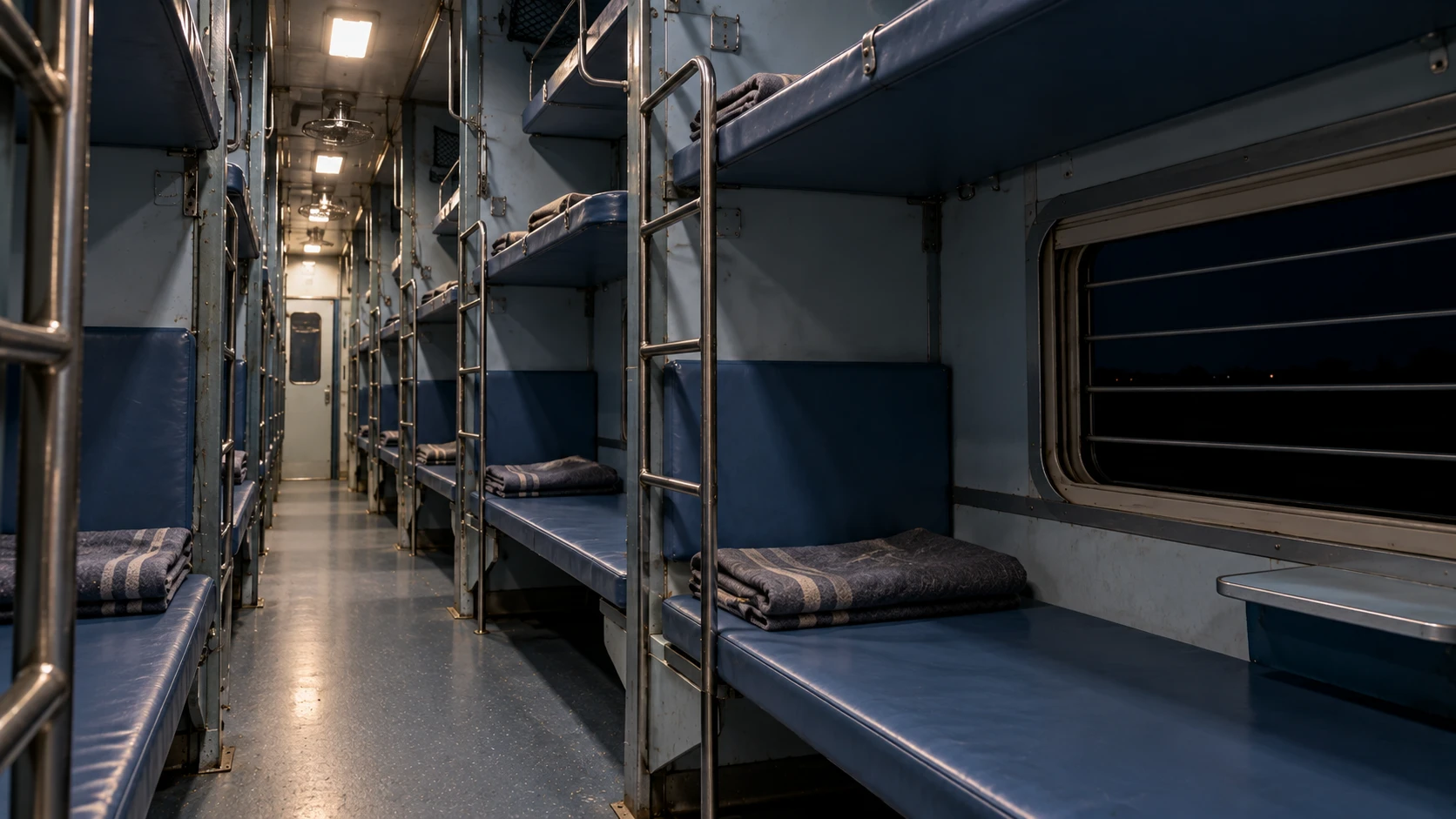
- Look at the way out. Note where the doors are at both ends of your coach and whether the vestibule to the next coach is open. In a general or old-style coach it may not be connected; one Indian Railways document we saw notes a general coach that was not connected to the rest by a vestibule.
- Keep your bag under the seat or on the berth you sleep on, not in the aisle. This is our own advice, not a railway rule.
- Save the numbers. 139 is the railway helpline; Railways asked passengers to report suspicious activity to it in May 2026 (News On AIR). 112 is the single emergency number for police, fire and ambulance (PIB), and 101 reaches the fire brigade, free whatever the size of the fire (Delhi Fire Service).
If there is smoke or fire in your coach
- Step 1. Shout and wake the people around you. In both train fires on this site, passengers raised the alarm themselves.
- Step 2. Pull the alarm chain. The PTI report of Indian Railways advice says passengers should try to stop the train by pulling the chain. Pulling it without reason is an offence, but a fire is a reasonable and sufficient cause: section 141 of the Railways Act punishes the use of the means of communication without reasonable and sufficient cause. If you cannot reach a chain, tell another passenger to pull the one in the next coach.
- Step 3. Move away from the fire, along the coach. Go towards the end that is clear of smoke and leave through the vestibule or the door once the train has stopped. Keep low if the smoke is thick. Do not go towards the fire to look for relatives; ask them to come to you.
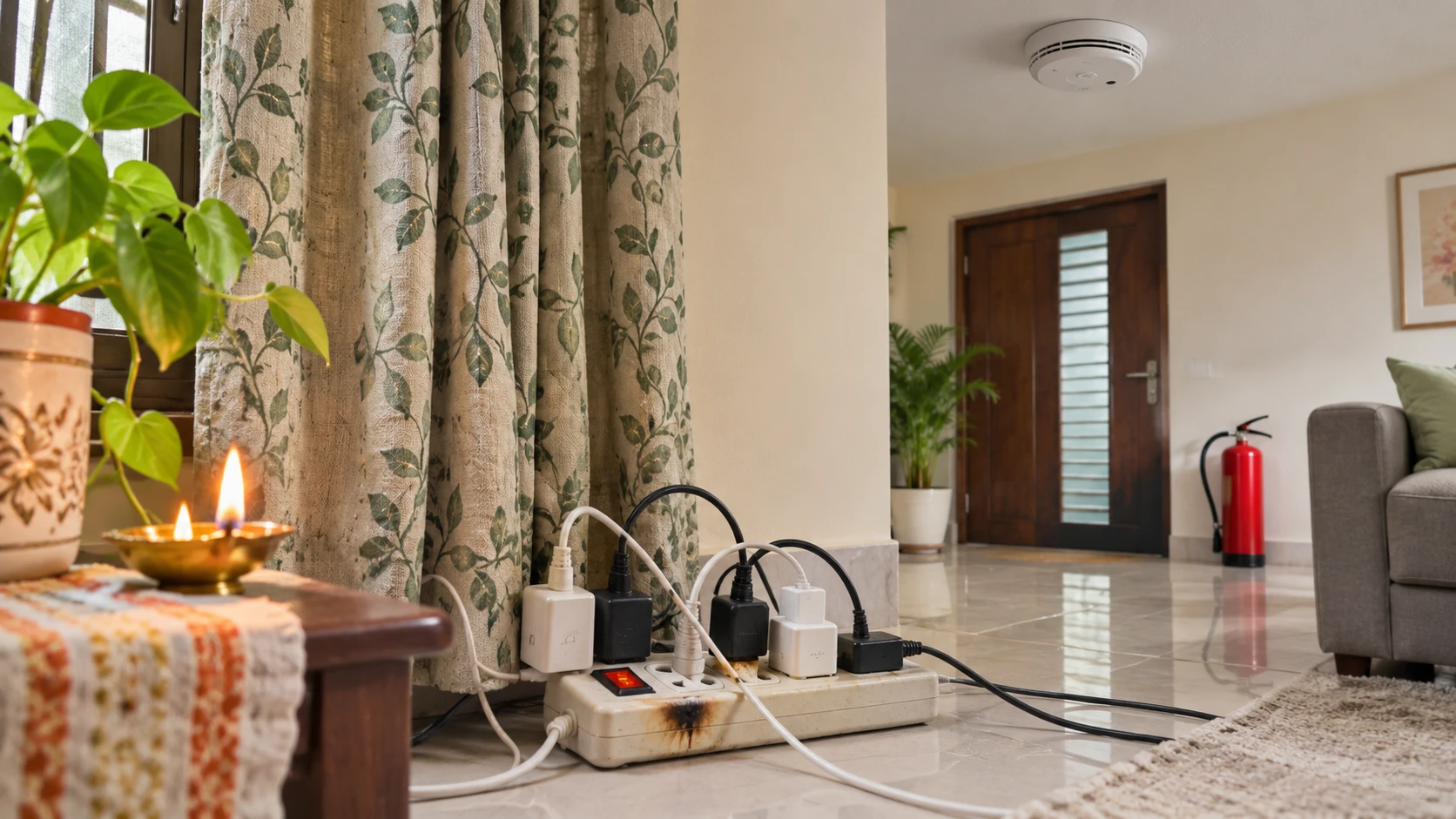
- Step 4. Switch off what you can. The same PTI report says electrical appliances should be switched off to avoid a short circuit. Unplug your charger if it is within reach and safe.
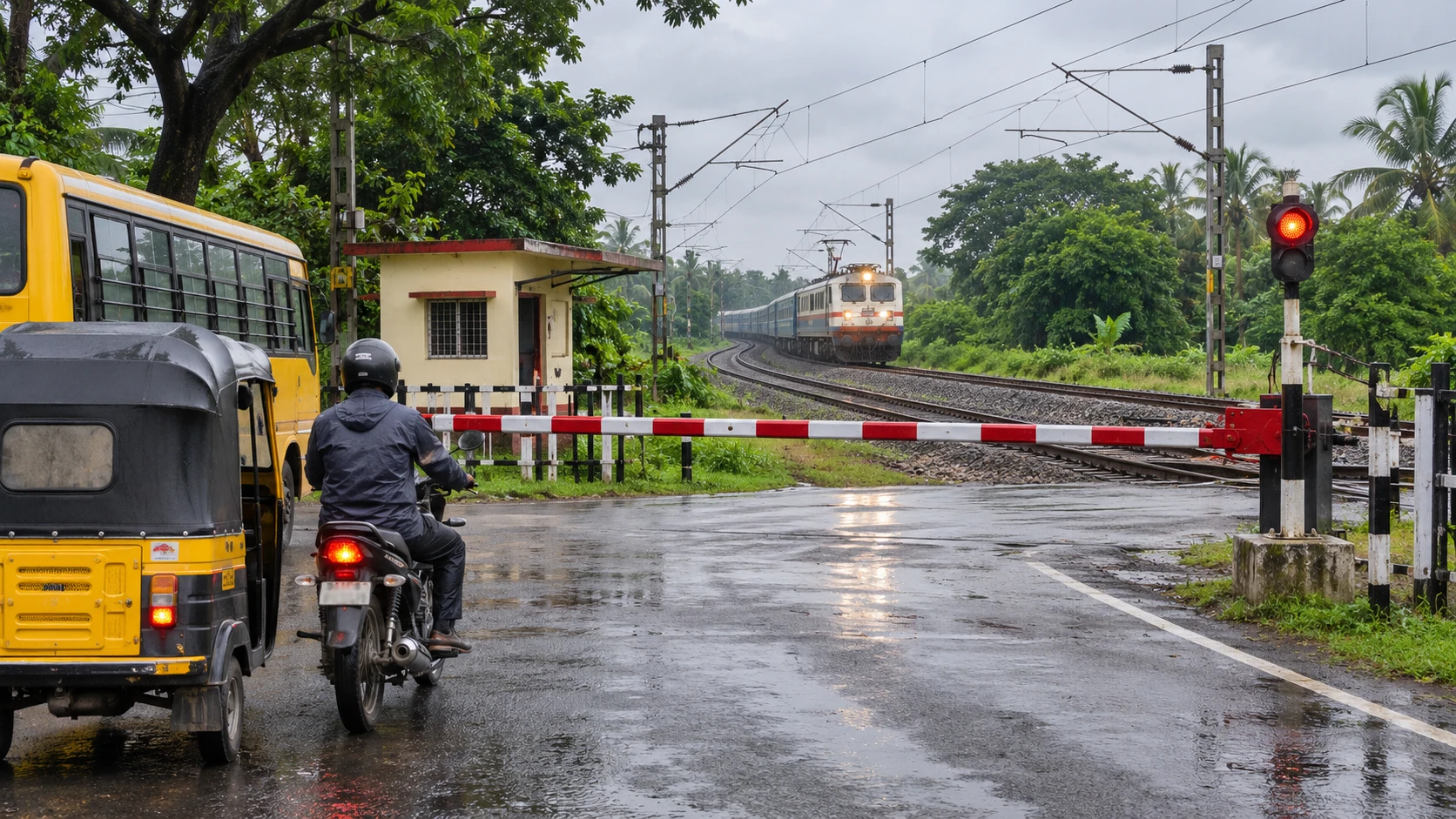
- Step 5. Get down only when the train has stopped, on the side away from the other line, and walk well away from the coach. A passing train on the other track is a second danger. Take a head count of your family and move to open ground.
- Step 6. Tell the staff who is still inside, and call 112 or 139 if the crew has not already done so.
What happened in two recent train fires
These are our own case studies and the reports they rest on. The causes are not established in either.
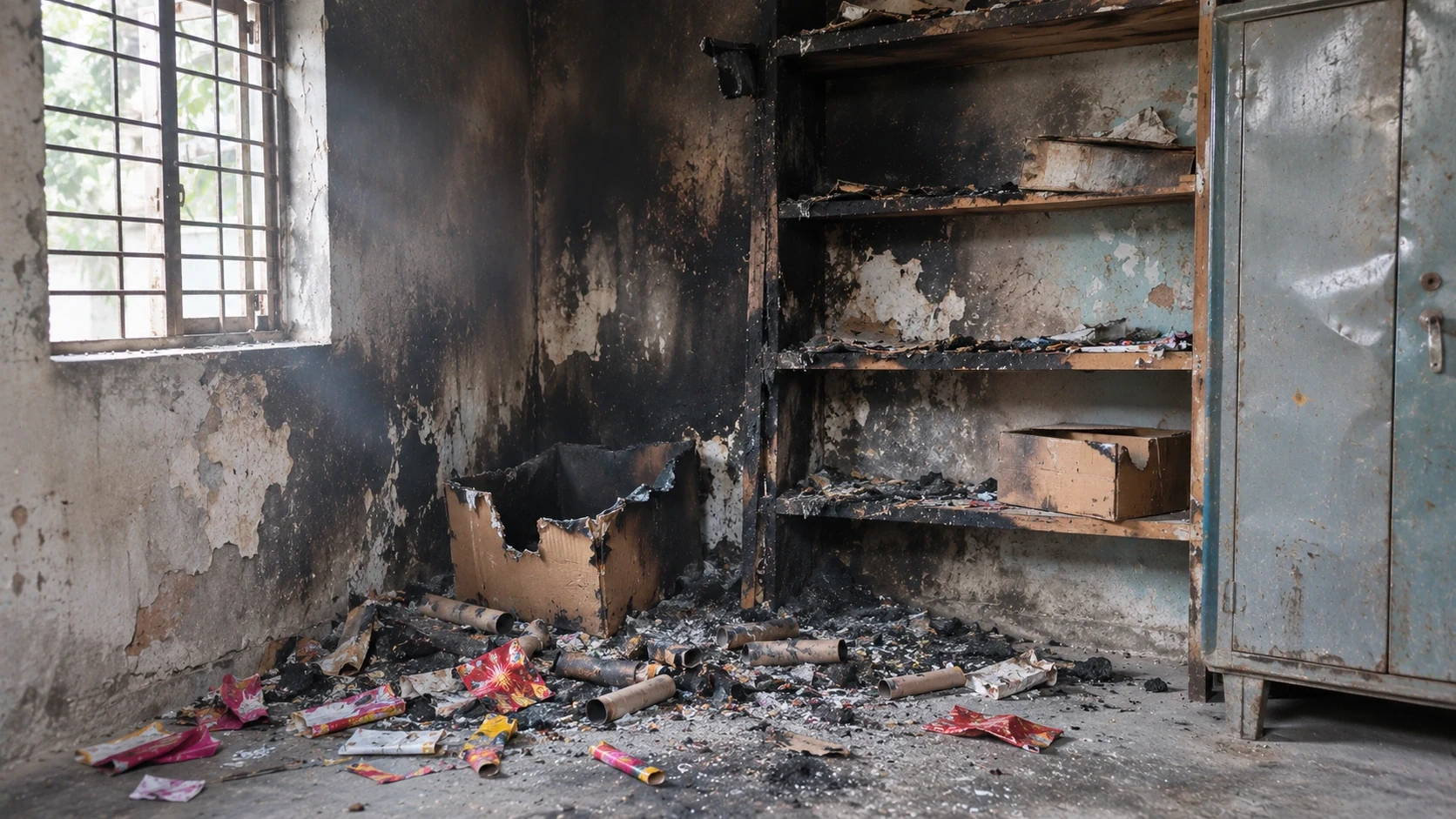
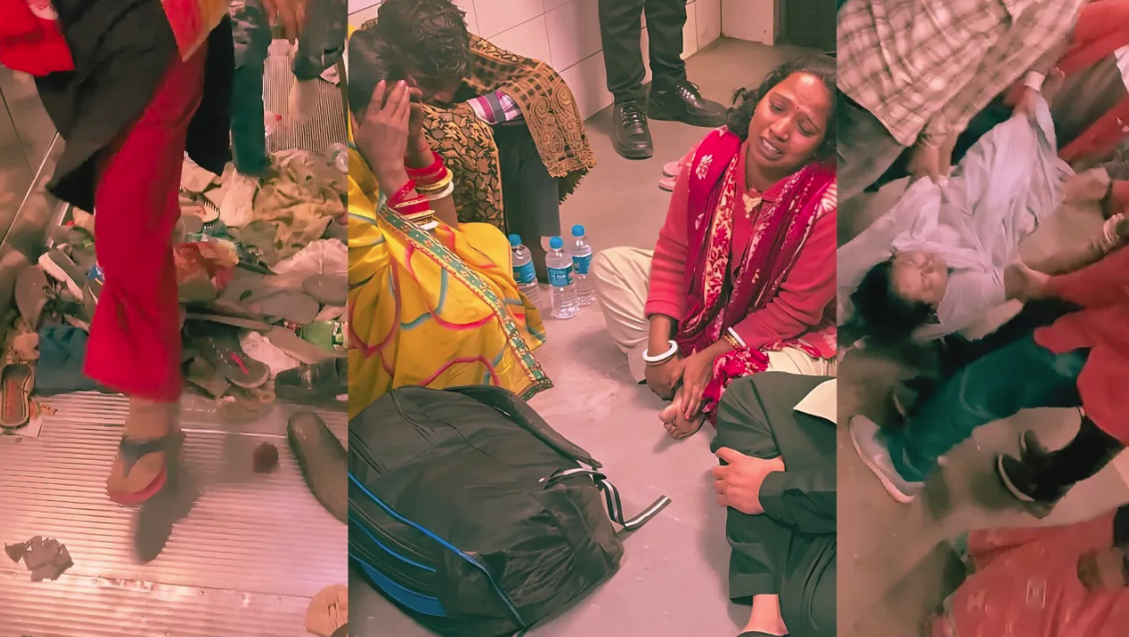
- Shaheed Express, near Nagina, Bijnor, 23 October 2026. A fire broke out in the S-6 sleeper coach at night. Passengers pulled the chain, the train stopped near a crossing and about 80 people left the coach. Reports differ on whether anyone was burnt. The first reported cause was a charging-socket short circuit; the Railway Protection Force later said cracker material was found in a bag, and a passenger was arrested, which is not proven in court. Bystanders told one paper that some passengers jumped onto the track in the dark with their luggage and were hurt. See the case study.
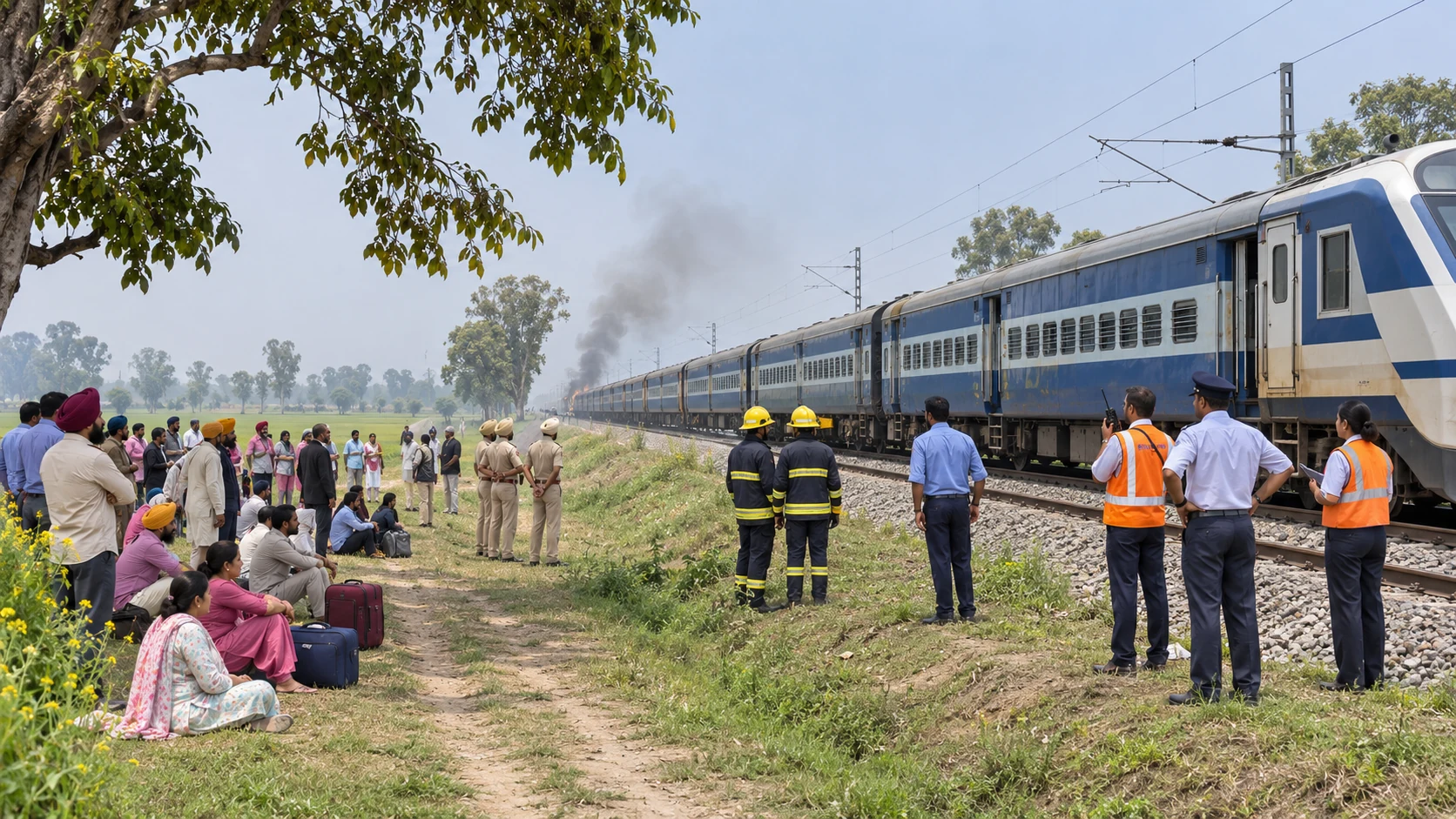
- Karmabhoomi Express, near Sarai Banjara, Punjab, 6 November 2026. Fire affected four general coaches of a train carrying about 1,500 passengers, according to the Ambala Division. The train was stopped, the affected coaches were detached, passengers were evacuated and onward travel was arranged. No deaths were reported and most reports say nobody was hurt. A short circuit in a coach fan was the police’s preliminary view; the cause is under investigation. See the case study.
Both show the same thing: a chain pulled early, a train that stopped and a crew that detached or cleared the coach made the difference. They also show the two dangers to avoid, which are jumping off in the dark and carrying hazardous material. That is our reading of the reports, not a finding of any inquiry. In May 2026 News On AIR reported that Railways saw a possible sabotage angle in several recent train fires, citing unnamed sources; it did not confirm a cause.
What you must not carry
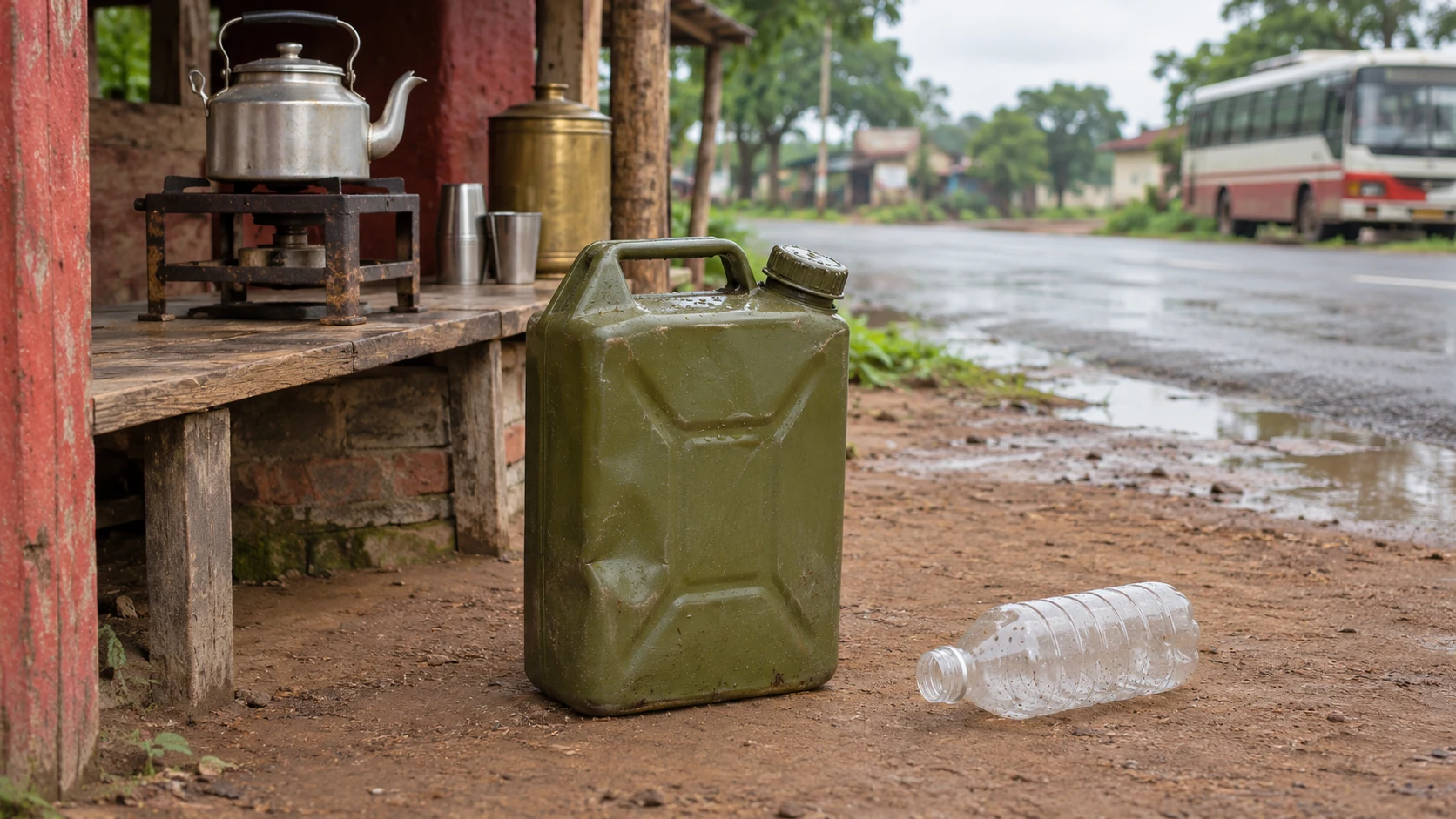
Section 67 of the Railways Act, 1989 bars a person from taking prescribed dangerous or offensive goods on a railway except as the section allows, and section 164 says that anyone who does so is punishable with imprisonment up to three years, or a fine up to one thousand rupees, or both, and is liable for any loss, injury or damage caused. We read both sections on third-party legal sites, not on India Code, so check the wording there. The list of goods is set by rules, not by the Act itself, so the safe course is simple: do not carry firecrackers (especially after Diwali and weddings), petrol, diesel, kerosene, gas cylinders or stoves. Our pages on leftover crackers and petrol in a bottle or can explain why these ignite so fast.
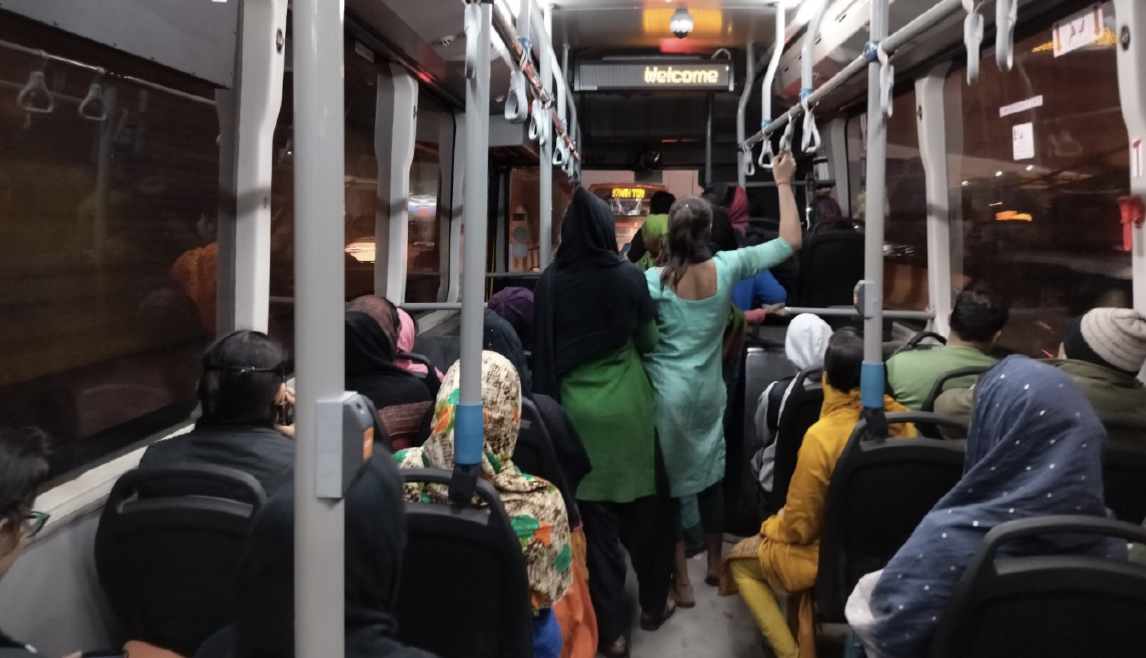
In a metro train
We could not open an official Indian metro text on passenger action in a train fire, so the steps below come from the Hong Kong MTR, labelled as foreign guidance, and common sense. The MTR page says to keep calm and report the fire to the train captain with the emergency call handle or button. If the fire is inside the compartment, move away from it and use an extinguisher only if it is safe. If the fire is outside the train, stay inside and keep the windows closed unless staff say otherwise. Follow staff instructions; the driver will try to take the train to the next station for evacuation.
- Use the intercom or emergency handle near the door, and say which coach you are in.
- Do not force the doors or the emergency exit. In a tunnel, walking on the track can be fatal because of the live power supply (our own caution).
- Help children, older people and anyone in a wheelchair to move along the train, away from the smoke.
- The Delhi Metro Rail Corporation’s animated video on evacuation from a tunnel, linked in the video section, shows the control room informed by phone and passengers guided out.
What not to do
- Do not pull the chain for a trivial reason; it is an offence and it can hold up a whole line.
- Do not jump from a moving train, and do not climb out of a window.
- Do not go back for bags, phones or documents.
- Do not cook, or light a stove, a camphor lump or a diya, in a coach.
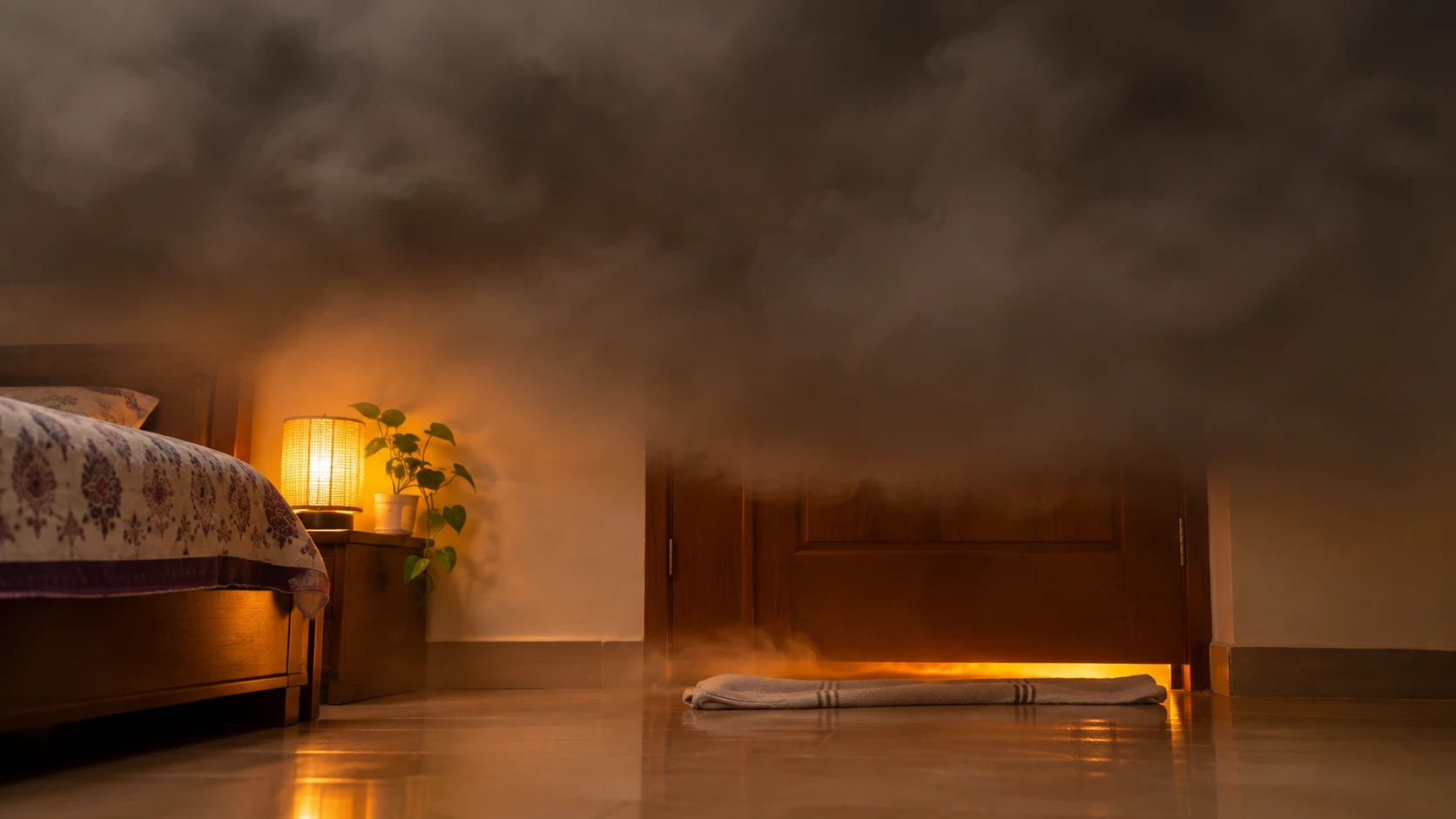
- Do not open the door of a smoking compartment wide: smoke and air will pour out. Move away first.
Do these today
- Save 139, 112 and 101 on your phone.
- Next time you board, check both door ends and the vestibule.
- Check your luggage for crackers, aerosol cans and anything flammable before you travel.
- Read our pages on platform safety, our guide to safety in buses, trains and metros (see the related list) and breathing in smoke.
What we could not confirm
We found no Indian Railways passenger instruction written for a coach fire on an official railway page we could open. The chain and vestibule advice is from a 2012 PTI report on a timetable notice and may have been updated since. Railway Board and Indian Railways PDFs we tried returned errors. The Railways Act sections were read on third-party sites. We found no Indian official metro text for in-train fires. We did not check how many coaches have smoke detectors or extinguishers, and we did not watch any video in full. The two train fires are described as the news reports and our case studies record them; the causes are open. This page is general information.
What needs attention
- The advice reported by PTI for Indian Railways is to pull the chain, leave through vestibules and switch off appliances; we found it in a 2012 news report, not on a current railway page.
- In the Nagina fire, passengers pulled the chain and about 80 left the coach; reports differ on injuries and on the cause.
- In the Karmabhoomi Express fire, about 1,500 passengers were on the train and no deaths were reported; the cause is under investigation.
- The Railways Act makes carrying dangerous goods on a train an offence, punishable with up to three years in jail.
- We found no Indian official passenger text for a metro train fire; the metro steps are Hong Kong MTR guidance.
Controls that reduce risk
- Save 139, 112 and 101 on your phone.
- Check both door ends and the vestibule when you board.
- Keep your bag out of the aisle.
- Check luggage for anything flammable before travel.
- In a metro, use the intercom and follow staff.
Common unsafe practices
- Jumping from a moving train or climbing out of a window.
- Going back for bags, phones or documents.
- Carrying firecrackers, petrol, kerosene or gas in luggage.
- Pulling the chain for a trivial reason.
- Opening the door of a smoking compartment wide.
- Forcing metro doors or walking on the track.



Leave a comment