
Quick answers
Can an ABC fire extinguisher be used on wood or paper fires?
Yes. Multipurpose ABC dry chemical is identified for ordinary combustibles, flammable liquids and energised electrical equipment when properly listed and marked. Selection should still match the actual hazard and the marked rating.
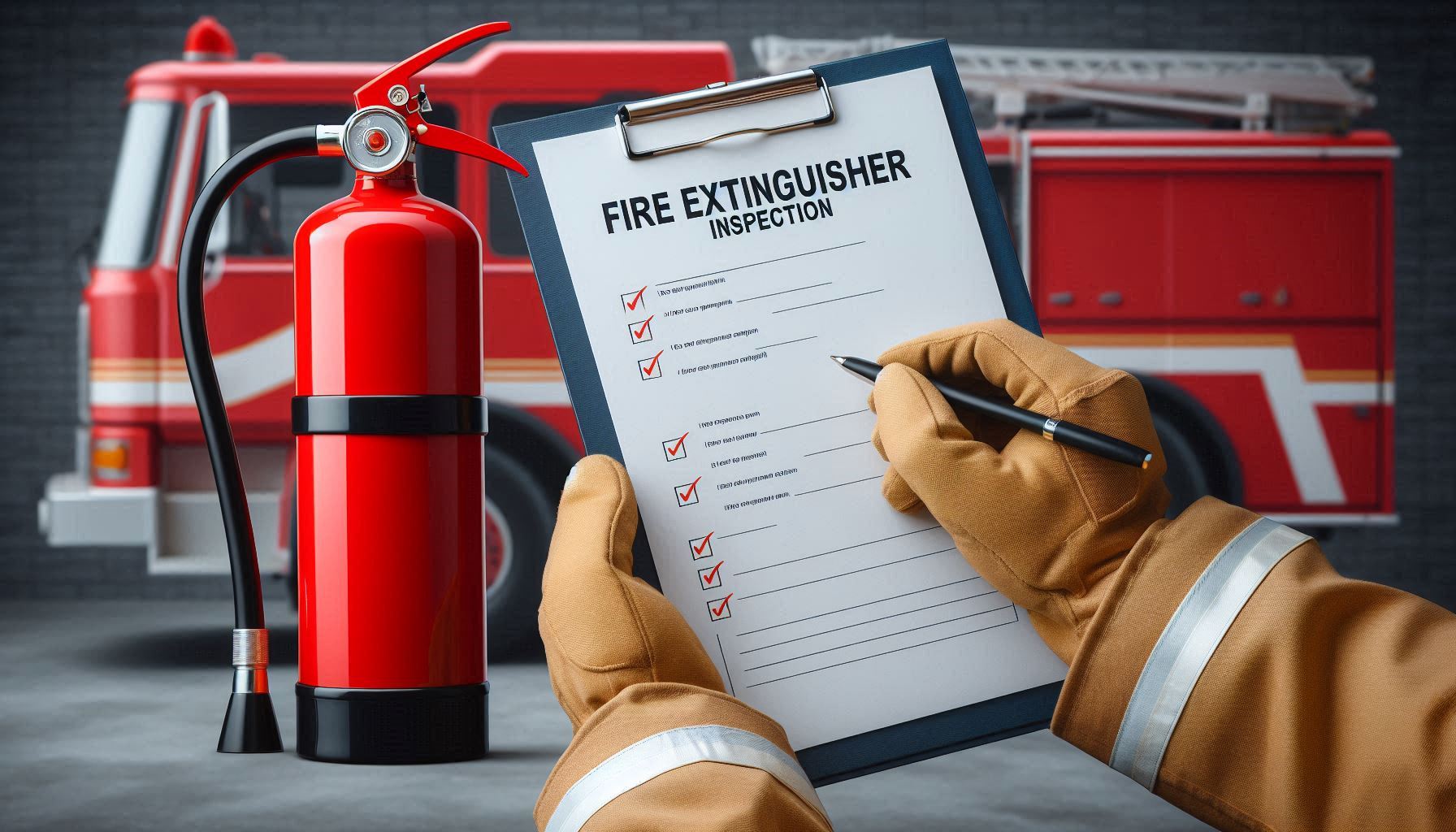
How to check a fire extinguisher before buying in India?
Look at the manufacturer identity, required marking and BIS conformity, fire rating, manufacture and service information, physical condition and maintenance records. Price, colour or a seller demonstration alone prove little.
Are fire extinguishing balls a substitute for fire extinguishers?
No. Unverified automatic fire-extinguishing balls should not be treated as substitutes for code-required extinguishers or systems; acceptance should rest on the authority, recognised testing and a competent hazard assessment.
When should I stop fighting a fire with an extinguisher?
Stop immediately if one extinguisher does not control the fire or conditions worsen. Keep an exit behind you, leave, close doors where safe and call emergency services.
Fire safety is a critical issue that affects everyone, yet the tools and systems we rely on to protect ourselves are often flawed, misleading, or downright dangerous. In India, the ABC-type fire extinguisher is widely used and promoted as a solution for all types of fires. However, as a fire safety expert, I know that the reality is far more complicated—and concerning.
The ABC-Type Fire Extinguisher: A Misleading Promise
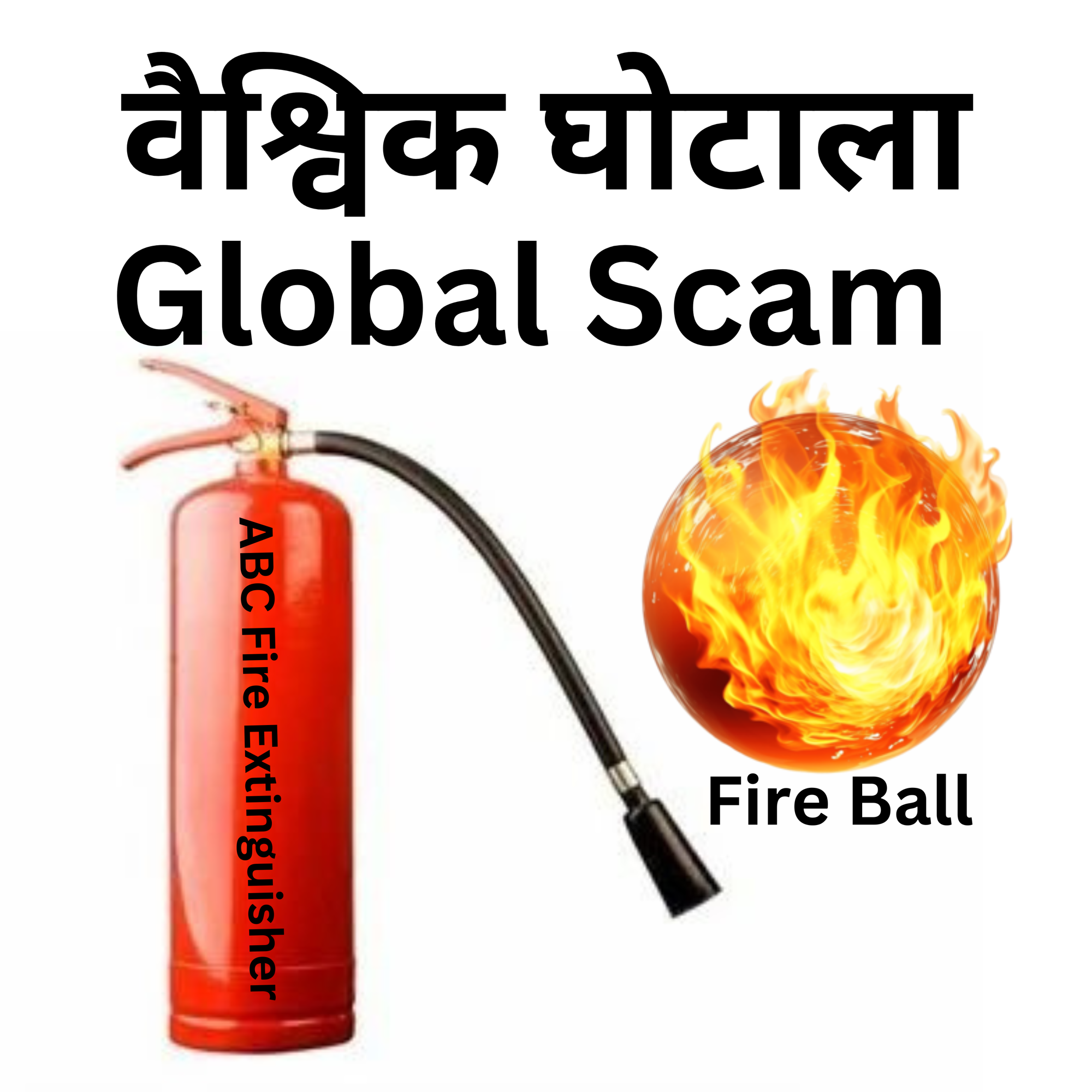
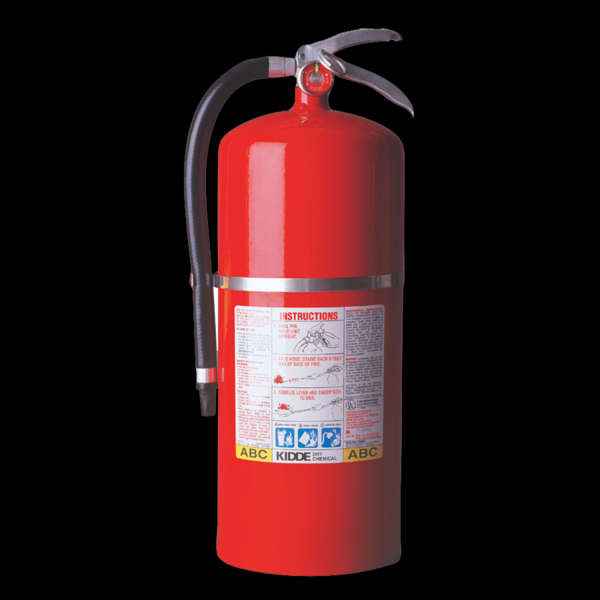
In India, ABC-type dry powder extinguishers are widely sold and often marketed as suitable for every fire. That needs care. A multipurpose ABC powder unit is rated for Class A fires (solids such as wood, paper, cloth, rubber and plastics), Class B fires (flammable liquids) and Class C fires (flammable gases). Under the Indian classification, Class C means gas fires, not electrical fires. BIS lists water, foam and ABC powder as suitable for Class A fires. ABC powder is not the right choice for metal fires (Class D) or cooking-oil fires (Class F), which need a special powder or a wet chemical unit. So read the class marking on the label before you buy.
Despite this, manufacturers and sellers continue to push ABC fire extinguishers as a universal solution, knowing full well that these devices are not appropriate for many real-world situations. The public is misled into buying these extinguishers under the false belief that they are protected, when in fact, their homes and businesses may be at risk.
ABC extinguishers work by smothering fires, which requires a flat surface for the powder to settle and do its job. But what happens when the fire is on a wall, ceiling, or other uneven surface? The powder simply falls off, rendering the extinguisher useless.
Legal guidelines state that powder-based fire extinguishers only work if the powder can be applied directly to the fire. But how can one effectively apply powder to a vertical or inverted surface? These are the kinds of practical questions that need to be addressed, yet are often ignored.
The Dangerous Illusion of Fire Demos
To further this scam, companies often conduct fire safety demos where they extinguish fires within seconds using these ABC-type extinguishers. But what they don’t tell you is that these demos are staged under controlled conditions. The fires are small, surface-level blazes that are easy to extinguish. Real fires behave very differently. They grow quickly, and a portable extinguisher is meant only for a small fire in its early stage. Yet, after these demos, the crowd cheers, falsely reassured by what they’ve just seen.
The Fire Ball: A Bigger Scam in the Making
One of the most alarming products to hit the fire safety market is the so-called fire-extinguishing ball. This device is marketed as a revolutionary fire suppression tool that can be thrown into a fire, where it then explodes, dispersing fire-retardant powder. But in reality, this product can be even more dangerous than doing nothing at all.
When the fire ball explodes, it can spread burning embers to other areas, actually causing new fires rather than extinguishing the original one. The demos for these fire balls are just as misleading as those for ABC extinguishers. They show the ball extinguishing a fire within seconds, but again, this is only because the fire is in its infancy and hasn’t had time to spread. Shockingly, products like this have even made it onto national television shows like Shark Tank, further legitimizing them in the eyes of the public. But a TV appearance is not a safety certificate. In March 2024, the US Consumer Product Safety Commission told consumers to stop using one brand of fire-extinguishing ball because it could fail to put out fires.
Compliance Over Safety: A Dangerous Mindset
In India, the purchase of fire extinguishers is often driven by the need for compliance rather than safety. People buy them to meet regulations, not to protect their lives and property. As a result, many people have never practised using one. They see it as just another item to check off a list, rather than a critical tool that could save their lives.
The government and regulatory agencies are also at fault. Instead of creating and supporting local, effective solutions tailored to the actual needs of the population, they often adopt global standards and products without considering their effectiveness in the Indian context.
The Economics of Fire Extinguishers: Profits Over Protection
The cost of fire extinguishers in India reveals another layer of the scam. Some units are sold very cheaply, and a low price can be a warning sign. But price alone does not prove good or bad quality. Check the ISI mark, the fire rating on the label, the manufacture and service dates and the condition of the cylinder.
This isn’t just an Indian problem; it’s a global issue. Fire safety has become more of a business than a public safety service. Companies focus on profit margins rather than the actual effectiveness and reliability of their products. There have even been numerous reports of fire extinguishers exploding due to poor-quality materials, a clear indication that safety is being compromised.
The Urgent Need for Change
The fire extinguisher market in India—and globally—needs to be reevaluated. Authorities must understand the real-world implications of these products and develop solutions that truly address the safety needs of the public. The focus should shift from selling products for profit to genuinely protecting lives.
Recently, the U.S. Consumer Product Safety Commission (CPSC) issued a warning about the potential failure of fire-extinguishing balls, yet these products continue to be sold worldwide. This is a stark reminder that just because something is sold under the guise of safety doesn’t mean it actually is safe.
Conclusion
The fire extinguisher scam in India and beyond is a wake-up call for all of us. It’s time for consumers, regulators, and manufacturers to take a hard look at the fire safety products on the market and demand better. Fire safety should not be treated as a mere business opportunity; it should be about saving lives. The current state of affairs is putting people at risk, and it’s time for a change.
We need to prioritize life over profit and ensure that when people invest in fire safety, they are truly protected—not just paying for a false sense of security.
_________________________________________________________________________
भारत में और वैश्विक स्तर पर फायर एक्सटिंग्विशर घोटाला: एक खतरनाक हकीकत
फायर सेफ्टी एक ऐसा मुद्दा है जो हम सभी को प्रभावित करता है, लेकिन जिन उपकरणों और प्रणालियों पर हम भरोसा करते हैं, वे अक्सर दोषपूर्ण, भ्रामक या बेहद खतरनाक हो सकते हैं। भारत में, एबीसी प्रकार के फायर एक्सटिंग्विशर का व्यापक रूप से उपयोग किया जाता है और इसे हर प्रकार की आग के लिए एक समाधान के रूप में पेश किया जाता है। लेकिन एक फायर सेफ्टी विशेषज्ञ के रूप में, मुझे पता है कि वास्तविकता इससे कहीं अधिक जटिल और चिंताजनक है।
एबीसी प्रकार के फायर एक्सटिंग्विशर: एक भ्रामक वादा
भारत में एबीसी प्रकार के ड्राई पाउडर फायर एक्सटिंग्विशर बहुत बिकते हैं और अक्सर इन्हें हर आग के लिए उपयुक्त बताया जाता है। इसमें सावधानी ज़रूरी है। मल्टीपर्पज़ एबीसी पाउडर एक्सटिंग्विशर क्लास ए (लकड़ी, कागज़, कपड़ा, रबर, प्लास्टिक जैसे ठोस पदार्थ), क्लास बी (ज्वलनशील तरल) और क्लास सी (ज्वलनशील गैस) की आग के लिए रेटेड होता है। भारतीय वर्गीकरण में क्लास सी का मतलब गैस की आग है, बिजली की आग नहीं। बीआईएस के अनुसार क्लास ए की आग के लिए पानी, फोम और एबीसी पाउडर उपयुक्त हैं। धातु की आग (क्लास डी) और खाना पकाने के तेल की आग (क्लास एफ) के लिए एबीसी पाउडर सही नहीं है; इनके लिए विशेष पाउडर या वेट केमिकल एक्सटिंग्विशर चाहिए। इसलिए खरीदने से पहले लेबल पर लिखी क्लास ज़रूर पढ़ें।
इसके बावजूद, निर्माता और विक्रेता एबीसी फायर एक्सटिंग्विशर को एक सार्वभौमिक समाधान के रूप में पेश करना जारी रखते हैं, यह जानते हुए कि ये उपकरण कई वास्तविक स्थितियों के लिए उपयुक्त नहीं हैं। जनता को यह विश्वास दिलाने के लिए गुमराह किया जाता है कि वे सुरक्षित हैं, जबकि वास्तव में उनके घर और व्यवसाय खतरे में हो सकते हैं।
एबीसी एक्सटिंग्विशर आग को स्मॉथरिंग (दम घोटने) की क्रिया से बुझाते हैं, जिसके लिए पाउडर को व्यवस्थित करने और अपना काम करने के लिए एक सपाट सतह की आवश्यकता होती है। लेकिन जब आग दीवार, छत, या किसी अन्य असमान सतह पर होती है तो क्या होता है? पाउडर बस गिर जाता है, जिससे एक्सटिंग्विशर बेकार हो जाता है।
कानूनी दिशानिर्देशों में कहा गया है कि पाउडर आधारित फायर एक्सटिंग्विशर तभी काम करता है जब पाउडर को सीधे आग पर लगाया जा सके। लेकिन एक खड़ी या उलटी सतह पर पाउडर कैसे लगाया जा सकता है? ये वे व्यावहारिक प्रश्न हैं जिनका समाधान किया जाना चाहिए, लेकिन अक्सर इन्हें नजरअंदाज कर दिया जाता है।
फायर डेमो की खतरनाक धुंध
इस घोटाले को बढ़ाने के लिए, कंपनियां अक्सर फायर सेफ्टी डेमो करती हैं जहाँ वे इन एबीसी प्रकार के फायर एक्सटिंग्विशर का उपयोग करके कुछ ही सेकंड में आग बुझा देती हैं। लेकिन वे आपको यह नहीं बताते कि ये डेमो नियंत्रित परिस्थितियों में किए जाते हैं। ये आगें छोटी होती हैं और सतह-स्तर की होती हैं जिन्हें बुझाना आसान होता है। वास्तविक आग बहुत अलग तरीके से व्यवहार करती है। वह तेज़ी से बढ़ती है, और पोर्टेबल एक्सटिंग्विशर केवल शुरुआती अवस्था की छोटी आग के लिए होता है। फिर भी, इन डेमो के बाद, भीड़ खुशी से तालियां बजाती है, गलत आश्वासन से भरपूर।
फायर बॉल: एक बड़ा धोखा
फायर सेफ्टी बाजार में आने वाले सबसे खतरनाक उत्पादों में से एक तथाकथित फायर एक्सटिंग्विशिंग बॉल है। इस उपकरण को एक क्रांतिकारी आग बुझाने के उपकरण के रूप में प्रचारित किया जाता है जिसे आग में फेंका जा सकता है, जहाँ यह विस्फोट करता है और फायर-रिटार्डेंट पाउडर फैलाता है। लेकिन वास्तव में, यह उत्पाद कुछ न करने से भी ज्यादा खतरनाक हो सकता है।
जब फायर बॉल विस्फोट करती है, तो यह जलते हुए अंगारों को अन्य क्षेत्रों में फैला सकती है, वास्तव में नई आग का कारण बन सकती है बजाय इसके कि वह मूल आग को बुझाए। इन फायर बॉल्स के डेमो भी एबीसी एक्सटिंग्विशर के डेमो की तरह ही भ्रामक होते हैं। वे बॉल को कुछ ही सेकंड के भीतर आग बुझाते हुए दिखाते हैं, लेकिन फिर से, यह केवल इसलिए है क्योंकि आग अभी अपनी प्रारंभिक अवस्था में है और फैलने का समय नहीं मिला है। चौंकाने वाली बात यह है कि इस तरह के उत्पाद राष्ट्रीय टेलीविजन शो जैसे शार्क टैंक पर भी पहुंच गए हैं, जिससे वे जनता की नजर में और भी वैध हो जाते हैं। लेकिन टीवी पर दिख जाना सुरक्षा प्रमाणपत्र नहीं है। मार्च 2024 में अमेरिका के कंज़्यूमर प्रोडक्ट सेफ्टी कमीशन ने लोगों से एक ब्रांड की फायर एक्सटिंग्विशिंग बॉल का उपयोग बंद करने को कहा, क्योंकि वह आग बुझाने में नाकाम हो सकती थी।
सुरक्षा पर ध्यान नहीं, सिर्फ अनुपालन पर जोर
भारत में, फायर एक्सटिंग्विशर की खरीद अक्सर सुरक्षा के बजाय अनुपालन की आवश्यकता से प्रेरित होती है। लोग उन्हें नियमों का पालन करने के लिए खरीदते हैं, न कि अपनी जान और संपत्ति की रक्षा के लिए। इसी कारण बहुत से लोगों ने कभी इसे चलाने का अभ्यास नहीं किया होता। वे इसे सूची से केवल एक और वस्तु के रूप में देखते हैं, न कि एक महत्वपूर्ण उपकरण के रूप में जो उनकी जान बचा सकता है।
सरकार और नियामक एजेंसियों की भी गलती है। स्थानीय आवश्यकताओं के लिए उपयुक्त और प्रभावी समाधान बनाने और उनका समर्थन करने के बजाय, वे अक्सर वैश्विक मानकों और उत्पादों को बिना उनकी प्रभावशीलता पर विचार किए अपनाते हैं।
फायर एक्सटिंग्विशर की अर्थशास्त्र: सुरक्षा पर मुनाफे का जोर
भारत में फायर एक्सटिंग्विशर की लागत एक और परत को उजागर करती है। कुछ एक्सटिंग्विशर बहुत सस्ते में बिकते हैं, और बहुत कम दाम एक चेतावनी हो सकता है। लेकिन केवल दाम से अच्छी या खराब गुणवत्ता साबित नहीं होती। आईएसआई मार्क, लेबल पर लिखी फायर रेटिंग, निर्माण और सर्विस की तारीख और सिलेंडर की हालत ज़रूर जाँचें।
यह केवल भारत की समस्या नहीं है; यह एक वैश्विक मुद्दा है। फायर सेफ्टी अब एक सार्वजनिक सुरक्षा सेवा के बजाय एक व्यवसाय बन गया है। कंपनियाँ अपने उत्पादों की वास्तविक प्रभावशीलता और विश्वसनीयता के बजाय मुनाफे पर ध्यान केंद्रित करती हैं। यहां तक कि खराब गुणवत्ता वाली सामग्रियों के कारण फायर एक्सटिंग्विशर के विस्फोट होने की भी कई बार खबरें आई हैं, जो स्पष्ट संकेत है कि सुरक्षा के साथ समझौता किया जा रहा है।
बदलाव की सख्त जरूरत
भारत और विश्व में फायर एक्सटिंग्विशर बाजार की फिर से समीक्षा करने की जरूरत है। अधिकारियों को इन उत्पादों के वास्तविक प्रभावों को समझना होगा और जनता की सुरक्षा आवश्यकताओं को सचमुच संबोधित करने के लिए समाधान विकसित करना होगा। ध्यान मुनाफे से हटकर लोगों की सुरक्षा पर होना चाहिए।
हाल ही में, अमेरिकी उपभोक्ता उत्पाद सुरक्षा आयोग (CPSC) ने फायर एक्सटिंग्विशिंग बॉल्स की संभावित विफलता के बारे में चेतावनी जारी की थी, फिर भी ये उत्पाद दुनिया भर में बिकते जा रहे हैं। यह इस बात का स्पष्ट संकेत है कि सिर्फ इसलिए कि कुछ सुरक्षा के नाम पर बेचा जा रहा है, इसका मतलब यह नहीं है कि वह वास्तव में सुरक्षित है।
निष्कर्ष
भारत और वैश्विक स्तर पर फायर एक्सटिंग्विशर घोटाला हम सभी के लिए एक चेतावनी है। अब समय आ गया है कि उपभोक्ता, नियामक और निर्माता बाजार में उपलब्ध फायर सेफ्टी उत्पादों पर एक गंभीर नजर डालें और बेहतर की मांग करें। फायर सेफ्टी को केवल एक व्यावसायिक अवसर के रूप में नहीं देखा जाना चाहिए; इसे लोगों की जान बचाने के बारे में होना चाहिए। वर्तमान स्थिति लोगों को खतरे में डाल रही है और अब बदलाव की जरूरत है।
हमें मुनाफे पर नहीं, बल्कि जीवन पर जोर देना चाहिए और यह सुनिश्चित करना चाहिए कि जब लोग फायर सेफ्टी में निवेश करते हैं, तो उन्हें वास्तव में सुरक्षा मिल रही है—ना कि केवल झूठे सुरक्षा के आभास के लिए पैसे दिए जा रहे हैं।
What needs attention
- The legacy article incorrectly said multipurpose ABC dry chemical is ineffective on Class A fires. Recognised guidance identifies multipurpose ABC dry chemical for ordinary combustibles, flammable liquids and energised electrical equipment. Selection must still match the actual hazard and the product's marked rating.
- BIS IS 15683:2018 sets performance, reliability, construction and testing requirements for portable extinguishers. IS 2190:2024 addresses selection, installation, maintenance and testing, and describes extinguishers as first-line equipment for limited-size fires—not replacements for fixed protection.
- Price alone does not prove conformity or failure. A meaningful check uses manufacturer identity, required marking/certification, fire rating, manufacture/service information, physical condition and documented maintenance.
- A controlled demonstration cannot reproduce every real fire. It should teach technique and limits, not promise universal control. Wind, hidden fire, fuel geometry, smoke, re-ignition and an obstructed escape route can make an attempt unsafe.
- Unverified automatic fire-extinguishing balls should not be treated as substitutes for code-required extinguishers or systems. Acceptance should be based on the applicable authority, recognised testing/certification and a competent hazard assessment.
Controls that reduce risk
- Identify the fuel and electrical hazards before choosing an extinguisher.
- Check the unit's marked fire rating and applicable BIS conformity rather than relying on an ABC label alone.
- Install it visibly and accessibly without placing the user beyond the safe escape route.
- Inspect condition and pressure indication as applicable; arrange maintenance and testing to the relevant standard and manufacturer instructions.
- Train likely users with an emphasis on alarm, evacuation and the limits of first-aid firefighting.
- Replace or service damaged, discharged, corroded, obstructed or out-of-date units through a competent provider.
- Keep purchase, certification and service records; report suspected counterfeit marking to BIS or the responsible authority.
Common unsafe practices
- Repeating the false claim that all ABC powder extinguishers cannot address Class A fires.
- Selecting only by price, colour or seller demonstration.
- Using an extinguisher without reading its rating and instructions.
- Blocking access or allowing inspection/service dates to lapse.
- Fighting a fire while smoke or spread threatens the escape route.
- Treating an unverified fire ball as equivalent to a required certified extinguisher or fixed system.
- Quoting unsupported claims that 90% or 95% of people/products share one condition.
Leave a comment