
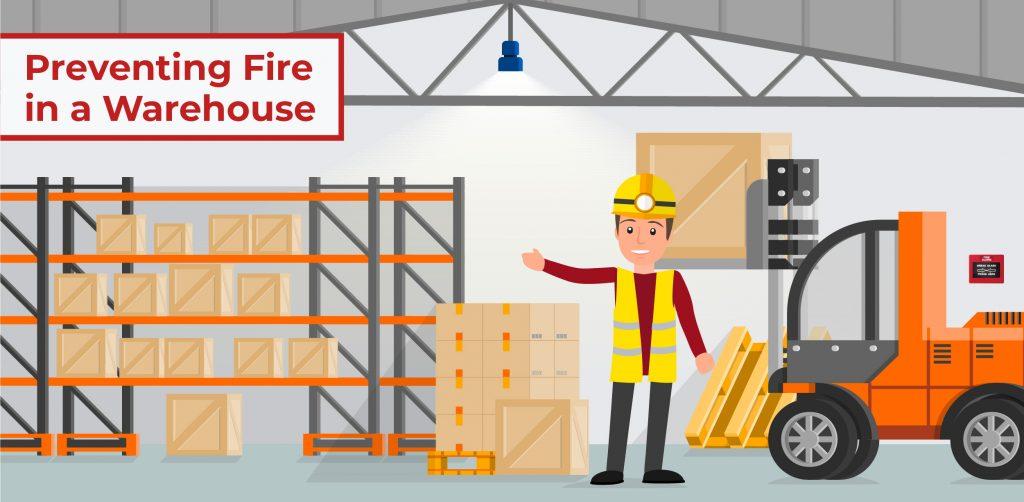
Quick answers
What causes fires in warehouses?
Large piles of combustible stock such as textiles, paper and chemicals, electrical faults, overcrowded aisles and careless stacking, and human error such as lack of training, smoking or mishandling equipment.
How should flammable goods be stored in a warehouse?
Keep them in a separate, well-ventilated area in fire-resistant containers, do not overstock, and keep aisles clear so people can get out and firefighters can get in.
What fire safety rules apply to warehouses in India?
Warehouses must follow the National Building Code and local fire safety regulations. That includes getting the necessary permits and certificates, such as the fire NOC, and inspecting the building regularly.
How can welding and cutting be done safely in a warehouse?
Use a hot work permit, move combustible stock away, keep the area well ventilated and have someone on fire watch during the job and for some time after it ends.
A warehouse or godown holds a lot of fuel in one place: cartons, textiles, paper, plastics and sometimes chemicals, packed high and close together. When a fire starts there, it spreads fast and the smoke fills the building quickly. In India, keeping to the fire safety rules for warehouses is a legal duty, but the real reason to do it is to protect the people who work there and the stock you have paid for.
Here is what usually starts warehouse fires, what you can do to prevent them, and which rules apply.
What starts fires in warehouses
- Stock that burns easily. Large piles of textiles, paper, cartons and chemicals give a fire plenty to feed on.
- Electrical faults. Faulty wiring, overloaded circuits and badly kept equipment can start a fire, often at night when nobody is around.
- Bad storage. Overcrowded aisles and goods stacked any which way help the fire spread and make it harder for people to get out and for the fire brigade to get in.
- Human error. Carelessness, lack of training, smoking on the premises or mishandling of equipment.
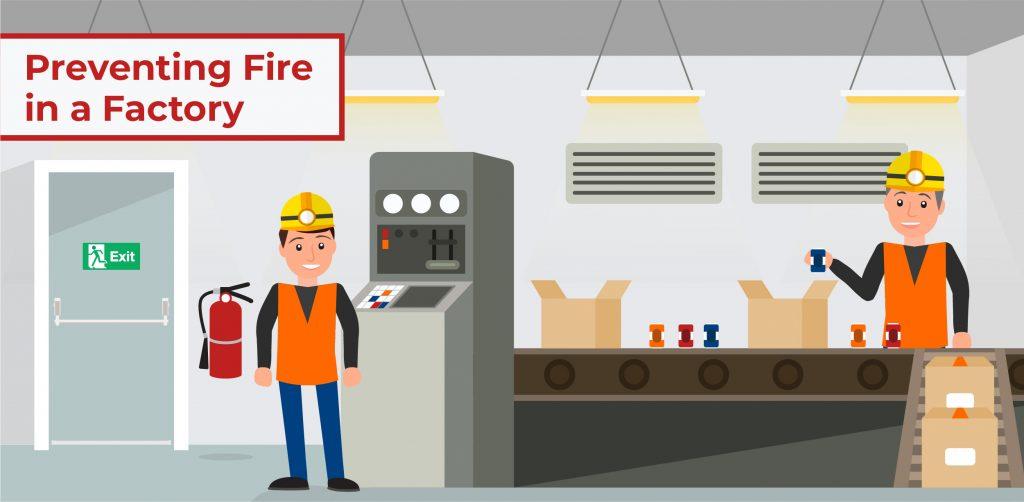
How to prevent a warehouse fire
- Do a fire risk assessment. Do it regularly, as Indian rules require, for the stock and layout you actually have. List the hazards, judge the risk and decide what you will do about each one.
- Store goods properly. Keep flammable materials in a separate, well-ventilated area in fire-resistant containers. Do not overstock, and keep aisles clear so people and firefighters can move.
- Keep the wiring safe. All electrical work should meet Indian standards. Get a licensed electrician to inspect and maintain it so faults and short circuits are caught early.
- Fit fire suppression. Install sprinklers and extinguishers that suit your stock, as Indian norms require, and get them tested and serviced on schedule.
- Fit detection and alarms. Use fire detection and alarm systems that meet Indian standards. Test them regularly and run drills so people know what the alarm means.
- Light the way out. Install emergency lighting along exit routes, as the rules require, so people can find their way during a power cut or a fire.
- Train your staff. Teach every worker how to prevent fires, what to do in an emergency and how to use the firefighting equipment.
- Keep fire doors and exits clear. Fit fire-resistant doors and keep every exit free of stock so people can get out quickly.
- Control hot work. Welding and cutting need a strict permit system, good ventilation and someone on fire watch while the job is on and after it ends.
- Inspect regularly. Check fire equipment, wiring and storage on a fixed schedule so that problems are found and fixed.
Which fire safety rules apply in India
In India, warehouses must follow the National Building Code (NBC) and local fire safety regulations. That means getting the necessary permits and certificates, such as the fire NOC, and inspecting the building regularly to make sure it still meets them. If you change how the space is used or what you store, check that your approvals still cover it.
What to do this week
Walk your warehouse with a notebook. Are the aisles clear? Do the exits open? Is there an extension board running under a rack? When were the extinguishers last refilled? Fix what you find and give each fix to a named person. Paste the full address and 101 and 112 at the gate, so anyone can call the fire brigade without wasting time.
What needs attention
- Warehouses hold a lot of fuel in one place: textiles, paper, cartons, plastics and chemicals
- Faulty wiring, overloaded circuits and forklift charging points are common ignition sources
- Overstocked racks and blocked aisles let fire spread and stop people and firefighters getting through
- Welding and cutting without a fire watch start many fires in stored goods
- Sprinklers, alarms and extinguishers help only if they are suitable for the stock and are maintained
Controls that reduce risk
- Carry out a fire risk assessment for the actual stock and layout
- Keep clear aisles and leave space below sprinkler heads
- Store flammable liquids and chemicals separately in approved areas
- Use a hot work permit, remove combustibles nearby and keep a fire watch
- Get wiring and charging points checked by a licensed electrician
- Train staff, test alarms and hold evacuation drills
Common unsafe practices
- Stacking goods up to the ceiling and blocking sprinkler heads
- Blocking aisles, exits and fire doors with stock
- Storing flammable chemicals with general goods
- Allowing welding or cutting without a hot work permit and fire watch
- Running temporary wiring and extension boards in storage areas
- Letting staff smoke inside or near the godown

Leave a comment