
What happened here


 1 / 3
Ten people were killed and 13 injured on Wednesday 11 November 2026 when protesters blocked a joint defence and security patrol enforcing the ban on artisanal gold mining at Balato in the Siguiri region of northeastern Guinea and gunfire was exchanged. Five of the dead are foreign nationals who have not been identified. The government gave the provisional toll on 12 November and ordered prosecutors to investigate. Reports differ on the place name and the arrest figures.
Quick answers
What happened in Siguiri?
On Wednesday 11 November 2026 protesters blocked a joint patrol enforcing the artisanal gold mining ban at Balato, in the Siguiri region of Guinea. Gunfire was exchanged. 10 people were killed and 13 injured, according to the government.
Who died?
The government says 10 people, five of them foreign nationals whose identities have not been established. We name no one.
Who fired first?
The statement does not say. Prosecutors in Kankan and Siguiri have been told to establish the cause and who is responsible.
Why was there a ban?
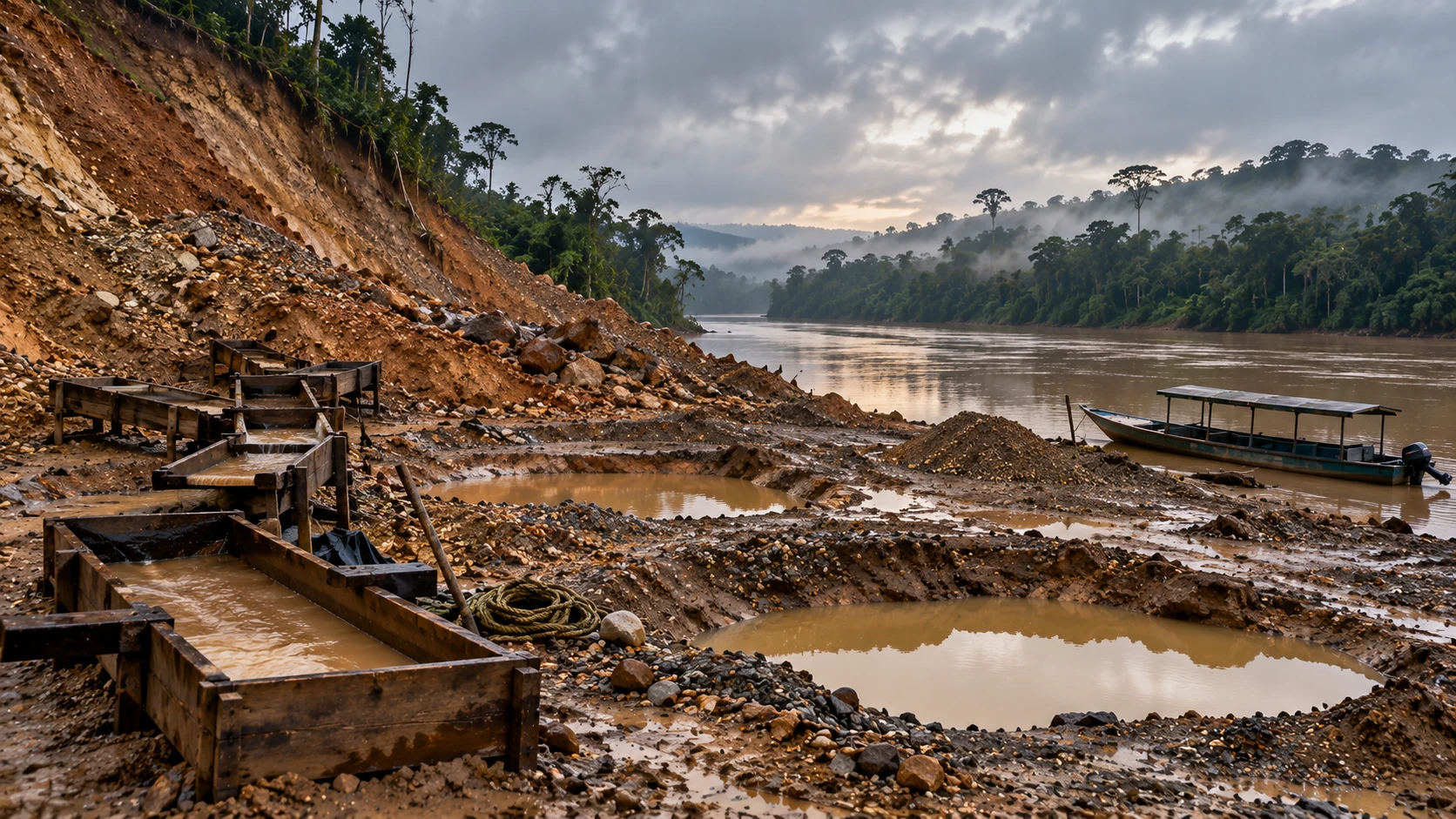
Guinea banned artisanal gold mining in Siguiri on 2 November 2026, citing damage to farmland, rivers and vegetation from heavy machinery and chemicals.
What happened after the ban?
Mali said about 100,000 people arrived in Bamako and nearly 60,000 more in Kouremale; Burkina Faso said it brought back 45,406 citizens; more than 1,200 people were arrested in Siguiri.
What should travellers do?
Avoid mining districts under a ban, turn back at barricades or crowds, keep identity papers with you and follow your embassy advice.
What happened
The Guinea gold mining clashes happened on Wednesday 11 November 2026 in Balato, in the Siguiri region of northeastern Guinea. A joint patrol of defence and security forces was checking that a ban on artisanal gold mining was being kept. Protesters blocked the patrol with barricades, and gunfire was exchanged. Al Jazeera, Newsday (both quoting the Associated Press and Reuters) and Outlook India report that 10 people were killed and 13 injured, according to the government. Reports differ on the place name and the arrest figures.
The Ministry of Territorial Administration gave the provisional toll in a statement dated Thursday 12 November. Five of the dead are foreign nationals whose identities were not yet established. The injured include civilians and members of the security forces. The statement does not say who opened fire. Prosecutors in Kankan and Siguiri have been told to find out what triggered the violence and who is responsible.
This page names no one. It sets out what is reported, where the reports differ and what the clashes show about enforcing a ban on a trade that feeds hundreds of thousands of families.
What the reports say
- When: Wednesday 11 November 2026; the government statement is dated Thursday 12 November and was reported on 13 November (Al Jazeera; Newsday; Outlook India)
- Where: Balato, Siguiri region, northeastern Guinea; Outlook India places it in Setiguiyah in the Balato district
- What was happening: A joint patrol of defence and security forces was checking that the ban on artisanal gold mining was being kept (Al Jazeera; Newsday)
- How it began: Protesters put up barricades to stop the patrol, the situation escalated and gunfire was exchanged (the government statement, as quoted by all three outlets)
- Deaths: 10, including five foreign nationals whose identities were not yet established; the toll is described as provisional and based on regional health authority information (Outlook India; Al Jazeera)
- Injured: 13, civilians and members of the security forces (Al Jazeera; Newsday; Outlook India)
- Damage: Two pickup trucks and a security forces truck burned; Outlook India adds two gold-crushing machines and says several sheds were vandalised; a firearm and a motorcycle were taken by protesters (Al Jazeera; Outlook India)
- The ban: Guinea banned artisanal gold mining in the Siguiri region on 2 November 2026 by a joint order of government departments, citing damage to farmland, rivers and vegetation (Al Jazeera; Outlook India)
- Official response: The government condemned the violence and called for calm; prosecutors in Kankan and Siguiri were told to establish the cause and who is responsible (Outlook India; Newsday)
- Wider effect: Mali said about 100,000 people arrived in Bamako and nearly 60,000 more in Kouremale after leaving Guinea; Burkina Faso said it brought back 45,406 of its citizens (Al Jazeera)
Where reports differ and what we do not know
- Who fired first: No report says. The statement says only that protesters blocked the patrol and gunfire was exchanged. We do not say who started it.
- The place name: Al Jazeera and Newsday say Balato; Outlook India says Setiguiyah in the Balato district. We say Balato and show the second name.
- The toll: Al Jazeera and Newsday say at least 10 killed; Outlook India says 10 in the text and over 10 in the headline. We say 10, a provisional figure.
- The arrests: Al Jazeera and Newsday say more than 1,200 people were arrested in Siguiri earlier in November; Outlook India says 1,412 across Siguiri and Kerouane, with 202 defendants before the economic and financial crimes court. We give both and do not add them.
What these clashes show
Banning a trade that supports more than 300,000 people in Guinea, according to the United Nations Environment Programme, puts large numbers of workers, traders and families on the road at once. Mass arrests, mass trials and a rush of people leaving across the border raise the chance of a confrontation at a checkpoint or a patrol. The government says the ban protects farmland and rivers from heavy machinery and chemicals. These are the government’s reasons and the officials’ statements, not findings about the clashes.
We have covered similar events, among them the Colombia gold mine landslide in Narino, the Kangpokpi shutdown and protests in Manipur and the Pasighat dam protest in Arunachal Pradesh. For readers who travel or work abroad, our guide to protest safety abroad and our guide to staying safe at a protest explain what to do, and our report on the France Gen Z protests shows how unrest is reported. Our guide to unrest and curfews in Manipur covers what travellers do when a region is closed.
We do not know who fired first, who the five foreign nationals were, or what the courts will find. We will update this page when a corrected toll or an investigation finding is published.
- Guinea bans artisanal gold mining in the Siguiri region (Al Jazeera; Outlook India)
- More than 1,200 people are arrested in Siguiri; the first mass trials open in the week of the clashes (Al Jazeera; Newsday)
- A joint patrol is blocked by protesters at Balato; gunfire is exchanged; 10 die and 13 are hurt (government statement)
- The Ministry of Territorial Administration issues the statement with the provisional toll (Al Jazeera; Newsday)
- The toll is reported worldwide; Burkina Faso says it has brought back 45,406 citizens (Al Jazeera; Outlook India)
Why consequences escalated
- Ten people were killed and 13 injured at Balato, Siguiri, Guinea, on 11 November 2026 when a patrol enforcing the artisanal gold mining ban met protesters.
- Five of the dead are foreign nationals whose identities were not yet established.
- The government statement does not say who opened fire; prosecutors are investigating.
- The ban was announced on 2 November and was followed by mass arrests and a large movement of people across the border.
- The reports differ on the place name and the arrest figures.
Failures and risk multipliers
- No investigation finding has been published. The reports leave these questions open:
- Who fired first and why.
- How many of the dead were protesters, miners or members of the security forces.
- Who the five foreign nationals were.
- Whether the patrol and the protesters had a way to talk before the shooting.
- These are open questions, not findings of fault.
Actions that reduce risk
- Travellers and workers: avoid mining districts under a ban and turn back at a barricade or a crowd.
- Families abroad: ask relatives in affected areas to stay away from patrols and checkpoints and to carry identity papers.
- Authorities: publish the investigation findings and the names of the dead to their families first, and give people time and a clear route to leave a closed trade.
- Observers: share only confirmed figures and do not post pictures of the dead.



Leave a comment