
What happened here

A 12-hour bandh against the proposed Siang Upper Multipurpose Project turned violent in Pasighat, Arunachal Pradesh, on the evening of 23 October 2026. An NHPC office was set on fire, a police station was damaged and three leaders' homes were ransacked. No deaths are reported. The state has sent 30 companies of central forces, 69 people have been arrested, and a related shutdown in Daporijo on 26 October also saw vehicles burnt.
Quick answers
What happened in Pasighat on 23 October 2026?
After a 12-hour bandh against the Siang Upper Multipurpose Project, a crowd set fire to an NHPC office, damaged a police station, ransacked three leaders' homes and burnt police vehicles. No deaths are reported.
Was anyone killed?
No report we read mentions a death. Police say more than 40 of their personnel were injured, and protesters report tear gas injuries.
What is the dam project?
The Siang Upper Multipurpose Project is a proposed hydropower and water-storage dam of about 11,000 MW or more on the Siang river. It is at pre-feasibility stage, which is an initial technical study and not an approval to build.
What does the order in Pasighat say?
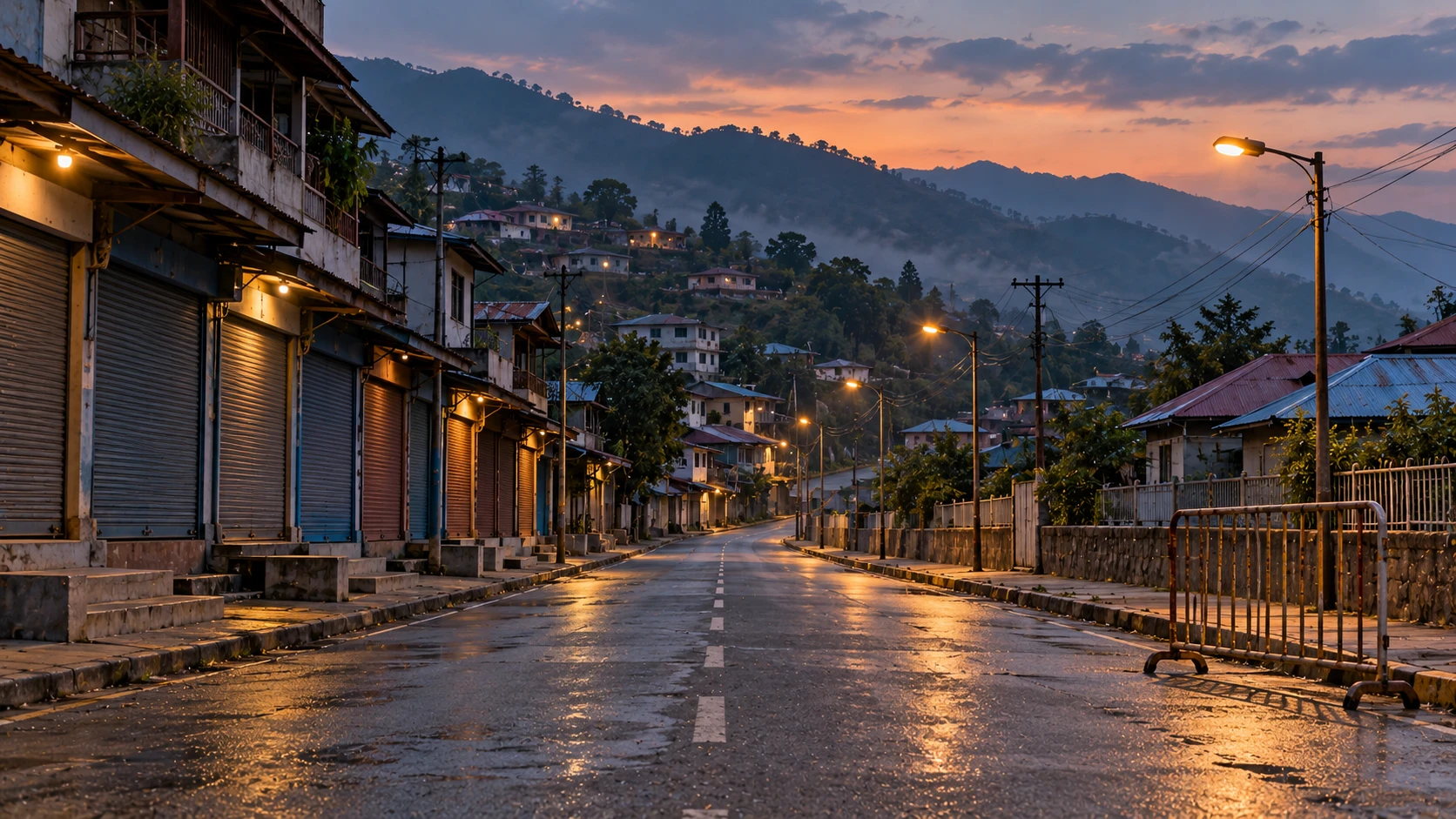
A section 163 BNSS order from 5 pm on 24 October in Pasighat, Mebo and Ruksin bars gatherings of more than five people, public meetings and processions without written permission.
What should shopkeepers do during a bandh?
Follow the order, shut early, take cash and valuables home, stay away from the highway and crowds, and call 112 or 101 if there is a fire or danger.
A quiet bandh, then a night of fire
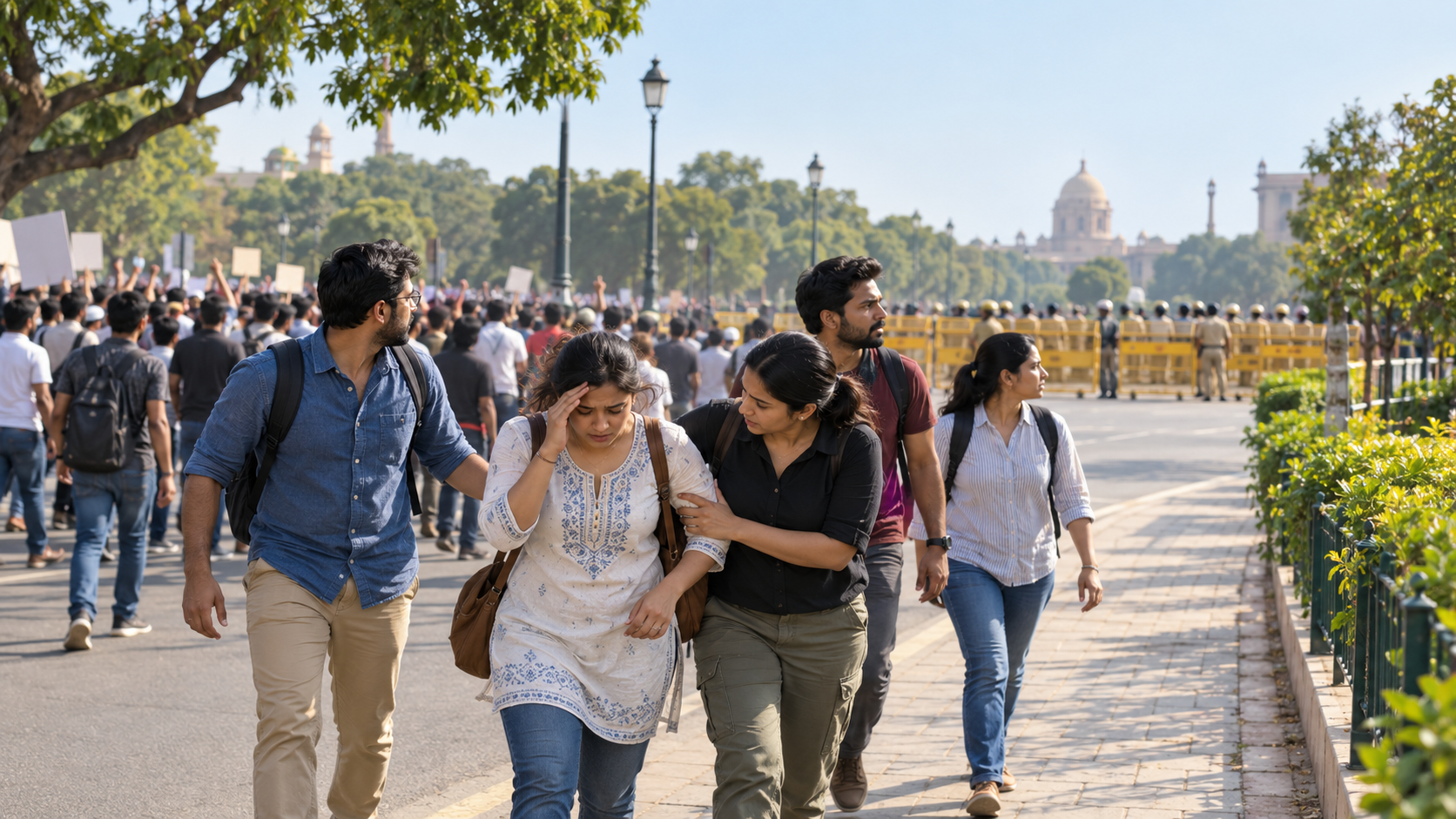
On Friday, 23 October 2026, a 12-hour bandh against the proposed Siang Upper Multipurpose Project (SUMP) shut shops across Siang, Upper Siang and parts of East Siang districts in Arunachal Pradesh. Reports say it ran from 5 am to 5 pm and was largely peaceful in Pasighat through the day. After it ended, a crowd stayed on the highway, tear gas was fired, and the evening turned violent. It went on until about 3.30 to 4 am on Saturday.
The NHPC office in Pasighat was set on fire. Part of the police station was damaged, and some seized vehicles in its compound were burnt. The office complex of a community council was broken into and files were burnt. The homes of three political leaders were ransacked, and looting was reported. Police vehicles were burnt or damaged as well, and the reports put the number at anything from six to nine.
Injuries, and no reported deaths
No report we read mentions a death. Police say more than 40 police and security personnel were injured, and two outlets carry that figure. Protesters say tear gas shells hurt people, including four women near Geku earlier in the day, and one report says eight protesters with minor injuries were treated at a local hospital. Police say stones were thrown at personnel and at a magistrate.
What the protesters and the government say
People opposing the project speak of displacement, loss of ancestral and farm land, damage to the river and a high-earthquake region. They want the survey work for the pre-feasibility report stopped, those held released, cases withdrawn and central forces pulled back. Some who surrendered after the violence said it went against the movement, and that the crowd had stayed peaceful until word came of tear gas being used on women. The state opposition party has asked for an independent inquiry into the use of tear gas.
The state government says the project is at pre-feasibility stage. That is an initial technical study and not an approval to build, and social and environmental impact assessments and a detailed project report would follow. It describes the dam as a strategic answer to China’s planned dam upstream on the same river. The chief minister called the Pasighat incidents regrettable, said peaceful protest is a democratic right but must stay within the law, offered talks in Itanagar, Pasighat or any place the groups prefer, and said public consensus would remain central. The project’s size is quoted as 11,000, 11,200 and 11,500 MW in different reports.
Forces, orders and arrests
The Union Home Ministry ordered two Rapid Action Force companies, about 250 personnel, flown in from Navi Mumbai. By 26 October the state said 30 companies of central forces were in the Siang region, and some reports say 34. A district magistrate’s order under section 163 of the Bharatiya Nagarik Suraksha Sanhita, 2023 has been in force since 5 pm on 24 October in Pasighat, Mebo and Ruksin. It bars gatherings of more than five people, public meetings and processions without written permission.
Police say 69 people have been arrested across the districts for rioting, attacks, burning vehicles and damaging offices and houses. Fifty-three cases are registered, and notices have been served on 201 people. Five minors were sent to a juvenile home. Police say they are looking into who organised the violence. Those held are accused, and a court has decided nothing yet. Groups opposed to the project say the heavy deployment is meant to suppress the protest.
A Gen Z group called a 24-hour bandh for Tuesday, 27 October, demanding release of those arrested. We found no report on how that day went.
Daporijo, 26 October
The unrest spread to Upper Subansiri. On Monday, 26 October the All Tagin Students’ Union held a 12-hour shutdown in Daporijo against a separate project, the 1,605 MW Menga dam on the Subansiri river. The union said it was also reacting to an alleged police attempt to detain its president after a search of his home on Saturday night. Reports say a police vehicle and a two-wheeler were set on fire, other vehicles were damaged, and equipment at the NHPC office was torched. Police said they acted with restraint and that action would follow against those involved in arson.
What the guidelines say
The National Disaster Management Authority’s 2014 guide on crowds at mass gatherings was written for events and not for protests, so we use it only as a comparison. It lists closed or locked exits and reliance on one exit route among the causes of crowd disasters, and asks organisers to keep emergency exits unblocked. The same sense applies to an office with a crowd outside.
Buildings in the path of a crowd
Fire is rarely the first thing people think of in a protest, yet a burning building or a burning vehicle is where most of the harm to bystanders can start. A few habits help any office, police post or shop in a town where bandhs happen.
- Know two ways out of every floor and keep both unlocked while staff are inside.
- When a crowd gathers outside, send staff home early. Nobody should stay behind to guard files or furniture.
- Keep copies of records off site or on a cloud drive. One report says files were burnt.
- Park vehicles and keep fuel, seized goods and stores away from the building wall. A burning vehicle next to a wall lets fire inside.
- Agree with the local fire station on a second road to your building, because a blocked highway also blocks engines.
- Keep extinguishers in place and visible, and make sure someone knows how to use them. Our evacuation plan guide has a simple template.
If you live or run a shop near a bandh
- Follow the section 163 order. A gathering of more than five people is the thing it forbids.
- Shut the shop early, pull the shutters and take cash and small valuables home. Do not stay to watch the shop.
- Keep away from highways, bridges and the crowd edge. Do not film from the front, and do not join in.
- If tear gas drifts your way, move upwind into fresh air, do not rub your eyes, and rinse with plenty of clean water. See our first aid guide.
- Call 112 for police and 101 for a fire. The emergency numbers guide explains the rest.
Our protest safety guide covers what to do in a crowd, and the post on the Manipur unrest has curfew tips for families. The guide to staying safe in festival and mela crowds is worth reading before any large gathering, and a family emergency plan takes ten minutes to write.
Living or working in Pasighat? Our Pasighat fire and emergency safety guide lists the local fire station and emergency numbers in one place.
What is still open
Police vehicle counts, the injury figures and the agencies behind the violence are not settled, and the sources disagree on how the violence began. The Daporijo damage counts are early. We do not name the people arrested or any officer, and we make no claim about who set what on fire. Nothing here is a finding of guilt, and the project itself is for the authorities and the people of the valley to settle.
Tonight, if there is a bandh in your town this week, find your two exits at home or at work, charge your phone, and keep some cash, water and medicines where you can reach them without going out.
Updated 27 October 2026.
- A 24-hour sit-in in Pasighat ahead of the valley bandh; the district administration calls the bandh unlawful in an order
- Bandh begins at 5 am; tear gas fired near Geku to disperse people trying to breach barricades; four women reported injured
- Bandh ends; a crowd stays on the highway and refuses to disperse; tear gas fired on a magistrate's order; stones thrown at police, according to police
- NHPC office set on fire; police vehicles burnt near the Raneghat bridge; community council office broken into; police station boundary wall broken and seized vehicles burnt; three leaders' homes ransacked
- Situation reported under control; chief minister calls the incidents regrettable and offers talks; Home Ministry orders two Rapid Action Force companies
- Section 163 order in force in Pasighat, Mebo and Ruksin
- Rapid Action Force companies flown to Pasighat; two movement figures surrender and urge calm
- State reports 30 central force companies, 69 arrests, 53 cases and 201 notices; 12-hour shutdown in Daporijo with a police vehicle and a two-wheeler burnt
- Gen Z bandh called in the Siang valley; no report found on how it went
Why consequences escalated
- A shutdown that was largely peaceful by day turned violent after it ended, at dusk and into the night.
- Public buildings were burnt or damaged, including a company office, a police station and a community council office.
- Files were burnt in at least one office.
- No deaths are reported, but police say more than 40 of their personnel were injured and protesters report tear gas injuries.
- The state moved central forces in quickly, and a section 163 order limits gatherings in three towns.
- Unrest spread to a second district within three days.
Failures and risk multipliers
- A crowd stayed on a highway after the bandh ended and refused to disperse, according to police and the state.
- Seized vehicles were kept inside a police station compound where they could burn (reported).
- Files were kept in an office that was set on fire (reported).
- Both sides trade accounts of how the violence began; tear gas on women is cited by protesters, stone-throwing by police.
- No report says a fire engine reached any of the burning buildings; the fire service role is not described.
Actions that reduce risk
- Know two exits from every floor of your office or shop and keep them unlocked.
- Send staff home early when a crowd gathers; nobody stays to guard property.
- Keep copies of records off site.
- Keep vehicles, fuel and stores away from building walls.
- Agree a second route with the local fire station.
- Follow the section 163 order and avoid highways and crowds during a bandh.
- Keep a charged phone, some cash, water and medicines at home.






Leave a comment