
Quick answers
Was a woman killed by a dumper on Vadodara's Atal Bridge?
A local Gujarati Instagram reel reportedly said so, with the driver arrested by Gorwa police. We could not open the reel or find any news report in English, Gujarati or Hindi, so we cannot confirm it.
What dumper deaths were reported in Surat in October 2026?
At Vesu 16 or 17 October a dumper hit a moped with two sisters from behind and one died, and on the Hazira road on 20 to 21 October a dumper hit a couple's motorcycle from behind and the woman died. In both the driver reportedly fled and no arrest is reported.
Why are dumpers so dangerous for two-wheelers?
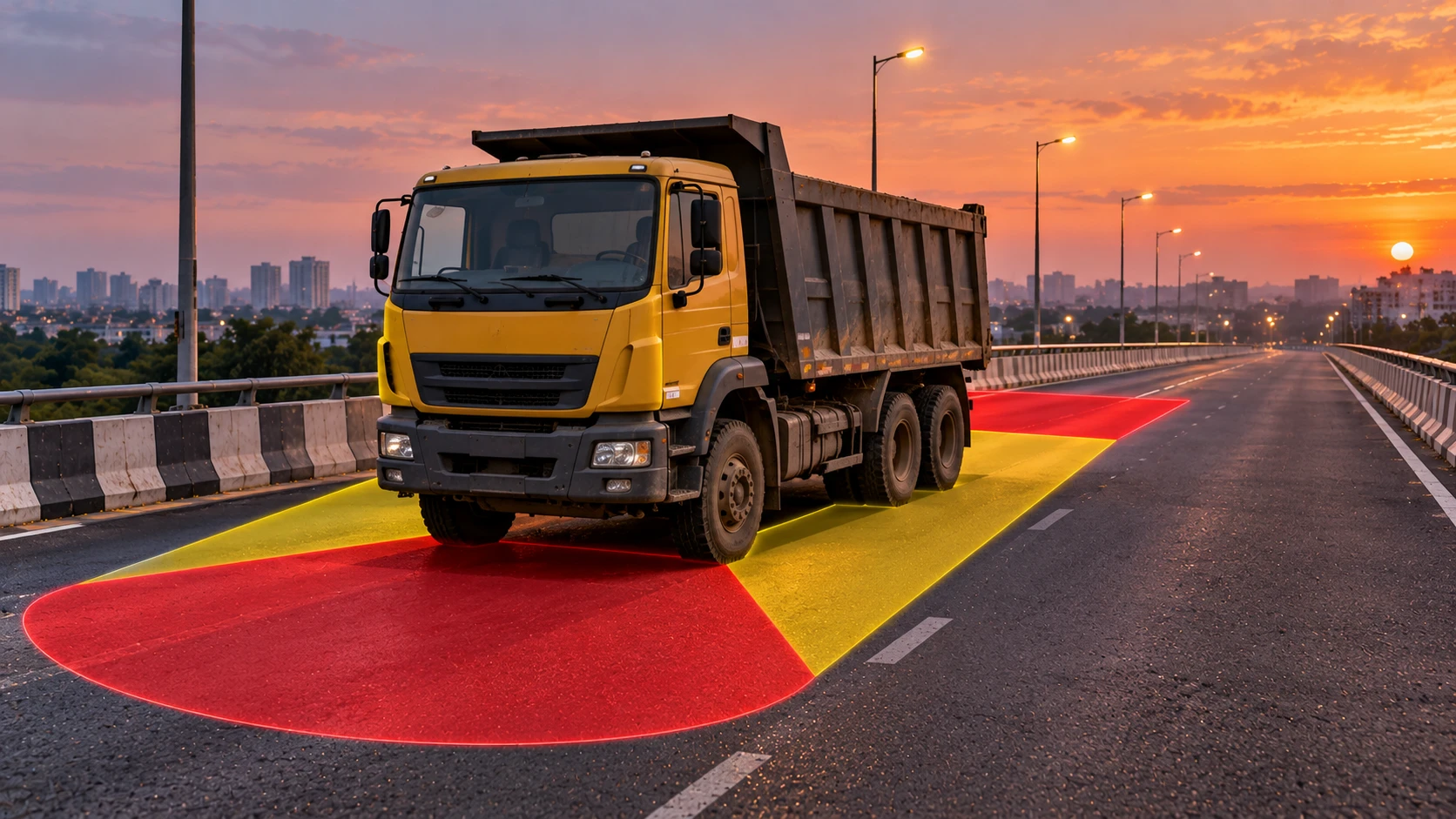
The driver sits high and cannot see a rider close in front, beside the cab or just behind. Left turns swing the rear in. A loaded vehicle needs a long distance to stop.
How many two-wheeler riders do trucks kill in India?
In 2024, MoRTH records 14,017 two-wheeler riders killed in crashes where a truck or lorry was the impacting vehicle, 17.1 per cent of the 81,780 riders killed. The report does not separate dumpers.
What should a rider do near a truck?
Stay out of the blind spots, keep a long gap, never go up the inside at a junction, wear a fastened helmet and keep your headlight on.
Are heavy vehicles banned in cities at certain hours?
Cities can restrict them under section 115 of the Motor Vehicles Act. The latest Surat hours we found are 8 am to 1 pm and 5 pm to 10 pm from an August 2025 drive; check the current order with traffic police. We could not confirm Vadodara's current hours.
What should I do at a crash scene?
Call 112 (108 for an ambulance), keep clear of traffic, do not move the injured unless there is fire or other danger, and press firmly on heavy bleeding.
How do I report dangerous driving in Gujarat?
Gujarat Police moved phone traffic complaints to 112 from 1 August 2026, and online and app channels continue. On a national highway you can also call 1033.
A dumper, a tipper or a loaded truck does not have to be speeding to kill a rider. Because of where the driver sits, what the mirrors show and how far a loaded vehicle needs to stop, a scooter or motorcycle can simply disappear from the driver’s view. In the last few weeks Gujarat has seen several such deaths, and one more, on Vadodara’s Atal Bridge, was reported only by a local Gujarati social-media video that we could not confirm. This page sets out what the reports say, where we could and could not verify them, what the national data shows, and what riders, drivers, fleet owners and bystanders can do. Last checked: 21 October 2026, around 10 pm IST.
In short
- Vadodara Atal Bridge (unconfirmed). A local Gujarati Instagram reel is the only source we have for a dumper killing a young woman on a motorcycle on Atal Bridge, with the driver arrested by Gorwa police. We could not open the reel and found no news report in English, Gujarati or Hindi. Treat it as unverified.
- Surat, October 2026. Two dumper deaths of riders are reported by more than one outlet: Vesu (16 or 17 October) and Hazira (reported 20 and 21 October). In both the dumper reportedly hit the two-wheeler from behind and the driver fled.
- National data. In 2024, 81,780 two-wheeler riders died on India’s roads, 46.2 per cent of all deaths. In 14,017 of those deaths (17.1 per cent) a truck or lorry was the impacting vehicle (MoRTH, Road Accidents in India 2024). The report does not separate dumpers from other trucks.
- Rule of thumb for riders. If you cannot see the driver’s face in the mirror, assume the driver cannot see you. Do not ride alongside, just in front of or close behind a heavy vehicle.
- If you see a crash: call 112 (and 108 for an ambulance), keep clear of traffic, do not move the injured person unless there is fire or another immediate danger, and press firmly on heavy bleeding.
Gujarat: Vadodara and Surat
Vadodara, Atal Bridge: one unverified report
The owner of this site was shown a Gujarati Instagram reel from the account iamvadodara, linking to instagram.com/reel/Det5GzQyM1W. The description given to us says a dumper ran over a young woman riding a motorcycle on Atal Bridge in Vadodara, that she died, and that Gorwa police arrested the driver. The reel needs a login and its content is hidden from us, so we could not read it, check its date or confirm any of this. We then searched in English, Gujarati and Hindi for the Atal Bridge, Gorwa police, the dumper and the arrest and found no news report matching it. Until a second, independent report appears, we do not know the exact date, the place on the bridge, how the crash happened (turning, overtaking or a hit from behind) or what charges, if any, were filed. We do not name anyone.
The search did turn up a different Vadodara-area crash. GSTV (Gujarati) reported on 9 July 2026 that a dumper hit a woman riding an Activa scooter on the bridge in front of the GSFC University gate at Dashrath village, near Vadodara, and that she died at the spot. Chhani police arrived and arrested the driver. This is also a single-outlet report, and it is not the Atal Bridge incident.
Surat: dumper deaths in the last two weeks
Vesu, 16 or 17 October 2026. Two sisters riding a moped to a tuition class on the Althan–Vesu (Vesu VIP) road were hit from behind by a dumper. Sandesh, Trishul News, ETV Bharat Gujarati and Loktej all reported it on 17 October. The reports agree that the driver left the dumper on the road and fled, and that Althan police seized the dumper. Sandesh and Trishul News say police registered a case for rash or negligent driving and culpable homicide not amounting to murder; no outlet reports an arrest. They disagree on which sister died: Sandesh and Trishul News say the older, 22-year-old sister died and the younger is in an ICU; ETV Bharat and Loktej say the younger sister died and the elder was injured. We have not resolved this and name neither. A Kranti Samay Instagram reel dated 16 October carries the same account in its Gujarati caption (we could read only the caption), so the crash may have been on 16 October; the written reports are dated 17 and 18 October. Loktej adds that the dumper’s owner told the family the company was not at fault because the driver had run away.
Hazira road, reported 20 and 21 October 2026. A couple were riding a motorcycle towards Hazira to immerse a goddess idol when a dumper hit them from behind. The woman, 40, fell and died at the spot; her husband was hurt (Sandesh says seriously). Sandesh places the crash near Kawas Patiya and Loktej near the KRIBHCO company on the Ichhapur–Hazira road, so the exact spot varies. Both say Ichhapore police registered a hit-and-run case, are checking CCTV and are searching for the driver, who fled. No arrest is reported. Loktej adds that residents raised concerns about the speed and carelessness of heavy vehicles. Sandesh News also posted a reel on 21 October with the caption “In Surat a dumper took one more life”; we could read only the caption, so we treat it as a pointer, not as a separate source.
Bhestan, 27 June 2026. Bombay Samachar (Gujarati) reported that a dumper hit a motorcycle with a 22-year-old woman and her 3-year-old daughter near Bhestan, on the way to Dindoli, and both died; police detained the driver. Single outlet.
What the authorities have said. On 1 October 2026, Surat MLA Kumar Kanani wrote to the Police Commissioner asking why enforcement seemed to focus on two-wheeler riders while dumpers and trucks broke rules during restricted hours without enough action (Gujarat Samachar English). We found no reply, and no new police or Surat Municipal Corporation order after the 17 and 20 October deaths. The last published drive we found was in August 2025, when Surat Traffic Police detained 102 heavy vehicles in two days, including 28 dumpers, and Police Commissioner Anupam Singh Gehlot said, “This is not just a notification” (DeshGujarat, 7 August 2025).
A note on a crash that looks similar: on the night of 20 to 21 October a motorcycle with four young men fell more than 50 feet from the Kudsad railway overbridge in Olpad taluka, Surat, and three died (Sandesh, Gujarat Samachar, ETV Bharat Gujarati). Reports mention a truck but police have not confirmed that a heavy vehicle was involved, so we do not count it as a dumper crash. It is covered in our two-wheeler skid blog.
Other recent cases in India
These are crashes of the last twelve months in which a dumper or truck hit a two-wheeler. We opened each report. Only the first has two independent reports; the others are single-outlet and are labelled so.
Jodhpur, Jhalamand area, 4 September 2026. A concrete-laden dumper ran over a motorcycle carrying a couple who were returning from Ramdevra. Free Press Journal says CCTV showed the two vehicles travelling side by side before the hit, and that the woman died at the spot while her husband had minor injuries; ETV Bharat Hindi says he was seriously injured. ACP (West) Bhajanlal Jangid said the driver was taken into custody. A crowd set the dumper on fire, and police were still identifying those responsible.
Ludhiana–Bathinda highway near Halwara, 19 October 2026. A couple turning at a cut in the road after shopping were hit from behind by a speeding 16-wheeler. The woman died; her husband was seriously hurt. Sudhar SHO Kulwinder Singh said the driver fled but was caught with the help of locals; police impounded the truck (The Tribune, single outlet; the truck is a trailer, not a dumper).
Hansi, Hisar, Haryana, night of 18 October 2026. A speeding dumper hit a motorcycle with two young men near Hisar Chungi; the rider died and the pillion was referred to a medical college hospital. The driver fled, police registered an FIR on the brother’s complaint, and Amar Ujala reports no arrest (single outlet).
Ghaziabad, NH-9 near Chhijarsi cut, night of 3 August 2026. A bus reportedly hit a motorcycle from behind and a dumper then ran over the fallen rider. FIR filed against an unidentified dumper driver and the bus driver; police were tracing both vehicles from CCTV (Amar Ujala, single outlet).
Ahmedabad, near SG Highway, 19 May 2026. A 32-year-old scooter rider was hit by a dumper allegedly driven at high speed and died at the spot; the driver fled and traffic police registered a case against him (Gujarat Samachar English, single outlet).
The pattern is plain even from these few: hits from behind, drivers who flee, and riders who go down in front of a second vehicle. The national report shows the same pattern, below.
What the official data says
The Ministry of Road Transport and Highways’ Road Accidents in India 2024 (we read a copy of the full PDF hosted by the India Road Federation) records 4,87,707 accidents and 1,77,175 deaths in 2024. Table 4.4 shows 81,780 two-wheeler riders killed, 46.2 per cent of all deaths. Table 4.5 sorts deaths by the impacting vehicle (the report’s “crime vehicle”) and the victim’s vehicle. For two-wheeler victims it lists: two-wheelers 30,561 (37.4 per cent), cars, taxis, vans and light vehicles 18,682 (22.8 per cent), trucks and lorries 14,017 (17.1 per cent), buses 4,485, auto-rickshaws 2,620, and other categories. Looked at from the other side, trucks and lorries were the impacting vehicle in 32,362 deaths, which is about 18.3 per cent of all deaths by our own division, and 43.3 per cent of the people they killed were two-wheeler riders. The report does not give a separate figure for dumpers or tippers, so we do not.
Two more figures from the same report matter here. ‘Hit from back’ was the largest collision type, with 21.1 per cent of deaths, and ‘Hit and run’ caused 19.2 per cent of deaths. And 54,122 people killed in 2024 were not wearing a helmet, 39,470 of them drivers (riders) and 14,652 passengers (Table 3.3; the table counts all road users but helmets apply to two-wheelers). See also our explainers on India’s 2024 road deaths and helmet and seat-belt use.
Why heavy-vehicle and two-wheeler crashes are so deadly
Some of this is physics and some is design. These points are our own summary of widely taught road-safety guidance, not figures from the cases above.
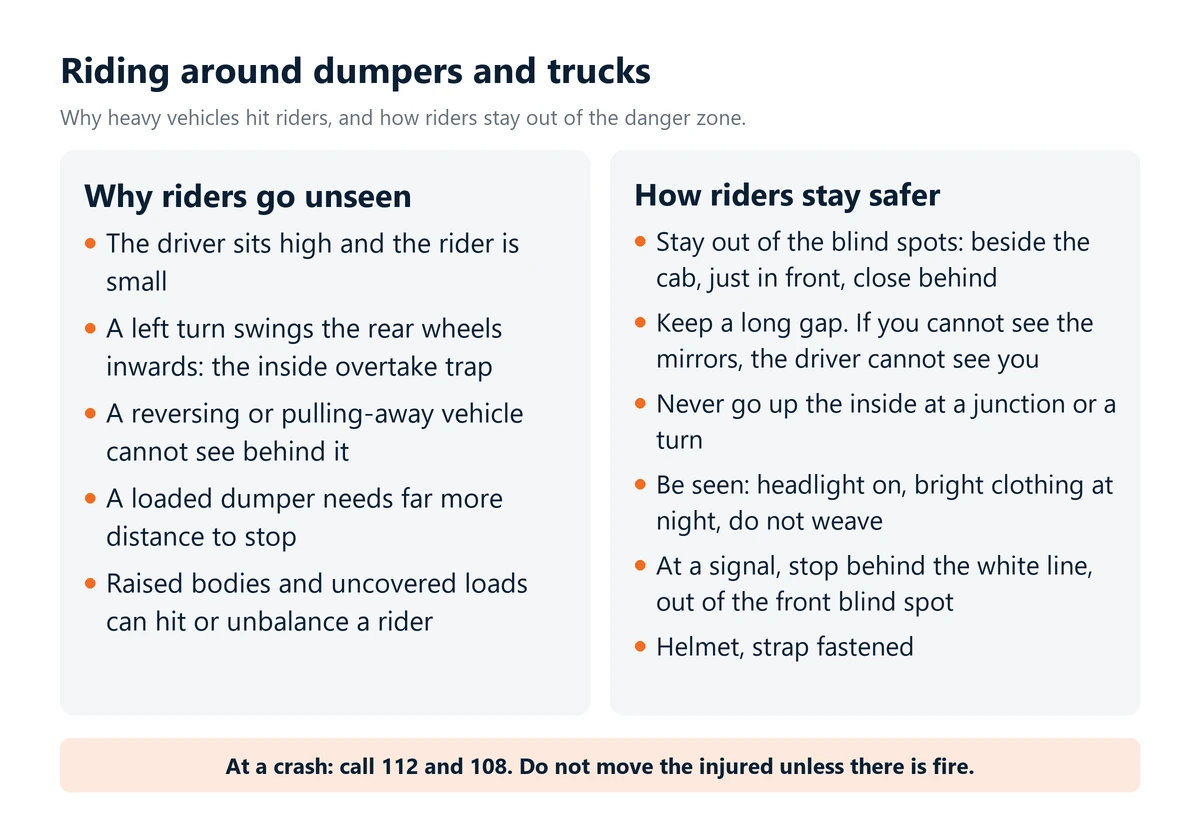
- The driver sits high and the rider is small. A dumper or tipper has a long bonnet or flat front. A rider close in front of the cab can be below the driver’s line of sight, and the mirrors do not show the ground right beside or under the front.
- The left side and wide turns. In India we drive on the left, so a driver turning left swings the rear wheels inwards. A rider who goes up the inside at a junction can be caught between the vehicle and the kerb. This is the classic ‘inside overtake’ crash.
- The rear. A loaded vehicle that is reversing, or pulling away from a stop, cannot see a person directly behind it. Reversing tippers have killed riders and pedestrians in several reports abroad and in India.
- Stopping distance. A loaded dumper is far heavier than the rider and needs much more distance to stop. Wet roads, worn brakes and overloading make this worse. The rider has almost no margin.
- Tipper bodies and loads. A raised body, loose sand, gravel or soil spilling from an uncovered load, and a swinging rear can all hit or unbalance a rider. Kanani’s letter specifically asks about uncovered sand and soil.
- Fatigue and speed. Drivers on long shifts or on trip-based pay can drive tired and fast. The Hazira and Vesu reports do not say why the dumpers hit riders from behind; the cause in each case is a matter for the police.
- The after-crash risk. Several reports above show a rider thrown down in front of a second vehicle. Falling in front of a truck is rarely survivable, which is why the first aim is not to be there.
How riders can stay safer around heavy vehicles
This is practical advice, not a rule of law.
- Stay out of the blind spots. Do not ride beside the cab, just in front of the bumper, or close behind a truck. If you must pass, do it quickly and fully, then move well ahead.
- Keep a long gap behind. Stay far enough back that you can see the driver’s mirrors. If you cannot see the mirrors, the driver cannot see you.
- Never go up the inside at a junction or a turn. Wait behind a turning vehicle even if it seems slow. The same goes for bridges and ramps, where there is little room to escape.
- Be seen. Keep your headlight on, wear bright or reflective clothing at night, and do not weave. Make eye contact in the mirror before moving across a truck’s path.
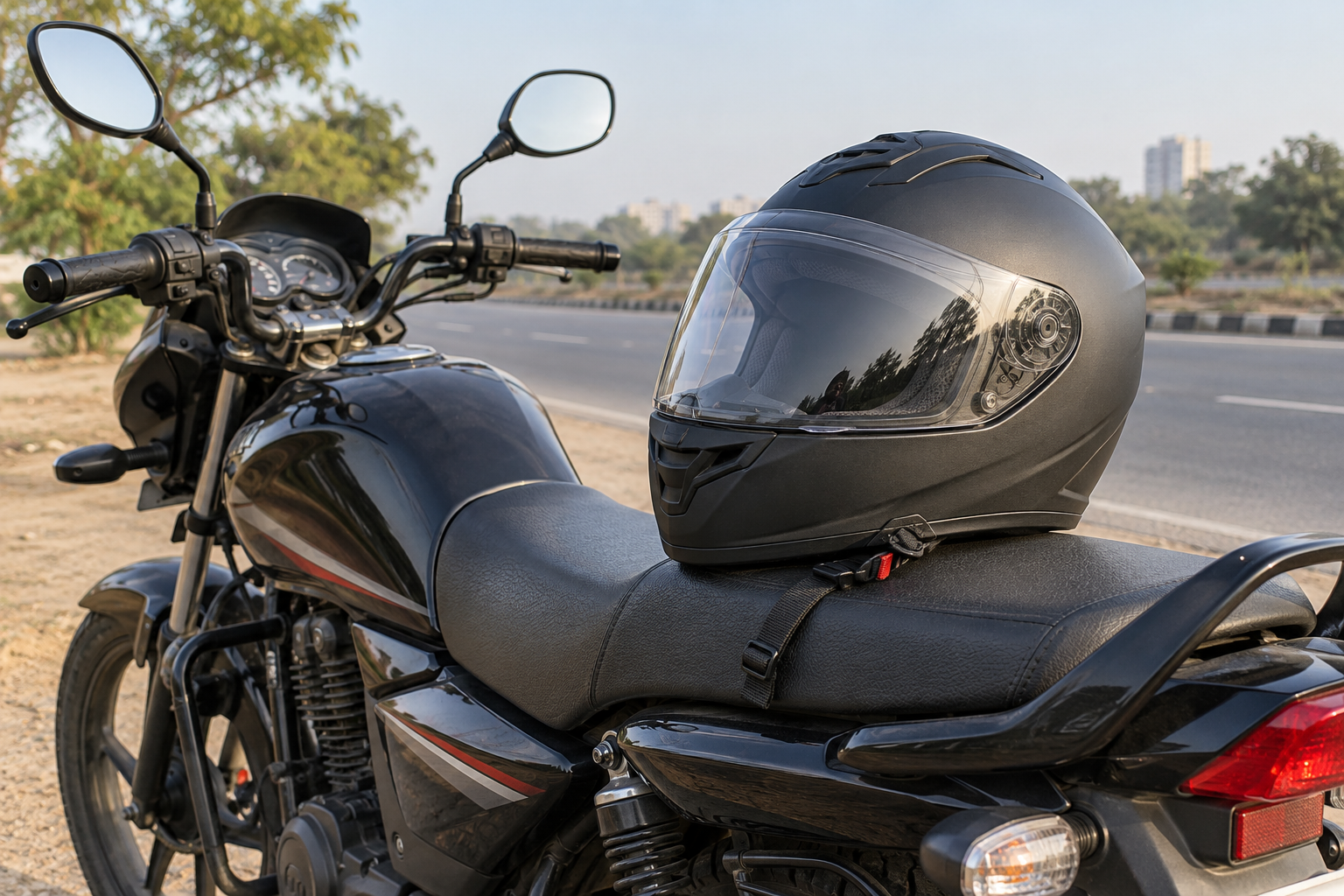
- Helmet, strap fastened. A helmet does not make a rider safe from a dumper, but riders without one are over-represented in the deaths. See our helmet guide.
- Give way early. At a signal, stop behind the white line and out of the front blind spot, not in front of a dumper’s bumper.
- Avoid peak heavy-vehicle times where you can. On routes where dumpers run, be more careful in the hours just before and after the city’s no-entry windows, when vehicles may hurry. This is our own suggestion.
What drivers and fleet owners should do
- Mirrors, cameras and alarms. Fit and use properly adjusted wide-angle and kerb-side mirrors, and a reversing alarm and rear and side cameras where possible. The Ministry’s 2024 report lists published rules requiring Blind Spot Information Systems and Moving Off Information Systems on medium and heavy goods vehicles (N2 and N3), for new models from 1 October 2027 and existing models from 1 January 2028. Until then it depends on the owner.
- A banksman for reversing. Use a person to guide a reversing tipper, especially at sites and in lanes.
- Speed and spacing. Set speed limits inside the fleet, especially near schools, colleges, bridges and residential areas, and enforce them.
- Rest hours and fair pay. Fixed rest breaks and pay that does not reward trips-per-day lower the pressure to rush.
- Load limits and covered loads. Do not overload or carry uncovered sand or soil.
- Training, and staying at the scene. Teach drivers about blind spots and about stopping and calling 112 after a crash. The reports above include several where the driver fled, which only adds to the harm and to public anger.
- Owners are watched too. In the Vesu case, the family says the owner said the company was not at fault because the driver had fled. Whether an owner carries any legal responsibility is for the police and courts; we do not state it.
What the rules say about heavy vehicles in cities
The general law. Section 115 of the Motor Vehicles Act, 1988, lets a State Government, or an authority it authorises, prohibit or restrict the driving of motor vehicles of a class, on a road or in an area, in the interest of public safety or convenience, by Gazette notification, with traffic signs under section 116. A restriction lasting no more than a month needs no Gazette notice but needs local publicity (text read on lawx.in; we could not open the India Code PDF, so check the official text). Cities therefore have their own timings.
Surat. The most recent published timings we found are from the August 2025 drive: heavy vehicles are barred from entering the city from 8 am to 1 pm and from 5 pm to 10 pm (DeshGujarat, 7 August 2025). We found no 2026 order and have not re-verified the hours, so check with Surat City Traffic Police.
Vadodara. We could not find a current Vadodara notification. A 27 August 2020 report (Our Vadodara) says the City Police Commissioner’s notification then banned heavy vehicles from 7 am to 1 pm and from 4 pm to 9 pm. These hours may have changed, so we do not give them as the present rule.
The Ministry’s report notes that traffic management and enforcement is mainly a State and Union Territory responsibility, with the Centre framing the rules. A no-entry window helps only if it is enforced and if dumpers that must work at night are driven carefully.
If you are at a crash scene
- Stay safe first. Park well away, switch on your hazard lights, and keep out of the traffic lane.
- Call 112, India’s emergency number, and give the place and the nearest landmark. 108 is the ambulance number in Gujarat and many states, but how 108, 101 and 112 are routed differs by state, so if one does not connect, try the other. On a national highway, 1033 is the NHAI highway helpline.
- Do not move the injured person unless there is fire, fuel or another immediate danger. Do not remove a helmet unless the person cannot breathe and you know how.
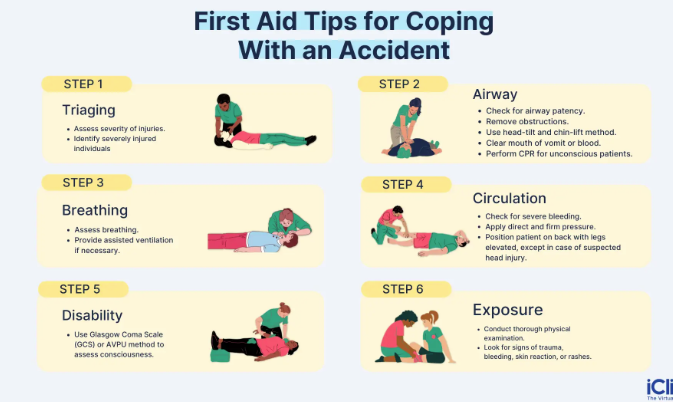
- Press firmly on heavy bleeding with a clean cloth, and keep the person calm and warm until help arrives. Our guide on road accident first aid has the steps.
- Note the vehicle, direction and time if the driver flees. Do not chase a driver or confront a crowd; leave that to the police. Do not film at the cost of helping.
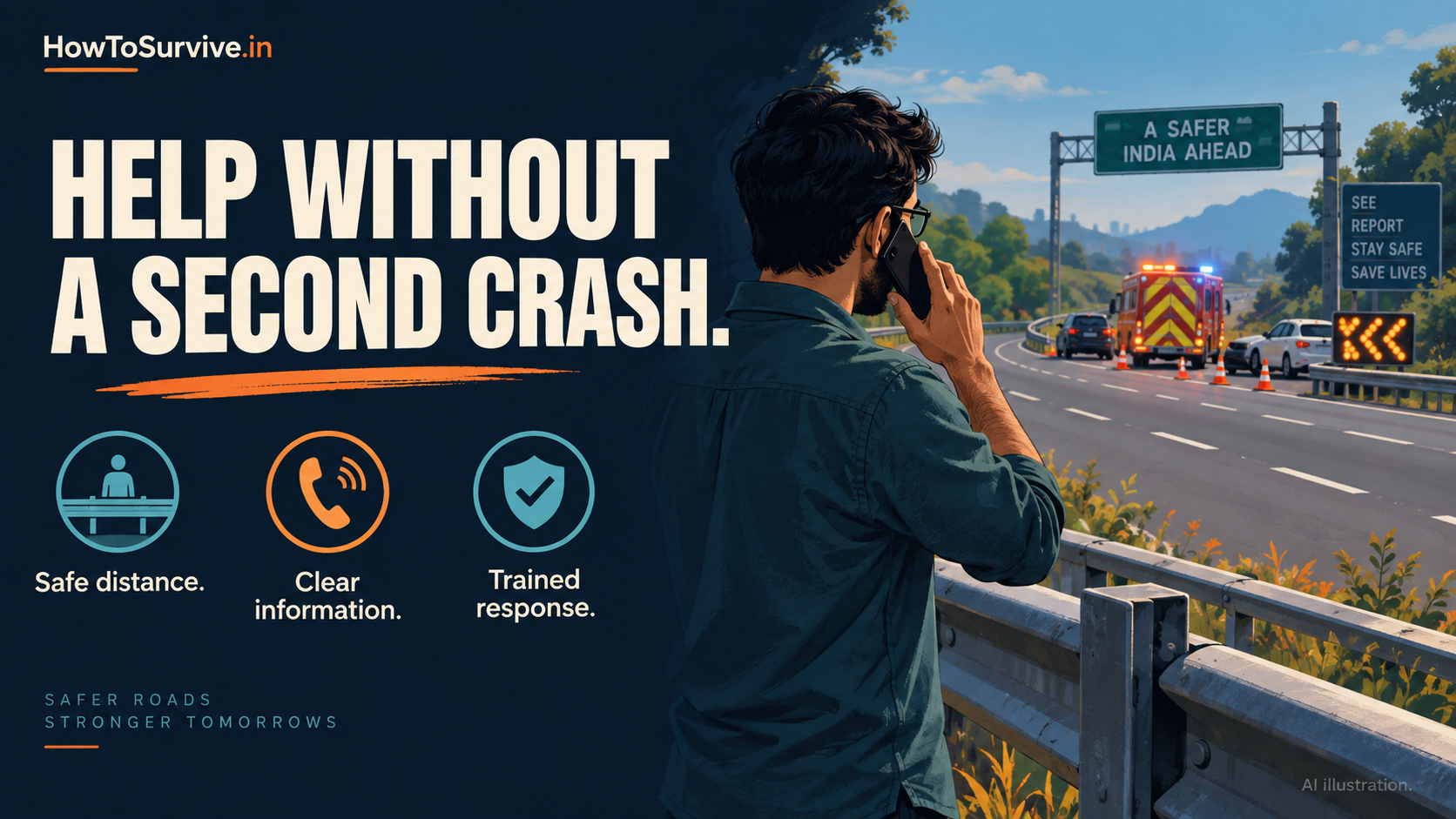
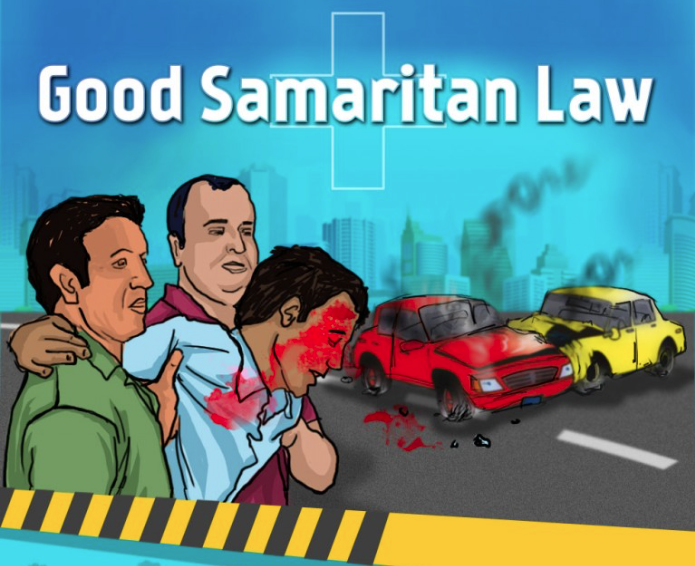
- Know your protection. See our guide to the Good Samaritan law and the safe-help guide for witnesses.
How to report dangerous driving
In Gujarat, from 1 August 2026 all traffic complaints made by phone go through 112, and the old toll-free traffic number 1800 233 1122 has been discontinued; online and app-based complaint channels continue unchanged (newKerala, citing a Gujarat CMO press release). On a national highway you can also call 1033 (IHMCL, for NHAI). Give the vehicle number, place and time. We did not verify a separate Vadodara or Surat traffic WhatsApp number, so we do not give one. For city-level help in Surat, see our Surat safety guide.
What residents of Surat and Gujarat can do
- Avoid riding next to dumpers on the Hazira road, the Vesu and Althan roads and the bridges, especially in the hours just before and after the heavy-vehicle no-entry windows.
- Keep a long gap behind any heavy vehicle, and leave early rather than hurry past a dumper.
- Residents’ groups and school and college managements can ask the local traffic police in writing for enforcement and speed measures near their gates, and can report violations through 112.
- If you are a family member of a crash victim, note the vehicle number and any CCTV nearby, and ask the police to secure the footage quickly.
What we could not verify
- The Vadodara Atal Bridge incident: single unverified social-media report, reel not opened.
- Which sister died in the Vesu crash (reports differ), and the exact spot at Hazira.
- No arrest has been reported in the Vesu, Hazira or Hansi cases.
- Whether Surat’s and Vadodara’s heavy-vehicle timings are still as stated above.
- The 2024 MoRTH report does not separate dumpers from other trucks, so we cannot give a dumper figure.
Related: our two-wheeler skid blog covers rider falls on ramps and bridges. Other cases on the site: the Nawa dumper–car crash, the Gwalior temple truck crash and the Sahibganj e-rickshaw crash. In an emergency in Gujarat, see the Surat safety guide for numbers.
What needs attention
- In the Surat cases, the dumper reportedly hit the two-wheeler from behind and the driver fled; the reports do not say why.
- Deaths where a truck or lorry was the impacting vehicle were 32,362 in 2024 (about 18.3 per cent of all road deaths by our division), and 43.3 per cent of them were two-wheeler riders (MoRTH Table 4.5).
- For two-wheeler victims, trucks and lorries were the impacting vehicle in 17.1 per cent of deaths, after two-wheelers (37.4 per cent) and cars and light vehicles (22.8 per cent).
- Hit-from-back crashes caused 21.1 per cent and hit-and-run crashes 19.2 per cent of 2024 road deaths.
- The MoRTH report does not give a separate dumper or tipper figure.
- Heavy-vehicle entry timings are set by city notifications under section 115 of the Motor Vehicles Act; we could not confirm current Surat or Vadodara timings for 2026.
- Surat enforcement was raised in writing by an MLA on 1 October 2026; no official reply or new order was found.
Controls that reduce risk
- Rider: stay out of the blind spots, keep a long gap, never go up the inside, wear a fastened helmet and be visible.
- Driver: set mirrors properly, check before moving off or reversing, keep speed down, and stop and call 112 after any crash.
- Fleet owner: fit mirrors, cameras and reversing alarms, set speed limits, give rest breaks, enforce load limits and covered loads, and train drivers.
- Resident or school: ask the local traffic police in writing for enforcement near gates and report violations through 112.
- Bystander: call 112, keep clear of traffic, do not move the injured unless there is danger, press firmly on heavy bleeding.
- Family of a victim: note the vehicle number and nearby CCTV and ask the police to secure the footage.
Common unsafe practices
- Riding alongside, just in front of or close behind a heavy vehicle.
- Going up the inside of a turning truck at a junction or a bridge approach.
- Stopping directly in front of a dumper at a signal.
- Following so close that the driver's mirrors cannot show you.
- Overtaking in a hurry on a ramp or bridge with a heavy vehicle beside you.
- Reversing a tipper without a guide or a camera.
- Overloading or carrying an uncovered load of sand or soil.
- Leaving the scene after a crash.

Leave a comment