
Quick answers
Is an empty fuel tank safe to weld or cut?
No. A drained tank still holds vapour and a film of fuel, and heat from cutting or welding can set them off. Remove the product, flush it, test the air for flammable gas and get a written permit before any flame is used.
Do you need a permit for hot work on a tank at a petrol pump?
The PNGRB safety standards for retail outlets list repair or cleaning of tanks, tank removal and decommissioning, and hot work including gas cutting among the jobs that need a written work permit, and for these a person authorised by the oil company issues it.
What does the permit for tank work check?
The model permit asks for the work area inspected and covered, equipment isolated, extinguishers and sand buckets in place, sources of product or vapour blocked, left-over product removed, equipment flushed with water, pyrophoric iron removed or kept wet, ventilation, a gas test showing it gas-free and a standby person.
How are tanks made gas-free?
For LPG storage vessels the PNGRB standards describe emptying the liquid and displacing the gas with water or nitrogen and checking with an explosimeter. For petrol and diesel tanks, follow the oil company's procedure and use a trained contractor.
What does Factories Act section 37(4) say about welding a tank?
It says no tank or vessel that contains or has contained an explosive or inflammable substance is to be welded, brazed, soldered or cut with heat in a factory unless adequate measures have first removed the substance and its fumes or made them non-explosive. A petrol pump is not usually a factory.
What is OISD-STD-105?
It is OISD's Work Permit System standard, listed by the Oil Industry Safety Directorate among the standards included in the Petroleum Rules, 2002. We could not open its text, so we do not describe its contents.
What happened at the Nilagiri petrol pump in Balasore?
An old fuel tank exploded on 28 October 2026 while workers were cutting it at a petrol pump in Nilagiri, Odisha, and one man died. Reports differ on injuries and the cause, and police were investigating.
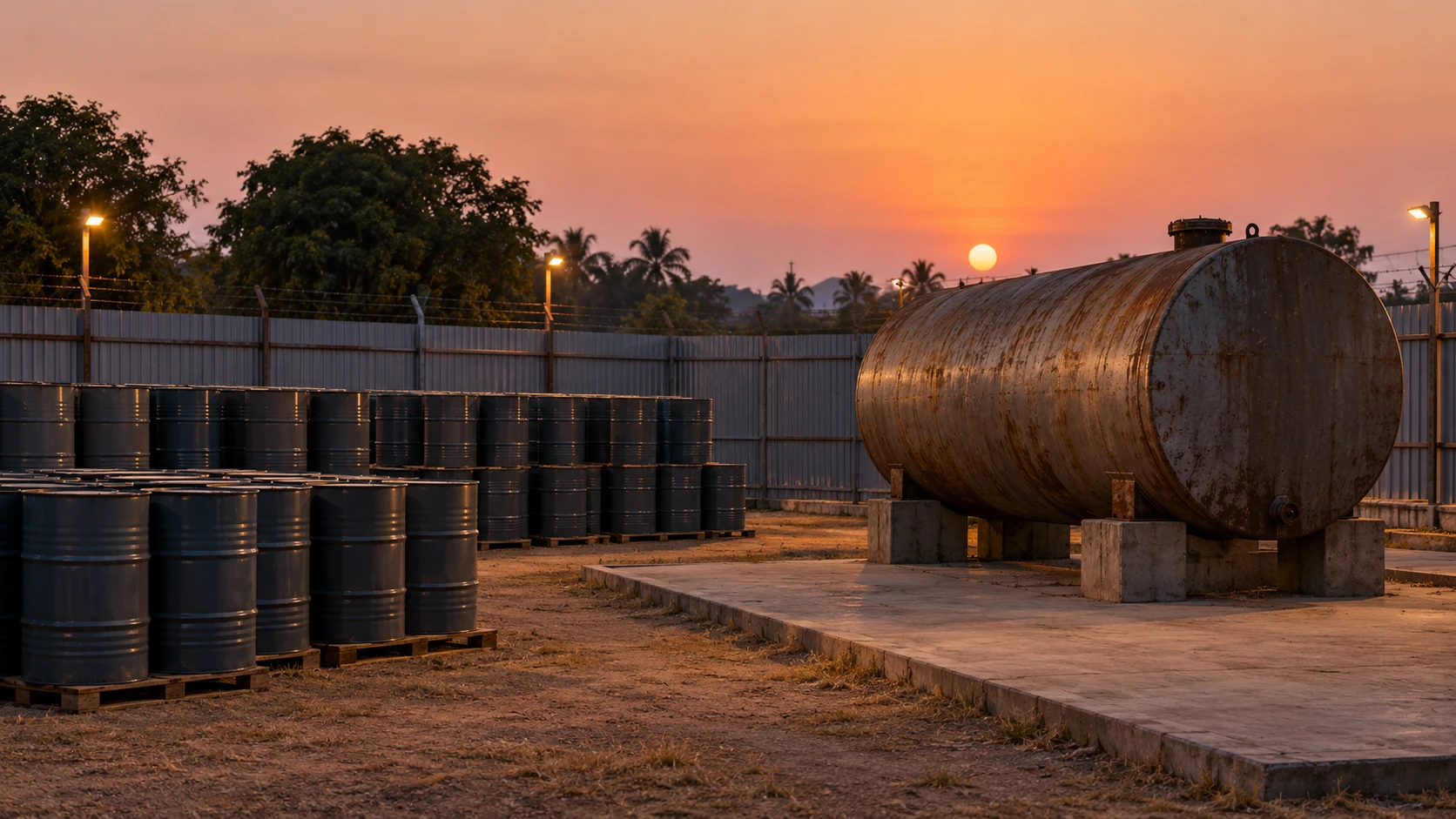
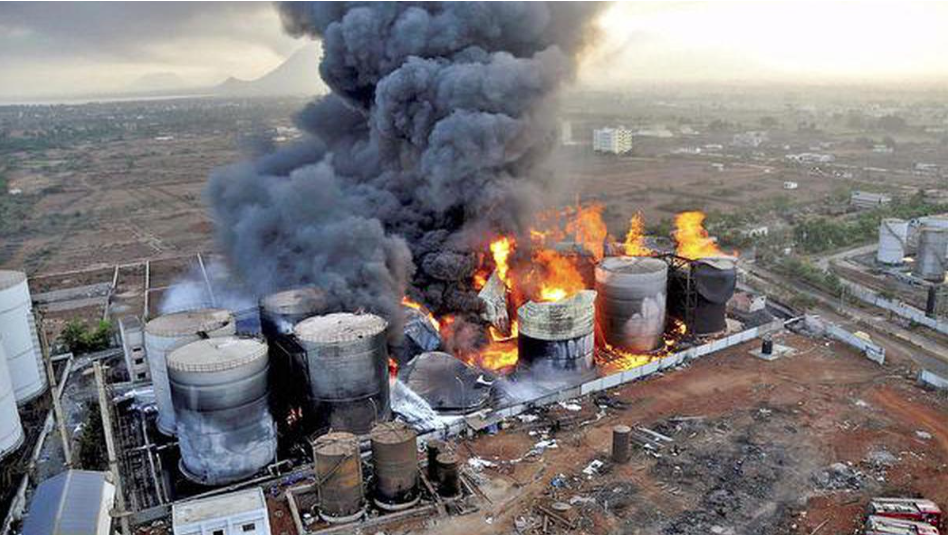
A tank that has been drained is not an empty tank. Petrol and diesel leave a film on the steel and fill the space with vapour, and old tanks hold scale and sludge that keep giving off more. Put a gas-cutter’s flame or a welder’s spark to it and the vapour can go off with the force of a bomb. This is why a man can do everything right by his own eyes, look inside, see nothing, and still be killed by a tank lid.
The idea in one line
Cutting, welding, grinding, brazing, even a spark from a steel tool is hot work. Hot work on anything that has held fuel needs the fuel and the vapour dealt with first, and someone other than the cutter has to confirm it. The cutter should never be the only person who decides it is safe.
What Indian rules actually say
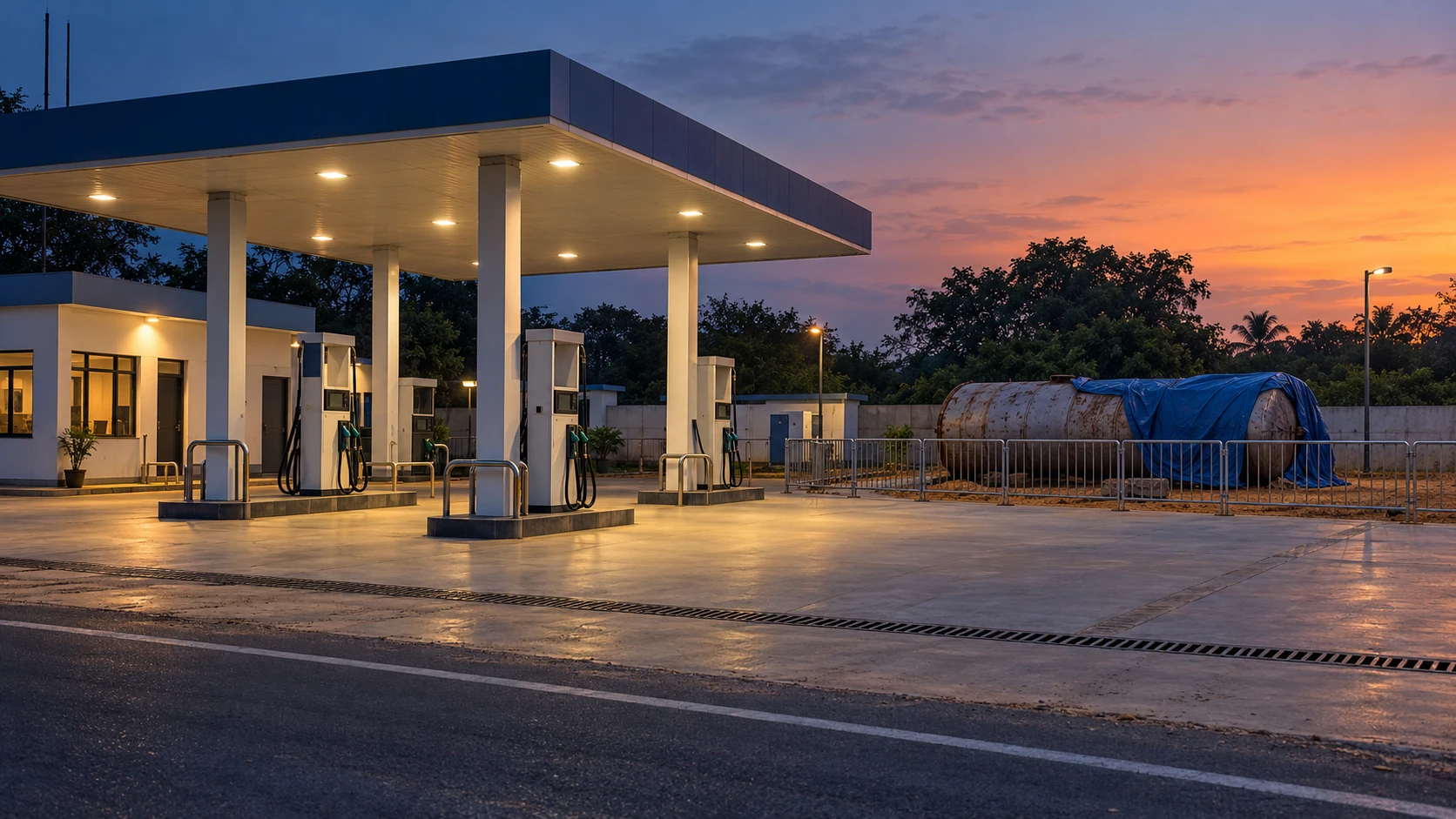
- Petrol pumps (retail outlets). The Petroleum and Natural Gas Regulatory Board’s safety standards for retail outlets, as amended to September 2020, list repair or cleaning of tanks, tank removal and decommissioning, and hot work including welding, grinding and gas cutting among the jobs that need a written work permit. Tank work and hot work need a permit issued by a person authorised by the oil company, not just by the dealer or manager. The regulations also say that a permit-to-work system is to be set up for non-routine jobs.
- What the model permit checks. The permit form in those regulations asks, before it is issued, for the area to be inspected and covered, the equipment isolated and tagged, extinguishers and sand buckets in place, the sources of product or vapour blocked, left-over product removed, the equipment flushed with water, pyrophoric iron removed or kept wet, ventilation and lighting provided, a gas test showing it gas-free, and a standby person.
- Gas freeing by water or nitrogen. For LPG storage vessels the same regulations describe emptying the liquid first and then displacing the gas with water or nitrogen, and checking that the vessel is gas-free with an explosimeter. That text is for LPG vessels. We quote it as the clearest example of the method, not as a rule for petrol tanks.
- Factories. Section 37(4) of the Factories Act, 1948, says no plant, tank or vessel that contains or has contained an explosive or inflammable substance is to be welded, brazed, soldered or cut with heat unless adequate measures have first been taken to remove the substance and its fumes or make them non-explosive and non-inflammable. A petrol pump is not usually a factory, so this does not apply to it by itself. It is useful because it says the principle in plain words.
- OISD. The Oil Industry Safety Directorate lists OISD-STD-105, Work Permit System, among the standards included in the Petroleum Rules, 2002. We saw that listing but could not open the standard’s text, so we do not describe what it requires.
We have not stated PESO licence conditions because we could not open an official PESO page on hot work in tank repair. If you run a pump, ask your oil company and your licensing authority what applies to your outlet.
Why “empty” fools people
- Vapour. Fuel vapour can be heavier than air and can sit low and in corners. It does not smell the same at every point, and a nose gets used to it quickly.
- Residue. A film of petrol or diesel, sludge and scale on the walls can give off vapour again once heat reaches it.
- Heat travels. A flame on the outside of a tank heats the inside. Vapour can ignite from heat conducted through the steel.
- Lids and ends. When a closed tank goes off the pressure has only one way out, and the lid or an end plate is thrown. Standing in line with an opening is the worst place.
A safe routine, step by step
This is our plain summary of how the permit checklist and the usual training videos work together. It is not an official procedure, and the oil company’s own rules come first at a petrol pump.
- Ask first whether hot work is needed at all. Cold cutting, pulling the tank out whole, or removing it by an authorised contractor may avoid it.
- Get the written permit from the person who is meant to issue it, with the name of the contractor, the exact job and the time it is valid for.
- Isolate and empty. Block every line, take out the left-over product and flush the tank, as the permit checklist asks.
- Test the air. A competent person tests for flammable gas with a calibrated meter, in more than one place inside the tank, and writes down the reading. Test again after breaks and if conditions change.
- Keep a standby person with an extinguisher who is not the cutter and who can stop the job.
- Clear the area. Customers, vehicles and other staff move away. Nobody stands in line with a tank opening.
- Stop at once if the reading changes, a smell appears, or the permit time runs out. Hot work does not continue on trust.
- Close the permit when the work is done and the area is checked.
What the Balasore blast shows
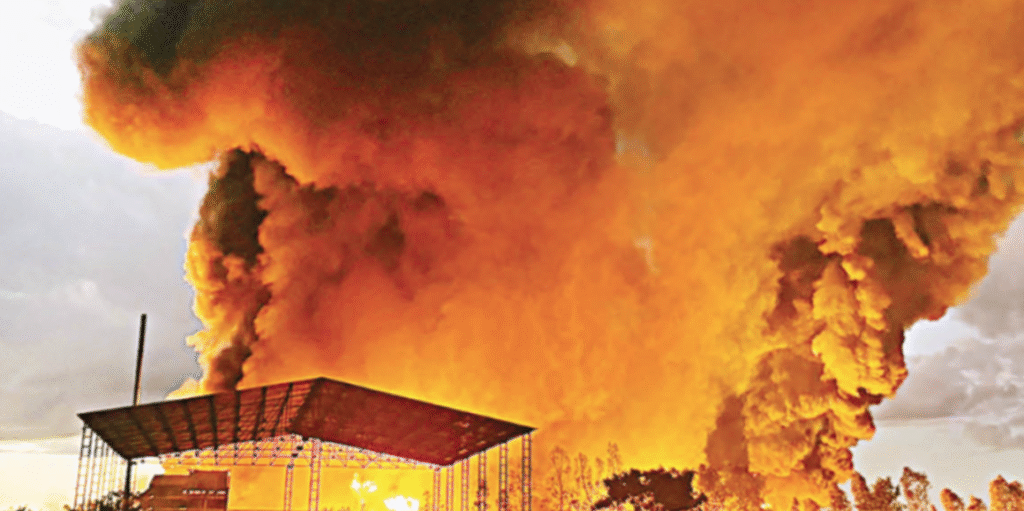
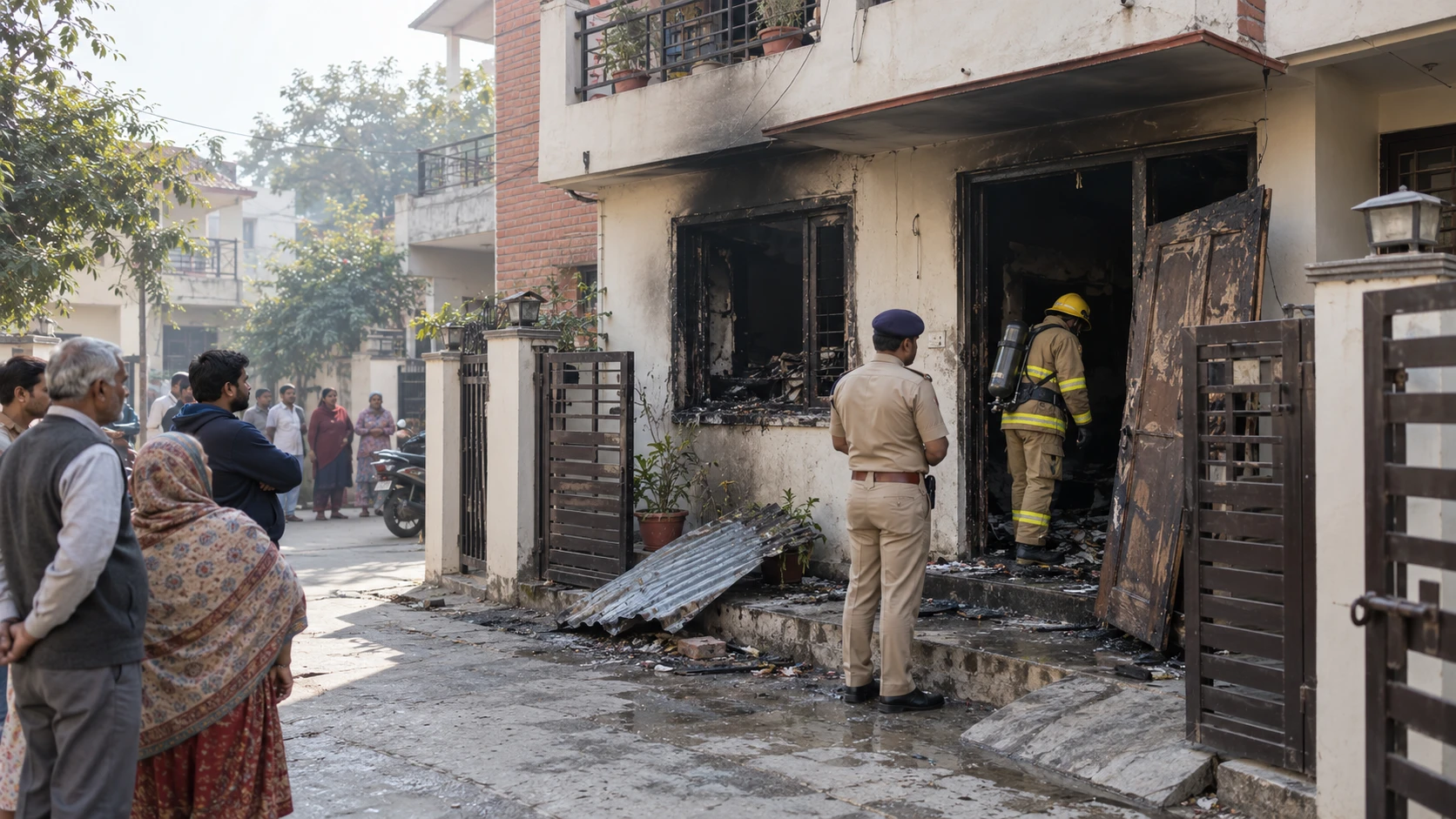
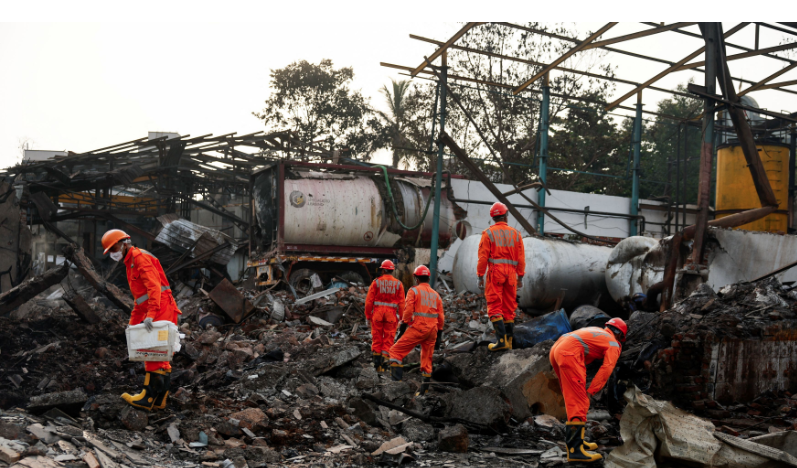
On 28 October 2026 an old fuel tank exploded while workers were cutting it at a petrol pump in Nilagiri, Balasore, Odisha, and one man died. Reports say the tank lid struck him, but they differ on injuries and on the cause, and we do not know yet whether a permit or a gas test was in place. We cannot tell from the reports what went wrong. What the case does show is how quickly a routine tank job can end a life. We have a separate case study on the Balasore blast.
If something goes wrong
- Move everyone back at once and keep others from running toward the blast.
- Call 101 and 112 and give the location on the highway.
- Keep flames, engines and phones away from the area until the fire service says it is safe.
- Cool burns under running water and get the injured to hospital. See our guide to first aid for burns and other emergencies.
If your work involves going inside a tank, read our guide on tanks, sumps and wells and why rescuers die too. For the wider picture of fuel and explosives at worksites, see explosives and fuel at road, mining and construction sites.
What needs attention
- A drained fuel tank still holds vapour and a film of fuel, so it can explode when cut or welded.
- PNGRB's retail outlet standards require a written work permit for tank repair, tank removal and hot work including gas cutting, issued for tank work by a person authorised by the oil company.
- The model permit checklist asks for flushing, removal of left-over product, a gas test showing the tank gas-free and a standby person.
- Section 37(4) of the Factories Act states the principle for factories: remove or neutralise the substance and its fumes before heat-cutting or welding.
- OISD-STD-105 on work permits is named in OISD's own list of standards in the Petroleum Rules, 2002; we did not read its text.
- No official Indian count of hot-work tank explosions at petrol pumps was found.
Controls that reduce risk
- Ask whether hot work is needed at all before anyone picks up a cutter.
- Ask for the written permit and the gas-test reading and look at both.
- Keep customers, vehicles and staff away from the job.
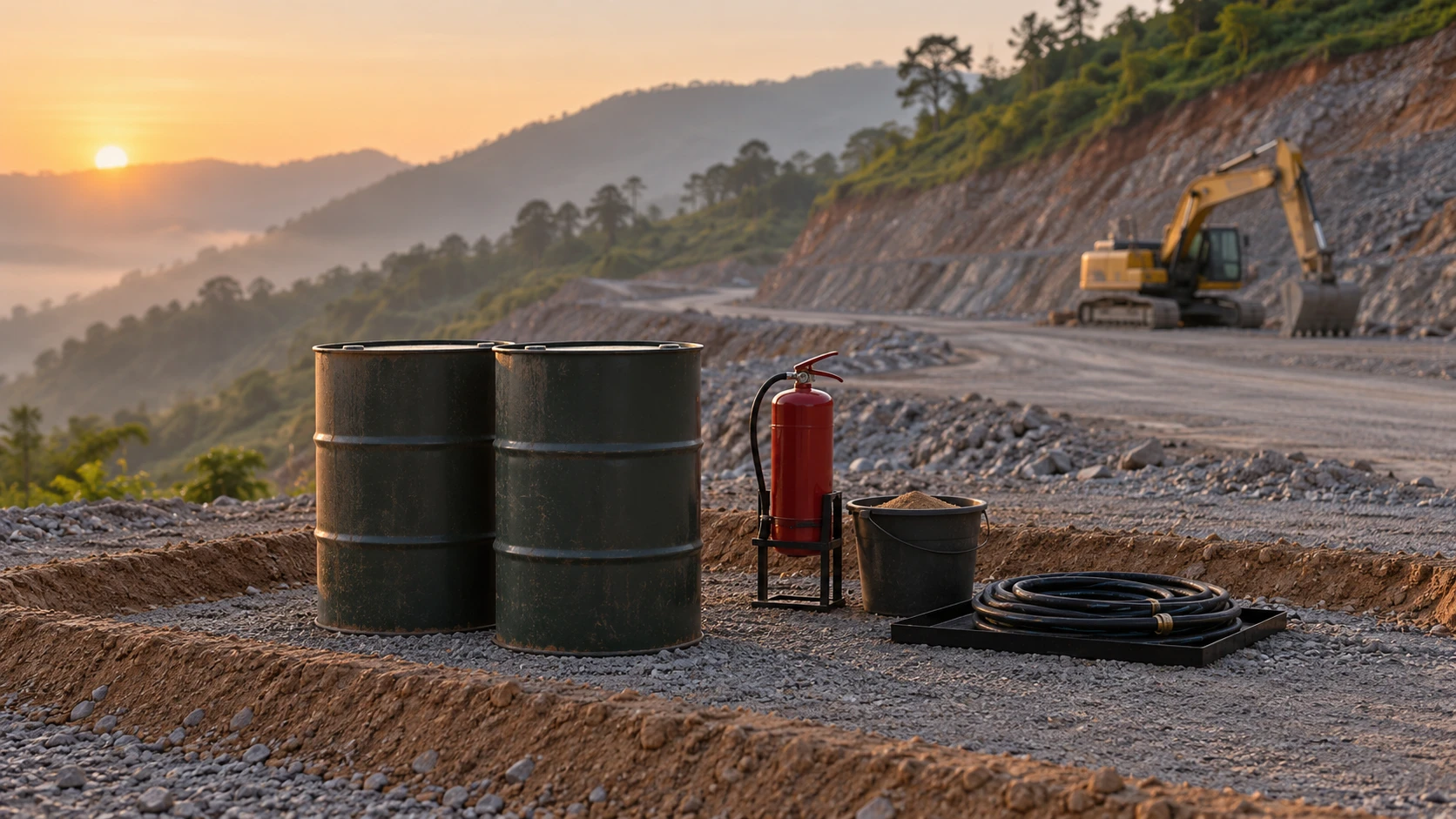
- Put a standby person with an extinguisher on every hot-work job.
- Save 101 and 112 on the manager's phone.
- If you run a pump, ask your oil company's officer to issue the permit for tank work.
Common unsafe practices
- Trusting that a tank is safe because it looks and smells empty.
- Letting the cutter decide on his own that it is safe.
- Cutting without a written permit or a gas test.
- No standby person with an extinguisher who can stop the job.
- Standing or letting others stand in line with a tank opening.
- Carrying on after a break without testing again.
- Hiring a contractor for scrapping or repair without asking to see the permit.




Leave a comment