
What happened here


 1 / 3
A fire broke out at about 3.30 am on 27 October 2026 in a cotton and synthetic thread unit in Shivnagar, near Kishanpura, Panipat. One worker was trapped and burnt to death and another was critically burnt and referred to a higher centre. Stock was destroyed and the loss is not assessed. Cause not confirmed. Updated 28 October 2026: Amar Ujala reports that about 100 workers were on the night shift, that the management could not produce a fire NOC at inspection and that the fire-fighting system was incomplete; the owner blames a short circuit in a machine.
Quick answers
What happened in Panipat on 27 October 2026?
A fire broke out at about 3.30 am in a thread-making unit in the Shivnagar industrial area next to Kishanpura. One worker was burnt to death and another was critically burnt and referred to a higher centre.
What caused the fire?
It is not confirmed. The owner blames a short circuit in a cyclone machine, and fire officials have raised other possible causes without naming them (Amar Ujala, 28 October). Police acted on the family's statement, which called it an accident.
How many fire tenders came?
Two in most reports and "several" in one. Amar Ujala (28 October) says four tenders took about seven hours to bring the fire under control.
What should night-shift workers check?
Where the nearest and second exits are, whether the doors open from inside, and whether extinguishers and alarms work.
What should be done for a burn?
Cool it under clean running water for about twenty minutes, do not apply ointment or ice, and take the person to hospital. Call 108 or 112.
Did the factory have a fire NOC?
Amar Ujala reports that when the district fire officer inspected, the management could not produce a fire NOC, and that the fire-fighting system was found incomplete. We have not seen any notice or action against the management.
What happened
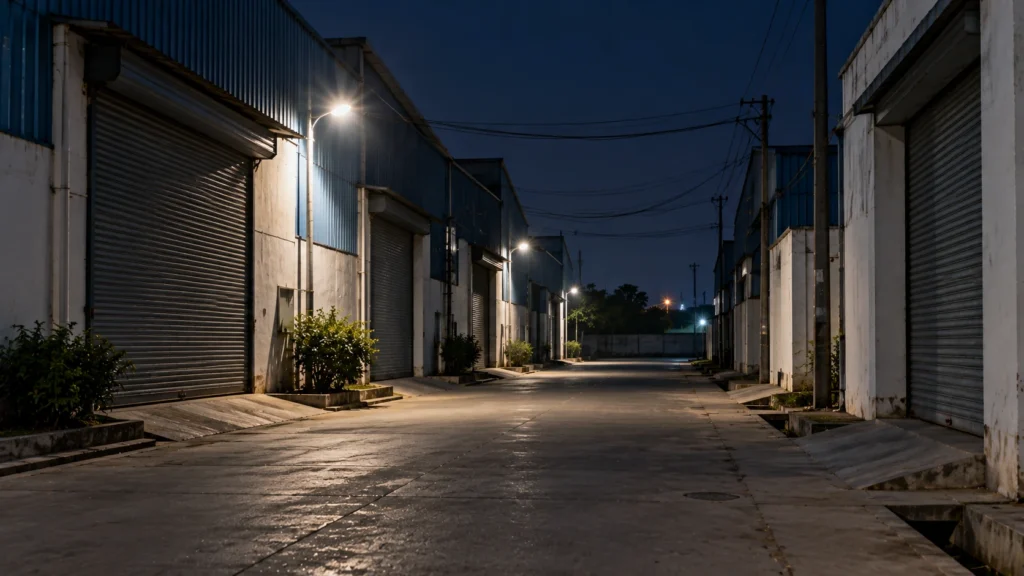
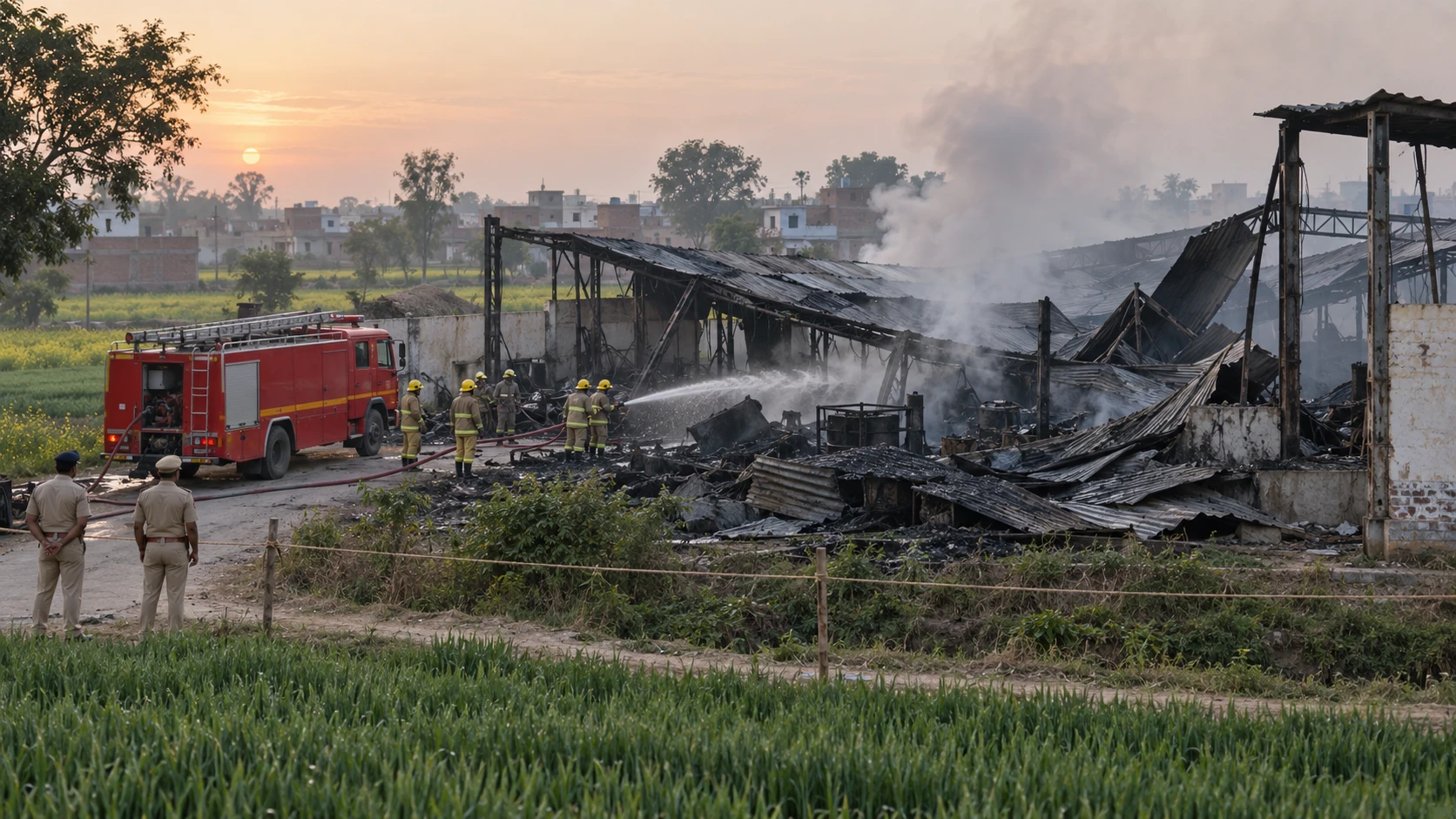
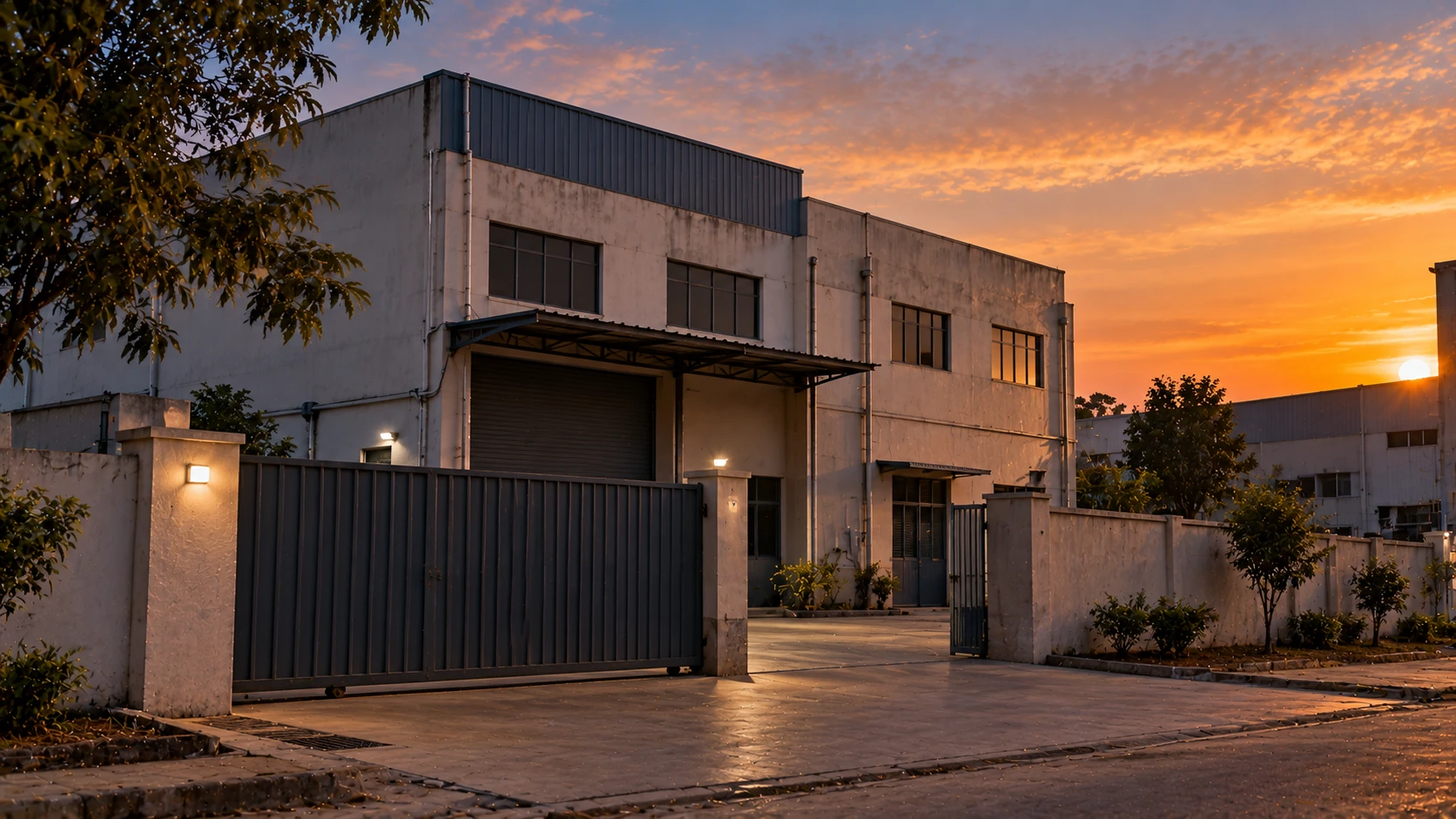
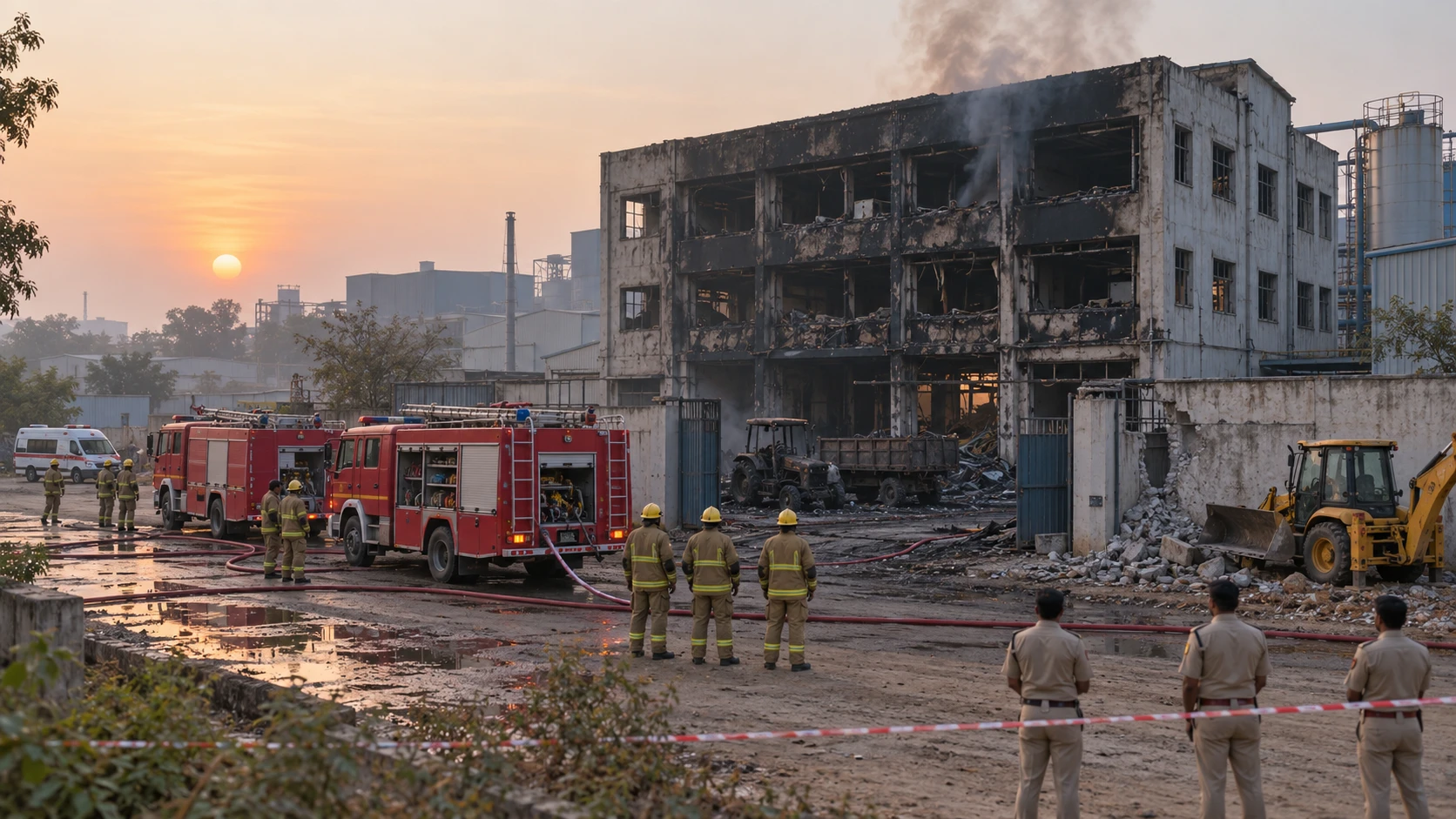
Around 3.30 am on Tuesday, 27 October 2026, fire broke out in a thread-making unit in the Shivnagar industrial area next to Kishanpura in Panipat, Haryana. The unit sits behind the cremation ground and makes yarn and thread from cotton and synthetic fibre. Work was going on inside at that hour. The flames spread quickly and the workers ran for safety. One of them did not get out and was burnt to death at the spot. A second worker was badly burnt, taken to hospital and then referred to a bigger centre because of his condition. Updated 28 October 2026: Amar Ujala reports that about 100 workers were on the night shift, that the unit’s management could not produce a fire NOC when the district fire officer inspected, and that the fire-fighting system was found incomplete. The owner puts the fire down to a short circuit in a cyclone machine; fire officials have raised other possible causes at first look, and nothing is confirmed. Witnesses quoted by the paper say smoke was first seen coming from the waste-packaging room, about half an hour after a worker had gone there to rest, and that once the fire was out the workers searched and found his body there. The second injured worker is in a private hospital in a serious condition. Police have acted on the family’s statement, which described the incident as an accident; the report does not mention an FIR against anyone.
Two fire tenders and the police were first reported at the site (Amar Ujala later counts four tenders), and the firefighters brought the blaze under control after a hard fight. One report says it took about seven hours to put out fully, and another says the fire was kept from reaching the neighbouring buildings. The police sent the body for post-mortem. Stock was destroyed, but nobody has put a figure on the loss yet.
What the authorities are checking
The district fire officer asked the management for the unit’s fire NOC, the no-objection certificate that fire departments issue to premises that meet the fire rules. Amar Ujala reports on 28 October that the management could not produce one, and that the factory’s fire-fighting system was found incomplete. That raises questions about how the unit was running, but it says nothing yet about how this fire started, and we have seen no notice, sealing or case against the management. The police acted on the family’s statement, which called the incident an accident. The owner says a short circuit in a cyclone machine started the fire, and fire officials have raised other possible causes without naming them. The reports we read do not blame anyone.
What NBC 2026 asks for a building like this
The national standard sorts a factory as low, moderate or high hazard by what it makes and stores, and, as we read the printed list, textile mills are in the moderate class, where sprinklers are asked for above 3,001 sq m. The standard also asks for doors that open from inside without a key. Amar Ujala reports that the unit could not show a fire NOC and that its fire-fighting system was found incomplete. Reports do not say what the exits were like, how large the unit is or whether sprinklers were fitted. We cannot say whether any of this would have changed what happened. NBC 2026 is voluntary until a state adopts it, and the building may have been approved under earlier rules. The fire officer decides for a real building. Our chapters on factory and godown fire protection and on factory exits and fire walls explain the rules.
Why a yarn unit burns this way
Cotton fibre, polyester yarn, packing sacks and cardboard are all easy fuel. Fine lint settles on machines, beams and ceilings and carries a flame from one spot to the next, so a small flare can become a hall-wide fire in a few minutes. In the small hours there are usually fewer people on the floor, so a fire can be noticed later, and a worker deep inside a shed may be the farthest from the door. For more on how such fires start and spread, see our guide on boiler explosions and factory fires in India and our basics on workplace fire safety.
Haryana has seen workers die in factory fires before. Our Sonipat foam factory fire case study is one example. In Jaipur, two workers died of suffocation at a jewellery unit, covered in our Sitapura factory fire report.
If you work in or near Panipat’s thread and yarn units, keep our Panipat fire and emergency safety guide handy.
What is still not known
The cause of the fire is not known. The reports differ on the start time (about 3.00, 3.30 or 3.40 am), on the number of fire tenders (two in most reports, “several” in one, four in Amar Ujala) and on how long the firefighting went on. The cause is not confirmed. The state of the injured worker is described as serious and no later update was found. We have seen no action on the missing fire NOC, and the loss figure has not been announced.
What you can do tonight
If you work a night shift in a mill, spinning unit or any factory with fibre and packing stock, walk from your own working spot to the nearest exit before the shift gets busy. Check that the door opens from inside without a key, that nothing is stacked in front of it, and that you know a second way out. Then tell your supervisor about anything that blocks the way. It takes five minutes, and on a night like this those minutes count. Avoid resting in a waste or packing room during a shift; such rooms hold easy fuel and are among the last to be checked. Owners can do the same walk and ask for the extinguishers and alarm to be tested. For the extinguisher side of it, our fire extinguisher basics and fire NOC guide are a good start. If someone is burnt, cool the burn under clean running water for about twenty minutes and call 108, as set out in our first aid guide. For fire, call 112 or 101.
- Fire breaks out in the thread unit while work is on; workers run out
- One worker trapped and burnt to death; another badly burnt
- Two fire tenders and police arrive; injured worker taken to hospital and referred
- Fire brought under control; body sent for post-mortem
- Fire department asks management for the fire NOC; police begin inquiry
- Amar Ujala: about 100 workers on the night shift; four tenders took about seven hours; the management could not produce a fire NOC and the fire-fighting system was incomplete; the owner blames a short circuit in a cyclone machine and fire officials raise other possible causes; police act on the family's statement, which called it an accident
Why consequences escalated
- A night-time fire in a fibre and yarn unit killed one worker and critically burnt another.
- The cause is not confirmed. The owner blames a short circuit in a cyclone machine, and fire officials have raised other possible causes.
- Amar Ujala reports that the management could not produce a fire NOC at the inspection and that the fire-fighting system was found incomplete.
- Police acted on the family's statement, which called the incident an accident; no FIR against anyone is reported.
- No loss figure has been given.
Failures and risk multipliers
- No lapse in causing the fire has been established. Amar Ujala reports that no fire NOC could be produced and that the fire-fighting system was incomplete; that is an inspection finding as reported, not a finding about how the fire started, and we have seen no notice or case against the management.
- Reports do not say how many exits the unit had, or whether a fire alarm or extinguishers worked.
- One worker could not get out of the burning unit in time.
Actions that reduce risk
- Walk from your working spot to the nearest exit and note a second way out.
- Keep exit doors openable from inside and keep stock away from them.
- Test fire alarms and extinguishers in every unit, and train night-shift staff to use them.
- For fire call 112 or 101; for a burn, cool it under running water for about twenty minutes and call 108.
- Owners: keep a valid fire NOC and keep lint, fibre and packing stock cleared from machines and walkways.
- Do not rest or sleep in a waste or packing room during a shift; such rooms hold easy fuel and are among the last to be checked.
- Owners: a fire NOC on paper is not enough; keep the fire-fighting system complete and tested.






Leave a comment