

Quick answers
Can a short circuit cause a fire?
Yes. In a short circuit, current finds an unplanned, easy path and the wire or joint heats up sharply and can spark. If that heat or spark reaches something that burns, such as curtains, plastic, dust or wiring insulation, a fire can start. NCRB recorded 1,012 deaths from electrical short circuit fires in India in 2024.
What is the difference between a short circuit and an overload?
A short circuit is a fault where current takes a very easy path, for example live touching neutral, so the current spikes at once. An overload is too many appliances, or a thin wire, so the wire runs hot over a longer time. An MCB is meant to trip for both, but not for a loose connection that arcs at normal current.
What are the signs of a short circuit in a house?
A burning or hot-plastic smell near a socket or board, a warm or browned socket, black marks around the pins, flickering lights, a buzzing sound and a breaker that trips again and again. Stop using that point and call a licensed electrician the same day.
Will my MCB always trip before a fire starts?
No. An MCB is designed for overload and short circuit, but a loose or corroded connection can arc at normal current and never trip it. NEMA says conventional overcurrent devices do not detect low-level arcing currents. Fit an MCB and an RCCB, and act on the warning signs as well.
What should I do first if a socket or switchboard catches fire?
Get everyone out. If the main switch is easy to reach and you are not standing in water, switch off the supply. Do not use water. Call 112 or 101 from a safe place with the address and a landmark. Only a very small fire should be tackled, with a CO2 or dry powder extinguisher suited to electrical equipment.
Can I use water on an electrical fire?
Not while the wiring or appliance may be live. Water can carry current back to you. Cut the supply if it is safe, and use a CO2 or dry powder extinguisher on a very small fire.
How do I prevent fire due to short circuit at home?
Use ISI-marked wires, plugs and extension boards, fit an MCB and an RCCB, do not plug one board into another or overload sockets, give heavy appliances their own line, keep rats out of ducts, clear the area around the meter box, and have an older installation checked by a licensed electrician.
Is a short circuit the most common cause of fire in India?
In NCRB's table of accidental fire deaths, short circuit is one of the largest named causes, about one in six in 2024, but most accidental fire deaths are recorded under other causes. The category depends on what police record, so the true share is uncertain.
Yes, it can, and in India it happens often enough that a short circuit is the first guess at almost every shop or godown fire. But the phrase hides more than it explains. A short circuit is only one way a wire turns into a fire, and it is not always the way. This page explains what happens inside the wire, how a short circuit differs from an overload and a loose connection, what the signs look like before the smoke, and what to do in the first minute if a switchboard or socket starts to burn.
In short
- A short circuit can start a fire. Current takes an unplanned, very easy path, the wire or joint heats up sharply and sparks, and anything that burns nearby can catch.
- Overload and loose connections also cause electrical fires, and they may never trip your MCB. A breaker is a safeguard, not a guarantee.
- A burning smell, a warm or browned socket, flickering lights and a breaker that keeps tripping are warnings. Stop using that point and call an electrician the same day.
- If it is already burning, get people out first, cut the supply only if you can do it safely, and never throw water on live wiring. Call 112 or 101.
What a short circuit actually is
Electricity in a house is meant to travel along a planned loop. It goes out through the live wire, through the appliance, and comes back through the neutral. The appliance holds the current back, the way a narrow tap limits the flow of water. In a short circuit the live wire touches the neutral, the earth or another live wire, usually because insulation has worn, cracked, been chewed by a rat or been crushed behind a heavy almirah. Now there is almost nothing in the way. A large current rushes through the damaged spot and the heat rises very fast. Khan Academy India’s physics video on overload and short circuit in domestic circuits draws this out simply, and it is worth nine minutes if you want to see it.
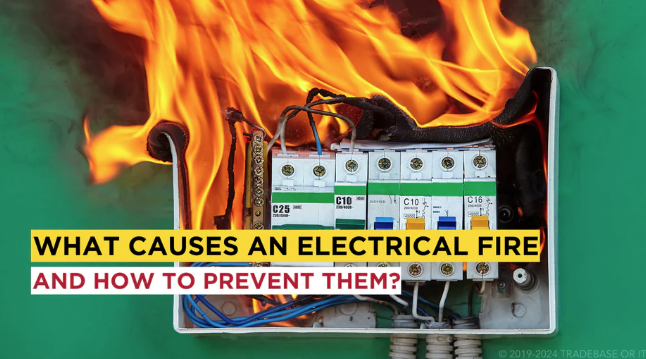
The heat shows up as sparks, a hot patch on the wire, or an arc, which is a tiny lightning bolt jumping across a gap. The National Electrical Manufacturers Association, a US trade body, says in a technical paper on arc faults that the temperature of such an arc can exceed 10,000 degrees Fahrenheit, which is more than 5,500 degrees Celsius, and that burning particles can in time set fire to wood framing or insulation near the wiring. It also says repeated arcing can leave carbon paths that keep the arcing going at even higher temperatures. That is how a fire can begin inside a wall or a ceiling void, where nobody sees it, and smoulder for a while before it shows.
Short circuit, overload and loose connection are not the same
- Short circuit. A fault path. The current is far above normal for a moment, and the MCB is supposed to trip almost at once. The fire risk is the spark and the heat at the damaged spot.
- Overload. Too many appliances on one line, or a thin wire carrying an AC, geyser or induction cooktop that it was never meant for. Nothing is damaged at first, but the wire runs hot for hours. A good MCB trips after a while. A poor one, or an extension board with no breaker at all, does not.
- Loose or corroded connection. A plug, switch terminal or joint that grips badly gets hot and arcs, because the current has to squeeze through a poor contact. The current can stay perfectly normal, so nothing trips. This is the sneaky one.
The NEMA paper makes the last point in its own words. It says conventional overcurrent protective devices do not detect the low-level arcing currents that can start an electrical fire. In plain terms, a working MCB protects you from a great deal, but a socket that has been browning for months can still catch fire without ever tripping it. The MCB protects the wiring from overload and short circuit, and an RCCB protects you from shock. You need both, and neither replaces a good eye on the switchboard. Our guide to electrical safety at home, listed under related reading, explains the MCB and RCCB difference in more detail.
How big is the problem in India
The National Crime Records Bureau counted 1,042 accidental fires from electrical short circuits in 2024, with 1,012 deaths. A year earlier it counted 1,780 such fires and 1,673 deaths. In 2024 that was about one in six of all accidental fire cases and deaths recorded. Two cautions. These are police-recorded causes, and many fires are filed under other or unknown causes, so the true share could be higher or lower. And the drop from 2023 to 2024 is large enough that we would not take it as proof that wiring suddenly got safer. NCRB’s table does not explain it and we have not tried to.
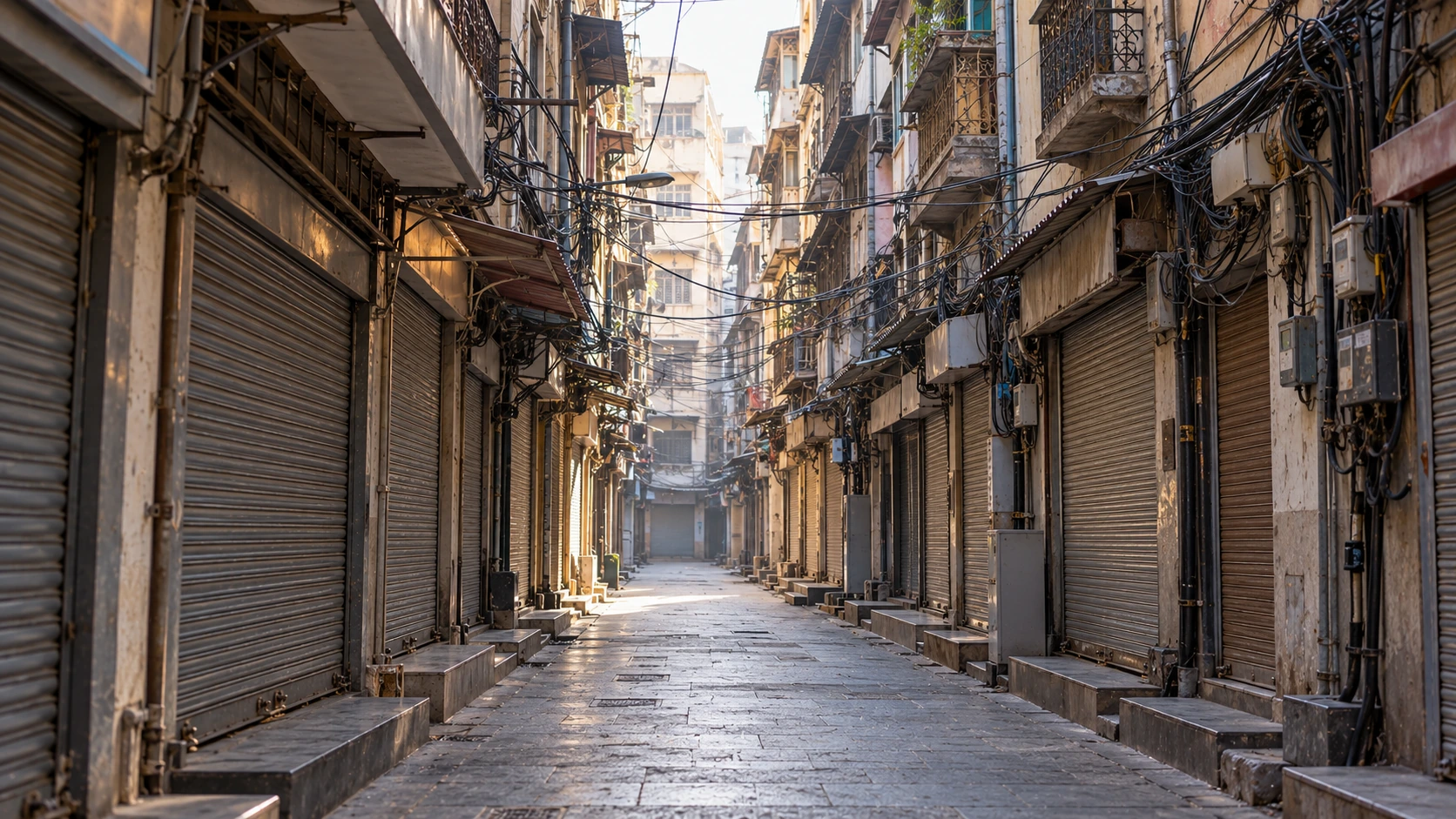
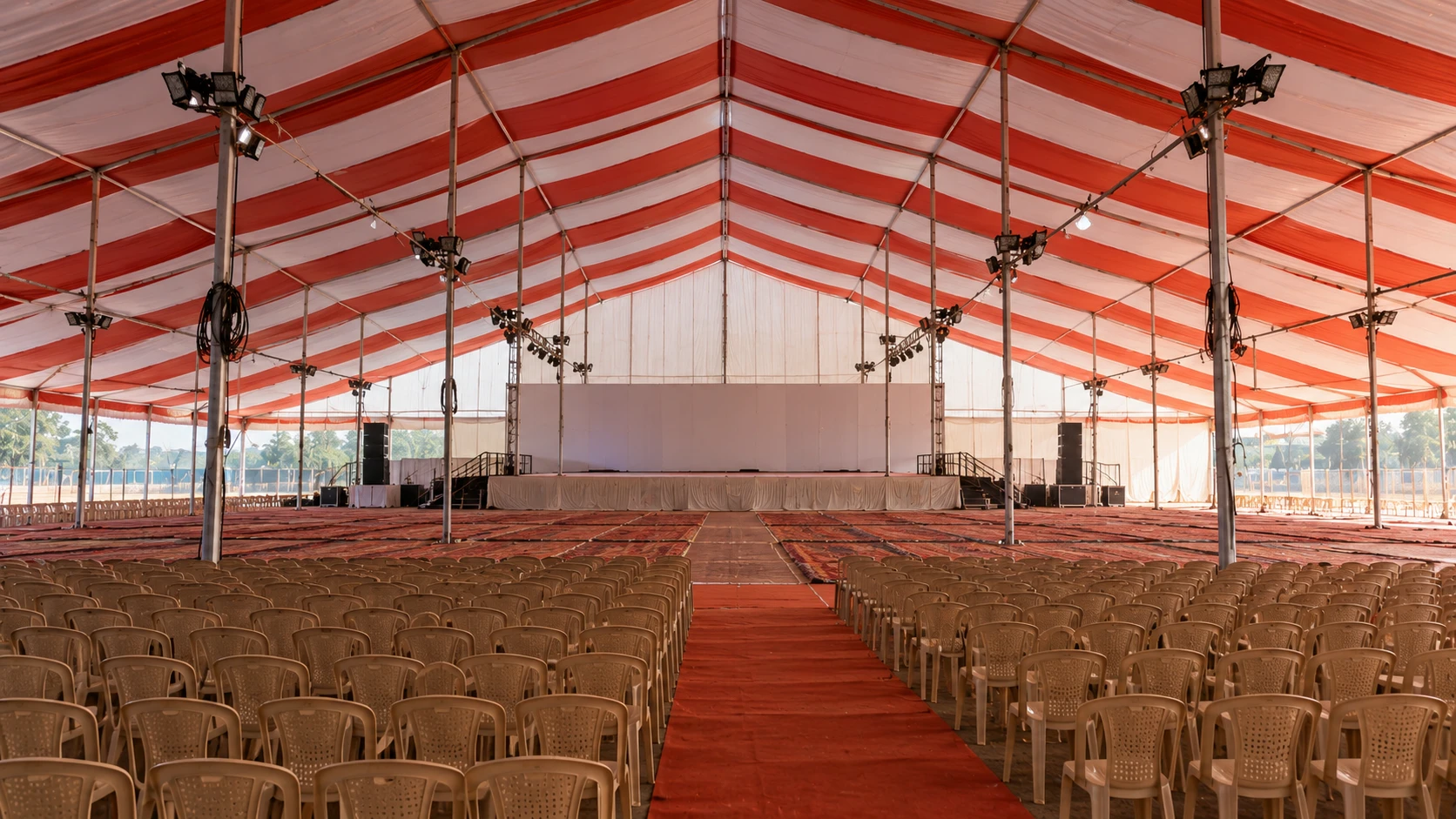
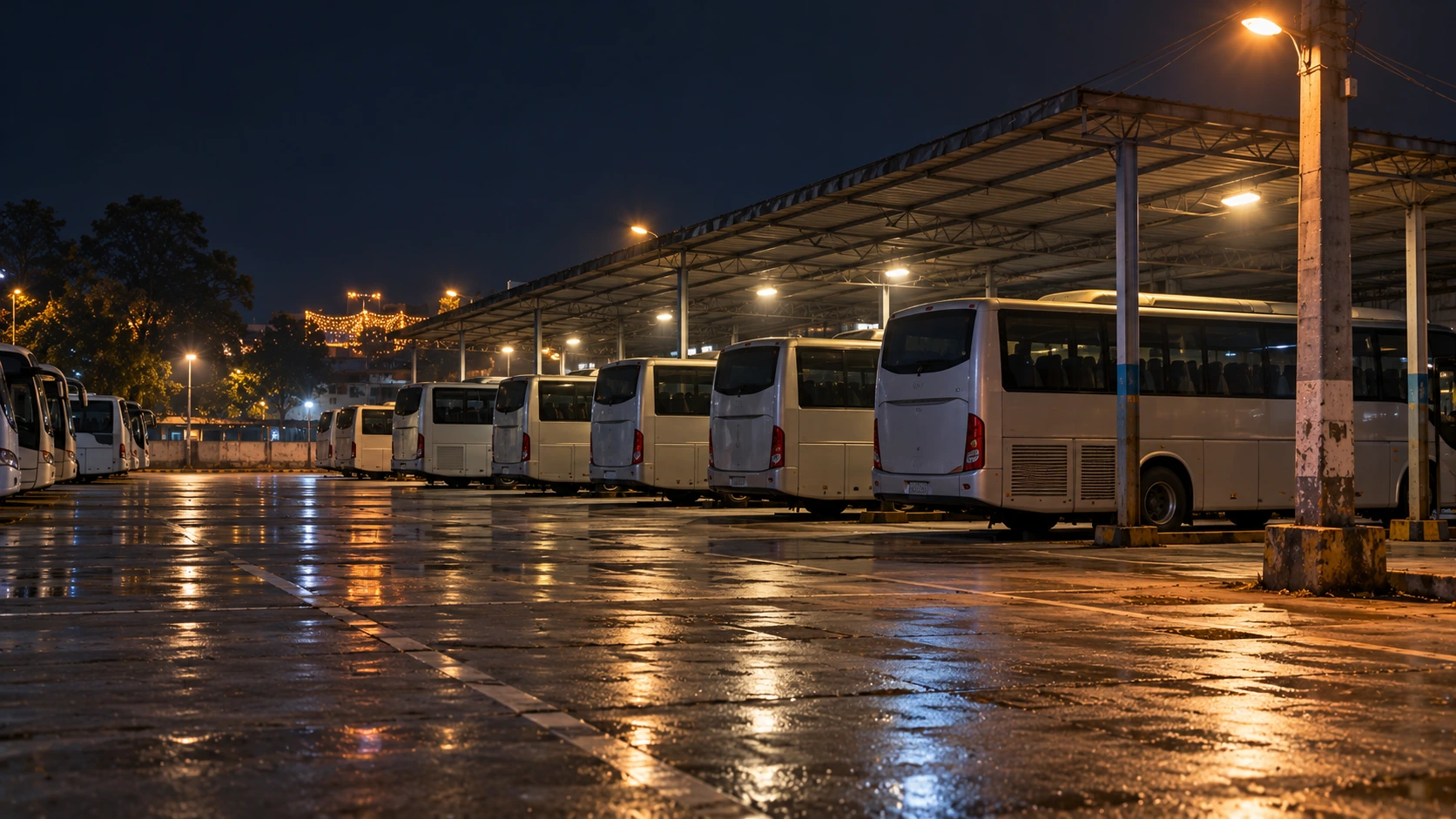
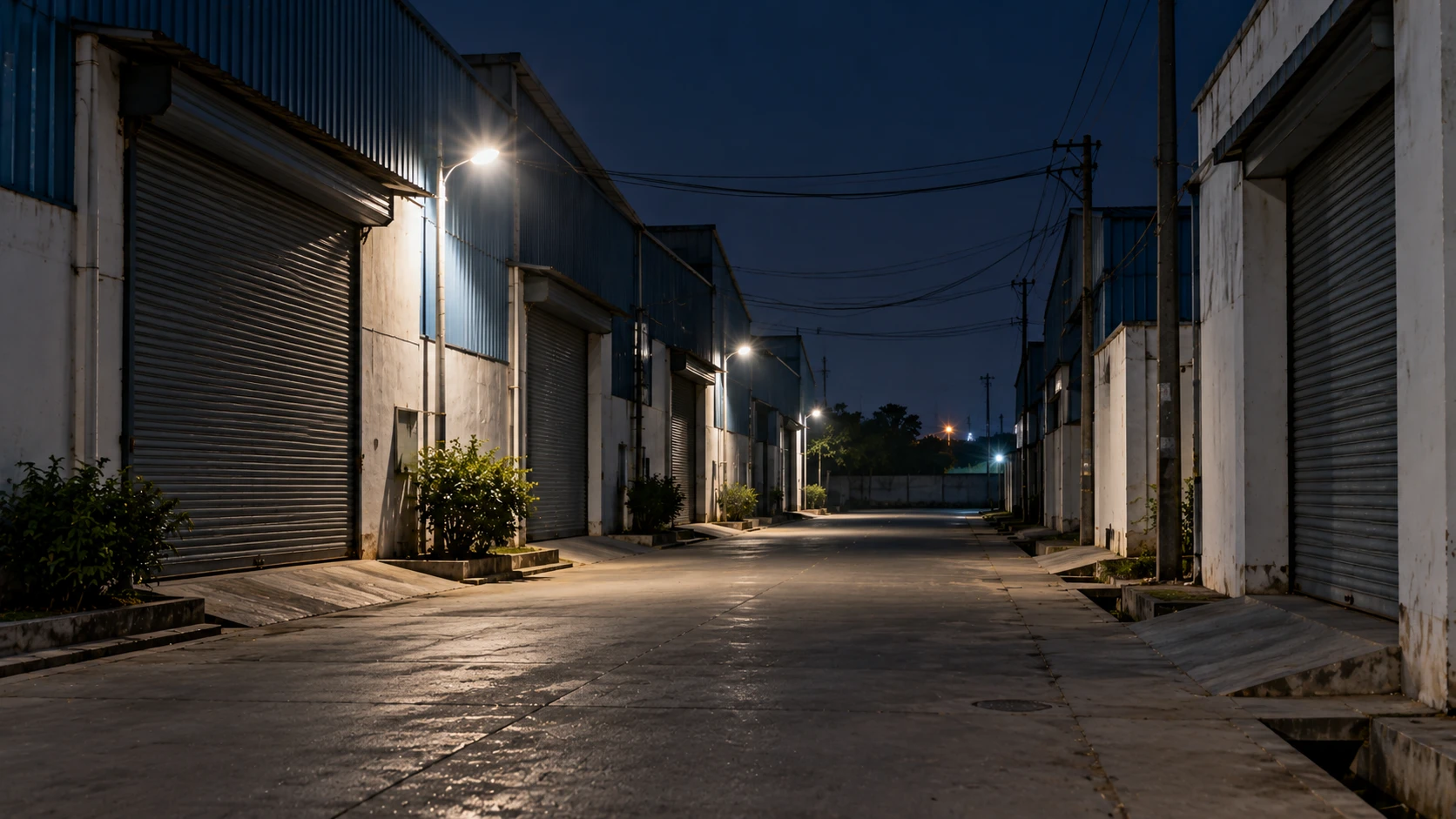
Recent fires on this site where a short circuit was suspected include the Bhuleshwar jewellery building fire in Mumbai, the Lucknow electric two-wheeler showroom fire, the Karera Ram Katha pandal fire in Shivpuri, the Jammu Shiv Market fire and the Midnapore bus stand fire. In each of these the official cause had not been established when we wrote the case, so read them as what was suspected, not as proof.
Warning signs before the smoke
- A burning, hot-plastic or fishy smell near a socket, switchboard, plug or meter box.
- A socket, plug or board that is warm to the touch, discoloured or has black marks around the pin holes.
- The MCB tripping again and again, or a fuse blowing, on the same line.
- Lights that flicker or dim when a heavy appliance starts, and any buzzing or crackling sound.
- Visible sparks when you plug in, and cables with cracked or flaky insulation.
If you see any of these, switch off that point, unplug what you can, stop using it, and get a licensed electrician to look at it the same day. Do not wrap it in tape and carry on.
The first minute if it is burning
- Warn everyone and get them out. People first, belongings never. Close the door behind you if you can.
- Cut the supply only if it is safe to do so. If the main switch is near the exit and you are not standing in water, switch it off. Do not walk through smoke or past flames to reach it.
- Never use water on live wiring or on an appliance that is plugged in. Water can carry the current back to you.
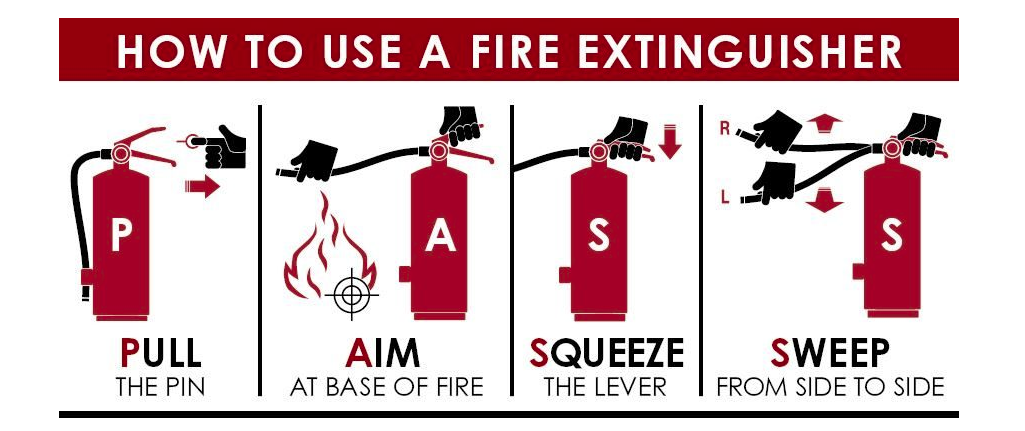
- A very small fire at a socket or an appliance can be tackled with a CO2 or dry powder extinguisher marked as suitable for electrical equipment, if you have been shown how and the way out is behind you. If it spreads or the smoke thickens, leave. Our guide to using a fire extinguisher covers the PASS method.
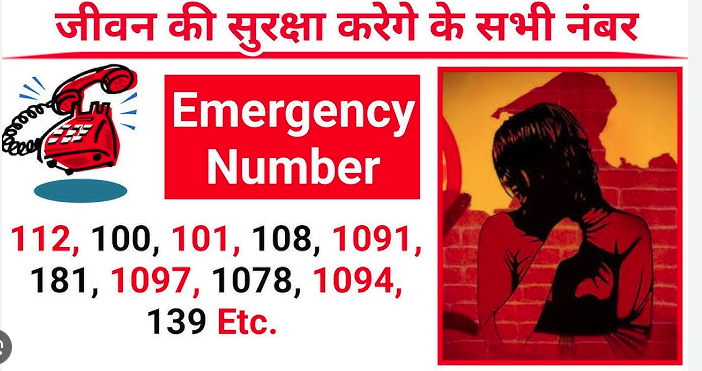
- Call 112 or 101 from a safe place. Give the full address, a landmark, what is burning and whether anyone is inside. Our guide to calling 112, 101 or 108 and the emergency numbers guide give the wording and the list.
- Do not go back in, and do not switch the supply on again until an electrician has checked the circuit.
A fire inside a wall, a ceiling or a meter box is not one for a house extinguisher. Leave, call, and let the fire brigade handle it. After any fire, the electrician’s check is not optional, because wiring that has arced once may do it again.
Cutting the risk at home and in the shop
- Fit an MCB and an RCCB in the main board, press the RCCB test button now and then, and have the earthing checked.
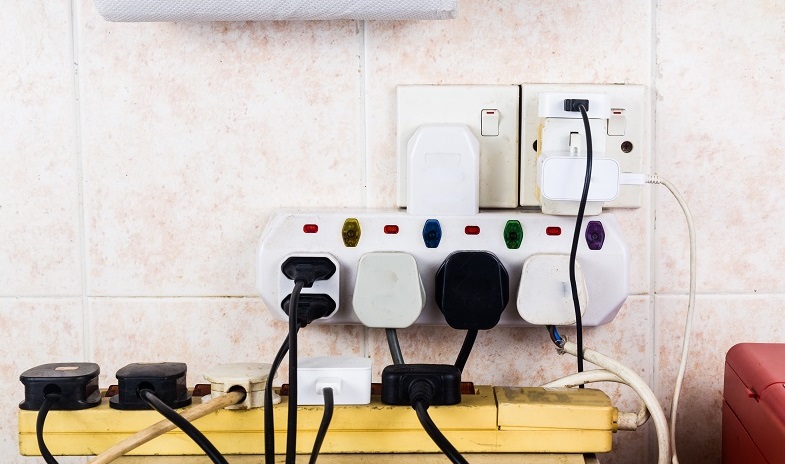
- Use ISI-marked wires, switches, plugs and extension boards, and do not plug one extension board into another.
- Match the wire to the load. An AC, geyser, induction cooktop or heater needs its own properly rated line and socket, not a shared multi-plug.
- Look at the board you never look at. Keep curtains, cartons, newspapers and cloth well away from the meter box, the distribution board and the sockets. The home fire safety checklist covers the rest of the house, and a society can keep a log of faults the way our repair handover log suggests.
- Get the wiring checked by a licensed electrician when you move into an older place, before you add a heavy appliance, and every year or two as our own suggestion. Tighten loose terminals and replace cracked plugs and cords.
- Be extra careful in the hot months. Delhi’s power companies warned in May 2026 that overloaded circuits, old wiring and unserviced air conditioners were behind recent fires, and asked people not to overload sockets.
- Keep rats out of ducts and false ceilings. Chewed insulation is a common start for a short circuit.
What we could not confirm
- The official cause of the five fires listed above. In each, a short circuit was reported as suspected.
- Why NCRB’s short-circuit deaths fell from 1,673 in 2023 to 1,012 in 2024. The table does not say.
- What share of home electrical fires in India are shorts, overloads or loose connections. We did not find an Indian study that splits them.
- We found no public Instagram, Facebook or LinkedIn video we could open and match to this topic, so the videos below are from YouTube.
Do this today
Put your hand on the extension board behind the TV or the fridge. If it is warm, unplug something and ask an electrician to look at it. Then check that everyone at home knows where the main switch is. Checked 28 October 2026.
What needs attention
- NCRB recorded 1,042 electrical short circuit fires and 1,012 deaths in 2024, against 1,780 fires and 1,673 deaths in 2023; the cause is as recorded by police and is not independently verified.
- In 2024 short circuits accounted for about one in six accidental fire cases and deaths (1,042 of 5,971 cases; 1,012 of 5,888 deaths).
- A short circuit, an overload and a loose connection heat wiring in different ways, and an MCB may not trip for the last one.
- NEMA's technical paper says arcing can ignite nearby wood framing or insulation and that conventional overcurrent protection does not detect low-level arcing.
- Delhi's power companies advised in May 2026 against overloaded circuits and ageing wiring and asked for regular wiring and air conditioner checks.
Controls that reduce risk
- Feel the extension board behind the TV or fridge. If it is warm, unplug something and call an electrician.
- Fit an MCB and an RCCB in the main board, test the RCCB, and have the earthing checked.
- Use ISI-marked wires, switches, plugs and boards, and give heavy appliances their own line.
- Keep the area around the meter box and distribution board clear.
- Save 112 and 101 on every phone and teach children to say the address.
- Get old wiring checked by a licensed electrician before adding a heavy appliance.
Common unsafe practices
- Taping over a cracked wire or a warm plug and carrying on.
- Plugging one extension board into another, or running an AC, geyser or heater from a shared multi-plug.
- Assuming a working MCB means a socket cannot cause a fire.
- Throwing water on burning wiring or a plugged-in appliance.
- Going back in for belongings, or switching the supply on again before an electrician has checked it.
- Storing cartons, cloth or paper against the meter box and the distribution board.



Leave a comment