
Quick answers
How can I check my LPG pipe for leaks at home?
Check the hose and regulator regularly for cracks and look at the expiry date printed on the hose. Never use a flame to check for a leak. If you smell gas, turn off the regulator, open the windows, do not touch electrical switches, and call 1906 or your distributor.
What simple DIY safety checks should I do at home?
Check plugs and wires and replace any that are warm or cracked, test the smoke alarm, keep the first-aid kit easy to reach, fix loose tiles and rugs, and label chemical bottles clearly.
What safety tools should every home have?
An ABC fire extinguisher, a torch with spare batteries, an emergency contact chart, a first-aid kit and a whistle. Know where the main switch and MCB are, and leave wiring repairs to a licensed electrician.
When should I switch off the main power at home?
Switch off the main power if you see sparks or smoke from wiring, or if water is entering the house during a flood, provided you can reach the switch safely.
The National Crime Records Bureau (NCRB) recorded 5,888 deaths in fire accidents in India in 2024, and 60.4% of them (3,555) happened in homes and other residential buildings. Many home fires, shocks and falls start with hazards that a simple, regular check can catch.
(Source: NCRB, Accidental Deaths & Suicides in India 2024.)
When something goes wrong at home, the fire brigade or the ambulance is at least a few minutes away. What happens in those first minutes depends on you. And most of the time, you can stop it from happening at all. A cracked wire, a loose tile or an unlabelled bottle of acid under the sink is usually spotted by the person who lives there, if they look.
Accidental deaths linked to everyday hazards (NCRB, 2024)
| Cause | Deaths in India, 2024 | Simple check that helps |
|---|---|---|
| Fire accidents | 5,888 (3,555 in residential buildings) | Wiring, LPG and stove checks; a working smoke alarm |
| Electrocution | 15,861 | Earthing, MCB and RCCB, dry hands; a licensed electrician for repairs |
| Falls (all types) | 26,437 | Anti-slip mats, good lighting, clutter-free floors and stairs |
(Source: NCRB, Accidental Deaths & Suicides in India 2024, Chapter 1 and Table 1.10. Electrocution and fall figures cover all places, not only homes. NCRB does not publish a “% due to negligence” figure, so none is shown.)
Most of these deaths happen one at a time, in ordinary homes and streets. A few minutes of safety checks every month will not stop every accident, but they remove many of the common triggers.
The DIY safety habit
You do not need a uniform or special equipment. You need to notice things, fix the small ones quickly and call a professional for the rest. Ten minutes a week is enough to start.
Ten safety tips that save lives
- Check plugs and wires. If they are warm, cracked or scorched, stop using them and get them replaced.
- Look at the LPG hose and regulator. Check for cracks and the expiry date printed on the hose. If you smell gas, do not light anything; turn off the regulator and call 1906 or your distributor.
- Test the smoke alarm. One press of the test button every month.
- Keep the first-aid kit where everyone can find it, not buried in a drawer.
- Put emergency numbers on the fridge or near the phone: 112, 101, 108 and family contacts.
- Practise a two-minute family evacuation drill, especially with children.
- Keep heavy things on low shelves, so they do not fall during a tremor or when someone pulls at them.
- Fix loose tiles, rugs and broken steps before an elderly person trips on them.
- Label chemical bottles clearly and never store acid or kerosene in old water or cold drink bottles.
- Switch off the main power if you see sparks, or if water is entering the house during a flood.
Three simple rules
- Notice: look for hazards before they grow.
- Fix: do not put off small repairs. They are cheap now and costly later.
- Teach: show children, elders and domestic help what to do, and remind them often.
Monthly home safety checklist
| Area | What to check | What to do |
|---|---|---|
| Kitchen | LPG hose, regulator, stove, ventilation | Replace a cracked or expired hose; keep the window open while cooking |
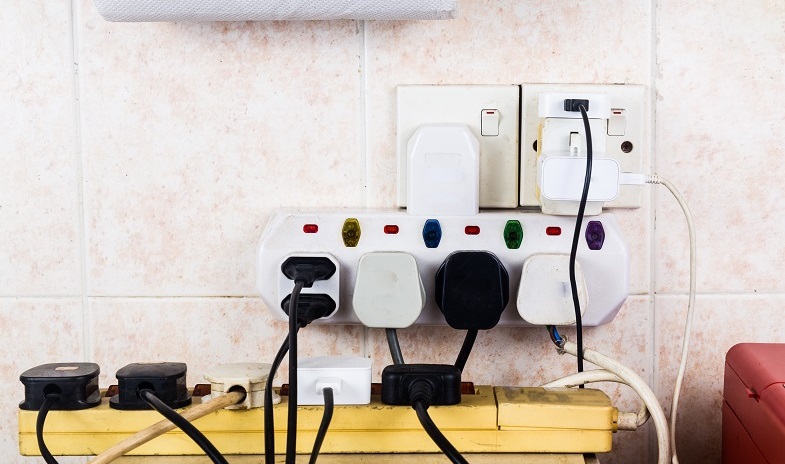
| Bedroom | Wiring, extension cords, chargers | Do not plug one extension board into another |
| Bathroom | Slippery tiles, geyser wiring | Use an anti-slip mat; get a leaking or sparking geyser checked |
| Balcony | Railings, child access | Fit a safety grill; keep chairs away from the railing |
| Storage | Papers, cloth, kerosene, paint | Keep dry and away from heat and wiring |
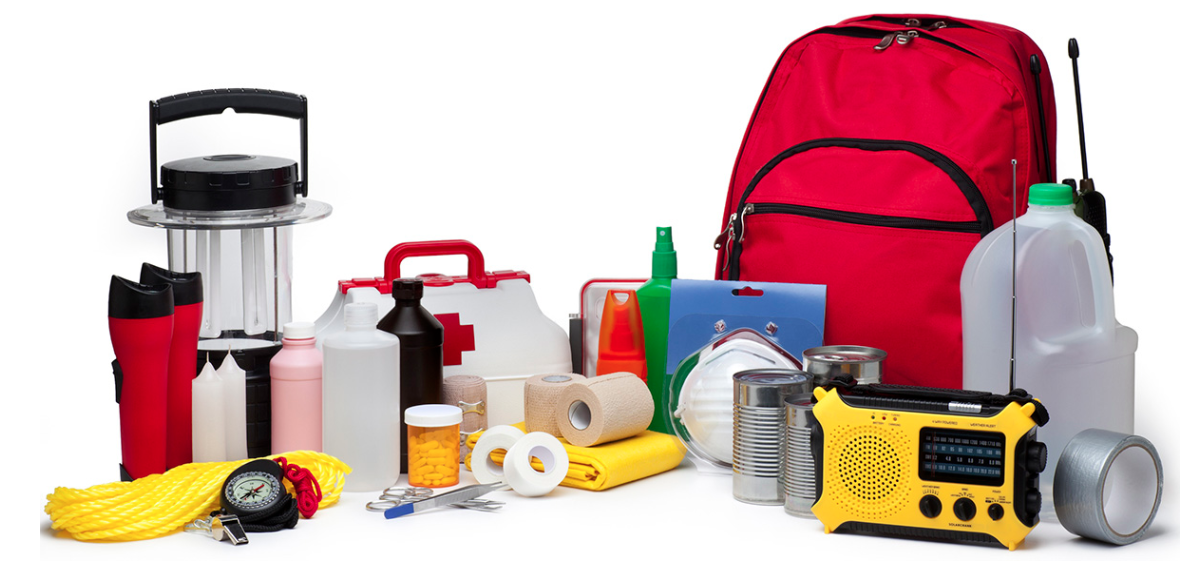
What every home should have
- An ABC type fire extinguisher, and someone at home who knows how to use it
- A torch with spare batteries
- An emergency contact chart
- A first-aid kit. For burns, remember this. Cool the burn under cool, clean running water for 20 minutes. Even 10 minutes helps if that’s all you can manage. No ice, toothpaste, oil or butter. No cream either.
- A whistle to raise the alarm
- Knowledge of where the main switch and MCB are. Leave wiring repairs to a licensed electrician.
None of these costs much, and all of them matter in an emergency.
What should change
- Local fire services and disaster authorities should run home safety programmes with RWAs and societies.
- Residential buildings should get a simple home safety check when they are handed over and resold.
- Schools and workplaces should teach basic home safety and first aid.
- A national citizen preparedness week would help keep these habits alive.
Do this today
Take ten minutes. Press the smoke alarm button, look at the LPG hose, check the extension board behind the TV, and put the emergency numbers on the fridge. Then tell your family what you found.
References
What needs attention
- Six out of ten fire deaths in 2024 happened in homes
- Electrocution and falls together killed over 42,000 people in 2024, across all places
- Many home accidents start with hazards that a quick, regular check can catch
- Small repairs that are put off often become the cause of serious accidents
- Children, elders and domestic help also need to know the basic safety steps
Controls that reduce risk
- Do a monthly walk-through of kitchen, bedrooms, bathroom, balcony and storage
- Test the smoke alarm every month
- Replace damaged wires, plugs and expired LPG hoses
- Fit anti-slip mats and fix loose tiles and rugs
- Keep a first-aid kit, torch and extinguisher where everyone can find them
- Practise a two-minute family evacuation drill
Common unsafe practices
- Using warm, cracked or scorched plugs and wires
- Plugging one extension board into another
- Using an LPG hose past its expiry date
- Storing acid or kerosene in old drinking bottles
- Putting cream, oil or toothpaste on a burn
- Trying to repair wiring yourself

Leave a comment