
What happened here
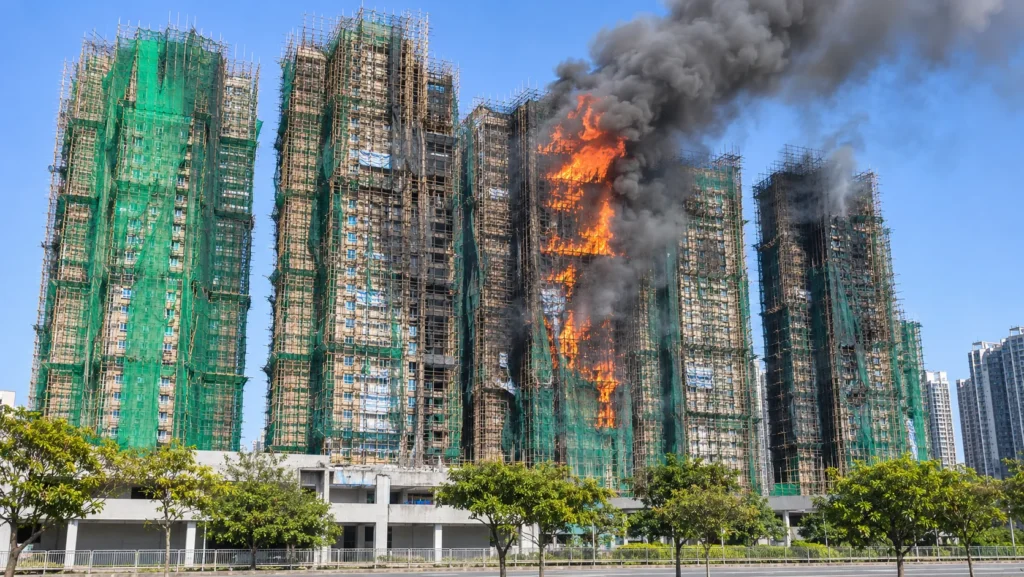
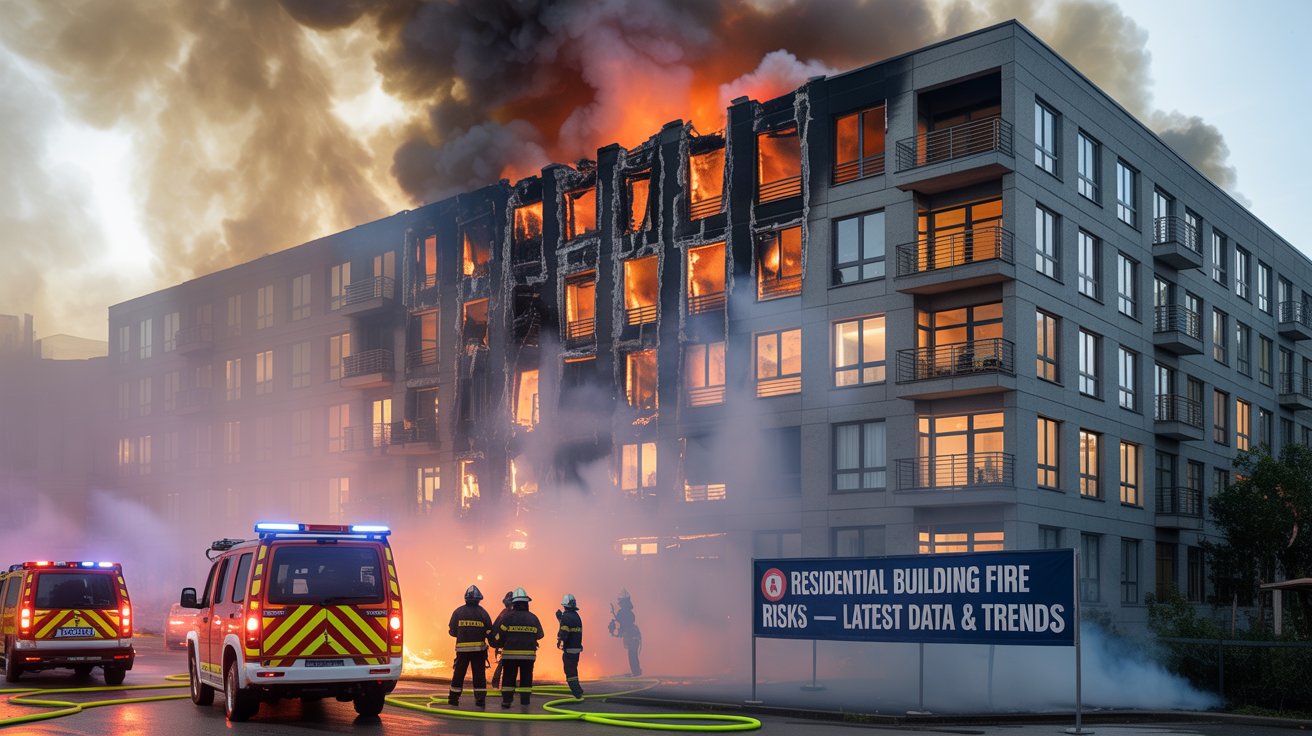
On 26 November 2025, a fire swept through Wang Fuk Court, a housing estate in Tai Po, Hong Kong, engulfing seven blocks under maintenance work and killing 168 people, the deadliest residential building fire since 1980 by AFP's count. The estate housed more than 4,600 residents, about 1,700 of them over 65, and AFP reports that 114 of the dead were 65 or older. A judge-led inquiry report released on 29 October 2026 says a lit cigarette on a first-floor flat roof at Wang Cheong House was the likely cause, per AP and AFP. AP reports that foam boards, non-fire-retardant scaffold nets and canvas fed the spread, most deaths were from smoke, staircase windows had been boarded or replaced, and the alarm system was shut down. The report holds the consultant and main contractor chiefly responsible and says four government bodies share blame, led by the Housing Bureau's checking unit. Chief Executive John Lee and seven officials bowed in apology, and Housing Secretary Winnie Ho resigned. Seven people and two companies are charged, including with manslaughter; the trial has not begun.
Quick answers
What happened at Wang Fuk Court?
A fire on 26 November 2025 engulfed seven residential blocks of the Wang Fuk Court estate in Tai Po, Hong Kong, while they were under maintenance work. It killed 168 people.
What caused the Wang Fuk Court fire?
The independent inquiry report says a lit cigarette end was the likely cause, on a first-floor flat roof at Wang Cheong House, where workers had smoked. AP and AFP both say likely. A trial has not yet been held.
Why did the fire spread so fast?
AP reports that foam boards, scaffold nets and canvas that were not fire-retardant helped it spread, and that staircase windows had been boarded or replaced.
Were the fire alarms working?
AP reports that the fire alarm system had been shut down, which contributed to the toll. The committee also said almost all fire safety measures failed because of human errors (AFP).
Who is responsible, according to the report?
The report calls the consultant and main contractor the main culprits and says four government bodies share responsibility, with the Housing Bureau's Independent Checking Unit carrying the greater share (AP, AFP).
What happened after the report?
On 29 October 2026 the Chief Executive and seven officials bowed in apology, and the Housing Secretary, who resigned on 28 October, was replaced. A new offence for bid-rigging in building maintenance is proposed, with a three-month accountability follow-up.
Have there been criminal charges?
Yes. Seven people and two companies are charged, including with manslaughter and conspiracy to defraud. The trial has not begun, and the charges are allegations.
Why does this matter in India?
Indian societies also renovate occupied buildings with scaffolding and sheeting, often with alarms off and little inspection. The same checks on materials, alarms and exits apply.
What happened
On 26 November 2025, a fire swept through Wang Fuk Court, a housing estate in Tai Po, in the northern New Territories of Hong Kong. It engulfed seven residential blocks that were under maintenance work, and 168 people died. Thousands of residents lost their homes. AFP calls it the world’s deadliest residential building fire since 1980. The estate housed more than 4,600 people, about 1,700 of them aged over 65, and AFP reports that 114 of the dead, roughly 70 percent, were 65 or older. We have not named any victim.
This page was written after what came out on 29 October 2026. On that day a judge-led independent committee released its report, Chief Executive John Lee and seven senior officials bowed in a public apology, and the Housing Secretary, who had resigned the day before, was replaced. It is a world incident, outside India, but the failures it describes are ones any Indian housing society, contractor or fire officer will recognise. Last checked on 4 November 2026; the latest reports available are from 29 October.
What the inquiry report found
- How it started: AP reports that evidence points to a lit cigarette end as the likely cause, on a first-floor flat roof between two flats at Wang Cheong House. Workers had smoked on site, and cigarette butts and partly burnt cardboard were found there. AFP quotes the report as saying a glowing source, likely a cigarette, ignited paper materials. Both outlets say “likely”, and so do we.
- How it spread: AP says foam boards, scaffold nets that were not fire-retardant, and canvas sheets helped the fire travel across the buildings.
- Why people died: AP says most deaths were from smoke inhalation. Some staircase windows had been replaced with movable aluminium panels or wooden boards for the workers’ convenience, which let smoke into the escape routes, and opaque foam boards over other windows blocked sightlines and delayed evacuation.
- Alarms: AP reports that the fire alarm system had been shut down and that this contributed to the high toll. AFP quotes the committee saying almost all fire safety measures failed because of “human errors”.
- The contractors: the maintenance consultant, Will Power Architects, and the main contractor, Prestige Construction and Engineering, were found to have cut corners and were called the main culprits (AP). Some registered contractors and professionals lent their names to rubber-stamp statutory forms for a fee without doing real work. Prosecutors allege non-flame-retardant materials were used to save money (AFP).
- The regulators: four government bodies share responsibility, with the Housing Bureau’s Independent Checking Unit carrying the greater share, alongside the Buildings Department, the Fire Services Department and the Labour Department. AP says the checking unit did not properly investigate the foam boards or the fire-retardant quality of the netting despite several complaints, and told consultants and contractors about inspections in advance.
After the report
Housing Secretary Winnie Ho resigned on 28 October. Mr Lee said she should bear political responsibility, although no personal wrongdoing was found (AP, The Standard). Deputy Financial Secretary Michael Wong took over her duties. The Standard says the report runs to hundreds of pages and, in a related headline, that passages on more than 40 pages were redacted because of criminal proceedings.
The government says it will make bid-rigging in major building maintenance a criminal offence (a jail term of up to 10 years is under consideration), overhaul the complaints system, build a cross-department data system, review the Mandatory Building Inspection Scheme and follow up on administrative accountability within three months. Police and the anti-corruption body have charged seven people and two companies, Will Power and Prestige, with offences including manslaughter and conspiracy to defraud over a renovation contract worth more than HK$300 million (AP). AFP says at least 35 people have been arrested. The trial has not begun, and the charges are allegations until a court decides. The committee’s work is separate from the criminal cases.
What is not known
- The time of day the fire began, and how many people were injured: neither is given in the reports reviewed.
- Whether the cigarette finding will stand at trial, and when the trial will start.
- What the three-month accountability follow-up will conclude, and what the redacted pages say.
- Final figures for compensation and rehousing.
What this teaches Indian readers
Renovation is the riskiest phase in the life of an occupied building. The fire load goes up, with netting, foam, canvas and cardboard on the outside and inside, while the safety systems are often switched off or blocked to make the work easier. Every one of those things appears in the Hong Kong findings. In India, where old societies are repainted and re-plastered with bamboo or pipe scaffolding and cloth or plastic sheeting wrapped round the building, residents rarely ask what that sheeting is made of or whether the alarm is still working. Our guides on high-rise fire safety and renovation work in an occupied hotel cover the basics.
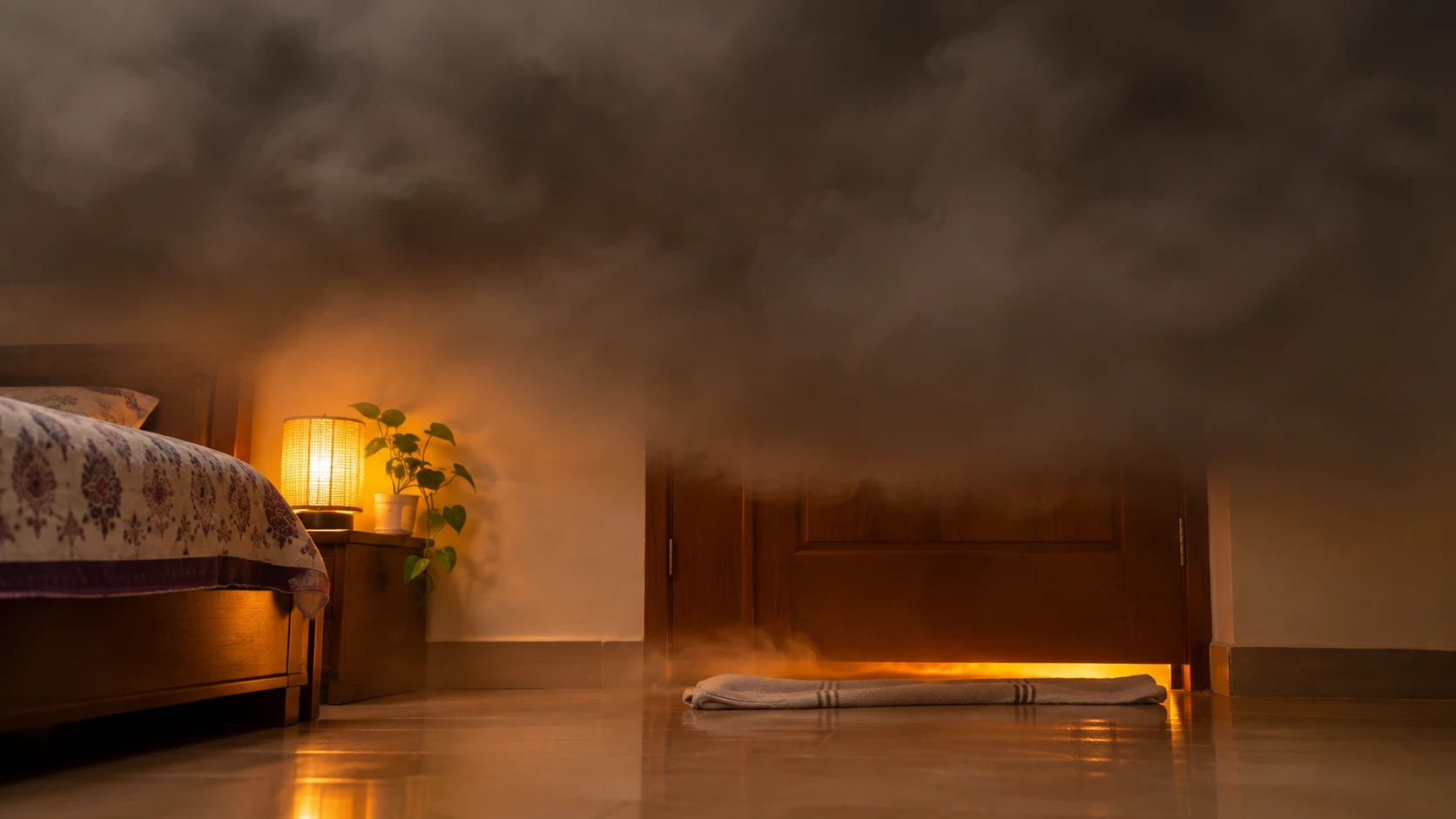
The second lesson is about smoke. Most of the dead in this fire died of smoke, and the report says boarded-up stair windows let smoke into the escape routes. If you are caught in a building like this, our guide on how to escape a smoke-filled room explains what to do. The third is about the elderly: seven in ten of the dead were 65 or older. A society with senior residents needs a plan that names who will check on them. For Indian fires in towers, read the Kolkata South City Tower 3 fire, the Nalasopara Imperial Heights fire and the Kannur high-rise flat fire.
Safety steps for residents, committees and contractors
These are general practices, not findings about Wang Fuk Court beyond what is attributed above.
- Ask what the netting is. If scaffolding is covered with sheeting, netting or boards, ask the contractor in writing for proof that they are fire-retardant, and keep the paperwork with the society office. Treat any unrated material on a building’s outside as fuel.
- Keep the fire alarm working during works. If a part of the system has to be isolated, record who ordered it, for how long and who is watching that zone meanwhile. Test it every day the work goes on.
- Never board up or block stair windows, lobbies or exits for the contractor’s convenience. Escape routes must stay clear and free of smoke paths.
- No smoking and no hot work without control. Put up a clear no-smoking rule for workers, provide a designated spot away from materials, and issue a written permit for any welding or cutting.
- Do not stack cardboard, foam or paint on flat roofs, ledges or stair landings. Store them away from the building.
- Insist on surprise inspections and answer complaints. If you see foam boards or uncertified netting, write to the society committee and the fire department, and keep a copy. A complaint that is not recorded and followed up protects nobody.
- Plan for older residents. Keep a list of who needs help, agree who will knock on their doors, and make sure everyone knows two ways out. Our guide on making an emergency evacuation plan is a good starting point.
- In an emergency call 101 for the fire brigade or 112 for any emergency, leave by the stairs, keep low and close doors behind you. Do not use the lift.
- A fire starts during maintenance work at Wang Fuk Court, Tai Po, and engulfs seven residential blocks; 168 people die (final toll per AP, AFP, The Standard)
- The independent committee submits its report to the Chief Executive (The Standard)
- Housing Secretary Winnie Ho resigns; no personal wrongdoing found (AP, The Standard)
- The judge-led report is released; John Lee and seven senior officials bow in apology; reforms and a three-month accountability follow-up are announced
- Seven people and two companies remain charged, including with manslaughter; the trial has not begun (AP)
- No newer official finding or trial date reported by 4 November 2026
Why consequences escalated
- A lit cigarette end on a first-floor flat roof at Wang Cheong House is the likely cause, per AP and AFP; the finding is described as likely, not certain.
- Foam boards, scaffold netting and canvas that were not fire-retardant helped the fire spread (AP).
- Most deaths were from smoke inhalation; staircase windows were boarded or replaced and other windows were covered with opaque foam boards (AP).
- The fire alarm system had been shut down, and the committee says almost all fire safety measures failed because of human errors (AP, AFP).
- The consultant and main contractor cut corners; four government bodies share responsibility, with the Housing Bureau's checking unit carrying more (AP, AFP).
- The criminal case is separate: seven people and two companies are charged, and the trial has not begun.
Failures and risk multipliers
- The charges are allegations until a court decides; this page states only what the inquiry report and the outlets say.
- The inquiry says netting and boards were not fire-retardant and that complaints about them were not properly investigated (AP).
- The inquiry says staircase windows were boarded or replaced for workers' convenience, letting smoke into escape routes (AP).
- The fire alarm system had been shut down during the works (AP).
- Inspections were announced to consultants and contractors in advance, and some registered professionals signed forms for a fee without real work (AP, AFP).
- Seven in ten of the dead were aged 65 or older, which makes evacuation planning for senior residents part of fire safety (AFP).
- The time of ignition and the number of injured are not given in the reports reviewed.
Actions that reduce risk
- Ask contractors in writing for fire-retardant proof for any netting, sheeting or boards used on a building, and keep it on file.
- Keep the fire alarm working throughout renovation, record any isolated zone, and test it daily.
- Do not board up or block stair windows, lobbies or exits for the work.
- Ban smoking on site, set a designated spot away from materials, and require a written permit for hot work.
- Keep cardboard, foam and paint off roofs, ledges and landings.
- Make inspections unannounced and record and follow up every complaint.
- Keep a list of older and disabled residents and agree who will help them out; in India call 101 or 112.



Leave a comment