
Quick answers
What temperature is a cold wave in India?
For a plains station, IMD first needs a minimum of 10 degrees Celsius or less. It is a cold wave if the minimum is 4.5 to 6.4 degrees below normal or is 4 degrees or less, and a severe cold wave if it is more than 6.4 degrees below normal or is 2 degrees or less. For hills the starting point is 0 degrees or less.
What is the difference between a cold day and a cold wave?
A cold wave is judged on the night minimum. A cold day is judged on the daytime maximum: on the plains, with a minimum of 10 degrees or less, a maximum that is 4.5 to 6.4 degrees below normal is a cold day and more than 6.4 below normal is a severe cold day.
Which months and which states get cold waves?
The NCDC advisory says November to March, more often in December and January. It lists 17 states and Union Territories as the core zone, from Punjab and Jammu and Kashmir down to Odisha and Telangana, with the most cold waves in Jammu and Kashmir.
Who is most at risk in a cold wave?
The NCDC advisory lists the homeless, the elderly, poor families, people with disabilities, pregnant and breastfeeding mothers, women, children, outdoor workers, night shelter staff and farmers. For hypothermia it also names babies in cold bedrooms and people who drink alcohol.
What are the signs of hypothermia?
In adults: shivering, exhaustion, confusion, fumbling hands, memory loss, slurred speech and drowsiness. In babies: bright red, cold skin and very low energy. It is a medical emergency, so call 108 or get to a hospital at once.
What should I do for someone with hypothermia until help comes?
Move the person to a warm place, take off wet clothes, warm the body gradually with dry blankets and skin-to-skin contact, and give warm drinks only if the person is awake. Do not give alcohol. Call 108 and keep the person dry, with the head and neck wrapped.
How do I treat frostbite?
Get the person indoors and warm the area in water that feels comfortable to an unaffected hand, not hot water. Do not rub or massage it and do not use a heater or stove, because the numb skin can burn. Have a doctor or health worker check it.
Should I drink alcohol to keep warm in a cold wave?
No. IMD and the health ministry's advisory both say alcohol lowers body temperature and should not be given to someone who is cold.
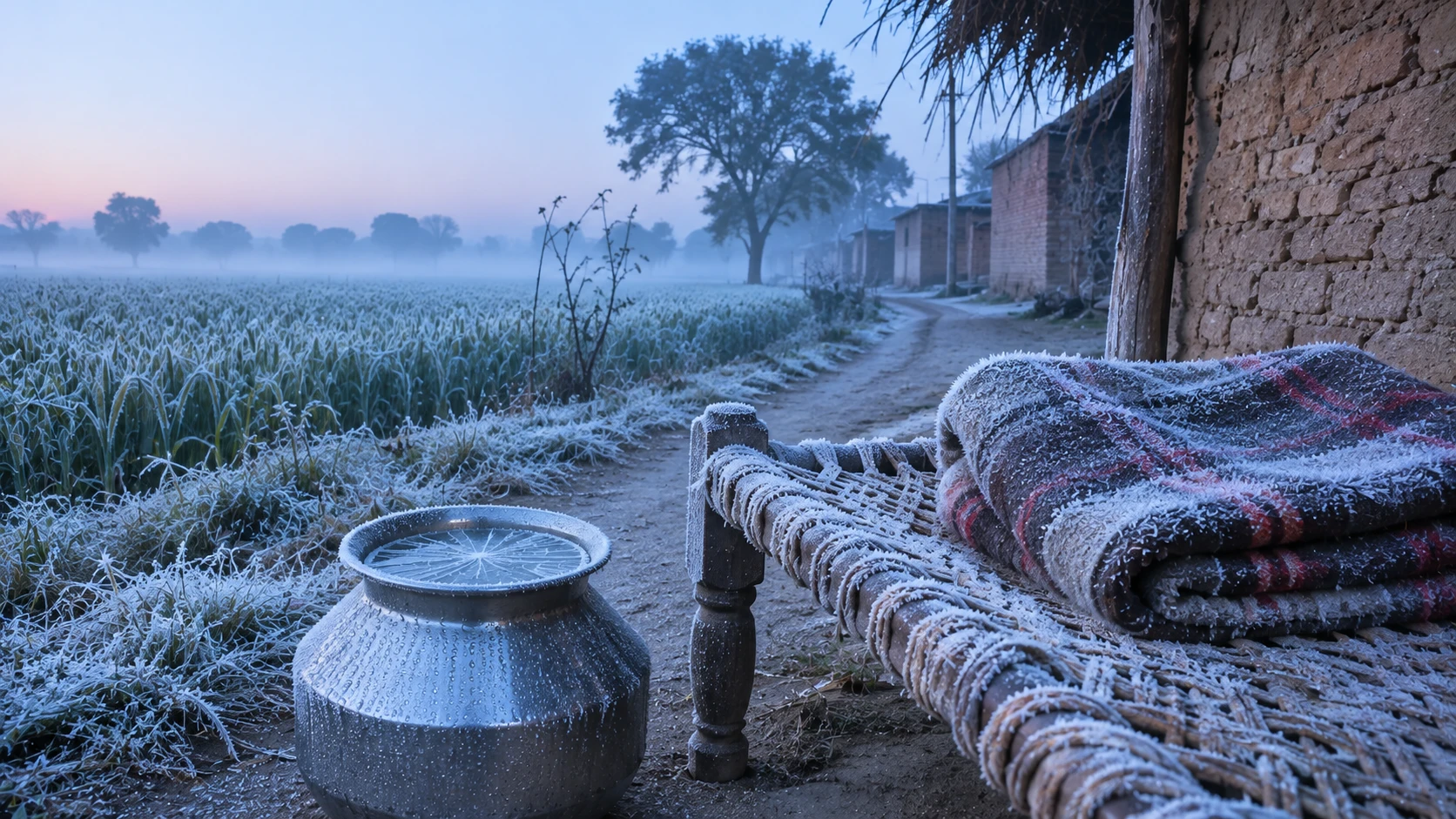
Every winter the same few lines appear in the news: a cold wave in north India, a red or orange alert, a temperature of three or four degrees in Delhi or Lucknow. The words sound loose, but the India Meteorological Department (IMD) uses them in a fixed way, and the health advice that goes with them is simple and official. This page explains the terms, who is most at risk in a cold spell, and what to do if someone is shivering badly or has gone numb and pale. It is general first aid information from official sources, not medical treatment. Checked 10 November 2026.
In short
- A cold wave has a number behind it. For a plains station, IMD looks at the minimum temperature: 10 degrees Celsius or less, and then either a fall of 4.5 to 6.4 degrees below normal, or an actual minimum of 4 degrees or less. Below normal by more than 6.4 degrees, or 2 degrees or less, is a severe cold wave.
- Shivering is the first warning. IMD says not to ignore it. It means the body is losing heat, so go indoors.
- Hypothermia is a medical emergency. Call 108 or get the person to the nearest hospital. While you wait, warm the person gradually, as the steps below say.
- Frostbite makes skin white or greyish-yellow, firm and numb. Warm it in water that feels comfortable to your own hand, never hot, do not rub it, and get it checked.
- No alcohol to warm up. It does not help and both IMD and the health ministry’s advisory warn against it.
What IMD means by a cold wave
These are the criteria in IMD’s own cold wave sheet and in the advisory of the National Centre for Disease Control (NCDC), which is part of the Union Health Ministry.
- Plains. A station must first record a minimum of 10 degrees or less. Then it is a cold wave if the minimum is 4.5 to 6.4 degrees below the normal for that place, or the actual minimum is 4 degrees or less. It is a severe cold wave if it is more than 6.4 degrees below normal, or the actual minimum is 2 degrees or less.
- Hills. The starting point is a minimum of 0 degrees or less.
- Coastal stations. A fall of 4.5 degrees or more below normal, with a minimum of 15 degrees or less.
- Cold day. This is about the daytime maximum, not the night. On the plains with a minimum of 10 degrees or less, a maximum 4.5 to 6.4 degrees below normal is a cold day, and more than 6.4 below normal is a severe cold day.
The NCDC advisory says the season runs from November to March and is busiest in December and January. It names 17 states and Union Territories as the core cold wave zone: Punjab, Himachal Pradesh, Uttarakhand, Jammu and Kashmir, Ladakh, Delhi, Haryana, Rajasthan, Uttar Pradesh, Gujarat, Madhya Pradesh, Chhattisgarh, Bihar, Jharkhand, West Bengal, Odisha and Telangana. It adds that the highest number of cold waves occurs in Jammu and Kashmir, followed by Himachal Pradesh, Punjab, Bihar, Haryana and Uttar Pradesh. Local guides for Srinagar, Ludhiana, Delhi and Patna list the emergency numbers for those cities.
Who is at risk
The NCDC advisory lists the people most vulnerable to a cold wave: the homeless, the elderly, people who are economically disadvantaged, people with disabilities, pregnant and breastfeeding mothers, women, children, outdoor workers, managers of night shelters and farmers. For hypothermia in particular it names older adults without enough food, clothing or heating, babies sleeping in cold bedrooms, people who stay outdoors for long, and people who drink alcohol or use drugs. It also makes a point that surprises many families: dangerous hypothermia can happen at less cold temperatures if a person is chilled by rain, sweat or cold water.
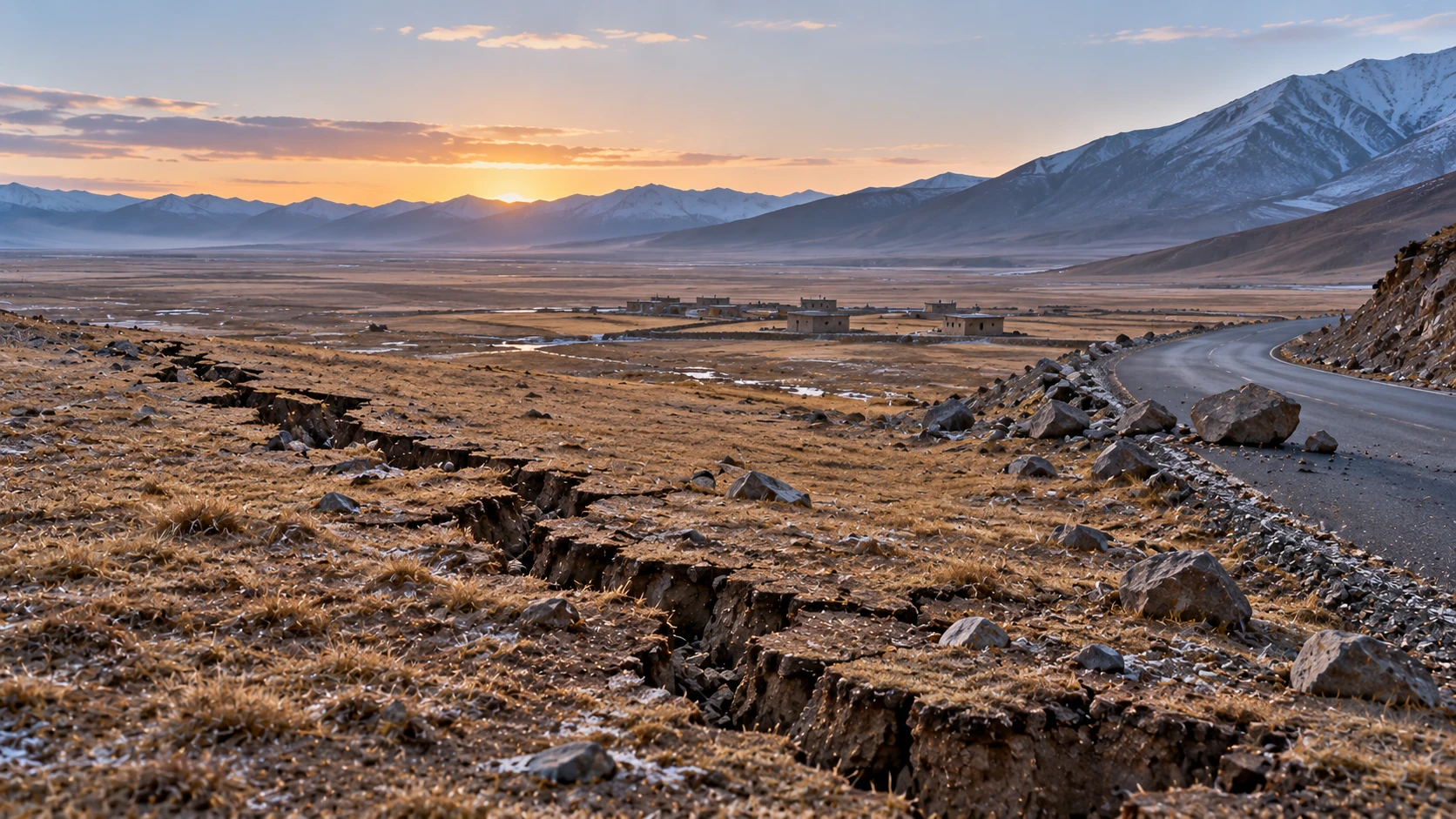
Our suggestion: before the cold spell peaks, look in on the one elderly neighbour, the watchman, the rickshaw puller or the family on the pavement near you. A quilt, a dry blanket or a word with the night shelter manager can matter. If you shelter in a tent or a car after a quake or a breakdown in the hills, our Tibet earthquake case study has the same lesson: cold kills too.
Signs of hypothermia
- Adults: shivering, exhaustion or feeling very tired, confusion, fumbling hands, memory loss, slurred speech and drowsiness.
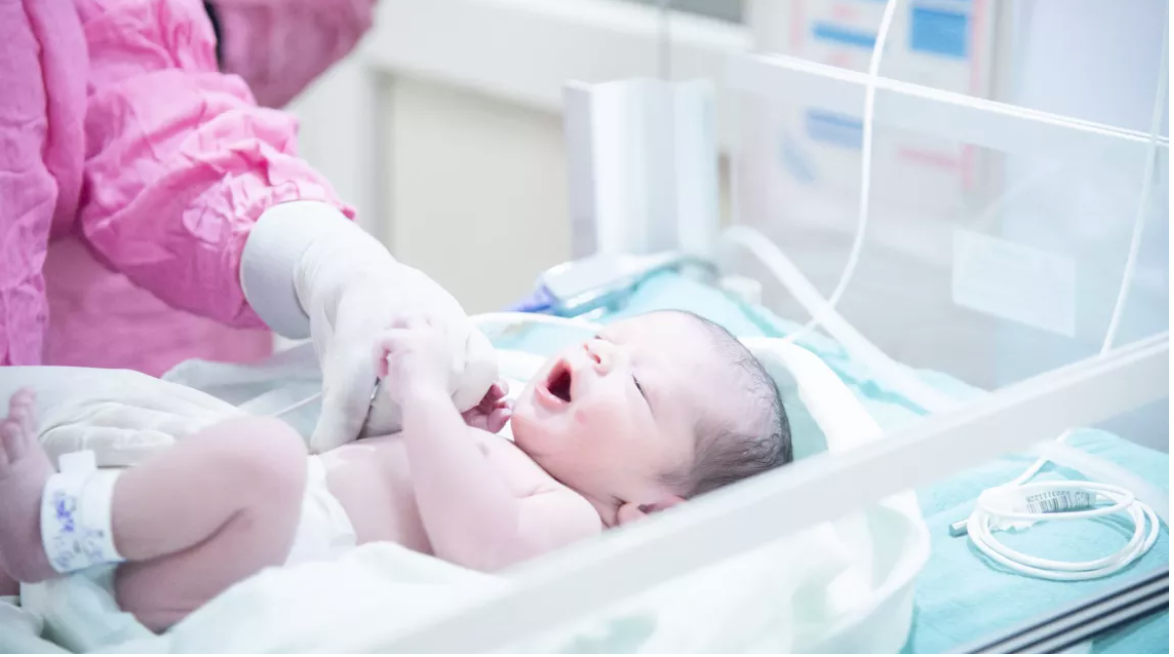
- Babies: bright red, cold skin and very low energy.
The advisory is blunt: hypothermia is a medical emergency, and a person with any of these signs needs medical attention immediately. Call 108, the ambulance number that sits under the single emergency number 112 (PIB, March 2025), or reach the nearest hospital.
While you wait for help: warm the person gradually
- Get the person into a warm room or shelter and remove any wet clothing.
- Warm the body with skin-to-skin contact and dry layers of blankets, clothes, towels or sheets.
- If the person is awake, give warm drinks. Do not give alcohol, and do not try to give a drink to someone who is unconscious.
- Once the temperature has come up, keep the person dry and wrap the body, including the head and neck, in a warm blanket.
- Keep getting medical help. A person with severe hypothermia may be unconscious and may not seem to be breathing or to have a pulse. The advisory says to handle such a person gently and get emergency assistance at once.
Frostbite: what it looks like and what to do
Frostbite is an injury from freezing, usually on the nose, ears, cheeks, chin, fingers and toes. The NCDC advisory describes white or greyish-yellow skin, skin that feels unusually firm or waxy, and numbness. A person may not know they have it until someone points it out, because the frozen part is numb. IMD adds that numbness and a white or pale look on fingers, toes, ear lobes and the tip of the nose are the signs to watch for.
- Get the person into a warm room as soon as possible.
- Put the affected area in warm water, not hot. It should feel comfortable on a part of the body that is not affected. If there is no warm water, use body heat, for example fingers in an armpit.
- Do not rub the area with snow and do not massage it at all, because that can cause more damage.
- Do not warm it with a heating pad, a heat lamp, a stove, a fireplace or a radiator. The numb skin can burn easily.
- Do not walk on frostbitten feet or toes unless you must.
- Have it checked by a health worker or doctor.
Before and during a cold wave
- Dress in layers, and keep dry. IMD says to change wet clothes quickly. Mittens are warmer than gloves because the fingers share heat.
- Stay indoors as much as you can and cut down travel in cold wind.
- Drink hot drinks regularly, not alcohol.
- Look after the old and the young, and keep emergency supplies ready.
- Store water where pipes may freeze, which matters in the hills.
- Follow IMD’s updates on radio, television, newspapers and its website for your district warning.
Heaters, angithis and the other danger in winter
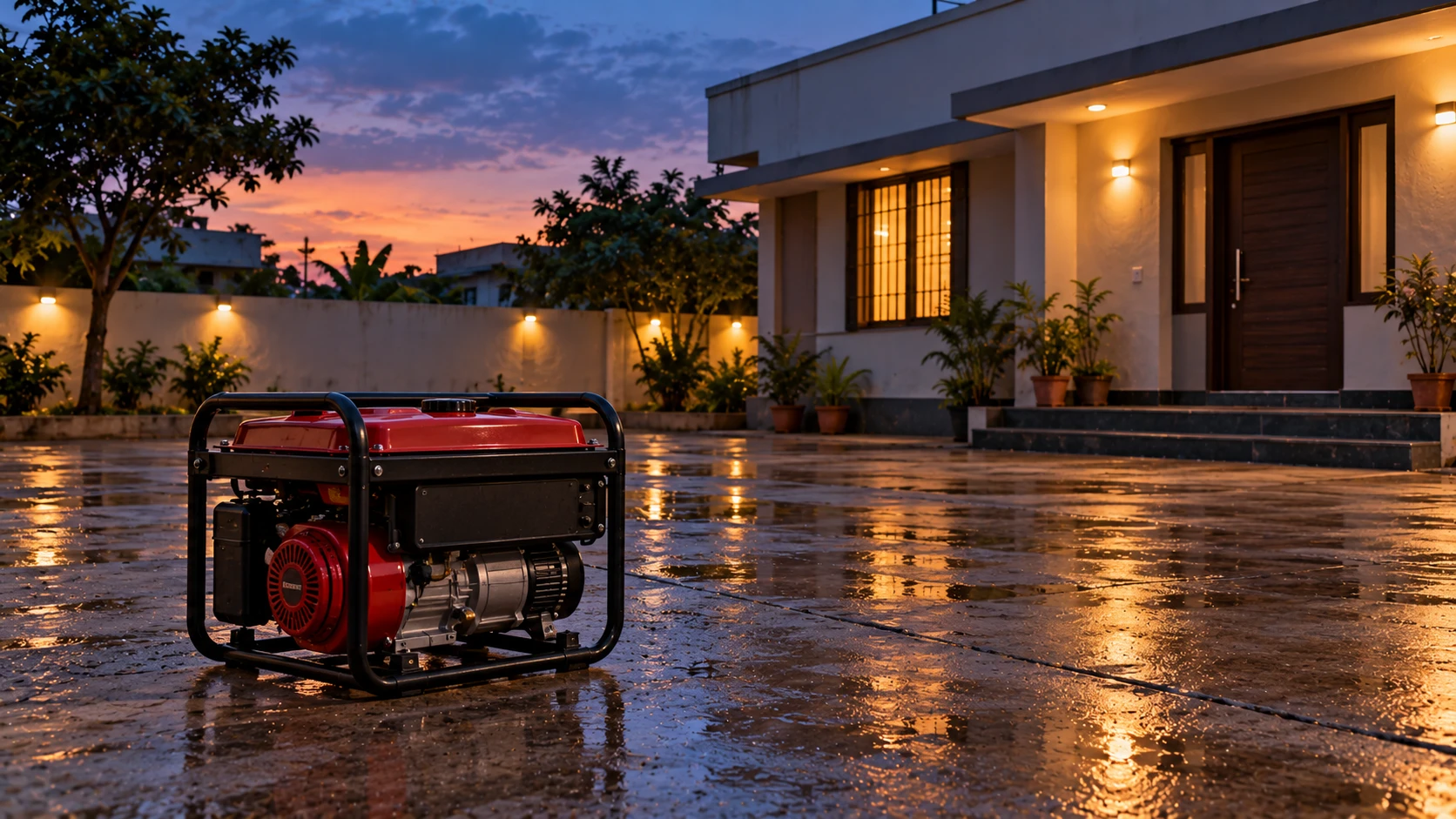
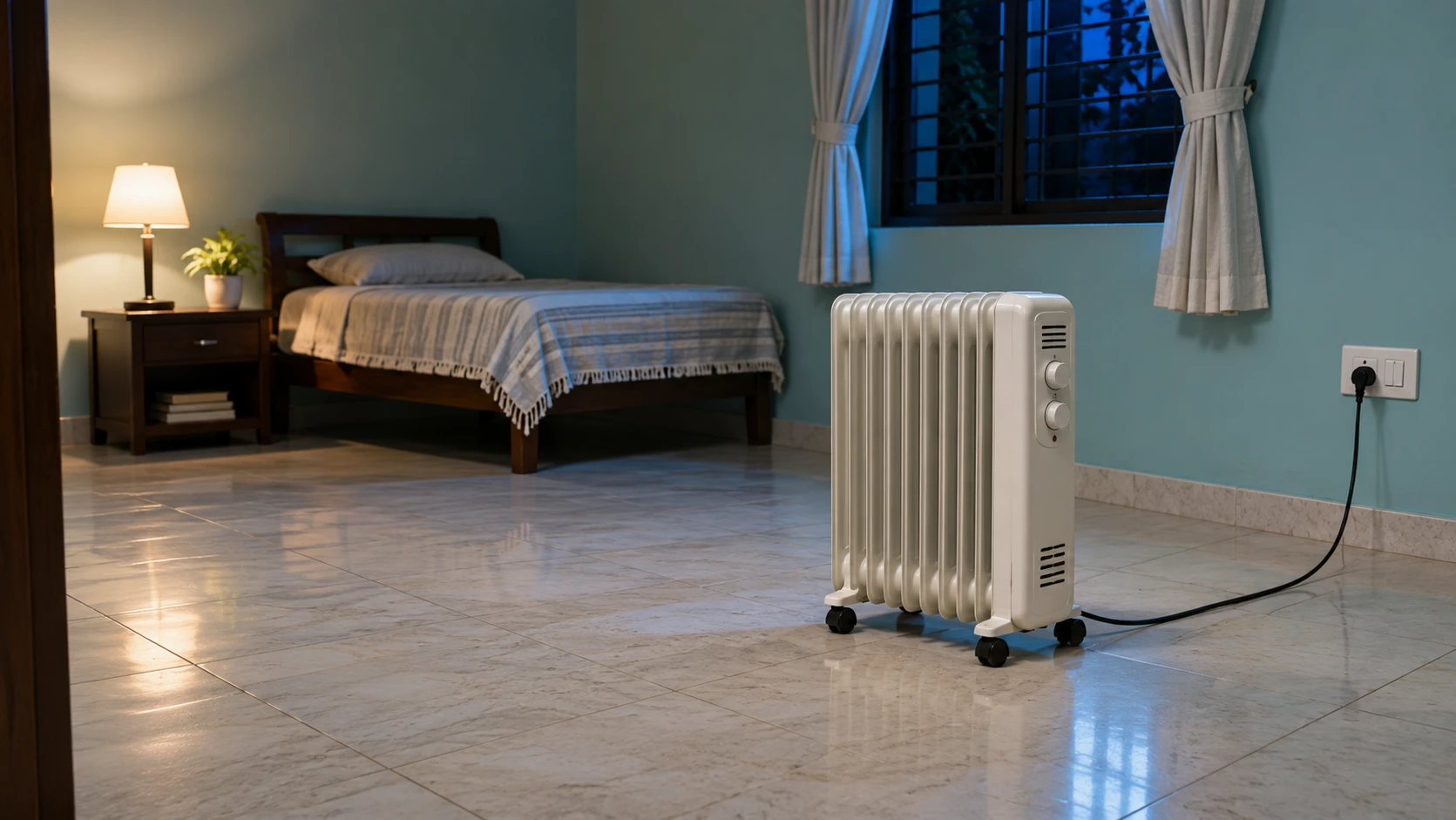
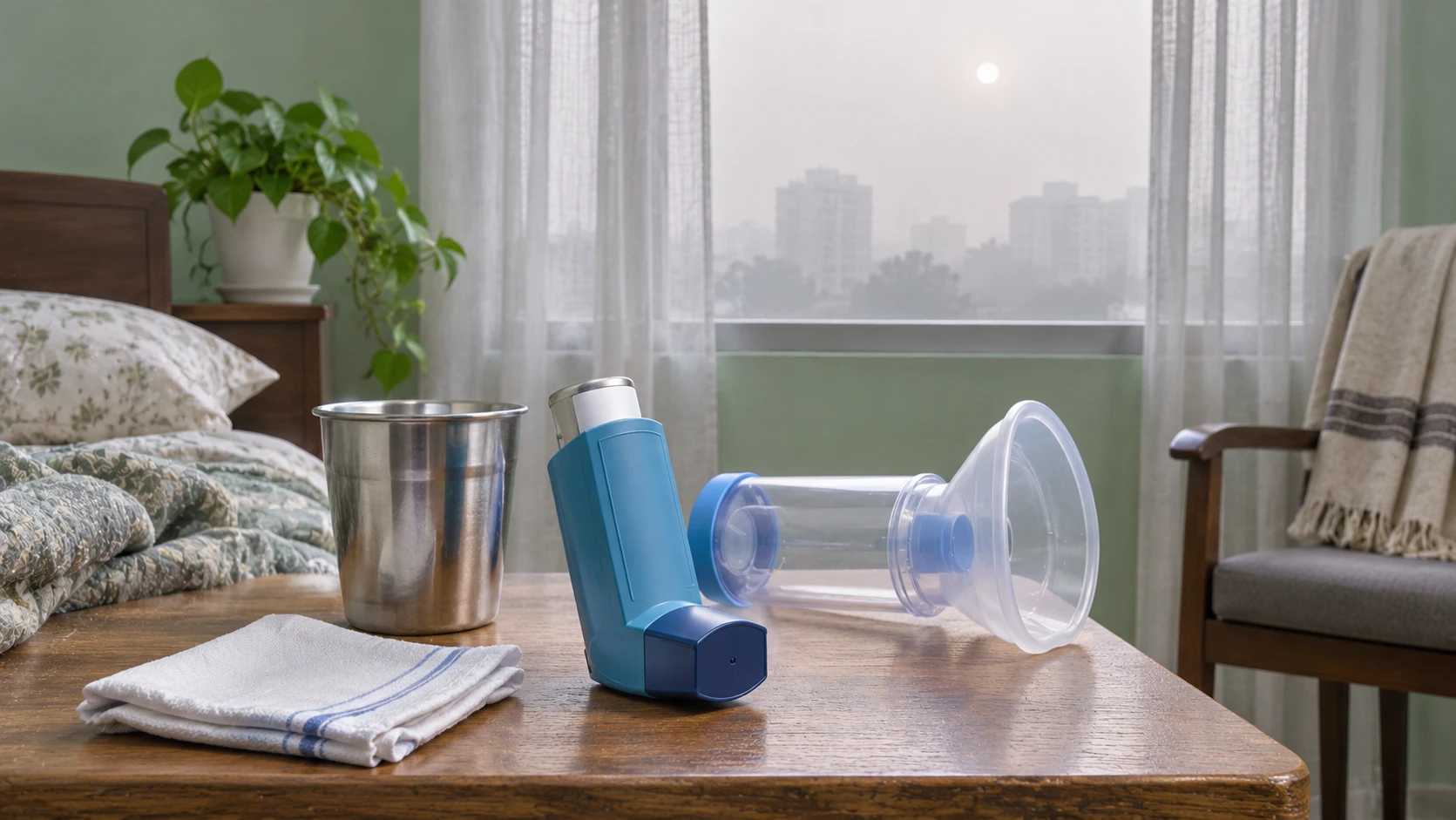
Warming a closed room with a coal angithi, a gas heater or a generator running nearby can kill with carbon monoxide, and the person does not feel it happening. We have separate guides: Carbon monoxide safety for power cuts and room heater and blower safety. If cold air and smog together make breathing hard, read what to do in an asthma or allergy attack in smog and cold weather, and for a baby or child see the child emergencies guide in the related list.
What not to do
- Do not ignore shivering.
- Do not drink alcohol to feel warm. IMD says it reduces body temperature.
- Do not massage or rub frostbitten skin, and do not put it near a flame or a heater.
- Do not give food or drink to a person who is unconscious.
- Do not sleep in a closed room with a burning angithi or a gas heater.
What we could not confirm
The NDMA cold wave page on its website carries posters and videos rather than text, so we could not read its wording; the steps above come from IMD’s Do’s and Don’ts sheet, IMD’s hazard document and the NCDC public health advisory (reference year 2022-23). We did not find an official national count of cold-related deaths for this winter. The thresholds are IMD’s; a local weather office may word an alert differently, so check your district’s warning. This page is general information, not medical advice. In any emergency call 108 or 112.
What needs attention
- IMD's cold wave test starts with a plains minimum of 10 degrees Celsius or less, then uses a fall from normal or an absolute minimum.
- The NCDC advisory names 17 core cold wave states and Union Territories, with the most cold waves in Jammu and Kashmir.
- Vulnerable groups include the homeless, the elderly, babies in cold bedrooms, outdoor workers and people who drink alcohol.
- Hypothermia can occur at less cold temperatures if a person is chilled by rain, sweat or cold water.
- Frostbite can go unnoticed because the frozen part is numb; warm water, not hot, and no massage.
Controls that reduce risk
- Keep layers, mittens and dry clothes ready.
- Check on an elderly neighbour or a person sleeping outdoors.
- Know the signs of hypothermia and frostbite.
- Save 108 and 112 on your phone.
- Follow your district's IMD warning.
Common unsafe practices
- Ignoring shivering.
- Drinking alcohol to feel warm.
- Rubbing or massaging frostbitten skin, or putting it near a stove or heater.
- Giving drinks to an unconscious person.
- Sleeping in a closed room with a burning angithi or gas heater.

Leave a comment