
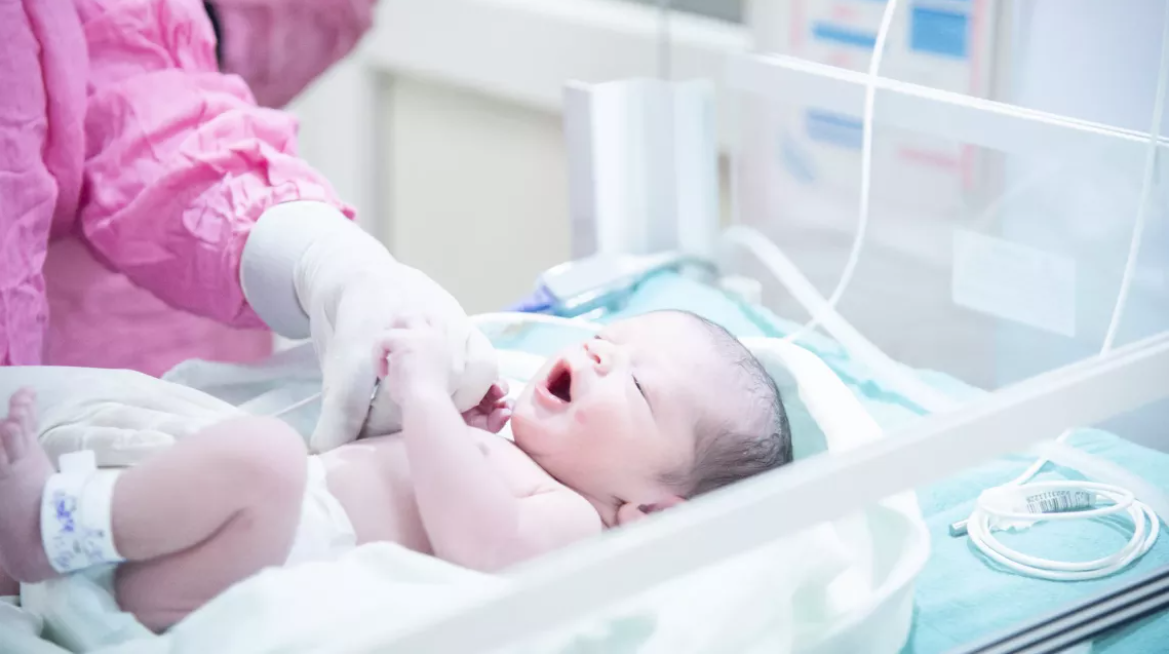
A one-rupee coin goes into a toddler’s mouth. A pot of boiling dal tips off the stove. A bottle of phenyl is left open under the sink. Most child emergencies happen at home, in front of a parent or grandparent, and the first few minutes depend on what that adult knows.
Babies and children are not small adults. CPR and choking first aid are done differently for them, which is why every parent, teacher and carer should learn the child version in a hands-on class.
What we can and cannot tell you in numbers
An earlier version of this page said a child dies “every 2 minutes” and quoted a figure of “7 lakh”. We could not trace either to a published dataset, so both have been withdrawn, along with an old year-by-year table that included a “projected” 2025 row. We have not found a reliable India series that counts child deaths from emergencies, or the share that first aid could prevent. Overall child mortality figures measure something different and should not be used in their place.
What we can say plainly: recognise the problem early, call 112, and give the right first aid for the child’s age while help is on the way.
Six emergencies every Indian parent should prepare for
This list is for preparedness. It is not a ranked national statistic.
- Choking. Coins, peanuts, grapes, small toys and button batteries, especially in children under five.
- Burns and scalds. Hot tea, dal, the pressure cooker, the iron, and diyas and crackers at Diwali.
- Drowning. A toddler can drown in a bucket, a tub, an open sump or an uncovered water tank, not just in a pond or the sea.
- High fever and fits. A child who is very hot, drowsy or having a seizure needs a doctor quickly.
- Poisoning. Floor cleaners, toilet acid, kerosene, rat poison and adult medicines kept within reach.
- Falls. Terraces without parapets, open drains, balconies, windows and staircases.
In any of these, call 112 early. Do not wait to see if things get better.
How first aid differs for babies and children
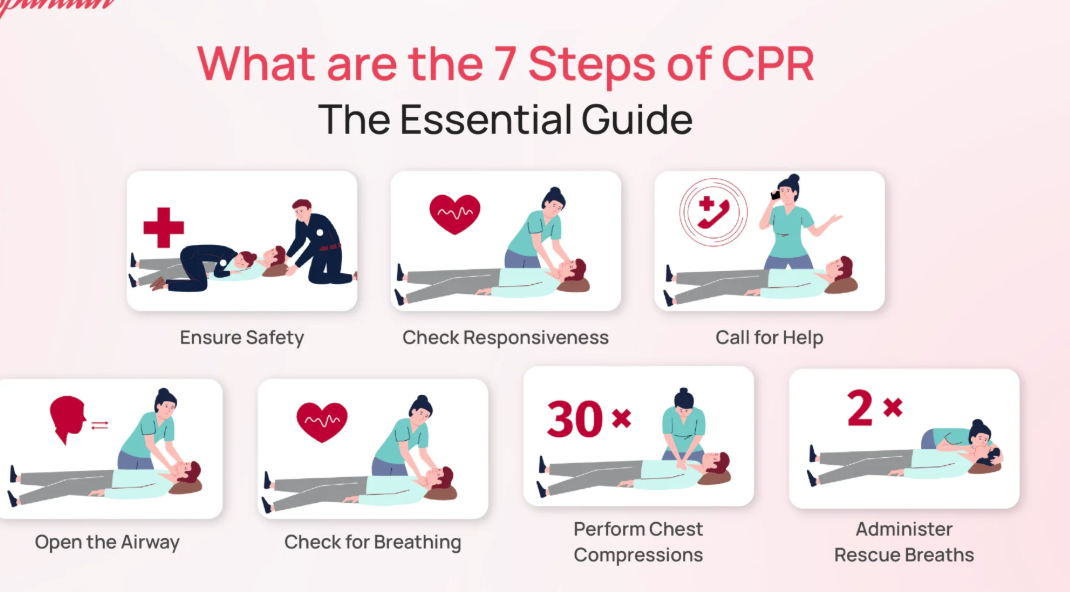
- Not responding and not breathing normally. Call 112 on loudspeaker and start CPR straight away. Resuscitation Council UK advises five rescue breaths first for a baby or child, then chest compressions about one third of the depth of the chest (never more than 6 cm). For a baby, use the two-thumb encircling technique.
- Choking baby (under one year). Give up to five back blows, then up to five chest thrusts. Keep repeating, and call 112 if it does not clear. Do not poke a finger blindly into the mouth. A baby who has had chest thrusts should be checked in hospital.
- Choking child (over one year). Encourage the child to cough. If that does not work, give five back blows, then up to five abdominal thrusts. Keep repeating, and call 112 if it does not clear. A child who has had abdominal thrusts should be checked in hospital.
- AED. An AED can be used on a child. Use the child mode or child pads if the machine has them. If it does not, use it as it is and follow the voice prompts. If you are alone, call 112 and start CPR before going to fetch an AED.
- Burns and scalds. Cool the burn under cool, clean running water for 20 minutes. Even 10 minutes helps if that’s all you can manage. No ice, toothpaste, oil or butter. No ghee, creams or gels either, and do not burst blisters. Then get medical advice.
- Suspected poisoning. Call 112, keep the bottle or packet, and do not try to make the child vomit or give anything to eat or drink. For advice on the poison itself, the AIIMS National Poisons Information Centre runs a 24-hour toll-free line, 1800 116 117. Do not wait for symptoms, and do not try to treat the child yourself; get them to the nearest hospital.
A blog post is not a complete protocol. Compression depth depends on the child’s size, and the only way to get it right is to practise on a training manikin.
For parents and schools
- Learn infant and child CPR in a practical class, and refresh it every couple of years.
- Keep a first-aid kit with dressings, bandages, scissors, cling film for covering burns and a thermometer. Do not rely on burn creams.
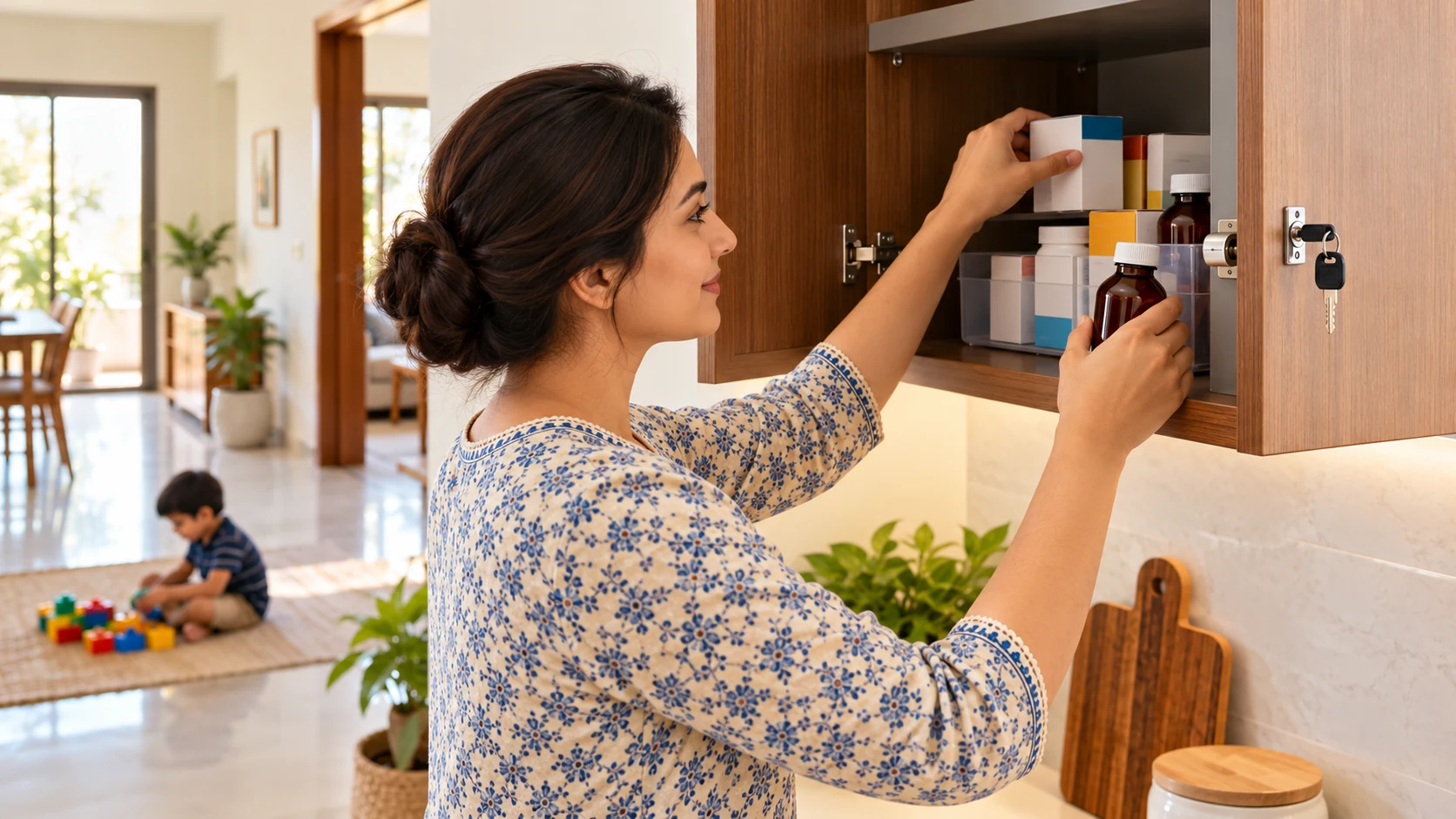
- Lock away danger. Medicines, cleaners, kerosene and matchboxes go high up or in a locked cupboard, never in old cold-drink bottles.
- Cover water. Empty buckets after use, keep lids on drums and sumps, and put a railing or barrier around tanks.
- Train teachers, ayahs and anganwadi workers, and repeat the training regularly.
- Call 112 first. Do not lose time on home remedies.
- Tell the school about your child’s allergies and medical conditions, in writing.
- Agree roles in advance. Who calls 112, who gives first aid, who looks after the other children and who waits at the gate for the ambulance.
What the system should do
- Every district hospital should have a proper paediatric emergency area.
- 108 ambulances should carry child-size oxygen masks and airway kits.
- School teachers and anganwadi workers should be trained in child first aid and CPR.
- Schools should teach basic emergency response as part of the curriculum.
- Health and disaster authorities should plan together for children in emergencies.
Do this tonight
Walk through your home at a toddler’s eye level. Pick up every coin, battery and tablet you can see, move the floor cleaner to a high shelf and empty the bathroom bucket. Then save 112 and 1800 116 117 in your phone, and book a child first-aid class for yourself this month.
What needs attention
- Babies and children need age-specific CPR and choking first aid; adult techniques can harm them
- Most child emergencies happen at home, so the adult who is present decides the first few minutes
- Small objects, open water containers, hot liquids and household chemicals within reach cause many avoidable emergencies
- Calling 112 early matters more than trying home remedies
- Schools and carers need a plan for who calls, who treats and who looks after the other children
- No reliable India dataset counts child deaths from emergencies, so we do not quote one
Controls that reduce risk
- Book a hands-on infant and child CPR and choking class for parents, grandparents and carers
- Ask your child's school and day-care who holds current child first-aid training
- Make sure the school has your child's allergies and medical conditions in writing
- Keep a stocked first-aid kit at home and in the school bag for trips
- Store medicines, cleaners and kerosene locked or out of reach, in their original containers
- Cover or empty buckets, drums, sumps and tanks, and fence open water
- Refresh first-aid training every couple of years
Common unsafe practices
- Using adult choking or CPR techniques on a baby
- Blind finger sweeps of a choking child’s mouth
- Delaying the 112 call
- Putting ice, creams or gels on a burn
- Trying to make a child vomit after poisoning
- Skipping a hospital check after chest or abdominal thrusts

Leave a comment