
Quick answers
What should I do first when someone has an asthma attack?
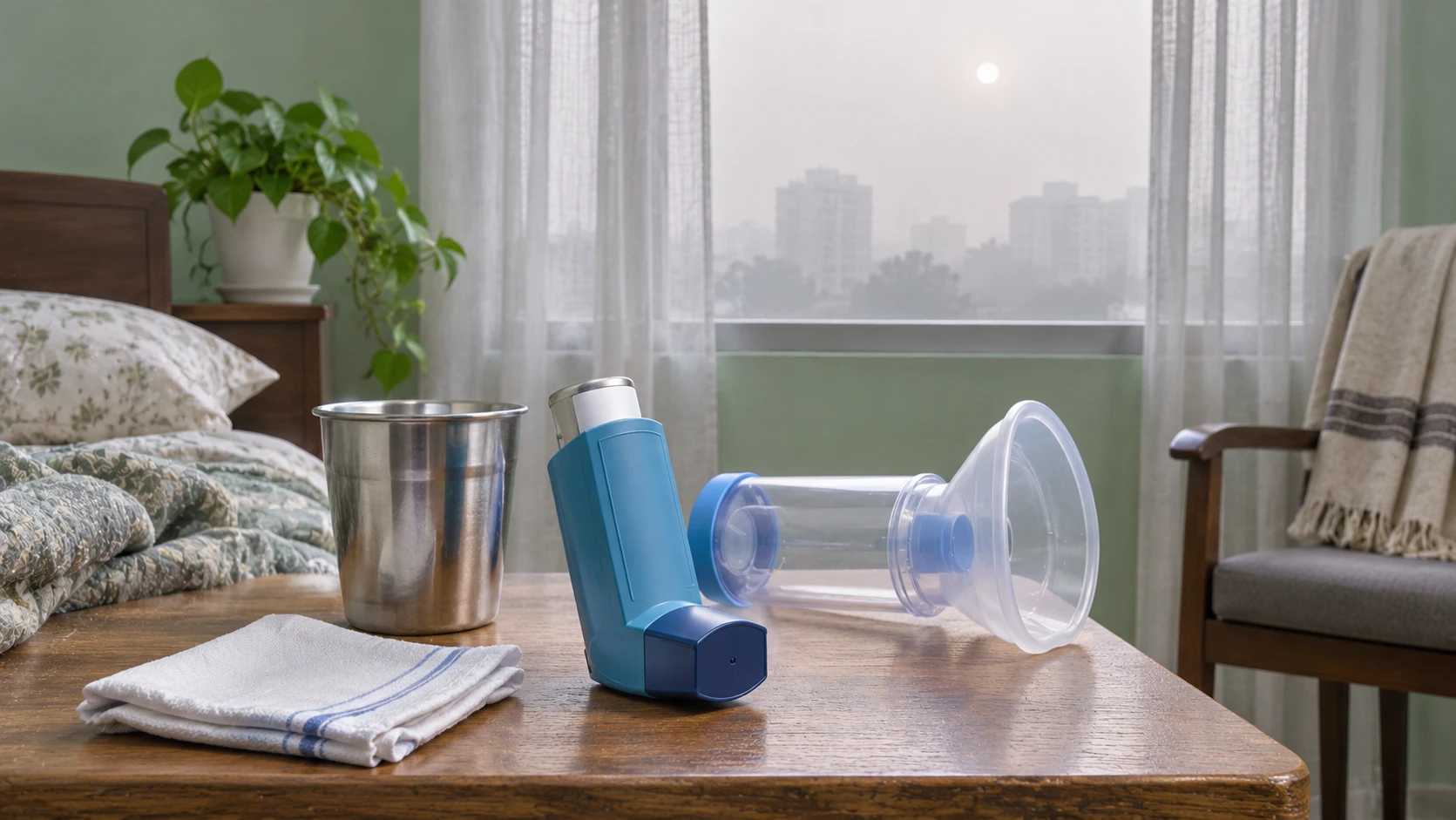
Sit them upright, keep them calm and help them use their own reliever inhaler as their doctor's plan says. The NHS says to sit up straight and to call for an ambulance if the person feels worse, does not improve after the maximum dose in their plan, or has no inhaler.
When should I call 108 or 112 for an asthma attack?
Call if the person is not getting better, is getting worse, cannot speak normally, has blue lips, or has no inhaler. Australia's National Asthma Council lists blue lips and not being able to speak normally as signs of an emergency, and says to tell the operator it is an asthma emergency.
How many puffs of the inhaler should I give?
Follow the person's doctor-written plan. We have not printed a number because even the NHS gives different counts for different kinds of inhaler, and other countries issue their own charts. If the person has no plan and no relief, call 112 or 108.
Should an asthma patient lie down or sit up?
Sit up. The NHS says to sit up straight and try to stay calm. For a severe allergic reaction (anaphylaxis) the advice is different: lay the person flat, or let them sit with legs outstretched only if breathing is hard.
Can smog and cold weather trigger asthma?
Yes. The WHO calls air pollution an important risk factor that makes existing asthma worse, and the NHS lists high levels of air pollution, cold air and smoke among triggers. India's Health Ministry advisory names asthma as one of the conditions that can flare up on bad air days.
Does an N95 mask help people with asthma on smog days?
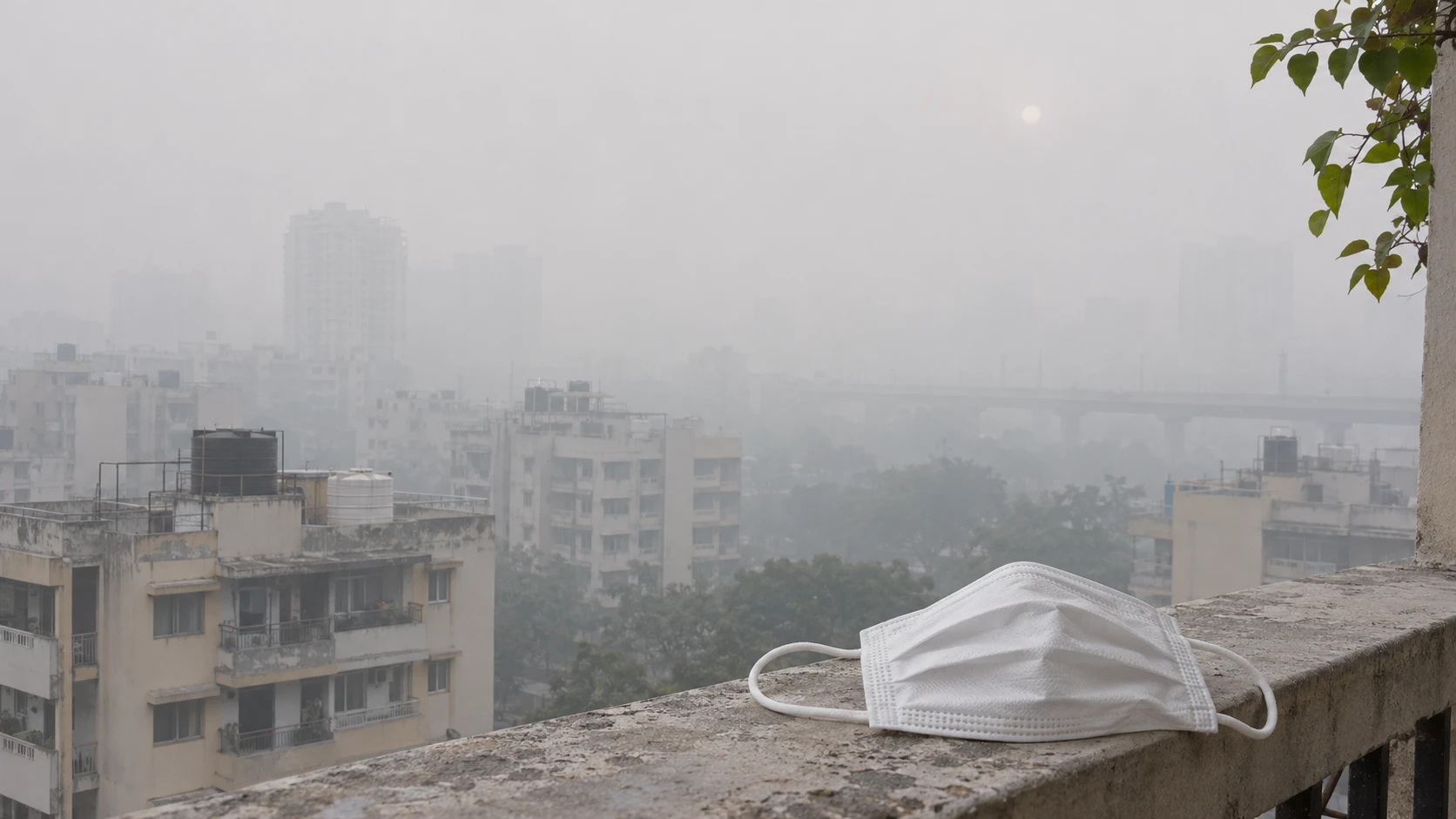
The Health Ministry's advisory suggests a close-fitted N95 or N99 mask on poor-to-severe air days. It only helps when it fits without gaps. Anyone who gets cough, wheezing or chest tightness should stop exertion and see a doctor, as the advisory says.
How do I tell an asthma attack from an allergic reaction?
Both can cause wheezing and breathlessness. Signs pointing to an allergic emergency are a swollen face, lips, tongue or throat, hives, trouble swallowing, feeling faint, or symptoms soon after a sting, food or medicine. If unsure, call 112 or 108 and say so.
What is the first aid for a severe allergic reaction?
Use the person's adrenaline auto-injector if they have one, call 112 or 108, and lay them flat without letting them stand or walk. The NHS and the Australian ASCIA plan both say a second injector can be used after five minutes if there is no improvement; follow the device leaflet and the doctor's plan.
What should I do after the attack has settled?
See a doctor soon. The NHS says to be reviewed within two days after an asthma attack, even if you feel better, so the treatment can be checked. After an allergic emergency, go to hospital; the Australian guidance says at least four hours of observation.
The week after Diwali brings smoke, dust and the first cold mornings together, and for people with asthma that is a bad mix. This page is for the person standing next to someone who suddenly cannot breathe properly: what to do in the first minutes, and when to stop doing it yourself and call 108 or 112. It is first aid, not treatment, and it does not replace your doctor’s written plan. We could not find a public Indian first-aid text for a bystander on these steps, so the step-by-step parts follow UK and Australian official guidance and say so. The advice on smog comes from the Health Ministry. Checked 5 November 2026.
In short
- Asthma attack: sit the person upright, keep them calm, and help them use their own reliever inhaler exactly as their doctor has told them.
- Call 112 or 108 if they are not getting better, are getting worse, cannot speak in full sentences, have bluish lips, or have no inhaler with them.
- Allergic emergency (swollen face or tongue, hives with breathing trouble, after a sting, food or medicine): this is different. Lay the person flat, use an adrenaline auto-injector if they have one prescribed, and call 112 or 108 at once.
- On smog days keep prescribed medicines within reach, stay indoors, and use a close-fitting N95 or N99 mask if you must go out.
Why smog and cold weather set off attacks
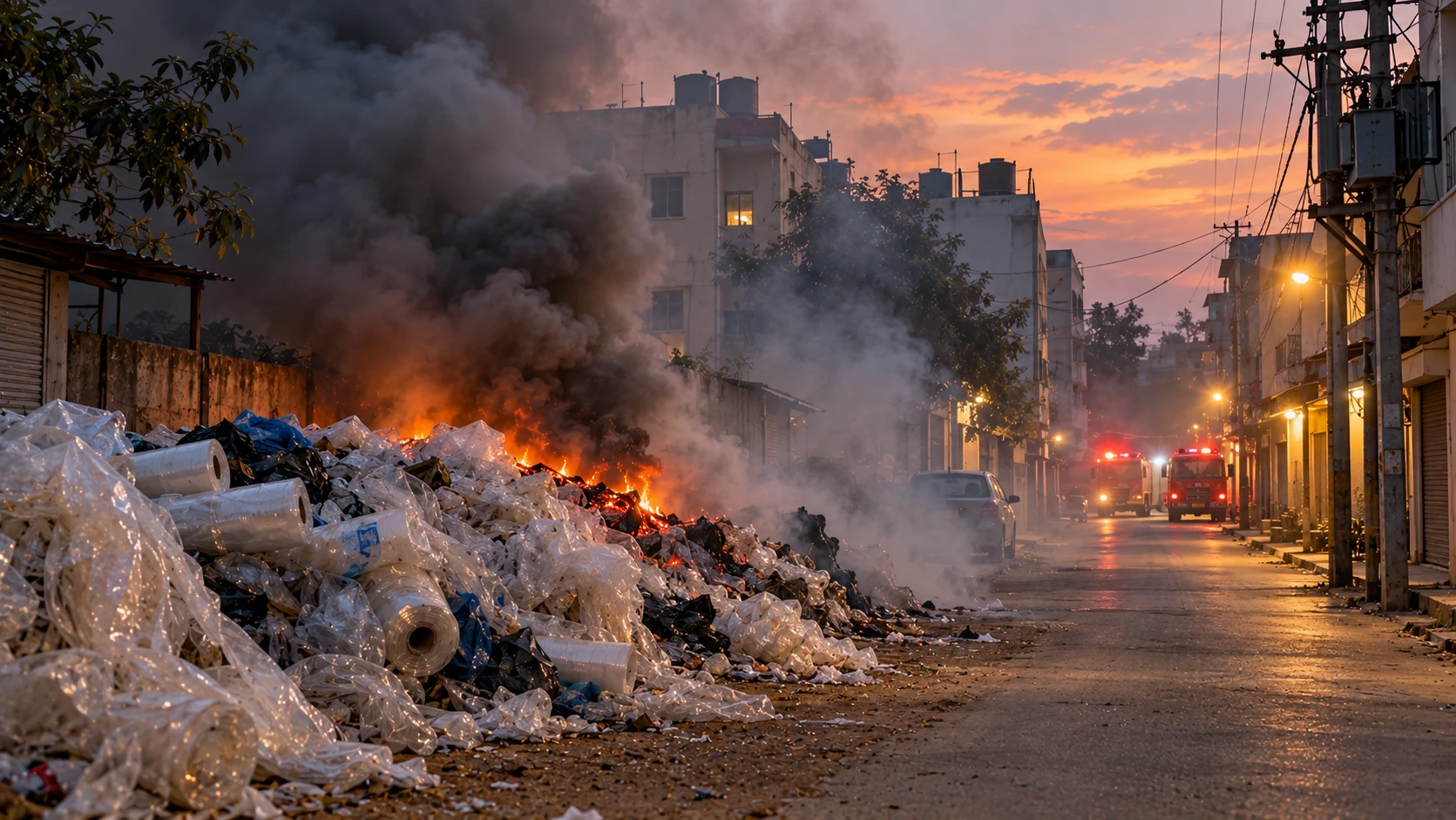
The World Health Organization calls air pollution an important risk factor for asthma, both for new cases and for making existing asthma worse, and lists smoke, fumes, dust and pollen among the usual triggers. The UK’s National Health Service adds cold air to the list. India’s Health Ministry says the same thing in its updated air pollution advisory of November 2025: short bursts of heavy pollution can cause eye, nose and throat irritation, cough, wheezing and chest discomfort, and in vulnerable people can make asthma and other chronic lung disease flare up. Children, older people, pregnant women and people with lung or heart disease are named as the groups at greater risk.
If someone is having an asthma attack
The signs are wheezing, a cough that will not settle, a tight chest and breathlessness, often worse at night or early in the morning. A person who cannot talk normally, or who is gasping between words, needs help now.
- Step 1. Sit them upright. The NHS says to sit up straight and try to stay calm. Do not make them lie down. Stay with them, speak slowly and loosen anything tight around the neck or chest (our own addition).
- Step 2. Their own reliever inhaler. The NHS says to use the reliever as the person’s asthma action plan directs. If they have a spacer, help them use it. We are deliberately not printing a number of puffs. Even the NHS page gives different counts for different kinds of inhaler, and other countries issue their own charts. Follow the plan the doctor wrote for this person.
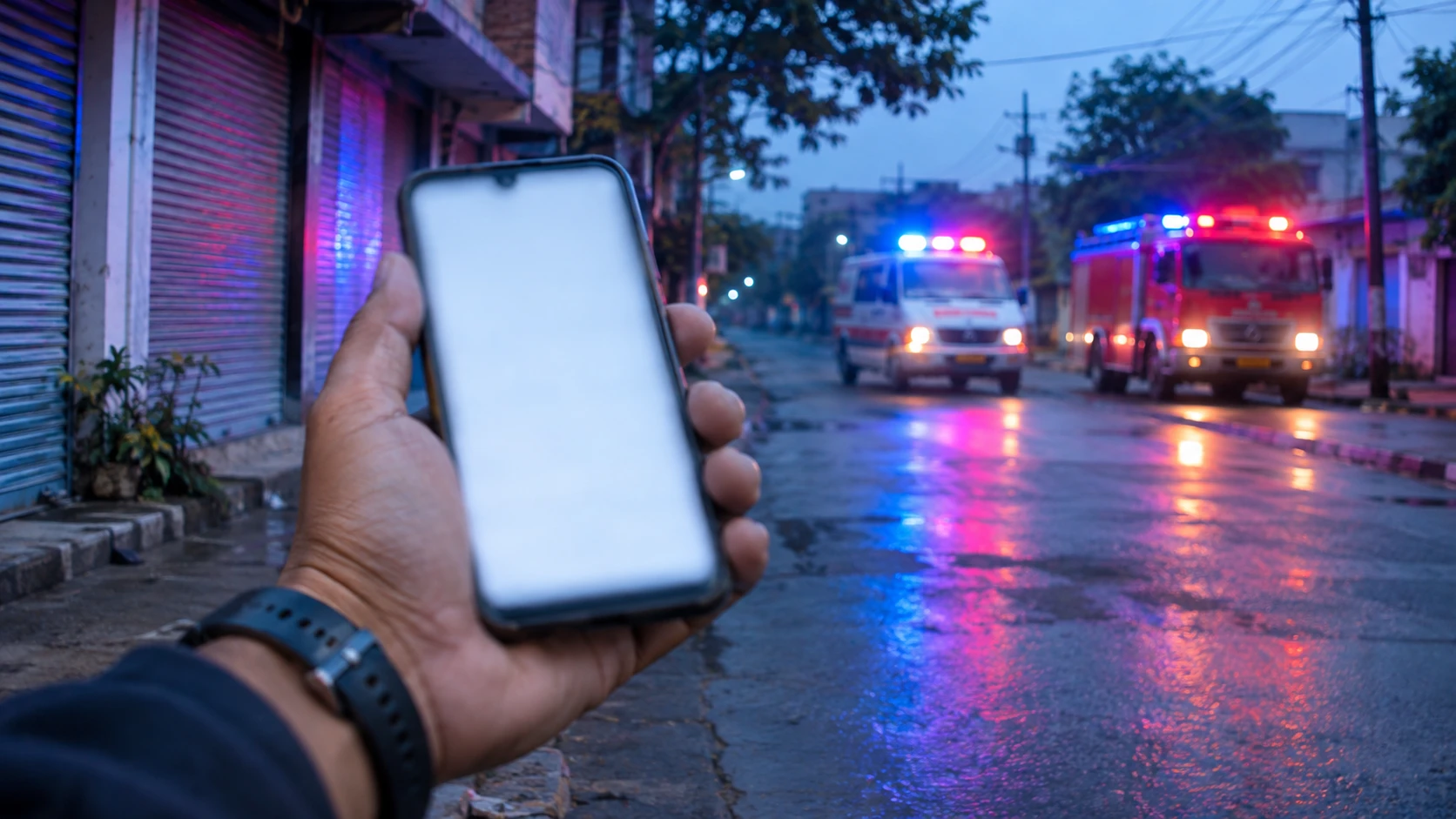
- Step 3. Call for help if it is not settling. The NHS says to call the ambulance if the person feels worse at any point, does not improve after the maximum dose in their plan, or does not have an inhaler. Australia’s National Asthma Council says to ask for an ambulance straight away and to say it is an asthma emergency; it lists not being able to speak normally and blue lips as signs of an emergency. In India, dial 112, or 108 for an ambulance where that number works in your state.
- Step 4. While you wait. Keep them upright, keep the inhaler and any prescription papers ready for the crew, and note the time of each puff you helped with. Do not leave them alone. The NHS also says not to drive yourself to hospital in this situation and to follow the call handler’s advice. If the ambulance is slow, tell the operator and ask what to do next.
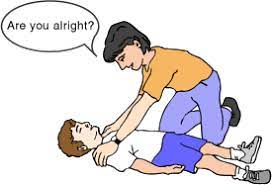
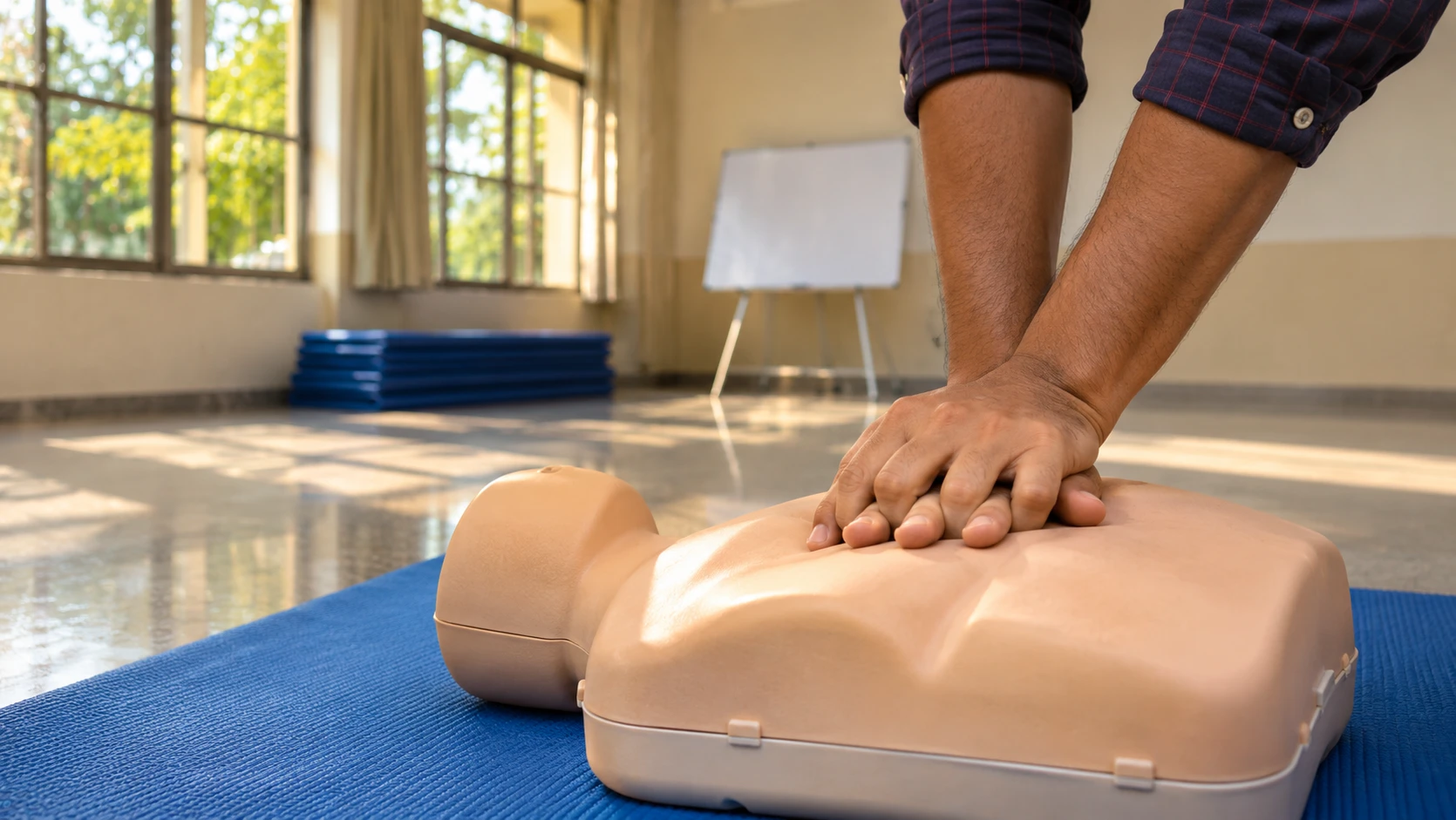
- Step 5. If they stop responding, the National Asthma Council says to start life support. Our page on basic first aid and the hands-only CPR page for adults are linked below.
Once the attack has eased, the person should still see a doctor soon. The NHS says within two days, to review the treatment and lower the risk of another attack.
Children. Children can tire and worsen faster than adults; that is our judgement, not a rule we found. Call for help earlier, and ask your paediatrician for a written plan before the winter, not during it.
If you suspect an allergic emergency (anaphylaxis)
A severe allergic reaction can look like asthma, but the first aid is different. The NHS lists swelling of the throat and tongue, fast or difficult breathing, trouble swallowing, wheezing, feeling faint or confused, cold skin, and pale, blue or grey skin or lips, sometimes with a raised, itchy rash. It can follow a food (nuts and unlabelled sweets are easy to miss at a wedding or festival table), a sting or a medicine.
- Use the adrenaline auto-injector if the person has one. UK and Australian guidance both say to use it without waiting for the ambulance. Use it as the device instructions and the doctor’s plan say.
- Call 112 or 108 and say you think it is a severe allergic reaction.
- Lay them flat and do not let them stand or walk, even if they start to feel better. The NHS says to raise the legs; if breathing is hard, let them sit up slowly or raise the shoulders. The Australian guidance says to keep young children flat, not upright.
- If there is no improvement after five minutes and the person has a second injector, UK and Australian guidance allow a second dose. Check the device’s leaflet and the doctor’s plan; Indian devices and prescriptions may differ.
- Go to hospital even if they recover. The Australian guidance says the person should be observed in hospital for at least four hours.
We looked for an ICMR, AIIMS or Health Ministry first-aid text on auto-injector use by bystanders and did not find one, so please ask your doctor whether an auto-injector is right for you or your child.
Before the attack: smog and cold-weather basics
The Health Ministry’s advisory is plain about the days when the Air Quality Index crosses 200. People with chronic lung or heart disease should keep their prescribed medicines readily available when they go out, watch their symptoms, and seek medical advice immediately if they get worse. Anyone with cough, wheezing or chest tightness should cut down or stop exertion and see a doctor. For the AQI bands and mask details, see our guide to bad AQI days and N95 masks.
- Mask. The advisory suggests a close-fitted N95 or N99 mask on poor-to-severe days. It only helps if it fits without gaps.
- Indoors. It says air purifiers may help, but to avoid those that make ozone; to use the air conditioner in recirculate mode in buildings and vehicles; to mop wet instead of sweeping; and to keep cooking areas ventilated.
- No smoke at home. It asks people not to burn mosquito coils or incense sticks in closed rooms and not to burn anything in the open.
- Crackers. It says people with asthma or another lung disease should avoid bursting fire-crackers and should stay indoors on the nights of Diwali.
- Outdoors. It advises skipping the morning and late-evening walk when the AQI is poor or worse, and ventilating rooms, if needed, between noon and 4 pm.
What not to do
- Do not lay a person with an asthma attack flat, and do not leave them alone.
- Do not spend the critical minutes on steam, kadha or other home remedies while the person is struggling to breathe. This is our judgement; we found no official text that recommends them as first aid.
- Do not wait to see “one more puff” beyond what the plan says. If it is not working, call.
- Do not give an allergic emergency a cold drink or a tablet to see if it passes. Lay them flat and call.
Do these today
- Ask your doctor for a written asthma action plan, and for a spacer if you do not have one. Stick a copy near the bed and keep one in your bag.
- Keep the reliever inhaler where the family can find it in the dark. Check its expiry date.
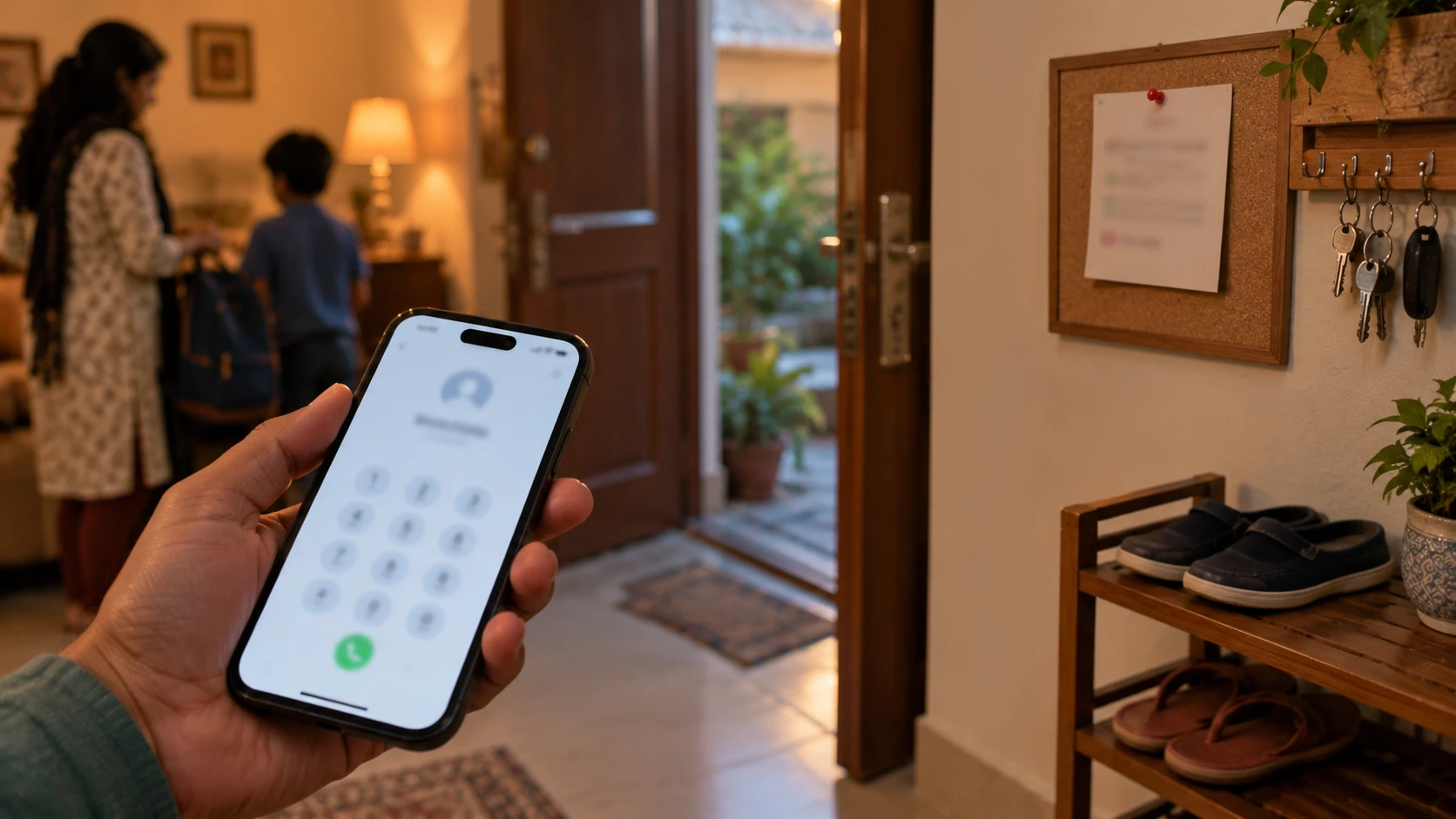
- Save 112 and 108 on your phone. A 112 call card with the address, age and medicines saves time.
- If someone in the family has a serious allergy, ask the doctor about an adrenaline auto-injector and teach two other adults to use it.
What we could not confirm
We found no Indian official first-aid text for bystanders on asthma attacks or anaphylaxis, so the step-by-step advice rests on UK (NHS) and Australian (National Asthma Council, ASCIA) guidance. We did not find a public Indian puff schedule and have not printed one. The Indian Red Cross first aid manual could not be opened from here. We have not watched the three videos in full. This page is general information and does not replace medical advice.
What needs attention
- WHO calls air pollution an important risk factor that makes existing asthma worse; the NHS lists cold air, air pollution and smoke as triggers.
- India's Health Ministry advisory of November 2025 names asthma among the conditions that can flare on bad air days and lists breathlessness, wheezing and chest tightness as reasons to see a doctor.
- The NHS and the National Asthma Council agree on the core steps: sit upright, use the person's own reliever, and call an ambulance if it is not working.
- The first aid for anaphylaxis is different: lay flat, adrenaline auto-injector first, call an ambulance.
- We found no Indian official first-aid text for bystanders on asthma attacks or anaphylaxis.
Controls that reduce risk
- Ask your doctor for a written asthma action plan and a spacer.
- Keep the reliever where the family can find it in the dark; check the expiry date.
- Save 112 and 108 on your phone and keep a 112 call card.
- Keep a close-fitted N95 or N99 mask for smog days and stay indoors when the AQI is poor.
- If someone has a serious allergy, ask about an adrenaline auto-injector and teach two other adults.
Common unsafe practices
- Laying an asthma patient flat, or leaving them alone.
- Waiting for a second or third round of puffs beyond the doctor's plan before calling.
- Spending the first minutes on steam or home remedies.
- Treating a severe allergic reaction like an asthma attack, and sitting the person up when they should lie flat.
- Letting someone walk or stand after an allergic emergency because they feel better.
- Going out on a severe-AQI day without the reliever.



Leave a comment