
What happened here


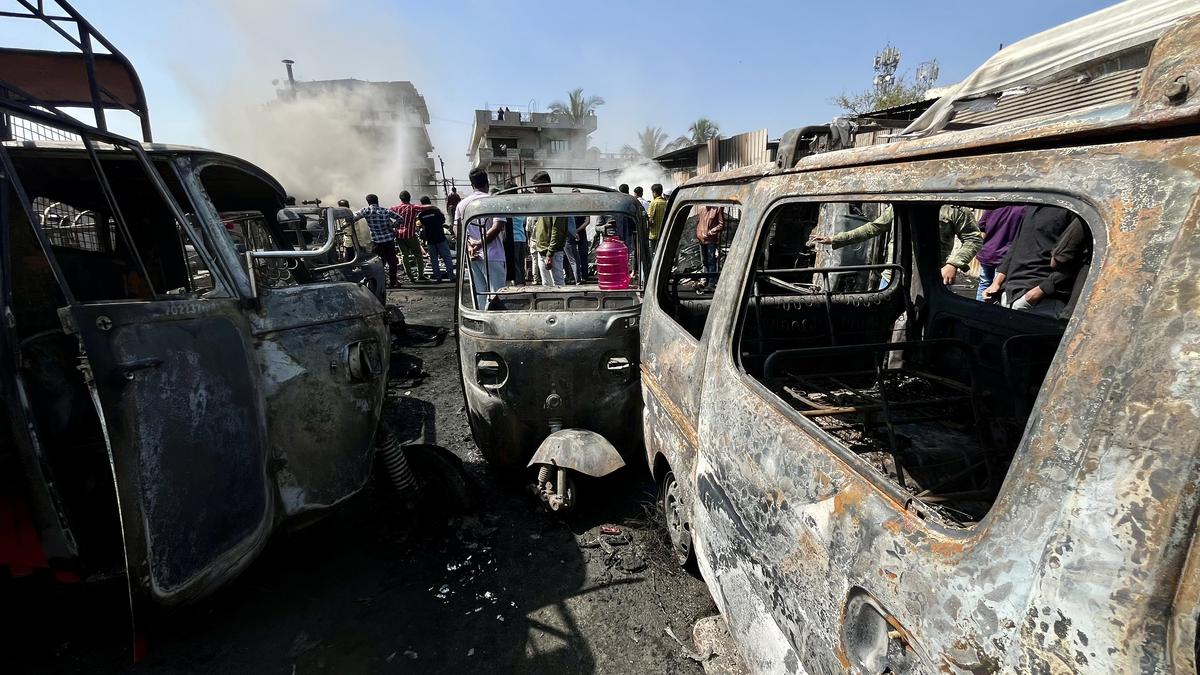 1 / 7
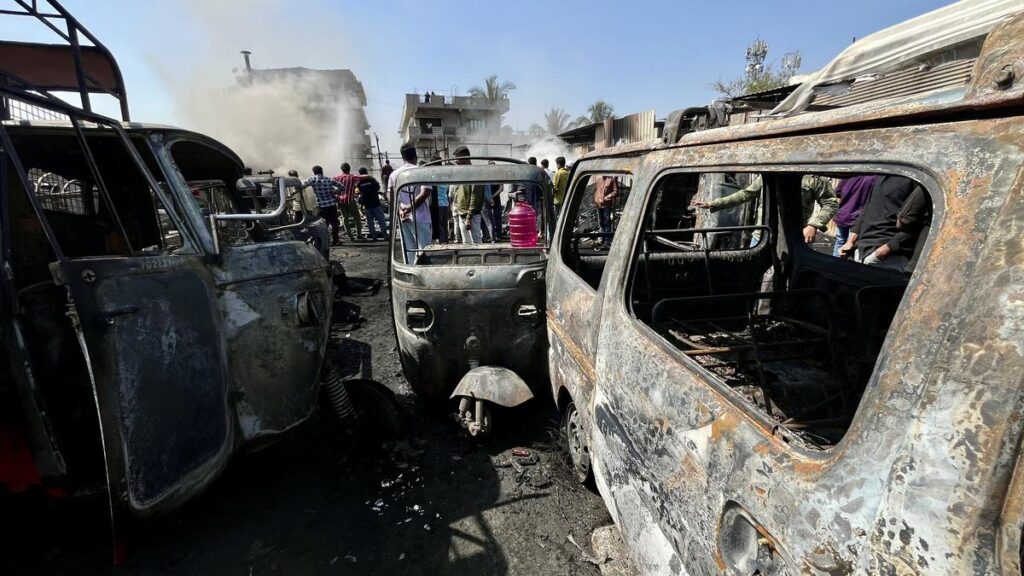
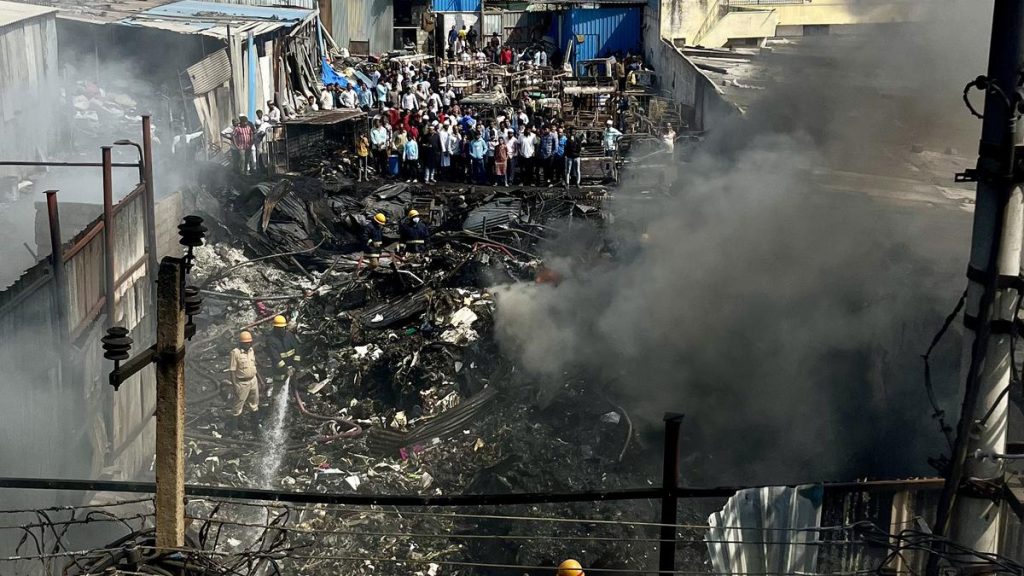
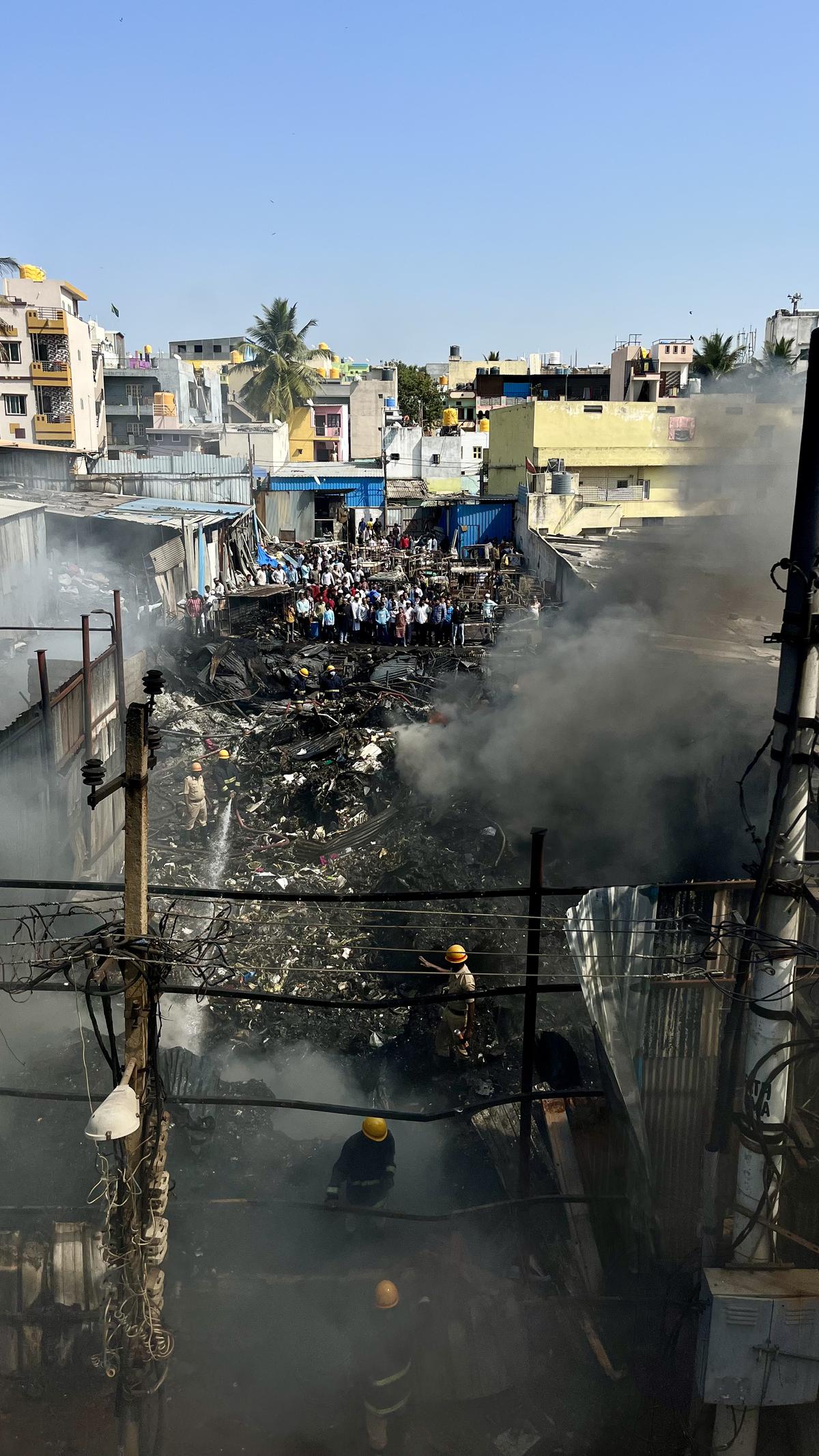
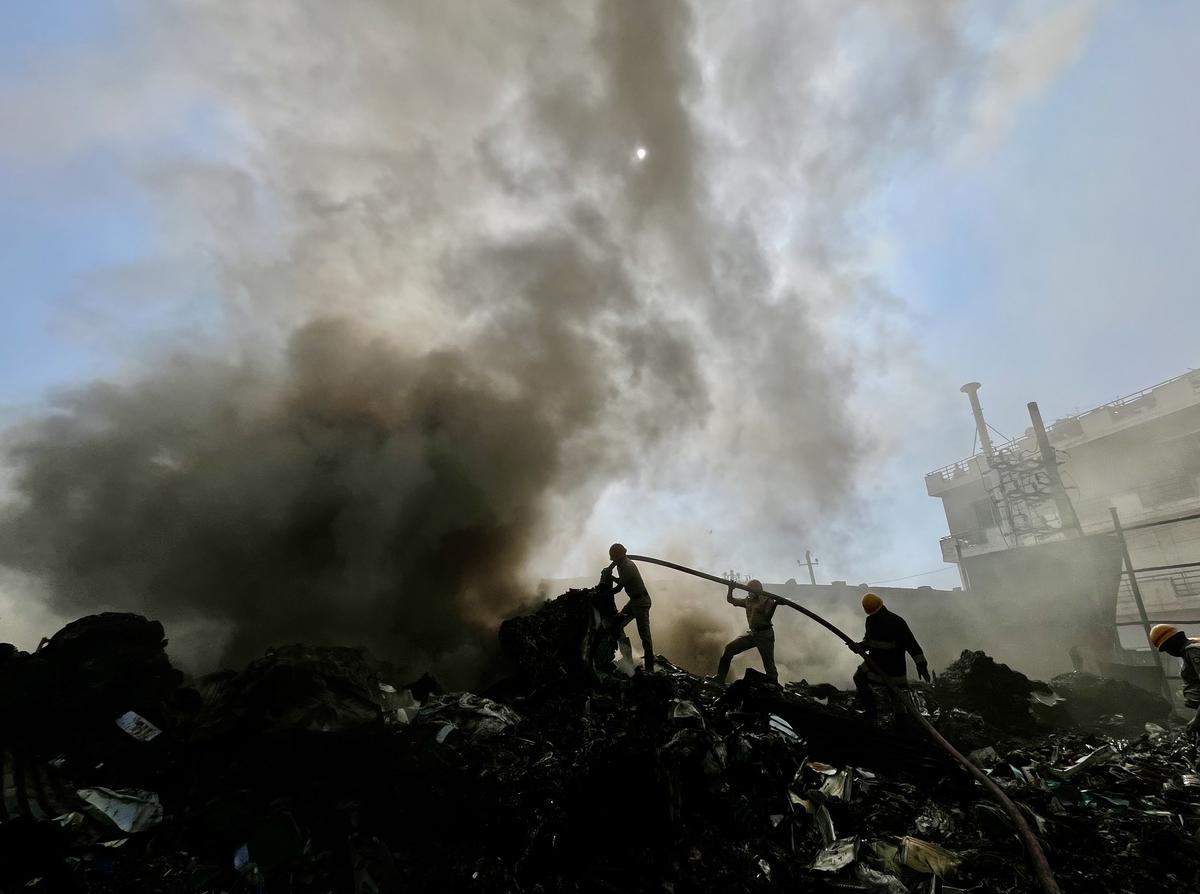
1 / 7 In the early hours of 23 February 2024, fire swept through a plastic waste shredding unit in Gangondanahalli, Bengaluru, that also served as a night parking lot. Police said 26 autorickshaws and one car were gutted; other reports gave higher totals. Nobody was hurt, but many drivers lost the vehicle they earn from.
Quick answers
What happened in the Gangondanahalli parking lot fire in Bengaluru?
Early on 23 February 2024, fire broke out at a plastic waste shredding unit near Nayandahalli in Bengaluru, which was also used for overnight parking. Police said 26 autorickshaws and one car were destroyed; other reports gave higher totals. Nobody was hurt.
What caused the Gangondanahalli parking lot fire?
The cause was not established. Police looked at both an accident and arson. An investigator said plastic scrap carried in some goods vehicles may have made the fire worse.
Why is it risky to park vehicles near plastic waste?
Plastic burns hot and fast. When vehicles are parked close to it and to each other, fire spreads from one to the next, and it is hard to move them out in time.
What should you do if you see a vehicle fire at night?
Shout to wake people and call 112 or 101 straight away with the exact location. Stay upwind of burning vehicles and plastic, keep the lane clear for fire tenders and do not go back in.
In the early hours of 23 February 2024, fire swept through a plastic waste shredding unit at Gangondanahalli, near Nayandahalli in Bengaluru. The same compound was used at night as a parking lot for autorickshaws and goods vehicles. Police told Deccan Herald that 26 autorickshaws, both goods and passenger autos, and one car were gutted. Other outlets reported higher totals; Public TV, for example, said more than 30 autorickshaws and goods vehicles burnt. Nobody was hurt.
For the drivers, this was not just a fire in a scrapyard. Most of them lost the vehicle they earn from.
A shredding shed that was also a parking lot
The unit, owned by a man named Rizwan, stored and shredded plastic waste in a shed. At night, autos, goods carriers and pushcarts were parked in the same compound for ₹30 a night. Heaps of plastic waste sat close to rows of parked vehicles, so when the fire started there was plenty to feed it.
What happened that night
- About 1:45 am. Mahesh, a local resident, saw fire in the shed. It was spreading fast through the compound.
- About 1:45 am. The fire brigade was alerted. Deccan Herald gives 1:45 am; another account puts the call at 1:57 am.
- 2:00 am. Five fire tenders were sent to the spot.
- Around 6:00 am. Firefighters finished their final check to make sure the fire would not flare up again (Deccan Herald).
While the fire brigade fought the fire, local people, including auto drivers Mohammed Aslam and Mahesh, pushed and drove vehicles out of the way. They probably saved many autos from the same fate. The quick response of the fire brigade also helped keep anyone from getting hurt.

What caused it
The cause was not established. Chandra Layout police said they were looking at several angles, including an accident and arson, and that forensic reports would decide. We have not found the outcome. What is clear is that the plastic waste, and the plastic scrap and other material inside some of the vehicles, made the fire much harder to control.
Why the fire spread so badly
- Too much fuel close together. Plastic waste in the shed and burnable material inside the vehicles kept feeding the flames.
- Vehicles packed tight. With autos parked close to each other, fire jumped from one to the next, and it was hard to move them out quickly.
- Nobody watching at night. The fire was spotted by a neighbour, not by anyone on site. The tenders were sent soon after the call, but by then a lot was already burning.
What it cost
- Vehicles. 26 autorickshaws and one car, according to police (Deccan Herald). Other reports gave higher totals.
- Livelihoods. Drivers who lost their autos were left in serious financial trouble. Many now depend on rented vehicles to keep earning.
- Demands. Residents and the autorickshaw drivers’ union asked for compensation and better safety at such compounds.
What should change
- Keep plastic and parking apart. A shed full of plastic waste should not double as a night parking lot. If both must be on the same plot, put a wall or a wide clear gap between them.
- Park with gaps and keep a lane open. Rows with space between them slow the spread, and a clear lane lets fire tenders get in.
- Someone awake, or at least an alarm. A night watchman or a working smoke or heat alarm gets the call out sooner.
- Extinguishers and water on site. Keep extinguishers and a filled water drum near the shed and the parking area, and teach the staff to use them.
- Check the wiring. Get the shed’s wiring checked and switch off the shredder supply at night. The cause of this fire is not known, but faulty wiring is a common starting point in sheds like this.
- Inspections. Units handling plastic waste, and compounds where vehicles are parked overnight, should get regular fire safety inspections.
- Help after the fire. Drivers need quick support from the government, and help with insurance claims, to get back on the road.
If you park your auto in a shared compound
Tonight, take a look at what is stored next to your vehicle. If it is plastic waste, scrap or gas cylinders, ask the owner to move it or find another place to park. Do not leave fuel cans or oily rags inside the auto. Save 112 and 101 in your phone along with the exact address of the compound, and check that your vehicle insurance is still valid. Keep copies of your RC and permit at home, not in the vehicle.


More on Bengaluru: see our Bengaluru fire and emergency safety guide for fire brigade numbers, every fire station and the local risks to know.
- Fire develops in the compound
- Fire and Emergency Services are alerted
- Plastic waste and vehicle contents add fuel
- Residents move some autorickshaws to safety
- Final check completed; no risk of rekindling
Why consequences escalated
- A plastic waste shed and an overnight parking lot were run in one compound with no gap between them
- Autos parked close together let the fire jump from one vehicle to the next
- Most of the drivers depend on their auto for a living, and many had no quick way to replace it
- The fire was spotted by a neighbour, not by anyone on site
- A clear lane for fire tenders and a gap around waste sheds make a big difference in a fire like this
Failures and risk multipliers
- Letting a plastic-waste shredding shed double up as a night parking lot for autos and goods vehicles
- Parking vehicles bumper to bumper, so fire jumped from one to the next
- Storing loose plastic waste right next to parked vehicles
- Having no one awake on site at night to spot the fire early
- No extinguishers or water supply in the compound
Actions that reduce risk
- Keep plastic waste and shredding work behind a wall or a clear gap, well away from parked vehicles
- Park vehicles in rows with gaps, and keep a lane open for fire tenders
- Put a night watchman on site, or at least a working smoke or heat alarm
- Keep extinguishers and a filled water drum near the shed and the parking area
- Get the shed wiring checked and switch off the shredder supply at night
- Drivers: insure your vehicle and keep copies of RC and permit papers away from the vehicle
Leave a comment