
What happened here


 1 / 3
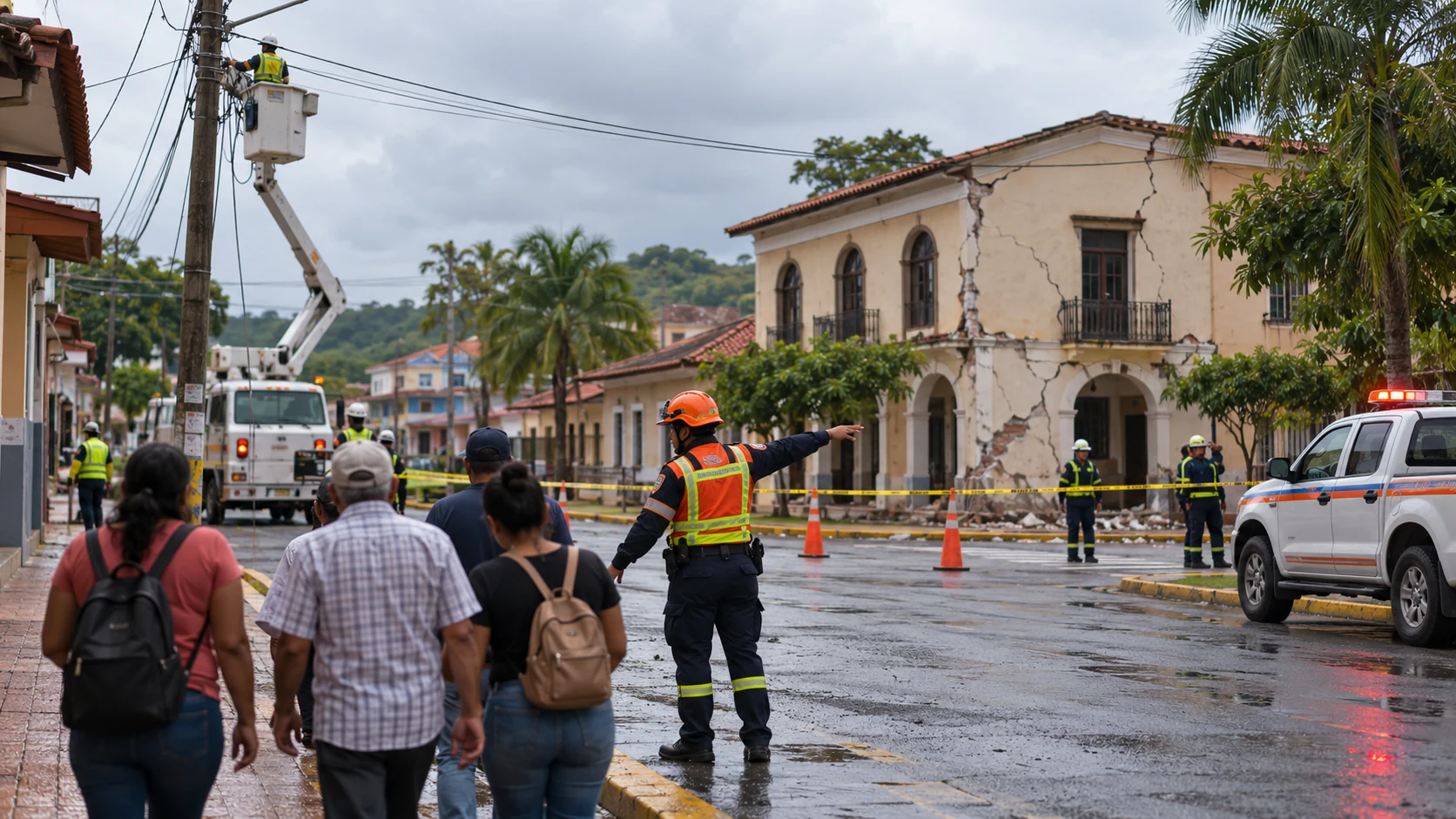
A magnitude 7.4 earthquake struck western Colombia at about 7.34 am on 10 August 2026, near San José del Palmar in Chocó. The national disaster agency reported 294 dead, 3,935 injured and 320 missing by 15 August. Pereira and Cali were worst hit and more than 9,550 homes were destroyed. The reports differ on the toll over time, the missing and how strong it was.
Quick answers
What happened in Colombia?
A magnitude 7.4 earthquake struck western Colombia at about 7.34 am on Monday 10 August 2026, near San José del Palmar in Chocó. It was felt in Ecuador, Venezuela and Panama.
How many people died?
The national disaster agency reported 294 dead, 3,935 injured and 320 missing on 15 August 2026.
Which cities were worst hit?
Pereira and Cali. Al Jazeera counted 83 deaths in Pereira and 74 in Cali on 13 August.
How many homes were destroyed?
More than 9,550 homes, according to Al Jazeera on 13 August.
Was it the strongest quake in Colombia?
Al Jazeera calls it the strongest this century. DW quotes Colombian authorities calling it the highest magnitude in the last decade. The reports differ.
What did the government do?
The new president declared a nationwide state of emergency and an economic emergency and promised a fund to rebuild hospitals, schools and homes.
Could this happen in India?
Large parts of India lie in active seismic zones, and old or badly built blocks are at risk. Our guides to seismic zones and to what to do during shaking explain more.
What should I do during an earthquake?
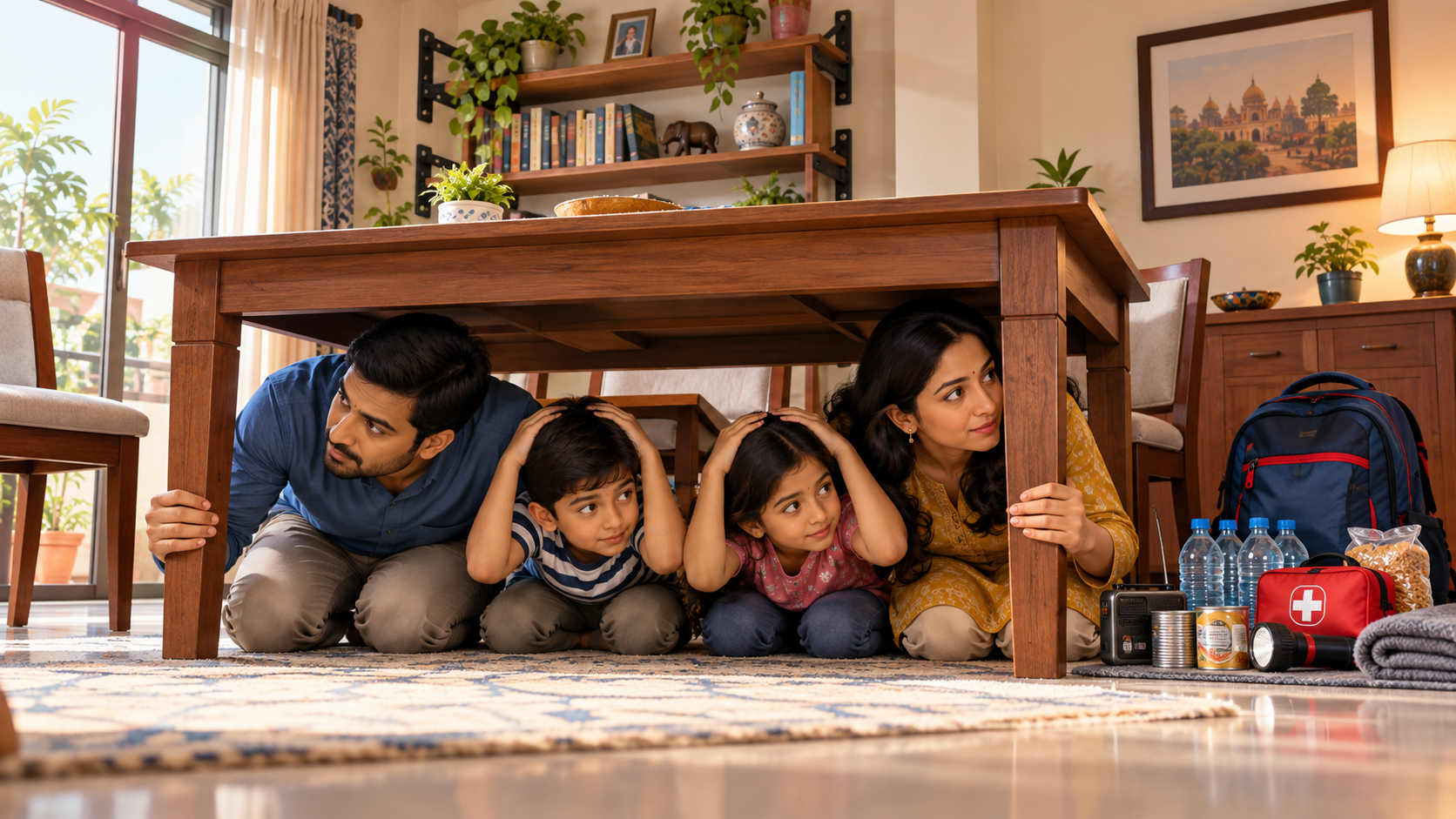
Drop, cover and hold on under a sturdy table away from windows, do not use a lift, and leave a damaged building once the shaking stops.
What happened
The Colombia earthquake struck at about 7.34 am local time on Monday 10 August 2026. The US Geological Survey and Colombia’s own agency both put the magnitude at 7.4, with the epicentre near San José del Palmar in the Chocó region, about 400 km west of Bogotá. The shaking was felt as far away as Ecuador, Venezuela and Panama. DW, Al Jazeera and Anadolu report the disaster, and Anadolu quotes the national disaster agency.
The toll rose steadily. Early reports said 21 dead. DW gave more than 110 dead, Al Jazeera 265 dead on 13 August, and the national disaster agency 294 dead, 3,935 injured and 320 missing on 15 August. Pereira, in the coffee region, and Cali, the third-largest city, were worst hit, with 83 and 74 deaths in Al Jazeera’s count. More than 9,550 homes were destroyed.
This page names no one. It sets out what is reported, where the reports differ and what the disaster teaches about quake-resistant building and the first 72 hours of rescue. We have found no published inquiry into why particular buildings fell.
What the reports say
- When: About 7.34 am local time on Monday 10 August 2026 (DW)
- The quake: Magnitude 7.4, reported by the USGS and the Colombian agency, near San José del Palmar in the Chocó region, about 400 km west of Bogotá; felt in Ecuador, Venezuela and Panama (DW)
- Official toll: 294 dead, 3,935 injured and 320 missing on 15 August 2026, from the national disaster agency, UNGRD (Anadolu)
- Toll over time: Early reports 21 dead; more than 110 in DW; 265 dead, more than 3,500 wounded and nearly 500 missing on 13 August (DW; Al Jazeera)
- Worst hit: Pereira, in the coffee region, with 83 deaths, and Cali, the third-largest city, with 74, in Al Jazeera’s count; the remote Chocó epicentre was hard to reach (Al Jazeera; DW)
- Damage: More than 9,550 homes destroyed; more than 1,500 homes severely damaged in Risaralda department; more than 20 municipalities affected (Al Jazeera; DW)
- Rescue: Crews searched rubble by hand, with cranes and sniffer dogs, and said on 12 August they were entering the “final phase” near the 72-hour mark (Al Jazeera)
- Government response: The new president, in office since 6 August, declared a nationwide state of emergency and an economic emergency and promised a fund to rebuild hospitals and schools (DW; Al Jazeera)
- Identities: Reports name victims, officials and rescuers; we name no one
Where reports differ and what we do not know
- How strong it was: Al Jazeera calls it the strongest quake to hit Colombia this century. DW quotes Colombian authorities saying it was the highest magnitude registered in the country in the last decade. We say magnitude 7.4 and give both comparisons.
- The toll: The figures differ by date: 21, more than 110, 265 and 294. The latest is the disaster agency’s. We give 294 and show the dates.
- The missing: Al Jazeera gave nearly 500 missing on 13 August; the agency gave 320 on 15 August. The later number is lower, probably as people were found or accounted for. The reports do not say why, so we give both.
- The emergency declarations: DW says the president declared a nationwide state of emergency. Al Jazeera says he declared an economic emergency. They may be two steps; we name both.
- Where the worst deaths were: Al Jazeera puts 83 deaths in Pereira and 74 in Cali on 13 August. DW stressed Cali and Pereira as the hardest-hit cities. The counts of the two cities may have changed since.
- Not reported: We found no published inquiry into why particular buildings collapsed, no final damage figure and no list of the dead. We do not guess.
What this teaches
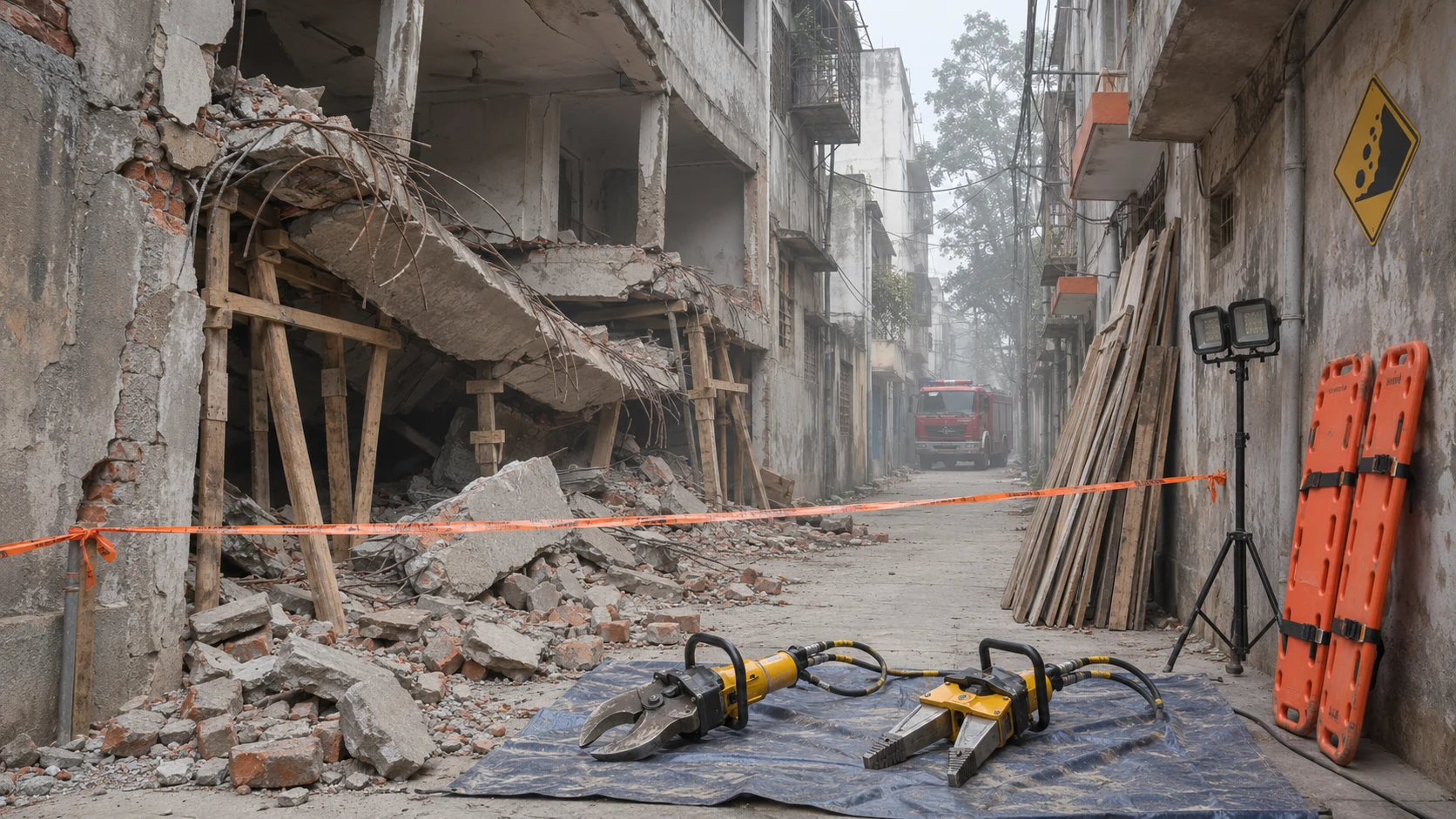
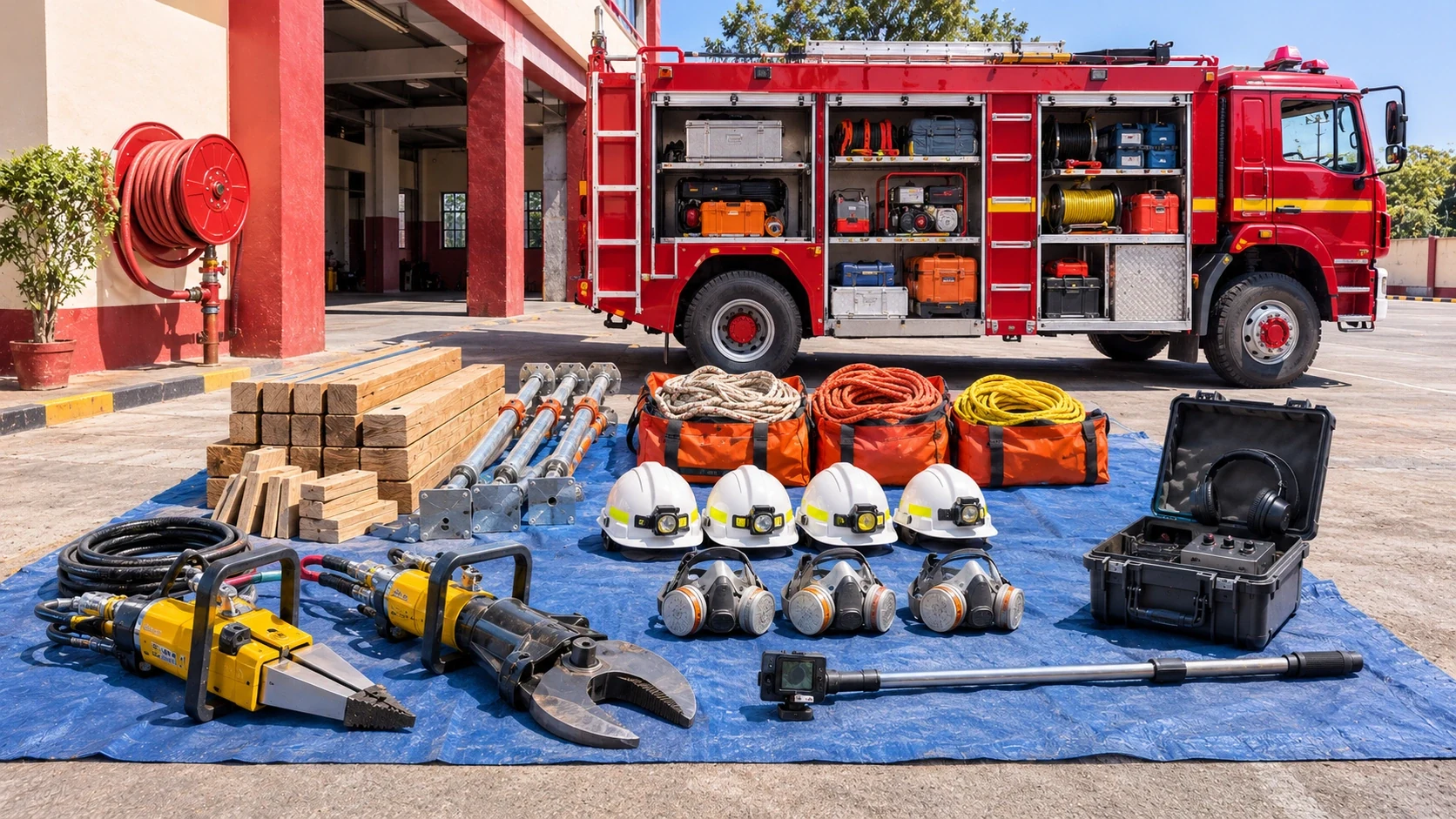
The first three days decide most rescues. Al Jazeera reports that crews were nearing the 72-hour mark, the period in which people under rubble are most likely to be found alive, when they said the search was entering a final phase. Rescuers in Pereira used equipment that picks up vibrations to listen for a street vendor trapped under a collapsed bakery, and volunteers in Cali asked for silence every half hour to listen for survivors. Ordinary people brought water, food and blood.
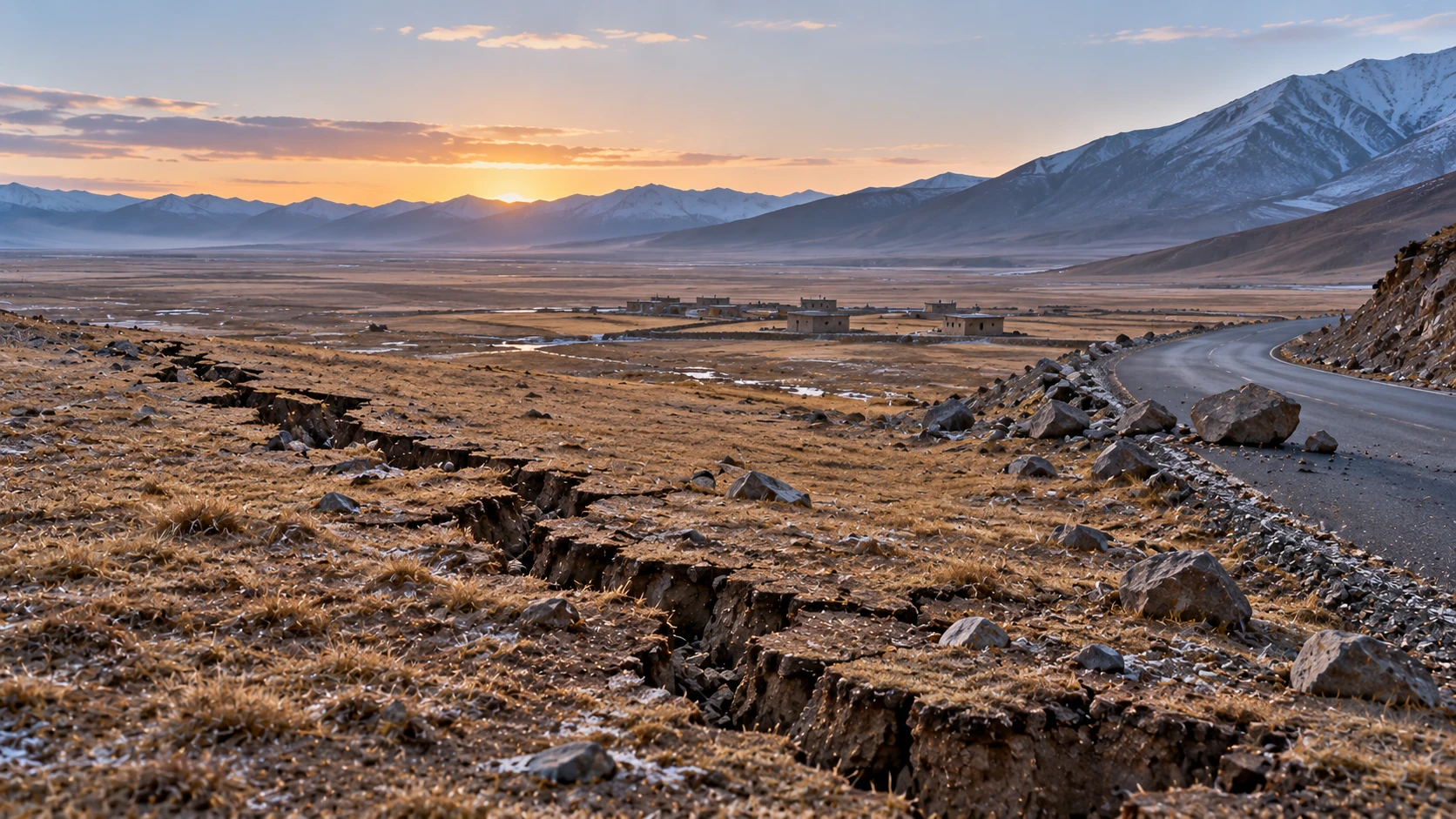
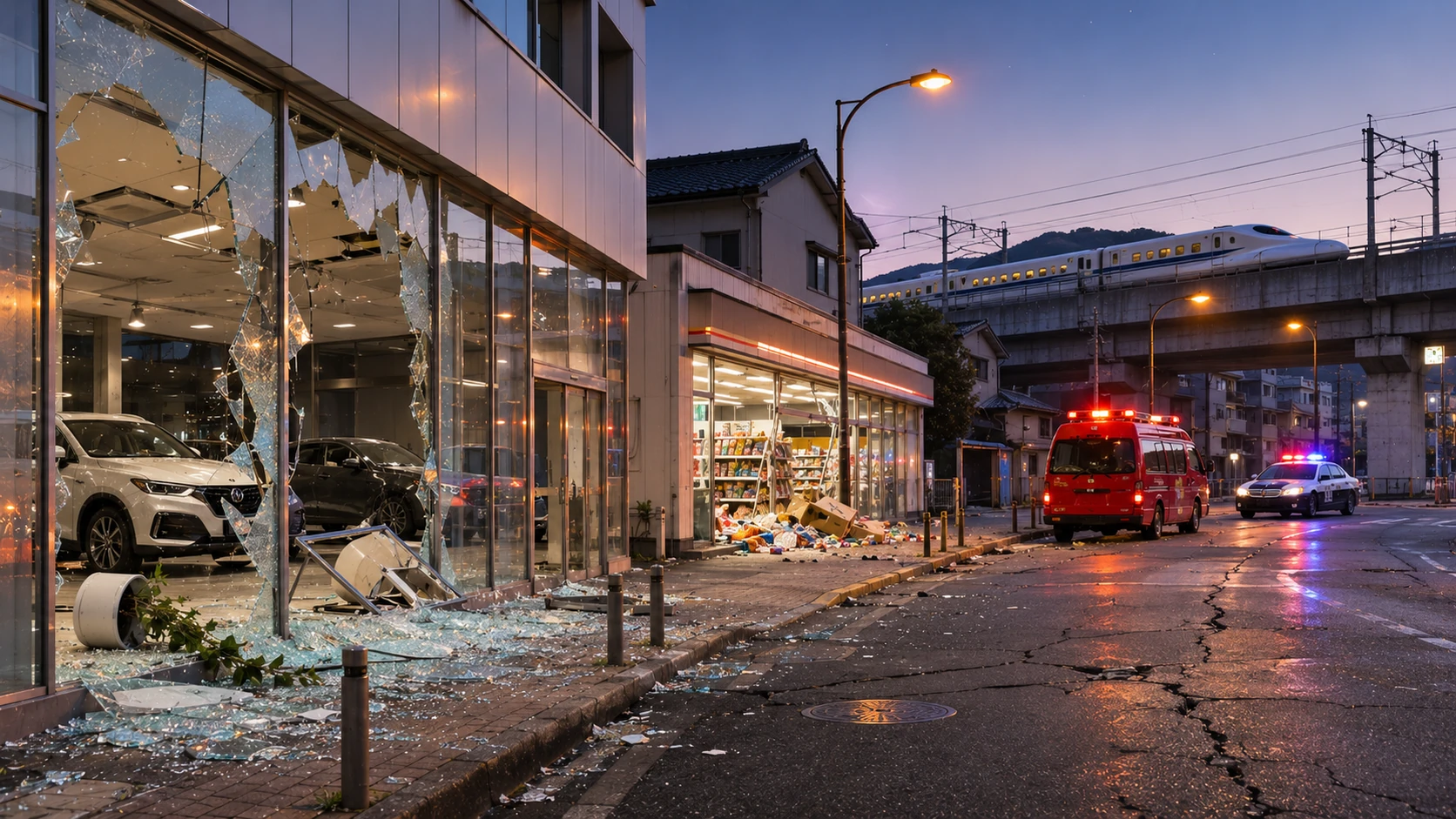
India lies in active seismic zones too. We have covered similar disasters, among them the Flores earthquake in Indonesia, the Panama M7.7 earthquake, the Tibet earthquake at Nagqu and the Western Shizuoka earthquake in Japan. Our guide to India’s seismic zones and our guide to what to do before, during and after shaking explain the risk at home. After a collapse, our guide to how rescue teams search a collapsed building and our guide to what a city needs to rescue people from collapsed buildings explain what bystanders should and should not do.
We do not know why particular buildings failed, how many people were rescued after the first week or the final damage bill. We will update this page when an official report is published.
- A magnitude 7.4 earthquake strikes near San José del Palmar in the Chocó region and is felt in Ecuador, Venezuela and Panama (DW)
- Buildings collapse in Cali and Pereira; early reports say 21 dead (DW)
- DW reports more than 110 dead, and the new president, in office since 6 August, declares a nationwide state of emergency (DW)
- Rescue crews say they are entering the "final phase" as the 72-hour mark nears (Al Jazeera)
- The toll is 265 with more than 3,500 wounded and nearly 500 missing; an economic emergency and a rebuilding fund are announced (Al Jazeera)
- The disaster agency reports 294 dead, 3,935 injured and 320 missing (Anadolu)
Why consequences escalated
- A magnitude 7.4 earthquake struck western Colombia at about 7.34 am on 10 August 2026, with the epicentre near San José del Palmar in Chocó.
- The disaster agency reported 294 dead, 3,935 injured and 320 missing by 15 August.
- Pereira and Cali were worst hit; more than 9,550 homes were destroyed.
- The president declared emergencies and promised a fund to rebuild hospitals, schools and homes.
- No inquiry into why particular buildings collapsed is published.
Failures and risk multipliers
- No inquiry has been published. The reports leave these questions open:
- Why particular buildings in Cali and Pereira collapsed while others stood.
- How many of the missing were later found, and the final toll.
- How hospitals, schools and homes were built and whether they followed the code.
- What the final cost of the damage will be.
- These are open questions, not findings of fault.
Actions that reduce risk
- Before an earthquake: ask whether your building follows the seismic code, and have an old or cracked building checked by a structural engineer.
- During shaking: drop, cover and hold on under a sturdy table, away from windows and heavy furniture; do not use a lift.
- After shaking: leave a cracked or leaning building by the stairs, gather in the open and expect aftershocks.
- Neighbours: if someone is trapped, call the emergency number, keep the crowd back and let trained crews lead; help with water, food and blood donation.
- Authorities: keep search teams, cranes, sensing equipment and a clear command ready so the first 72 hours are not lost.


Leave a comment