
Quick answers
What should I do first if I see a building collapse?
Call 112 (or 101 for the fire brigade, 108 for an ambulance), give the address, a landmark, what has fallen and whether you can hear anyone, and move back to a safe spot. Keep the lane clear. Do not climb on the pile.
Can I try to pull people out myself?
Only where a person can be reached safely from outside and nothing above them can shift. Do not crawl into gaps, pull at slabs or lift heavy pieces. A pile that has settled can slip and trap you as well. Stay with the person, talk to them and wait for the team.
Why are rescuers so slow?
They prop the structure first, because every piece moved can shift the rest, and they listen and search before they cut. They also work in shifts. Canada's standard expects a heavy team to work 24 hours a day for up to ten days. The work is slow on purpose.
Why do rescuers ask for silence?
Search teams listen for voices and tapping, and use acoustic and seismic devices and dogs. Noise from a crowd can hide the sound. This is common practice at rescue scenes. Follow what the officer in charge tells you.
Should I bring my own JCB or crane?
No, not on your own. A machine that goes in without a plan can drop more weight on the people underneath. Offer it to the officer in charge, who decides if and where it can be used.
What is the difference between USAR and CSSR?
USAR means urban search and rescue, the international term. CSSR, collapsed structure search and rescue, is the name the NDRF and state forces use in their own training and press notes for the same work.
Does India have an INSARAG-classified team?
The NDRF's January 2025 note says one USAR Heavy Team was being mentored by the Swiss Agency for Development and Cooperation towards INSARAG certification. We found no published classification, so we do not say India holds it.
What if I am trapped under rubble?
Ready.gov advises sending a text or banging on a pipe or wall, covering your mouth with your shirt and using a whistle instead of shouting. The NDMA says not to light a match. Stay as still as you can and wait for rescuers.
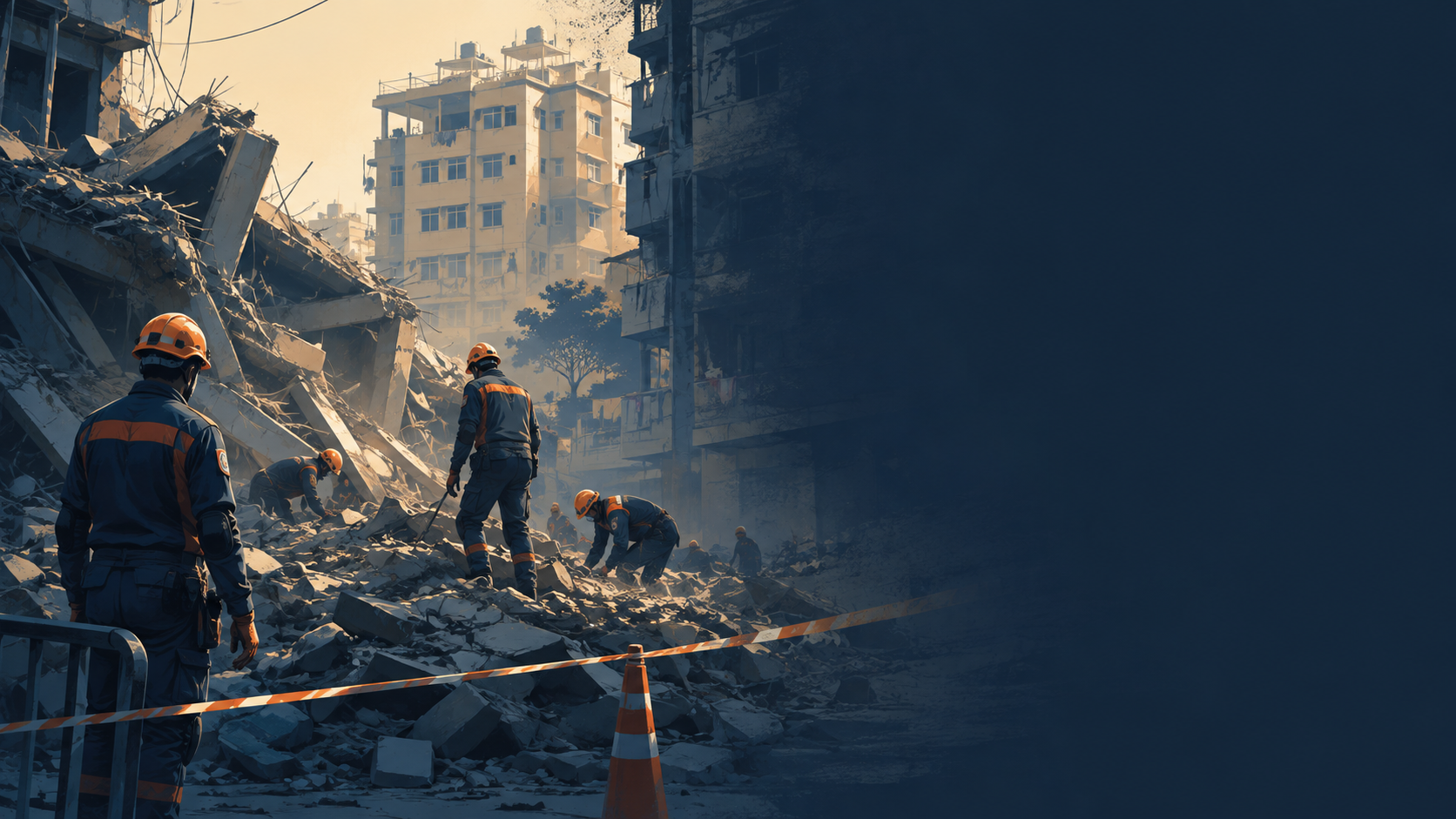
When a building comes down, the first people to reach it are almost always the neighbours. At Chawri Bazar in Old Delhi on 5 November 2026, a Delhi Fire Services officer said local people pulled four people out before the fire teams arrived, as we report on our case page. That kind of help saves lives. It is also where an eager crowd can make the rescue harder. This page explains in plain words how trained teams search a collapsed building, why the work takes days, and what you can and cannot do while you wait. It is general safety guidance. At the spot, the instructions of the police, the fire service and the disaster response officers come first. Checked 8 November 2026.
In short
- Call 112 first, or 101 for the fire brigade and 108 for an ambulance. Give the address, a landmark, what has fallen and whether you can hear anyone.
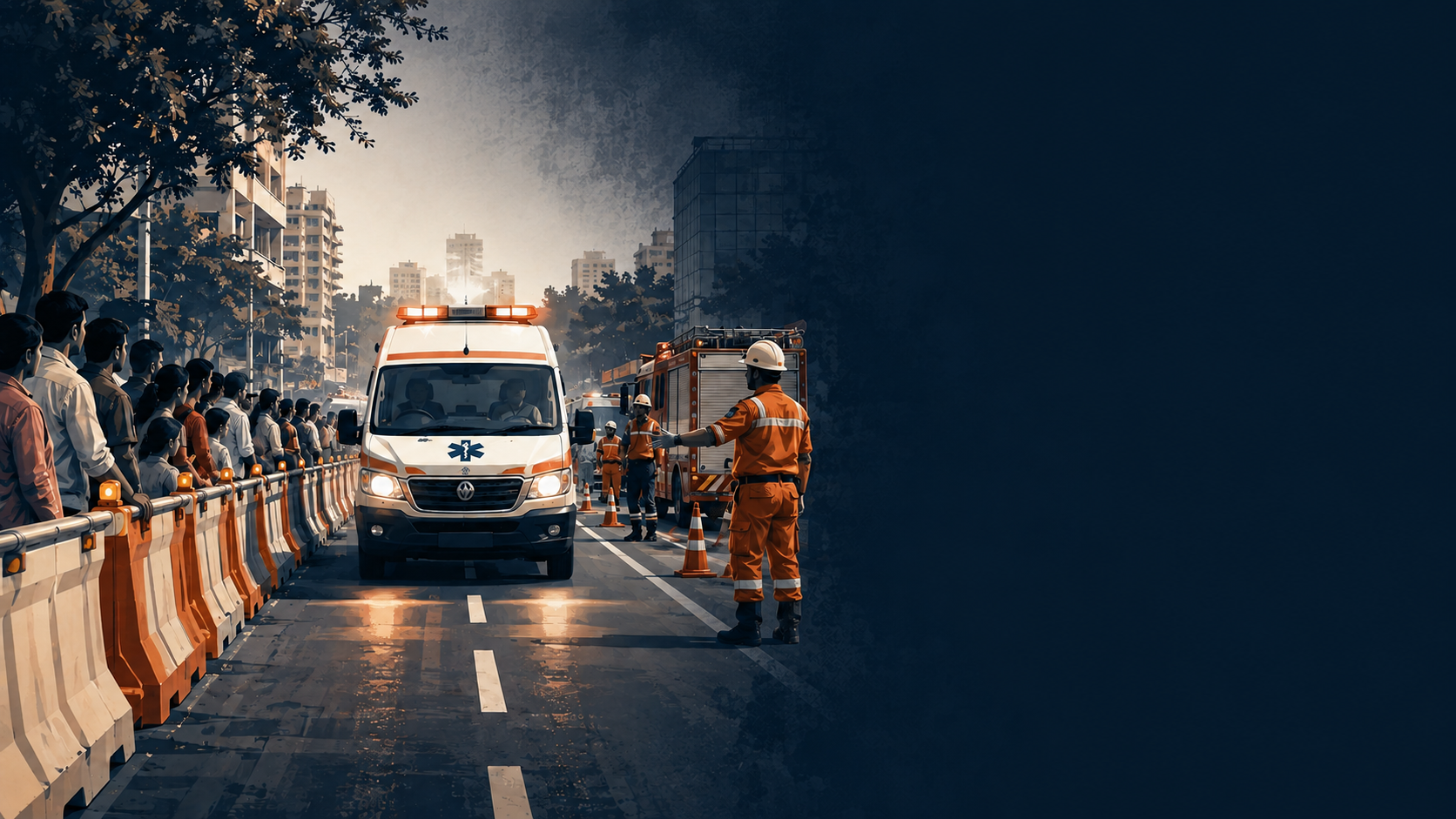
- Move back and keep the lane clear. Fire engines, ambulances and machines need the road. Do not climb on the rubble.
- Do not pull at slabs, beams or sheets. A pile that has settled can slip and drop on the people underneath. Leave lifting to the team.
- Stay quiet when you are asked to. Rescuers listen for voices and tapping.
- Tell the officer in charge who might be inside: names, how many people, which floor, and who the contractor or owner is.
- Expect a long job. Trained teams plan for days, not hours.
How a trained team works a collapse
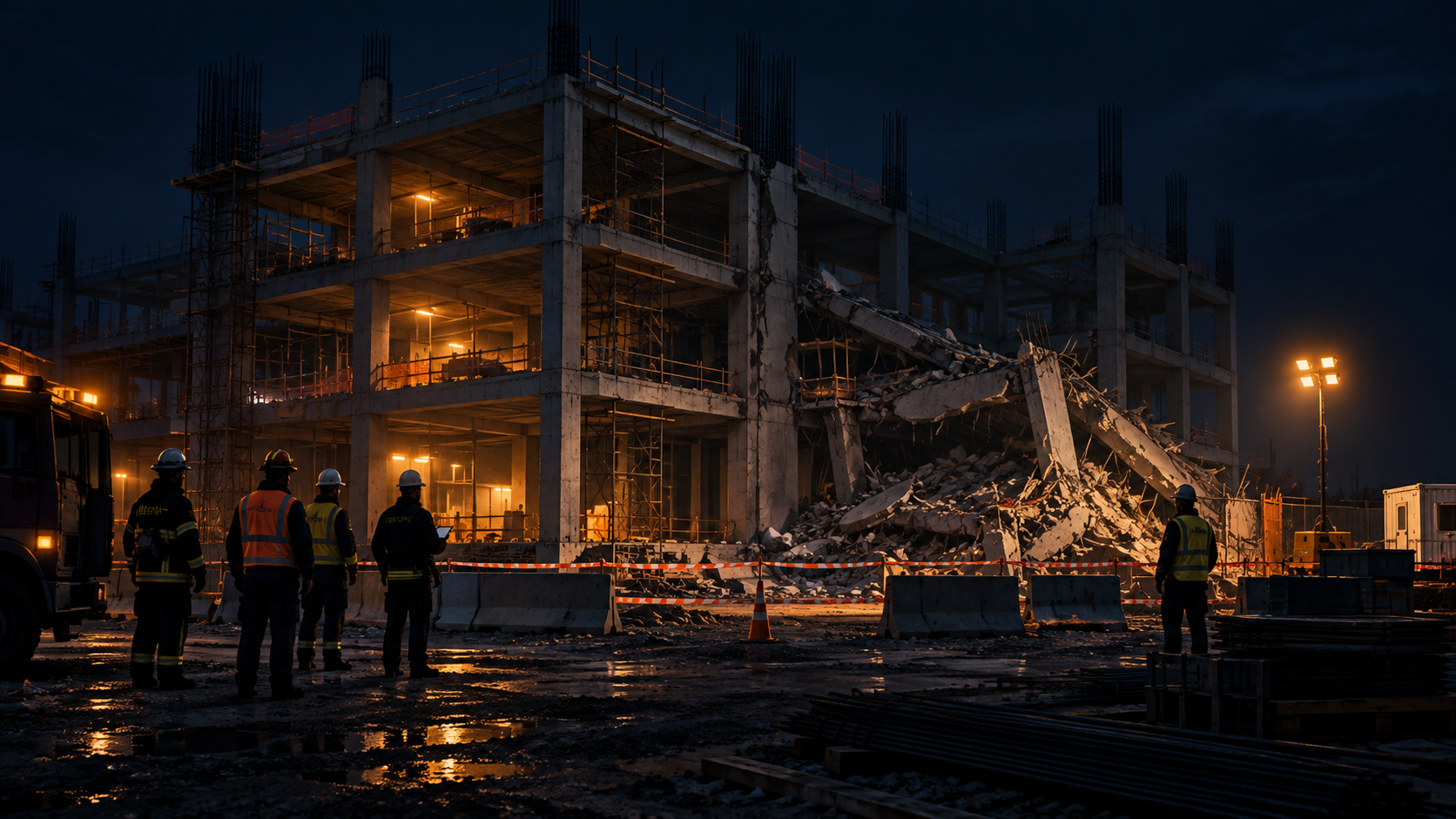
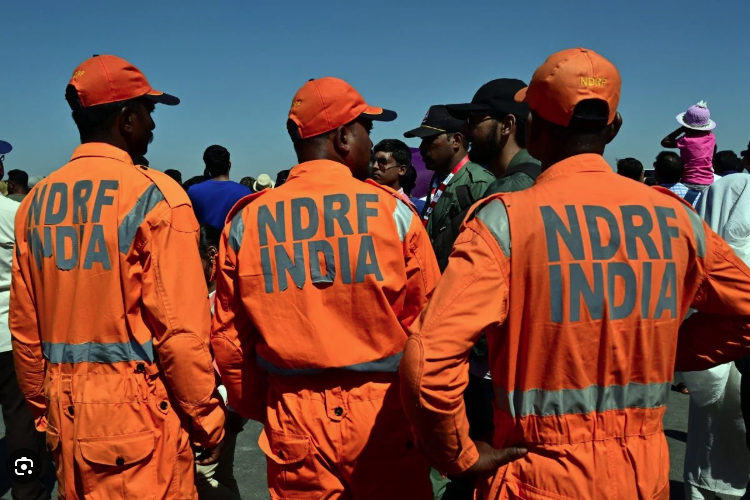
India’s own teams, the National Disaster Response Force (NDRF), the state disaster response forces and the fire brigades, follow the same basic method as rescue teams across the world. The clearest public description we could open is the national standard for urban search and rescue (USAR) teams published by Public Safety Canada, which follows the pattern set by INSARAG, the United Nations network for this work. It is a foreign document, not an Indian rule, but the stages are the same everywhere.
- Level 1, wide-area assessment. A quick survey of the whole affected area to see how much has fallen, what the hazards are and where to set up base. No rescue is attempted yet.
- Level 2, worksite triage. A fast but careful look at each damaged building to find where people may still be alive and to decide which site comes first.
- Level 3, rapid search and rescue. Quick, limited jobs at a site, usually finished within one shift, with little entry into the structure.
- Level 4, full search and rescue. Longer work, over more than one shift, to reach people who are deeply trapped. The team goes into most gaps that could hold a survivor.
- Level 5, total coverage. A search of every possible gap, often to recover people who have died, sometimes taking the structure apart layer by layer with heavy machines.
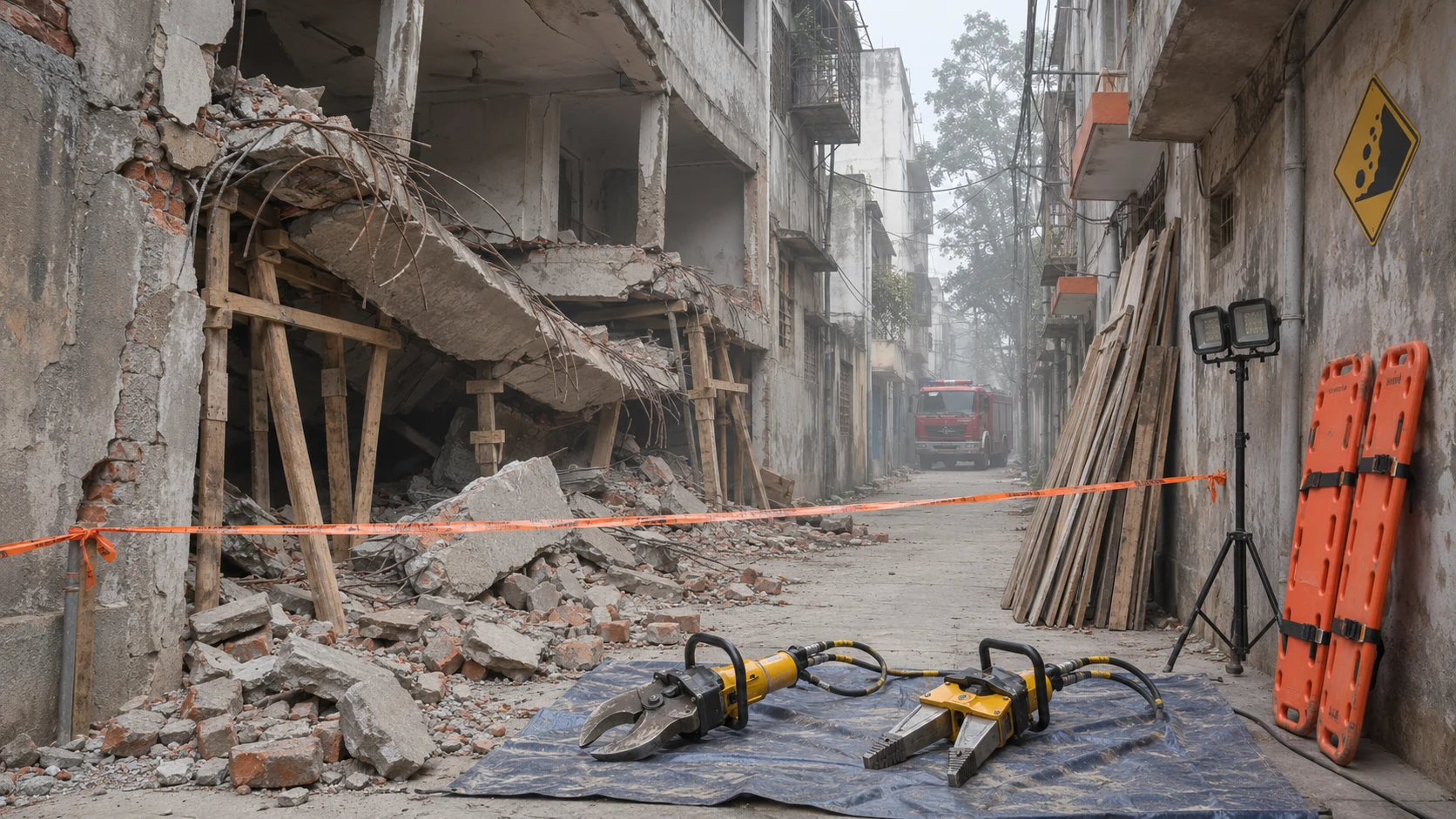
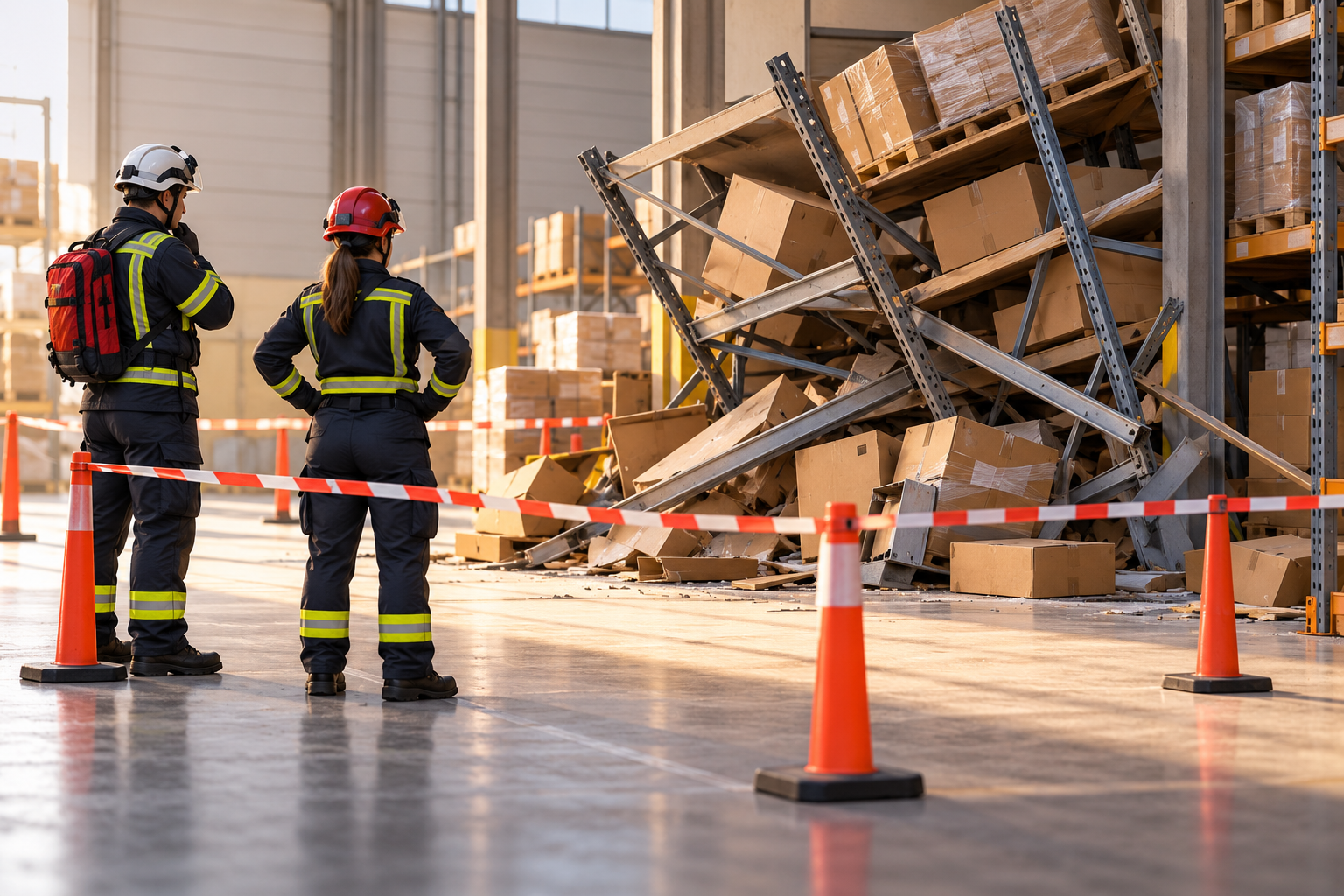
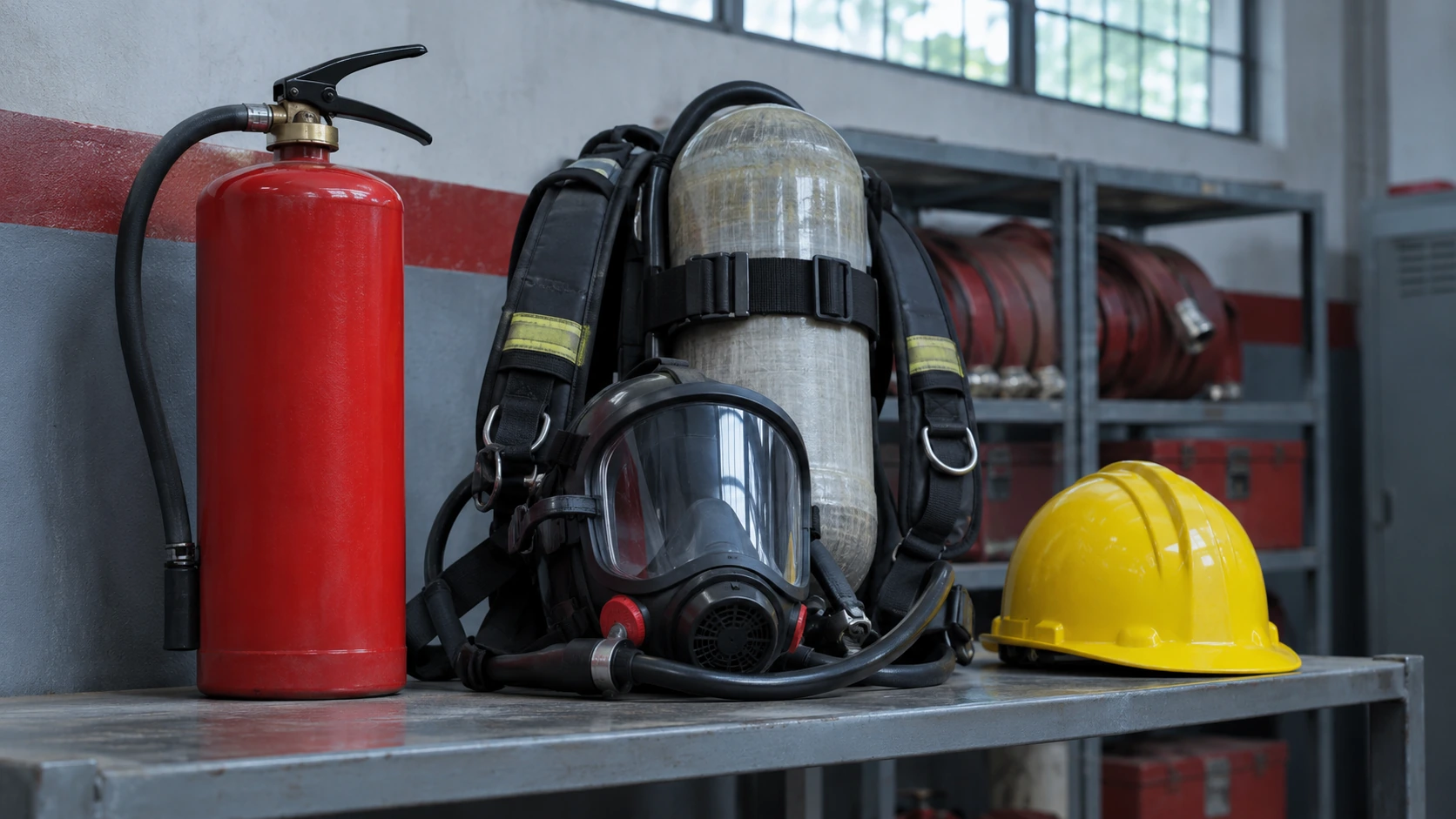
A team has five parts: management (command, planning and checking whether the structure is safe), search, rescue, medical and logistics. Search uses cameras, acoustic and seismic listening devices and trained dogs. Rescue means propping up the structure so it cannot move, then breaking, cutting and lifting in small pieces.
What it looked like at Chawri Bazar
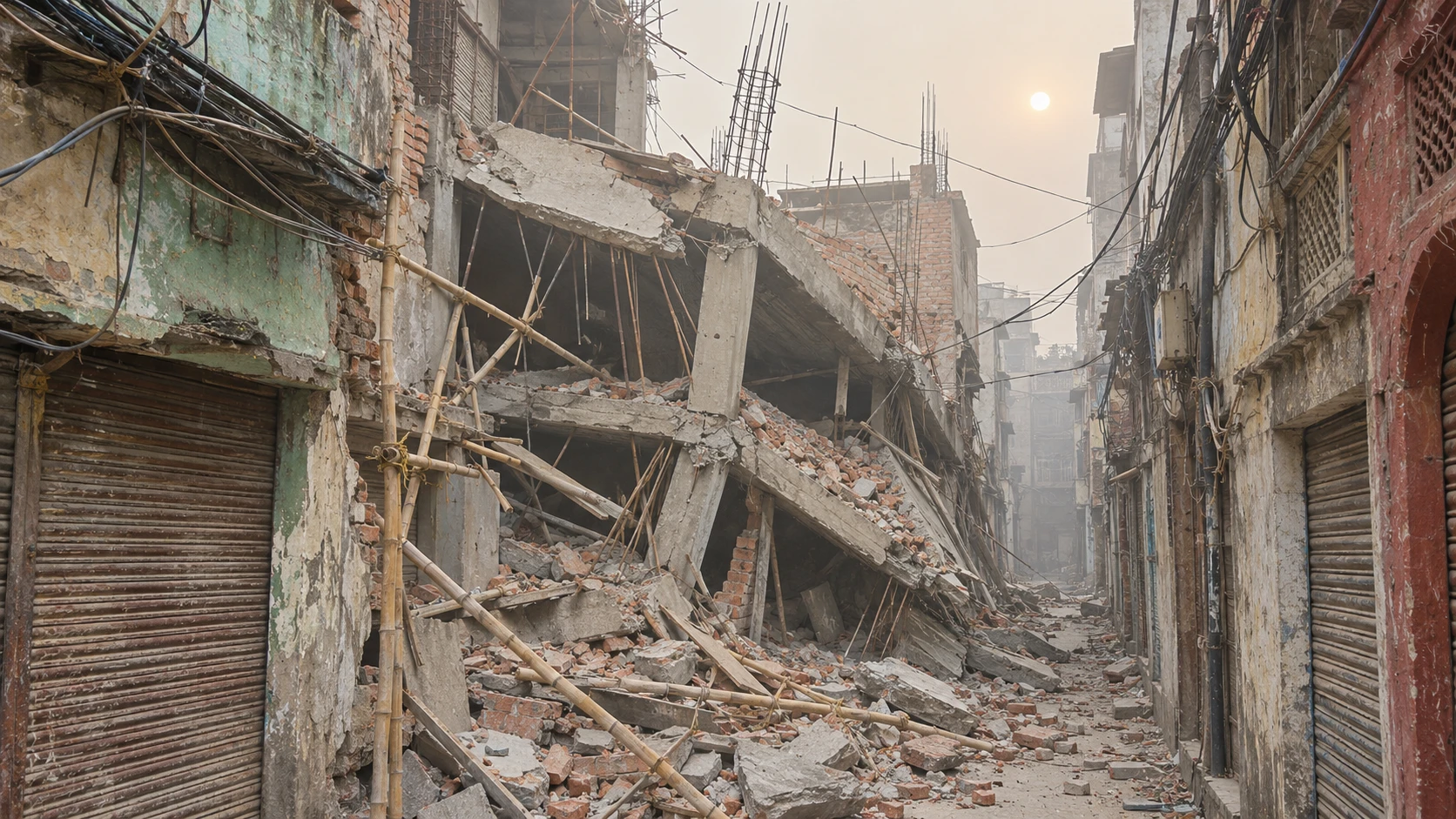
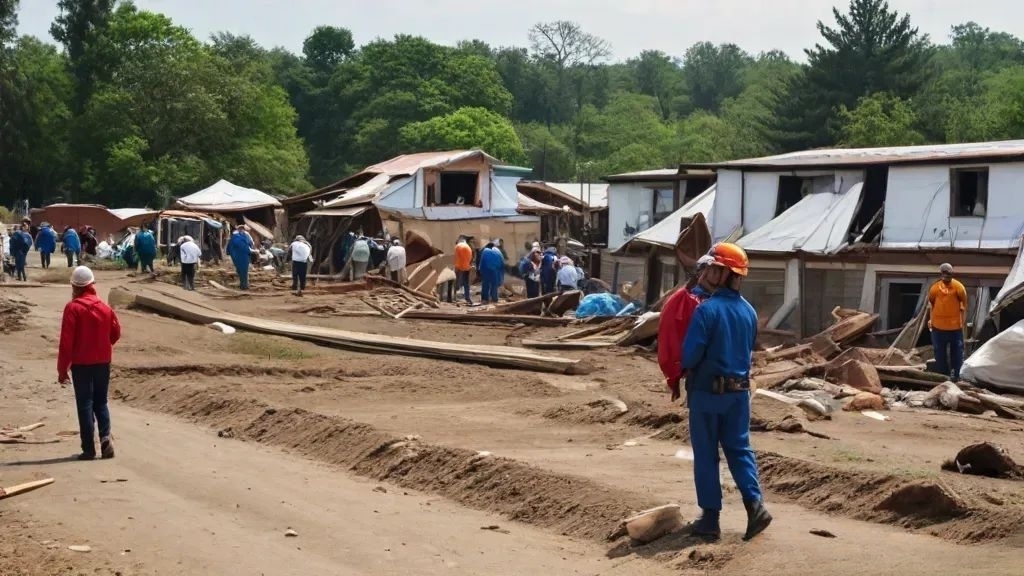
India Today described the lane, Gali Sitara, as barely four feet wide, so no heavy machine could get in. The Hindu reported that teams used drilling machines to break large slabs into smaller pieces, electric cutters for the rubble, and mini-trolleys and mules to carry the debris out. It listed 38 NDRF personnel, 30 Municipal Corporation of Delhi labourers, 10 to 12 Delhi Fire Services personnel and 15 to 20 civil defence volunteers, with a District Disaster Management Authority team and an incident command post. Seven people had died by the fourth day, according to The Hindu and IANS. The police said neighbouring buildings were evacuated because the adjoining one was in a precarious condition. The cause is still not established. Our case study has the full account, and the other recent Indian collapses we cover are listed at the end of this page.
Why it takes so long
- Every piece moved can shift the rest. Props and shoring go in before anyone crawls into a gap.
- The air and the neighbourhood are hazards too. Dust, leaking gas, live wires and cracked walls next door can all hurt a rescuer.
- The work goes on in shifts. Canada’s standard asks a light team to be able to work 12 hours a day for up to five days, a medium team 24 hours a day for up to seven days and a heavy team 24 hours a day for up to ten days.
- Small lanes mean small tools. When machines cannot enter, the debris goes out in baskets and trolleys.
Waiting families feel every hour. At Chawri Bazar a relative told the Times of India he felt the man might have lived if the work had been faster. That is a family member’s view, not a finding. What we can say is that a rescue which skips the propping can bring more of the building down, which is why careful work looks slow from outside.
What you can do while help is on the way
- Call 112 and stay reachable so the control room can call you back for directions. Our emergency numbers guide and fire brigade number guide explain what to say.
- Keep the lane and the nearest junction free. Park elsewhere, stop two-wheelers and ask onlookers to step back. Our neighbourhood guide to keeping rescue access clear shows how a lane can be kept open.
- Collect information for the officer in charge. Who was inside, how many, which floor, where the gas and power mains are, and who the contractor and owner are. A labour contractor’s list of names is worth more than any crowd.
- If your own building is next to it, leave when told to. Shut the LPG regulator and switch off the mains only if you can do it without delay.
- If someone can be reached safely from outside, stay with them, talk to them and keep them calm. Our guide on crush injuries for bystanders explains what to do and what to leave alone.
- Bring water, torches or blankets only if asked. A heap of donations in the lane blocks the next ambulance.
- Share only what officials confirm. Unverified lists of the dead and the trapped cause panic and send rescuers to the wrong place.
What not to do
- Do not climb on the pile, pull out slabs or sheets, or crawl into a gap. You can start a second collapse.
- Do not bring a JCB, crane or truck in on your own. Machinery can drop more weight on the people underneath. Let the officer in charge decide when and where it goes in.
- Do not light a match, a lighter or a cigarette, or switch anything on or off near a gas smell.
- Do not shout, cheer or play loud phones near the pile when rescuers ask for quiet.
- Do not enter a cracked building next door to look, fetch things or film.
- Do not give an injured person food or drink, or move them, unless a trained person tells you to.
If you are the one who is trapped
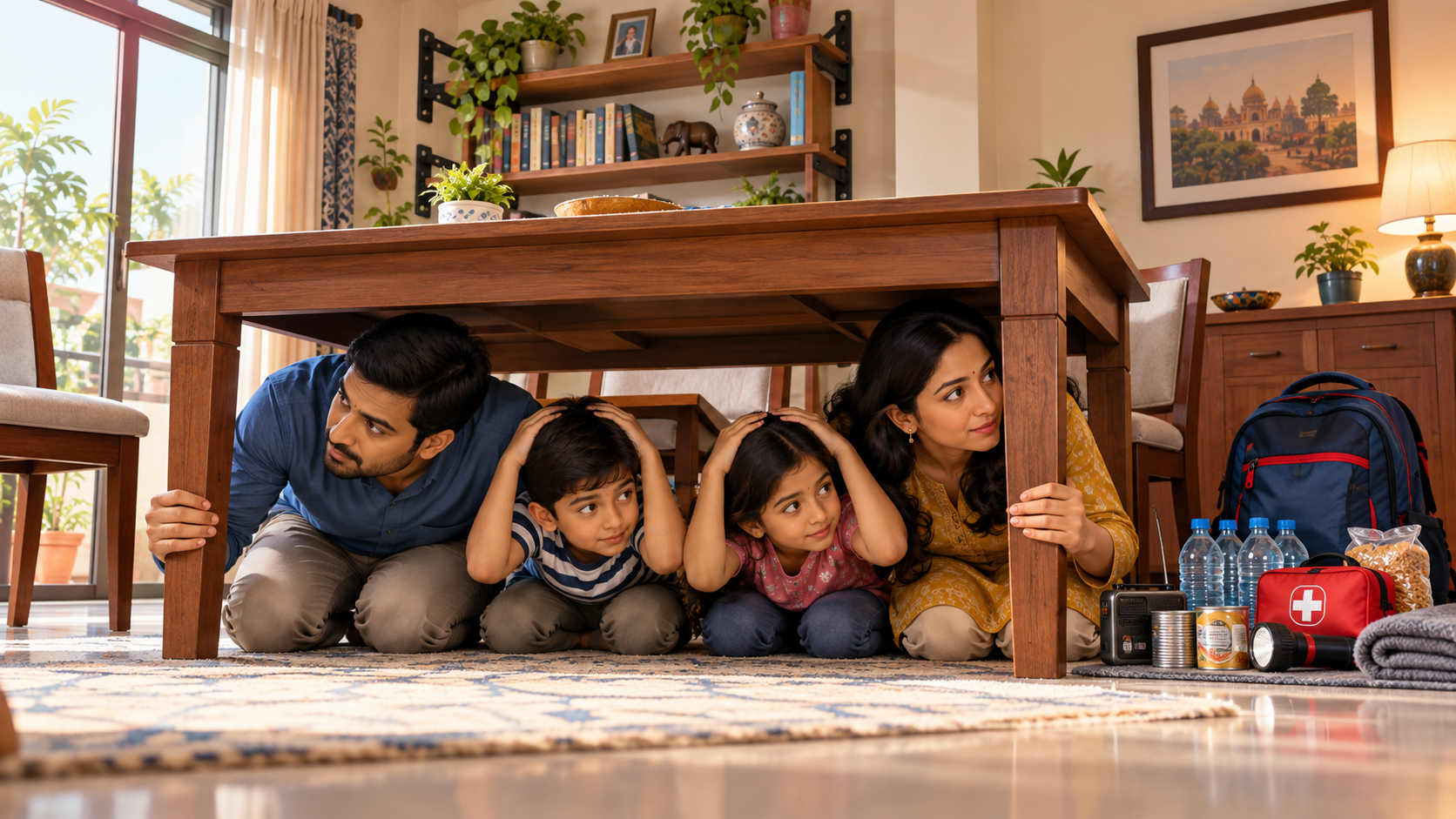
Ready.gov, the US government’s emergency site, says that if you are trapped you should send a text or bang on a pipe or wall, and that you should cover your mouth with your shirt and use a whistle instead of shouting. The NDMA’s earthquake do’s and don’ts page says not to light a match. Stay as still as you can and wait for rescuers. The earthquake advice in our earthquake safety guide covers what to do in the first minutes.
What we could not confirm
- The INSARAG guidelines themselves. We could not read the PDF as text, so the stages above follow Canada’s standard. We say so because the standard is not an Indian document.
- Any INSARAG classification for an Indian team. The NDRF’s January 2025 note says one USAR Heavy Team was being mentored by the Swiss Agency for Development and Cooperation towards INSARAG certification. We found no published result, so we do not say India holds it.
- An official Indian page that tells the public to keep quiet at a collapse. Asking onlookers for silence is normal at rescue scenes because search teams listen for voices, but follow whatever the officer in charge says on the spot.
- The cause of the Chawri Bazar collapse. No official finding has been published.
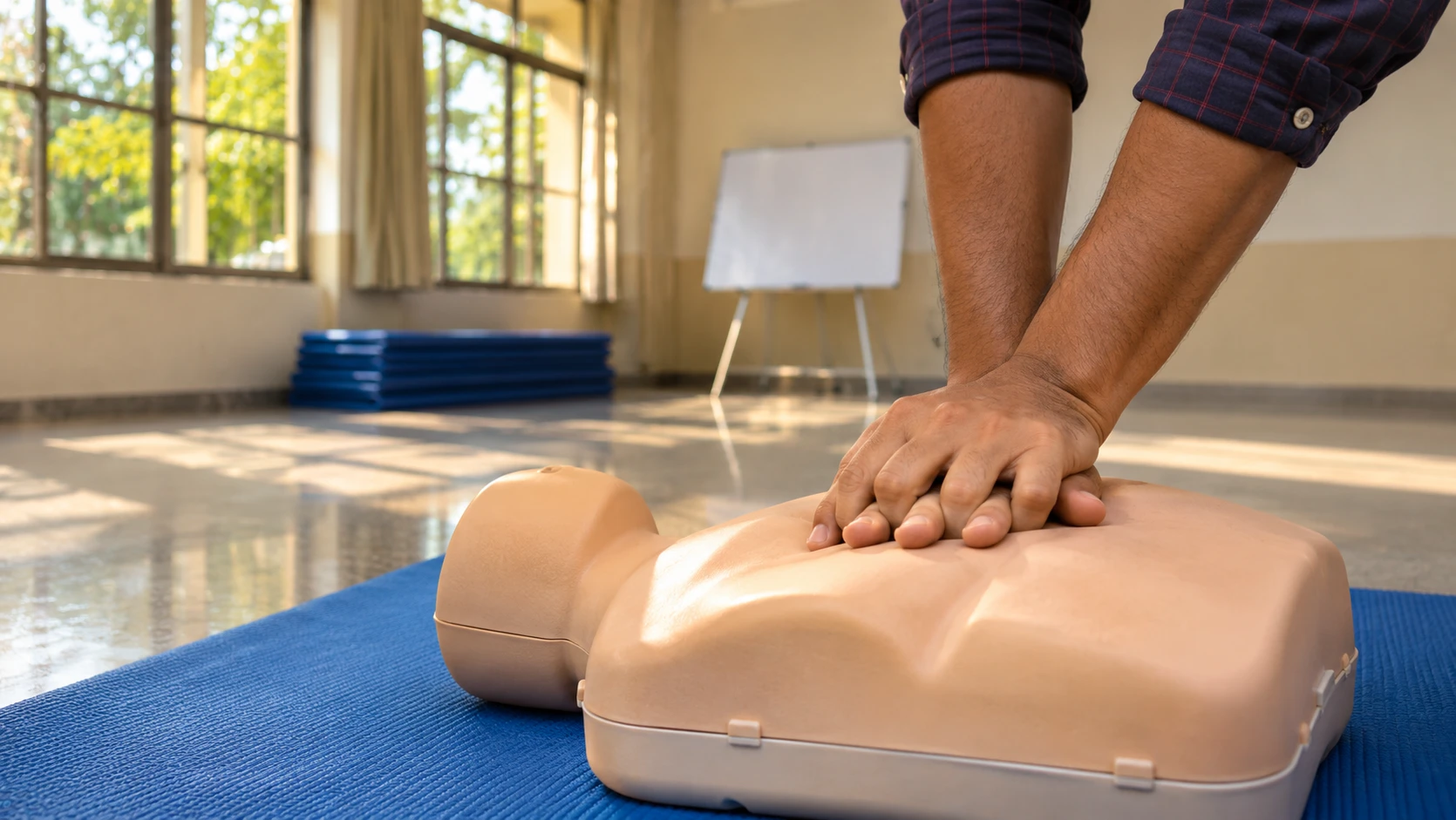
- This page cannot replace first-aid or rescue training. For crush injuries and bleeding, see our basic first aid guide and hands-only CPR guide.
Do this today
Save 112, 101 and 108 in your phone. Find out where the nearest fire station is and which disaster response team covers your area. If building work is going on near you, notice whether the props look sound and whether the lane would still let a fire engine through. Read our community preparedness guide for a simple plan, and see how a city is meant to be equipped in what a city needs to rescue people from collapsed buildings.
Recent collapses we cover: Chawri Bazar, Old Delhi, Panki, Kanpur, Sikri Khurd, Modinagar, Harsh Vihar, Delhi, Seemapuri, Delhi and Satya Niketan, Delhi.
What needs attention
- Rescue teams across the world follow staged work: survey the area, triage each building, then search and rescue in rising depth.
- Propping up the structure comes before entering a gap, which is why careful work looks slow from outside.
- At Chawri Bazar the lane was too narrow for machines, so teams worked by hand with drilling machines, cutters and trolleys.
- Neighbours pulled out the first four people before the fire teams arrived, a Delhi Fire Services officer said.
- No official Indian page we found tells the public what to do at a collapse scene; the guidance here follows the fire service, ready.gov and the Canadian standard, and says so.
Controls that reduce risk
- Call 112 and give the address and landmark.
- Keep the lane and the junction clear for fire engines and ambulances.
- Tell the officer in charge who might be inside and how many.
- Leave lifting and cutting to the trained team.
- Stay with anyone you can reach safely from outside and keep them calm.
Common unsafe practices
- Climbing on the pile or pulling at slabs and sheets.
- Bringing a JCB or crane in without the officer in charge.
- Blocking the lane with parked vehicles, onlookers and donations.
- Lighting a match or switching things on near a gas smell.
- Shouting or playing loud phones when rescuers ask for quiet.
- Entering a cracked building next door.
- Sharing unverified lists of the dead and the trapped.


Leave a comment