
Quick answers
What does USAR stand for?
Urban search and rescue: finding, reaching and giving first care to people trapped in collapsed buildings and other structures. In India the NDRF and state forces also use the term collapsed structure search and rescue, or CSSR.
What are light, medium and heavy USAR teams?
INSARAG, the United Nations network on this work, classifies international teams at three levels. Canada's national standard, which follows the same pattern, asks for at least 16 to 17 people in a light team, 37 in a medium team and 60 in a heavy team, with longer endurance and stronger tools as the level rises.
How big is the NDRF?
The NDRF's January 2025 note says 16 battalions, up from 8, with a sanctioned strength of 18,556, and 18 self-contained search and rescue teams in each battalion.
Does India have an INSARAG-certified heavy team?
The NDRF's January 2025 note says one USAR Heavy Team was being mentored by the Swiss Agency for Development and Cooperation towards INSARAG certification. We found no published classification, so we do not say India holds it.
What kit does a collapse rescue team carry?
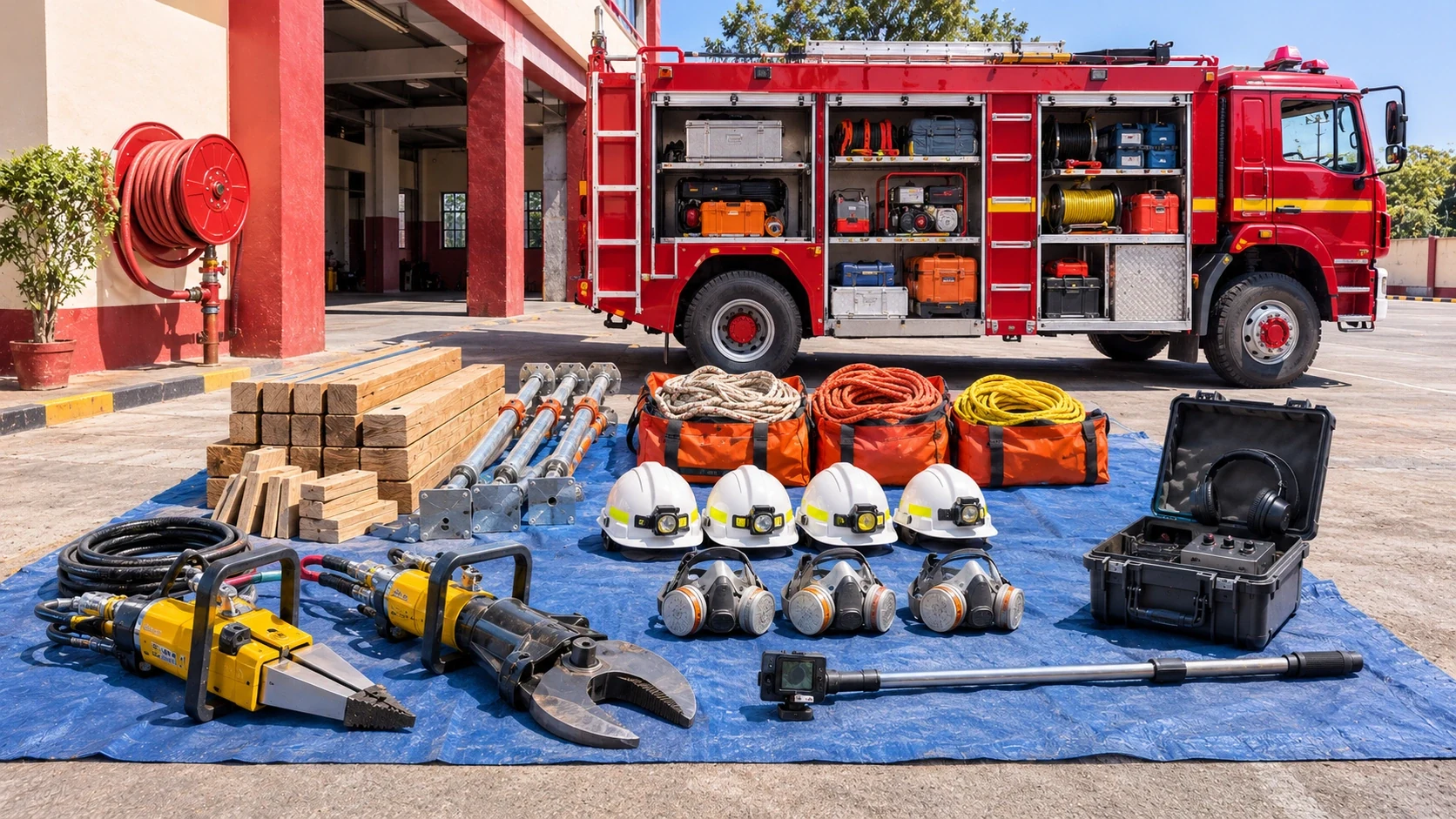
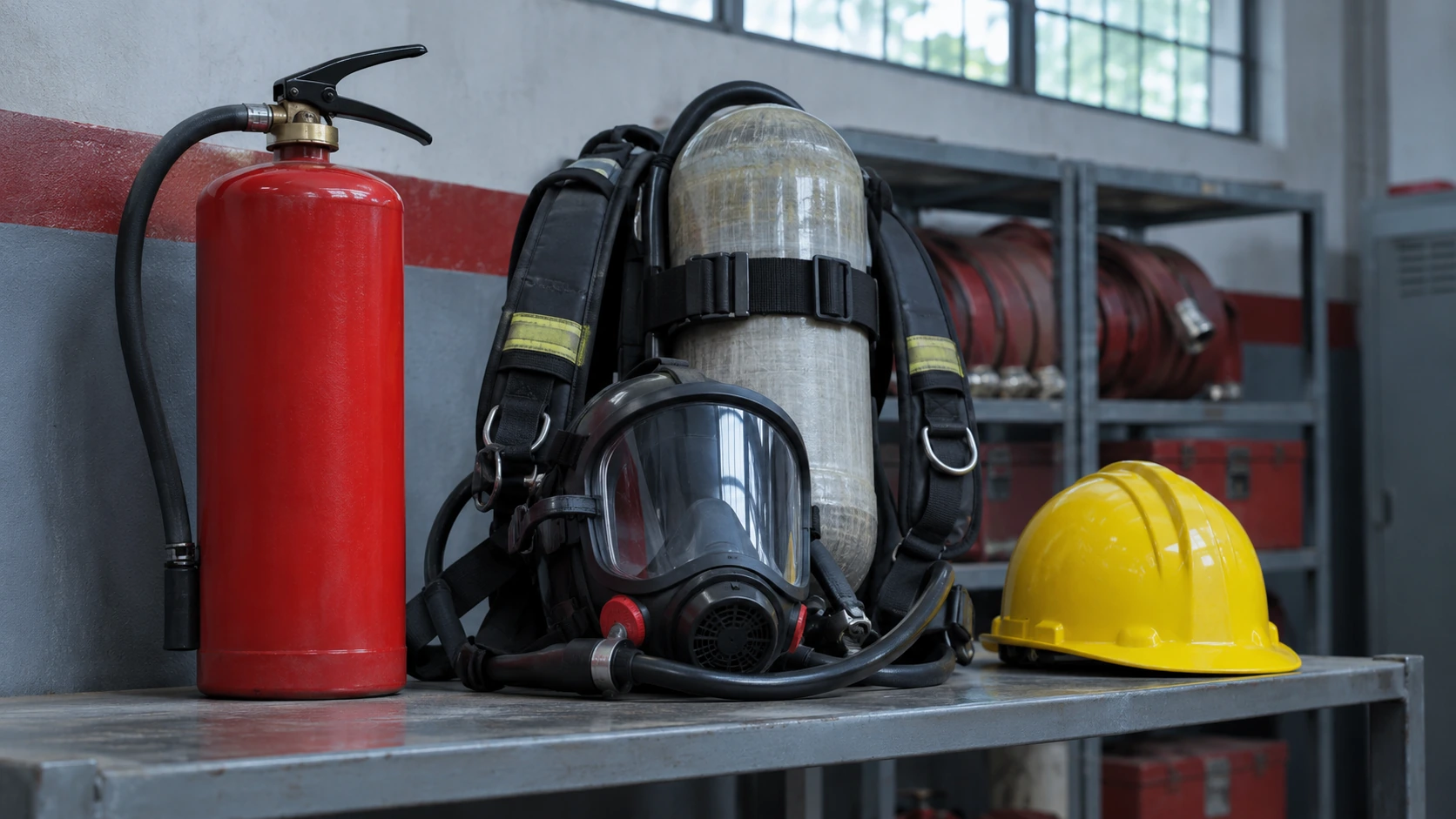
By Canada's standard, personal protective gear and respirators, props and shoring, cutting, breaking and lifting tools, cameras and listening devices, dogs, medical gear and gas monitors, plus lights, power and communications. Indian forces may carry different kit; we found no published list.
How many fire stations does India have?
In June 2019 the Ministry of Home Affairs told the Rajya Sabha there were 3,377 fire stations against 8,559 required, as reported by Down To Earth. We found no later national figure from an official source.
Can volunteers help at a collapse?
Trained and registered volunteers, such as Civil Defence volunteers, can support the teams; 15 to 20 civil defence volunteers were listed at Chawri Bazar. An untrained crowd can block the lane and cause harm. See our guide on joining Civil Defence or the Home Guards.
Who decides if a building is safe to enter?
The incident commander, with structural advice. Canada's standard puts structural assessment under team management. Nobody should go into a damaged building on their own.
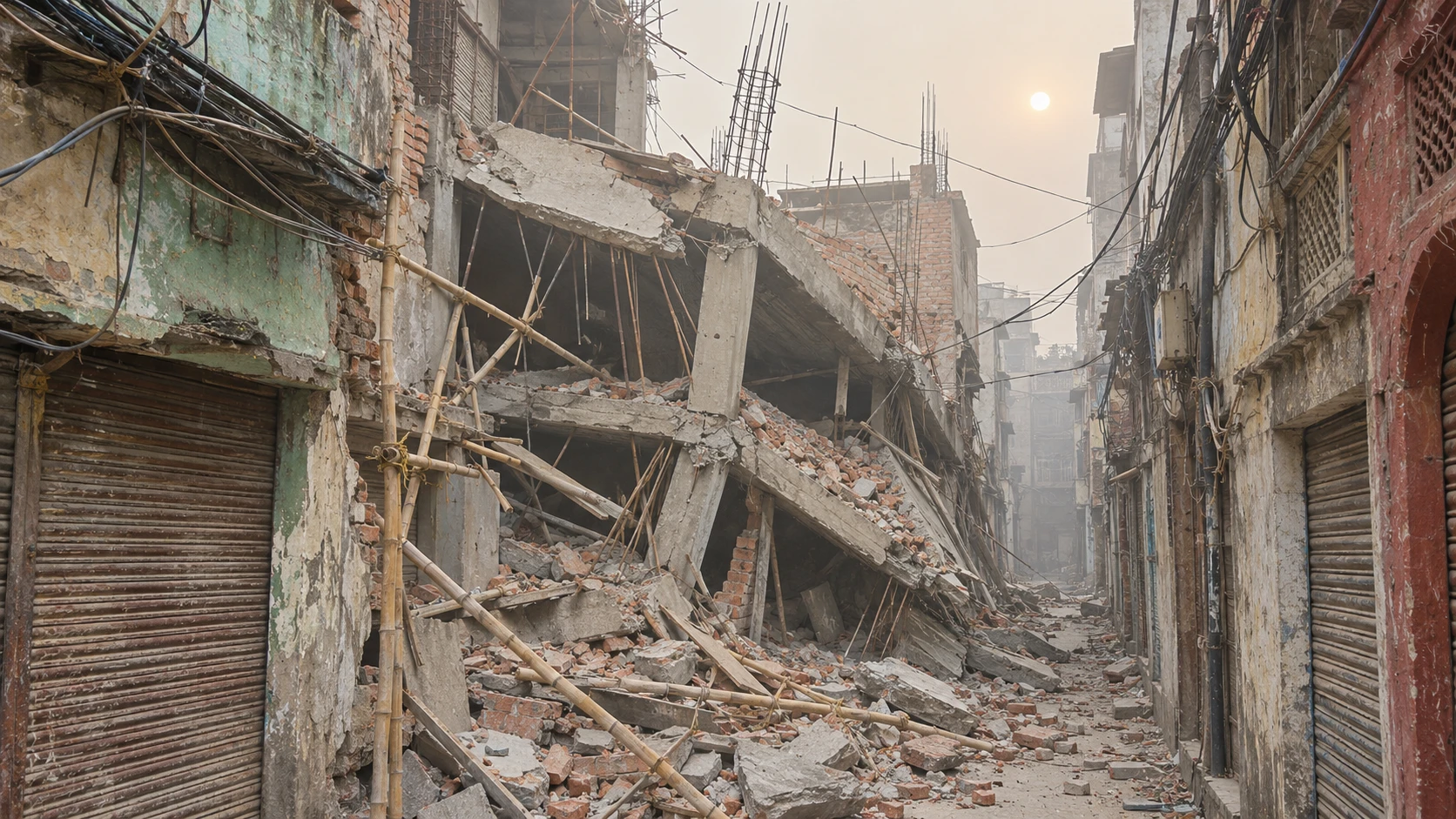
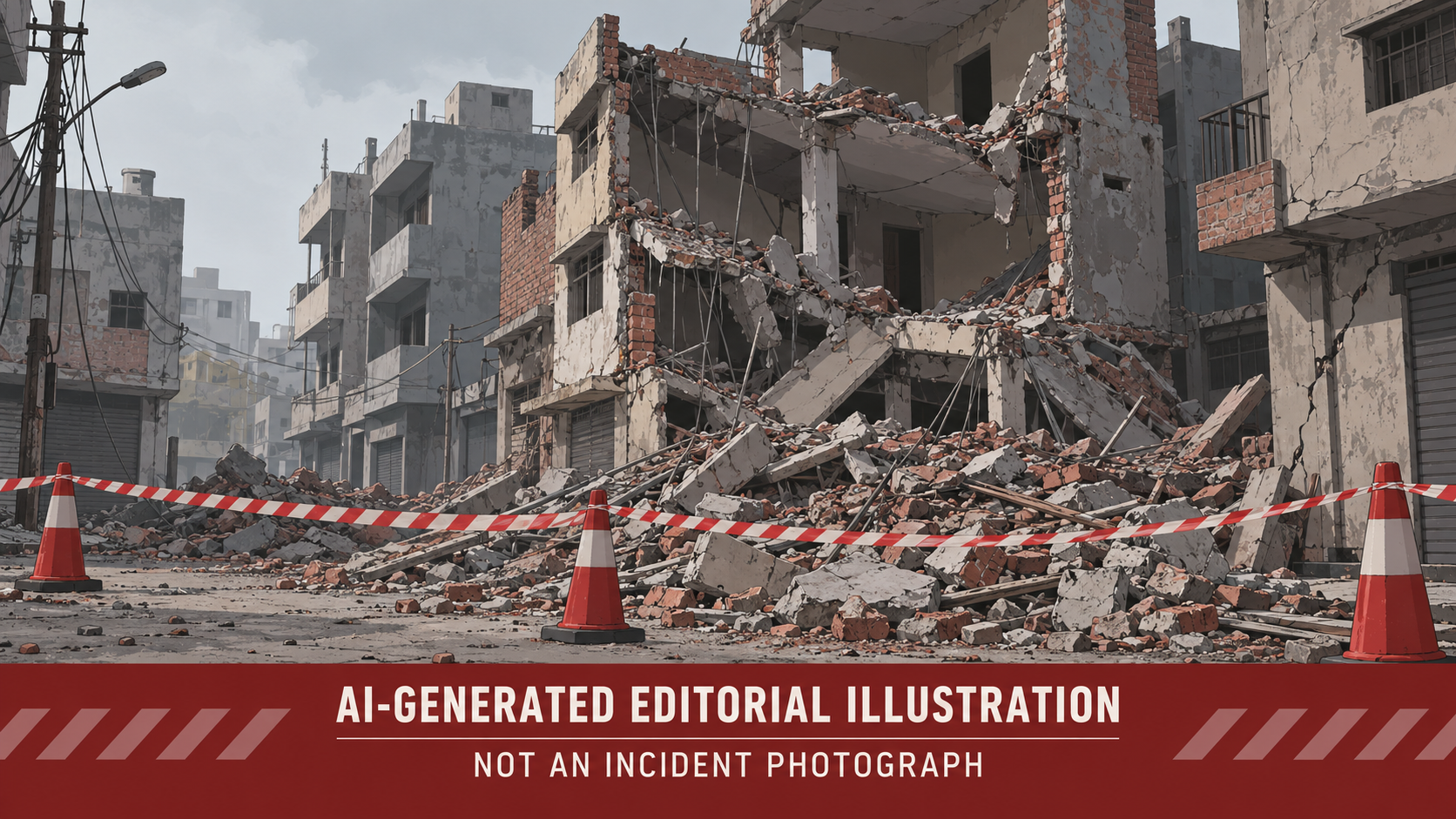
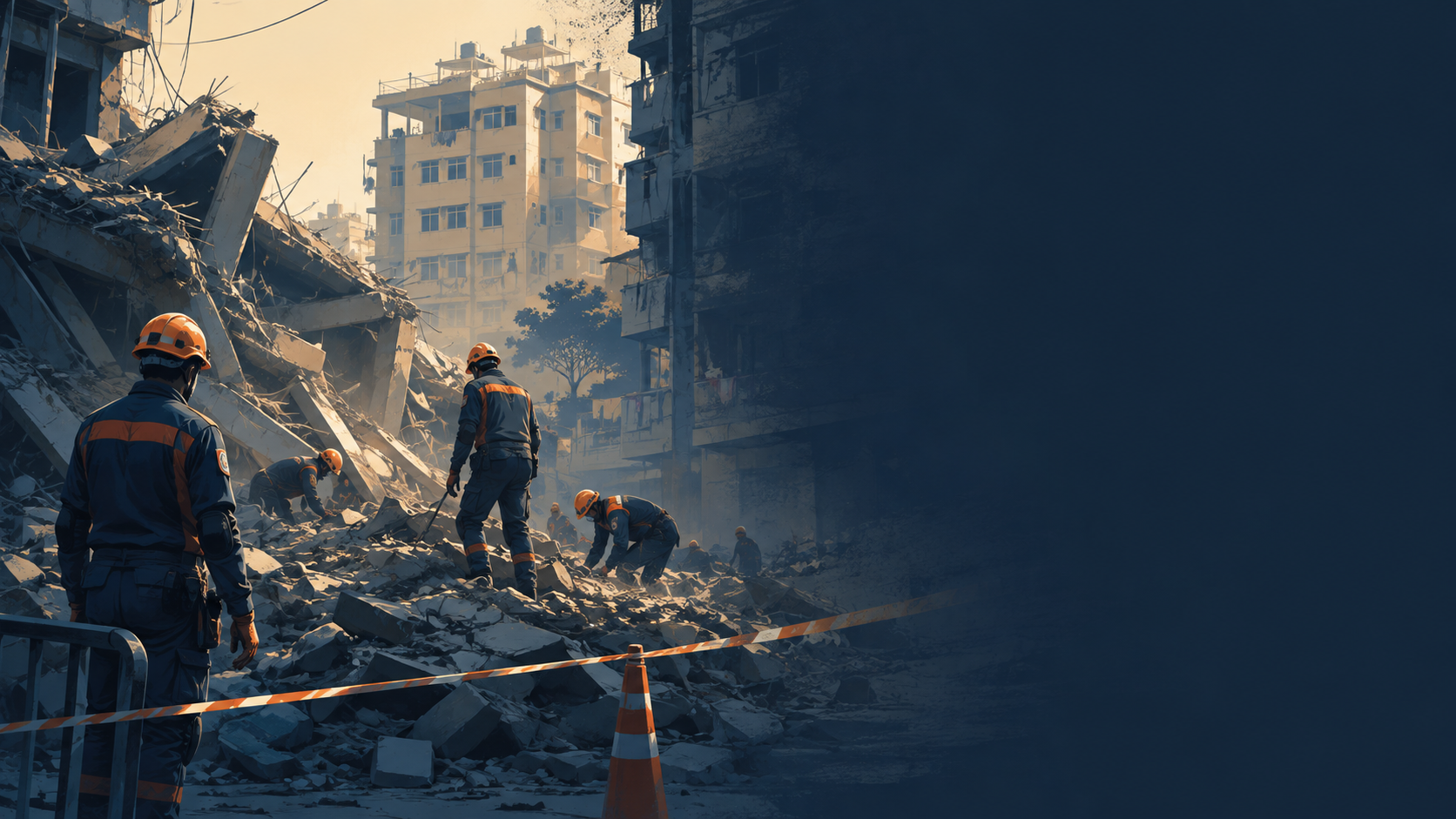
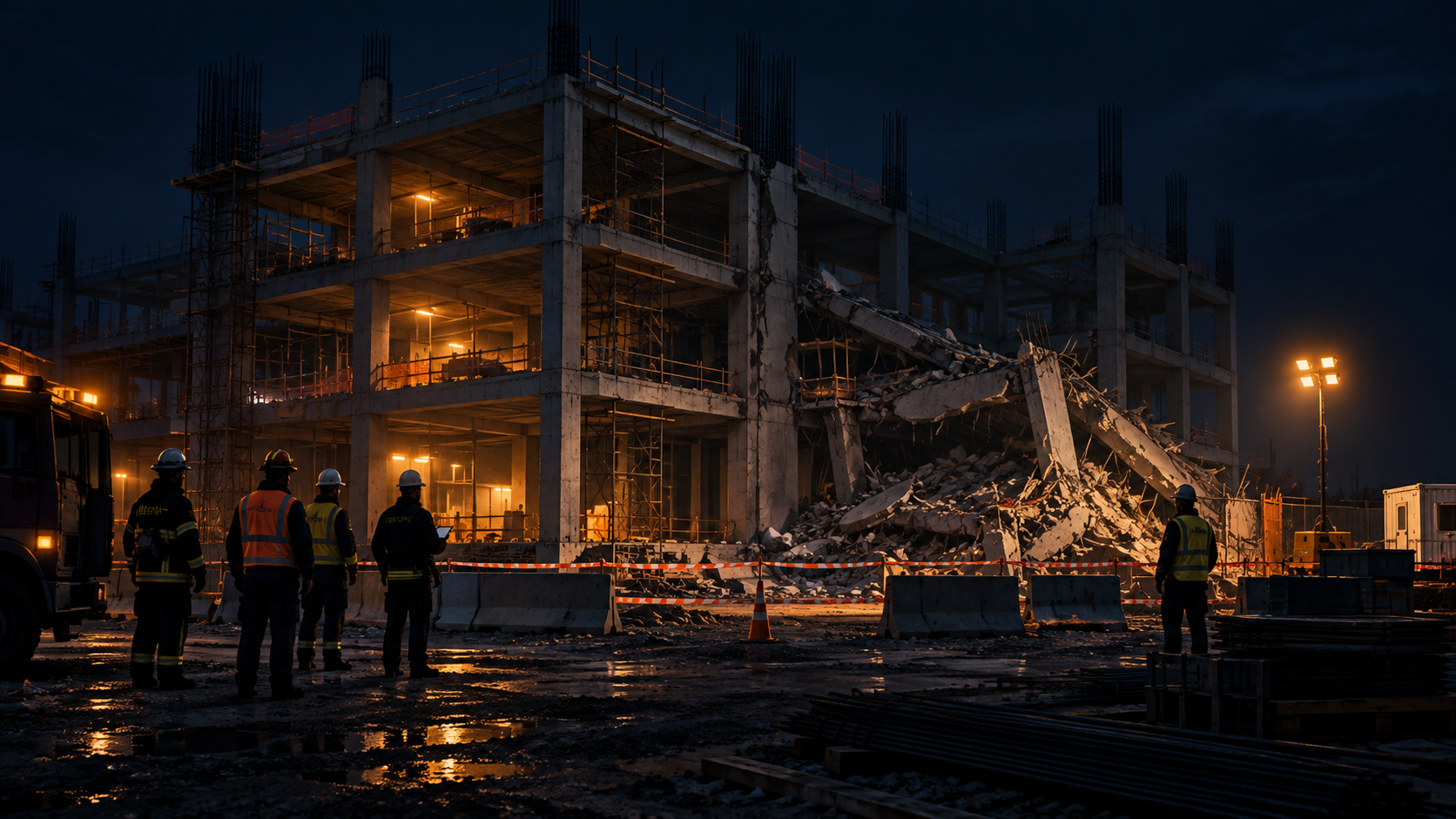
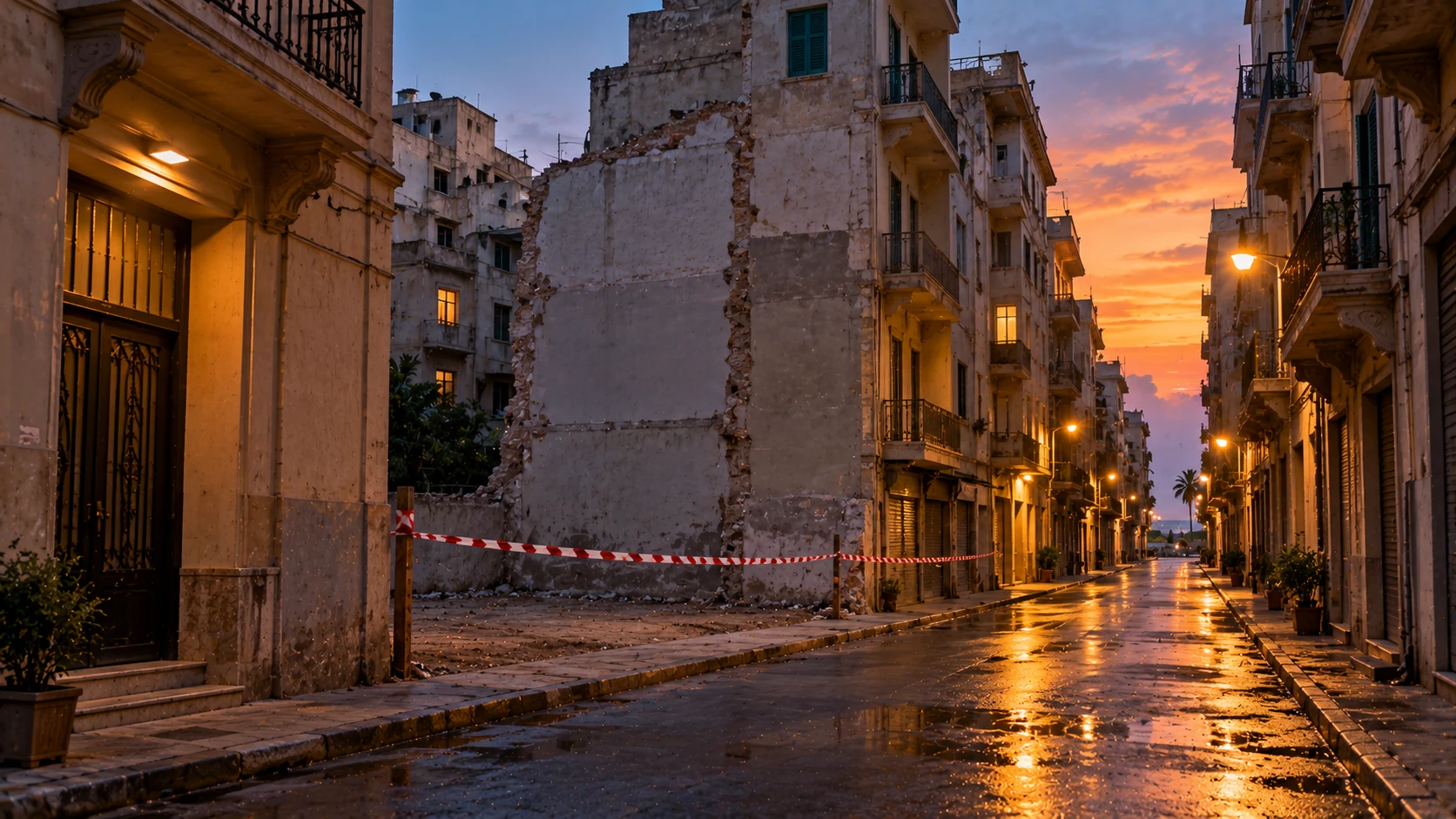
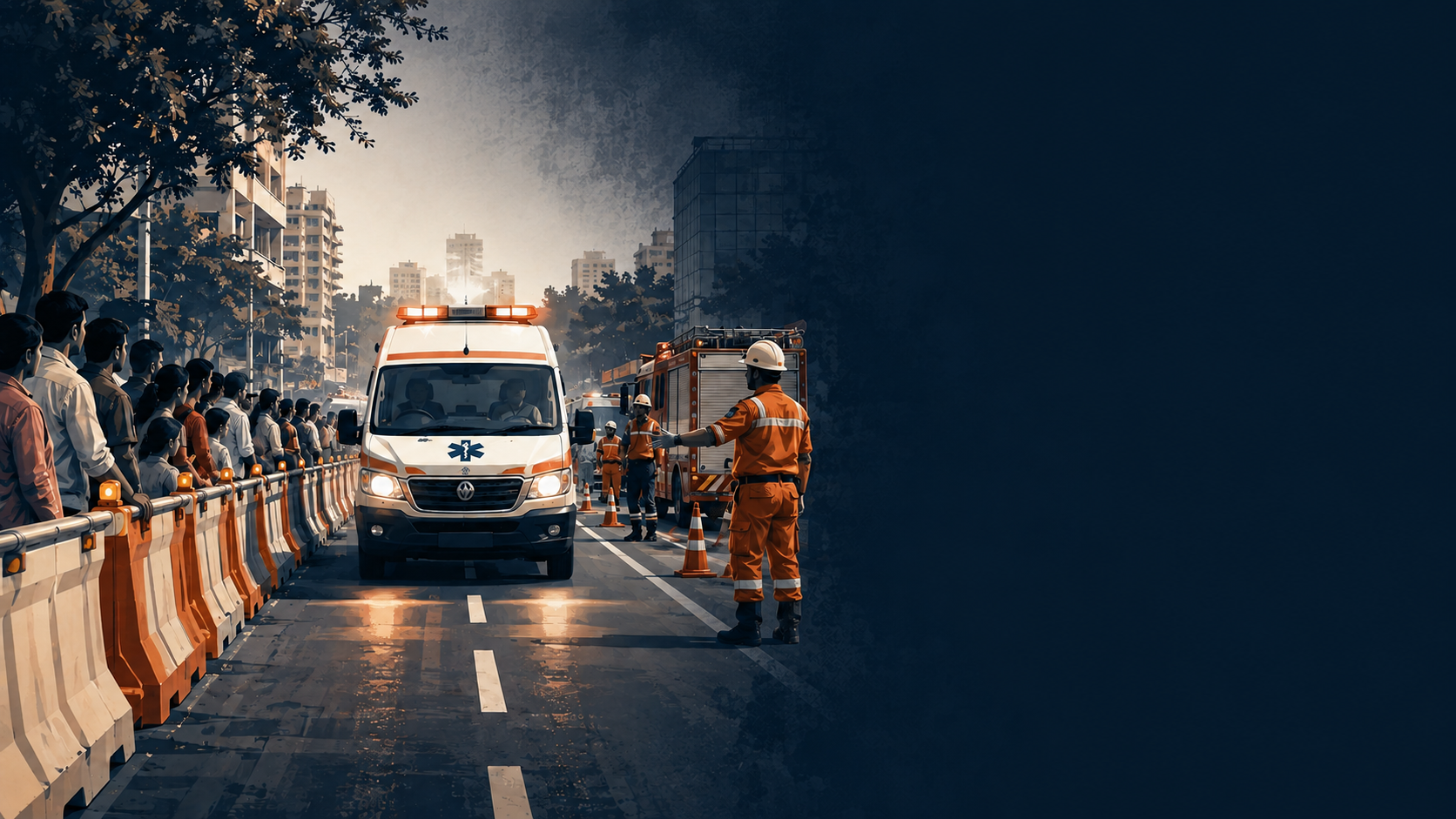
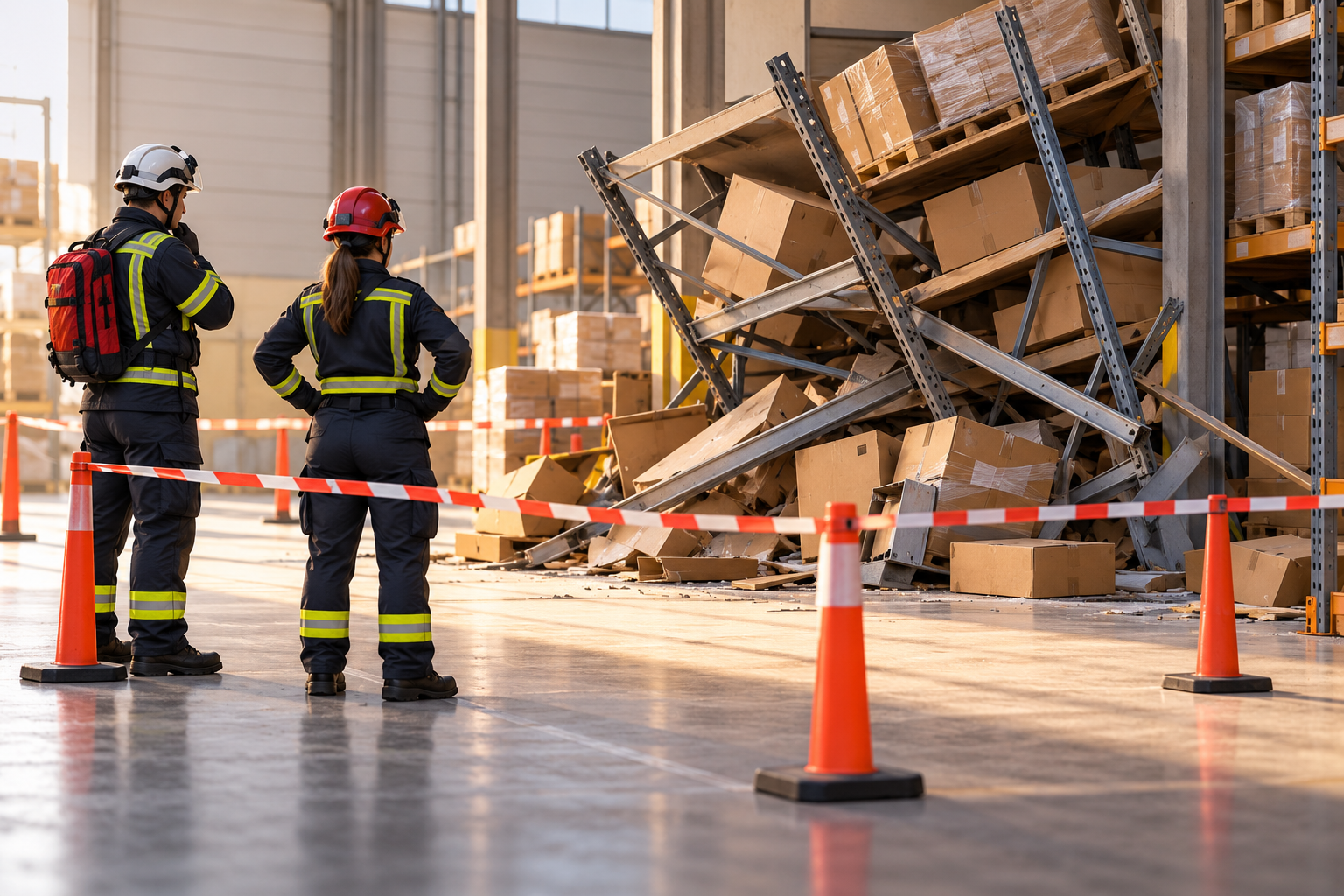
At Chawri Bazar in Old Delhi on 5 November 2026, India Today described the lane as barely four feet wide, so no machine could reach the collapsed building and the work went on by hand. That one lane shows what a city needs before a building falls, not after. This page sets out the teams, the kit and the numbers a city needs for collapse rescue, using the NDRF’s own figures and a foreign standard as a yardstick. It is written for ward officers, society committees and curious readers. It is general information, not a rule of any Indian authority. Checked 8 November 2026.
In short
- Collapse rescue is layered: the fire brigade reaches first, state and municipal teams follow, and the NDRF is called for the heavy and long jobs.
- The NDRF has 16 battalions with a sanctioned strength of 18,556, and each battalion has 18 search and rescue teams. One USAR Heavy Team is being prepared for INSARAG certification.
- Canada’s national standard, a foreign yardstick, asks for at least 16 to 17 people in a light team, 37 in a medium team and 60 in a heavy team.
- Kit matters as much as numbers: props, cutters, breaking tools, listening devices, lights, dust masks and medical gear, all kept ready and tested.
- The fire service is thin on the ground: in June 2019 the Ministry told the Rajya Sabha that India had 3,377 fire stations against 8,559 required.
The three layers in India
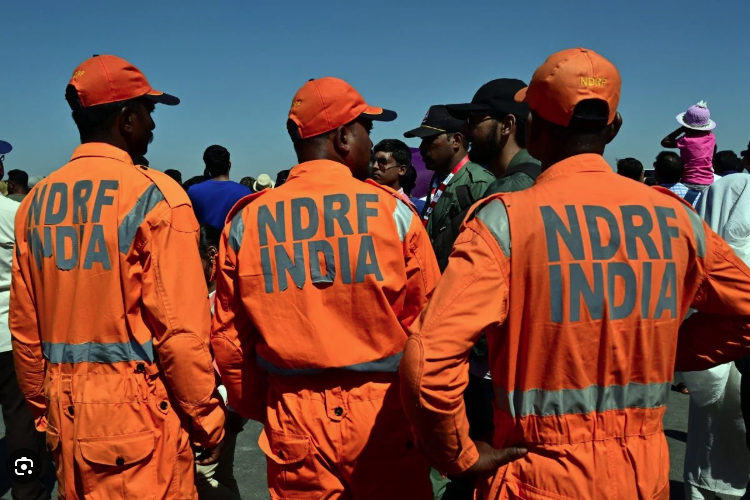
When a building comes down, the nearest fire station and the local fire brigade are almost always first. The state disaster response forces (SDRF) work alongside them. For the biggest and longest jobs the National Disaster Response Force (NDRF) is called. According to the NDRF’s Raising Day note of January 2025, the force has grown from 8 to 16 battalions, has a sanctioned strength of 18,556 and fields 18 self-contained search and rescue teams in each battalion. The same note says one Urban Search and Rescue (USAR) Heavy Team is being mentored by the Swiss Agency for Development and Cooperation for INSARAG certification. We found no published classification, so we do not say India holds it. Our NDRF capacity guide has more on what the force can and cannot do.
At Chawri Bazar, The Hindu listed 38 NDRF personnel, 30 Municipal Corporation of Delhi labourers, 10 to 12 Delhi Fire Services personnel and 15 to 20 civil defence volunteers, with an incident command post run with the District Disaster Management Authority. Read the case study.
What a yardstick looks like: Canada’s USAR standard
Public Safety Canada’s national USAR standard is built on the INSARAG pattern of light, medium and heavy teams. We use it because it is public, readable and specific. It is a Canadian document, and India has not adopted it.
- Light team. At least 16 people (the text elsewhere says 17), able to work 12 hours a day for up to five days at one site. Dogs optional. Can breach reinforced concrete up to 150 mm.
- Medium team. At least 37 people, 24 hours a day for up to seven days at one site. Technical search and dogs both required. Can breach concrete up to 300 mm.
- Heavy team. At least 60 people, 24 hours a day for up to ten days, at two sites. Can lift 20 tonnes mechanically, cut structural steel up to 20 mm and breach concrete up to 450 mm.
The standard describes five parts to a team: management, search, rescue, medical and logistics. Its equipment covers personal protective gear and respirators, management and safety tools, logistics (power, communications, transport), rescue (lifting, cutting, breaking, shoring, rope), search (cameras, acoustic and seismic devices, dogs and marking supplies), medical care for the team and for at least one critical patient per worksite, and gas and air monitoring. The standard has some internal differences on timber and lifting figures, so we quote only figures that agree throughout the document.
A checklist for a ward or a city
This list is our reading of the standard and of the Chawri Bazar rescue, not an Indian requirement. Use it as a set of questions.
- People. A trained rescue section in the fire brigade on every shift, with a named commander and a deputy. A list of the state and NDRF teams and how long they take to arrive.
- Structural advice. A structural engineer on call day and night to say whether a building is safe to enter. The standard puts structural assessment under management.
- Propping and shoring. Timber, props and struts in the vehicle, with people trained to use them.
- Cutting, breaking and lifting. Hydraulic cutters and spreaders, breaching tools, jacks and air bags, serviced and tested.
- Search. Cameras on poles, listening devices and access to trained dogs.
- Small-lane kit. Hand tools, baskets, mini-trolleys and stretchers that can be carried through a lane four feet wide.
- Heavy machines. A pre-agreed list of crane and excavator operators who come when called and go in only on the incident commander’s order.
- Lights, power, water and food for crews working in shifts for days.
- Dust and gas protection. Respirators and gas monitors. Canada’s standard asks for P100 respirators as a minimum.
- Medical. A staging area for ambulances, an alert to nearby hospitals and trained medical staff on site.
- Gas and power cut-off. A way to isolate the LPG, PNG and electricity of the affected lane.
- Command and information. An incident command post, a family waiting area and one official voice for information.
- Volunteers. Trained and registered volunteers, not an untrained crowd. See how to join Civil Defence or the Home Guards.
- Drills. Collapse exercises with the NDRF and the municipal body, repeated and written up.
- Numbers. 112 for any emergency, 101 for the fire brigade and 108 for an ambulance on the ward noticeboard.
The gap we can document
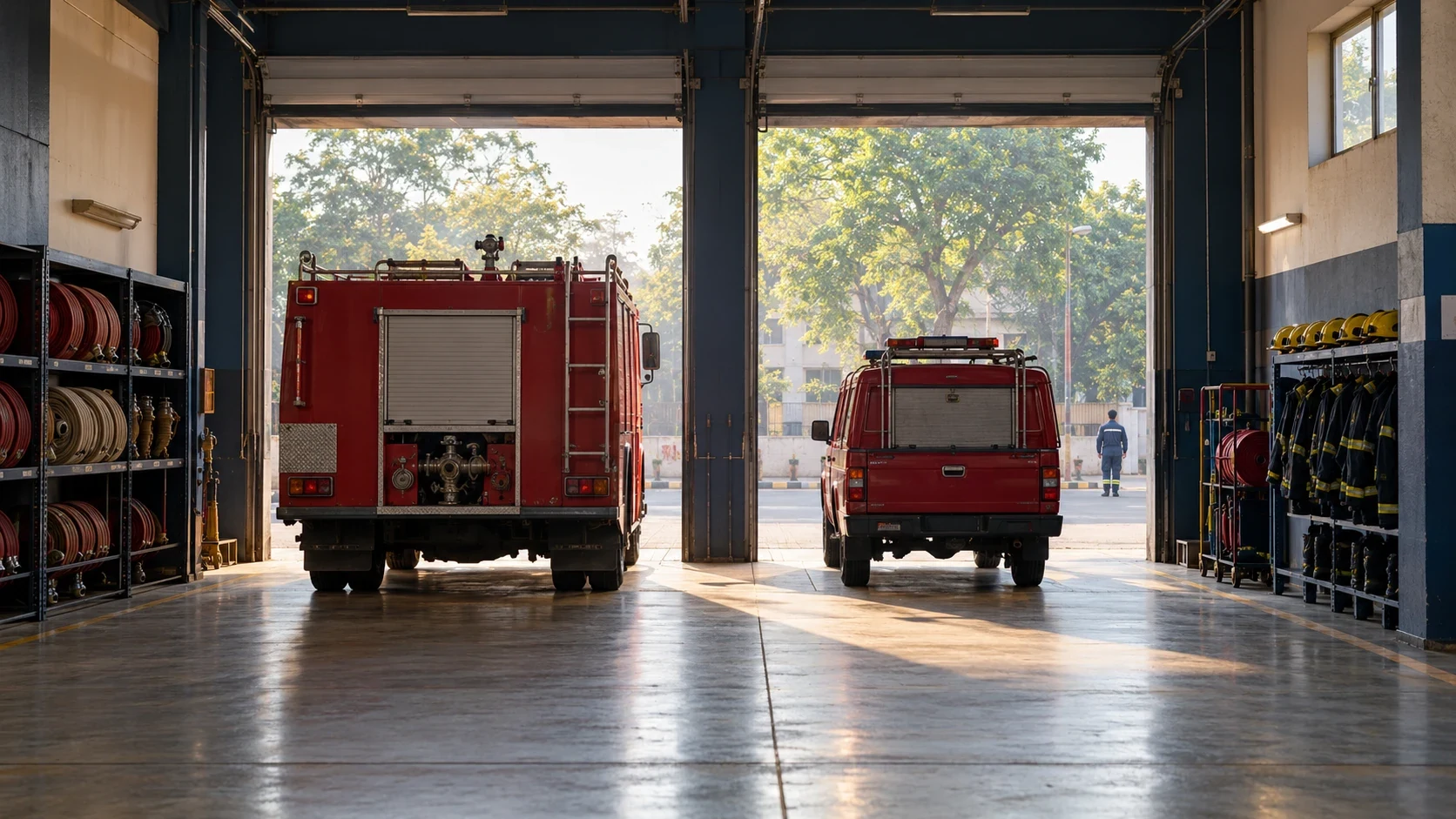
In June 2019 the Ministry of Home Affairs told the Rajya Sabha that India had 3,377 fire stations against 8,559 required, as reported by Down To Earth and covered in our guide to the fire service gaps in India. That is fewer than 40 per cent of the requirement and it is 2019 data. The 2012 RMSI report discussed in our RMSI fire services guide also found shortfalls. These are fire stations, not collapse-rescue kit. We did not find a public count of trained collapse-rescue teams or of rescue kit by city, so we do not say where any city stands.
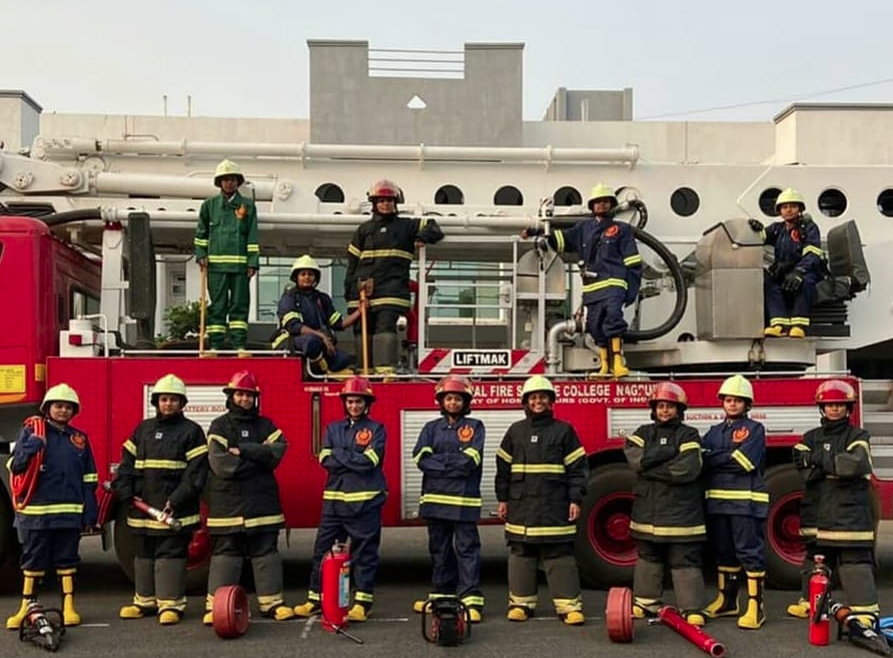
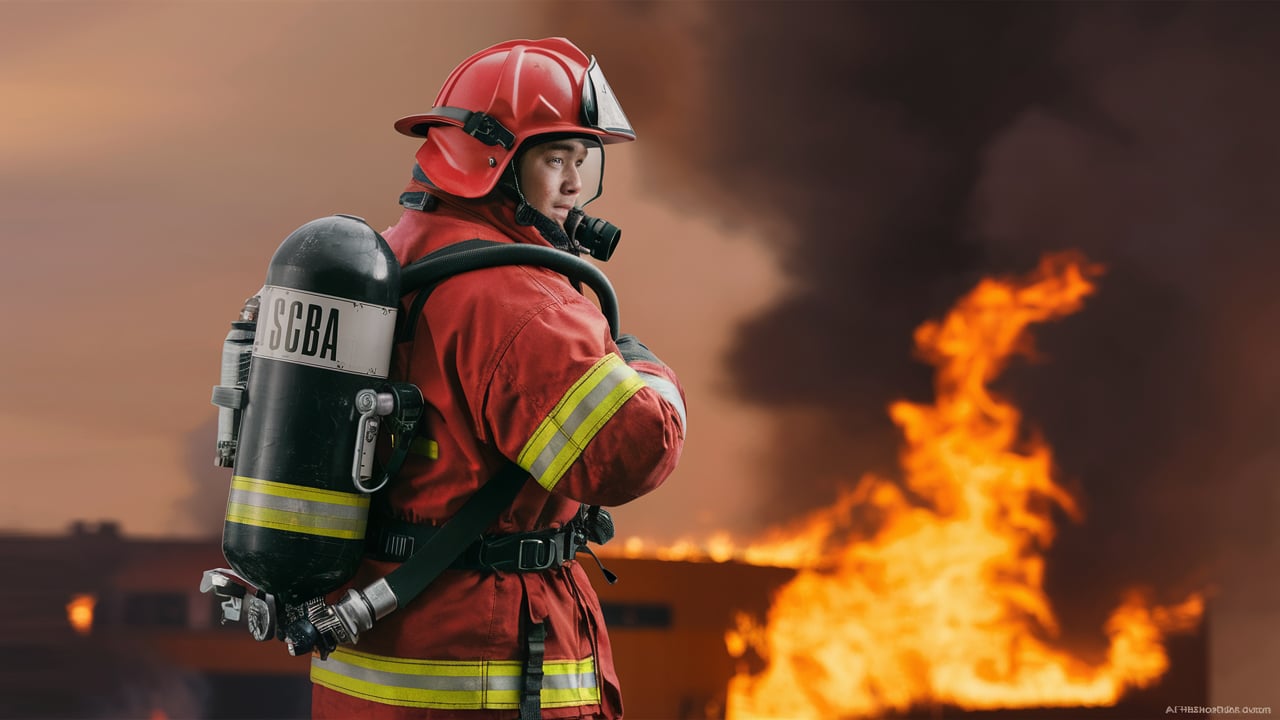
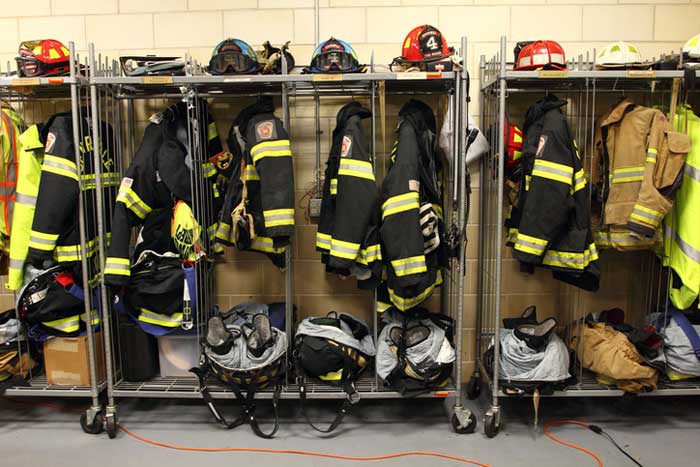
For what firefighters wear and carry, see our guides on fire suits, protective equipment and breathing apparatus. For new tools such as drones and thermal cameras, see technologies in firefighting. For the volunteer side, see international first-responder models.
Questions to ask your ward office or municipal corporation
- Which team would reach our lane first, and how long does it take?
- Does the fire brigade have props, cutters and listening devices, and are they tested?
- Who decides whether a building is safe to enter, and can they be reached at night?
- Is there a list of crane and excavator operators who can come on call?
- When did the municipal body last run a collapse exercise with the NDRF or the state force?
- Can a fire engine and an ambulance still pass our lane when it is full of parked vehicles?
For what you can do as a bystander, see how rescue teams work a collapse and what bystanders should not do.
What we could not confirm
- The INSARAG guidelines. We could not read the PDF as text, so the team sizes and capacities are from Canada’s standard and are labelled so.
- Any INSARAG classification for the NDRF team. The NDRF’s January 2025 note says it was being prepared; we found no published result.
- The kit lists of any Indian city or state force. We did not find them published.
- Whether the 2019 fire-station figures have changed. We found no later national figure from an official source.
- The Chawri Bazar personnel numbers are from press reports and may differ from official counts.
Do this today
Save 112, 101 and 108. If you sit on a society committee or a ward committee, print the questions above and ask them at the next meeting. Read what bystanders should and should not do at a collapse with your family.
What needs attention
- Canada's standard sets three team sizes and endurance levels and is the clearest public yardstick we could read.
- The NDRF's own note gives sanctioned strength and team counts but does not publish an equipment list.
- India had fewer than 40 per cent of the fire stations required in 2019, according to the Ministry's reply as reported.
- No public count of trained collapse-rescue teams or of rescue kit by Indian city was found.
- A narrow lane can rule out machines, so small-lane kit and hand tools matter as much as cranes.
Controls that reduce risk
- Ask the ward office which team would reach your lane first.
- Ask when the municipal body last ran a collapse exercise.
- Ask whether props, cutters and listening devices are tested.
- Keep the lane clear for a fire engine and an ambulance.
- Register for volunteer training if you can.
Common unsafe practices
- Counting fire stations and assuming each has collapse-rescue kit.
- Buying kit and not training or testing it.
- Calling heavy machines in without a command post to direct them.
- Assuming a foreign standard is an Indian rule.
- Waiting for the NDRF when the first hour is the fire brigade's and the neighbours'.

Leave a comment