
What happened here
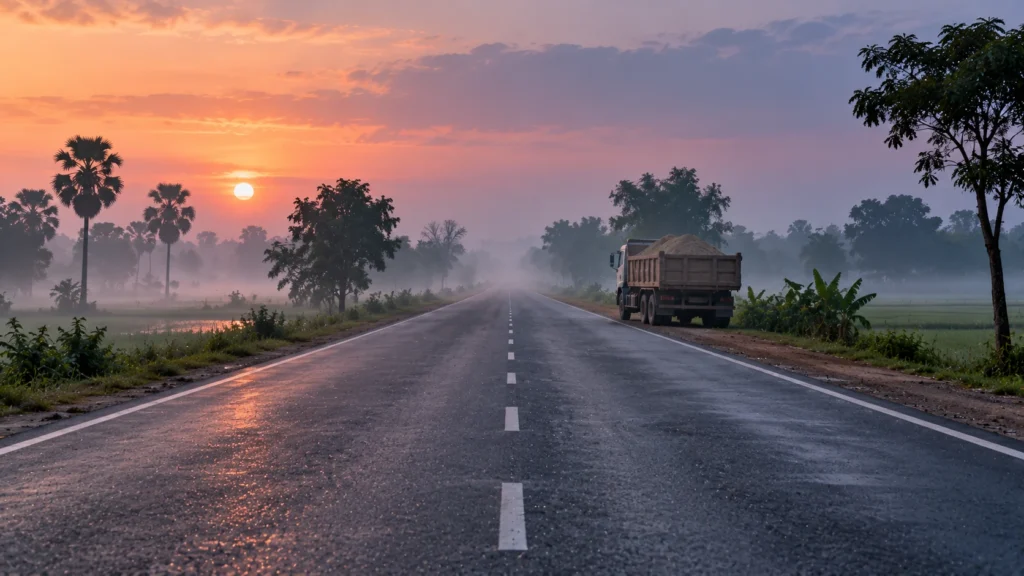
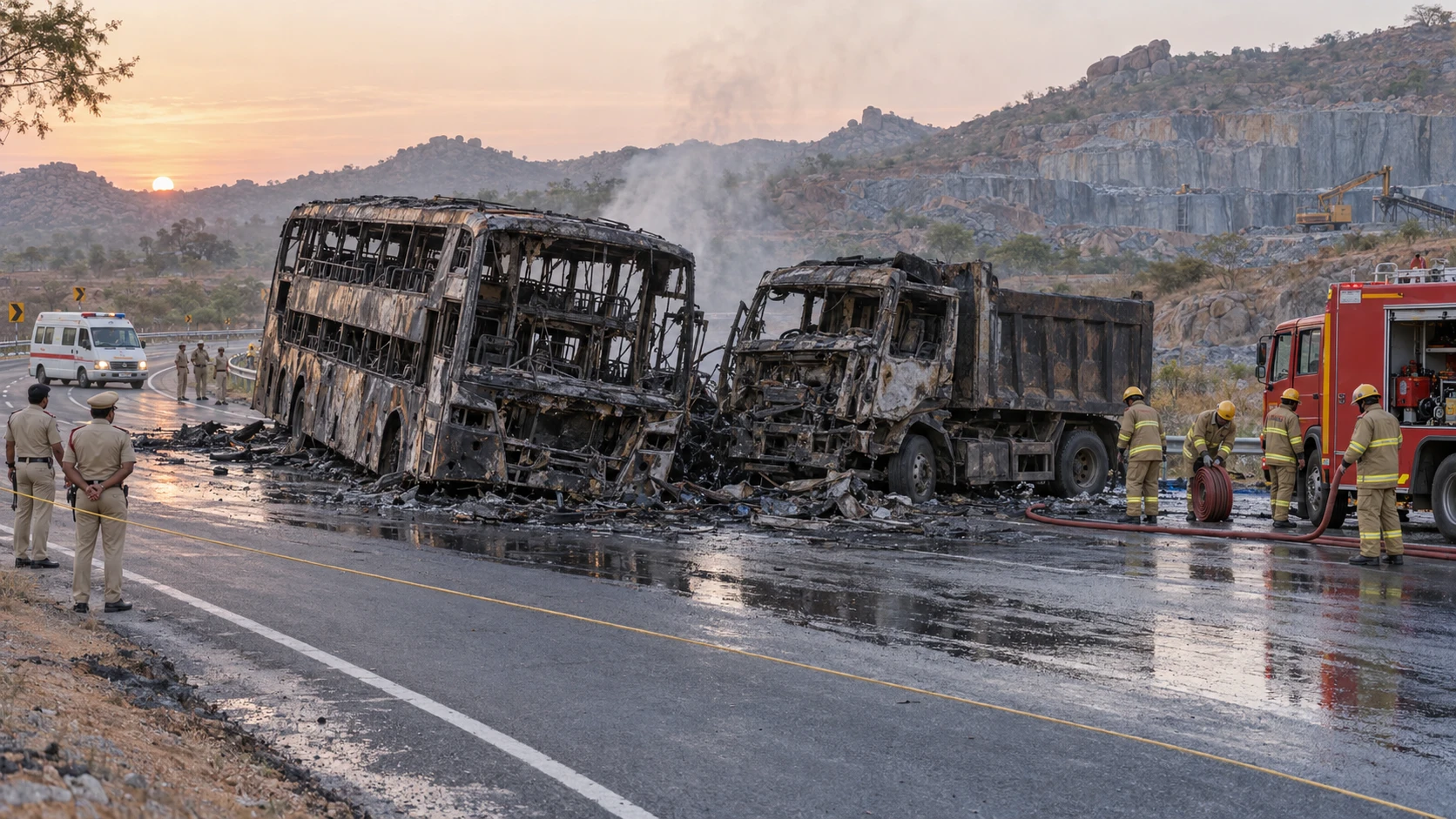
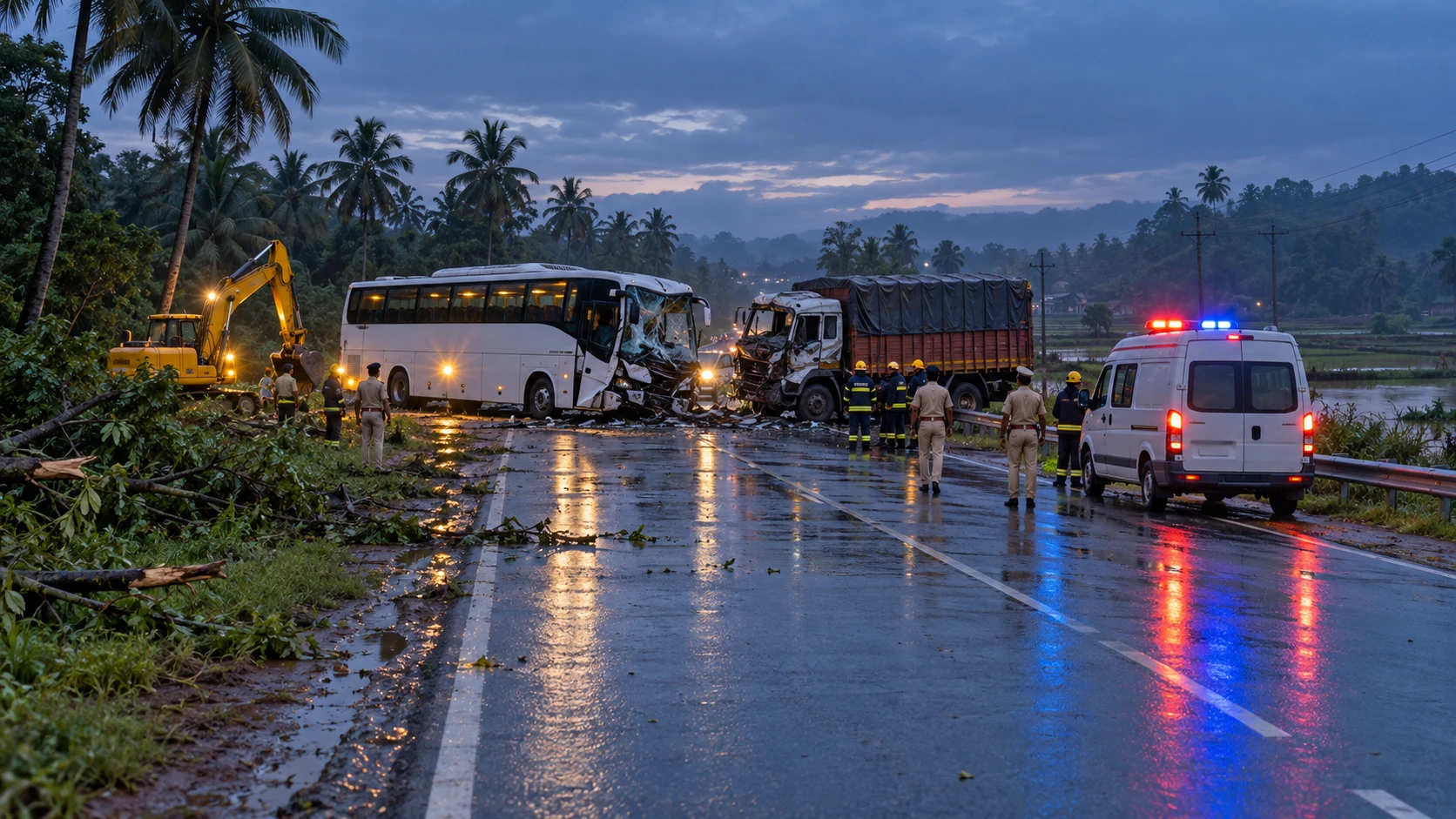
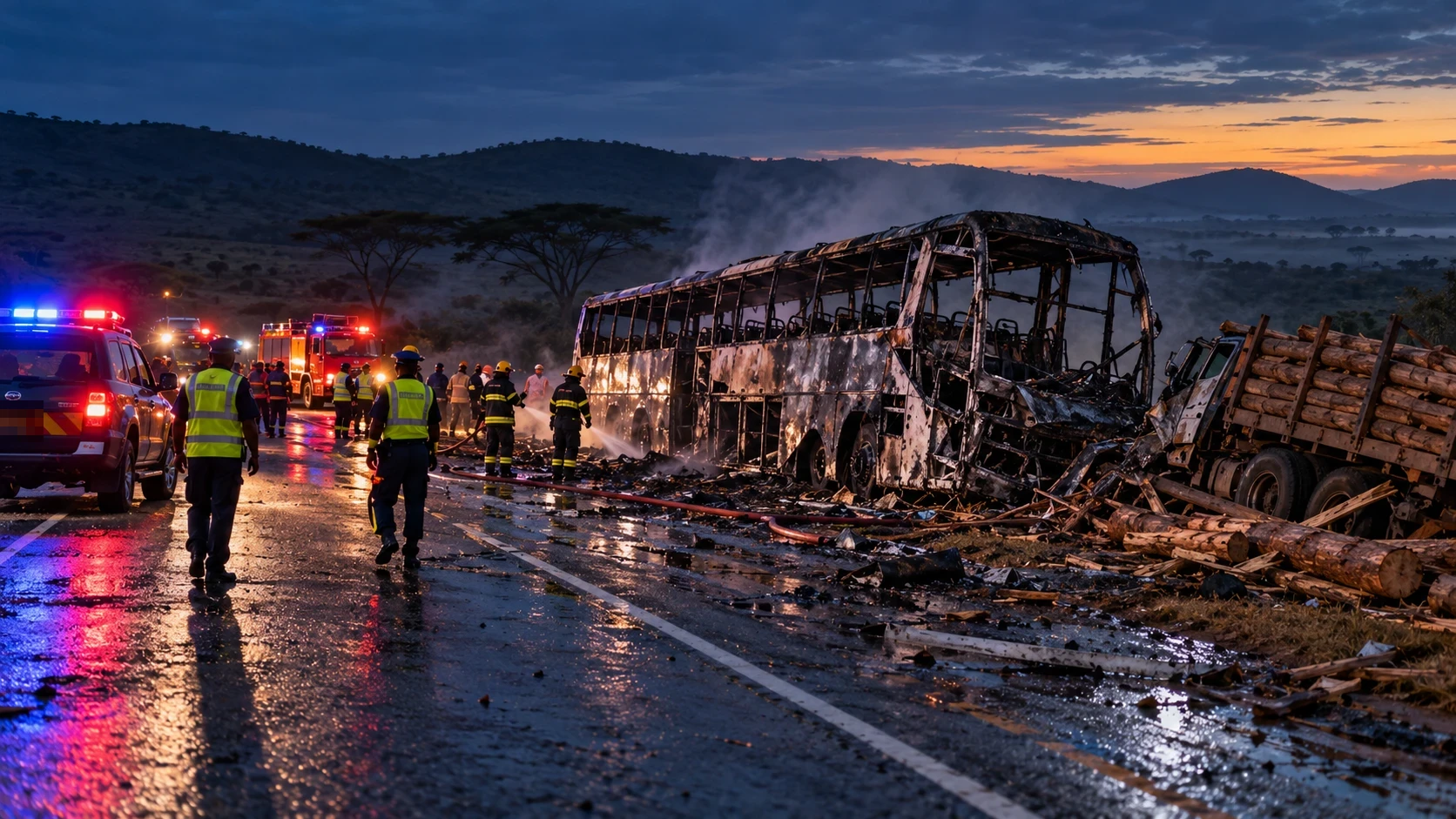
A passenger bus and a sand-laden truck collided head-on on the Natore-Pabna highway at Baraigram, Bangladesh, at about 4.30 a.m. on 20 October 2026. The toll was first put at 14 and later corrected to 12, with about 30 injured. The bus had no valid fitness certificate. Police point to overtaking; passengers say the supervisor was driving. No cause is established.
Quick answers
What happened in Natore on 20 October 2026?
A passenger bus and a sand-laden truck collided head-on on the Natore-Pabna highway at Sarkarpara, Baraigram, at about 4.30 a.m.
How many people died?
The revised official count is 12, including both drivers. Early reports said 14 and some outlets still do. About 30 were injured.
What caused the crash?
No cause is established. Police suspect overtaking, the probe chief has mentioned speeding and a possibly drowsy driver, and passengers say the supervisor was driving. These are unverified.
Did the bus have valid papers?
No. Its fitness certificate expired on 13 May 2026, according to BRTA records quoted by Bangladeshi newspapers.
Has anyone been arrested?
We found no report of an arrest. A case was filed against the two unidentified drivers, who died.
What happened
Before dawn on Tuesday, 20 October 2026, a long-distance passenger bus and a truck loaded with sand collided head-on on the Natore-Pabna highway in Baraigram upazila, in Bangladesh’s Natore district. Most outlets place it at Sarkarpara, in front of the Bonpara highway police outpost, and most give the time as about 4.30 a.m. The Daily Star’s report says around 4.15 a.m.; Prothom Alo’s early report says about 4 a.m.
The bus ran under the RP Paribahan name (other reports say RP Special or RP Transport). It was on an overnight run towards Chapainawabganj and Rajshahi. Reports differ on where it started: Barguna (Daily Star, Prothom Alo), Kuakata (Bangla-language reports) and Barishal (UNB). The Daily Star says the bus usually left Barguna around 6 p.m. and reached Chapainawabganj around 6 a.m., a run of more than 500 km, and that about 40 passengers were aboard. The truck was coming from the opposite direction towards Pabna.
How many died
The toll is contested, and the figure first reported is not the figure now given by the authorities. In the first hours the Natore Deputy Commissioner and police sources spoke of 14 dead, and UNB, Dhaka Tribune, Prothom Alo and TV channels carried that number. Prothom Alo’s English desk reported at least 13. Later on 20 October the Baraigram Upazila Nirbahi Officer corrected the count to 12, as reported by Ajker Patrika, and the Daily Star and bdnews24 also say 12. In the revised count nine died at the spot and three more on the way to hospital (Ajker Patrika). Both drivers are among the dead. We use 12 as the current official figure and flag that several outlets and videos still say 14.
Injuries are also reported differently. UNB’s headline says 25, Prothom Alo says at least 32, the Daily Star and bdnews24 say about 30, and the Daily Star’s video says 20. We say about 30. The injured went to Bonpara and Baraigram clinics, Natore Sadar Hospital and Rajshahi Medical College Hospital, where several were in critical condition, according to UNB and Prothom Alo. We do not name or describe the dead. Reports say five of them were traders from Zajira in Shariatpur, who were on their way to Rajshahi to buy farm produce, and that a young child was among the dead. No more personal detail is needed here.
What was the cause
No cause has been officially established. Here is what has been reported, and by whom.
- Overtaking at speed. Police gave a preliminary assumption that the bus was overtaking another vehicle when it met the truck (Ajker Patrika, Bangla Daily Star). Additional District Magistrate Abul Hayat, who heads the inquiry, was quoted by UNB as saying the bus was speeding while trying to overtake.
- A drowsy driver. In a later Daily Star report Mr Hayat said the preliminary assessment was that the driver may have been drowsy and lost control. The two statements are not the same, and the final report will have to settle it.
- Who was driving. Passengers told Prothom Alo and the Daily Star that the regular driver and the helper had moved to the back seats after the bus passed Ishwardi, and that the bus supervisor took the wheel; Prothom Alo’s passenger puts the crash about an hour later. bdnews24 also reports the allegation that the supervisor was driving. The owner, quoted by the Daily Star, denies that the driver was asleep, says two drivers were aboard, and calls the crash a momentary lapse of concentration by an experienced driver. Another passenger told a Bangla outlet the bus was overcrowded, with people standing, and speeding. These are accounts from passengers and the owner, not findings. Dhaka Tribune also carries the supervisor account; we could not open that page for this check.
The bus’s papers
The Bangladesh Road Transport Authority (BRTA) records show the bus’s fitness certificate expired on 13 May 2026, about five months before the crash, while its route permit runs to 13 May 2028 (Ajker Patrika, Shomoyer Alo). The Daily Star and Mr Hayat say the bus had run for five months without a valid fitness certificate. Natore Deputy Commissioner Sumoni Akter told bdnews24 the bus did not have a fitness certificate and that strict action would follow against those responsible for running unfit vehicles.
The owner told the Daily Star he had applied to update the papers but kept the bus running because of delays, and that he started the Barguna run about four months earlier. A different outlet, TIMES, quotes the BRTA’s Natore office as saying the bus belongs to Ifad Motors, that a show-cause notice was issued, the registration was suspended temporarily, and that the bus held a permit for another route (Chapainawabganj to Chattogram) rather than the Barguna run. That is a single-source report. TIMES also gives May 2025 for the expiry, which does not match the other reports, so we do not rely on it for the date. Reports name the owner differently, so we do not name him.
Response, case and inquiry
Fire service teams recovered the bodies and rescued the injured, and traffic on the highway stood still for hours (Prothom Alo English). Bodies were handed to families by Tuesday afternoon, according to bdnews24. The district administration formed a seven-member probe committee led by Additional District Magistrate Abul Hayat, with members from the upazila administration, roads division, fire service, BRTA and police. It visited the site and met the injured on 21 October. Mr Hayat said the report would be submitted as soon as possible; no date was given.
Police registered a case on Tuesday night at Baraigram police station, filed by an officer of Bonpara Highway Police under the Road Safety Act, because none of the victims’ families, who came from several districts, had come forward (bdnews24). The accused are the unidentified drivers of the bus and the truck, both of whom died. Reports name the filing officer differently, so we leave the name out. We found no report of an arrest, of action against the owner, or of a charge against the company. Parliamentary Whip Ruhul Kuddus Talukder Dulu said each victim’s family would get Tk 1 lakh from the Prime Minister’s office and that the Pabna-Bonpara highway would be widened (Shomoyer Alo, Ajker Patrika). An earlier report said the Deputy Commissioner announced Tk 25,000 per family; we found no later confirmation of payment.
Why this matters beyond Bangladesh
The pattern is not unique to one country: a long overnight route, a bus that may not stop for a proper driver change, the wheel possibly handed to someone who is not the licensed driver, a hurry to overtake on a two-lane road, and fitness papers that lapsed months earlier. Bangladesh’s Road Safety Foundation counted 7,359 road deaths in 2025 (reported by UNB), and the road transport minister has said the government aims to halve road deaths by 2030. Crashes of this kind on Indian highways follow a similar script. We have covered it at Markapuram, where the bus owner and a driver with no licence were arrested, at Periyapatna, where a sleeper bus and a lorry collided head-on in the early hours, and on NH-27 near Sonapur, where a bus and a truck collided.
Lessons for readers
- Look at who is driving. If you see the regular driver leave the seat for someone else on a night run, speak to the conductor or call the operator. Do not stay silent because it is awkward. A tired or unqualified person at the wheel is the biggest risk on a long night route.
- Operators need relief drivers. A 500 km overnight run needs two licensed drivers who actually swap on a schedule, with proper rest, not an informal handover to a helper. Sources told the Daily Star that single-driver night runs of this length are dangerous and that occasional drivers often take over.
- Overtaking on a two-lane highway is where head-on crashes happen. A driver should not overtake unless the road is clear for the whole manoeuvre. Passengers can ask a driver to slow down, and can get off at the next stop if he does not.
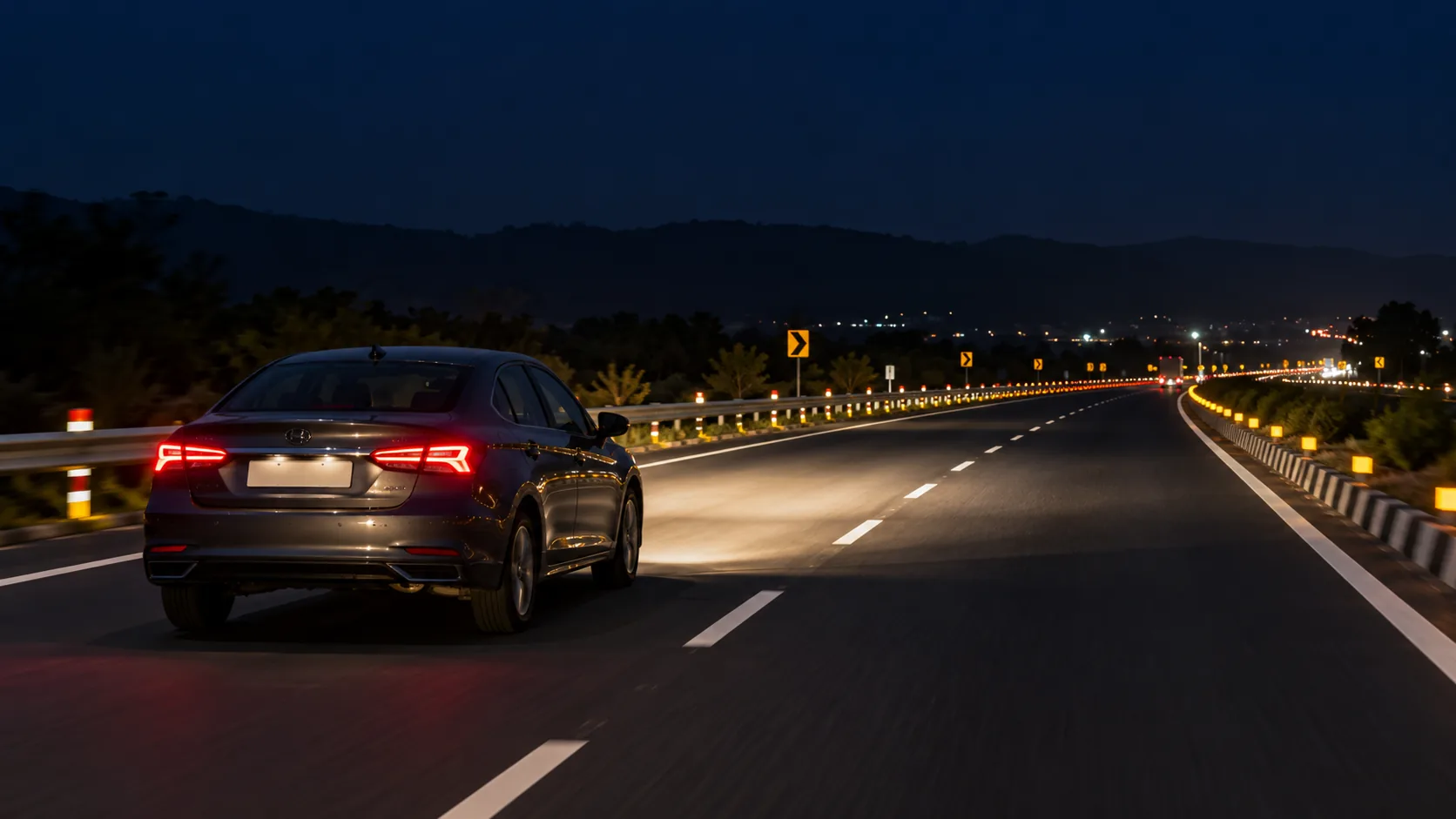
- Prefer day travel for long distances when you can. If you must travel at night, choose a service that stops for a break, be wary of the last hours before dawn when drowsiness peaks, and read our night driving plan.
- Wear a seat belt where the seat has one, and do not stand. Many intercity buses have no belts. Sit in a seat rather than the aisle, and keep your bag out of the aisle. A sleeping passenger is thrown further than one who is braced, so if you doze, keep your belt on or hold the seat in front.
- Check the papers before you book. The fitness certificate is a legal requirement. In India you can note the registration number and check the vehicle’s details on the transport ministry’s Vahan service, or ask the RTO. A permit for one route does not allow another.
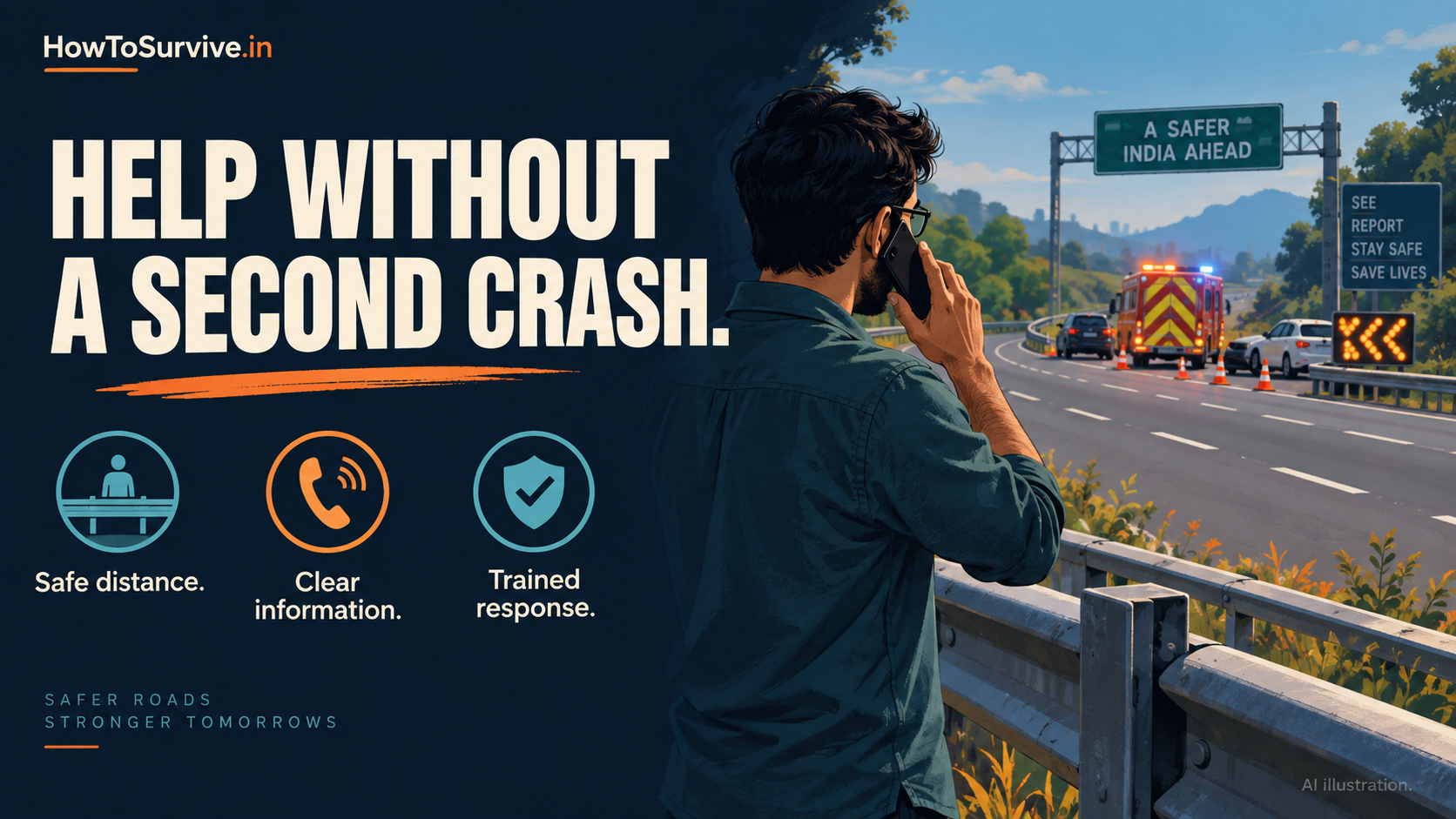
- After a crash, move away and call for help. Get out only if it is safe, move away from traffic and from any fuel smell, and keep the road clear for rescuers. Call the emergency number for the country you are in. Our witness guide explains how to help safely. We do not print Bangladesh’s emergency number here because we could not confirm it from an official page.
If you travel in India
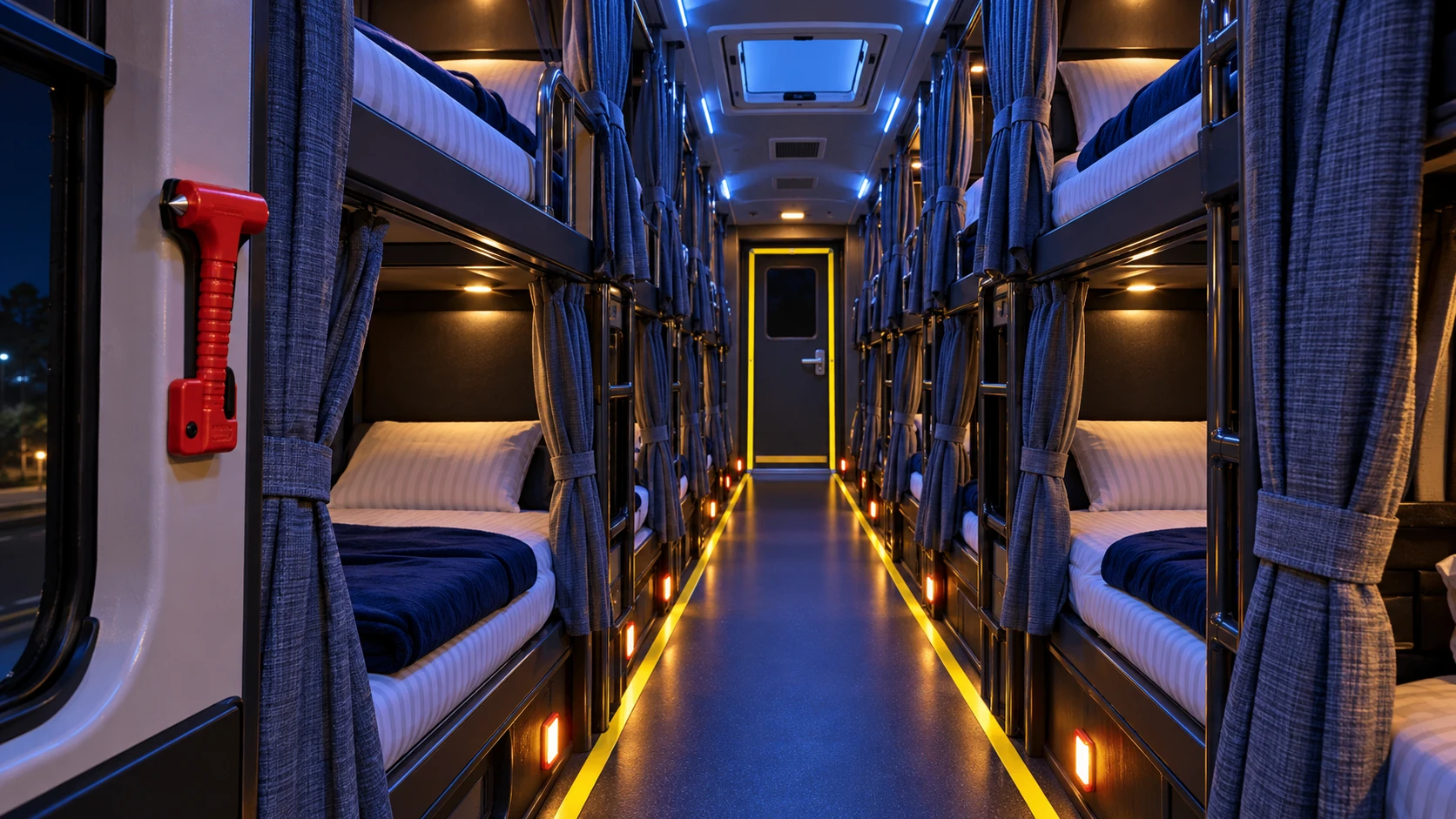
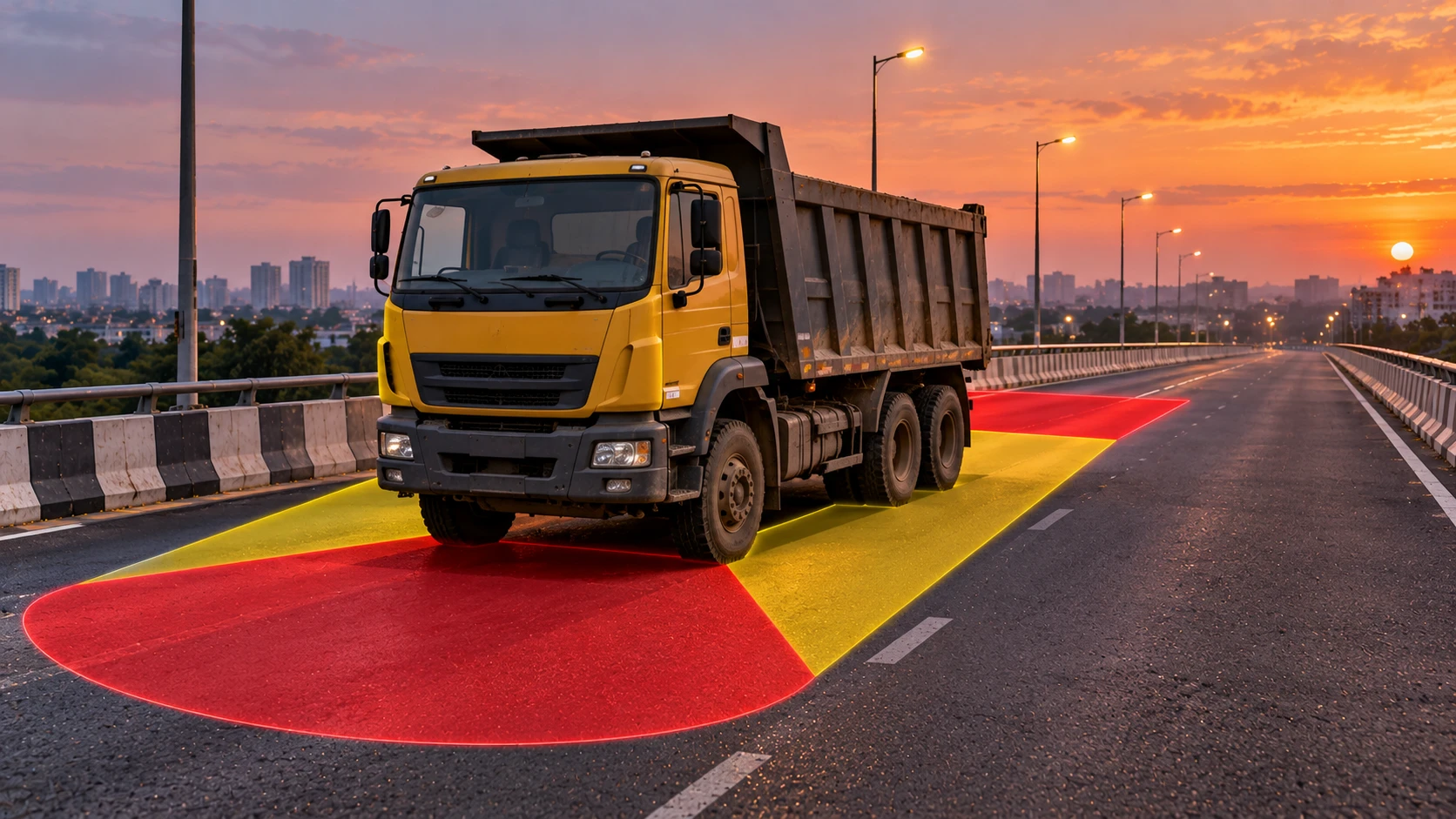
These numbers apply only in India, not in Bangladesh. Dial 112, the national emergency number, for police, fire and ambulance, and 108 for an ambulance in most states. The national numbers do not work the same way in every state, so save your state’s control room number and the bus operator’s number before a long trip. On a bus, note the registration number, the operator’s name and your seat number and send them to a family member before you start. For sleeper buses and getting out fast, see our sleeper bus safety guide, and for heavy-vehicle hazards see our note on dumpers and trucks.
What is still not known
The inquiry report is not out. We do not know who was at the wheel, whether the bus was overtaking, whether the driver was asleep, the exact number on board, or whether the owner or operator will face action. The toll could still be restated. We will update this page when the district administration, BRTA or a court releases an official finding.
- The bus and a sand-laden truck collide head-on on the Natore-Pabna highway at Sarkarpara, Baraigram; nine die at the spot
- Fire service teams recover bodies and the injured go to Baraigram, Natore and Rajshahi hospitals; first counts of 13 and 14 deaths are reported
- The Baraigram UNO corrects the toll to 12; bodies are handed to families; the district administration forms a seven-member probe committee
- Highway police file a case at Baraigram police station against the two unidentified drivers
- The probe committee visits the site and the injured; the ADM says the bus had no valid fitness certificate
- The Daily Star reports the owner's account and the ADM's preliminary view that the driver may have been drowsy
Why consequences escalated
- Head-on collision of an overnight passenger bus and a sand-laden truck on the Natore-Pabna highway.
- The toll was first reported as 14 and later corrected to 12 by the upazila administration; several outlets still carry 14.
- The bus's fitness certificate had expired on 13 May 2026 and it ran for about five months without one.
- Passengers allege the supervisor was driving while the driver and helper were at the back; the owner denies it. This is unverified.
- No official cause yet; police suspect overtaking and the probe chief has mentioned speeding and a possibly drowsy driver.
Failures and risk multipliers
- A bus running on a 500 km overnight route without a valid fitness certificate.
- Passengers say the wheel was handed to the supervisor late in the run (alleged, not established).
- Reported overtaking or speeding on the highway in the hours before dawn.
- A report of an overcrowded bus with standing passengers (single passenger account).
- A route permit that may not cover the run being operated (single-source report).
Actions that reduce risk
- Check that the bus has a valid fitness certificate and route permit before you book a long night trip.
- Operators must keep two licensed drivers on long night runs and swap them on a fixed schedule.
- Do not overtake on a two-lane highway without a clear view of the whole road ahead.
- If the wheel changes hands to a non-driver on a night run, speak up or call the operator.
- If you travel in India, save 112 and 108, your state control room and the bus operator's number.
Leave a comment