
What happened here
 1 / 9
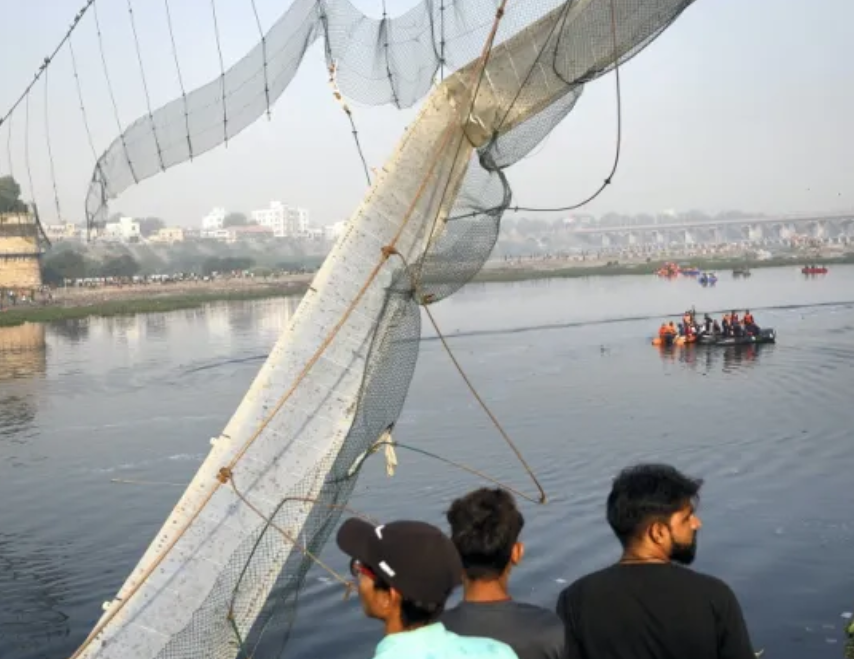
The historic suspension footbridge collapsed four days after reopening following repairs, killing 135 people and injuring 56 in later official reporting. Court and SIT scrutiny focused on repair quality, certification, contracting, ticketing and crowd control.
Quick answers
What happened in the Morbi suspension bridge collapse?
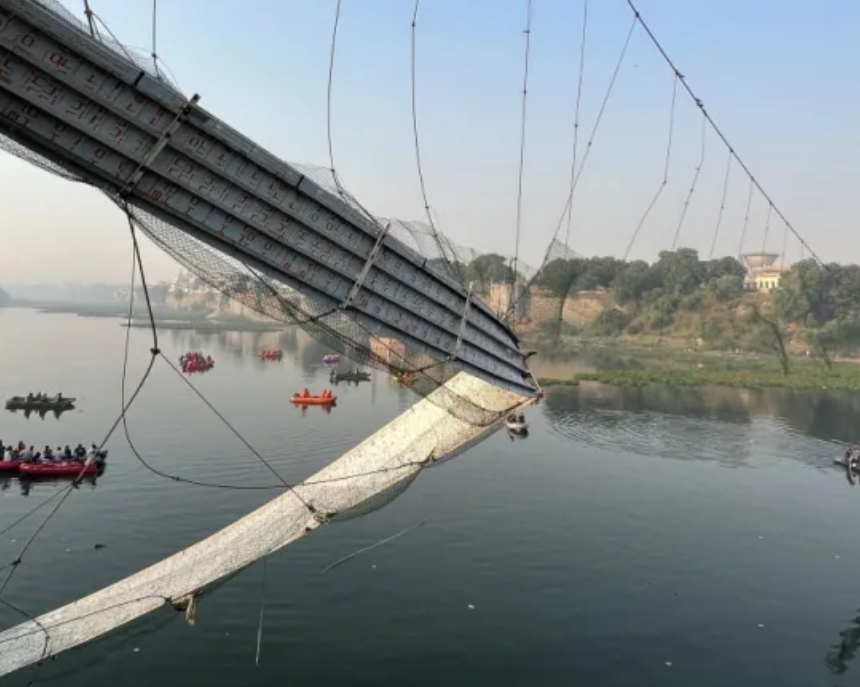
On the evening of 30 October 2022, the historic Julto Pul suspension footbridge over the Machchhu River in Morbi, Gujarat, collapsed while crowded. It had reopened only four days earlier after repairs. Later official reporting stated 135 deaths and 56 injured.
What issues were examined after the Morbi bridge collapse?
Court and SIT scrutiny focused on repair quality, fitness certification, contracting, ticketing and crowd control. These matters are part of legal proceedings, and allegations are not convictions.
Why must crowds on a footbridge be limited?
Ticket sales and entry must stay within the bridge's engineered load capacity, which needs real-time counts of people entering and leaving. On the day of the Morbi collapse, 3,165 tickets had been sold, according to figures reported in November 2022.
What should be checked before a repaired public bridge reopens?
A repaired bridge needs competent structural design, testing and formal fitness certification, with cables, anchorages and deck connections inspected and documented. The authority to reopen must be explicit and independently verified.
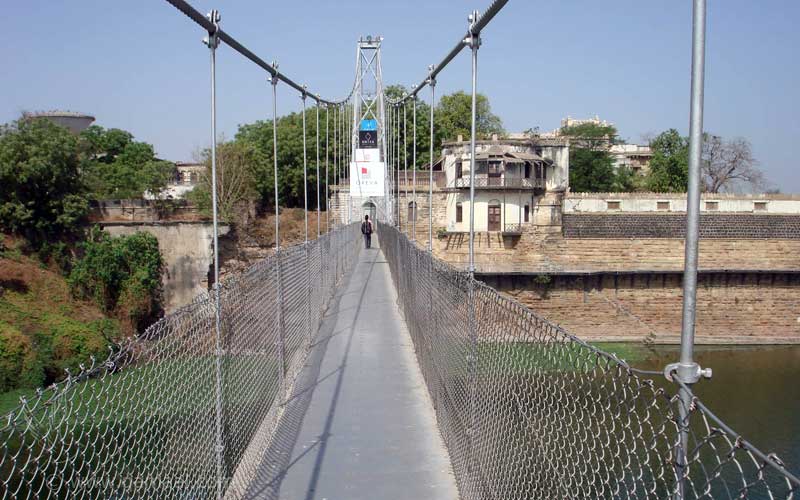
The bridge had been open again for four days. On a Sunday evening during the festive season it was crowded with families, and it fell into the river with them.
What happened
The Julto Pul, a historic suspension footbridge over the Machchhu river in Morbi, Gujarat, was closed for repair and renovation from March 2022. It reopened to visitors on 26 October 2022, around the Gujarati New Year.
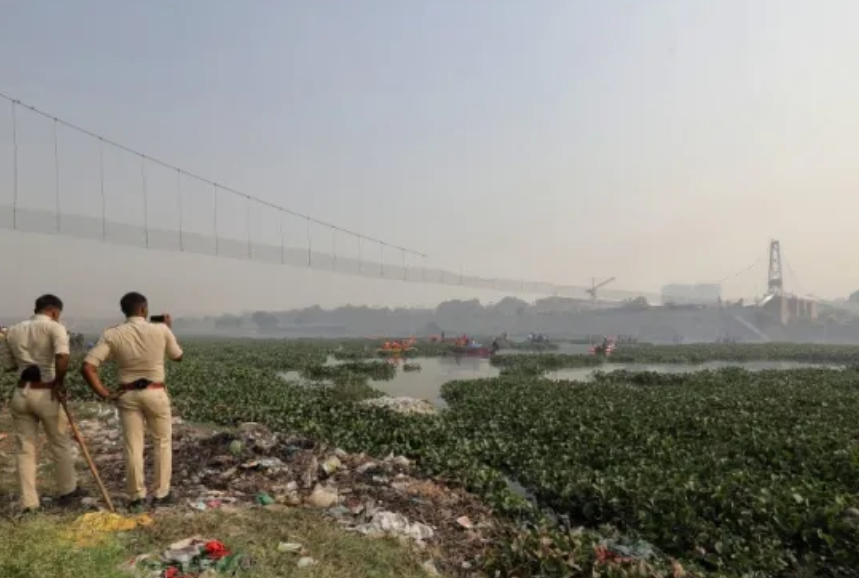
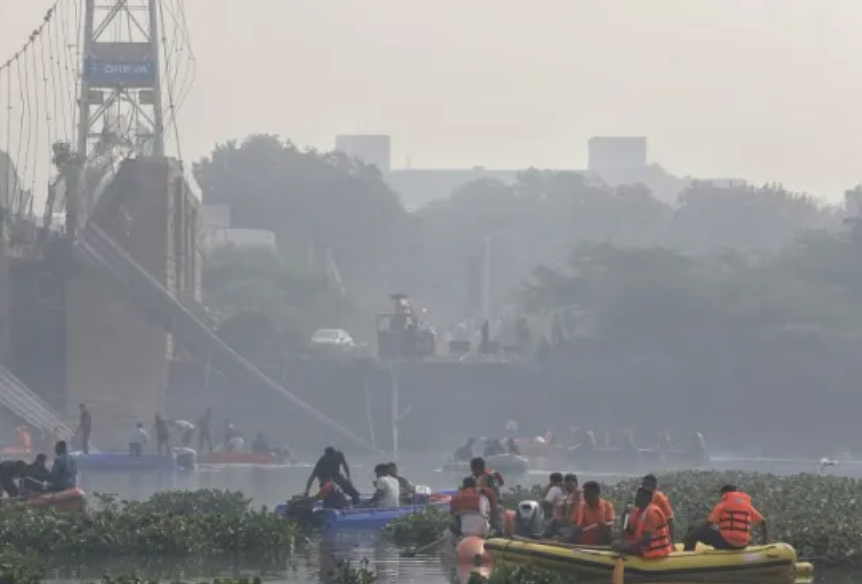
On the evening of 30 October 2022, the crowded bridge collapsed into the river. 135 people were killed and 56 injured, according to later official reporting. 3,165 tickets had been sold for the bridge that day, according to figures reported in November 2022. A ticket count is not the same as the number of people on the bridge at the moment it gave way, but it shows how many people were being let on.
Response
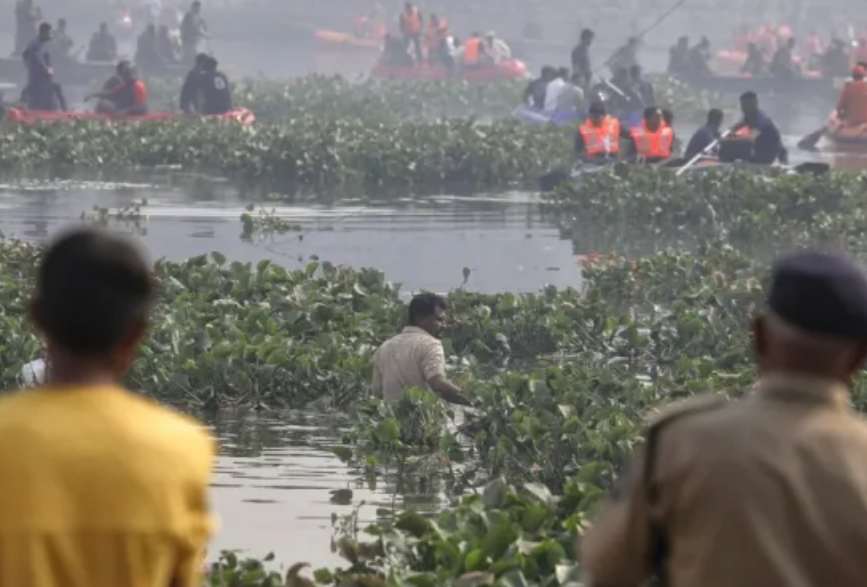
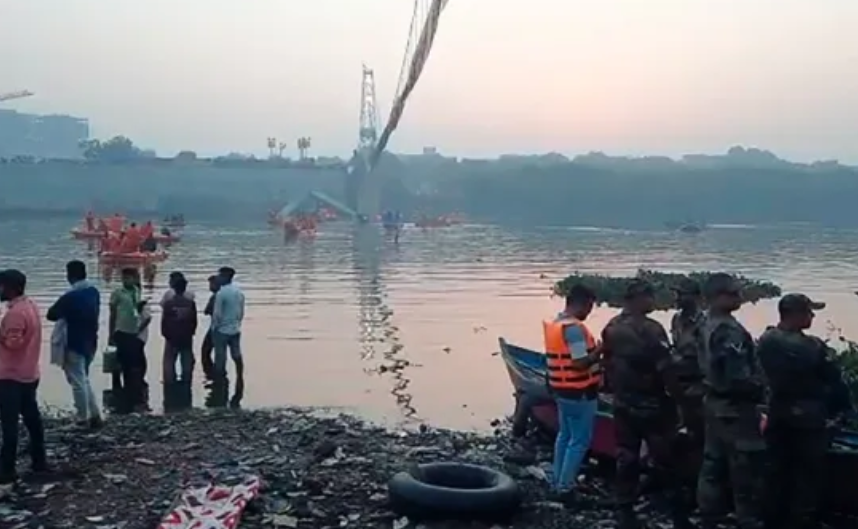
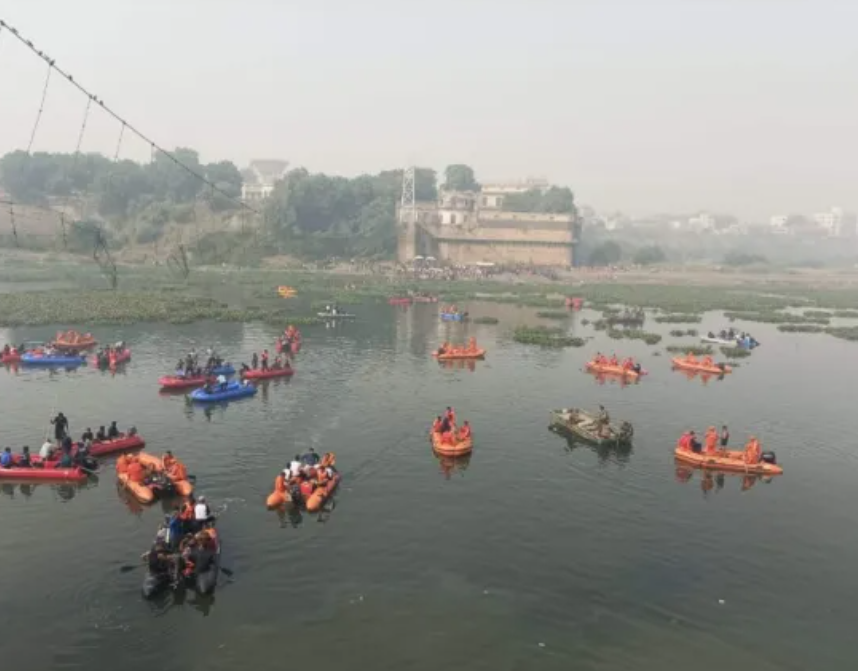
Local residents were first into the water. Police, the National Disaster Response Force, the armed forces and divers joined the rescue and the search for bodies.
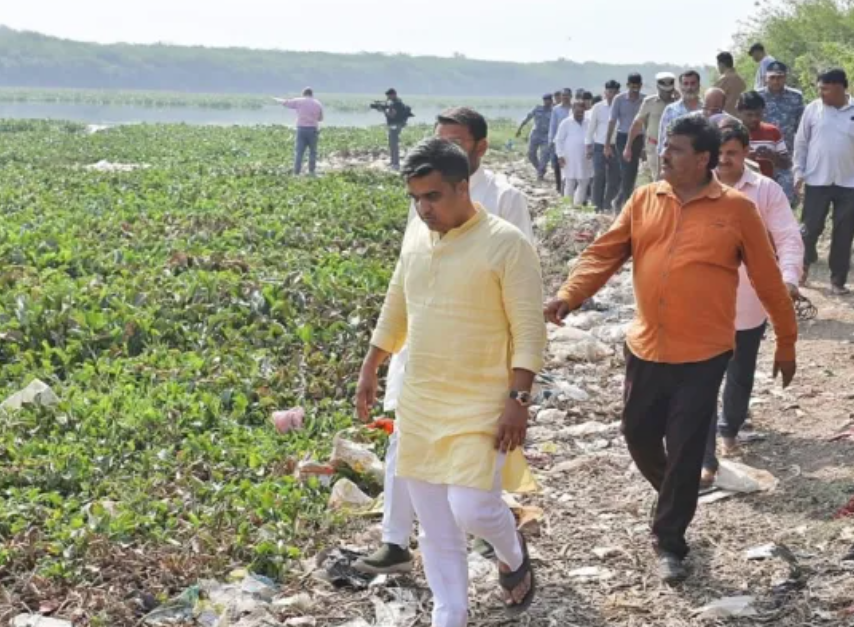
Police registered a criminal case and began making arrests from 31 October, and the state set up a Special Investigation Team (SIT). The Gujarat High Court took up the matter, examining the repair contract, maintenance, compensation and accountability. The state dissolved the Morbi municipality in April 2024.
What is known about the cause
The SIT reported its findings to the Gujarat High Court in stages. As reported, it found that:
- At least 22 of the 49 wires in one of the main cables were already corroded and may have broken before the collapse.
- During the repair, old suspenders were welded to new ones, which changed how the bridge behaved, and the main cable and suspenders were not properly tested before the work began.
- A heavier aluminium deck had replaced the old wooden one.
- The repair work was handed to an agency that was not competent and was done without consulting technical experts, and the bridge was not tested before it was opened to the public.
- The maintenance agreement with the Oreva Group had been signed by municipal officials without a resolution of the general board.
In its final report in October 2023, the SIT said there were “serious operational and technical lapses” by the company’s management, and that its managing director and two managers appeared prima facie responsible. Ticketing, crowd control and the bridge’s fitness certification for reopening also became central questions in court.
On 27 January 2023 Gujarat Police filed a charge sheet against ten accused, naming Oreva Group’s managing director as the tenth. On 29 April 2025 the Morbi sessions court rejected the discharge pleas of the managing director and the nine others. As of October 2025, charges had not been framed because of a Gujarat High Court stay, and the trial was expected to begin in June 2026.
What remains unknown
- The outcome of the criminal trial. We could not verify its status after October 2025, and none of the accused has been convicted.
- The bridge’s safe load, and how many people were actually on it when it fell.
- Who formally authorised the reopening, and on what certificate.
Lessons
A repaired structure is not safe until someone competent has tested it and signed for it, and entry has to be capped at what the deck can carry.
- Do not reopen a repaired public bridge without competent design, load testing and a written fitness certificate.
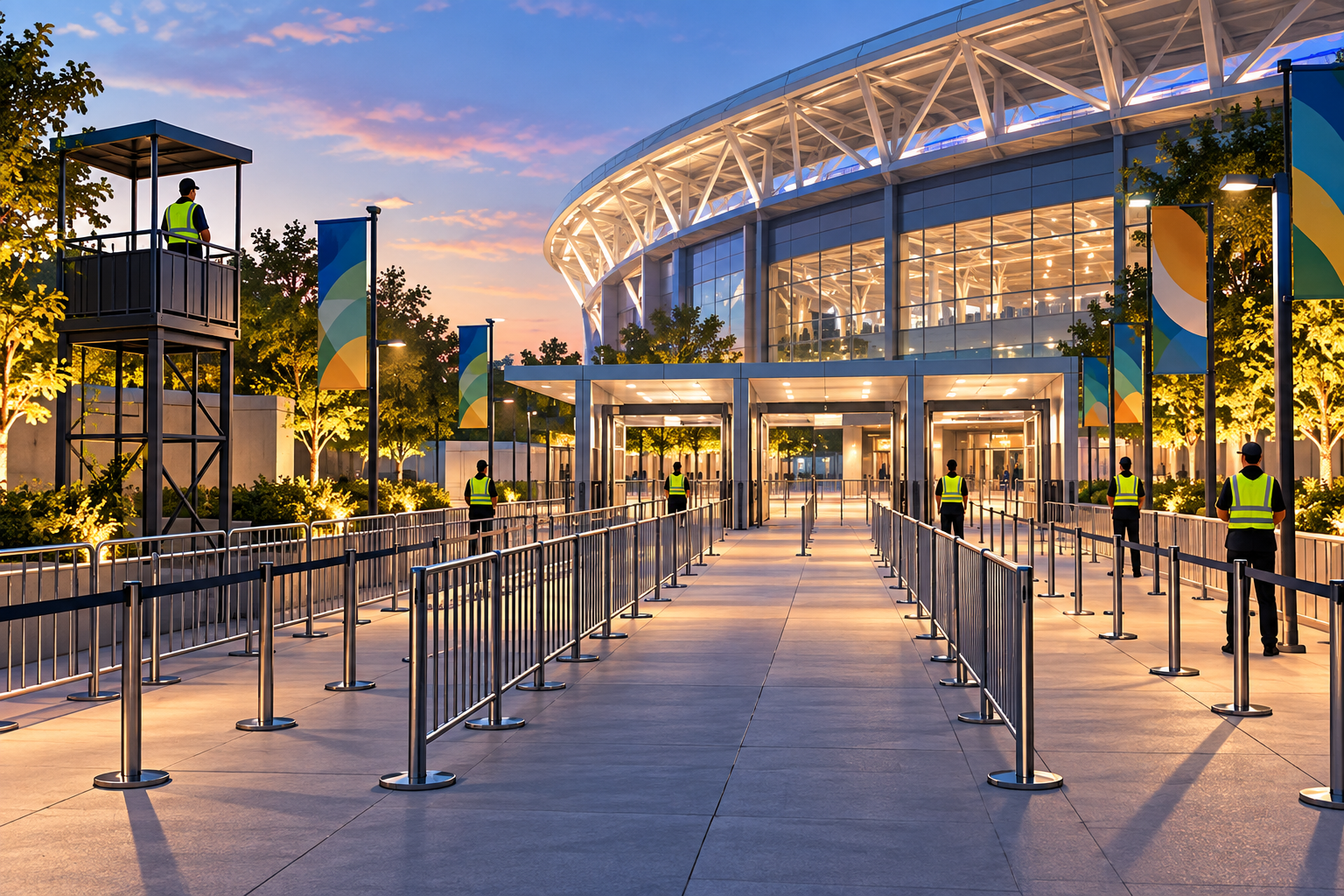
- Cap ticket sales at the bridge’s safe load, and count people entering and leaving in real time.
- Inspect and record cables, anchorages, hangers and deck joints before reopening, and on a fixed schedule after.
- Make it clear who has the authority to reopen, and have that decision checked independently.
- Keep boats, divers and life buoys ready at any crowded river crossing.
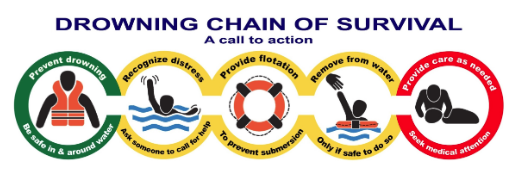
If a bridge starts to tilt or crack, move towards the nearest bank at once. If you fall into the water, float on your back with your face clear and hold on to anything that floats. Help others only with a rope, pole or float, not by grabbing them. Once ashore, call 112 and tell rescuers where people went under.
Next time you are at a riverside fair or a viewing point, look before you step on. Stay off any footbridge, jetty or deck that looks overcrowded or sways heavily, never jump or shake a suspension bridge, stop others who do, and keep children close.
Reporting limits
The totals of 135 deaths and 56 injured are from later official reporting; some early reports gave other figures. The 3,165 figure is the number of tickets sold that day, not a headcount on the bridge. The SIT findings are as reported in the news. The ten people charge-sheeted in January 2023 have not been convicted; charges had not been framed as of October 2025, and no later status was verified. News photographs and video stills are linked, not copied.
More on Morbi: see our Morbi fire and emergency safety guide for emergency numbers and the local risks to know.
- Bridge closed for repair/renovation
- Bridge reopens to visitors around Gujarati New Year
- Crowded bridge collapses into Machchhu River
- Local residents, police, NDRF, armed forces and divers rescue survivors
- Criminal investigation, arrests and state SIT begin
- Gujarat High Court examines contract, maintenance, compensation and accountability
- Gujarat Police file a charge sheet against ten accused in the Morbi sessions court; Oreva Group MD Jaysukh Patel is named the tenth
- Sessions court rejects discharge pleas of Patel and other accused
- Charges still not framed because of a Gujarat High Court stay; trial expected to begin in June 2026
Why consequences escalated
- Repair of a public bridge requires competent structural design, testing and formal fitness certification
- Ticket sales must remain within engineered live-load capacity
- Crowd monitoring needs real-time entry/exit counts
- Critical cables, anchorages, hangers and deck connections require documented inspection
- Reopening authority must be explicit and independently verified
- Emergency water rescue planning is essential for crowded river crossings
Failures and risk multipliers
- Reopening a repaired bridge when its fitness certification later became a central issue in court
- Repair and contracting work whose quality is now under court and SIT scrutiny
- Ticketing and crowd control that came under scrutiny after it emerged that 3,165 tickets had been sold that day
- Visitors assuming a newly reopened bridge must be safe
- Crowding onto a narrow span with no quick way off
Actions that reduce risk
- Do not reopen a repaired public bridge without competent design, load testing and a written fitness certificate
- Cap ticket sales at the bridge's safe load and count people entering and leaving in real time
- Inspect and record cables, anchorages, hangers and deck joints before reopening and on a schedule
- Make it clear who has authority to reopen, and have that decision checked independently
- Keep boats, divers and life buoys ready at any crowded river crossing

Leave a comment