Quick answers
What is stop, drop and roll?
If your clothes catch fire, stop where you are and do not run, drop to the ground, cover your face with your hands and roll over and over until the flames go out. The NDMA's fire safety poster says not to run and to drop and roll, and MoHFW's burn guidelines recommend the same.
Why should I not run if my clothes are on fire?
Running brings more air to the flames. The NDMA's poster says rushing air will only accelerate the burning. MoHFW's burn guidelines also list stopping the person from running as part of first aid.
Can I use a blanket to put out the fire on a person?
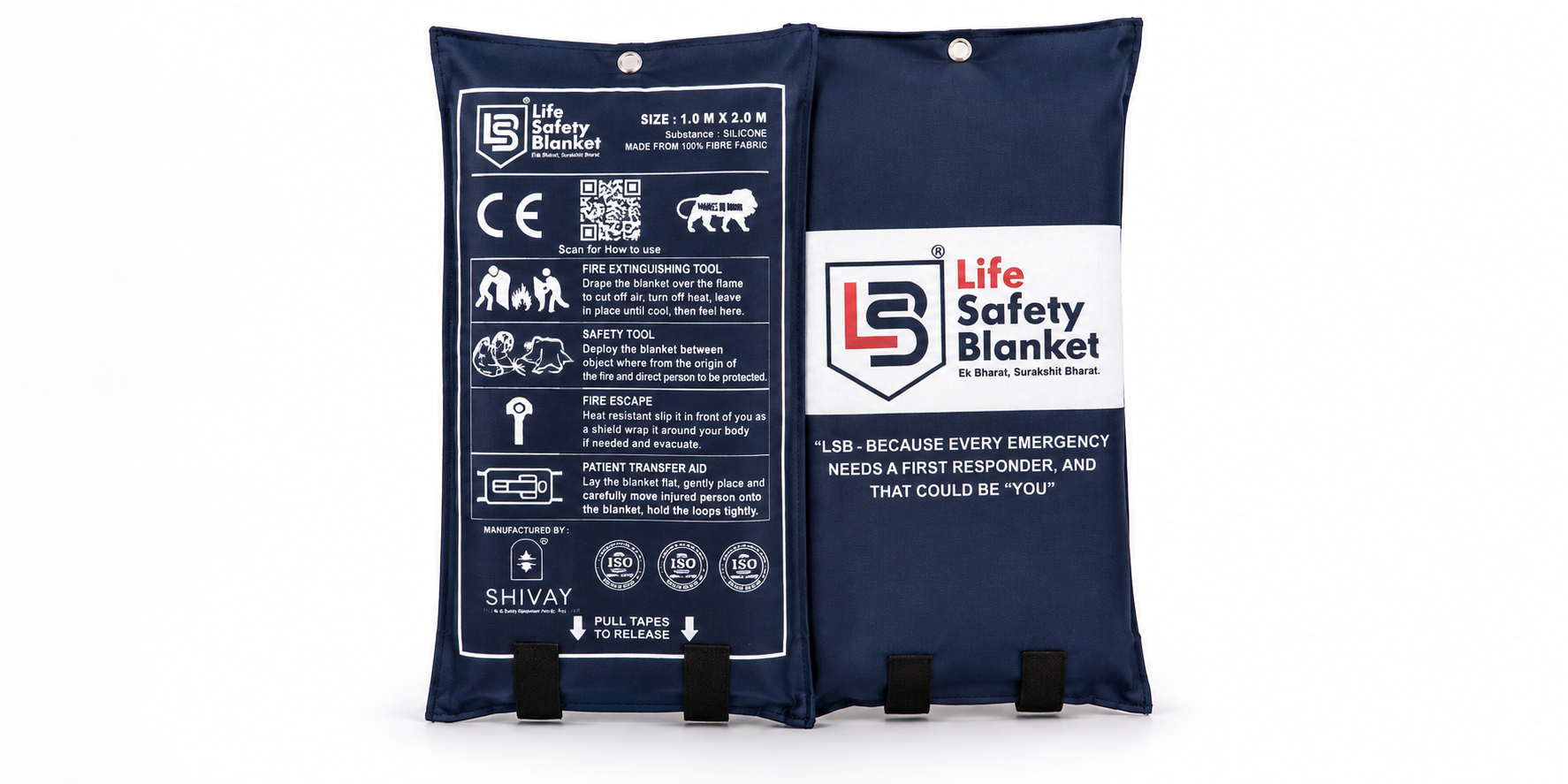
Yes, if it is heavy cotton, such as a blanket, rug, dari or coat. Lay the person down with the burning side up, smother the flames, and take the cloth off straight away because it holds heat. MoHFW says not to use nylon or other cloth that can burn. A fire blanket made for the purpose is another option.
Should I pour water on a person whose clothes are on fire?
If a tap or shower is within reach, yes. The NDMA poster says a shower douses the fire quickly, and MoHFW says water can be used if it is close by. If not, do not waste time looking for it: drop and roll, or smother with a heavy cotton cloth.
The cloth is stuck to the skin. Should I pull it off?
No. MoHFW and WHO both say not to pull off cloth that is stuck to a burn. Cut around it and leave the stuck part for the doctor. Take off rings, bangles and tight items before the area swells.
How long should I cool the burn?
Hold it under cool running water. MoHFW's firecracker guidelines say at least 10 to 20 minutes or until the pain eases, its burn guidelines stress the first 10 minutes, and WHO says about 20 minutes is commonly advised for smaller burns. Do not use ice, and for a baby, young child or large burn cool only the burnt part.
Can I put toothpaste, ghee, butter or haldi on a burn?
No. MoHFW's burn guidelines list ghee, butter, toothpaste, powders, ointments and other sticky agents as things not to apply. Haldi is not named in the text we read, but nothing should go on the burn.
When should I call 112 or 108?
For any burn on the face, eyes, ears, hands, feet, joints or groin, a deep burn, a burn larger than the person's palm, a chemical or electrical burn, trouble breathing, shock, or any burn on a child or older person. 112 is the single national emergency number and 108 is the ambulance number in most states.
How can I make my dupatta or saree safer near a diya or the stove?
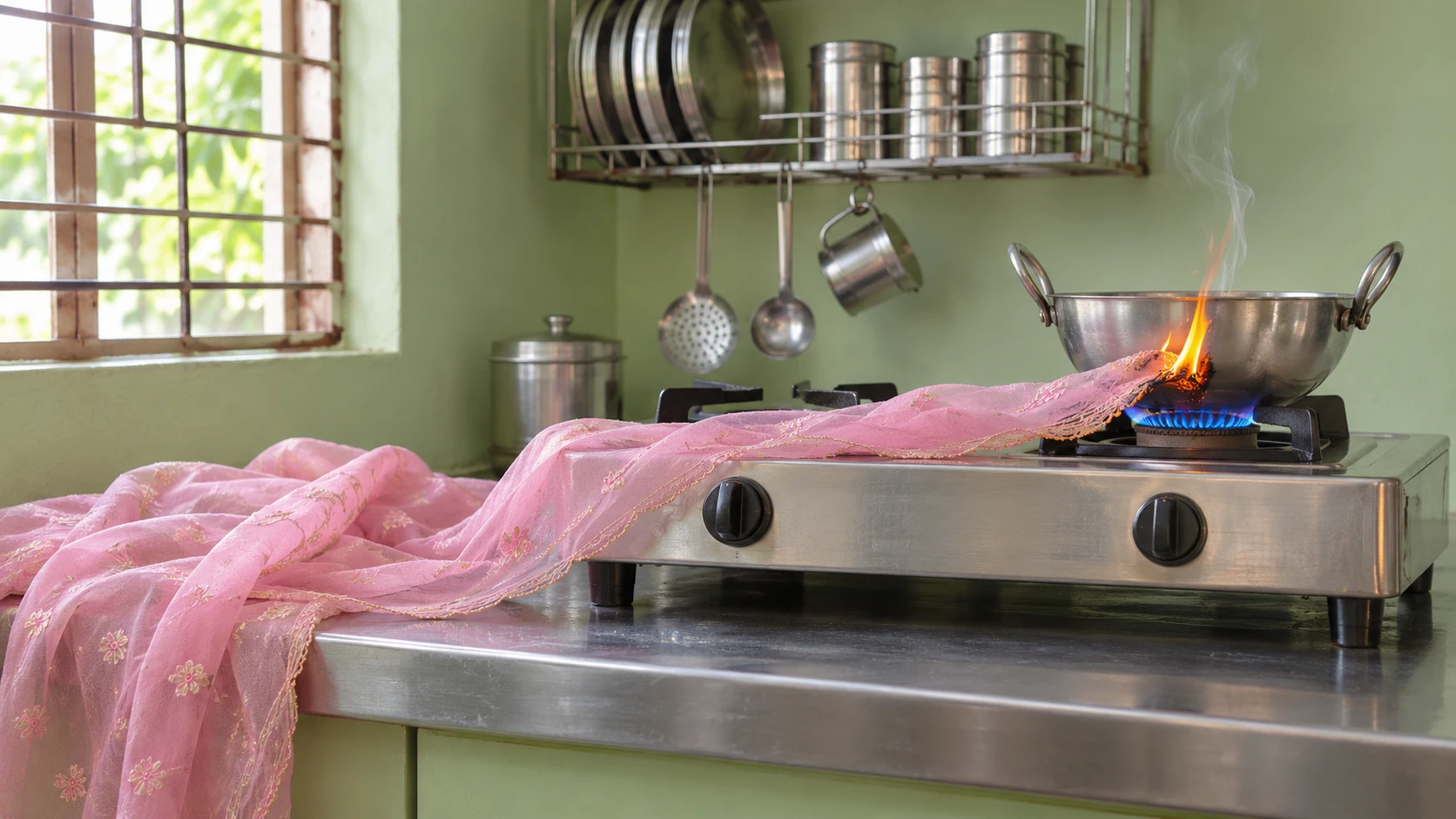
Wear cotton, tie the dupatta or chunni snugly behind the back or pin it, tuck the pallu in, and do not reach over the flame. MoHFW's guidelines advise against synthetic clothes near fireworks and against lighting diyas at ground level indoors or on stairs. A cotton apron in the kitchen is our suggestion.
Is it safe to sleep with an angithi or sigdi burning in the room?
No. The NDMA says open fire pots can contribute to carbon monoxide poisoning of the family and can start fires when left unattended, and a Punjab government advisory based on its guidelines says not to burn coal indoors for heat because a closed room can fill with the poisonous gas. Take the angithi out before you sleep and keep the room ventilated.
What should I do if my clothes catch fire near a heater or angithi?
The same as anywhere else. Do not run. Drop to the floor, cover your face with your hands and roll until the flames are out, or have someone smother them with a heavy cotton blanket and take it off straight away. The NIDM sheet lists stop, drop and roll and wrapping the victim in a blanket until the fire ceases, and says to avoid long loose clothes. Then cool the burn and call 112 as described above.
A pallu brushes a diya. A dupatta swings over the gas burner while you reach for the tadka. A child’s frock catches a spark from a phooljhari. Synthetic cloth can go up in seconds, and the body’s first reaction, to run or to flap at the flames, is the wrong one. This page is the short version of what the National Disaster Management Authority (NDMA), the Ministry of Health and Family Welfare (MoHFW) and the World Health Organization (WHO) say, plus how to make saree, dupatta and kurta days safer. Checked 4 November 2026.
In short
- Do not run. The NDMA says rushing air only makes the burning faster.
- Drop to the ground, cover your face with your hands and roll until the flames are out.
- Helping someone else? Lay them down and smother the flames with a heavy cotton cloth, such as a blanket, rug or dari. Take the cloth off straight away afterwards, because it holds heat.
- Cool the burn under cool running water for 10 to 20 minutes. Do not pull off cloth that is stuck. Put nothing on the skin.
- Call 112 (108 for an ambulance in most states) for any burn on the face, hands, feet or groin, a burn bigger than the person’s palm, a deep burn, a child or an older person, or trouble breathing.
If your own clothes catch fire
- Stop. Do not run, not even to the door, the tap or the neighbour. Running feeds the flames with fresh air. The NDMA’s fire safety poster on this says exactly that.
- Drop. Go down to the floor. The NDMA’s picture shows the person lying down with both hands over the face, which protects the eyes, nose and mouth. Lying flat also helps keep the fire away from the face and hair, as MoHFW’s burn treatment guidelines explain.
- Roll. Roll over and over until the flames are out. A rug or heavy cotton cloth thrown over you helps if someone is there to do it.
- Water, if it is right there. The NDMA poster also says a shower will douse the fire quickly, and MoHFW says water can be used if it is close by. Do not waste time hunting for it; the floor roll works anywhere.
The rhyme only fits the moment the clothes are alight. Do not drop and roll because a smoke alarm sounded or a finger got burnt (the fire-department video below makes this point for children).
If someone else’s clothes are on fire
- Do not let them run. Shout “stop” and bring them down. MoHFW’s burn guidelines list stopping a burning person from running as part of the first aid.
- Smother, then remove the cloth. Put the person on the ground with the burning side up and put out the flames with a heavy cotton cloth: a blanket, rug, dari or coat. Once the flames are out, take the cloth off at once, because it holds heat. Nylon and other cloth that burns should not be used. A state disaster management authority’s sheet says to keep wrapping until the fire ceases; it also lists keeping buckets of water and blankets ready.
- Do not get burnt yourself. MoHFW’s guidelines say plainly that first responders must not get injured, and that firefighting is not the job of the person giving first aid. A fire blanket can do this job if it is big enough; our guide to the Life Safety Blanket explains what the maker says and what has not been tested.
After the flames are out
- Cool the burn. Hold the burnt area under a tap, a shower or a mug of cool water. For burns from hot oil, tea, steam, chemicals or electricity, see our household burns and scalds first aid. MoHFW’s firecracker guidelines say at least 10 to 20 minutes or until the pain eases, its burn guidelines stress the first 10 minutes, and WHO says about 20 minutes is commonly advised for smaller burns. Start at the scene. Do not point a hard stream at a burnt face.
- No ice or ice-cold water. It can damage the skin more. For a baby, a young child or someone with burns over a large part of the body, cool only the burnt part and do not put the whole body under water, because the body can get dangerously cold. Keep the rest of the person warm.
- Take off rings, bangles, watches and belts from the area before it swells. Clothing that comes away easily can be removed. If cloth is stuck to the burn, do not pull it. MoHFW says to cut around it and leave the stuck part, and WHO also says not to pull it off.
- Put nothing on it. No toothpaste, ghee, butter, oil, haldi paste, powder or cream. MoHFW’s burn guidelines list ghee, butter, toothpaste, powders and ointments and say they make it harder to judge the burn. Do not burst blisters.
- Cover it loosely with cling film or a clean, dry, lint-free cloth or sheet. Not cotton wool.
When to call 112 or 108
MoHFW says to call 112, or go to the nearest hospital, for any deep burn (charred, white or leathery skin, or no feeling), a burn larger than the injured person’s palm, any burn on the face, eyes, ears, hands, feet, joints or groin, a chemical or electrical burn, and any burn on a child or an older person. Also call if the person is coughing, hoarse or short of breath, or has facial burns, which can mean smoke or hot air went in, or shows signs of shock such as pale, clammy skin and rapid, shallow breathing. A burn from clothes alight is rarely small, so when in doubt, call. 112 is the single national emergency number, 108 is the ambulance number in 35 states and union territories according to PIB (June 2026), and 101 is the fire service. See our pages on emergency numbers in India.
What not to do
- Do not run, and do not let a burning child run.
- Do not beat at the flames with your bare hands or flap the cloth. (Our advice: it fans the fire.)
- Do not smother with a nylon or synthetic blanket or a dupatta. MoHFW says to use heavy cotton.
- Do not pull off stuck cloth, and do not apply ice, toothpaste, ghee, butter or cream.
- Do not leave the burnt person alone, and do not give food or drink if the burn is serious. (Our advice.)
Before Diwali and Lohri: dressing for the diya, the stove and the bonfire
MoHFW’s firecracker guidelines say to avoid fancy synthetic clothes, especially for women and children, because they catch fire easily, not to light fireworks in a very loose, free-flowing ghagra, and to tie a dupatta or chunni snugly behind the back. They also say not to light diyas at ground level inside the house or on the stairs. The state disaster management authority’s sheet says to avoid long loose clothes because they catch fire fast. Our kitchen fire rules say loose dupattas, sleeves and saree pallus catch fire easily, and suggest a cotton apron with loose ends tied back.
- Choose cotton for the kitchen and for puja. Pin or tie the pallu and the dupatta. Roll or push back loose sleeves.
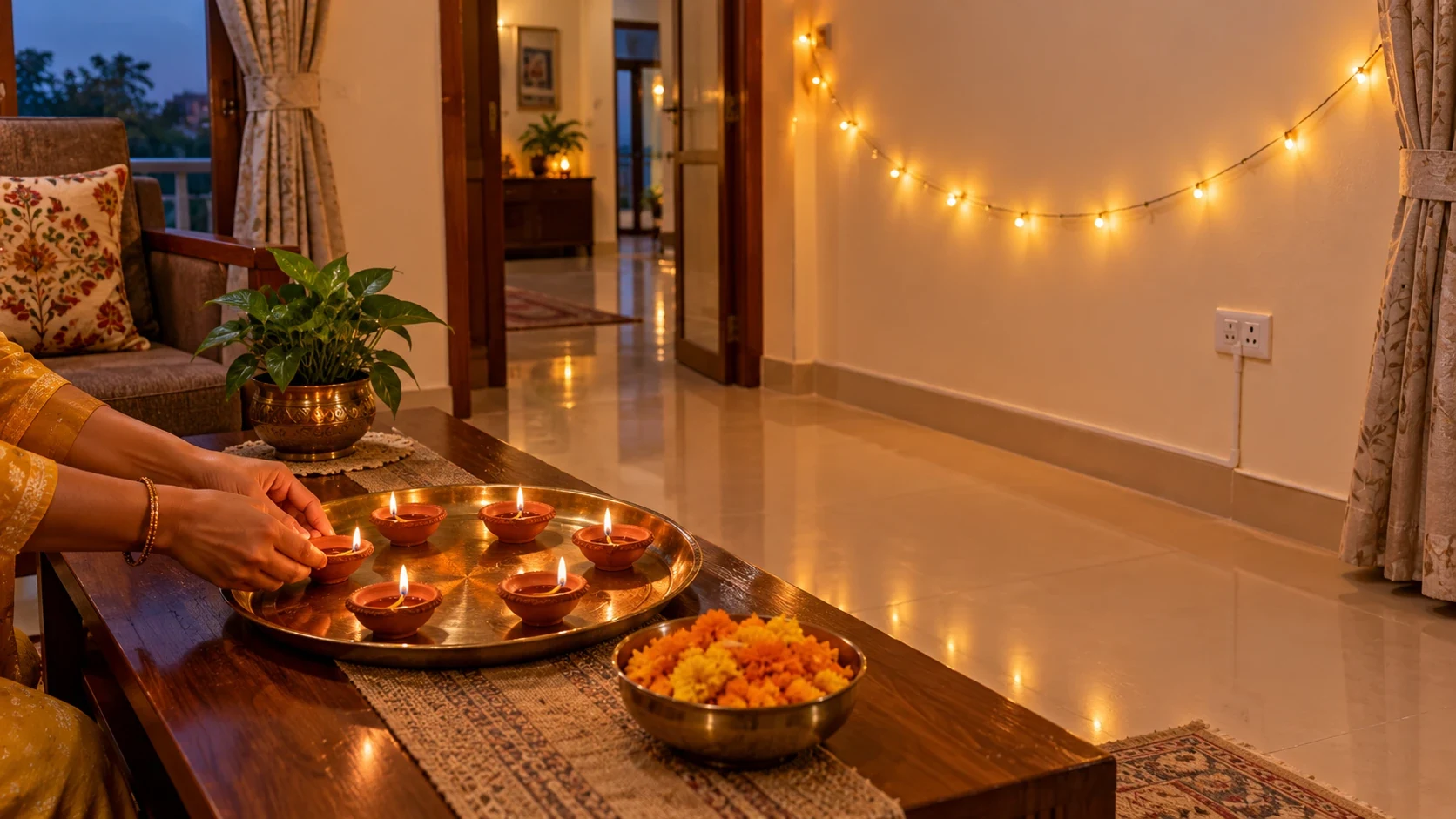
- Keep the lamp on a stable, raised plate, away from curtains, garlands and mosquito nets, and never reach over a flame. Our festival-season home fire guide has the detail, and a battery diya removes the flame altogether (our suggestion).
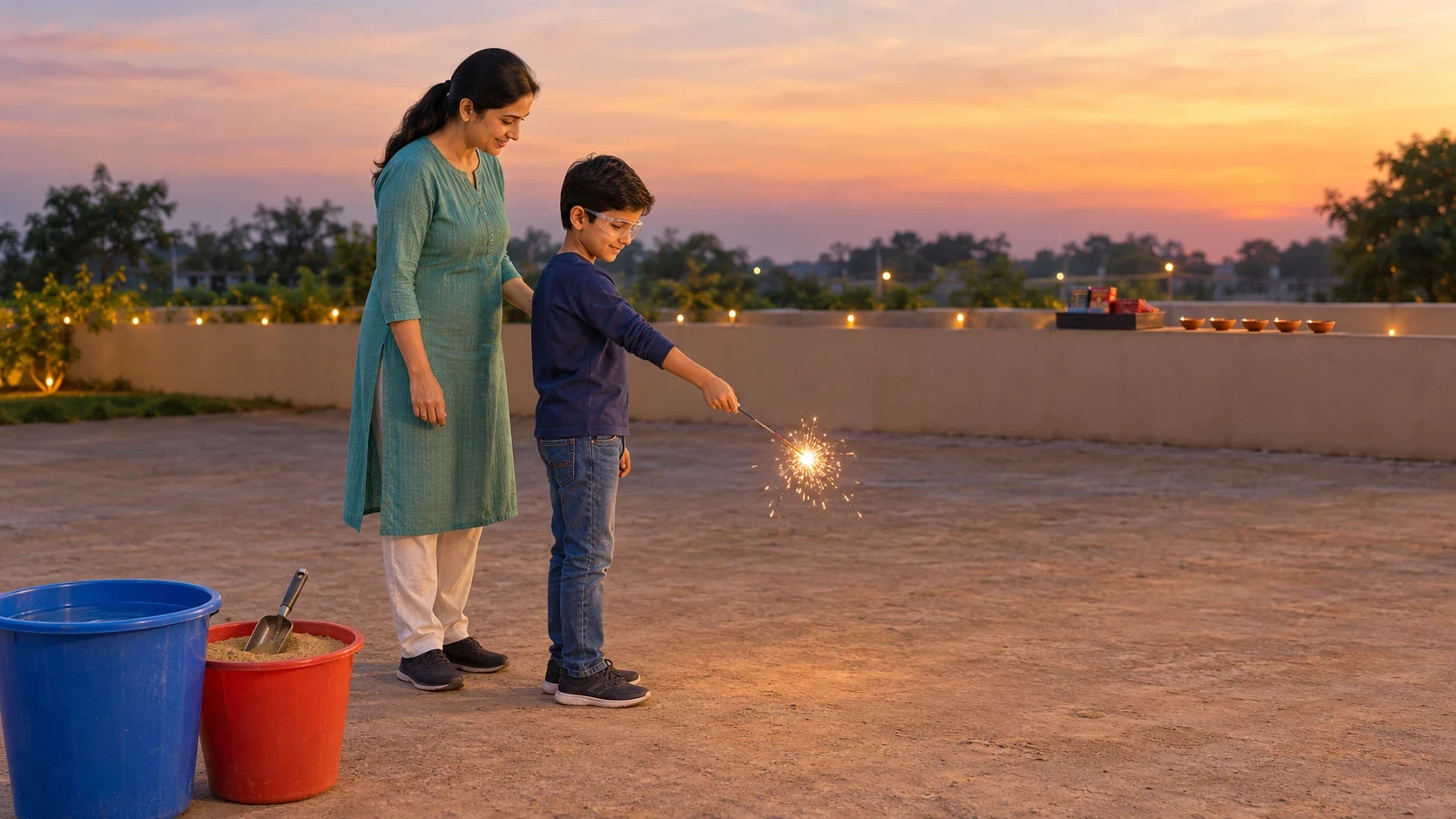
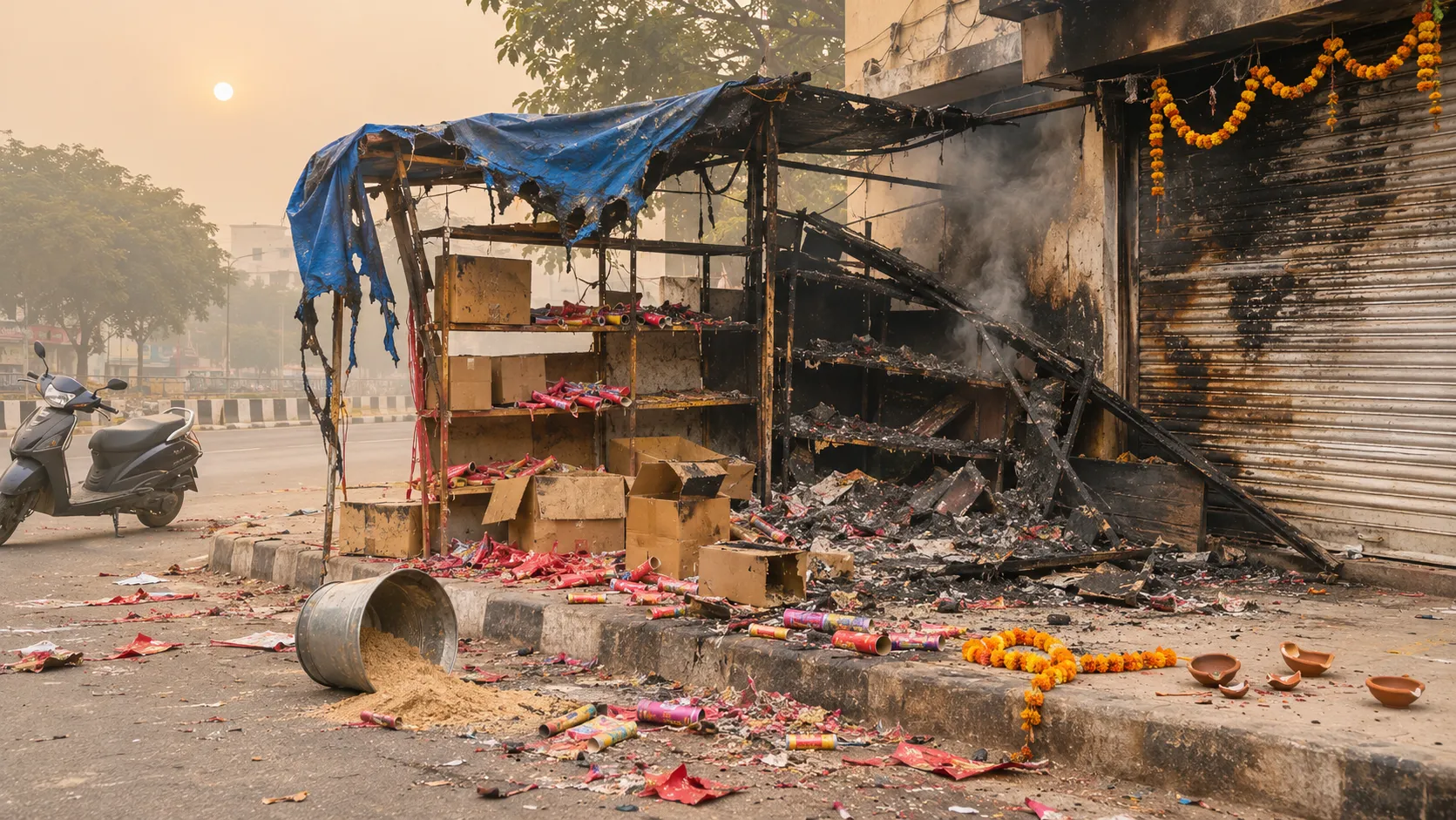
- Do not wear synthetic or flowing clothes while lighting crackers. Keep a bucket of water or sand nearby, as in our Diwali safety guide. For how many burn cases reach hospital each Diwali, see our Diwali fire accidents data page.
- Bonfires at Lohri and Makar Sankranti follow the same logic: stand back, keep loose cloth well away, never lean over the fire, and keep children at arm’s length from it. We found no Indian official sheet written for bonfires, so this is common-sense advice, not a quoted rule.
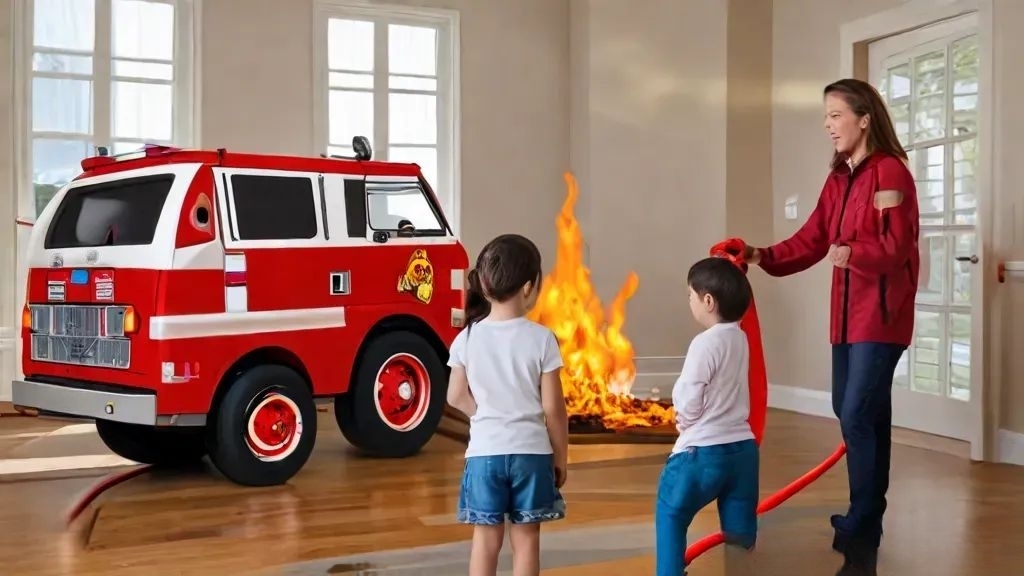
- Keep a heavy cotton blanket or a fire blanket where everyone can reach it, and practise the drop and roll once with the family. The state authority’s sheet recommends regular drills.
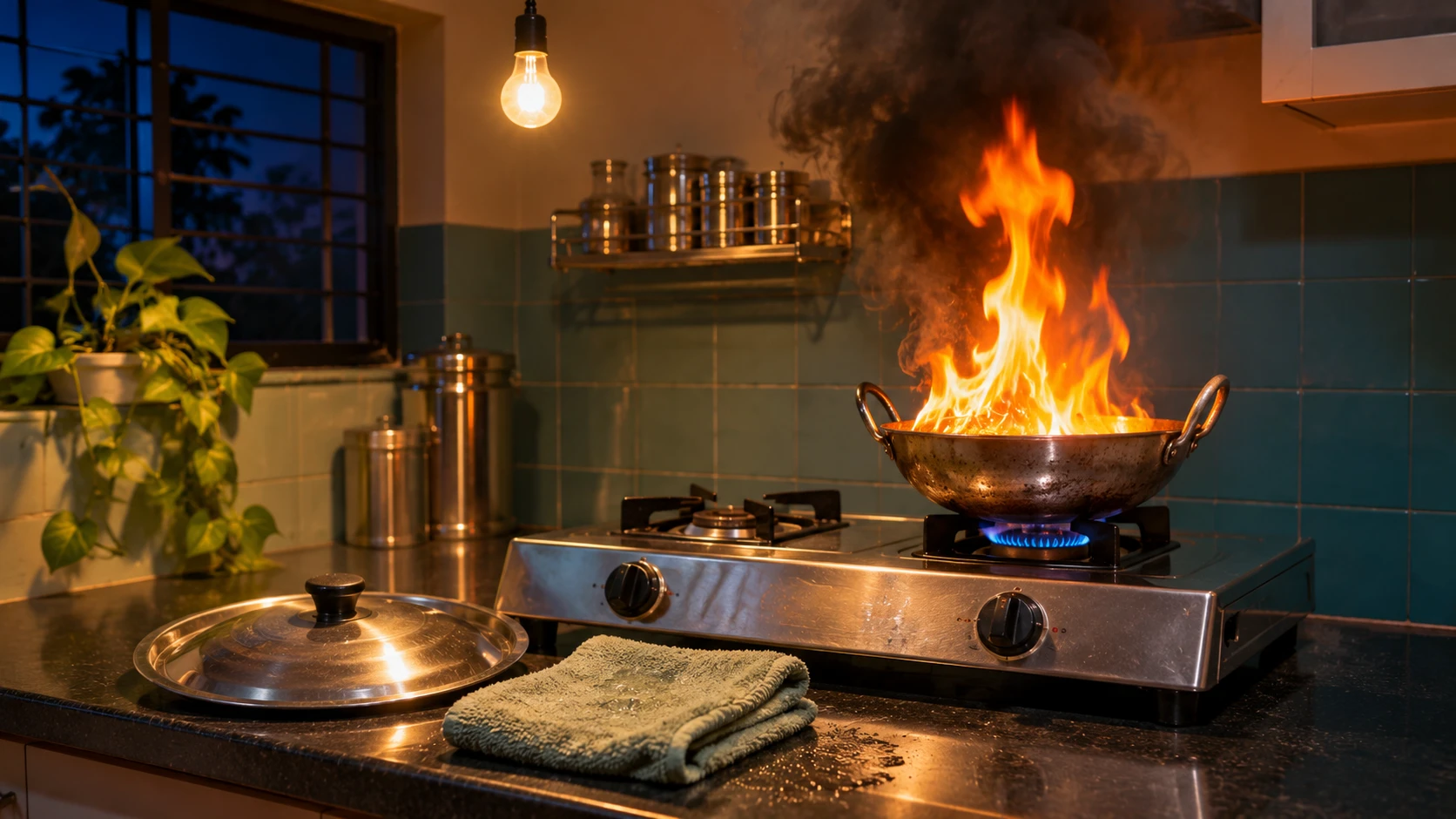
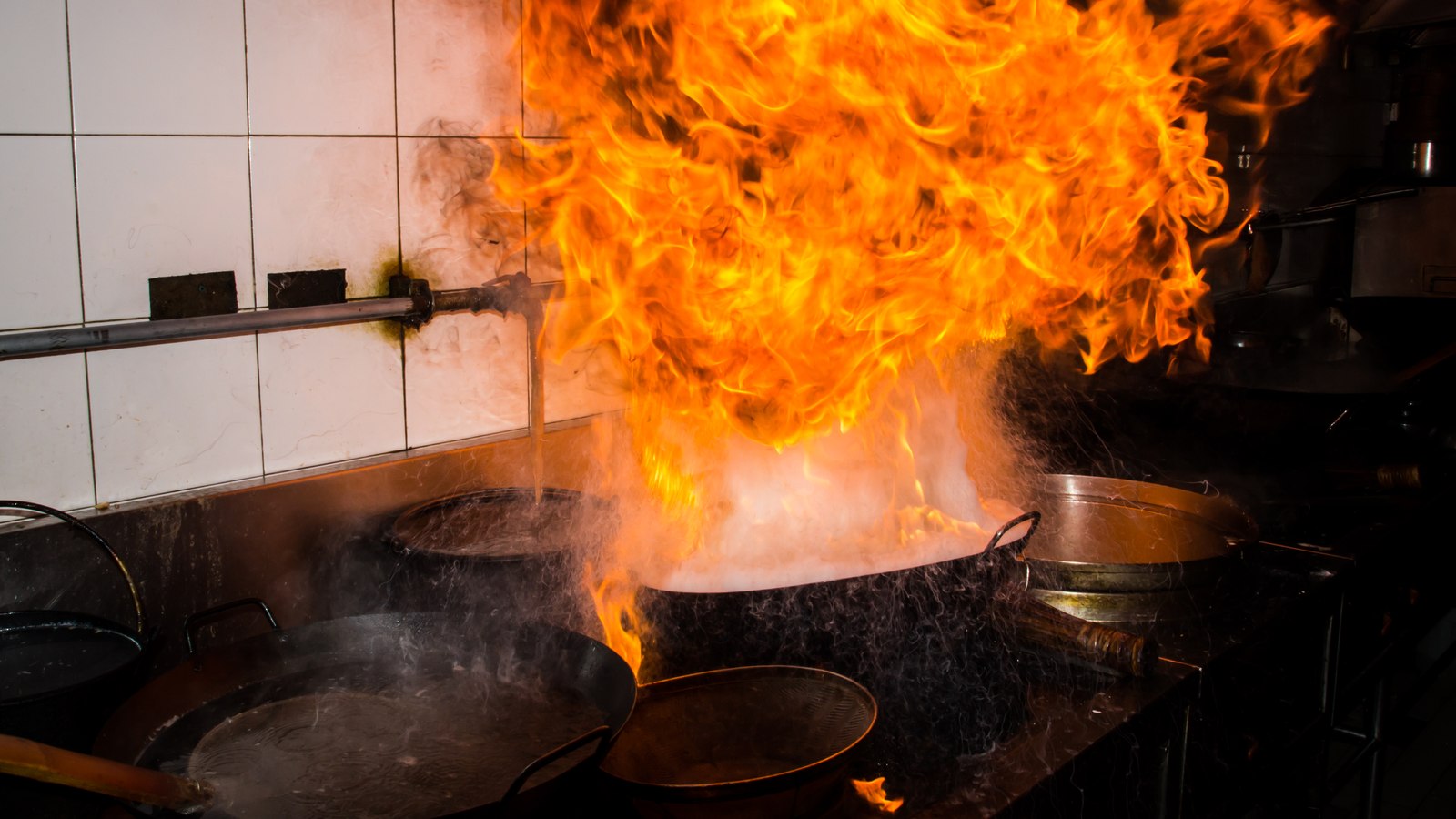
- If a pan of oil catches fire at the same time, see our cooking-oil fire guide. Teaching children is covered in teaching children about fire safety.
Winter fire risks: angithi, sigdi, heater and kerosene
Clothes do not catch fire only at the diya and the gas stove. In winter the flame often sits in the room with you: a coal angithi or sigdi, a heater, a kerosene stove. The National Disaster Management Authority (NDMA) says in its national cold wave guidelines (June 2021) that special care is needed to prevent fire accidents from heating pots inside homes, because this equipment, when left unattended, can start fires that cost lives, and that open fire pots can also lead to carbon monoxide poisoning of the family.
The Do’s and Don’ts sheet of the National Institute of Disaster Management (NIDM) carries the same message in two places. Under cold wave it says to keep the room ventilated when kerosene heaters or a coal oven are in use, so that toxic fumes do not build up. Under fire it says to avoid long loose clothes because they catch fire fast, to keep buckets of water and blankets ready, to stop, drop and roll if clothes catch fire, and to wrap the victim in a blanket until the fire ceases. A Punjab government cold wave advisory based on the NDMA guidelines is plainer still: do not burn coal indoors to make heat, because a closed room can fill with carbon monoxide, which is very poisonous.
Our own suggestions for a winter room. These are ours and not official rules.
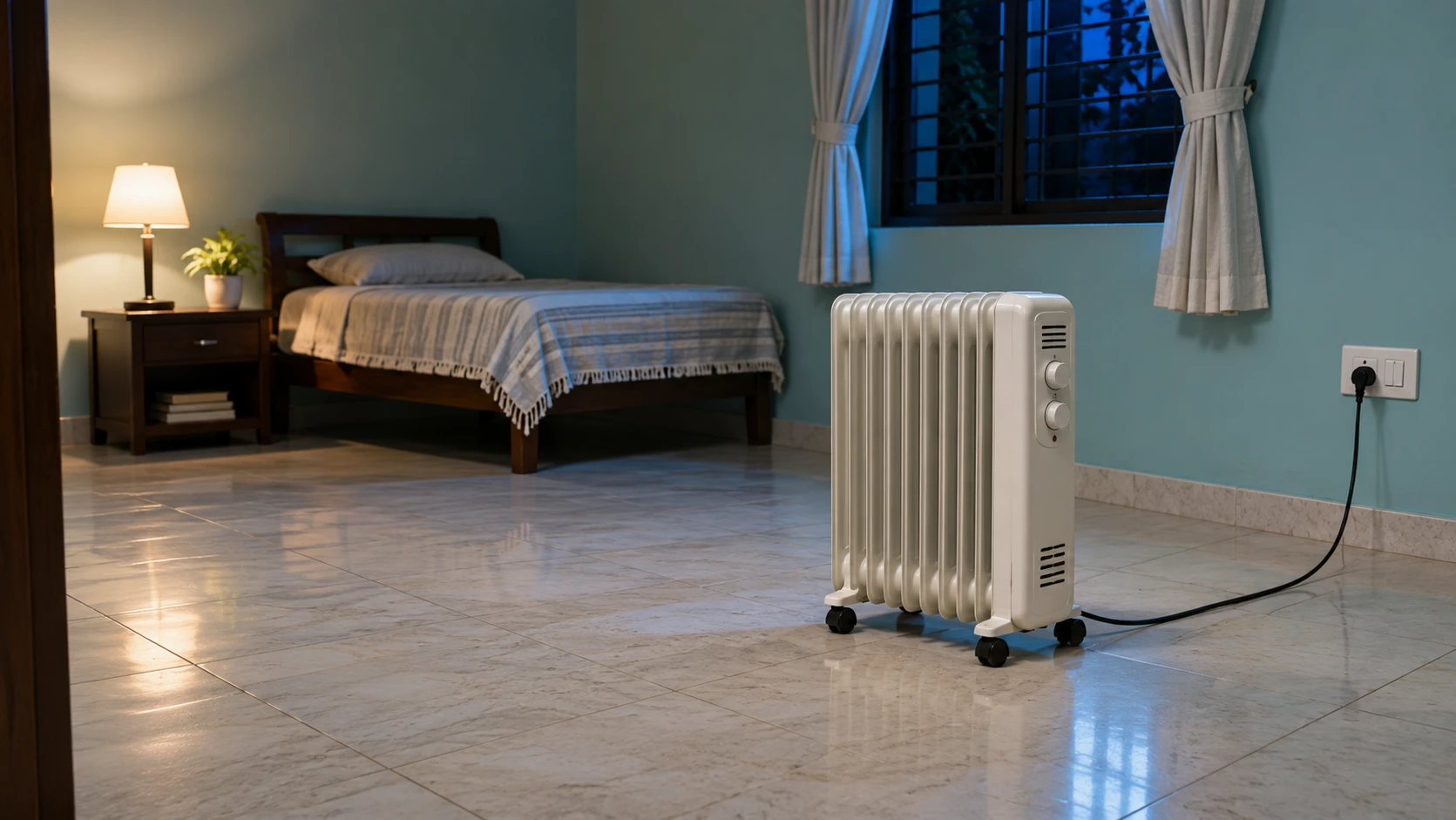
- Keep the angithi, sigdi or heater well away from the quilt, curtains, hanging sarees and the place where children sleep or play. Never dry clothes over a heater or an angithi.
- Do not lean over a heater or an angithi in a loose shawl, dupatta, sweater or nightdress. Keep shawl ends, dupatta ends and blanket corners away from the heat.
- Keep children at arm’s length from any open flame or hot coil, and never let them carry a lit angithi or sigdi.
- Do not refill a kerosene stove or heater while it is lit or still hot, and keep the fuel can outside the room.
- Switch heaters off when you go to sleep, and never sleep with a coal angithi or sigdi burning in a closed room.
- Keep the heavy cotton blanket where you can reach it quickly from the heater side of the room, and tell everyone at home the stop, drop and roll rule once before winter begins.
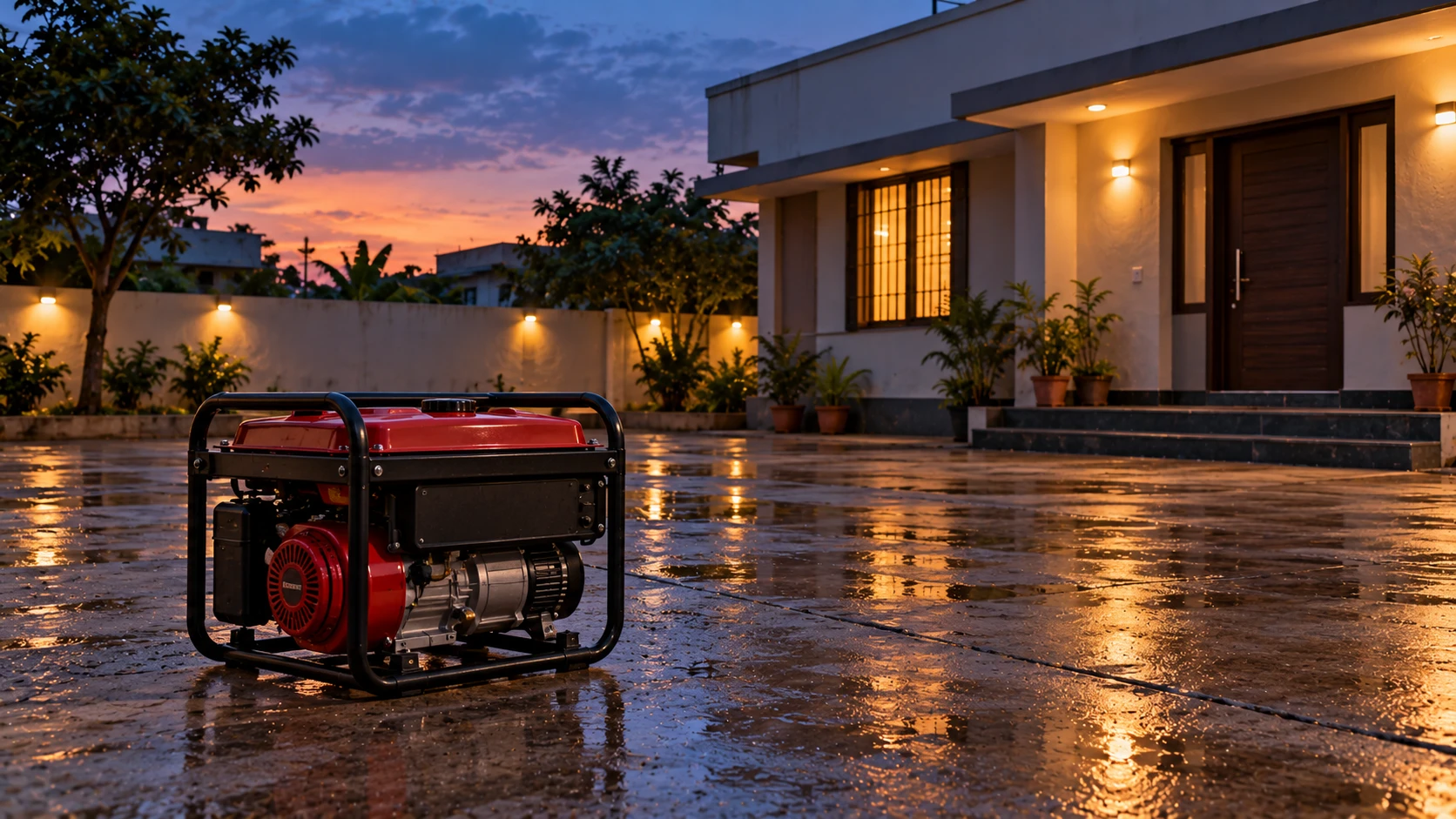
If anyone in the room has a headache, dizziness, weakness, nausea or drowsiness while a heater or angithi is burning, take everyone into fresh air at once and call 112. The NDMA guidelines list these as signs of carbon monoxide poisoning and say to move to fresh air immediately and seek medical aid promptly. Our guides explain more on carbon monoxide from angithis, generators and geysers and on room heater and blower safety.
What we could not confirm
The NDMA’s guidance on this page exists only as pictures and a video on its fire safety page; we read the pictures. MoHFW’s burn guidelines say to remove all burnt clothing, while its firecracker guidelines and WHO say to leave cloth that is stuck; we followed the second. Sources differ on how long to cool (10, 10 to 20 or about 20 minutes), and we have given the range. We found no Indian government text on Lohri bonfires, and the ‘do not beat the flames’ and ‘no food or drink’ lines are our own. We did not watch the two videos below in full. This is general first aid, not a replacement for a doctor.
What needs attention
- The NDMA's fire safety visuals say not to run if clothing catches fire, because rushing air accelerates the burning, and to drop to the ground and roll; the picture shows the face covered with the hands.
- MoHFW's burn guidelines add a heavy cotton cloth for smothering another person, removal of the cloth at once, no nylon, and that the first responder must not get hurt.
- MoHFW's firecracker guidelines tell people to avoid synthetic and loose clothes, tie a dupatta behind the back and not to light diyas at ground level inside the house.
- Sources differ on cooling time (10, 10 to 20, about 20 minutes) and on removing clothing (all burnt clothes, or leave what is stuck); we give the range and follow the stuck-cloth rule.
- No Indian official text on Lohri bonfire safety was found.
- The NDMA's cold wave guidelines say unattended heating pots inside homes can start fires and that open fire pots can contribute to carbon monoxide poisoning; the NIDM sheet adds ventilation for kerosene heaters and coal ovens and repeats stop, drop and roll, a blanket for the victim and no long loose clothes.
Controls that reduce risk
- Wear cotton in the kitchen and for puja; tie or pin the dupatta and pallu.
- Keep diyas on a stable, raised plate away from cloth, curtains and garlands.
- Keep a heavy cotton blanket or a fire blanket within reach, and a bucket of water.
- Practise stop, drop and roll once with everyone at home, children included.
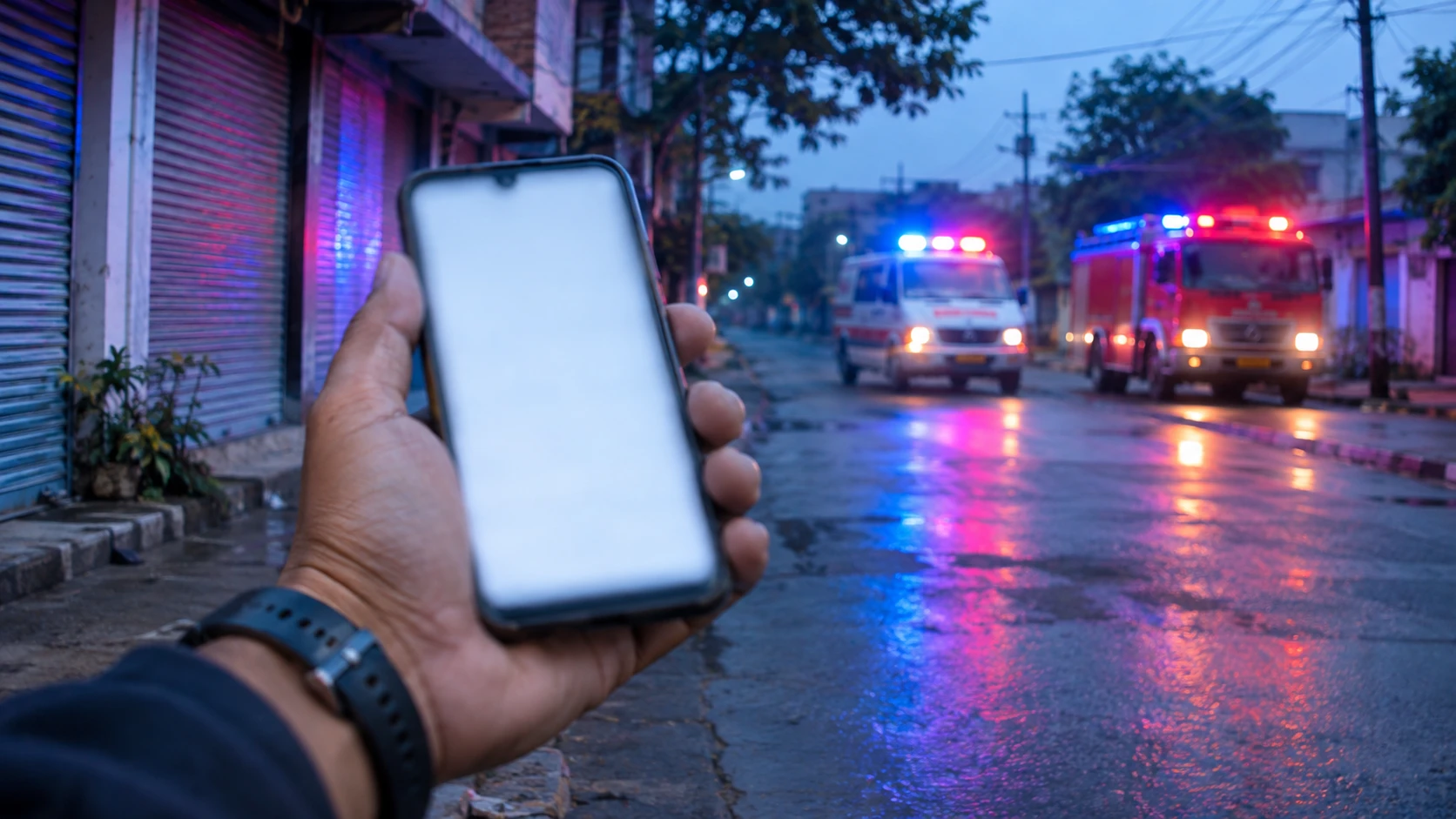
- Save 112 and 108 on your phone.
Common unsafe practices
- Running, even a few steps, to reach water.
- Flapping at the flames or beating them with bare hands.
- Smothering with nylon, a synthetic blanket or a dupatta.
- Leaving the smothering cloth on the burn.
- Pulling off cloth that is stuck to the skin.
- Putting ice, toothpaste, ghee, butter or cream on the burn.
- Treating a clothes fire as a small burn and not calling 112.



Leave a comment