
Quick answers
What should I do if someone has a seizure in front of me?
Stay with them and note the time. Move things away, put something soft under the head, loosen tight clothing at the neck and do not hold them down or put anything in their mouth. When the shaking stops, turn them on to their side and speak calmly. Call 108 or 112 if it lasts more than 5 minutes or any of the danger signs apply.
Should I put a spoon or key in the mouth of someone having a fit?
No. The NHS and CDC both say not to put anything in the mouth, including fingers, and not to give food or drink until the person is fully awake.
When should I call an ambulance for a seizure?
Call 108 or 112 if it lasts more than 5 minutes, it is the person's first seizure, they do not wake up properly or have another seizure straight away, they are hurt, have trouble breathing afterwards, are pregnant, were in water, or have diabetes and lose consciousness. ICMR's epilepsy workflow of 2019 calls a convulsion of more than 5 minutes a medical emergency.
What do I give a diabetic person whose sugar is low?
If they are awake and can swallow, help them take fast sugar, such as a small glass of juice or a sugary drink or glucose tablets, according to the NHS. Check again after 10 to 15 minutes and follow with food. In India, sugar in water or a glucose sachet is the same idea, which is our adaptation.
What if the diabetic person is unconscious?
Give nothing by mouth. Lay them on their side and call 108 or 112. The NHS says glucagon should be used only if the person carries it and you know how, and says to call an ambulance if they are unconscious or not responding normally.
How do I tell low blood sugar from high blood sugar?
Low sugar tends to come on fast with sweating, shaking, hunger, confusion and drowsiness. High sugar builds more slowly with thirst and frequent urination. If you cannot tell and the person is unwell, call 108 or 112. Do not give food or drink if they cannot swallow.
Can a diabetic person have a seizure?
Yes. Severe low blood sugar can end in a seizure or loss of consciousness, according to the NHS, and the CDC says to call emergency services for a person with diabetes who loses consciousness. Call 108 or 112.
Is this medical advice?
No. It is general first aid based on NHS, CDC and WHO pages, with one Indian official document supporting the five-minute rule. If in doubt, call 108 or 112 and follow the advice of the crew and doctor.
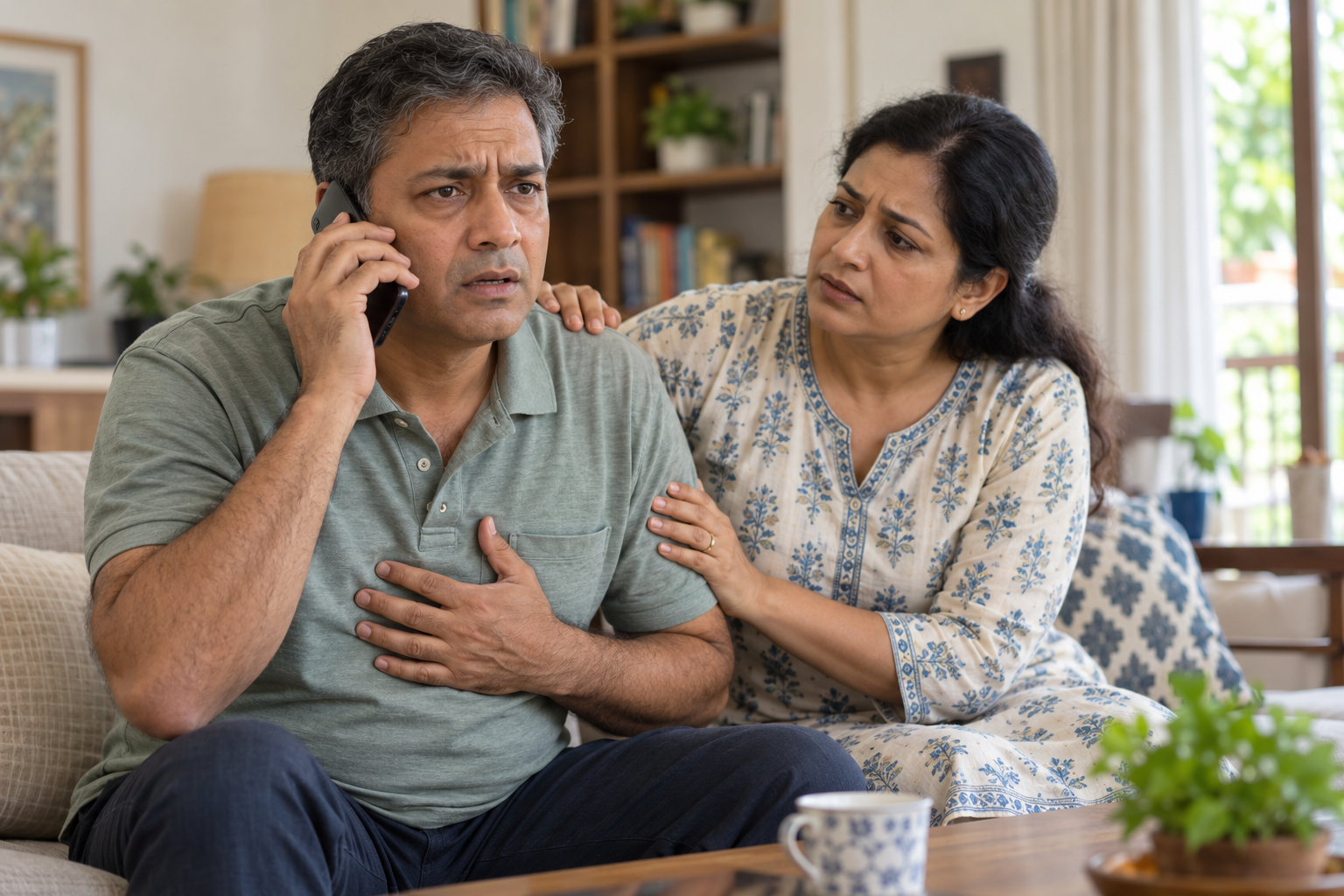
It happens in a bus, an office, a classroom or at a wedding. Someone falls, stiffens and shakes, or becomes confused, sweaty and slow, or just stops answering. People around them freeze, or rush in with a spoon, a key or a glass of water, which is exactly what should not be done. This page tells an ordinary bystander what to do in the first minutes for two common emergencies, a seizure (a fit) and a diabetic low-blood-sugar emergency, and when to call 108 or 112. It is first aid, not medical advice. We found no Indian government bystander card for either, so the steps come from the NHS, the US CDC and the World Health Organization, labelled foreign, and one Indian official document that supports the five-minute rule. Checked 10 November 2026.
In short
- Seizure: stay with them, note the time, make the space safe. Move things away, put something soft under the head, loosen anything tight round the neck. Do not hold them down. Do not put anything in their mouth, not a spoon, a key or your finger, and give no food or drink.
- When the shaking stops, turn them on to their side, stay, and speak calmly. They may be confused and tired for a while.
- Call 108 or 112 if the seizure lasts more than 5 minutes, it is their first, they are hurt, they have trouble breathing, do not wake up, or have another seizure straight after. ICMR’s epilepsy workflow of 2019 calls a convulsion of more than 5 minutes a medical emergency.
- Low sugar in a person with diabetes: if they are awake and can swallow, help them take fast sugar (a small glass of juice or a sugary drink, glucose tablets), wait 10 to 15 minutes and follow with food.
- If they are drowsy, cannot swallow, or are unconscious, give nothing by mouth. Lay them on their side and call 108 or 112.
- A person with diabetes who loses consciousness needs an ambulance (CDC), and so does anyone who has trouble waking up after a seizure.
A seizure (fit): the first minutes
A seizure can look like a full-body convulsion, but it can also be a blank stare, brief jerks or a sudden fall. The ICMR workflow lists loss of awareness, jerks, tongue biting, drooling and loss of control of urine or stool among the features. Most seizures stop on their own. Your job is to keep the person safe until they do.
- Stay calm and stay. Look at the clock or your phone and note when it started. You will need the time.
- Make the space safe. Move people back, and move chairs, tables, hot cups and sharp objects away. Only move the person if they are in danger, for example on a busy road or near a hot stove (NHS).
- Cushion the head. Put a folded jacket, a dupatta or a cushion under it. Take off glasses. Loosen a tight collar, tie or scarf (NHS, CDC).
- Do not hold them down and do not try to stop the movements (CDC).
- Nothing in the mouth. The NHS and CDC both say not to put anything in the mouth, including fingers, and not to give food or drink until the person is fully awake.
- Ease them to the ground if they are standing or sitting when it starts. If they are in a wheelchair, the NHS says to put the brakes on, leave the harness on and cushion the head, and not to move them unless there is danger.
- When the shaking stops, turn them on to their side so that spit and fluid can drain, and stay with them. The NHS says to speak calmly and reassure them. WHO’s guide also says to place a person with altered awareness in the recovery position.
- Look for a medical ID, such as a bracelet or card (CDC). It may say what to do and who to call.
When to call 108 or 112 for a seizure
The NHS and CDC lists are very close. In India, the number to dial is 108 for an ambulance or 112, the single emergency number; the numbers 999 and 911 in those sources are for the UK and the US. Call if:
- it lasts more than 5 minutes (or longer than is usual for that person, if you know);
- it is the person’s first seizure, or you do not know their history;
- they do not wake up properly, or they have another seizure without waking in between, or three or more in 24 hours (NHS epilepsy page);
- they are hurt, have trouble breathing afterwards, are pregnant, or the seizure happened in water (CDC);
- the person has diabetes and loses consciousness (CDC).
ICMR’s 2019 standard treatment workflow for epilepsy, an Indian official document written for doctors, defines a prolonged convulsion of more than 5 minutes with loss of consciousness as status epilepticus and calls it a medical emergency. We use only that statement from it, not its clinical steps.
If it is a young child with a fever, see our guide on child emergencies at home and school (in the related list); it has a short note on a child’s fit.
Diabetic emergency: low blood sugar
Low blood sugar (hypoglycaemia) is the common emergency in someone with diabetes, mainly in people who take insulin or certain tablets. The NHS lists hunger, dizziness, sweating, shaking, anxiety or irritability, tingling lips, a racing heartbeat, tiredness, blurred vision and confusion, and says a severe episode can end in a seizure or loss of consciousness. The NHS says low sugar is usually below 4 mmol/L, which is about 72 mg/dL by our own conversion. Most bystanders have no meter, so go by the signs.
- If the person is awake and can swallow, help them take fast-acting sugar. The NHS gives a small glass of juice or a sugary fizzy drink, glucose tablets or glucose gel. In India, sugar dissolved in water or a glucose sachet is the same idea; that is our adaptation and not from the NHS. WHO’s guide for a person with altered awareness says to consider giving glucose by mouth but to avoid choking hazards.
- Wait 10 to 15 minutes and check again. If they are still unwell, the NHS says to repeat the sugar. Once they recover, give a slower food such as biscuits or a meal.
- Sit them down and stay. Do not let them drive or walk off alone.
- If they are drowsy, cannot swallow, are confused to the point of not following you, or are unconscious, do not give food or drink. Lay them on their side and call 108 or 112. The NHS says to use glucagon only if the person carries it and you know how, and we do not give a dose or brand.
- Call an ambulance if the person is unconscious or not responding normally, if there is no recovery within 10 minutes of glucagon, or if they have been drinking alcohol (NHS).
High blood sugar: when it is an emergency
High sugar usually builds more slowly: intense thirst, passing urine often, tiredness and blurred vision. The NHS says to get emergency help if high sugar comes with nausea or vomiting, stomach pain, fast breathing or a racing heart, drowsiness, fruity-smelling breath or confusion, which can be signs of diabetic ketoacidosis. Do not drive the person yourself. If you cannot tell whether a person with diabetes has low or high sugar, and they are awake and can swallow, WHO’s guide says glucose by mouth can be considered; if they cannot swallow or are drowsy, give nothing by mouth and call 108 or 112. We found no Indian official page that states this rule, so call for help rather than guess.
What not to do
- Do not put a spoon, key, finger, onion or shoe in the person’s mouth.
- Do not hold them down or splash water on their face.
- Do not give food, drink, medicines or home remedies to anyone who is not fully awake.
- Do not leave the person alone, even after they wake up.
- Do not give insulin or any tablet yourself.
- Do not assume it is “just a faint” or “drunk” if the person has diabetes; call for help.
After the emergency
- Stay until the person is fully awake and can say who and where they are. They may be tired, sore or embarrassed. Do not crowd them.
- Tell the ambulance crew or doctor what you saw, how long it lasted, and the time it started.
- Tell their family, and suggest that the person sees a doctor.
Do these this week
- Save 108 and 112 on your phone and read our emergency numbers guide and guide on how to call 112, 101 or 108.
- If someone at home or at work has epilepsy or diabetes, ask them (and their family) what to do and where their medicines are. Keep a sugary drink or glucose at hand.
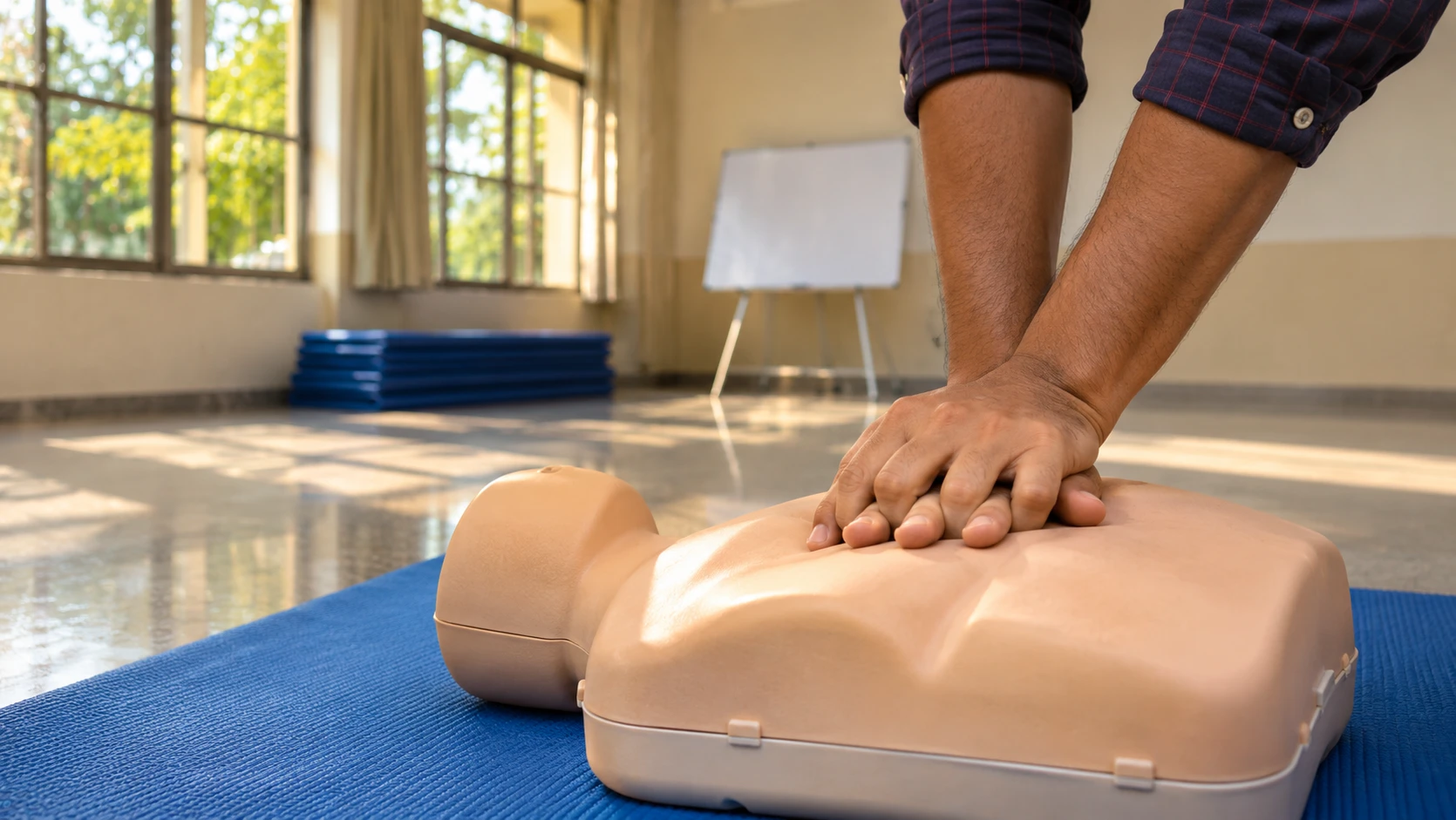
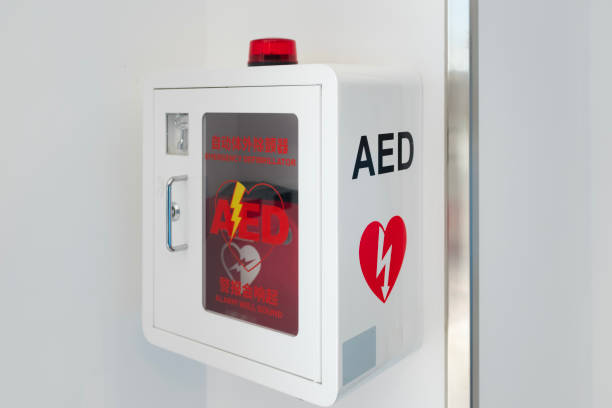
- Learn hands-only CPR; see our guide on hands-only CPR (related list) and what an AED is.
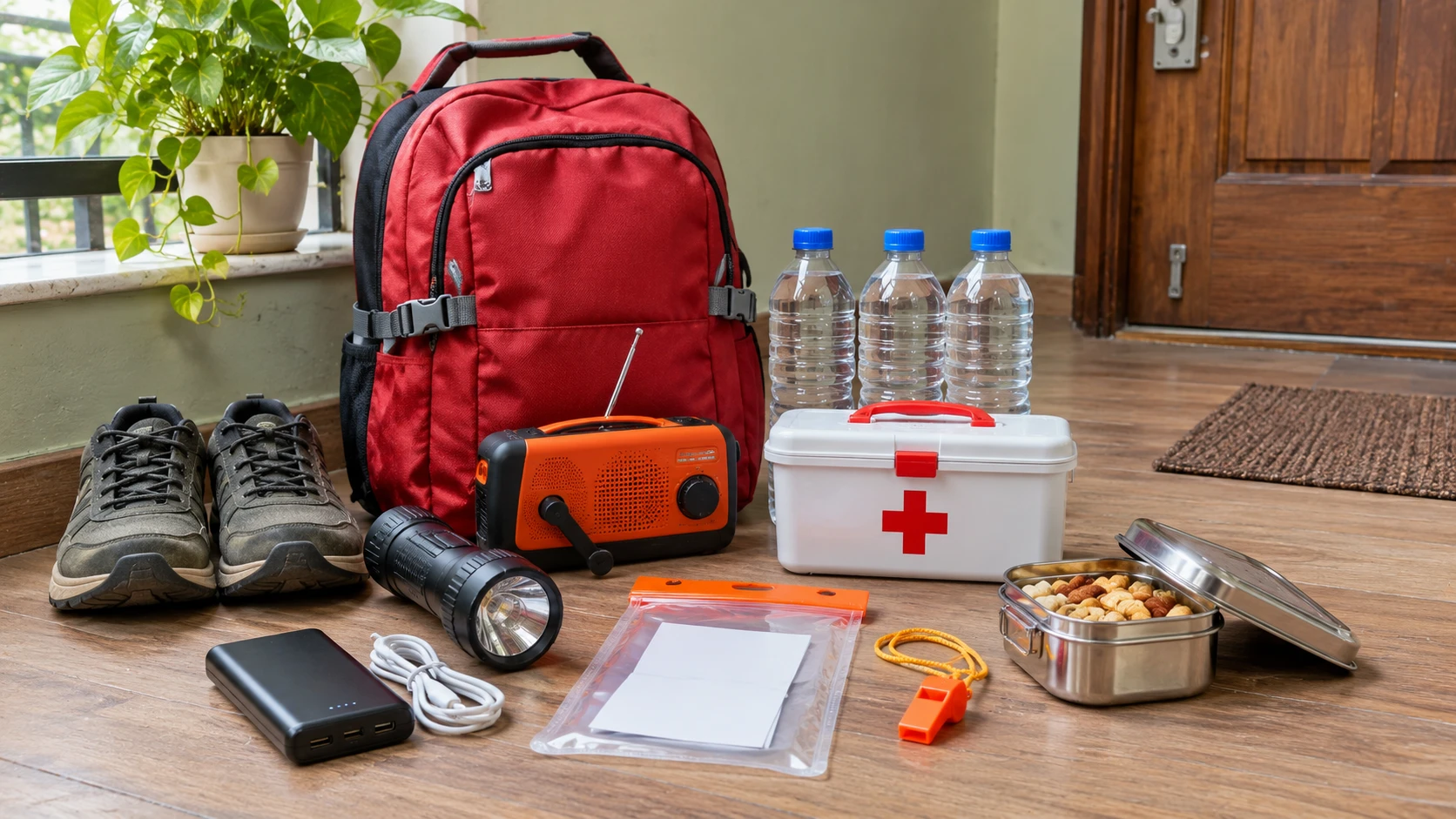
- Put a basic first-aid kit together; see our home emergency kit checklist (related list).
What the numbers say, briefly
These help you see why a bystander is likely to meet this one day. They are not a count of emergencies. WHO says around 50 million people worldwide live with epilepsy, close to 80% of them in low- and middle-income countries. For diabetes, WHO says 830 million adults had diabetes in 2022, and 14% of adults aged 18 and over. For India, ThePrint’s report of the ICMR-INDIAB study in The Lancet Diabetes and Endocrinology (published June 2023) says about 11.4% of people, roughly 101 million, had diabetes and about 15.3%, roughly 136 million, had prediabetes, as an estimate for 2021. We read the news report, not the paper, and the number of states covered differed between reports. We found no Indian epilepsy figure and give none.
What we could not confirm
We found no MoHFW, NHM, AIIMS or NIMHANS bystander first-aid card for a seizure or low blood sugar, so the steps follow the NHS and CDC, with WHO’s pocket guide as a cross-check. They agree on the main points; the NHS says to turn a person on their side after the shaking stops, while the CDC says to roll them gently on to the side, so we use the NHS wording. The NHS low-sugar page was last reviewed in August 2023 and says its next review is August 2026, so check it. We could not open official 112 and 108 pages from PIB and NHM for this page, so the numbers rest on our emergency-numbers guides. We give no grams or mg/dL rule, because we could not confirm one from an Indian official page. We did not watch the videos in full, their spoken language was not reviewed, and the UK and Canadian ones say 999 or 911, which in India means 108 or 112. We found no Instagram, Facebook or LinkedIn clip we could check. This is first aid, not a diagnosis. If in doubt, call 108.
What needs attention
- The NHS, CDC and WHO agree on the main bystander steps for a seizure and on the 5-minute call point; the NHS and CDC differ slightly on when to turn the person on their side, and we use the NHS wording.
- ICMR and MoHFW's 2019 epilepsy workflow is the only Indian official document we opened, and we use only its statement that a convulsion of more than 5 minutes is a medical emergency.
- We found no MoHFW, NHM, AIIMS or NIMHANS public first-aid card for a seizure or low blood sugar.
- The NHS says that for low sugar in an awake person who can swallow, fast sugar helps; for an unconscious person, nothing should be given by mouth.
- ThePrint's report of ICMR-INDIAB puts diabetes at about 11.4% of people, roughly 101 million, as an estimate for 2021.
- We found no Indian epilepsy figure.
Controls that reduce risk
- Save 108 and 112 on your phone.
- Ask colleagues or family with epilepsy or diabetes what to do and where their medicines are.
- Keep a sugary drink or glucose at hand.
- Learn hands-only CPR.
- Keep a first-aid kit at home and at work.
Common unsafe practices
- Putting a spoon, key, finger or onion in the mouth of a person having a fit.
- Holding the person down or splashing water on the face.
- Giving food or drink to a person who is not fully awake.
- Leaving the person alone after they wake.
- Assuming a person with diabetes who is drowsy is just tired or drunk.
- Giving insulin or tablets yourself.

Leave a comment