

Quick answers
What is the difference between Civil Defence and the Home Guards?
Both are voluntary. The Home Guards are a force raised by each state to help the police and support disaster response. Civil Defence is organised in towns and districts categorised by the Government of India and trains volunteers for warning, first aid and rescue support. The Directorate General Fire Services, Civil Defence and Home Guards under the Ministry of Home Affairs deals with both.
How do I register as a Civil Defence volunteer?
The Ministry of Home Affairs runs a registration portal at civildefencevolunteers.gov.in with a register link, a mobile app and a user manual. The page does not state age rules, so also read your state's notice and ask your district office whether your town is covered.
Who can join the Home Guards?
The Uttarakhand department's page says any Indian citizen aged 18 to 40 is eligible, with a normal tenure of three years. Other states may set different limits, so read your state's current enrolment notice.
Is it a job? Will I be paid?
It is a voluntary role, not a government job. Allowances, accident cover and call-out rules differ by state. Ask for them in writing before you commit.
What does the Civil Defence Act, 1968 say?
Section 2(a) defines civil defence as measures, not amounting to actual combat, to protect people, property and places against hostile attack. An amendment passed by Parliament in December 2009 added any measure for disaster management before, during or after a disaster.
How many volunteers are there?
The Uttarakhand department's undated page says the Home Guards have a sanctioned strength of 5,73,793 and a raised strength of 4,43,203, and that 6.60 lakh Civil Defence volunteers are enrolled against a target of 13 lakh. We could not date these figures or check them against a Ministry release.
Is my town covered by Civil Defence?
Only your district administration can say. Civil Defence is organised in categorised towns, and the counts differ between pages: 225 towns on the Uttarakhand page and 244 districts in the 2025 exercise, as reported. Do not trust a forwarded list.
How do I avoid recruitment fraud?
Enrolment notices come from the state department or the district office with a gov.in address. Never pay anyone to get you in, never share documents with an unknown person, and do not wear a uniform or use the title before you are enrolled.
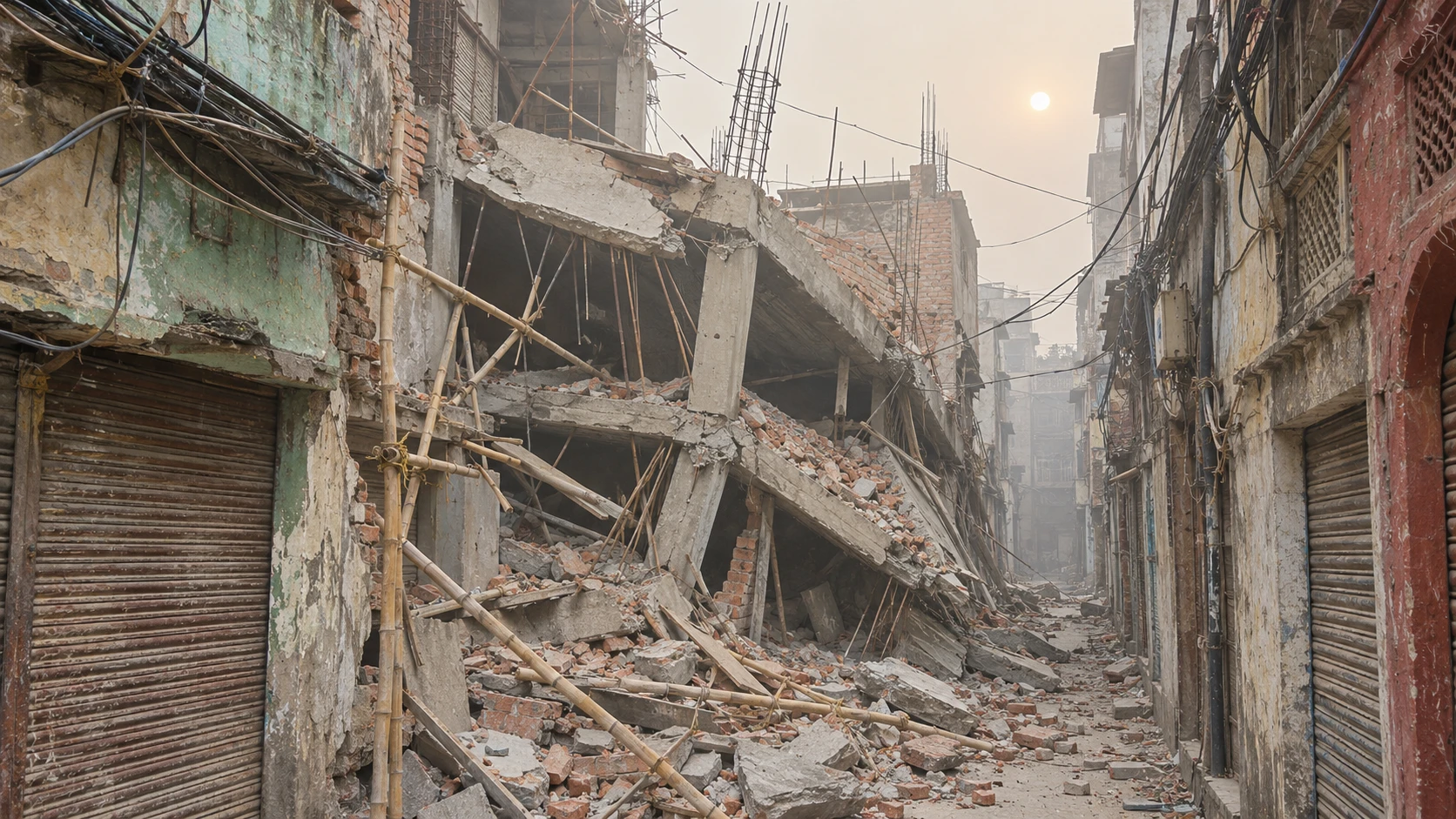
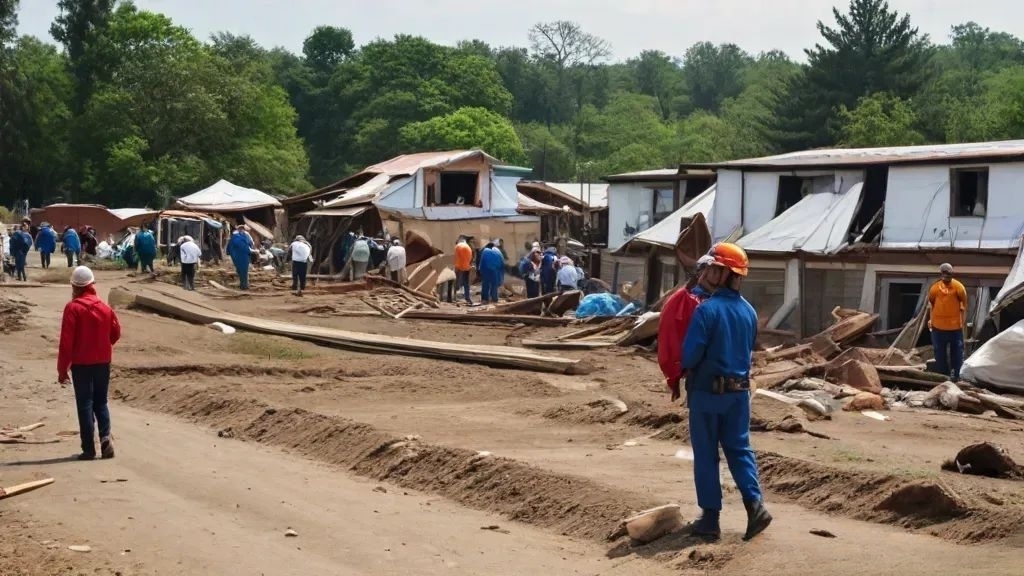
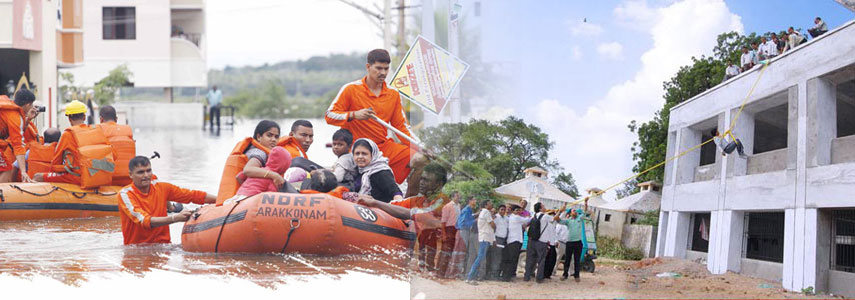
After every disaster, people ask how they can help. In India, one answer is Civil Defence and the Home Guards: trained volunteers who work with the police, the fire service and the district administration. At Chawri Bazar in Old Delhi, The Hindu listed 15 to 20 civil defence volunteers among the people working at the collapse site. This page explains what the two organisations are, what volunteers do, how to enrol and what to check first. It is a volunteer role, not a job, and the rules differ from state to state. This is general information, not official advice, so confirm with your district office. Checked 8 November 2026.
In short
- Civil Defence and the Home Guards are voluntary. The Home Guards are a state force that helps the police. Civil Defence is organised only in towns and districts that the Government of India has categorised.
- The Ministry of Home Affairs runs a volunteer registration portal, civildefencevolunteers.gov.in, for Civil Defence, Home Guards and Fire Services volunteers.
- Enrolment is run by the state. The Uttarakhand department’s page says any Indian citizen aged 18 to 40 is eligible, with a normal membership of three years. Other states may differ.
- Never pay anyone to enrol. Use only the portal and your state department’s website.
- If you cannot join, first-aid training and a society drill are good ways to start.
What Civil Defence and the Home Guards are
The Civil Defence Act, 1968 defines “civil defence” as measures, not amounting to actual combat, to protect people, property and places against hostile attack. After an amendment passed by Parliament in December 2009, it also covers any measure for disaster management before, during or after a disaster. In practice, civil defence is a voluntary organisation raised in the towns that the Government of India categorises. The counts differ from page to page: the Uttarakhand department’s page speaks of 225 categorised towns, of which 121 are functional, while the 2025 nationwide exercise named 244 districts according to news reports. Only your district administration can tell you whether your town is covered.
The Home Guards are a voluntary force raised by the states under their own laws to help the police and to support disaster response. The Delhi Home Guards, for example, say they were raised under the Bombay Home Guards Act, 1947. The Directorate General Fire Services, Civil Defence and Home Guards, under the Ministry of Home Affairs, deals with both organisations and with fire services volunteers. Our first-responder models guide shows how they compare with volunteer systems in other countries.
What volunteers do
The Uttarakhand department’s page lists the duties of the Home Guards as maintaining law and order, controlling traffic, managing crowds at festivals and elections, supporting disaster mitigation, preparedness and response as approved by the Ministry, and duty at religious fairs such as the Kumbh. News reports of the 2025 exercise describe civil defence wardens and volunteers guiding residents through the drill, and civilians and students being trained in first aid and evacuation steps. See what a civil defence drill asks of your family. What a volunteer actually does depends on the state, the town and the training.
How to enrol, step by step
- Find out what exists in your town. Ask the district collectorate or the district Home Guards or Civil Defence office whether your town is categorised and whether enrolment is open.
- Use the Ministry’s portal. The Directorate General’s site, civildefencevolunteers.gov.in, has a “Register as Civil Defence Volunteer” link, a mobile app and a user manual. The page does not state an age or citizenship rule, so read the manual and your state’s notice.
- Read your state’s notice. The Home Guards are run by the states, and each has its own enrolment notice, age limit, tenure and call-out rules. The Delhi Home Guards website, for example, lists enrolment notices and shows document verification and medical examination stages.
- Prepare your papers. Expect document verification and a medical examination. The state notice lists exactly what is needed.
- Attend the training. The Delhi Home Guards website links a basic training précis. Ask how many days, where and whether there is an allowance, in writing.
- Know what you are signing up for. Volunteers can be called out for festivals, elections, traffic and disasters. Ask how often and with how much notice.
The numbers, and what they mean
The Uttarakhand Home Guards and Civil Defence department’s page, which is undated, gives the national sanctioned strength of the Home Guards as 5,73,793 against a raised strength of 4,43,203. For Civil Defence it gives a target of 13 lakh volunteers, of whom 6.60 lakh have been enrolled. These are national figures as stated on a state department page. We could not date them or check them against a Ministry release, so treat them as indicative. The gap between sanctioned and raised strength shows that units are often below strength, so a willing volunteer is usually welcome.
Before you pay or sign anything
- Enrolment notices come from the state department or the district office, with a government web address. If someone asks for money to get you in, treat it as a warning sign of fraud.
- Ask whether there is an allowance, an accident cover and an identity card, and get the answer in writing.
- Do not wear a uniform or use the title unless you are enrolled.
If you cannot join, you can still prepare
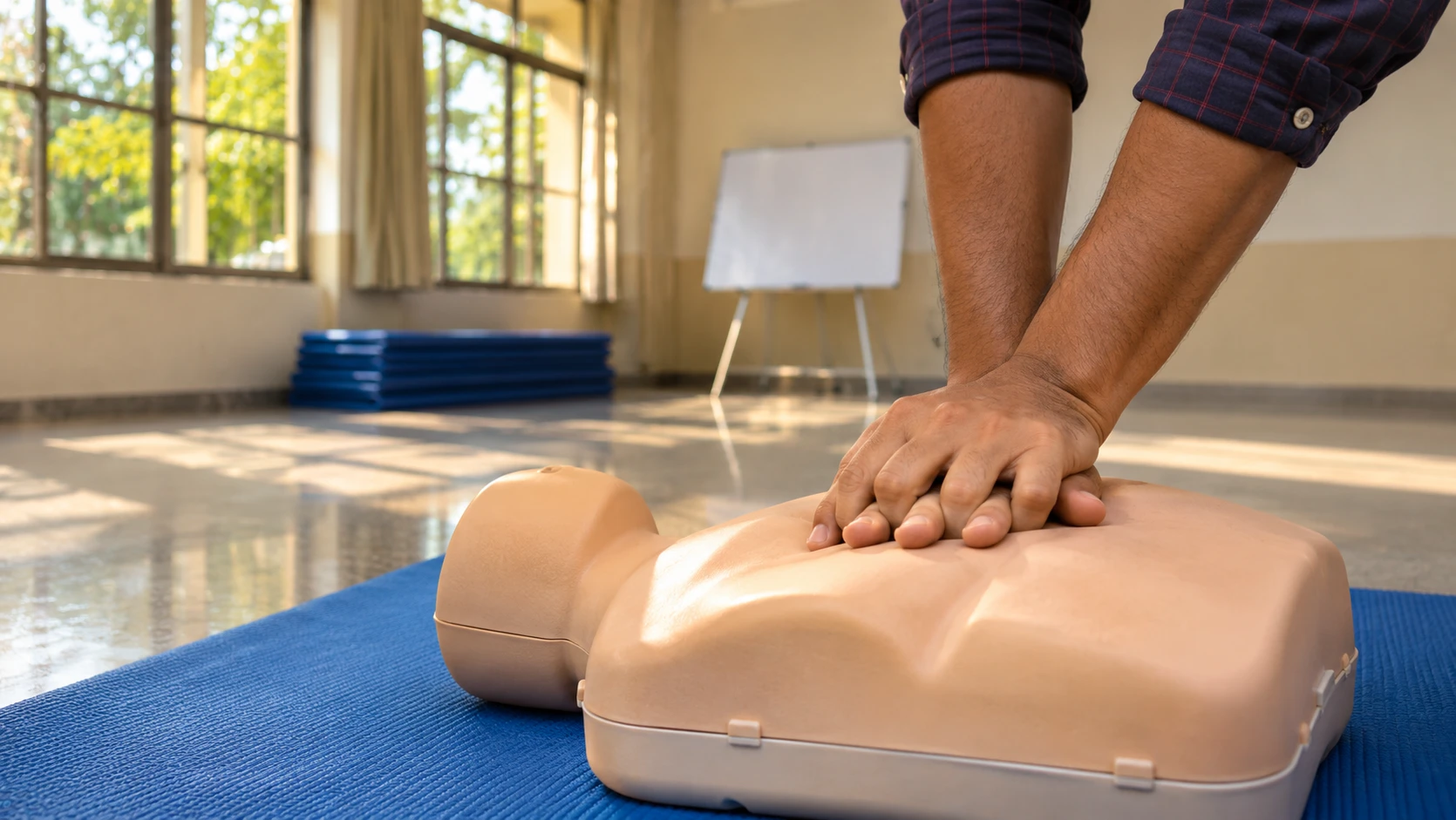
- Learn first aid and CPR. See basic first aid and hands-only CPR.
- Start a drill and a plan in your society. See community emergency preparedness.
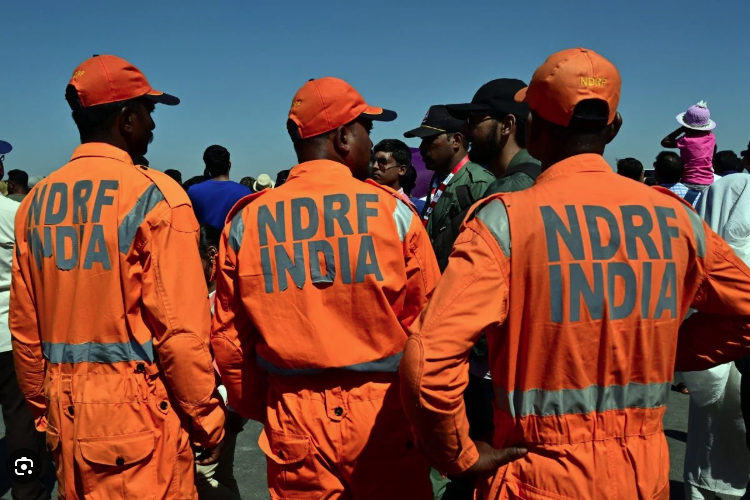
- Learn how NDRF and the state forces work in the NDRF capacity guide.
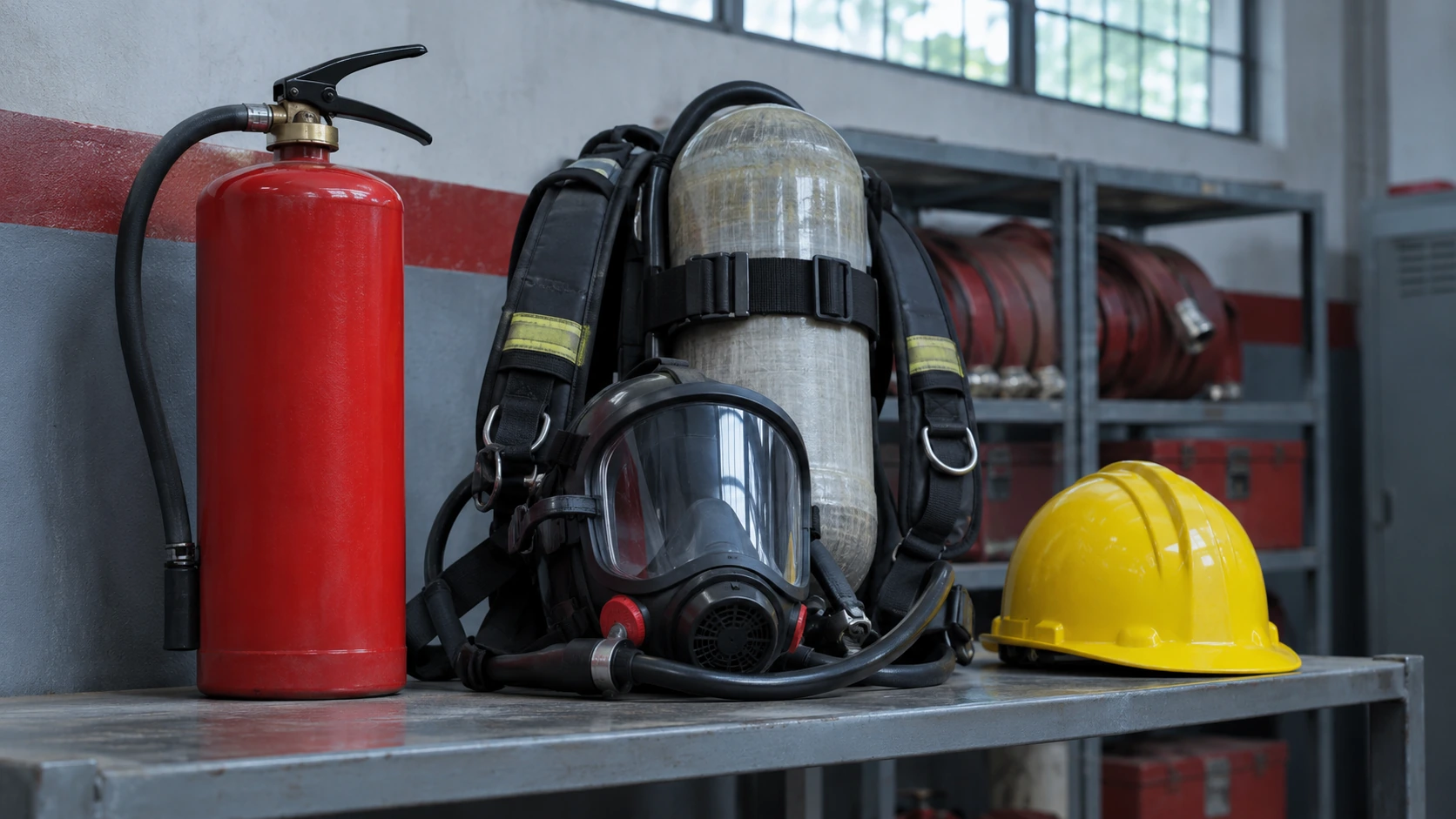
- Read how a city is meant to be equipped in what a city needs to rescue people from collapsed buildings.
What we could not confirm
- The eligibility, age and training rules on the Ministry’s portal. The page we opened does not state them, so we quote only the Uttarakhand department’s rule (18 to 40, three years).
- The date and source of the national strength figures. The Uttarakhand page is undated.
- The current list of categorised towns and districts. Counts differ between pages, and we could not open the Ministry’s order.
- Allowances, accident cover and training days. These vary by state and we found no national rule.
- The full text of the Civil Defence Act, 1968. We read its definition section on a public copy of the Act and the Parliament passage dates of the 2009 amendment on the PRS website, not the Gazette notification.
- Whether any state has closed enrolment at present. Ask your district office.
Do this today
Open civildefencevolunteers.gov.in and read the user manual. Search your state’s Home Guards website for the current enrolment notice. Ask your district office whether your town is on the civil defence list. Then enrol in a first-aid course, whatever the answer is. In an emergency, call 112, 101 for the fire brigade or 108 for an ambulance.
What needs attention
- Both organisations are voluntary and are managed by the states, with policy from the Ministry of Home Affairs.
- The Ministry's portal covers Civil Defence, Home Guards and Fire Services volunteers, but the page we opened states no age rule.
- The one official age rule we could open (18 to 40, three years) is a state department's, so it may differ elsewhere.
- National strength figures show raised strength below sanctioned strength, but the source page is undated.
- Counts of categorised towns and districts differ between pages, so the district office is the only reliable source.
Controls that reduce risk
- Ask your district office whether your town is categorised and enrolment is open.
- Read the user manual on civildefencevolunteers.gov.in.
- Read your state department's current enrolment notice.
- Take a first-aid and CPR course.
- Start a drill and a plan in your society.
Common unsafe practices
- Paying someone to get a Home Guard or Civil Defence place.
- Trusting a forwarded recruitment notice or a list of districts.
- Assuming one state's age rule applies everywhere.
- Wearing a uniform or using the title before enrolment.
- Expecting pay or a job; both are voluntary roles.

Leave a comment