

Quick answers
What is a civil defence mock drill?
A rehearsal run by the district administration with civil defence wardens, Home Guards, police, fire and health services to test warning sirens, blackouts and evacuation plans. The NDMA describes related mock exercises as table-top, full-scale or school-level. In a drill, follow the announcements and the wardens.
What should I do when the siren sounds in a drill?
Stop what you are doing, listen for the announcement, and follow the instructions of the wardens and the district administration. Reports of the 2025 drill described a long wailing siren as the alert and short quick bursts as the all-clear, but patterns can differ, so read your district's notice.
What should I do in a blackout drill?
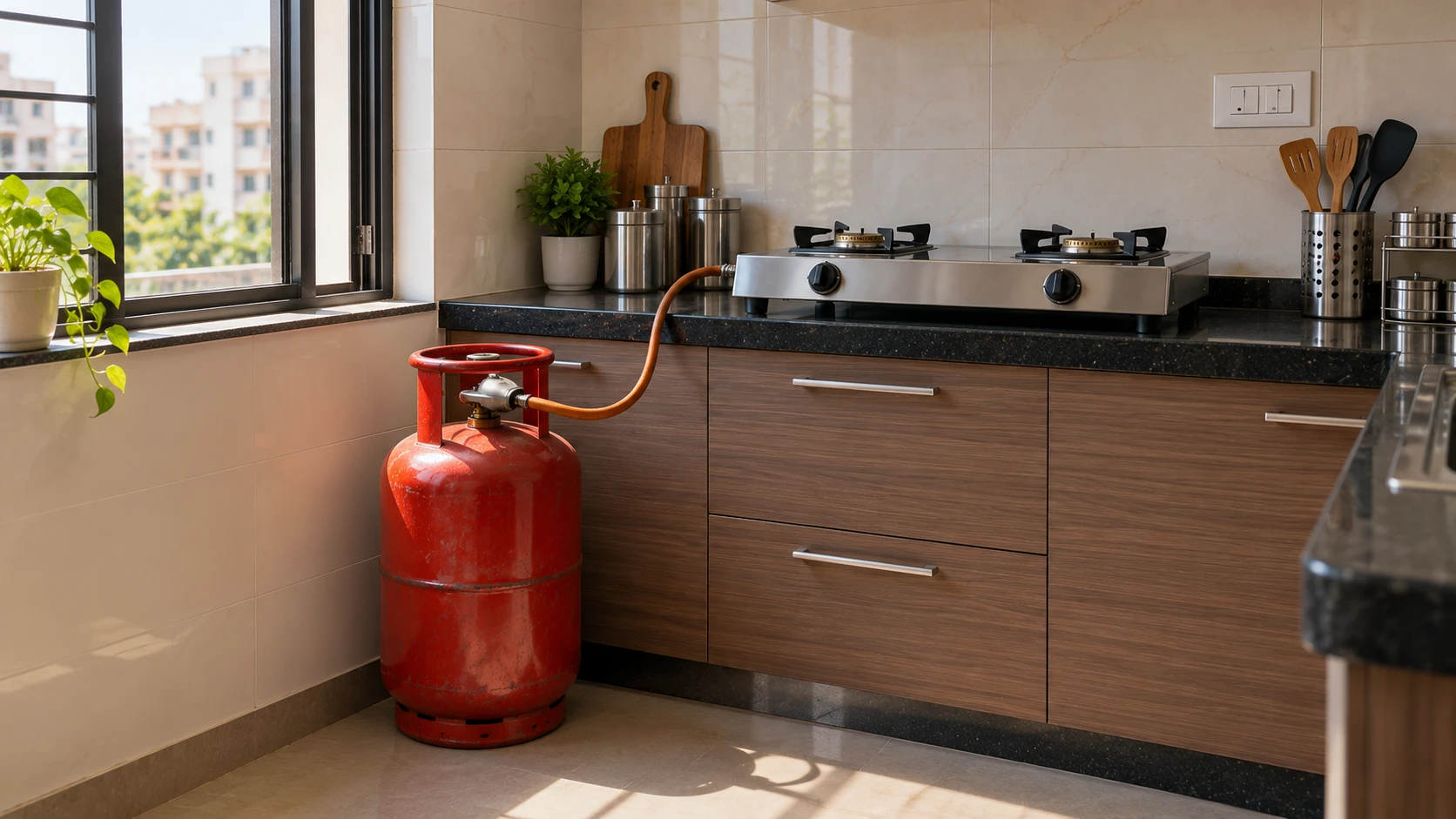
Switch off lights and appliances when told, turn off the stove and the LPG regulator, use an LED torch and not a candle, stay indoors away from windows and glass, avoid the lift, and keep your phone for official messages. If you are outside, go into the nearest building.
Why not use candles or diyas?
A flame near curtains, bedding or a stove can start a fire in the dark and the lights will be off, so a fire is harder to spot and fight. An LED torch or battery lamp is safer. This is general fire-safety advice, not a drill order.
Is my district on the civil defence list?
Only your district administration can say. Civil defence works in categorised towns and districts. The 2025 order named 244 districts according to news reports, and official pages give different counts of towns, so do not trust a forwarded list.
Who should I call during a drill?
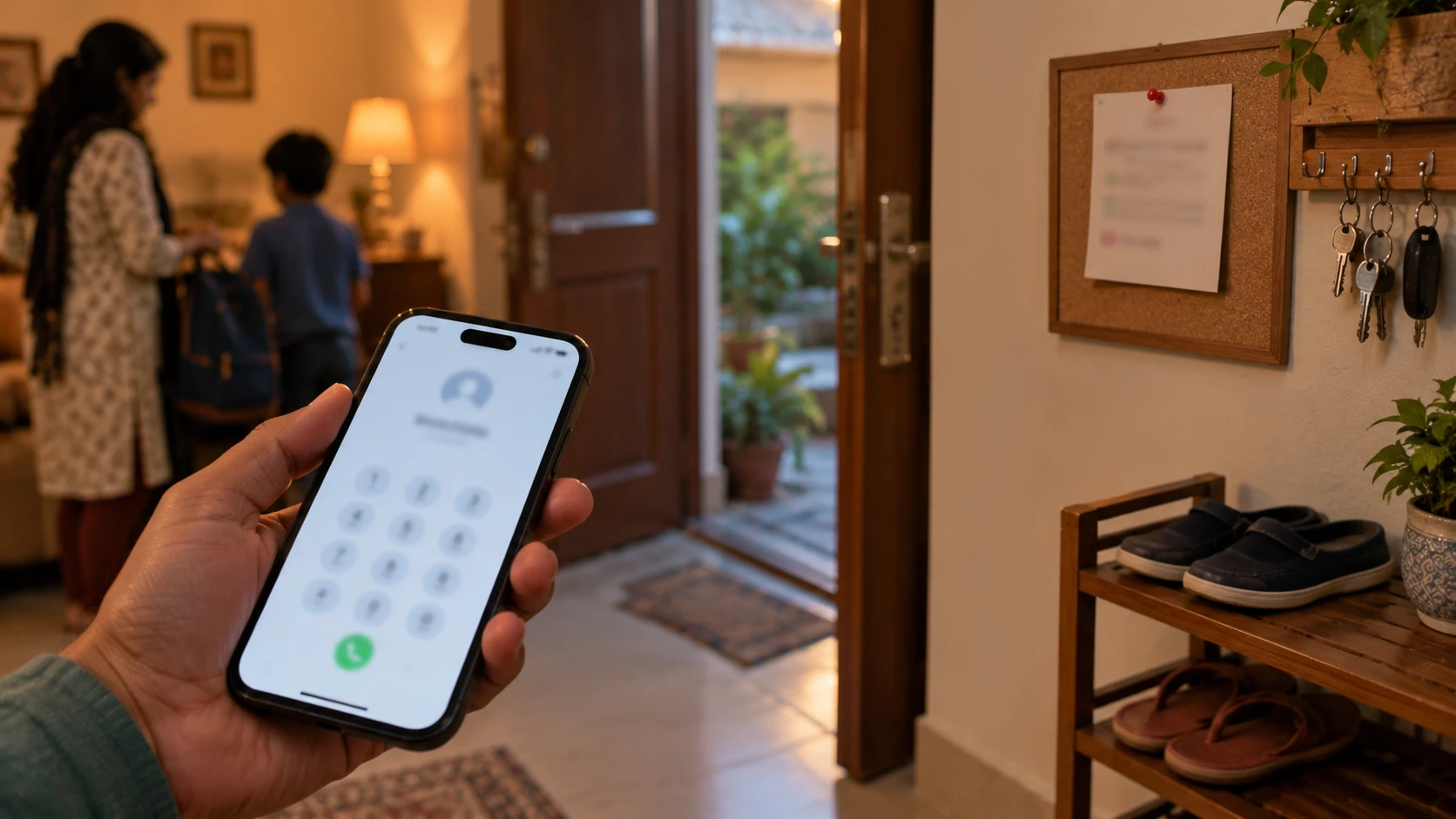
Nobody, unless you have a real emergency. Then call 112, or 101 for the fire brigade and 108 for an ambulance. Do not call to ask about the drill, because it blocks the lines for real calls.
How do I help neighbours who cannot manage on their own?
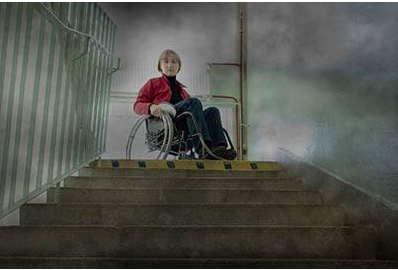
Know who in your building is elderly, very young, ill or has a disability, agree who will check on them, and keep a torch for them. The NDMA video thumbnail itself shows women checking on an elderly neighbour. See our guide on evacuating people with disabilities.
Is it safe to run a generator or inverter in a blackout?
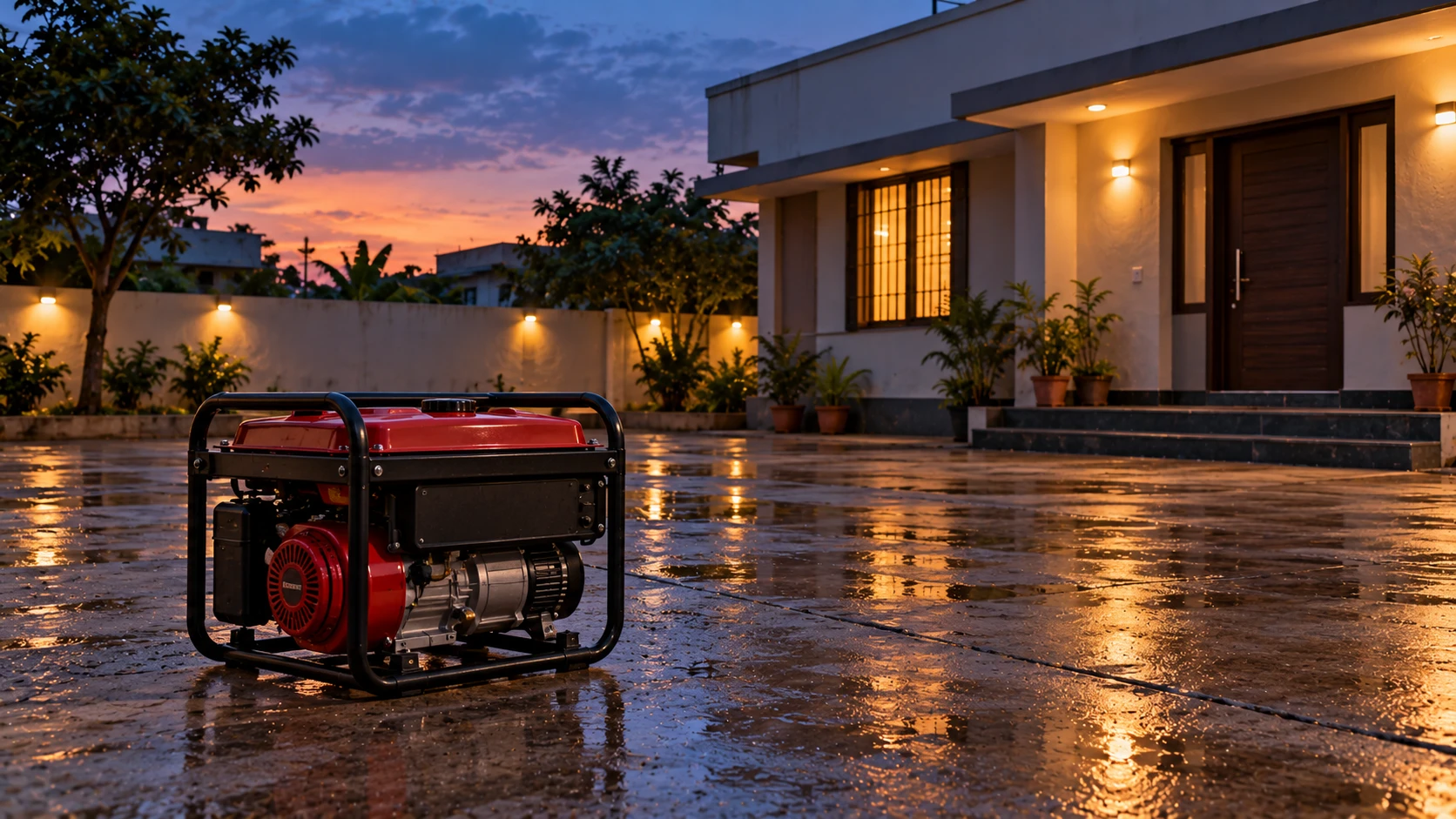
Only outdoors, away from windows and doors. A generator indoors, in a closed balcony or near a bedroom can fill the room with carbon monoxide. See our guide on carbon monoxide safety for power cuts.
On 7 May 2025 India held a nationwide civil defence exercise, with air raid sirens, blackout drills and evacuation rehearsals. For many families it was the first time they had heard such a siren or been told to switch off the lights on purpose. Drills like this come back, in India and in other countries, and the same steps help in an ordinary long power cut. This page explains what a civil defence drill is, what the usual instructions are, how to stay safe from fire and fumes while the lights are off, and how to tell an official message from a rumour. It makes no statement about any threat. It is general safety guidance. Follow the orders of your district administration and the civil defence wardens. Checked 8 November 2026.
In short
- A civil defence drill is a rehearsal. The district administration announces it. Follow the wardens, the police and the announcements, not forwarded messages.
- When a siren sounds in a drill, listen for instructions. Reports of the 2025 drill described a long wailing siren as the alert and short quick bursts as the all-clear. Patterns can differ by place, so check your own district’s notice.
- For a blackout: switch off lights and appliances when told, turn off the stove and the LPG regulator, use an LED torch and not a candle, stay indoors away from windows and do not use the lift.
- Check on the old, the very young and anyone with a disability in your building. Our guide on evacuating people with disabilities has the steps.
- Keep the phone lines for emergencies. Call 112 for any emergency, 101 for the fire brigade and 108 for an ambulance. Do not call to ask when the drill starts.
What the 7 May 2025 exercise was
News reports say the Ministry of Home Affairs, in an order dated 5 May 2025, asked for a Civil Defence Exercise and Rehearsal in the 244 categorised civil defence districts on 7 May. All India Radio reported that the Ministry asked states to make air raid warning sirens operational, train civilians and students in civil defence measures, practise crash blackouts and update and rehearse evacuation plans. One outlet gave the time as 4.00 to 4.30 pm. Civil defence wardens, Home Guards and youth groups such as NCC, NSS and NYKS, with students, were expected to take part. One newspaper spoke of 259 locations, so the number was not uniform in the reporting. We could not open the Ministry’s order or the press note, so we give these as reports.
Civil defence in India is organised only in towns and districts that the Government of India has categorised. Whether your town has a civil defence unit therefore depends on that list, and the counts differ from page to page (the Uttarakhand department’s page speaks of 225 categorised towns, the 2025 exercise named 244 districts). Ask your district office, not a forwarded list. See how to join Civil Defence or the Home Guards if you want to volunteer.
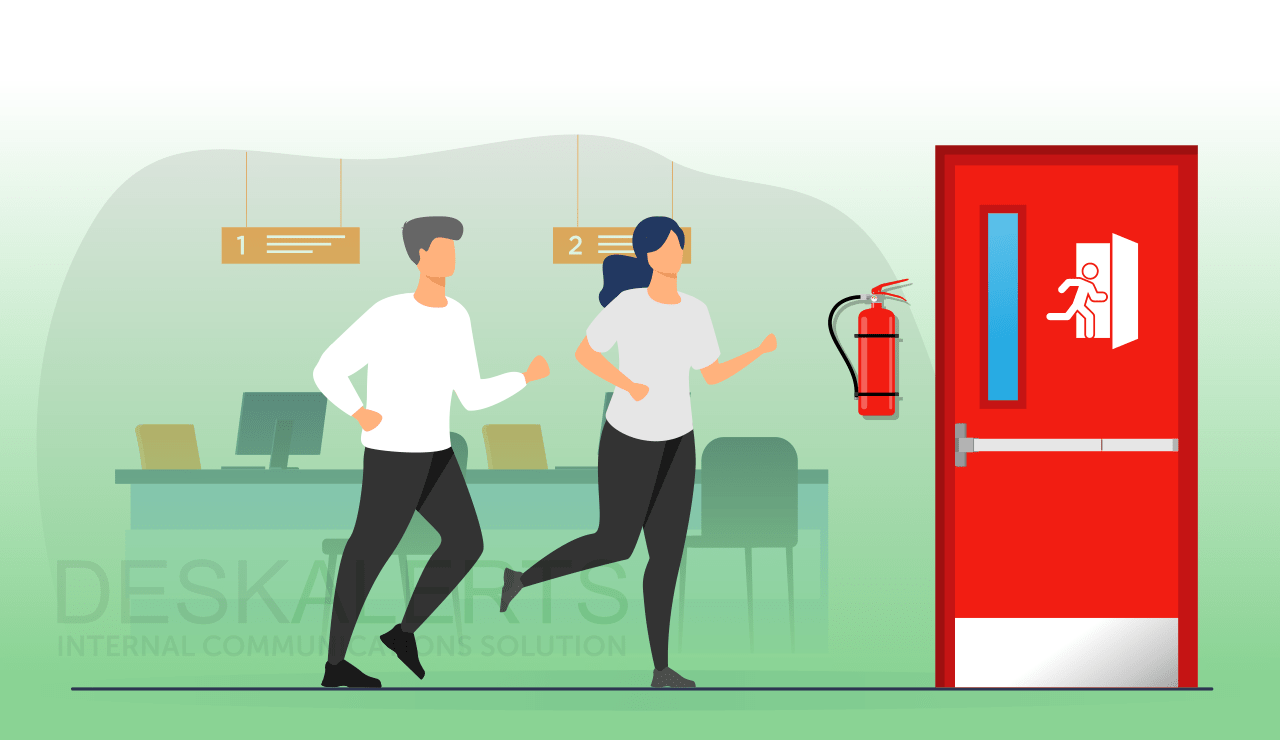
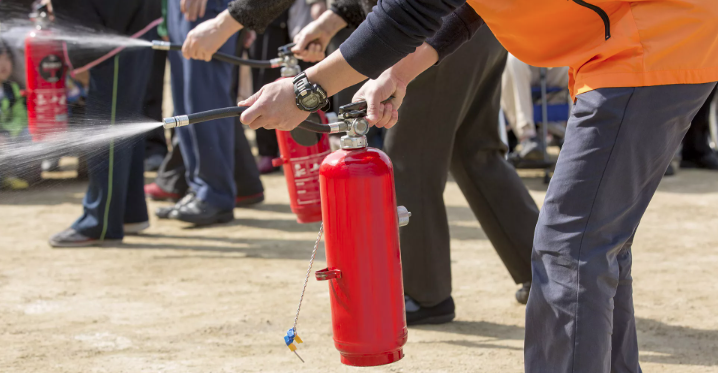
Drills are not new. The National Disaster Management Authority (NDMA) describes three kinds of mock exercise it runs with states: table-top exercises, full-scale mock exercises and school-level exercises, and says the National Disaster Response Force conducts district-level exercises with state authorities. The purpose, in the NDMA’s words, is to test plans and find gaps in people, equipment and coordination. See our guides on fire drills and evacuation and community preparedness.
What the official videos say
The NDMA’s own YouTube channel carries a 1 minute 45 second “Blackout Action Plan Awareness Video” in English, uploaded on 7 May 2025, and a shorter one for Aapda Mitra volunteers. The descriptions say that staying calm and prepared matters, and list the steps: stay calm, follow official instructions, use flashlights, avoid unnecessary travel and know the emergency services. News reports of the NDMA’s siren video said it asked people to switch off lights, fans and appliances, draw the curtains and shut the windows. We read the titles and descriptions and did not watch the videos in full.
At home during a blackout drill, or a long power cut
- Do what the announcement says. Switch off lights and appliances you are told to, and leave one switch you know how to find in the dark.
- Turn off the stove and the LPG regulator if you are going to sit away from the kitchen. A pan left on a flame while nobody is watching can start a fire. See what to do in an LPG gas leak.
- Use an LED torch or a battery lamp, not a candle or a diya. A flame near curtains, bedding or a stove can start a fire when the lights are off and nobody can see well. This is our fire-safety advice, not a line from a drill order.
- Stay indoors, away from windows and glass. The 2025 advisories reported by the press said to remain indoors and, if you are on the street, to go into the nearest building. They also said to avoid using a private vehicle unless told otherwise.
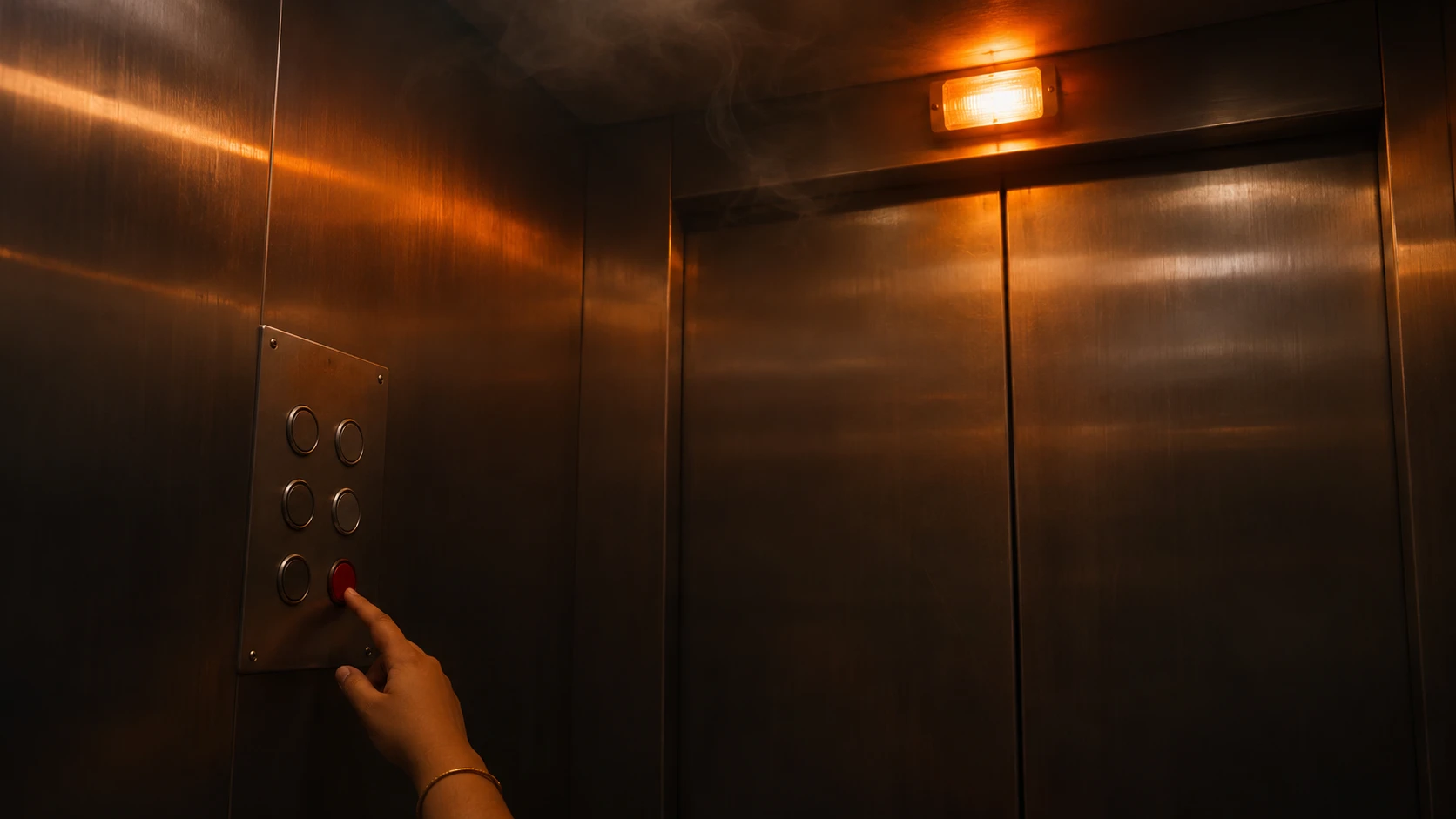
- Avoid the lift. A power cut can stop it between floors. See how to survive a lift fire or power failure.
- If you run a generator or an inverter, keep it outside. Fumes kill quietly. Read carbon monoxide safety for power cuts.
- Keep your phone charged and your screen dim. Use it for official messages. A battery radio helps when mobile data fails.
- Tell children it is a drill. Give each child a torch and a place to sit.
A family plan you can make in ten minutes
- Choose one room or passage away from outside walls and large windows where the family can sit together.
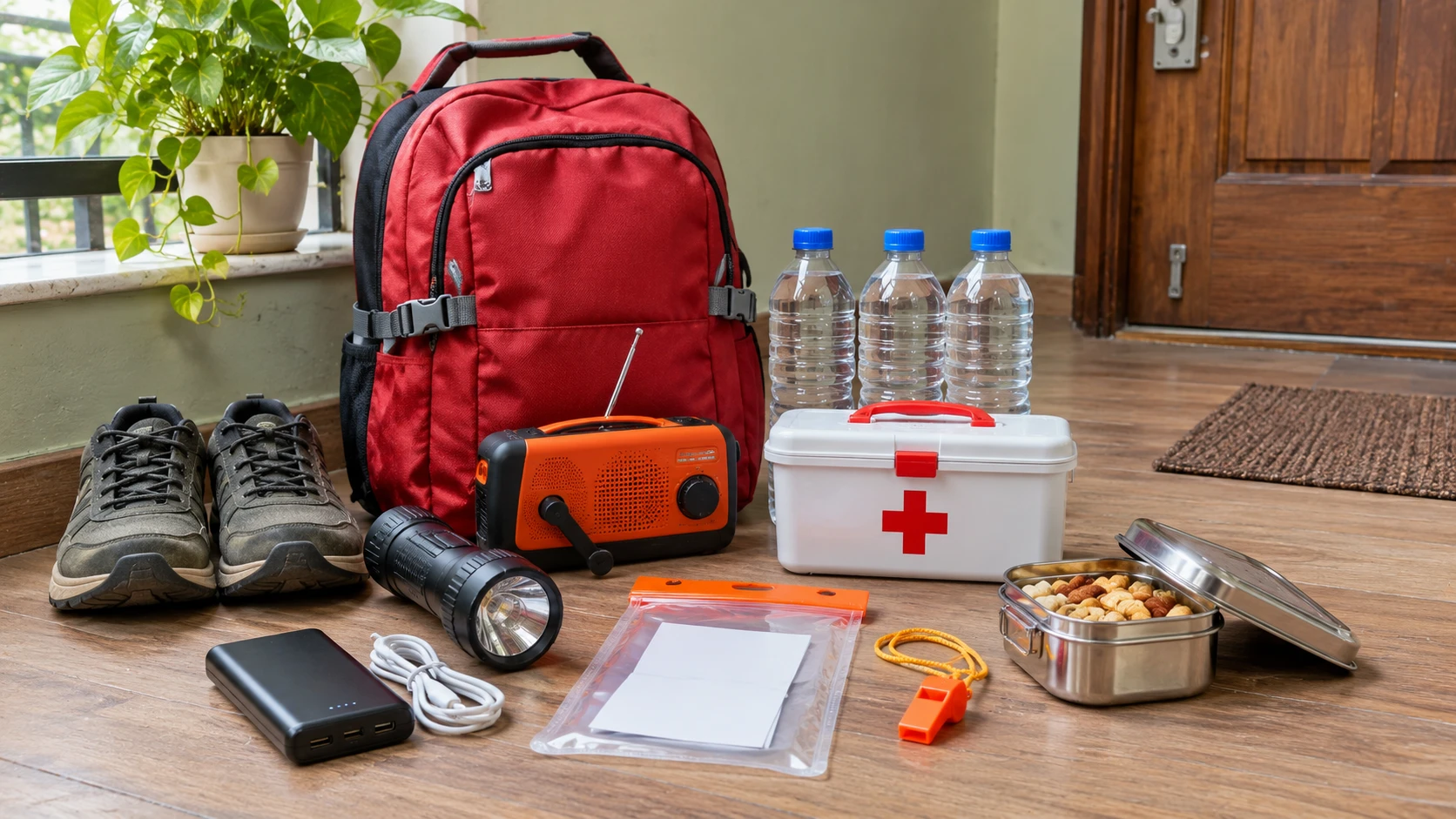
- Put a torch with fresh cells in that room, one per person if you can, and a power bank.
- Know where your main switch and your LPG regulator are, and who will turn them off.
- Keep a short paper list of phone numbers, your ID copies and regular medicines in your home emergency kit.
- Decide who will check on the elderly neighbour or the family with a newborn.
- Practise once, for ten minutes, the way you would a fire drill.
If your area uses a basement or hall as a shelter
A shared shelter brings its own risks: smoke with no way out, crowding at the door and poor lighting. Know two ways out, keep the passage clear, do not cook or light candles inside, and let the warden decide when to leave. See our guide on staying safe in a crowd. We did not find an official NDMA page on shelters or sirens, so we give no shelter design rules.
Rumours and fake lists
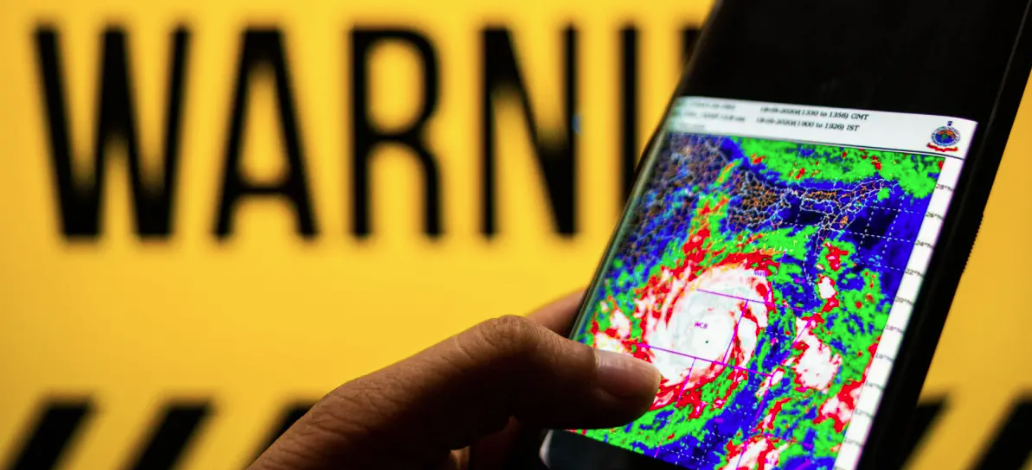
Before a drill, messages go around: lists of districts, dates and times, and warnings of what will happen. Do not forward them. Check with the district administration or an official government account. Our guide to alerts and early warning in India explains how to switch on emergency alerts on your phone and where official warnings come from.
What we could not confirm
- The Ministry of Home Affairs’ order and its press note. We could not open them, so the 244 districts, the date and the time rest on news reports, which differ slightly (259 locations in one).
- Siren patterns. Reports of the 2025 drill described a long wail as the alert and short bursts as the all-clear. We found no official table of siren signals, and they can differ by place.
- The content of the NDMA videos beyond their titles and descriptions. We did not watch them in full and did not review the spoken language.
- An NDMA public page on sirens, blackouts or shelters, and an NDMA helpline number. We found neither on its website, so we give only 112, 101 and 108.
- Whether your district is on the civil defence list. Only your district administration can say.
Do this today
Save 112, 101 and 108 in your phone. Check that emergency and government alerts are switched on. Put a torch and a power bank where you can find them in the dark. Learn where your gas regulator and main switch are. Talk to your family for ten minutes, and ask your society whether it will hold a drill. Our emergency evacuation plan guide and home emergency kit checklist help with the rest.
What needs attention
- The 2025 exercise combined sirens, blackout drills and evacuation rehearsals, and was meant to test plans and warning systems.
- The NDMA runs mock exercises of several kinds all year; a civil defence drill is one form of the same idea.
- Official NDMA videos stress staying calm, following official instructions and using flashlights.
- We found no official table of siren signals and no NDMA page on shelters, so patterns and shelter rules are local.
- Which districts are categorised for civil defence is a matter for the district administration; forwarded lists are not a source.
Controls that reduce risk
- Follow the district administration and the civil defence wardens.
- Turn off the stove and the LPG regulator before you sit away from the kitchen.
- Use an LED torch or battery lamp, not a candle.
- Stay indoors, away from windows and glass.
- Check on elderly neighbours, young children and people with a disability.
Common unsafe practices
- Forwarding unverified lists, dates and warnings.
- Lighting candles or diyas during a blackout.
- Leaving a pan on the flame or the LPG regulator on and sitting away.
- Using the lift during a power cut.
- Running a generator or inverter indoors or in a closed balcony.
- Crowding the door of a shared shelter.
- Calling 112 to ask when the drill starts.


Leave a comment