
What happened here
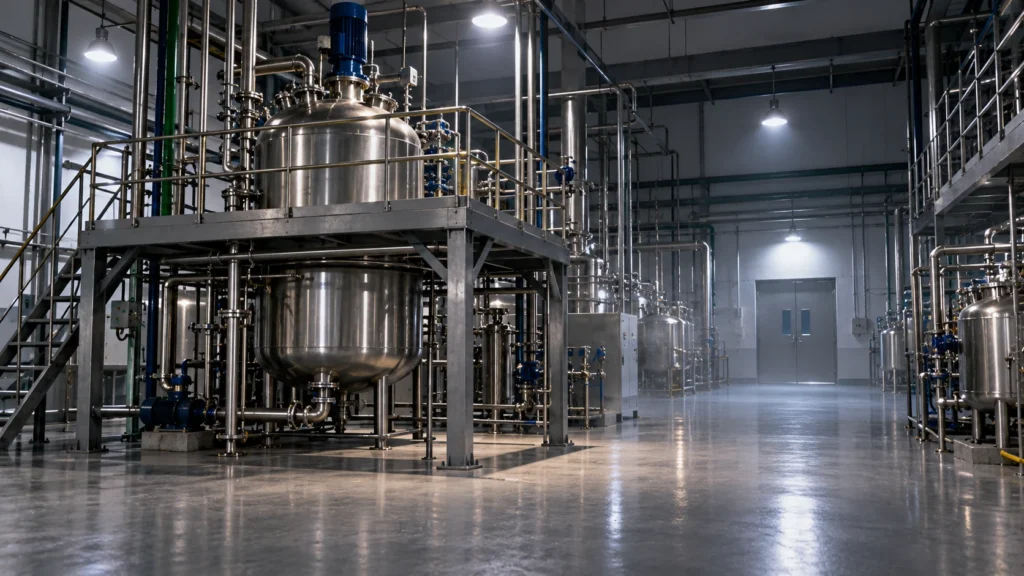
Chloroform vapour leaked in Production Block-2 of Saraca Laboratories, Sangareddy, on the night of 22 October 2026. Two workers died and six were reported ill. The Pollution Control Board ordered the unit shut and the Human Rights Commission asked for a report. The cause of the leak is not established. Updated 26 October 2026.
Quick answers
What happened at Saraca Laboratories?
Chloroform vapour leaked in Production Block-2 at Gaddapotharam, Sangareddy, on the night of 22 October 2026. Two workers died.
How many were hurt?
Six were reported ill and hospitalised by police and Telangana Today; other reports say several. No count has been confirmed.
What caused the leak?
Not established. The company told officials it happened during a chloroform transfer between a reactor and a receiver. No investigation finding is published.
What action has been taken?
The Pollution Control Board ordered the unit closed on 23 October. A police case is reported registered. The Human Rights Commission wants a report by 26 November.
Has anyone been compensated or arrested?
Management reportedly agreed to pay Rs 70 lakh per family; payment is not confirmed. No arrest was found through 26 October.
What happened
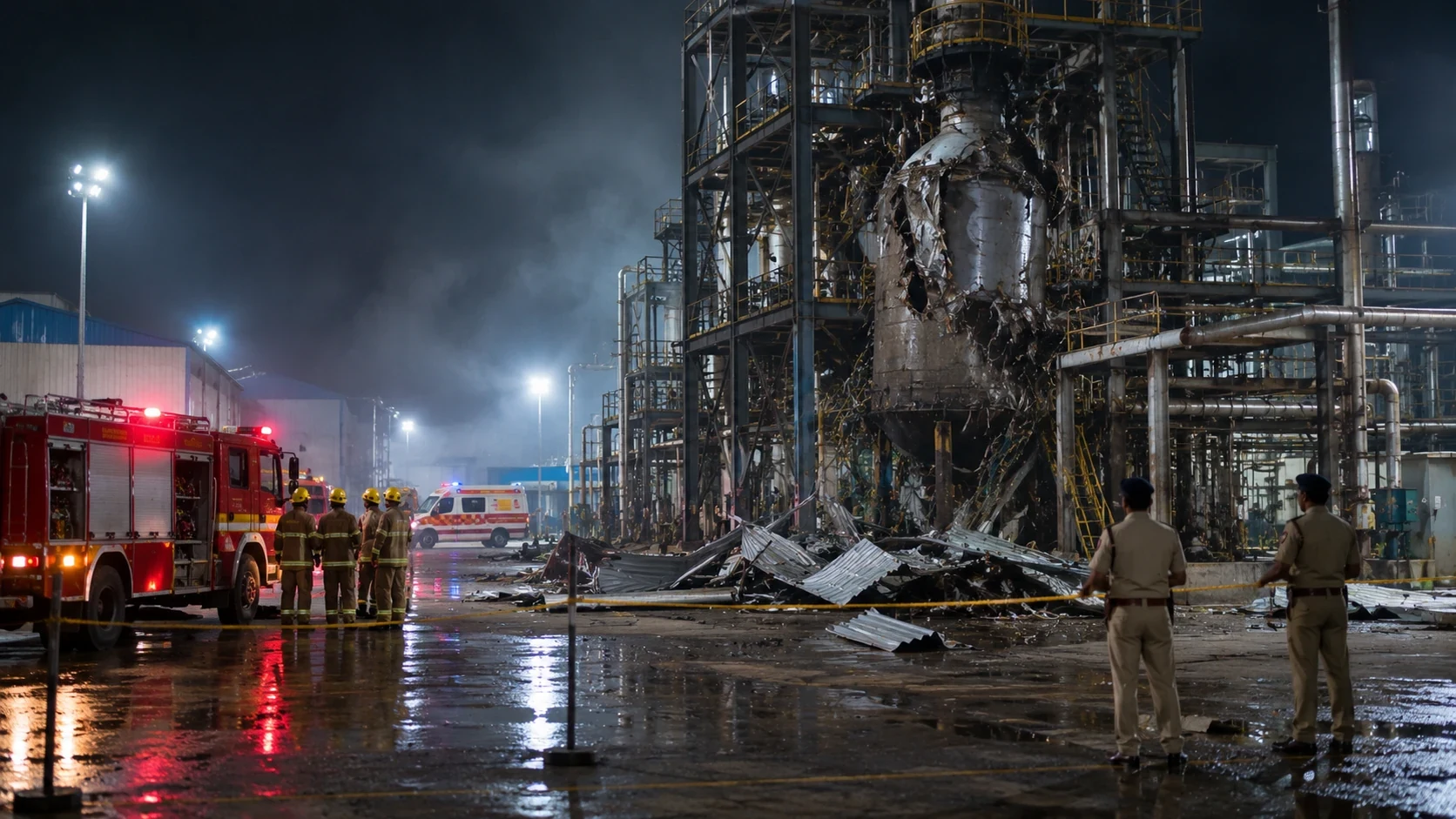
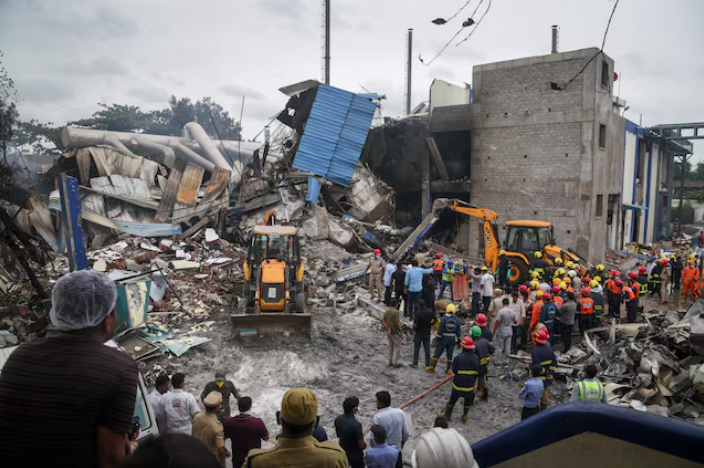
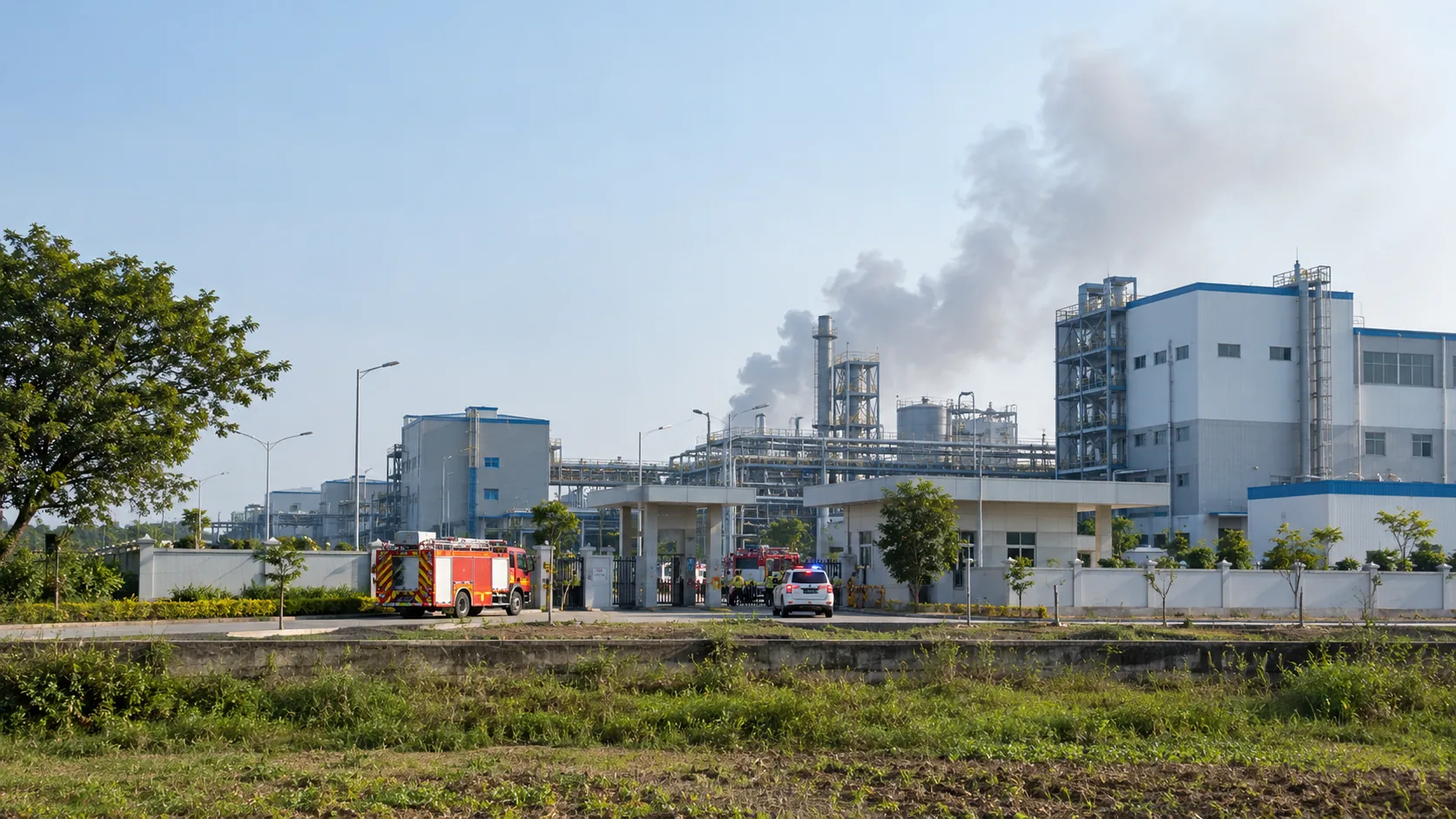
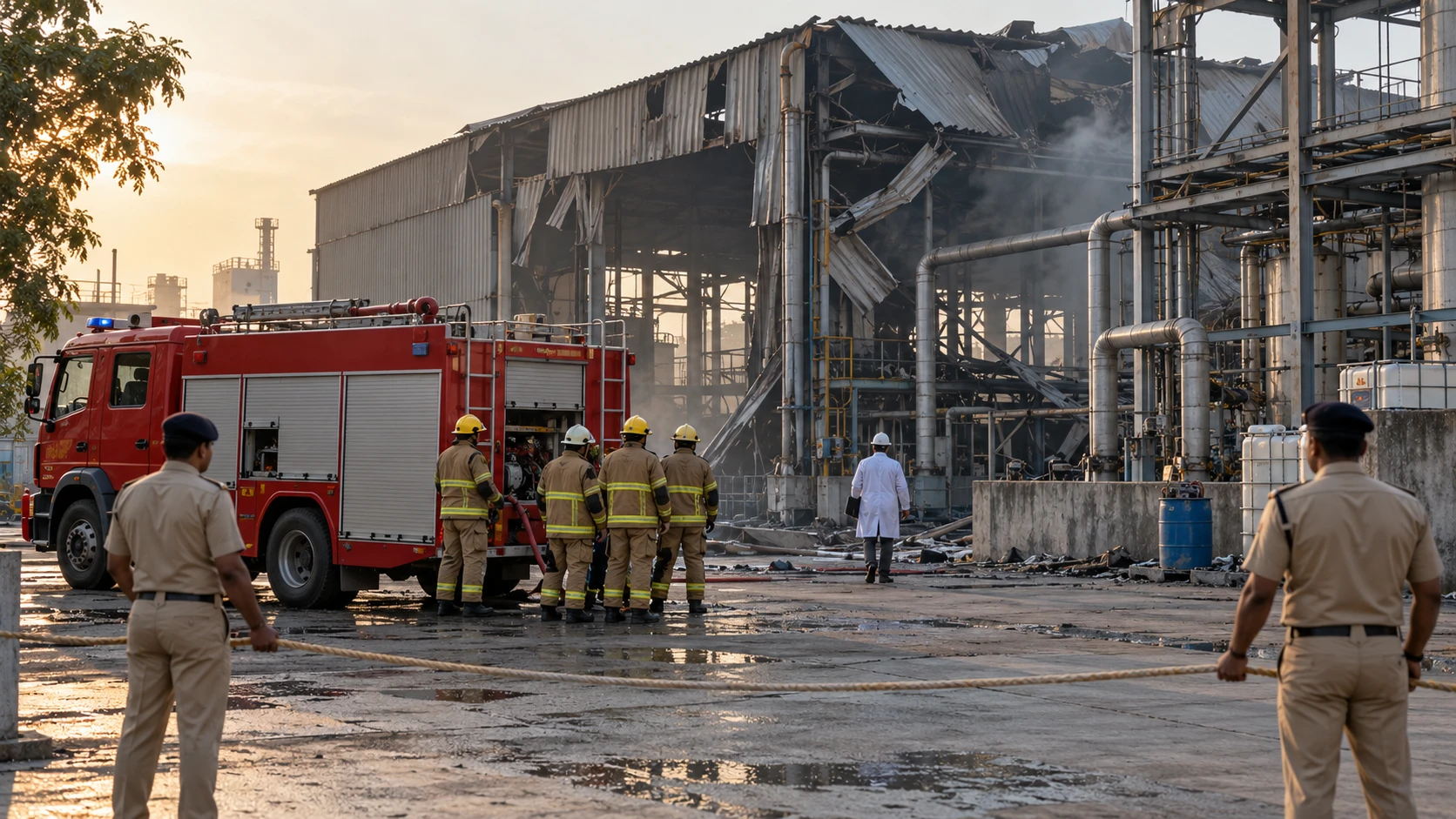
On the night of Thursday, 22 October 2026, chloroform vapour leaked inside Production Block-2 of Saraca Laboratories Ltd, a pharmaceutical unit in the Gaddapotharam Industrial Area, Jinnaram mandal, Sangareddy district, Telangana. Two workers collapsed near the leak and died. Colleagues rushed them to a private hospital, where the duty doctor declared them dead on arrival. Several others fell ill. The time is given as about 11 pm (Telangana Today), about 11.15 pm (ETV Bharat, which says “Friday”, apparently meaning the early hours) and about 11.30 pm (Telangana Today’s later report, Medical Dialogues). Some outlets date the event to the early hours of Friday, 23 October. Updated 26 October 2026.
How the leak happened, as the company described it
Company representatives told Pollution Control Board officials that the leak happened during layer separation, while chloroform was being moved from a reactor on the first floor to a receiver on the ground floor of the block, and that the vapour spread quickly through the production area (Telangana Today, Medical Dialogues). ETV Bharat says the leak went unnoticed at first. This is the company’s account to officials, not a finding of any investigation. We have not seen an inspection report.
Who was affected, and the counts that differ
All the reports we opened say two workers died. They were from Andhra Pradesh. We do not name them. The reports differ on their ages and roles: Telangana Today’s first report gives 43 and 29, Medical Dialogues gives 44 and 27 and calls them a chemist and a supervisor, ETV Bharat calls them a shift in-charge and a worker, and IndToday gives one of them as 27. We could not settle these details.
The number who fell ill is also unsettled. ETV Bharat, citing the police, and Telangana Today say six: an operator, two supervisors, two helpers and a trainee in the safety department. Telangana Today says they were in a private hospital in critical condition; ETV Bharat does not name the hospital treating them. Siasat, Hyderabad Mail and the Deccan Chronicle’s later report say only “several” fell ill, and the earliest reports gave no number. A Siasat related headline carries 4 hospitalised, which the story itself does not confirm. We found no report of a third death through 26 October.
What is known about the cause
The first reports (Deccan Chronicle, Hans India, 23 October) called it a suspected gas leak and said the cause was yet to be ascertained. From 23 and 24 October, Telangana Today, ETV Bharat, Medical Dialogues, Siasat, Hyderabad Mail, UNI and the Deccan Chronicle named the substance as chloroform vapour. Telangana Today says the Factories Department is investigating the cause. No official finding has been published on why the leak happened: whether a pipe, valve, joint or procedure failed, whether the area was ventilated, or whether the workers had breathing protection. These are the open questions.
Action taken
- Police. ETV Bharat reports that a case was registered at the local police station on a complaint from one of the deceased’s wives; it does not give the sections. Telangana Today (first report) also says a case was registered. We found no report of an arrest.
- Pollution Control Board. The Telangana Pollution Control Board inspected the unit on Friday, 23 October, and ordered its immediate closure, directing the power distribution company to disconnect its electricity. The order was issued without a prior hearing, citing the seriousness of the incident (Telangana Today, Medical Dialogues). An executive engineer of the Board’s Ramachandrapuram office confirmed the order to ETV Bharat. We saw no statement from the company about the order.
- Human Rights Commission. The Telangana Human Rights Commission took suo motu cognisance on 24 October. It said the incident raises serious concerns about industrial safety and the right to life under Article 21, and asked the Sangareddy District Collector for a detailed report by 26 November 2026 on the circumstances, the dead and injured, medical help, safety measures and action taken (Siasat, Deccan Chronicle, UNI).
- Compensation. ETV Bharat and Telangana Today say the management agreed to pay Rs 70 lakh to the family of each worker who died, after phone talks with the local MLA. This is a report of an agreement; we have not seen a payment confirmed. Former minister T Harish Rao demanded Rs 1 crore for each family, better treatment for the injured and action against the management if safety rules were broken. That is a demand; we found no government reply.
Why this matters
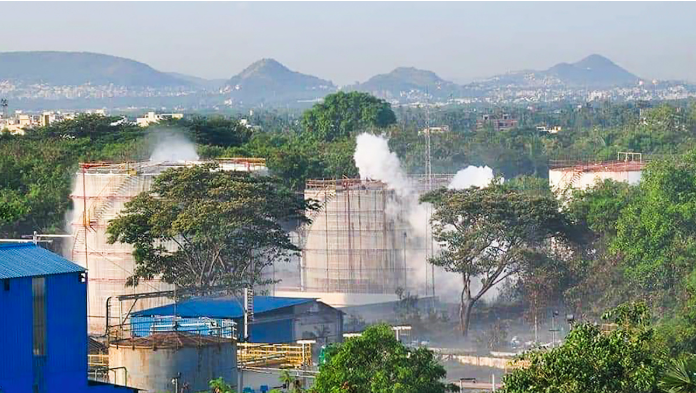
Pharma and chemical units around Hyderabad have a hard record. Reporters recalled the 2025 blast at Sigachi Industries in the same district, and we have covered the Saykha GIDC reactor blast in Gujarat and the Sri City pharma boiler explosion this month. Those were explosions. This one was a vapour leak, which gives no flash or bang to warn anyone. Our notes on gas leaks in India since Vizag 2020 and on chemical storage disasters cover the wider pattern, and the Hyderabad safety guide lists local emergency numbers and the Sangareddy incidents we have covered.
Lessons for workers, supervisors and employers
- Chloroform vapour is heavier than air, and breathing enough of it can make a person unconscious quickly. It collects low down, in drains, pits and ground-floor rooms. If you smell a sweet solvent odour you cannot place, leave the area first and report it.
- Do not rush in to help without breathing apparatus. Rescuers are often the next victims in vapour leaks. Raise the alarm, switch on ventilation only if it is safe to reach the switch, and call the trained emergency team and 108.
- Employers: keep solvent transfers in closed lines where the process allows, fit vapour or gas detectors with an alarm at the work point and at floor level, and keep escape-type breathing sets where workers can reach them. Train every shift, including contract and new staff, on what to do when the alarm sounds.
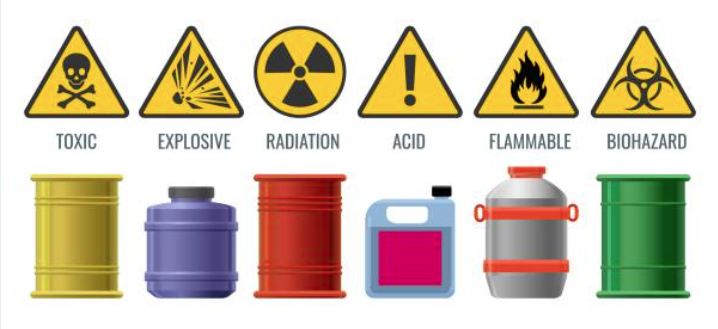
- Know the substance. Every worker should be able to read the safety data sheet for what they handle, and the unit’s on-site emergency plan should be practised, not filed.
- Move a casualty to fresh air only if the rescuer can do so safely, tell the hospital which substance was involved, and call 108.
If you work in or live near a chemical unit
Dial 112 for police and fire and 108 for an ambulance. Our state-wise helpline list has the Telangana control room numbers. If vapour from a unit drifts towards homes, move crosswind and away from low ground, and keep windows closed until the authorities say it is clear. Our chemical industry safety guide sets out the practices employers are expected to follow.
What is still not known
We do not know what failed. We do not know whether a leak alarm sounded, whether detectors were fitted, or why the vapour reached the workers. The number of people ill (four, six or “several”), the present condition of the six reported to be in hospital, the sections of the police case and whether anyone has been arrested are all unconfirmed. We also do not know whether the closure will stand, whether the Rs 70 lakh will be paid, or what the company will say. The toll could change if a hospitalised worker dies. We will update this page when the Factories Department, the Collector’s report to the Human Rights Commission or the Pollution Control Board publish a finding. We read English-language reports; we could not find Telugu newspaper reports on their own sites, and one Telugu video bulletin is listed. Last checked 26 October 2026.
- Chloroform vapour leaks in Production Block-2; two workers collapse and are taken to a private hospital, where they are declared dead
- First reports call it a suspected gas leak; police reach the site
- Pollution Control Board inspects, orders the unit closed and its power cut; a case is reported registered
- Reports name chloroform; management reportedly agrees Rs 70 lakh per family; Harish Rao demands Rs 1 crore and action
- Human Rights Commission takes suo motu cognisance and seeks the Collector's report by 26 November
Why consequences escalated
- Two workers died after a chloroform vapour leak in Production Block-2 of a pharma unit in Sangareddy district.
- The company told officials the leak happened while chloroform was being transferred from a first-floor reactor to a ground-floor receiver.
- Six other workers were reported ill by police and Telangana Today; other reports say only several.
- The Pollution Control Board ordered closure and power disconnection without a prior hearing; the Human Rights Commission wants a report by 26 November.
- No official cause has been published; no arrest was found through 26 October.
Failures and risk multipliers
- A solvent transfer that let vapour spread through a production block (company's own account; the failure point is not established).
- No reported warning to workers before collapse; the leak is said to have gone unnoticed at first (ETV Bharat, single report).
- Workers affected at the point of work and at ground level, where heavy vapour collects.
- Possible gaps in detectors, ventilation and breathing sets; none confirmed.
- Unit closed only after two deaths; the Board acted without a prior hearing.
Actions that reduce risk
- Leave the area at once if you smell solvent vapour and report it; do not stay to investigate.
- Do not enter a vapour-filled area to rescue anyone without breathing apparatus and training.
- Employers: fit gas or vapour detectors with alarms at floor level and work points, use closed transfer lines, and keep breathing sets ready.
- Train every shift, including contract staff, on the emergency plan and the safety data sheet.
- Call 112, and 108 for an ambulance, and tell responders the substance involved.

Leave a comment