
Quick answers
Is a fire NOC needed for a wedding pandal or tent?
We did not find a single national rule that says so for a private tent. IS 8758:2013 covers temporary structures for private as well as public functions and asks for a permit from the authority, and the Delhi Fire Service sheet tells the public to book halls and auditoriums that have a valid fire NOC. Ask your local fire station and the venue what applies in your city.
How many exits should a wedding pandal have?
IS 8758:2013 asks for at least two exits at opposite ends, each 2.5 m wide or more, and 3 m for larger pandals, with doors that open outwards and are never bolted while people are inside. The Delhi Fire Service sheet gives a smaller minimum of 1.5 m; where the two differ, take the larger one.
Can we burst crackers at the baraat near the pandal?
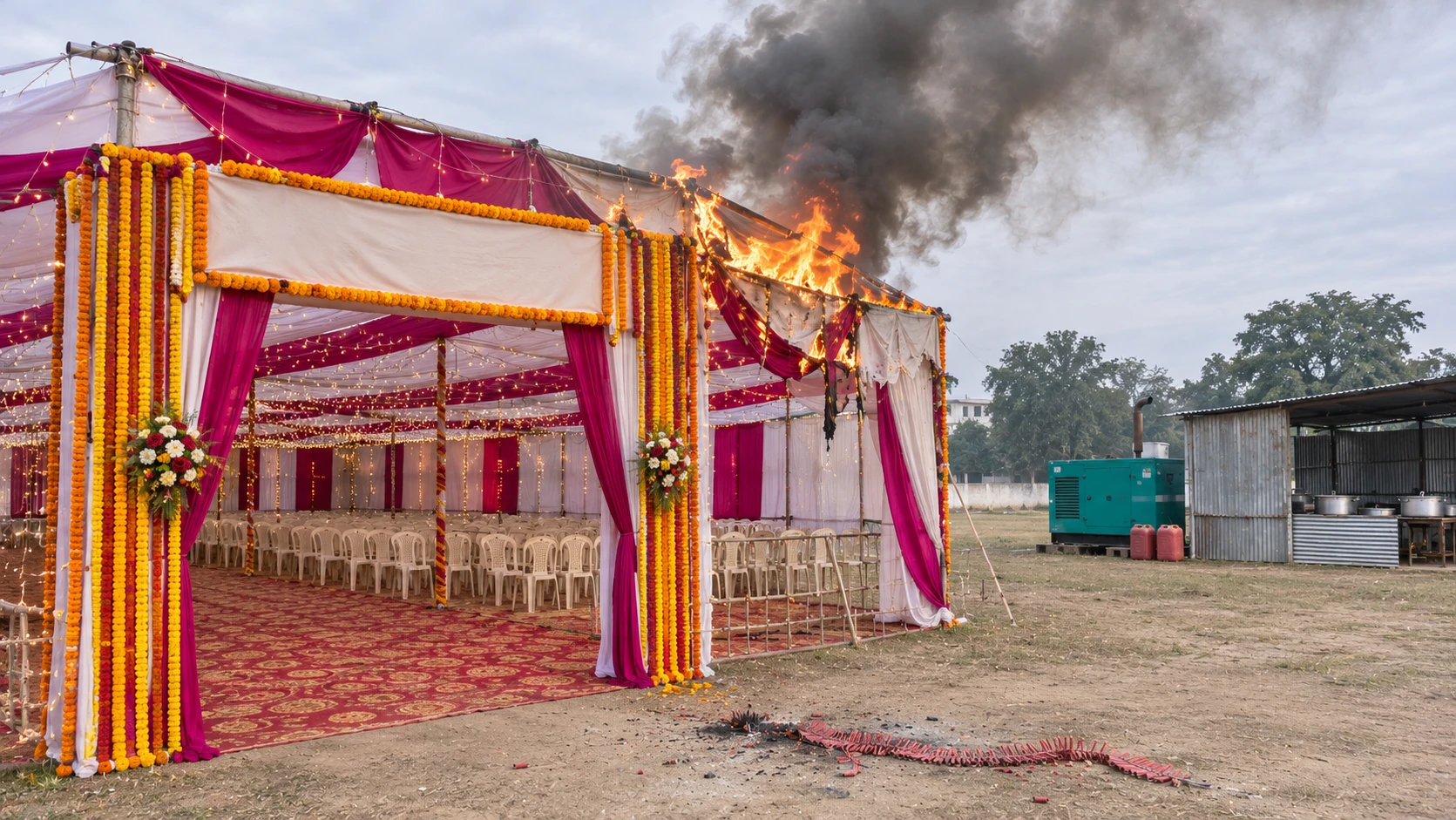
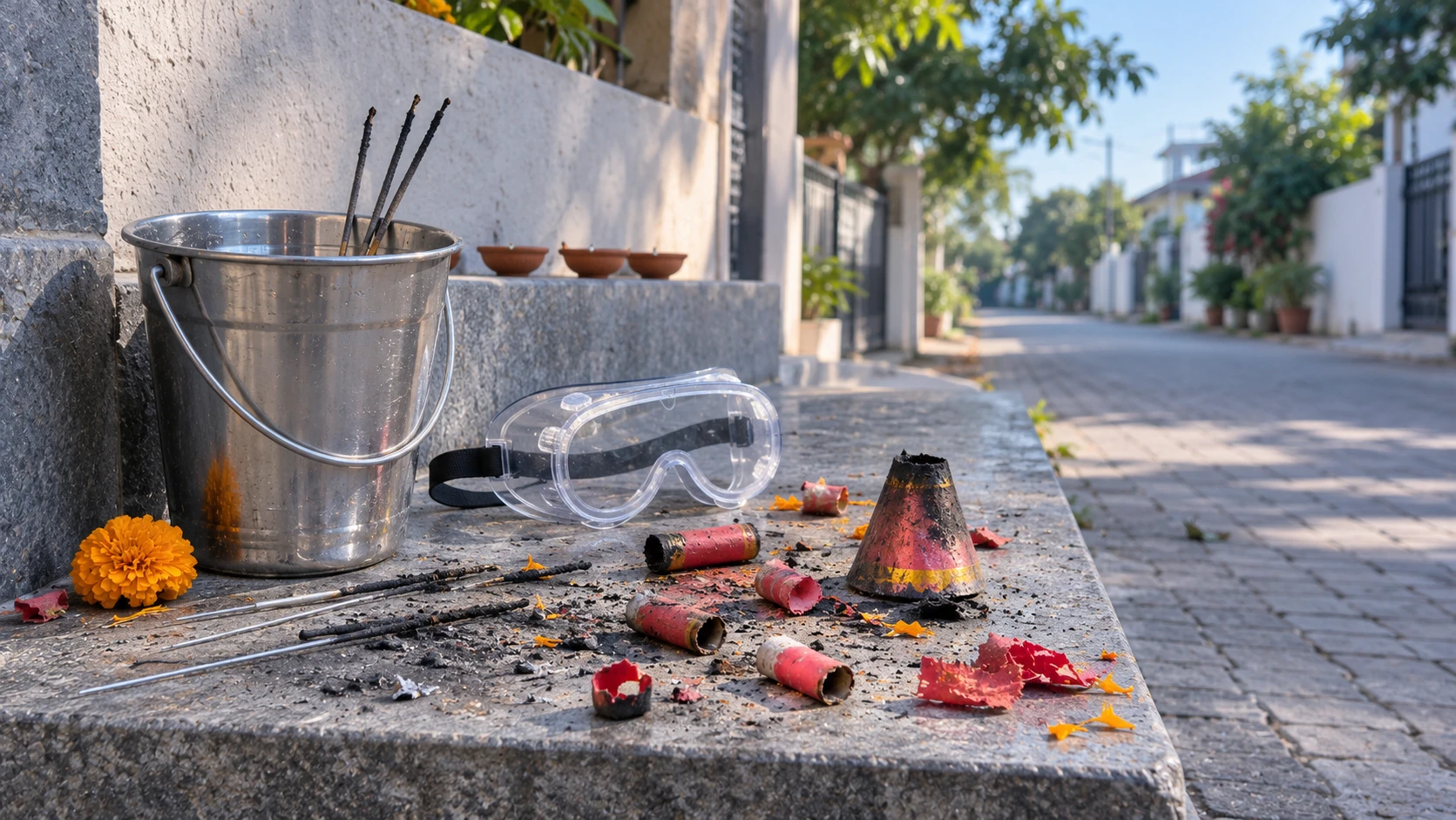
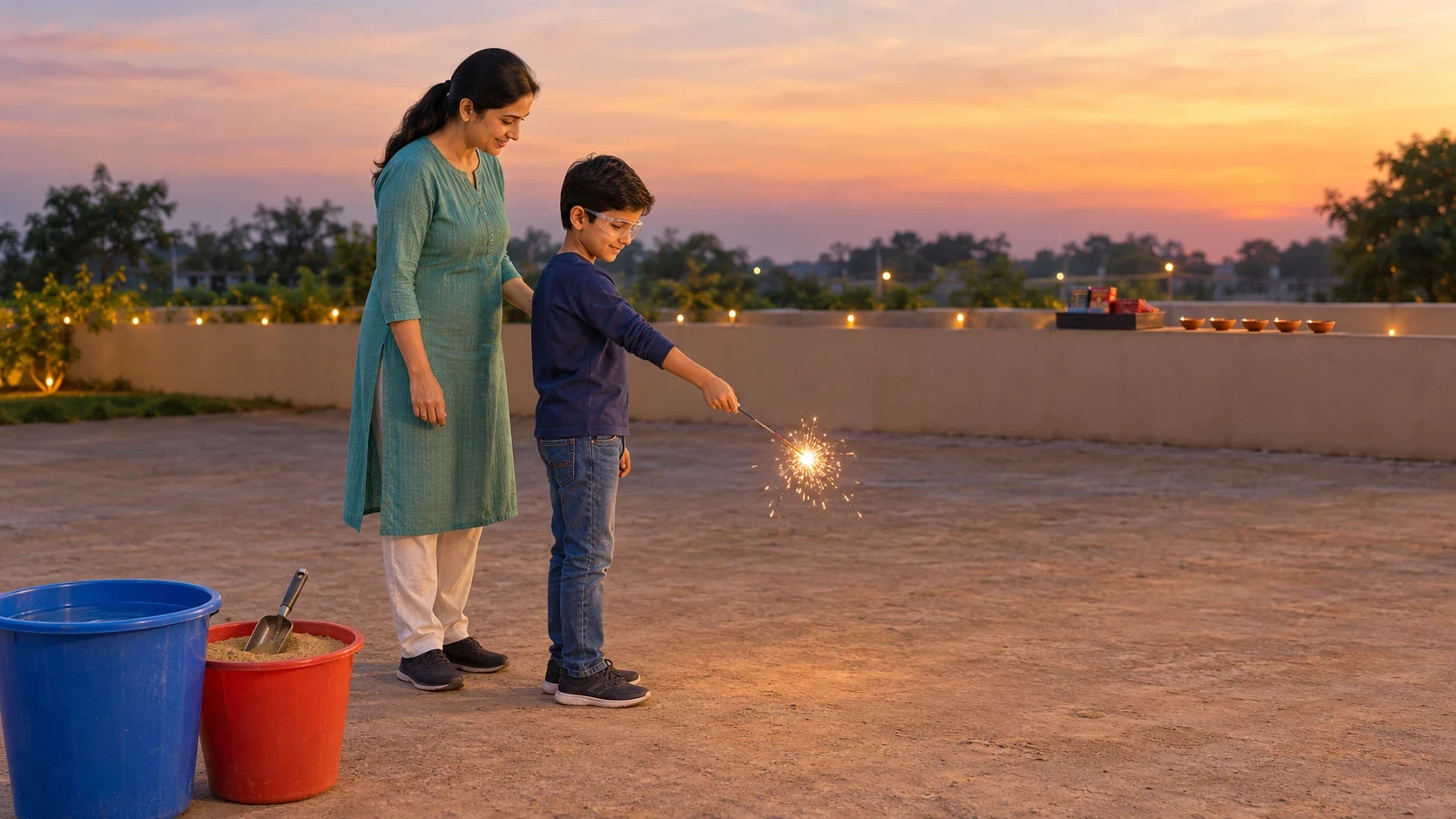
IS 8758:2013 says no fireworks or open flame of any kind in the structure or in its immediate vicinity, and the Delhi Fire Service sheet says the same. Keep the cracker point in the open, well away from the pandal, cars, cylinders and generator, with a bucket of water or sand ready.
Where should a generator be placed at a wedding?
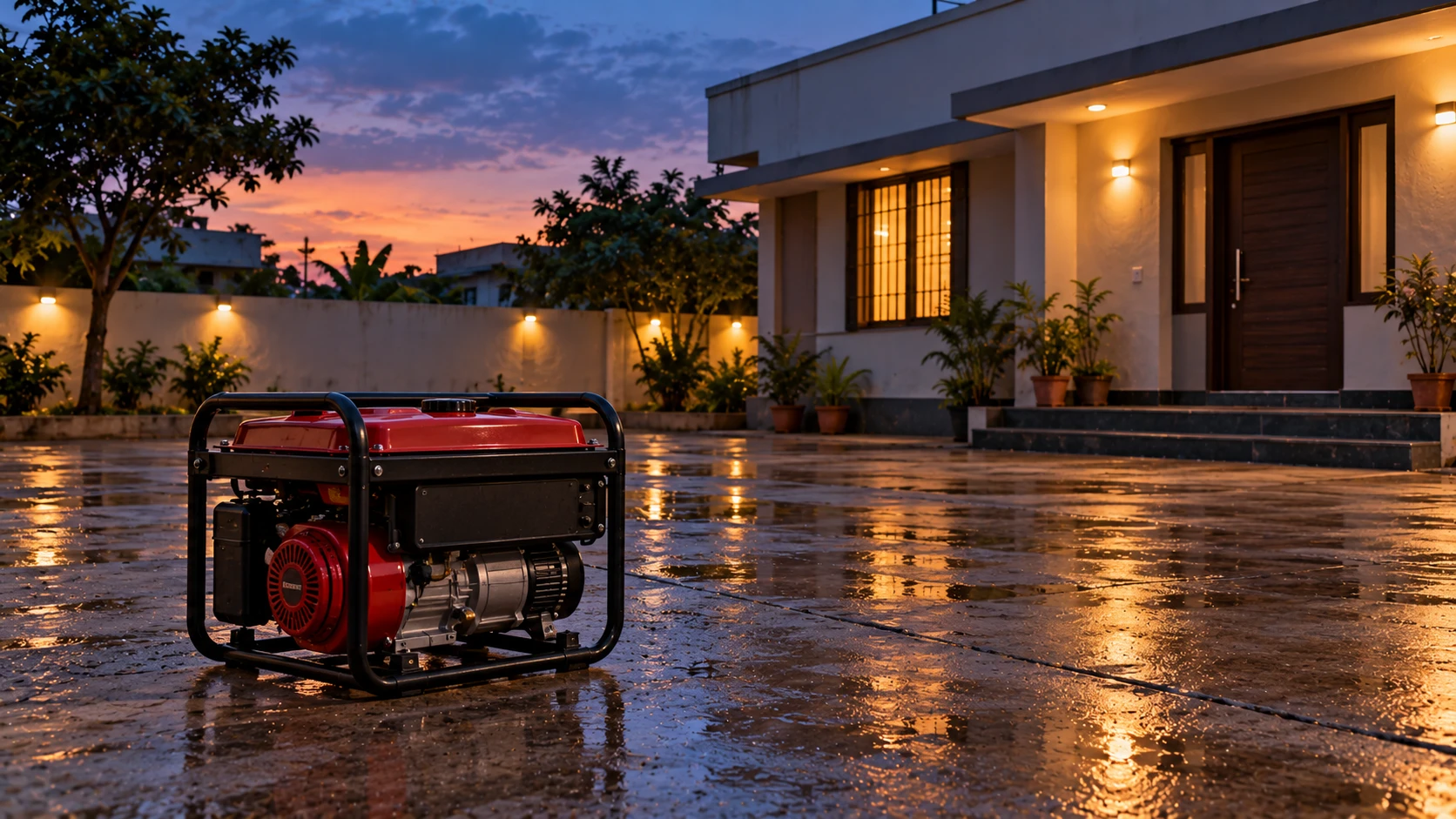
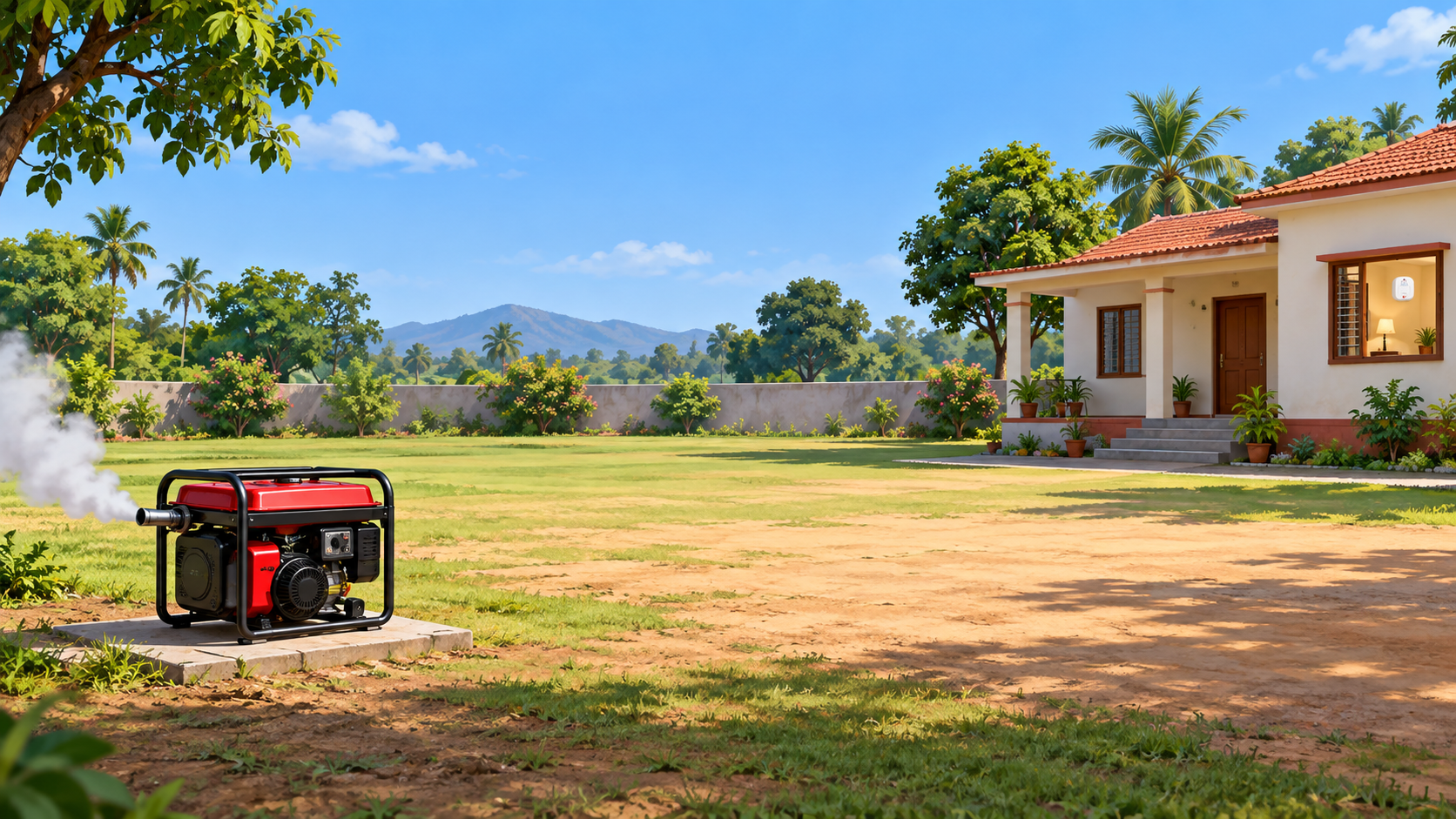
Outside, in an isolated spot away from the crowd and fenced, as the NDMA guide says, and away from any room or tent where people sleep. The US CDC says at least 20 feet (about 6 m) from any window, door or vent and never in an enclosed space, even with the doors open.
What are the signs of carbon monoxide poisoning?
Headache, dizziness, nausea, weakness, confusion, chest pain and breathlessness, often easing in fresh air, says the NHS. People who are asleep may not notice the symptoms at all. Take everyone out into open air, call 112 or 108, and do not go back inside until you are told it is safe.
What should I do first if the pandal catches fire?
Walk out by the nearest open exit without pushing, take children and elders by the hand, and call 101 or 112 from outside. Do not stop for bags or gifts and do not go back in. If someone's clothes catch fire, stop, drop and roll.
Is it safe to keep LPG cylinders near the wedding kitchen?
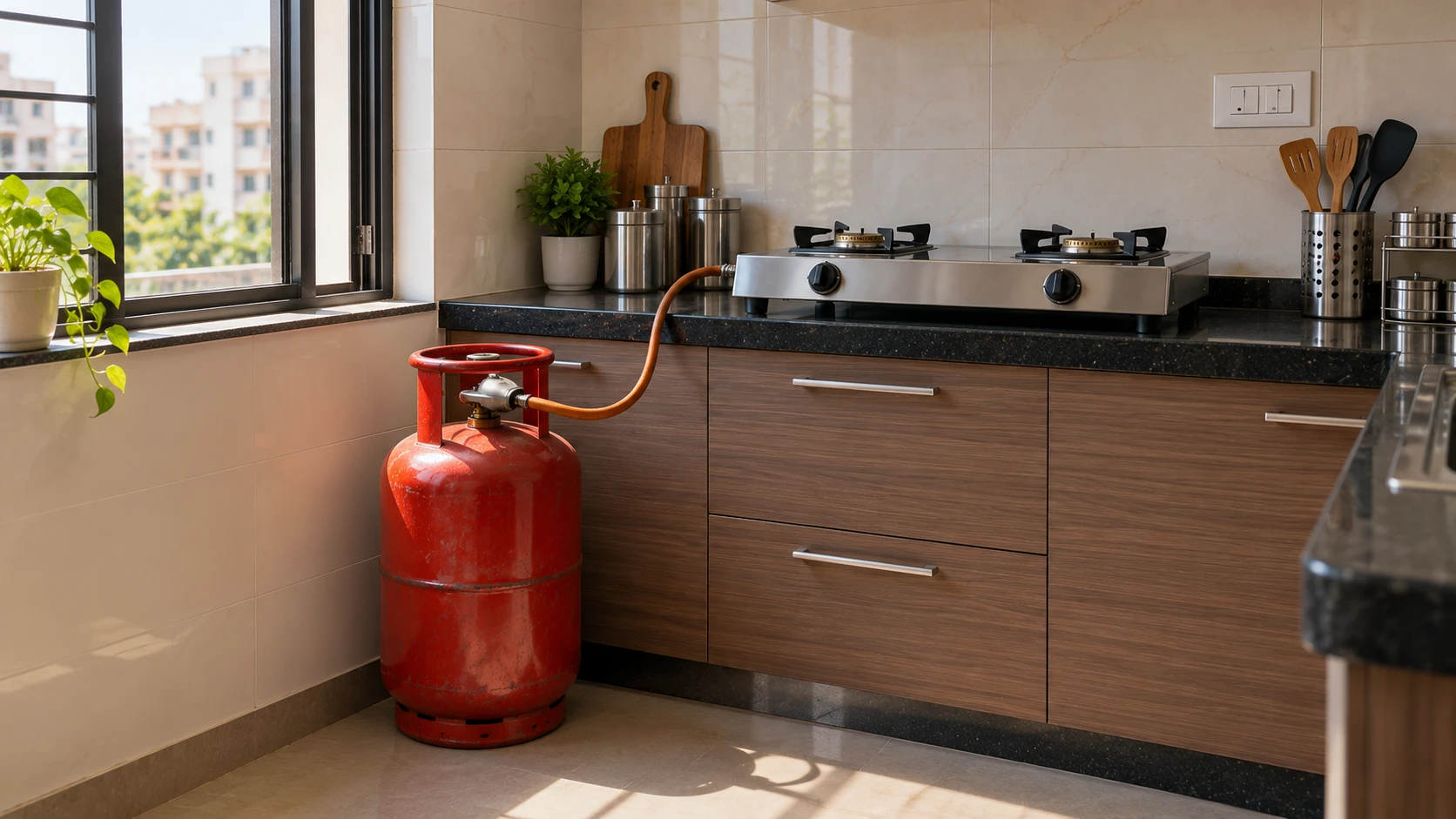
Keep them upright, outside the cloth structure and behind the separate cooking enclosure. IS 8758 asks for the kitchen to be totally separate from the pandal, preferably of GI sheets, and the Delhi Fire Service says stoves belong on a raised platform with the valve and knob turned off after cooking. If you smell gas, do not light anything and see our LPG leak page.
Who is responsible for safety at a private wedding?
The family and the people they hire, meaning the venue, the tent contractor, the electrician and the caterer, share it. IS 8758 asks for a responsible person on site who can organise evacuation and call the fire service. We are not giving legal advice; ask the venue and the contractor for their arrangements in writing.
How can I check a banquet hall or tent is safe before booking?
Ask to see the fire NOC for a hall, and ask a tent contractor who did the wiring, where the exits are and how wide, what the cloth is, and where the kitchen and generator will stand. Look for a second exit, a lit exit sign, buckets and extinguishers.
The wedding season opens after Dev Uthani Ekadashi, which falls on Friday 20 November 2026 on the panchang we checked. That means cloth pandals, rented marquees, lawns and banquet halls filling up every night, with a generator humming behind, a halwai’s cylinders in a corner and a baraat arriving with crackers. Most weddings pass without trouble. This page is for the one that does not: what a guest should look at in the first minute, what to do if the pandal catches fire, and what a family hosting the function can ask for. The Indian base is the Bureau of Indian Standards code for pandals (IS 8758:2013), the NDMA crowd guide and the Delhi Fire Service sheet. Checked 5 November 2026.
In short
- Find two exits when you walk in, and do not sit with your back to the only one. A cloth pandal burns fast, and exits that are narrow, locked or blocked are what turn a fire into a tragedy.
- Crackers, sparklers and open flame belong far from the pandal. The standard says no fireworks or open flame in the structure or its immediate vicinity.
- A generator must be outdoors and away from where anyone sleeps. Its fumes contain carbon monoxide, which you cannot see or smell, and wedding guests have died asleep in a room with a generator running.
- Cooking should be walled off from the pandal, and cylinders kept outside it.
- If the pandal catches fire, walk out at once. Leave your bag, gifts and phone camera. Call 101 or 112 from outside.
What the rulebook already says about a pandal
Many families think there are no rules for a marriage tent. There are. IS 8758:2013 covers temporary structures “used by public and private functions”, meaning anything with a roof or walls of cloth, mat, straw or similar material. The points anyone can check by eye:
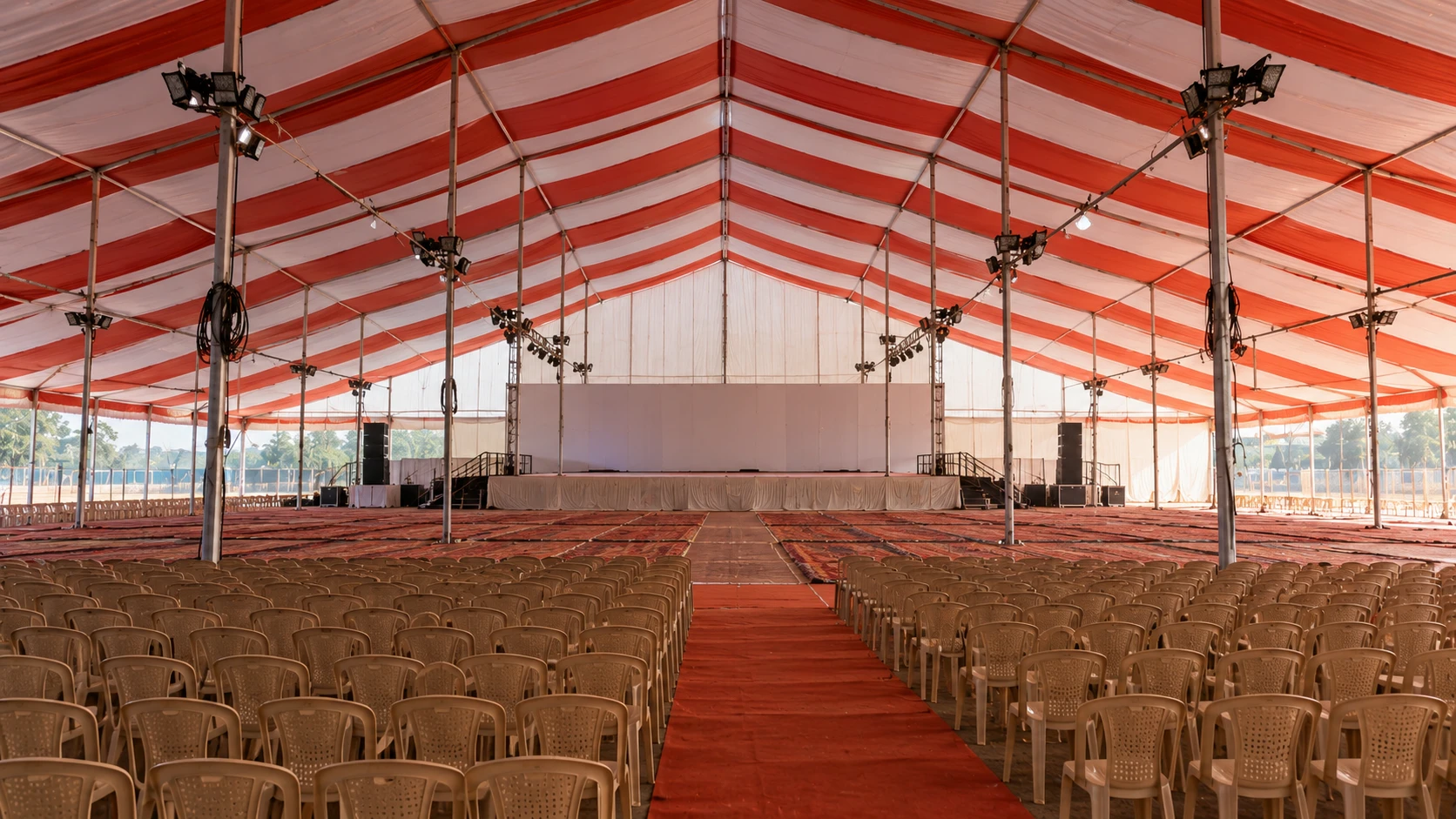
- Exits: at least two, at opposite ends, each 2.5 m wide or more (3 m for larger pandals). Doors open outwards and are never bolted while people are inside. Lit exit signs, and emergency lighting within 20 seconds of a power failure.
- Distance: no seat more than 15 m from an exit; 4.5 m clear on all sides from other buildings; the structure reachable by a fire engine.
- Cloth and decoration: ceiling not lower than 3 m. No decorative paper or synthetic material, no nylon rope, no halogen lamps. In our reading, plastic flowers, thermocol and synthetic drapes fall under that line.
- Wiring: by a licensed contractor, in PVC-sheathed or rubber cable, no twisted or taped joints, and no bulb within 15 cm of decoration or other combustible material.
- Fire kit: two water buckets for every 50 sq m, one 9-litre water extinguisher for every 100 sq m, and a carbon dioxide or ABC extinguisher at the switchgear, meter and stage.
- Kitchen: cooking totally separate from the main pandal, preferably in GI sheets.
- One responsible person on site who can organise evacuation and call the fire service, with the number displayed.
The Delhi Fire Service sheet gives smaller numbers in places (a 3 m margin, exits at least 1.5 m wide). Where the two differ, take the larger figure. We cannot tell how closely any tent contractor follows this, which is why the checks below matter.
Before you sit down: a one-minute check for guests
- Count the exits. Ask yourself which one you would use if the lights went out. A single narrow gate, or a gate with a decorated arch and a table of gifts in front, is a warning.
- Look up. A cloth ceiling with bulbs hanging close to it, or wires joined by twisting and taping, are things the standard does not allow.
- Find the generator. It should be outside, well away from the tent, with a barrier. If you will sleep at the venue or a relative’s house, ask where it runs at night.
- Find the kitchen and the cylinders. They belong behind a sheet wall, not along the cloth side.
- Find a bucket or an extinguisher. If there is none, mention it quietly to the host.
- Keep children and elders near an exit, away from the stage, the generator and the baraat’s cracker point.
If the pandal catches fire
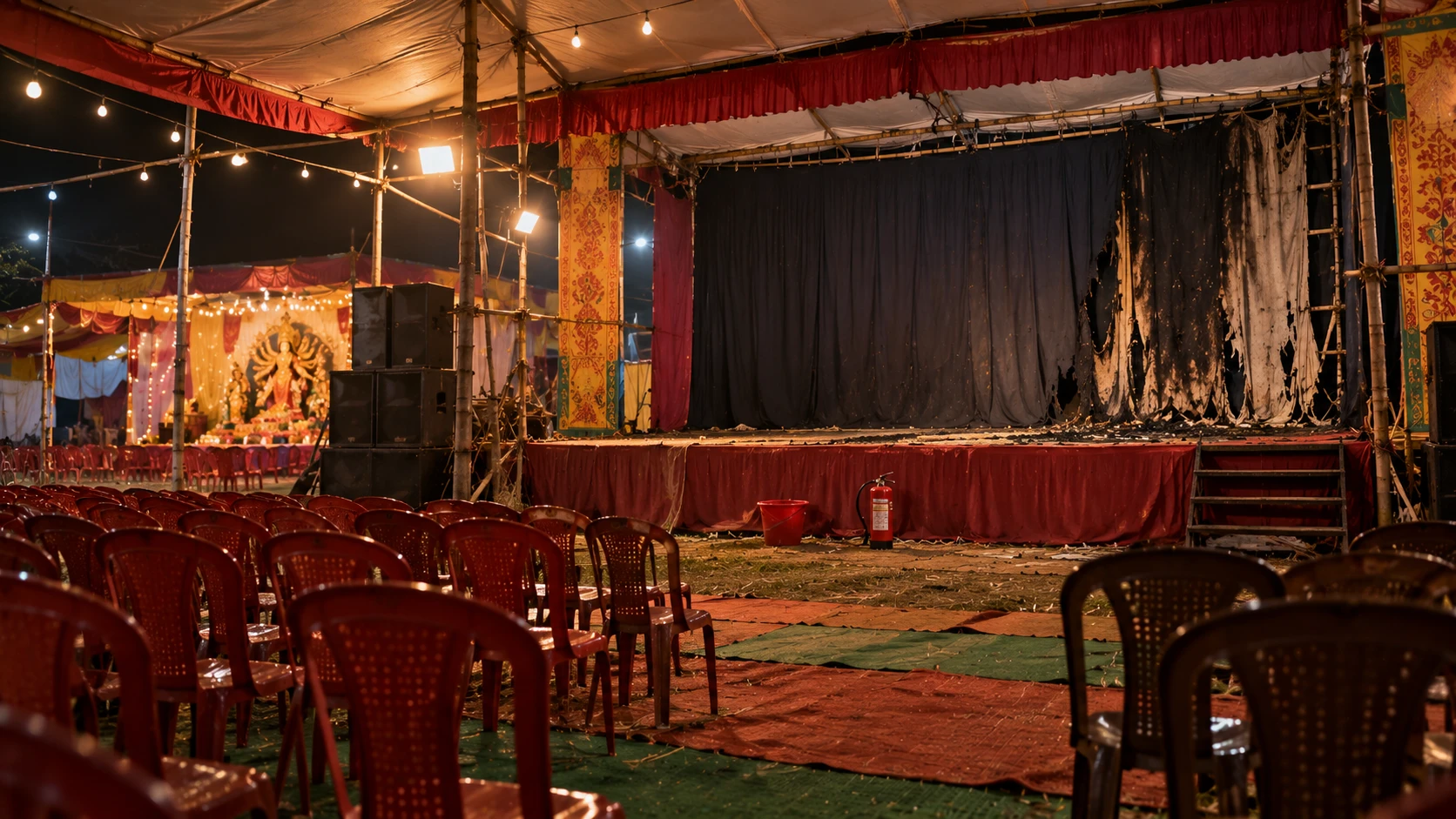
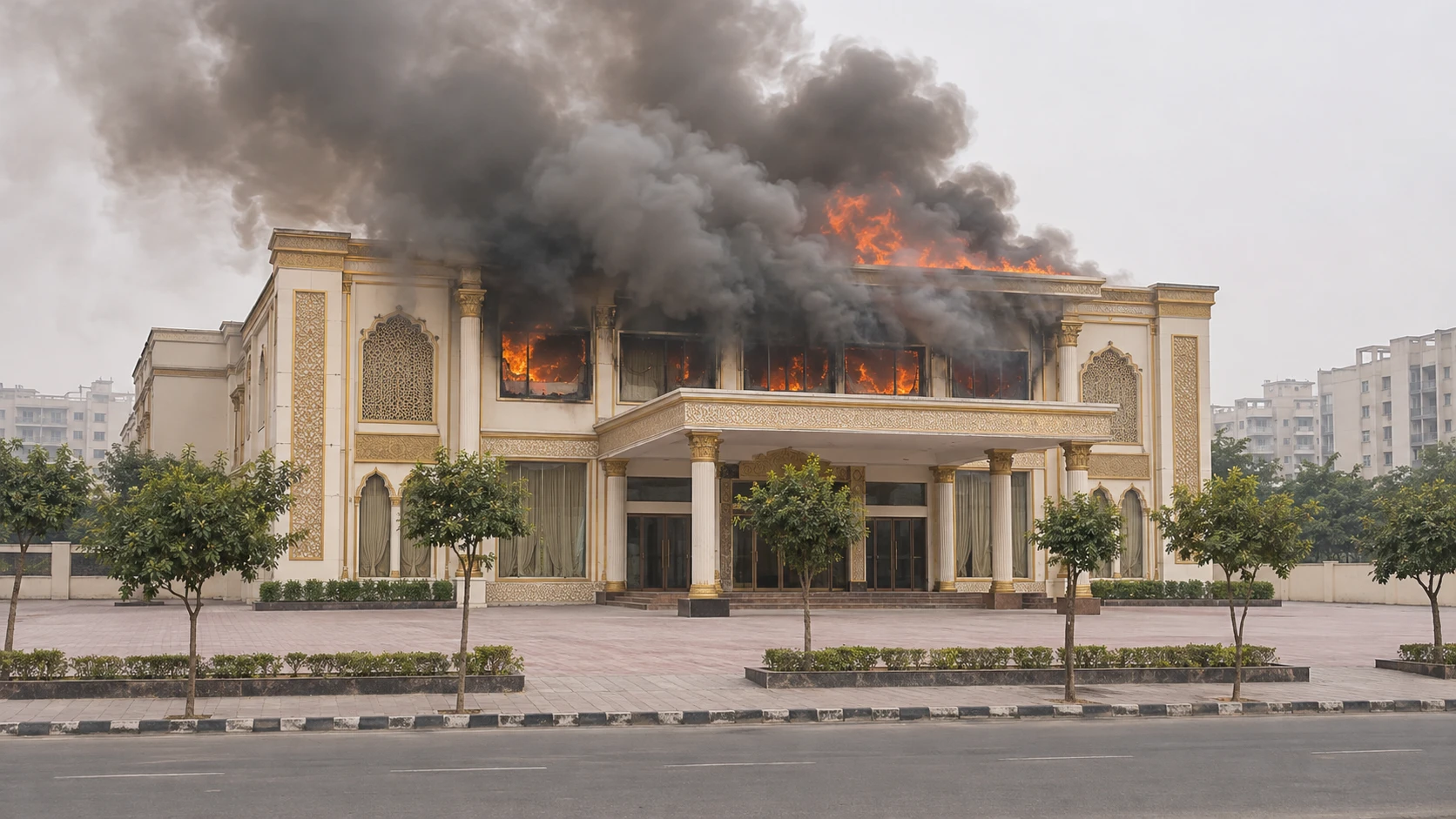
- Step 1. Go, do not film. Fabric and thin bamboo burn fast. The standard asks for materials that resist fire for at least 10 minutes or the full evacuation time, whichever is longer, which tells you how little time a pandal is designed to give you.
- Step 2. Use the nearest open exit and walk quickly. Do not push. The NDMA crowd guide lists a wild rush towards exits, a locked exit and reliance on one major exit among the causes of crowd disasters.
- Step 3. Take children and elders by the hand, and meet outside, away from the gate, so the exit does not jam and the fire engine can get in.
- Step 4. Call 101 for the fire brigade or 112, which brings police, fire and ambulance under one number (PIB). Give the venue’s name and a landmark, and say it is a pandal with a crowd.
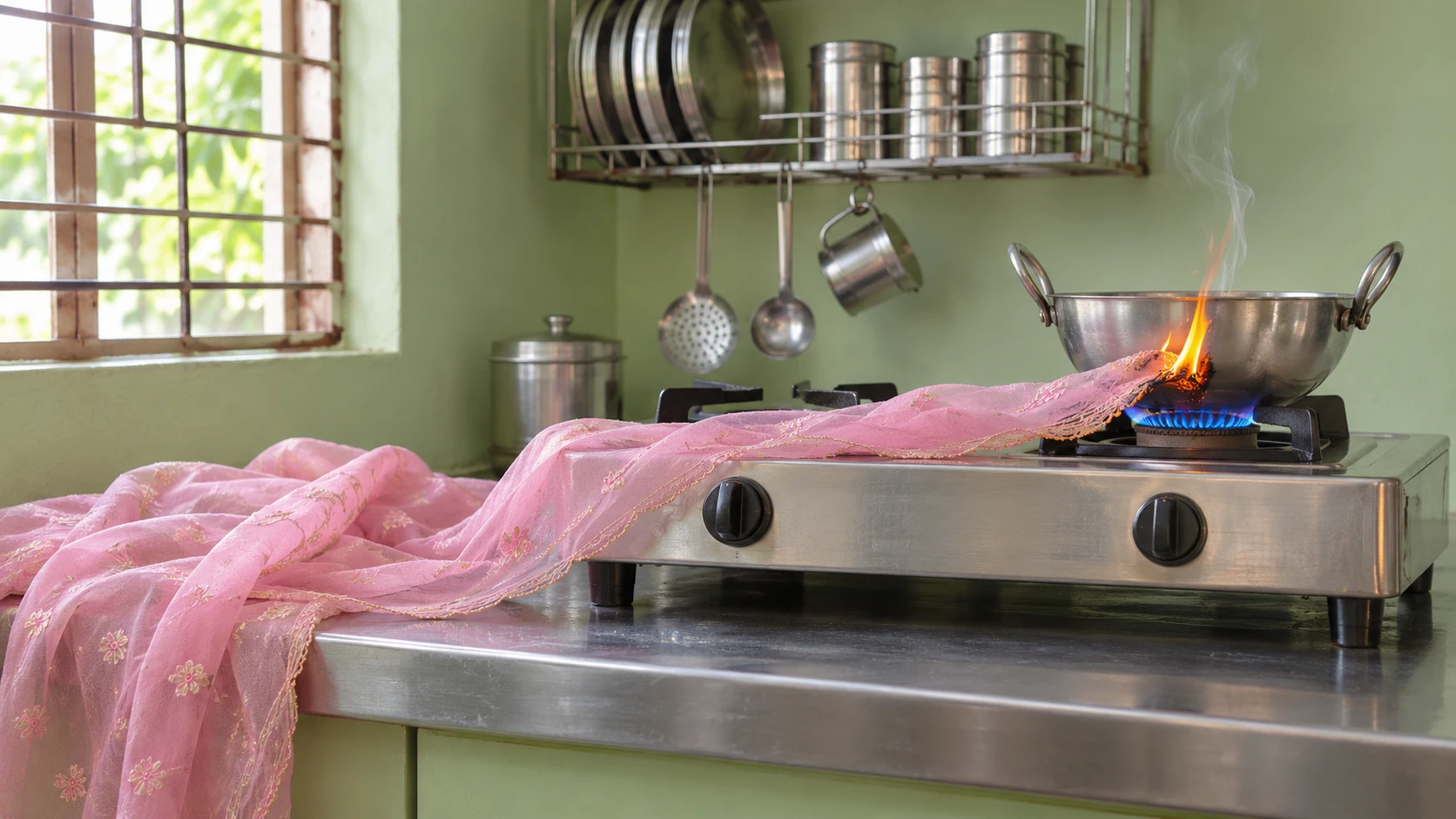
- Step 5. If clothes catch fire, stop, drop and roll, as in our page on clothes on fire. Silk and synthetic lehengas, sarees and dupattas burn quickly near diyas, sparklers and the havan.
- Step 6. Once outside, stay out. Do not go back for jewellery or gifts. Tell the fire crew if anyone is missing and where you last saw them.
Baraat crackers, sparklers and the stage
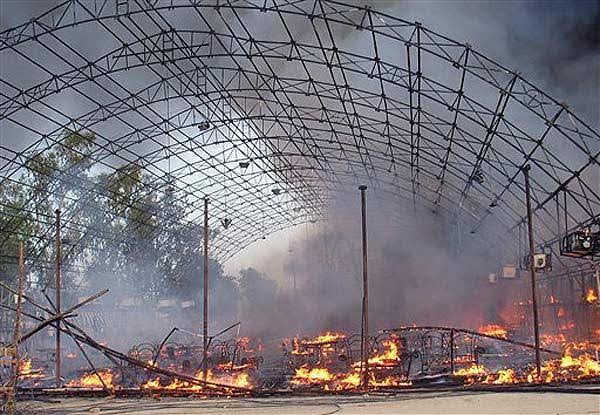
IS 8758 is blunt: no fireworks or open flame of any kind in a temporary structure or its immediate vicinity, apart from the small controlled fires of the ritual. The Delhi Fire Service sheet says the same, and the NDMA guide lists unauthorised fireworks in enclosed places among the causes of crowd disasters. In the Darbhanga pandal fire of April 2024, which killed six, eyewitnesses told the press that the pandal caught fire when firecrackers burst, and the police suspected flammable material inside made it spread. The cause was left to an inquiry ordered by the district magistrate.
- Keep the cracker point in the open, well away from the pandal, cars, cylinders and generator, with a bucket of water ready, as the Delhi Fire Service sheet suggests for fireworks.
- Guests should stand behind whoever lights them, never lean over a lit cracker, and keep children out of the baraat’s front row. Our pages on firecracker eye injury and burns and Diwali cracker safety have the first-aid steps.
- Sparklers, fountains and stage flames follow the same rule as any open flame near cloth: outside the structure.
Generators: the fire risk and the fumes
The fire risk. The NDMA guide lists a generator short circuit and a synthetic tent among the causes of crowd disasters, and asks organisers to keep the generator and distribution boxes in an isolated, fenced place away from the crowd, with fuel stored safely and labelled and cables across walkways covered. The Mandi Dabwali fire of 1995, which killed 446 people at a function in a marriage palace, began with a short circuit in a generator, according to the court record the guide reproduces. See our Mandi Dabwali case study.
The fumes. A generator on diesel, petrol or kerosene gives off carbon monoxide, which has no colour or smell and kills people who are asleep. We opened three Indian press reports of the same pattern at weddings, all several years old:
- Sundargarh, Odisha, February 2016: four died and two were critical after sleeping in a room of a house where the wedding’s generator was running. The village had no power connection.
- Kupwara, Kashmir, November 2016: one died and two were taken unconscious to hospital after sleeping in a room where a kerosene generator had run for many hours.
- Keonjhar, Odisha, December 2020: two died and two minors were critical after sleeping in a closed, windowless room while a generator ran during a power cut.
The US CDC says to keep a generator at least 20 feet (about 6 m) from any window, door or vent, never to run it in a home, garage or any enclosed structure, and that open doors or windows do not make indoor use safe. SKIMS, the Srinagar institute, advised in January 2025 to run generators only outdoors, away from windows, doors and vents. For a wedding, that means the generator outside, away from the sleeping areas and the kitchen, on a long cable, and never inside a store room to keep it safe from rain or theft. In our reading, tent flaps and the door of the sleeping room count as openings. The signs are headache, dizziness, nausea, weakness and confusion, and they ease in fresh air (NHS). If anyone wakes with a headache in a room near a generator, take everyone into the open air, call 112 or 108, and do not go back until you are told it is safe. Our pages on generators, geysers and angithis and portable generators and carbon monoxide have the full steps.
The kitchen and the cylinders
The caterer’s corner holds open flame, oil and gas under one roof. IS 8758 asks for cooking to be totally separate from the main pandal. The NDMA guide says only authorised vendors should cook, and that an event plan should list the vendors who use gas cylinders. The Delhi Fire Service sheet says LPG stoves belong on a raised platform, never on the floor, with the cylinder valve and burner knob turned off after cooking. As host, walk over and look: are cylinders upright and outside the tent, is there a bucket or extinguisher beside the stove, is any cloth wall close to the flame? Our page on an LPG gas leak covers what to do if you smell gas.
Crowd and exits
Mandi Dabwali is why the standard asks for two wide exits: about 1,500 people were in a pandal built for 500 to 600, with one main exit that proved too small for the rush. A wedding crowd is seated and looking at the stage, so nobody notices the exits. Keep gift tables, photographers’ stands, DJ speakers and the buffet line off the exit lanes, and do not let cars park across the fire engine’s way in. Have one calm person on the microphone who can say clearly which way to go; the NDMA guide asks for one competent person to control the public address system. For melas and larger pandals, see our guide to pandals, melas and festival crowds.
If you are the host or the family booking the venue
- For a banquet hall, lawn or auditorium, ask to see the fire NOC. The Delhi Fire Service sheet tells the public to book only premises with a valid one. A NOC is a paper, not a guarantee, but a venue with none is a poorer bet. Our page on the fire NOC in India explains what you can check.
- For a tent or pandal, ask the contractor in writing: who did the wiring, where the exits are and how wide, what the cloth is, where the kitchen and the generator will stand.
- Ask the fire service about standby cover. The Delhi Fire Service sheet says it gets frequent requests for cover at public and private functions and provides engines on payment, subject to availability. We did not check other states, so ask your local fire station.
- Name one person from the family or the planner who knows the exits, holds the fire number and the venue address, and can stop the music.
- Put the buckets and extinguishers where the standard says, and keep diesel cans away from both the generator and the cracker point.
What recent wedding fires and fume deaths show
- Darbhanga, Bihar, 25 April 2024: six dead in a wedding pandal fire; firecrackers and flammable material reported, inquiry ordered (Tribune).
- Zirakpur, Punjab, night of 2 November 2025: fire in one wedding venue spread to the next and destroyed the pandals at both; guests were taken out in time and no casualty was reported; a short circuit is believed to be the cause, and the police officer said the palaces lacked adequate fire-safety measures (Tribune).
- Shastri Park, Delhi, 17 June 2024: a marquee being put up for a marriage function was gutted; no one hurt, cause not determined (NewsDrum).
- Rohini, Delhi, 24 March 2022: a wedding pandal burned in the afternoon, 14 fire tenders; one minor injury, cause not known (ThePrint).
- Bhopal, February 2026: Patrika’s report, headlined as a fire at a wedding ceremony, describes a gas cylinder blast at a hotel and resort, with eyewitnesses speaking of flames of about 50 feet and no casualty; the short circuit idea is eyewitness speculation.
- Noida, 3 November 2026: fire in the false ceiling of a banquet hall; about 10 people trapped and rescued; our case study does not say it was a wedding, and the cause is under investigation.
The thread is plain: an electrical fault or a cracker, a roof of cloth, and a crowd that needs clear exits. The fume deaths are a separate lesson and the cheapest to fix. These are press reports collected by us, not a count of wedding incidents in India.
What not to do
- Do not light crackers or sparklers under or beside the pandal.
- Do not put a generator in a room, store or tent where people sleep, even with the door open.
- Do not lock, tie or block a gate, or stand in the exit.
- Do not leave cylinders along the cloth wall or a stove on the floor.
- Do not stay to film or save a bag when the cloth is burning.
Do these today
- Save 101 and 112 on your phone. Our page on the fire brigade number says what to tell the operator.
- Hosting: send the contractor and caterer the questions above before the date.
- Attending: count the exits when you arrive.
- If someone will sleep near a generator, move one or the other tonight.
- Read our night driving plan for returning from a function, since the road home is the other big risk of wedding season.
What we could not confirm
IS 8758:2013 was read in a public copy on the Internet Archive, and we did not check whether BIS has revised it since. The standard has no clause on generators or carbon monoxide, so that advice rests on the NDMA guide, the CDC and NHS (both foreign) and a SKIMS advisory as reported in the press. We found no Indian official guidance on wedding crackers beyond the two fire-service points above, and we did not check city orders on crackers, noise or gunfire, which differ by place. The press reports are not official findings and several causes are not established. The three fume cases are old, and we did not find a recent Indian wedding one. The date of Dev Uthani Ekadashi comes from one panchang site; follow your family’s priest for the muhurat. We did not watch the videos in full. This page is general information.
What needs attention
- IS 8758:2013 applies to temporary structures for private functions as well as public ones, and sets out exits, cloth, wiring, kitchen, fire-kit and responsible-person rules.
- The NDMA guide lists a generator short circuit, a synthetic tent, locked exits, reliance on one exit and unauthorised fireworks among the causes of crowd disasters.
- Three Indian press reports of 2016 to 2020 describe wedding guests overcome by generator fumes while sleeping in a room with the generator running.
- The wedding fires reported since 2022 mostly ended without casualties; the Darbhanga fire of April 2024 killed six, with firecrackers and flammable material reported.
- We found no Indian official guidance on wedding crackers or generator fumes beyond the standards and fire-service sheets quoted.
Controls that reduce risk
- Count the exits when you arrive.
- Ask the contractor about wiring, exits, cloth, kitchen and generator before the date.
- Keep the generator outdoors and away from sleeping areas.
- Keep crackers and sparklers well away from the pandal.
- Name one responsible person with the fire number and the venue address.
Common unsafe practices
- Lighting crackers, sparklers or stage flames under or beside the pandal.
- Running a generator in a room, store or tent where people sleep.
- Putting cylinders along the cloth wall or a stove on the floor.
- Locking, tying or blocking a gate, or placing gift tables in the exit lane.
- Staying to film or collect belongings when the cloth is burning.
- Never counting the exits until the lights go out.


Leave a comment