
What happened here
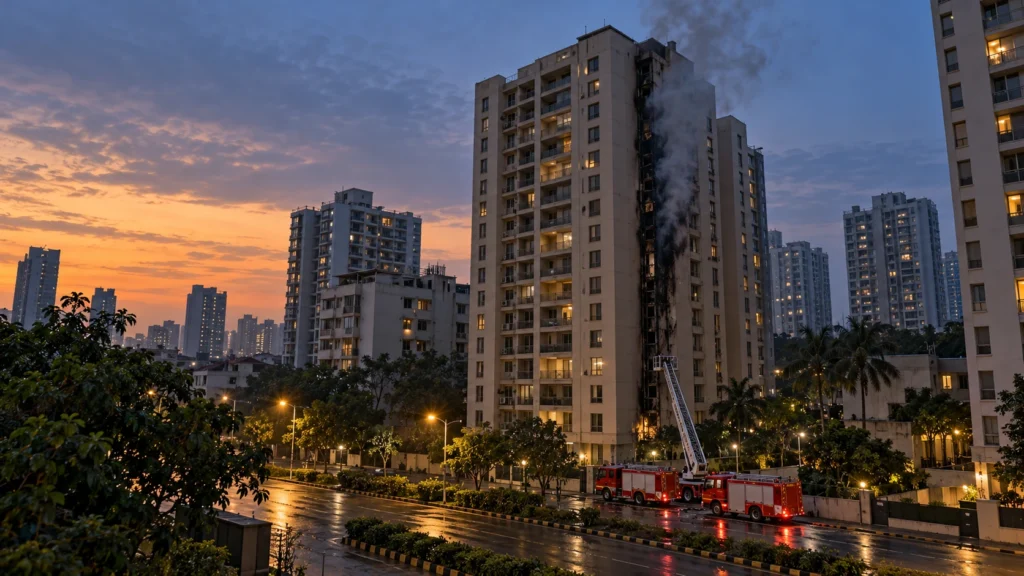
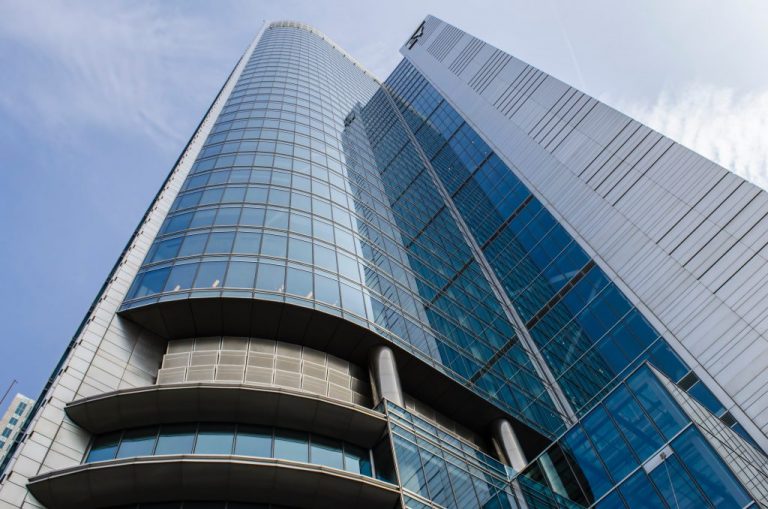
A fire in the electrical duct of a 13-storey residential tower at Kohinoor HDIL, Kurla West, Mumbai, on the morning of 20 October 2026 hurt nine people, eight of them by smoke, including three minors. All were reported stable and nobody died. The fire brigade put it out in 28 minutes. The cause is not yet known.
Quick answers
What happened in Kurla on 20 October 2026?
A fire broke out in an electrical duct of a 13-storey residential tower, Kohinoor HDIL Building No. 5 in Kurla West, Mumbai, at about 6.53 am. It was out by 7.21 am. Nine people were hurt, mostly by smoke.
Did anyone die?
No death was reported. Nine people were taken to Rajawadi Hospital and all were reported stable.
How many children were hurt?
Three of the nine injured are minors, aged 5, 14 and 17 according to the hospital ages in press reports.
What caused the fire?
Not established. Officials said it was confined to electrical wiring, duct installations and iron doors on various floors, but no cause has been announced.
Which building was it?
BMC and most outlets say Building No. 5 near Kohinoor School. The Times of India said Building No. 6 near Kohinoor Hospital and placed the fire on the 12th floor.
Why is smoke so dangerous in a tall building?
Ducts and shafts can carry smoke up through every floor. Smoke can cause harm long before flames reach you, so leave by clear stairs or stay sealed in your flat, and do not use the lift.
What happened
On the morning of Tuesday, 20 October 2026, a fire broke out in the electrical duct of a 13-storey residential tower in Kurla West, Mumbai. The Brihanmumbai Municipal Corporation (BMC), quoted by The Hindu, Mid-Day and Free Press Journal, placed it at Building No. 5 of Kohinoor HDIL, near Kohinoor School. The call reached the Mumbai Fire Brigade at 6.53 am and the fire was put out at 7.21 am, 28 minutes later. Nine residents were hurt, but nobody died. All nine were reported stable.
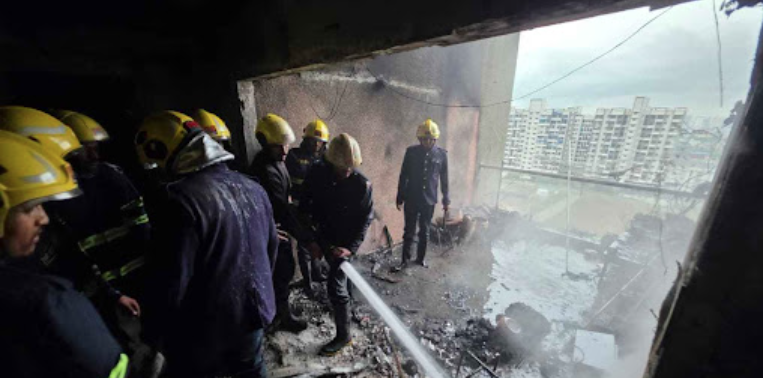
The brigade’s 10.40 am update, as carried by Mid-Day and Free Press Journal, said the fire was confined to electrical wiring, installations inside an electrical duct and iron doors on various floors of the ground-plus-12-storey building. PTI, in the Economic Times and Rediff versions, said flames spread along the wiring and duct installations while thick smoke engulfed the structure. That is the part worth pausing on. The flames stayed inside the duct, but the smoke did not.
One report differs. The Times of India named Building No. 6 near Kohinoor Hospital and said the brigade placed the fire on the 12th floor. Every other outlet we read says Building No. 5 near Kohinoor School and mentions fire damage on several floors. We have used the BMC version and flag the difference here. No report we found says on which floor the duct fire began.
The people
Eight people suffered smoke inhalation and one man, aged 55, injured his right leg (Times of India, Mid-Day). All nine were taken to Rajawadi Hospital, where the medical officer, Dr Varma, confirmed, as Free Press Journal and Lokmat Times reported, that all were admitted and stable. Three of the injured are minors, aged 5, 14 and 17 by the ages the hospital gave; the others range from 18 to 65. We are not naming any of them. Reports do not say how residents got out of the building, whether the stairs were clear, or whether anyone had to be carried down or brought out by ladder.
Response and investigation
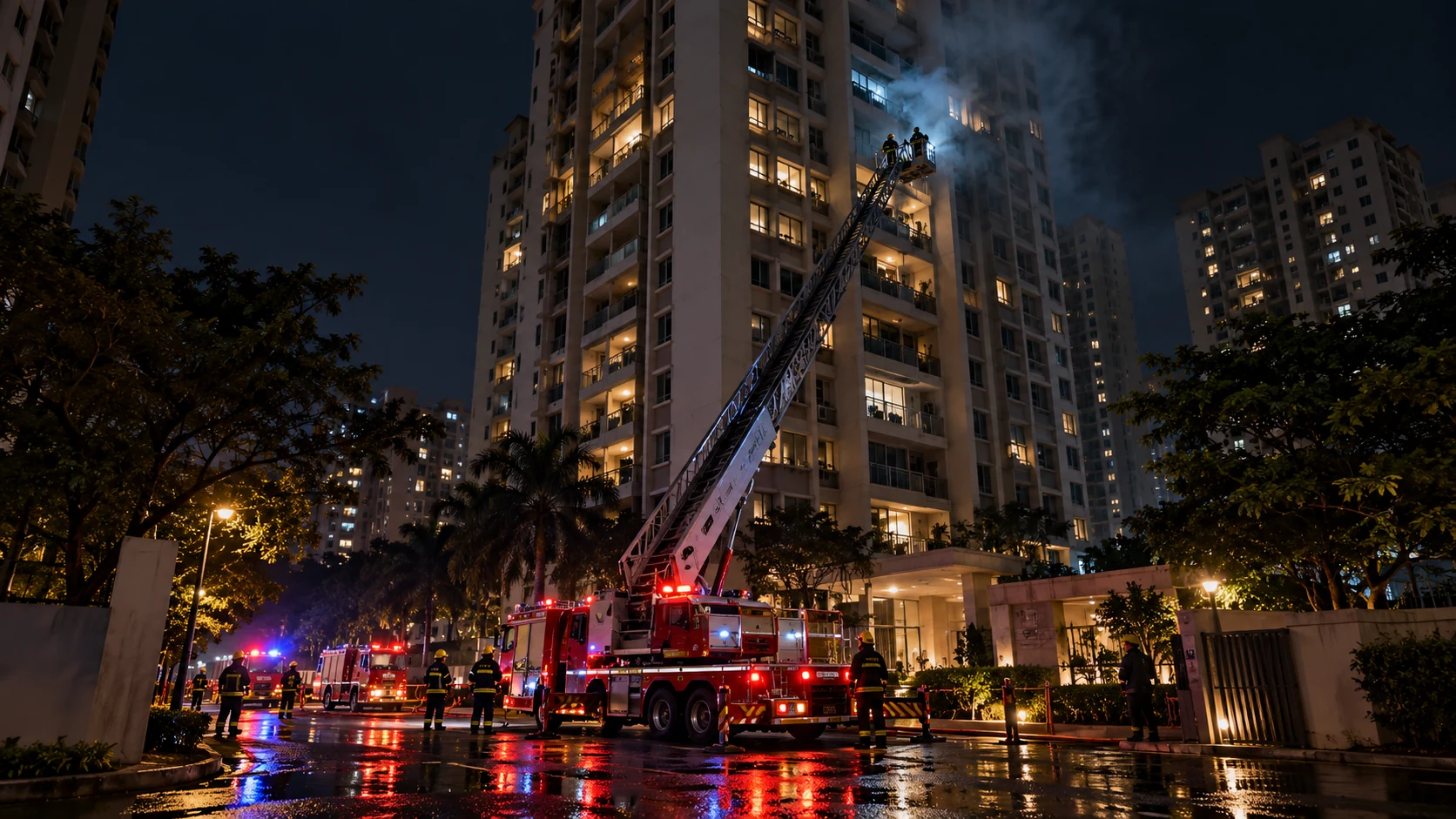
The Mumbai Fire Brigade, Mumbai Police, power company personnel (Adani Electricity per Lokmat Times and Free Press Journal), a 108 ambulance team and BMC ward staff were sent to the spot. Reports do not give the level of the fire, the number of fire engines, or whether breathing-apparatus sets or ladders were used. The cause has not been established. We found no report on whether the building had a fire NOC, whether its alarm, sprinklers or fire doors worked, whether the shafts were sealed at each floor, or what BMC or the housing society plan to do next.
Why this matters
This is not the first duct fire in the neighbourhood. On 15 February 2023 a fire in Building 7-C of the Kohinoor City complex in Kurla West killed a 70-year-old woman, and many residents were stranded on upper floors with pocket fires on the 4th to 10th floors (The News Minute, citing BMC Disaster Control). In mid-September 2023, a fire after midnight in a 12-floor slum rehabilitation building opposite Kohinoor Hospital sent 43 people to Rajawadi Hospital with suffocation; Deccan Herald said it was confined to wiring, electrical installations and scrap in the electrical duct. These are separate buildings, and we do not claim they share a cause. But the pattern repeats: a fire that stays inside a service duct, and smoke that reaches families who never saw a flame.
A vertical duct or shaft works like a chimney. Heat and smoke rise through it from floor to floor, and any opening into a lobby or flat, such as an unsealed cable gap, a loose inspection door or a damaged iron panel, lets smoke into places people are asleep or getting ready for the day. At 6.53 am many residents were at home, and the youngest injured was five years old. Smoke is what hurt people in this case, as it often does in towers. Our guide to high-rise fire safety explains how it travels.
Another recent tower fire shows the same risk from a different angle. In the Nalasopara Imperial Heights fire on 14 October 2026, reports raised questions about the building’s fire alarm. In Kurla, no deaths were reported, and that should not make anyone relax. A morning with nine hospital admissions is a warning.
National figures give the wider picture. NCRB recorded 639 accidental fire deaths in Maharashtra in 2024, of which 103 were put down to electrical short circuits, out of 5,888 across India. This fire is not in that count, and its own cause is not yet known.
Lessons for residents and societies
- Treat service ducts and shafts as fire routes. Electrical, plumbing and cable shafts should be closed with fire-rated doors, and every cable or pipe passing through a floor should be sealed with fire-stop material. Ask your society whether this was ever checked. A duct door left open or a floor opening left bare turns a small wiring fire into a building-wide smoke problem.
- Keep ducts clear. Cables, boxes and old wiring should be neat, and no scrap, boxes, or broken electrical items should be stored in a shaft or duct. Report sparking, burning smells or warm duct doors to the secretary and the electricity company at once.
- Check fire doors and shaft doors. Hollow iron doors with gaps do not hold smoke. Our note on fire door ratings explains what to look for.
- Get the society’s fire audit done and read it. Under the Maharashtra Fire Prevention and Life Safety Measures Rules, 2009, a licensed agency certificate on the upkeep of fire systems (Form B) is due twice a year, in January and July. Ask to see the latest one, and ask whether the alarm, hydrants, sprinklers and pressurisation, where fitted, were actually tested.
- Run a drill. In a 13-storey building, a quiet morning drill shows which stairs are clear, whether the terrace door opens and whether the alarm sounds on every floor.
If smoke fills your building
- Smoke is the danger, not just flames. It can reach you long before fire does, and a few breaths of thick smoke can make a child or an older person collapse. Do not wait to see flames.
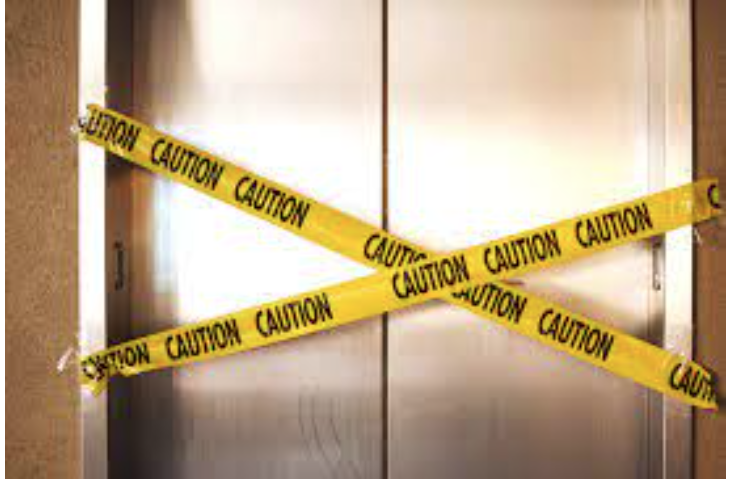
- Do not use the lift. Power can fail and the shaft can fill with smoke. Our lift guide explains why.
- Feel the door before you open it. If the stairwell is clear, leave calmly by the stairs and close doors behind you. If the lobby or stairs are full of smoke, do not push through. Stay in your flat, keep the door closed, and call 101 or 112.
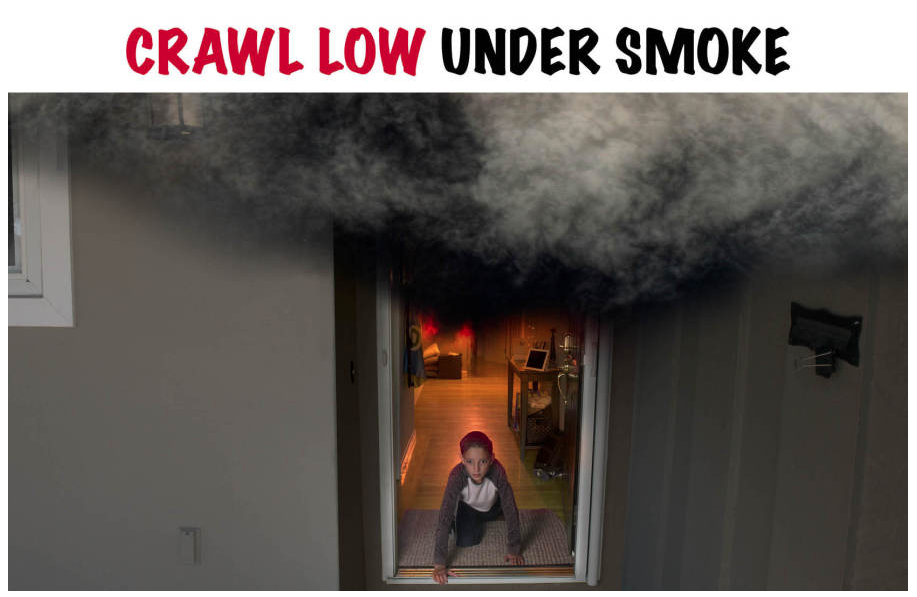
- Stay low. Cleaner air is near the floor. Cover your nose and mouth with a wet cloth.
- Block the gap. Push wet towels or cloth into the gap under the door and around the frame. Seal any vent, or shaft opening inside your flat with wet cloth or tape if smoke is coming through it.
- Tell the fire brigade where you are. Go to a window or balcony away from smoke and call out or wave a cloth. Give your floor and flat number on the phone. Our guide to escaping a smoke-filled room has more.
- Get checked. If you breathed smoke, see a doctor even if you feel fine. Cough, breathlessness, a hoarse voice or drowsiness can come on later. Mumbai Fire Brigade control is 022-23083239.
What is still not known
The cause of the fire, the floor where it began, whether the building had a valid fire NOC and recent fire audit, whether the alarm and fire doors worked, how the residents came down, how many fire engines were sent, and any BMC or society action have not been reported. The Times of India and the other outlets differ on the building number. We found no report dated 21 October. We will update this page when the brigade or BMC release findings.
More on Mumbai: see our Mumbai fire and emergency safety guide for fire brigade numbers, every fire station and the local risks to know.
- Fire reported to the Mumbai Fire Brigade at Kohinoor HDIL Building No. 5, Kurla West
- Flames spread along wiring and duct installations; thick smoke fills the building (PTI); nine people taken to Rajawadi Hospital
- Fire extinguished, 28 minutes after the call
- Brigade update: fire confined to wiring, duct installations and iron doors on various floors
- Hospital clarifies eight patients had smoke complications and one a leg injury; all stable
- No report dated 21 October found on cause, fire NOC, alarm status or civic action
Why consequences escalated
- A fire inside an electrical duct filled a 13-storey tower with smoke and hurt nine residents.
- Eight were treated for smoke inhalation, three of the nine are minors, and all were stable.
- The fire brigade put the fire out 28 minutes after the call.
- No cause has been announced.
Failures and risk multipliers
- The cause has not been established and the floor where the duct fire began is not reported.
- Whether the alarm, fire doors, sprinklers and shaft sealing worked has not been reported.
- Whether the building had a valid fire NOC and a recent fire audit has not been reported.
- How residents escaped, and whether the stairs stayed clear of smoke, has not been reported.
Actions that reduce risk
- Societies: keep electrical ducts and shafts clear, with fire-rated doors and fire-stopped floor openings.
- Societies: get the licensed-agency fire certificate (Form B) twice a year and share it with residents.
- Residents: report sparking, burning smells or warm duct doors at once.
- Residents: if smoke enters, stay low, avoid lifts and stairs full of smoke, seal door gaps with wet cloth and call 101 or 112.
- Authorities: publish the cause and the building's fire-safety status so other societies can learn.
Leave a comment