
Quick answers
Can I sleep with a room heater on?
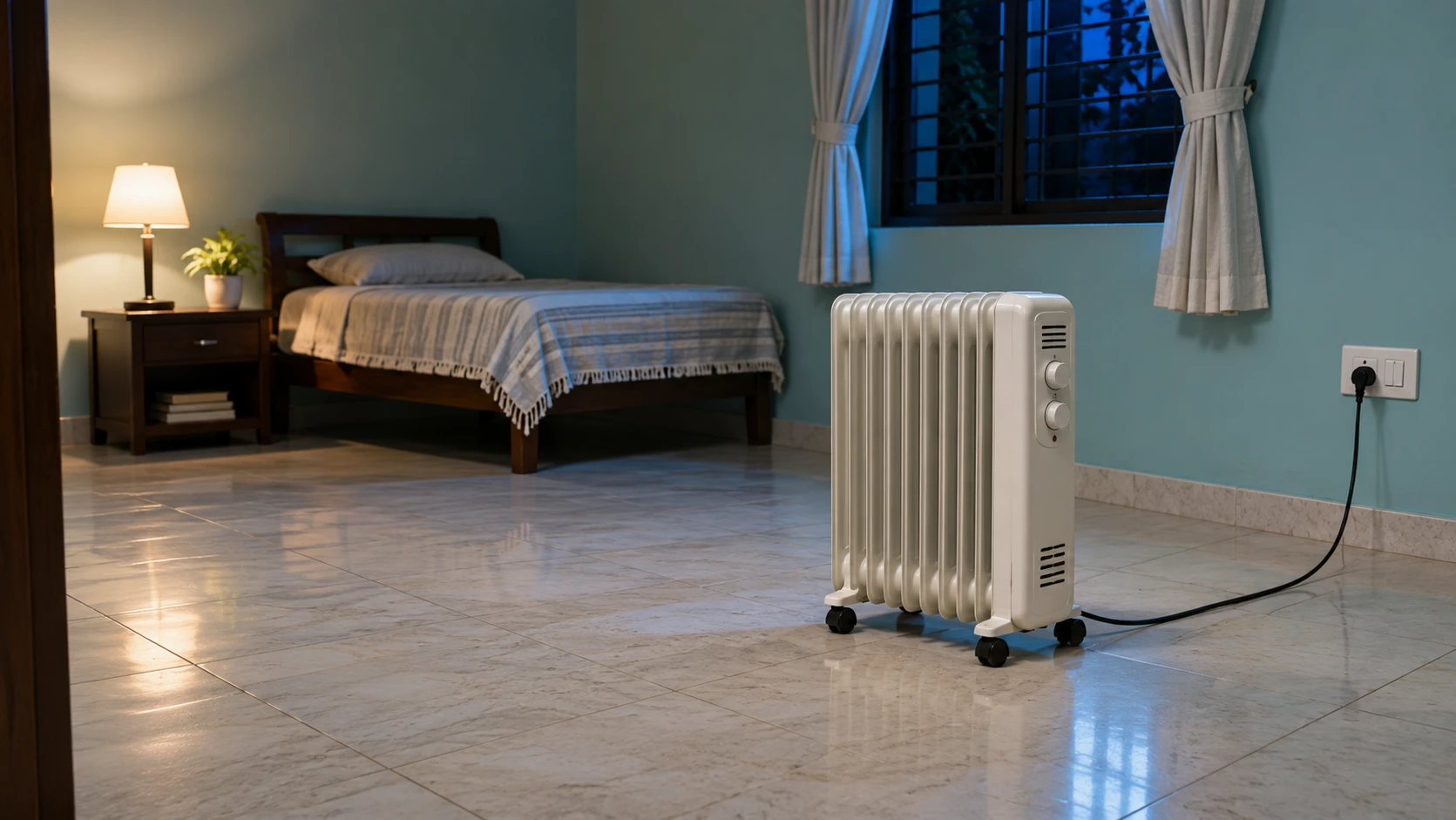
Fire services say no. The US Fire Administration says to turn space heaters off when you go to bed, and the Srinagar fire officer said to switch them off or unplug them before you sleep. If you use anything with a flame, such as an LPG heater or an angithi, the danger is also carbon monoxide, so never sleep with it burning.
How far should a room heater be from the bed and curtains?
Keep everything that can burn at least about one metre away. The US Fire Administration says 3 feet, which is a little under a metre. The sources reviewed give no Indian official distance, so this page uses one metre because it is easy to measure.
Is it safe to plug a room heater into an extension board?
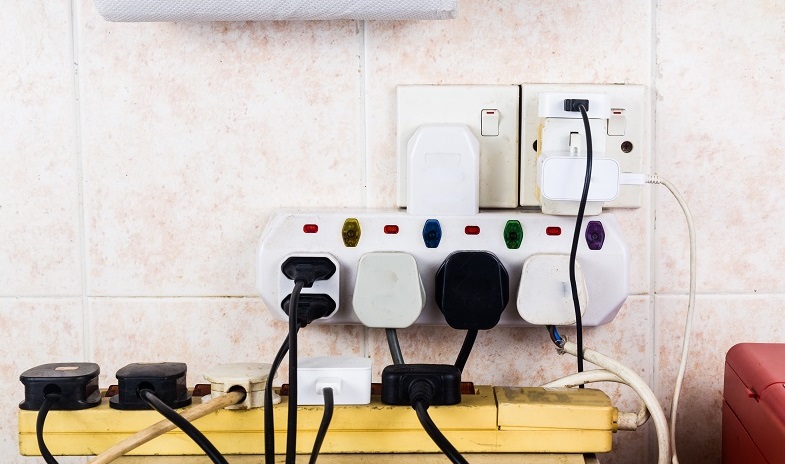
It is better not to. The Delhi Fire Service says to use one socket for one appliance, and a heater draws a lot of current, about 8.7 amps for 2,000 watts at 230 volts by our arithmetic. Plug it into a wall socket that is in good condition, and keep other heavy appliances off that socket.
Does an electric room heater cause carbon monoxide?
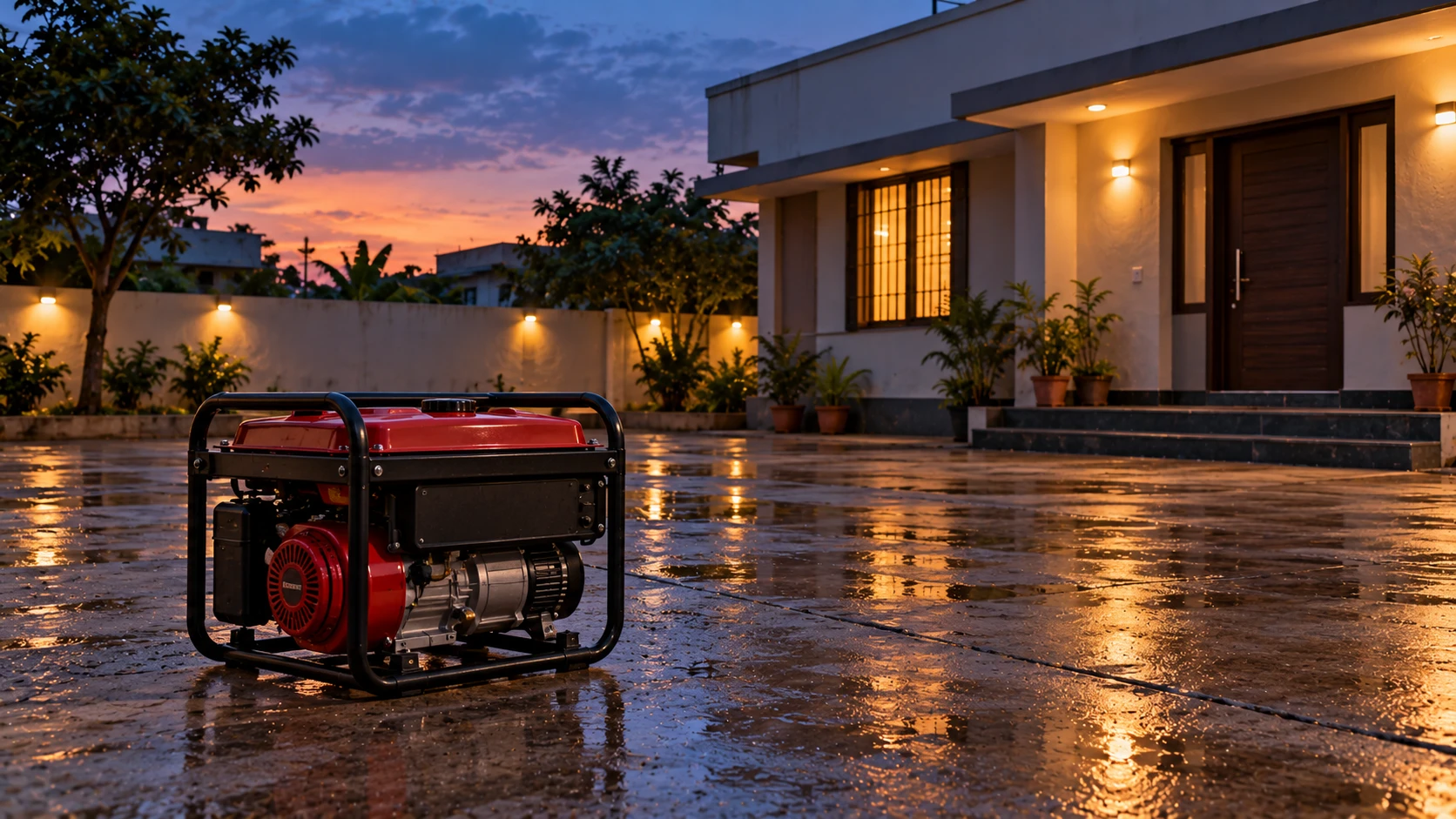
A heater with only an electric element does not burn fuel, so it does not make carbon monoxide. Carbon monoxide comes from burning fuel, as in gas or LPG heaters, kerosene stoves, angithis and sigris, and generators. The fire risk from an electric heater is real, though, which is why distance and wiring matter.
Can I use a gas heater, angithi or sigri in a closed room?
No. The IMD, the NDMA's 2021 cold wave guidelines and the National Centre for Disease Control all warn about ventilation and carbon monoxide with fuel-burning heaters and charcoal or wood in a closed room. Never use them while sleeping.
How do I check that a room heater is ISI-marked and safe?
Look for the ISI mark on the heater and its rating plate, and ask the seller for the bill. The BIS standard for room heaters is IS 302 (Part 2/Sec 30). Also check that the heater carries a 'Do not cover' warning and has an undamaged cord and plug. A mark is a starting point and not a guarantee, so inspect it each season.
The MCB trips when I switch the heater on. What should I do?
Stop using the heater on that socket. A trip means the circuit is carrying more than it was built for, or there is a fault in the heater or wiring. Do not bypass the breaker. Try the heater alone on a different circuit only if an electrician says it is fit, and have the wiring checked.
Can I dry clothes on a room heater?
No. An ordinary room heater must carry a 'Do not cover' warning under the BIS standard because covering it can make it overheat. Heaters designed to dry clothes are among the few exceptions to that marking. Dry clothes away from your heater.
Which is safer, a blower, an oil-filled radiator or a rod heater?
The sources reviewed give no official Indian ranking. All of them fall under the same BIS room heater standard, and the same rules apply: ISI mark, a clear metre around it, a direct wall socket, and off when you leave or sleep.
The first cold mornings have reached north and central India, and in many homes the room heater has come out of the cupboard. Most of us plug it in and forget it. A fire officer in Srinagar told the press that fire cases rise sharply in winter, and that the root cause is the excessive and sometimes careless use of heating devices. That is Kashmir, but the habits are the same in a flat in Delhi, Lucknow or Pune. This page is a plain checklist for blower heaters, fan heaters, oil-filled radiators and rod heaters, with a separate section for anything that burns fuel, because that is a different danger. Checked 4 November 2026.
In short
- Keep a metre clear. Nothing that can burn, such as curtains, bedding, clothes, newspapers or a spray can, within about one metre of the heater. The US Fire Administration says 3 feet, which is a little under a metre.
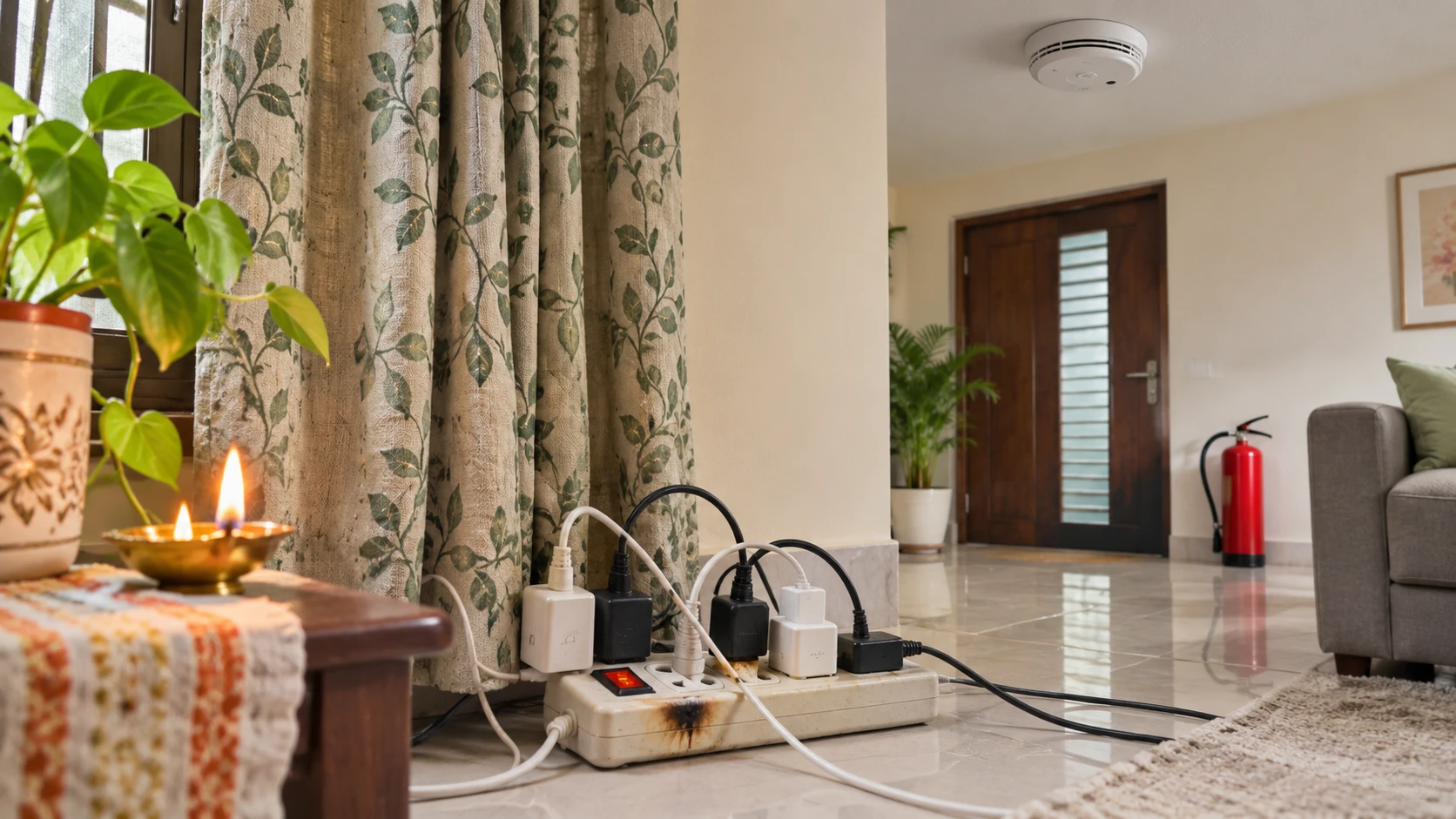
- Plug it straight into a wall socket and nothing else into that socket. The Delhi Fire Service sheet says one socket for one appliance. A heater and an extension board are a poor match.
- Switch it off when you leave the room and before you sleep. Fire officers say the same, and the India Meteorological Department’s cold wave advice is to turn heaters off when not needed.
- Buy an ISI-marked heater and read the ‘Do not cover’ warning. Replace a cord or plug that is damaged.
- A flame is a different matter. A gas or LPG heater, an angithi, a sigri or a kerosene stove gives off carbon monoxide. Never run one in a closed room, and never while you sleep. A plain electric heater does not burn fuel, so it does not make carbon monoxide.
- If it catches fire, cut the power if you can do it safely, do not throw water, get out and dial 101.
Where to put it
The US Fire Administration’s advice is simple: keep anything that can burn at least 3 feet away from every heat source, and turn space heaters off when you leave the room or go to bed. We use one metre, which is easier to picture. The Delhi Fire Service’s residential precautions say papers, clothes and flammable liquids should be kept away from heaters, stoves and open choolahs, and that a spray can should never be left on or near a heater.
The numbers behind this come from the United States, where the data is kept. FEMA’s heater safety video says portable heater fires peak in January, most start because the heater is too close to something that burns, and 38 per cent of them begin in bedrooms, with bedding the first thing to catch. No Indian figure that separates heater fires from other fires was found in the sources reviewed, so please read those percentages as a warning about habits and not as an Indian statistic.
- Put it on a flat, hard floor, not on a bed, a sofa or deep carpet. This is our advice, not a quoted rule.
- Do not drape anything over it. The BIS standard for room heaters, IS 302 (Part 2/Sec 30), makes most heaters carry the words ‘Do not cover’ and a warning that covering one can overheat it. The few exceptions include heaters made to dry clothes, so an ordinary heater is not a clothes airer.
- The same standard tells makers to say the heater must not sit directly below a socket outlet, and must not be used in the immediate surroundings of a bath or shower. Keep it out of the bathroom.
- Children and older people: the Delhi Fire Service says never leave children alone near an open fire, heater or kitchen, and put a screen so that a child cannot crawl onto or touch the hot parts. The BIS standard itself says it does not cover use by young children or infirm persons without supervision.
What it plugs into
A heater is one of the heaviest loads in a home, so the wiring matters as much as the heater. The Delhi Fire Service’s electrical do’s and don’ts are worth following to the letter: use ISI-certified appliances, one socket for one appliance, replace broken plugs and switches, keep wires away from hot and wet surfaces, do not run wires under carpets, mats or doorways, and do not let cords dangle. Fuses and circuit breakers should match the rating of the circuit.
A little arithmetic helps. Divide the heater’s watts by the supply voltage to get the current. At 230 volts, a 1,000 watt heater draws about 4.3 amps and a 2,000 watt heater about 8.7 amps. That is our own calculation, so check the rating plate on your heater. Thin old wiring, or an extension board that already runs an AC, a geyser and an iron with a heater added on top, can overheat in a place you cannot see. The Srinagar fire officer asked families to have an electrical audit done at home and to use ISI-marked circuit breakers and wiring. Our pages on how a short circuit starts a fire and on MCB versus RCCB (see the related cards below) explain the warning signs.
- If the MCB trips each time you switch the heater on, it is doing its job. Do not tape it down or swap it for a bigger one. Call an electrician.
- If the plug or socket feels warm, smells of burning or has black marks, stop using it and get it checked before the next cold night.
Switch it off: when you leave and when you sleep
The US Fire Administration says to turn space heaters off when you leave the room or go to bed. The Srinagar officer said the same in plainer words: switch them off or unplug them before going to sleep or leaving the house. The India Meteorological Department’s cold wave FAQ, which draws on the NDMA’s guidelines, lists ‘turn heaters off when not needed’ and ‘ensure heaters are regularly serviced’ among its carbon monoxide precautions.
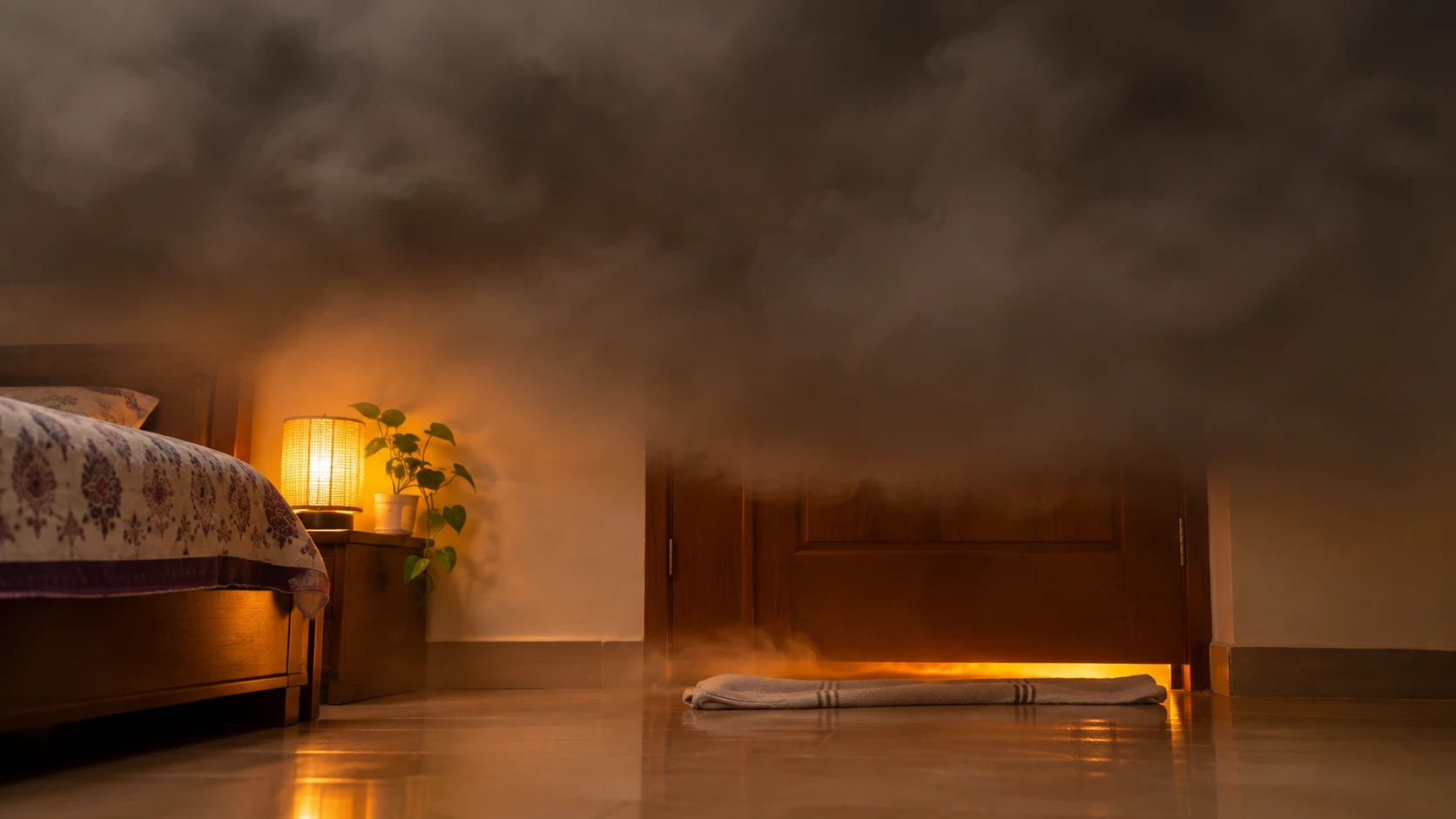
If the room is too cold to sleep, the answer is warmer clothing and bedding. The IMD’s advice for cold waves is several loose, light, windproof woollen layers rather than one heavy one, a cap and muffler, and hot drinks, and it says not to drink alcohol because it lowers body temperature. Keep the bedroom door closed at night, as in our home fire escape plan, because a closed door holds back smoke if something does go wrong.
Gas, LPG, kerosene, angithi and sigri: when the danger is the air
Carbon monoxide is a colourless, odourless, tasteless gas that comes from incomplete burning of fuel in engines, stoves and heaters, according to the IMD. In a closed room it builds up. The NDMA’s 2021 cold wave guidelines say open fire pots may add to carbon monoxide poisoning and that there are many instances of lives lost in a closed room. The National Centre for Disease Control says to avoid burning wood or charcoal in an anghiti in closed, confined conditions, because it can be fatal. The Srinagar officer warned that LPG heaters can use up the oxygen and give off toxic gas, that many casualties are from suffocation, and that they must never be used while sleeping.
- The signs the IMD lists: headache, dizziness, weakness, ringing in the ears, nausea, drowsiness, and sometimes bright red lips or eyelids.
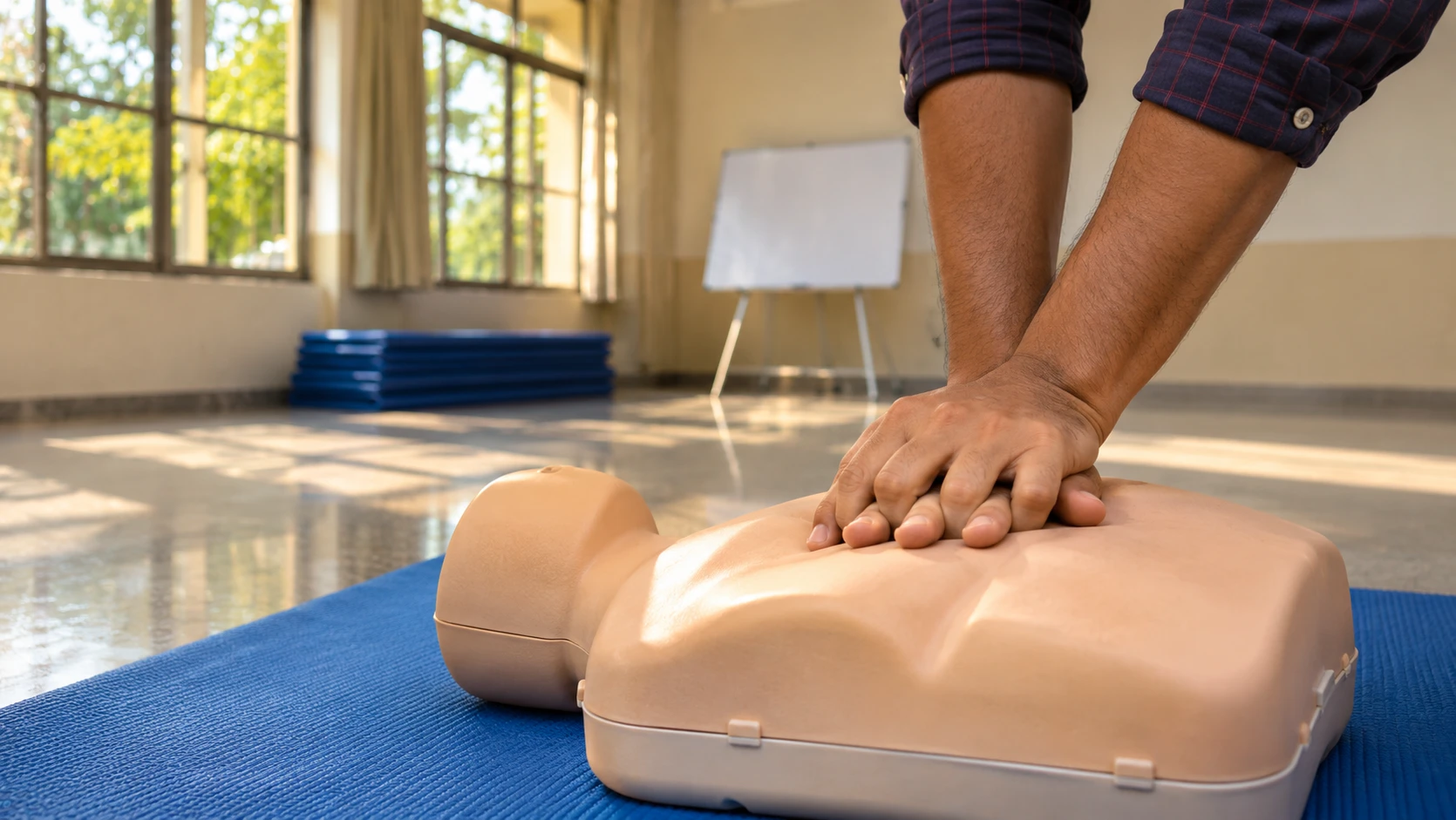
- What it says to do: move the person to fresh air at once and get medical help. If they are not breathing, call 112 or 108 and start CPR (see our hands-only CPR card below).
- Keep a window or ventilator open if you must use anything with a flame, and never leave it burning overnight. Our page on carbon monoxide from generators, geysers and angithis has the longer checklist, and the generator page covers power cuts.
- A smoke alarm does not warn you about carbon monoxide. If you have a gas or fuel-burning appliance in the house, a separate carbon monoxide alarm is worth fitting near the bedrooms.
Electric blankets, hot-water bottles and kangri
The Srinagar fire officer warned against the practice of using an electric blanket along with a hot-water bottle, said lives have been lost to it, and advised people not to use electric blankets. He also asked families to keep a kangri in a safe place at night and to store dry grass and firewood away from living areas, especially attics. The sources reviewed include no Bureau of Indian Standards rule or national fire-service statement on electric blankets, so his advice is reported as his. If you own one, our minimum is the same as for a heater: a certified product, an undamaged cord, and no hot-water bottle with it. Burn first aid is in our burns and first aid page.
Before you buy or switch on this winter
- Look for the ISI mark. BIS’s online record for IS 302 (Part 2/Sec 30):2007 lists convector, fan, panel, radiant and liquid-filled (oil) heaters among the room heaters covered, and shows a quality control order as notified and implemented from 17 February 2003. The order itself was not reviewed, so check the present position with BIS or the seller.
- Look the heater over. Check the cord and plug for cuts, cracks and burn marks, switch it on for a minute in daylight, and listen for rattling. If it is old and has been in a damp store room, have it serviced first, as the Srinagar officer advised.
- Dust the grille with the plug out. Dust and lint on a hot element is a quiet fire starter. This is our advice.
- Test your smoke alarm and save the fire brigade number 101 and 112 on your phone.
If the heater smells of burning or catches fire
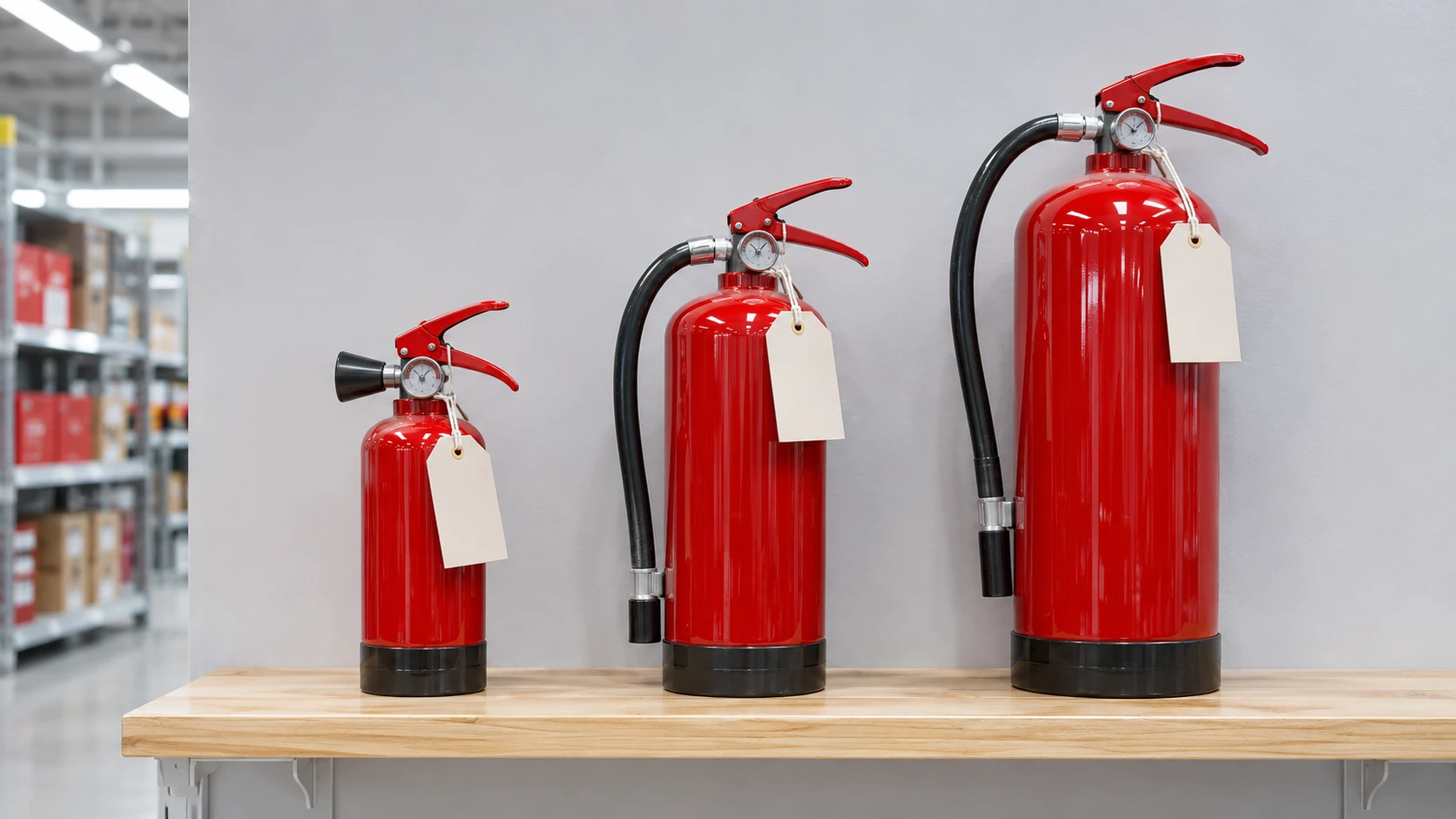
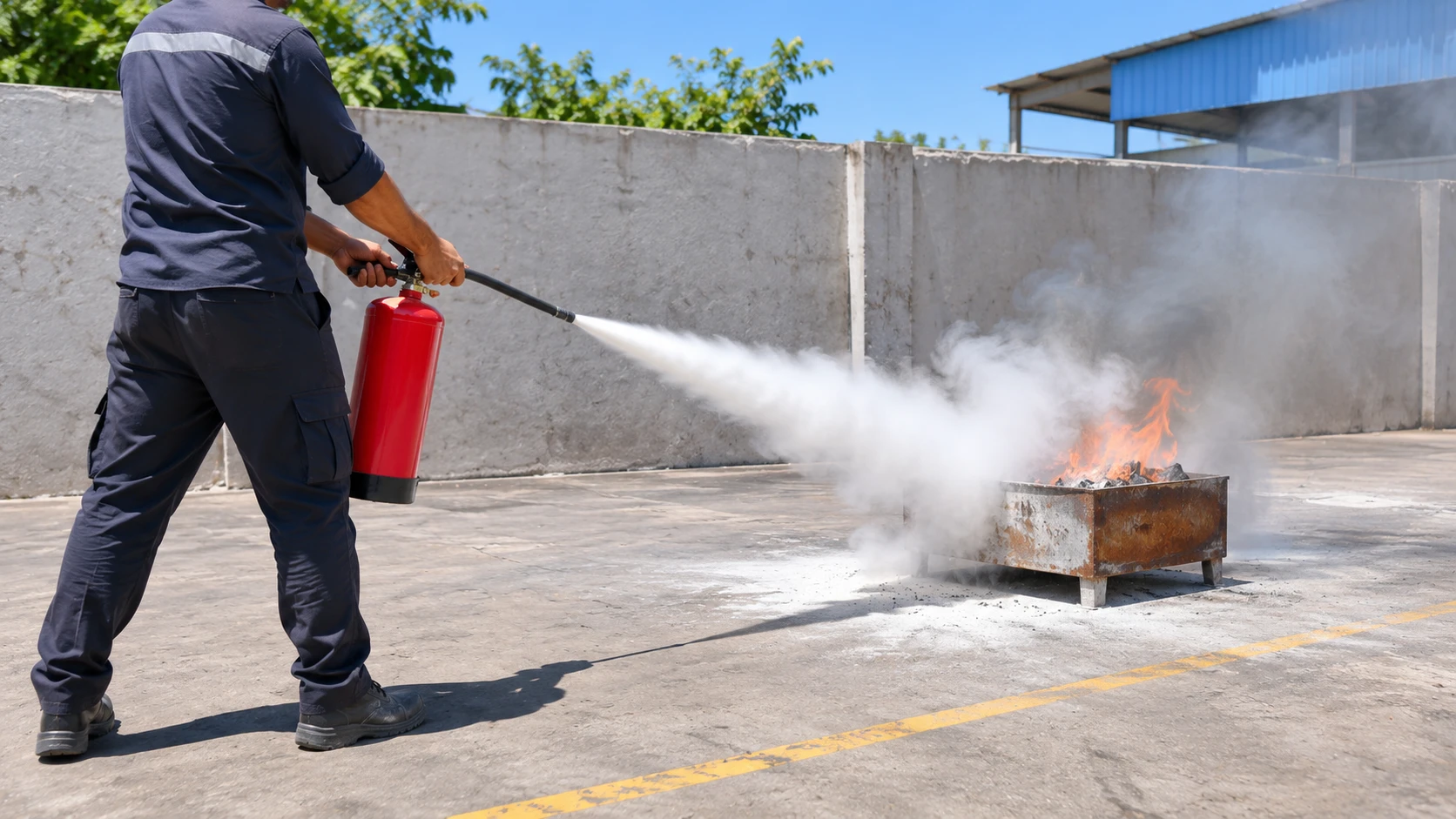
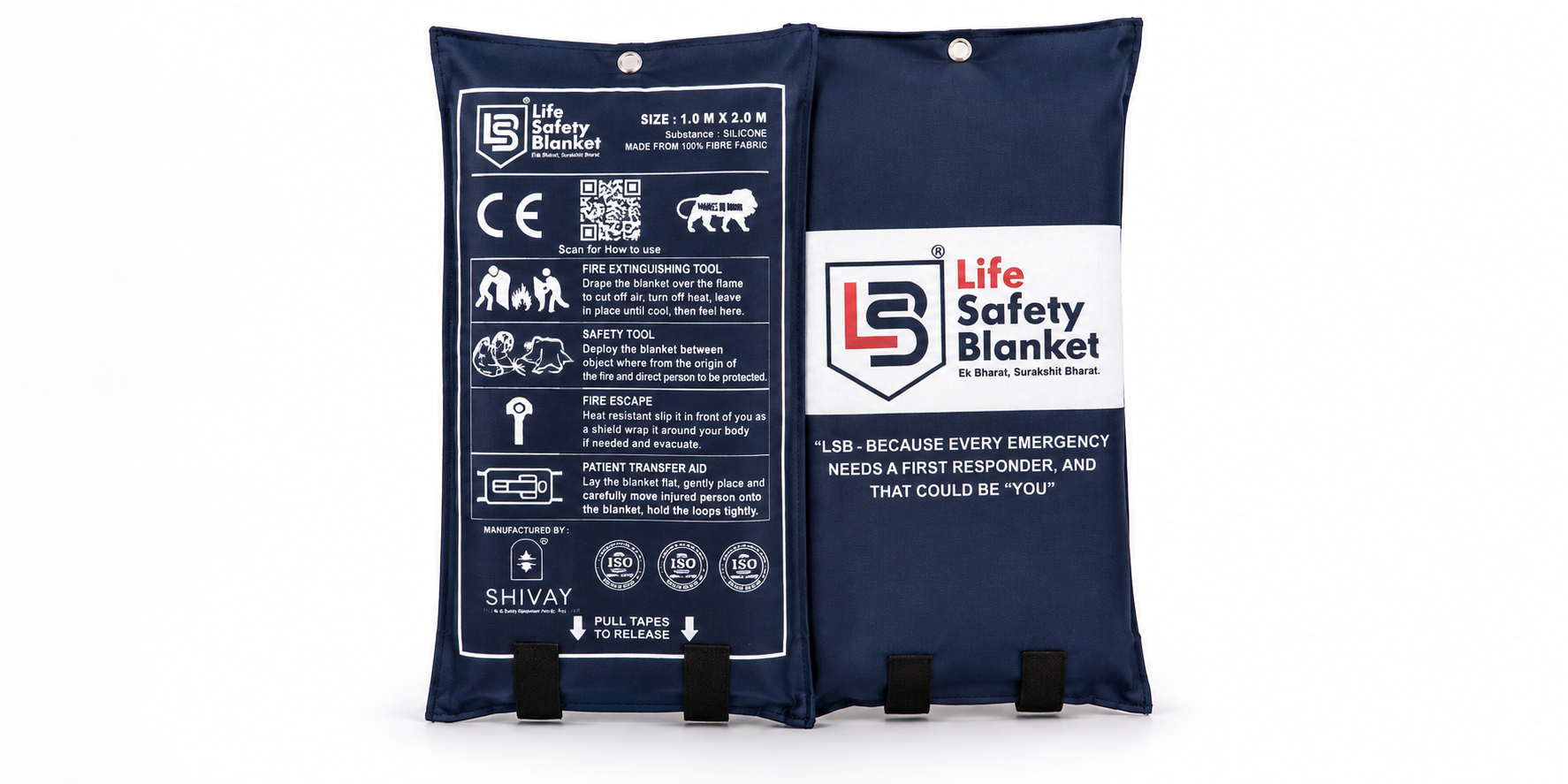
Do not carry a burning heater through the house. The Delhi Fire Service says to raise the alarm, switch off the power supply to de-energise the equipment, and use dry sand, CO2 or dry powder extinguishers on an electrical fire. Never throw water on it. A small fire that you can reach safely may be smothered with a fire blanket (how to use one) or put out with the right extinguisher (the PASS method, choosing one for your home). If the fire is already at the curtains or the ceiling, leave, shut the door behind you and dial 101. The Delhi Fire Service reminds callers that the service is free and that you should dial 101 whatever the size of the fire. If you are caught by smoke, see what to do when trapped in smoke and how to leave a smoke-filled room.
What is not confirmed
The sources reviewed give no Indian national figure for heater fires, so the percentages above are from US agencies and are labelled as such. The sources reviewed give no official Indian ranking of one heater type as safer than another. The Kashmir Life report of the Srinagar briefing is dated 16 October 2025, and the electric blanket advice rests on that one report. The three videos below are official clips; title, publisher and length were checked, but they were not watched in full, and two are American.
What needs attention
- Indian fire officers link winter fires to the careless and excessive use of heating devices, and ask for ISI-marked appliances, servicing of old ones and electrical audits.
- The Delhi Fire Service's own sheets say to keep heaters clear of papers, clothes and flammable liquids and to use one socket for one appliance.
- The BIS room heater standard makes most heaters carry a 'Do not cover' warning and says they must not be used immediately around a bath or shower.
- US data show portable heaters are a small share of home heating fires but a large share of the deadly ones; no Indian figure that separates them was found in the sources reviewed.
- Carbon monoxide is a separate risk that belongs to fuel-burning heaters, angithis and sigris, not to plain electric heaters.
Controls that reduce risk
- Measure one metre around the heater and clear it.
- Plug it into a wall socket on its own.
- Switch off and unplug before sleeping or leaving the house.
- Look for the ISI mark and check the cord and plug.
- Keep a window or ventilator open if anything with a flame is in use.
- Save 101 and 112 on your phone and test the smoke alarm.
Common unsafe practices
- Putting the heater next to the bed, curtains or a pile of clothes.
- Running it from an extension board shared with an AC, geyser or iron.
- Leaving it on all night or when the house is empty.
- Drying clothes on it or covering it.
- Taping down or upsizing an MCB that keeps tripping.
- Burning charcoal, wood or LPG heaters in a closed room.
- Using a damaged cord or a plug that feels warm.



Leave a comment