
What happened here
 1 / 3
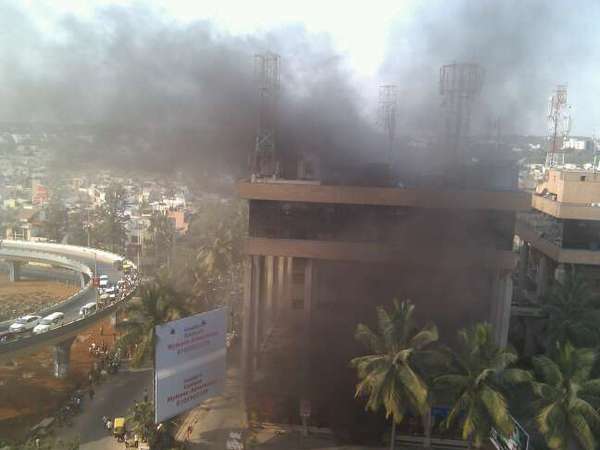
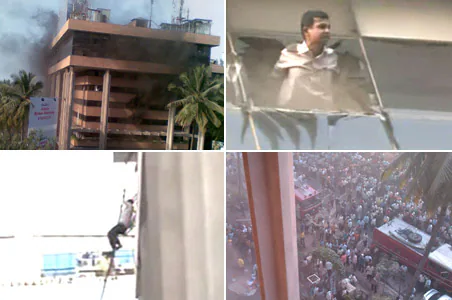
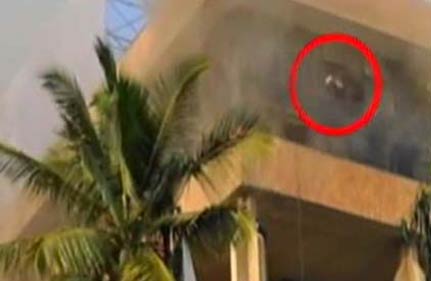
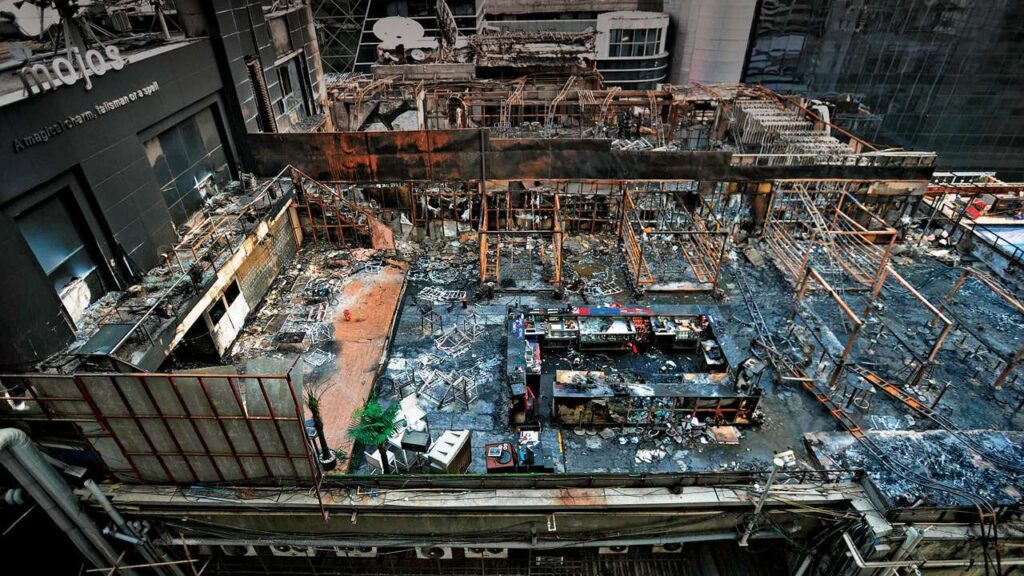
The Carlton Towers high-rise fire in Bengaluru killed nine people and injured 57. A Karnataka CAG audit documented delayed notification and failure of a summoned specialist high-rise vehicle to reach the scene.
Quick answers
What happened in the Carlton Towers fire in Bengaluru?
On 23 February 2010, a fire at Carlton Towers in Bengaluru killed nine people and injured 57, according to a Karnataka CAG audit.
What delays did the audit find in the Carlton Towers fire response?
The fire was reported to have begun at about 3:00 pm, but the control room received the call at about 4:30 pm, a gap of about 90 minutes. A special high-rise rescue vehicle summoned at about 4:45 pm did not reach the scene.
Is the cause of the Carlton Towers fire known?
The reviewed official source does not establish the exact ignition source. A basement short circuit or a particular equipment failure is therefore not presented as a final technical finding.
What should you do in a high-rise office fire?
Raise the alarm, use a protected stair rather than a lift, and leave belongings behind. If a route is smoke-filled, do not enter it; close a door between yourself and the smoke, call 112 and signal your location.
What changed in Bengaluru after the Carlton Towers fire?
A 2011 state notification ordered a survey of building compliance, and a 2014-15 survey covered 18,442 buildings. More than 300 high-rises without a fire NOC or clearance certificate were given 90 days to comply. A public interest petition and a campaign by victims' relatives pushed for stricter rules.
How many people were injured in the Carlton Towers fire?
The Karnataka audit says 57. Some later news reports say about 70. This page uses the audit figure.
Was anyone convicted over the Carlton Towers fire?
No verified public record of the outcome of the criminal case has been traced, so this page makes no statement on charges or convictions.
Is Carlton Towers open again?
Yes. The building was repaired and reopened, and some businesses began operating in 2016, according to a 2017 report quoting the association.
What happened
On 23 February 2010, a fire at Carlton Towers in Bengaluru killed nine people and injured 57. The Karnataka Comptroller and Auditor General later used the incident to document weaknesses in high-rise fire-response preparedness.
Emergency-response record
The CAG audit says the fire was reported to have begun at about 3:00 pm, while the fire-control room received the call at about 4:30 pm. Vehicles were deployed after the call. A special high-rise rescue vehicle was summoned at about 4:45 pm but did not reach the scene, according to its log-book record cited by the audit.
What the reviewed evidence establishes
The official audit supports the date, nine deaths, 57 injuries and the response-timing findings. It also says the department was not systematically analysing fire reports to identify preparedness gaps.
What remains uncertain
The reviewed official source does not establish the exact ignition source or every building-system condition described in early news accounts. This article therefore does not present a basement short circuit, a particular equipment failure or a precise smoke path as a final technical finding.
Where reports differ
The audit gives 57 injured. Later news accounts give about 70, so the injured count is not settled; this page keeps the audit’s figure. Every account agrees on nine deaths. Reports also differ on how the nine died. A 2017 account says three people jumped from the building and six died from burns or smoke, and other accounts describe it differently, so we give no breakdown. On where the fire began, one 2016 account says it started at a lift service cable and spread to the upper floors, while early reports in 2010 spoke of an electrical short circuit. No published inquiry report on the cause has been traced, so this page states none.
What changed afterwards
- A citizens’ campaign. Relatives of one of the victims set up an advocacy group, Beyond Carlton. The group also filed a public interest petition in the Karnataka High Court, asking for stricter fire safety in the state’s high-rises, and the government later notified preventive measures for them.
- A compliance survey. A 2011 state notification ordered a survey of how buildings complied with fire rules. The 2014-15 survey covered 18,442 buildings and sorted them into three groups: A for those with both a fire NOC and a clearance certificate, B for those with an NOC only, and C for those with neither. More than 300 high-rises in Category C, most of them in Bengaluru, were given 90 days to comply, with penalties that included cutting power and water supply. Officials then inspected over 1,697 buildings in Bengaluru.
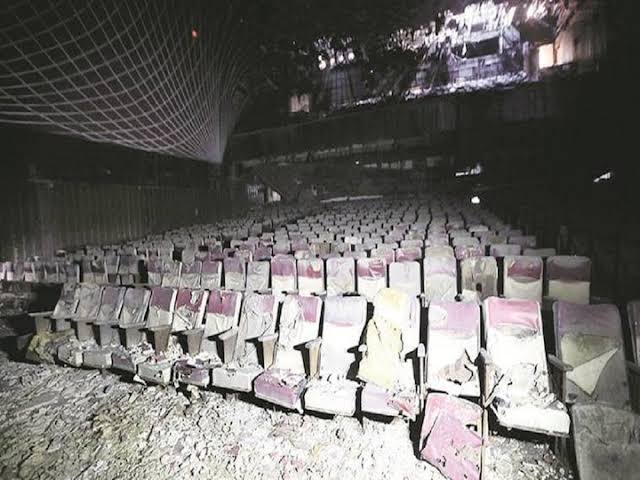
- The building itself. Carlton Towers was repaired and reopened. By 2017 the association said its three gates had been widened to six metres so that fire tenders can enter, fire-fighting systems and signs had been installed, the lifts and electrical wiring replaced, and ducts sealed at alternate floors to block the passage of smoke. It also said it had clearance from the Fire and Emergency Services Department and an occupation certificate from the city corporation. That is the association’s own statement, and the certificates were not available for review.
- A plan for the city. In 2018 the advocacy group prepared a fire safety plan for the city, in consultation with the state fire service and a civic non-profit. Its target was to bring casualties from fire accidents down to zero by 2023, with an interim goal of halving them. No published check of how far the plan got has been traced.
No verified public record of the outcome of the criminal case has been traced, so this page says nothing about charges or convictions. For where a building you use stands, read how the Fire NOC works and where it fails, and for other cases where the same gaps appeared, building fire safety violations in India and fire service gaps in India.
Practical survival lesson
In a high-rise fire, raise the alarm, use a usable protected stair rather than a lift, leave belongings behind and move away from smoke. If a route is smoke-filled or unsafe, do not enter it; close a door between yourself and smoke when possible, call 112 and signal your location.
Systemic lesson
High-rise safety depends on early notification, maintained alarms and exits, trained occupants, accessible fire-service routes and specialist rescue equipment that is ready and dispatched promptly.
More on Bengaluru: see our Bengaluru fire and emergency safety guide for fire brigade numbers, every fire station and the local risks to know.
- Fire reported to have begun at Carlton Towers, Bengaluru, as per the CAG audit
- Fire control room receives the call; vehicles are sent after it
- Special high-rise rescue vehicle is summoned but never reaches the scene, per its log book
- Nine people die and 57 are injured
- Karnataka CAG audit records the delays and says fire reports were not being analysed for gaps
- Karnataka orders a survey of building fire compliance; the High Court hears a public interest petition on high-rise fire safety
- Survey of 18,442 buildings sorts them into A (NOC and clearance), B (NOC only) and C (neither)
Why consequences escalated
- A 90-minute delay between reported fire start and control-room call consumed rescue time
- Special high-rise capability was not mobilised with the initial response
- Traffic and vehicle readiness affected rescue access
- Smoke-safe stairs and defend-in-place decisions require reliable building information
- Fire reports must be analysed systematically to improve preparedness
- A state survey of 18,442 buildings after the fire found more than 300 high-rises with neither a fire NOC nor a clearance certificate
- Accounts differ on the injured count, how the nine died and where the fire began, so only the audited facts are stated
Failures and risk multipliers
- About 90 minutes passed between the reported start of the fire and the call reaching the fire control room
- The high-rise rescue vehicle was not sent with the first response and then failed to arrive
- Nobody in the building raised the alarm with the fire brigade early enough
- The fire service was not studying its own fire reports to find gaps in readiness
Actions that reduce risk
- Building managers: make calling 101 or 112 the first step of your fire plan, not something done after trying to fight it
- Put the fire brigade's number and your full address beside every reception desk and security cabin
- Keep the approach road and entry for fire tenders and ladders clear at all hours
- Keep staircases smoke-tight with self-closing doors that are never wedged open
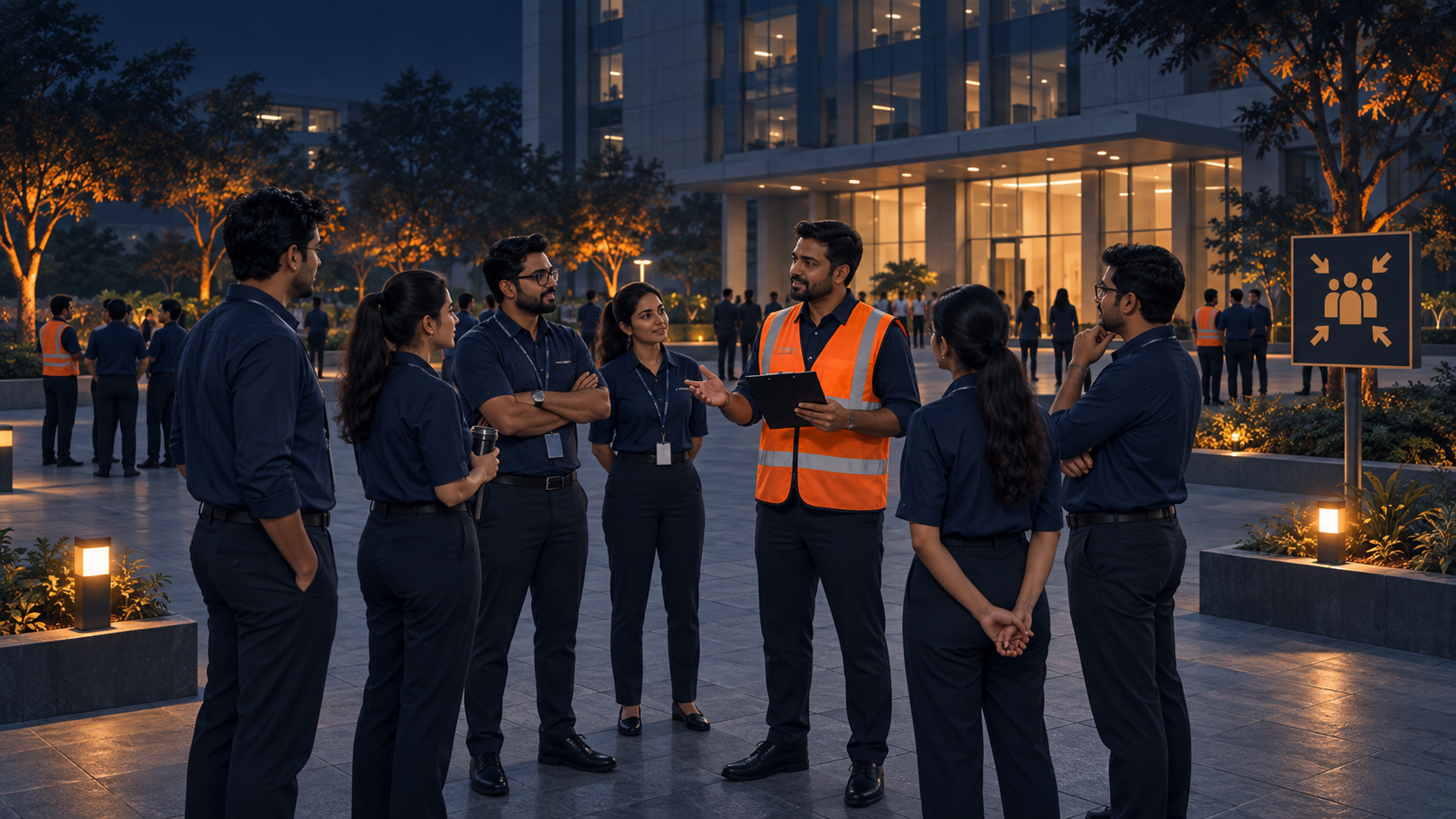
- Run an evacuation drill for every floor, including upper office floors, at least twice a year
- Check that alarms on every floor work and can be heard over office noise


Leave a comment