
Quick answers
What should I do at home during a curfew?
Read the order for your area, stay indoors away from road-side windows, keep children and older people inside, keep medicines, water and a charged phone ready, use a torch rather than a candle, and call 108 or 112 for any emergency, giving your exact area. Do not go out to watch or film.
Can I go out for a medical emergency during a curfew?
Call 108 or 112 first and say your exact area. A news report of an Imphal West curfew in September 2024 said health services were exempt, but each order is different, so read yours. We found no official rule on how police treat a person taking a patient out, so call first.
What is a curfew order under BNSS section 163?
A written order by a District Magistrate, Sub-Divisional Magistrate or another empowered executive magistrate, stating the facts, when there is danger to life, health or safety, a disturbance of public tranquillity, a riot or an affray. It lapses after two months unless the State extends it, for up to six more months. We read the section on a third-party site, not India Code.
How long can the internet be shut down?
Under the Telecommunications (Temporary Suspension of Services) Rules, 2024, as we read them on third-party sites, an order is published with its reasons, limited to an area and service, and not to run beyond fifteen days, with a review committee meeting within five days. We did not read the gazette text.
What do I do if the mobile internet is cut?
Use voice calls and SMS, agree on one relative outside the area as the contact point, keep a paper list of numbers and keep some cash. The 112 India app needs data, so call from a phone if you can.
How do I know a message about the situation is true?
Check it against the written order of the district administration or police, or their own announcement, All India Radio or a news outlet you trust. Do not forward videos or lists you cannot trace to an official source.
What should I keep at home before a curfew or bandh?
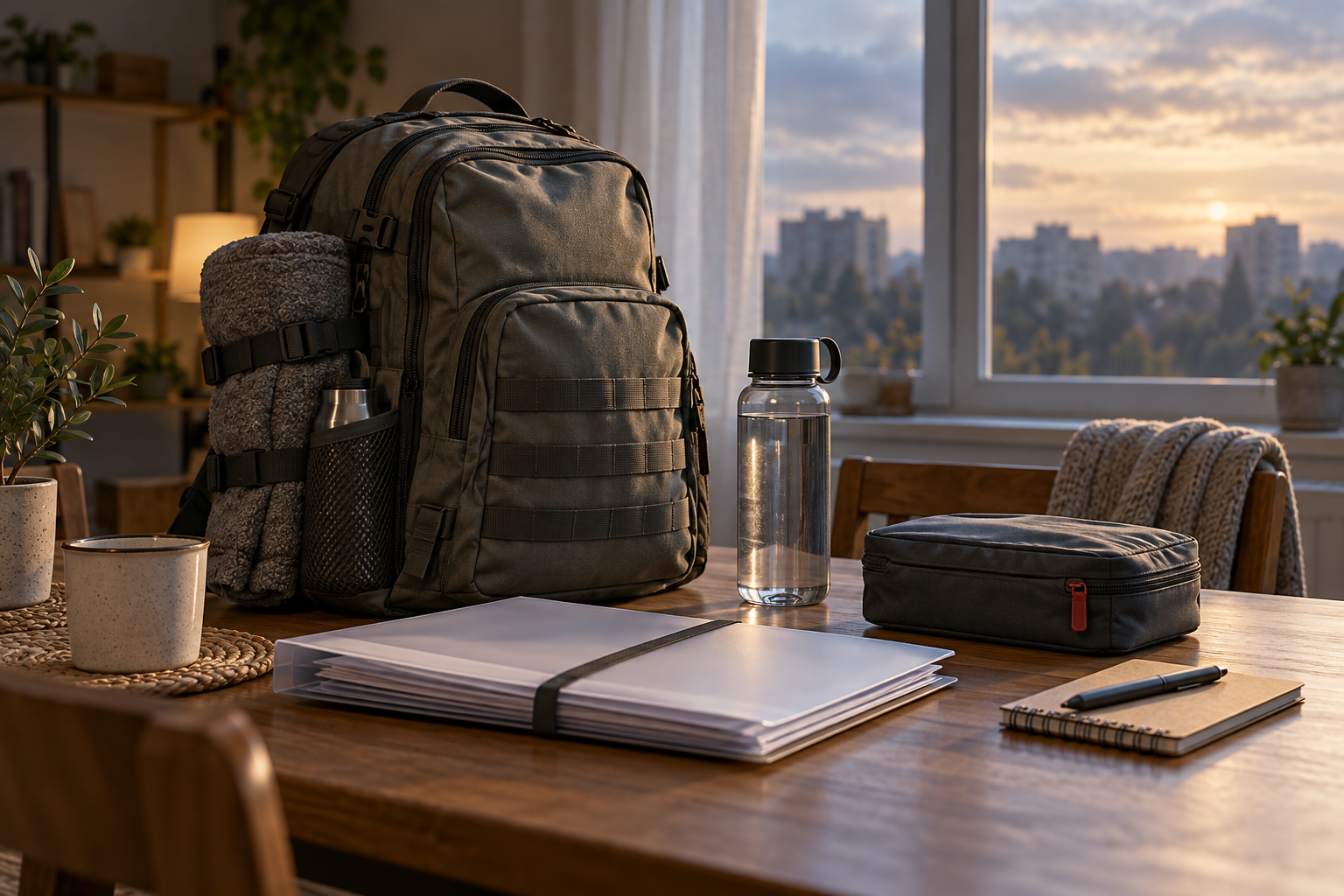
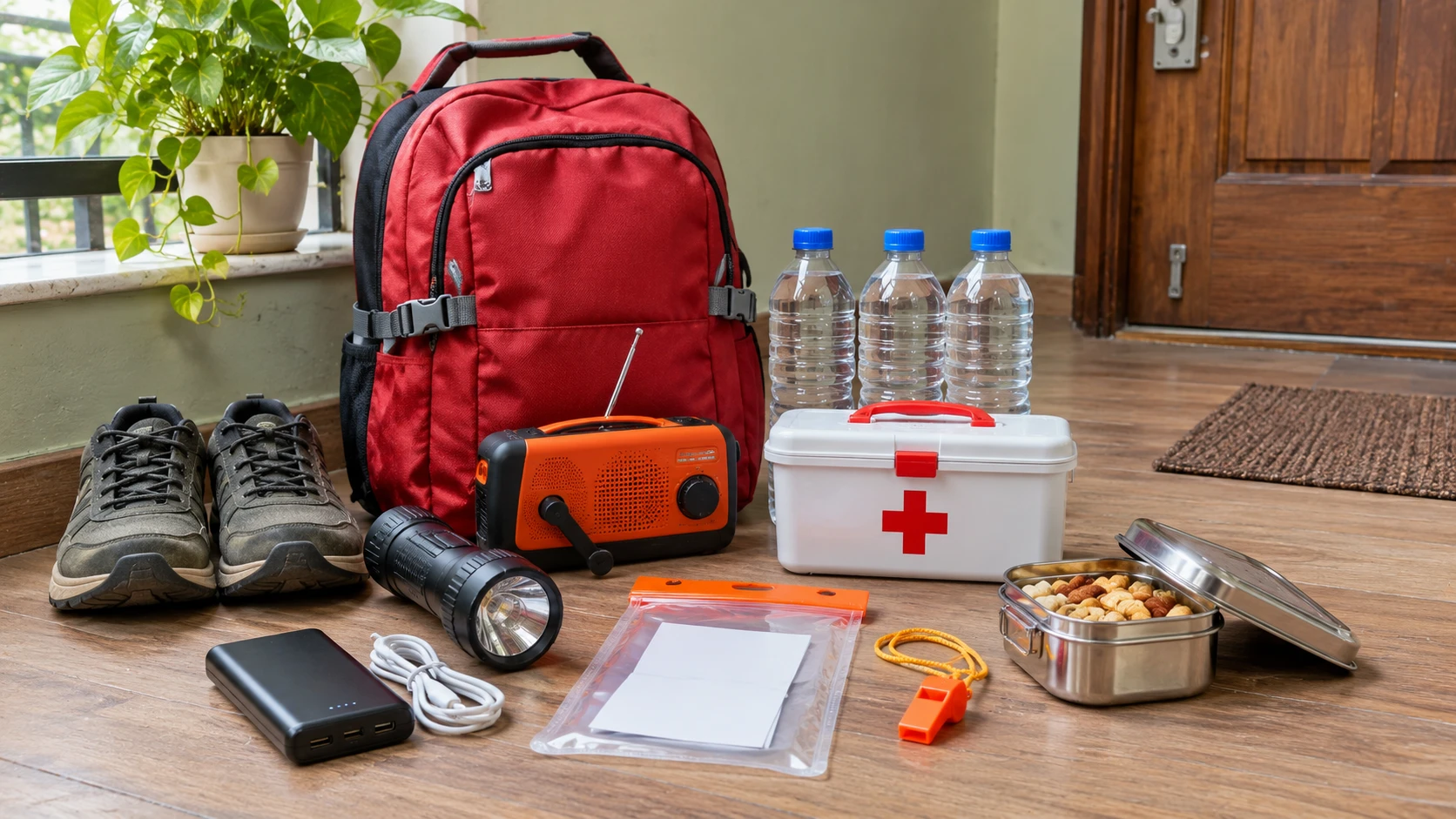
Regular medicines for at least a week if you can, drinking water, dry food, milk powder or baby food if needed, charged phones and a torch, some cash, and a paper list of numbers. This is our advice; we could not open an official list.
Is a bandh the same as a curfew?
No. A curfew is an order by the administration. A bandh or general strike is called by an organisation, and exemptions are set by the call or by the administration. In the 48-hour strike in our Manipur guide, medical, press and religious movement was exempted, as reported.
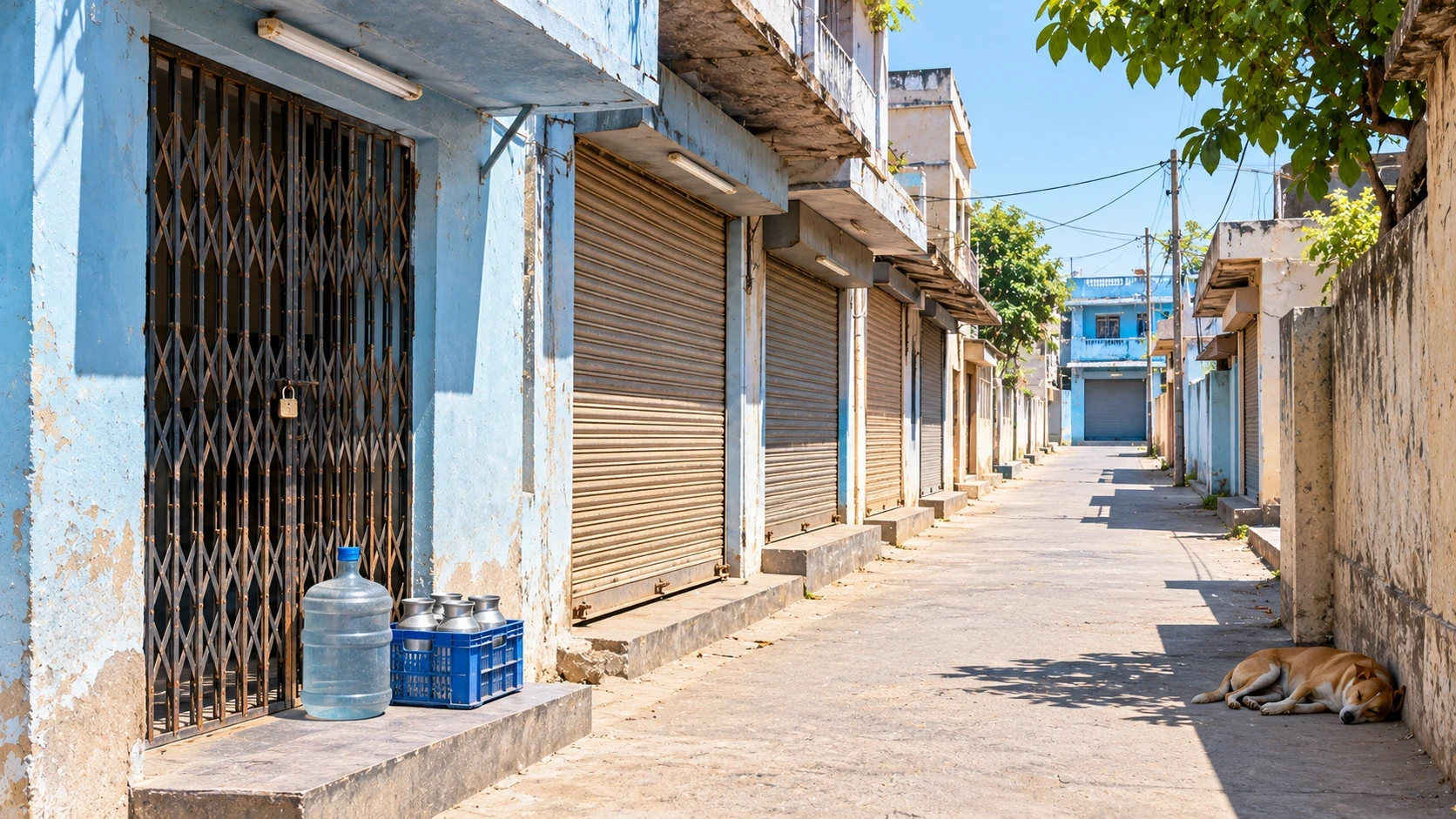
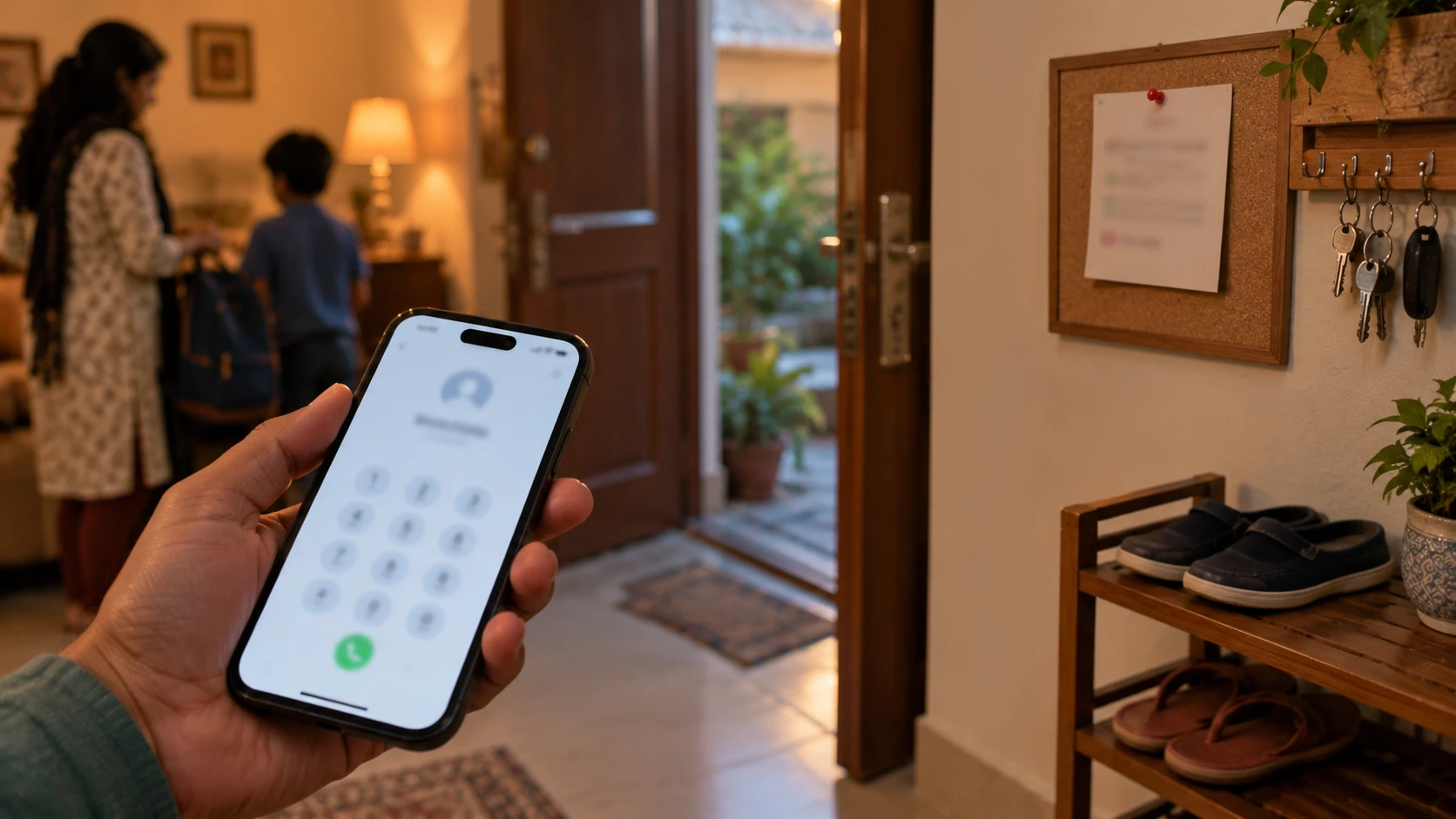
A curfew or a shutdown is announced in the evening, or you wake up and find the shutters down and the data gone. Nothing in the news tells a family what to do at 7 am with two children, an old father on tablets and a phone that will not load. This page is a calm checklist for the first hours at home, written for any town in India where a curfew order, a prohibitory order or a bandh affects your lane, or the mobile internet is switched off. It makes no comment on any dispute and takes no side. It is general safety information, not legal advice, and the order for your own area decides what is allowed. Checked 10 November 2026.
In short
- Read the order itself, from the district administration or police, not a forwarded message. It should say the area, the hours and who is exempt.
- Stay home unless you must go out, and keep children, older people and anyone unwell indoors and away from windows and terraces facing the road.
- Medical emergency? Call 108 or 112 and say your exact area. Orders reported in the past have exempted health services; read yours.
- If the data is cut, switch to voice calls and SMS, and agree on one relative outside the area as the contact point.
- Keep the lights, the stove and the fridge safe: an LED torch, not a candle, and no coal or charcoal fire in a closed room.
- Do not film, forward or join a crowd. Check any alarming message against the order or the district’s own announcement.
What a curfew order is, in plain words
“Curfew” in news reports usually means an order under section 163 of the Bharatiya Nagarik Suraksha Sanhita, 2023 (BNSS), which replaced section 144 of the old Code. We read the section on a third-party bare-act site, not on India Code, so check the wording there. As that text reads:
- A District Magistrate, Sub-Divisional Magistrate or another executive magistrate empowered by the State can issue it, in writing, stating the material facts, when there is sufficient ground and speedy action is needed. The grounds include danger to human life, health or safety, a disturbance of public tranquillity, a riot or an affray (section 163(1)).
- In an emergency it can be passed without first hearing the people it affects (163(2)).
- It can be directed at one person, the people of an area, or the public at a place (163(3)).
- It lapses after two months. The State Government can extend it by a notification for up to six more months, only to prevent danger to life, health or safety or a riot or affray (163(4)). That makes at most eight months, by our arithmetic.
- The magistrate can cancel or change the order on their own or on a person’s application, and an application is to be heard early, with reasons recorded if it is rejected (163(5) to (7)).
The words “curfew”, “restrictions” and “prohibitory orders” are used loosely in the news, and the details (hours, relaxation windows, exemptions) are in each order, not in this section. Our guide on the Manipur unrest of October 2026 walks through one such order, the Thoubal order, point by point. A news report of an Imphal West curfew in September 2024 said that staff of health services, electricity, the water department (PHED), the press and the courts were exempt, and that an earlier daily relaxation had been withdrawn. That is one order in one place, not a rule for yours.
A “shutdown” can also mean a bandh or general strike called by an organisation, which is not a government order. In the 48-hour general strike we describe in the Manipur guide, offices, schools and shops were closed and medical, press and religious movement was exempted, according to the call as reported. Whatever the name, read what is actually said.
The first hours: before it starts, if you get notice
- Count the people in the house and where each one is. Call anyone who is out and ask them to come home, or to stay where they are safe, depending on what the order says and how close the trouble is.
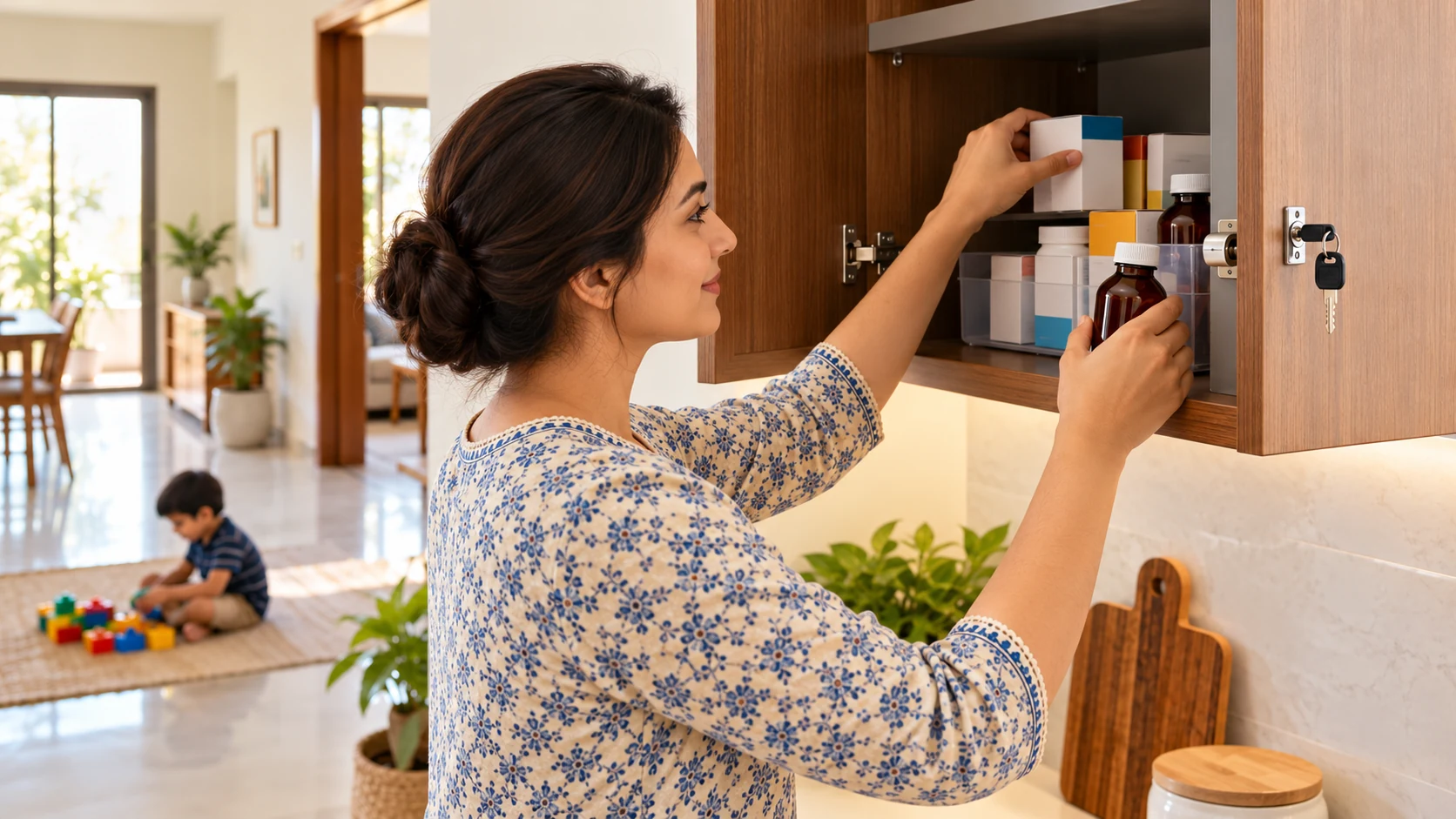
- Medicines. Check every regular medicine, for the old and for anyone with diabetes, blood pressure, asthma, epilepsy or a heart condition. If a strip has a few days left, go to the chemist now if the order and the street allow, not tomorrow. Keep prescriptions where you can find them. Our page on medicines at home has safe storage.
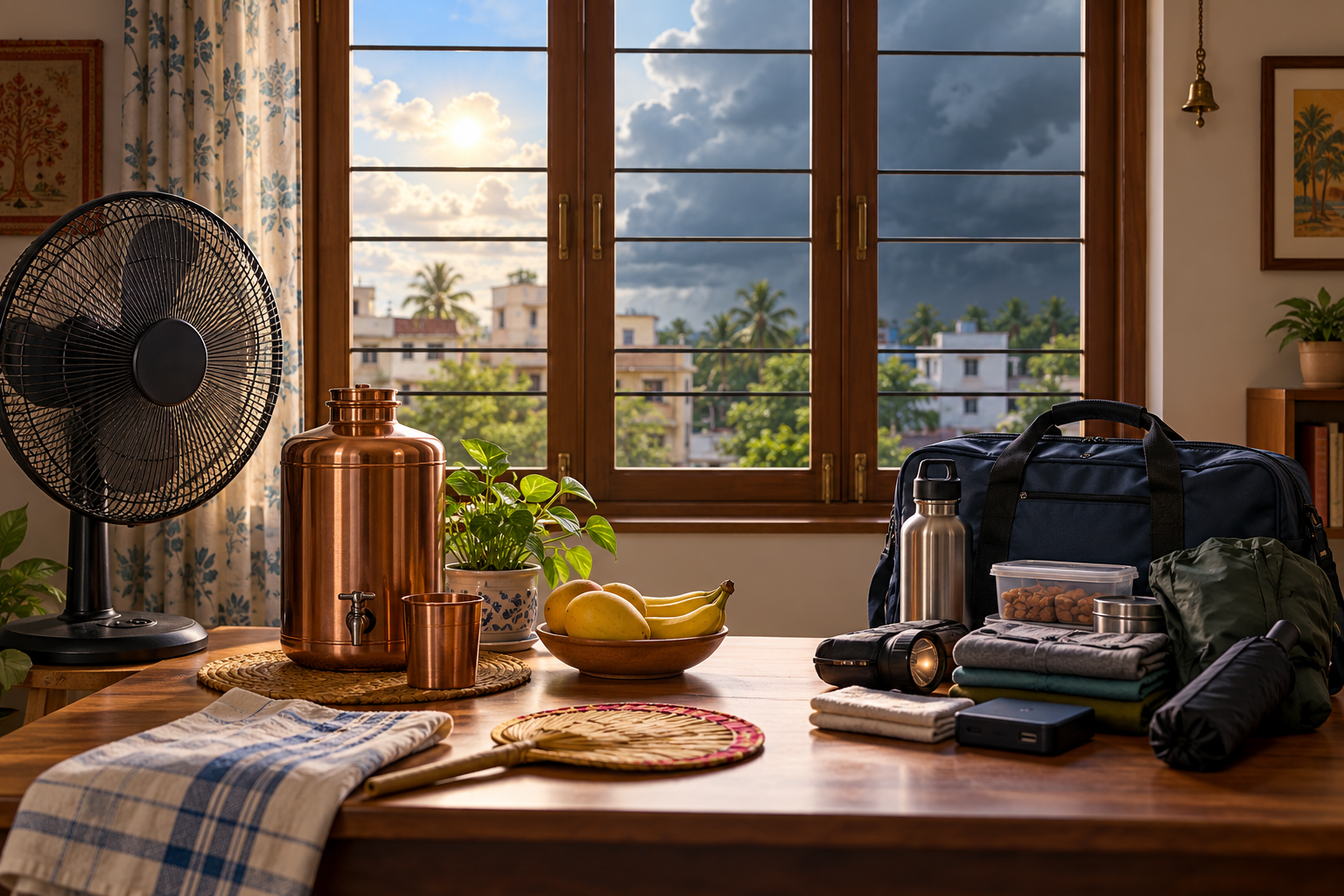
- Water and food. Fill drinking-water containers. Keep a few days of dry food, milk powder or baby food if there is an infant. This is our own advice; we could not open an official stay-at-home list. Do not stock extra LPG cylinders; keep the one in use and make sure the regulator is off when not cooking.
- Power and phones. Charge phones, power banks and an LED torch or lantern. Use a torch, not a candle, as our page on blackout and shelter basics explains.
- Cash. If the mobile internet may be cut, UPI and card payments may fail. Keep some cash in small notes. Our advice.
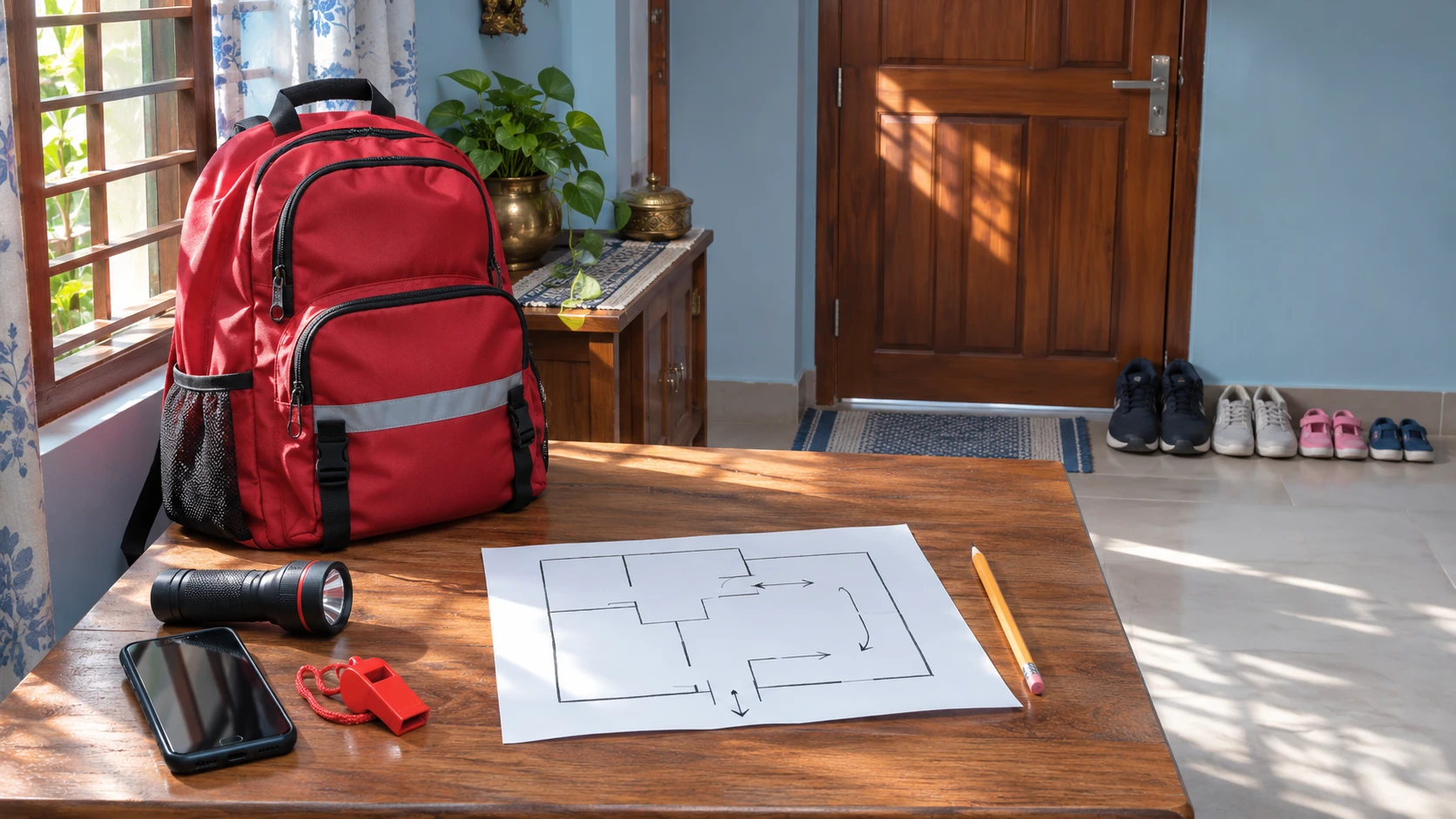
- Write down numbers on paper: 112, 108, 101, your nearest police station and hospital, and two relatives. Our 112 call information card is a ready template.
- Look at the order. Note the area, the hours, any relaxation window, who is exempt and who to call for help. Save a photo of it.
During the curfew: a calm routine at home
- Stay inside and away from the road side. Keep curtains drawn and children away from windows, balconies and terraces overlooking the street. Do not go out to see, to film or to “just check”.
- Keep the children busy and informed. Tell them, in a few simple words, that a rule is on and everyone is safe at home. Our guide on elderly and child safety at home (in the related list) has data and tips.
- Look after the older people. Keep their routine, medicines and water on time, and check on elderly or disabled neighbours by phone or from the door, if it is allowed. Our page on evacuating people with disabilities (see the related list) has the basics.
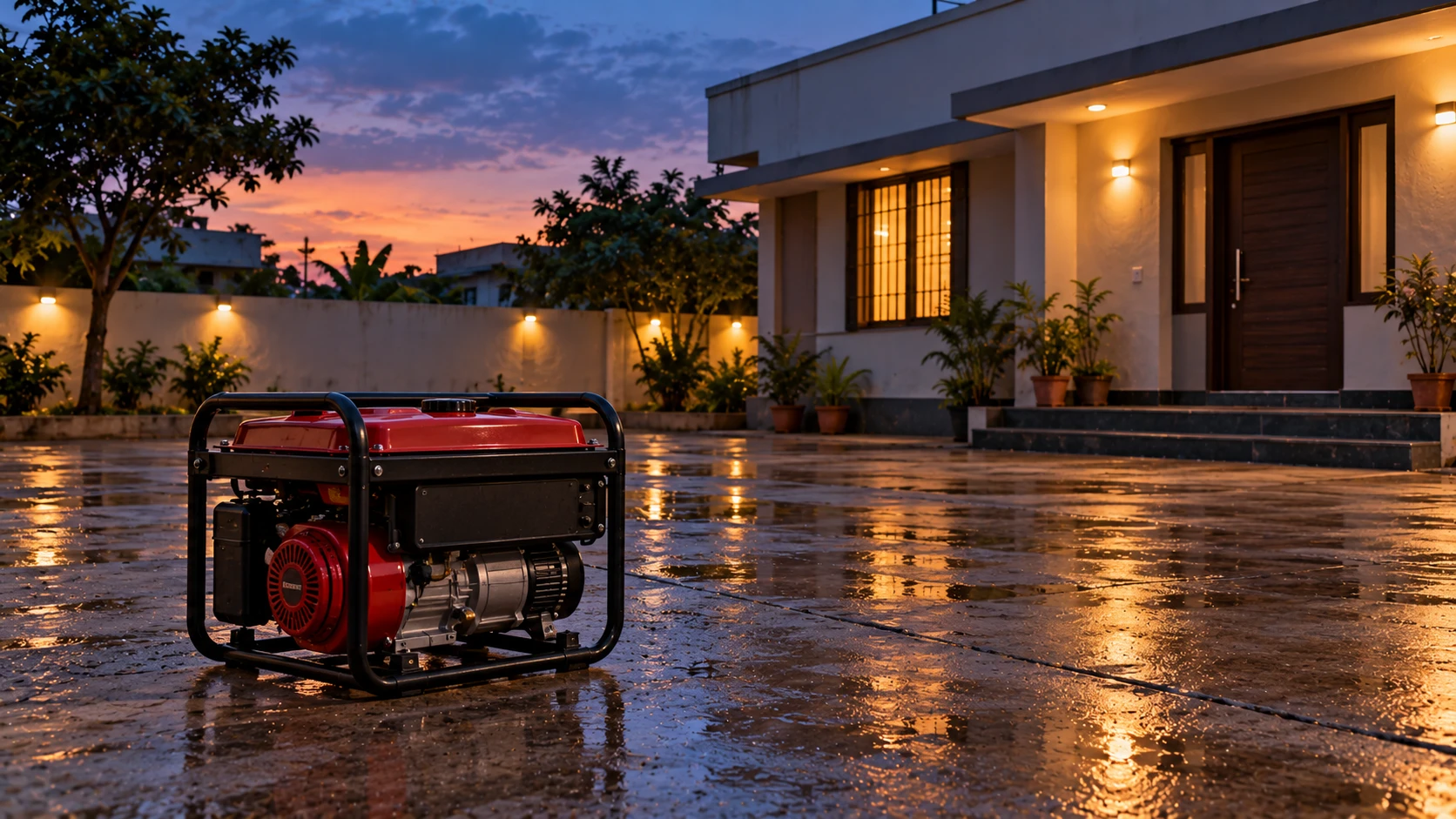
- Cook and heat safely. Do not burn coal, charcoal or wood in a closed room; carbon monoxide has no smell. See our guide on generators, geysers and angithis. Switch off the LPG regulator when you are done.
- Do not open the door to unknown people, and keep gates locked. Tell neighbours you are home.
- Check the official channel at set times, not every minute. Pick the district administration’s or police’s announcements, All India Radio or the local news. Watching rumours all day raises fear and not safety.
If someone falls ill or is hurt
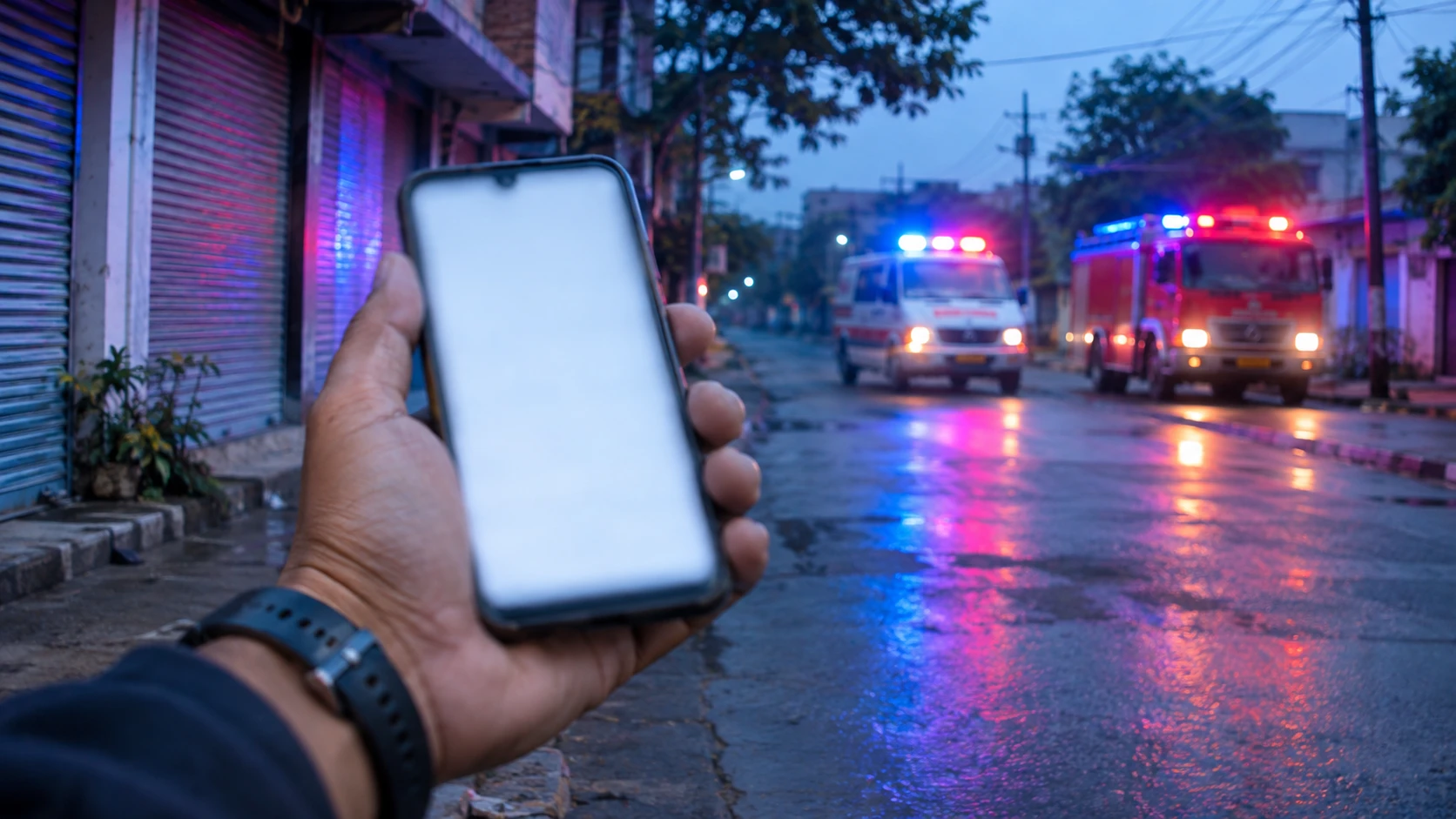
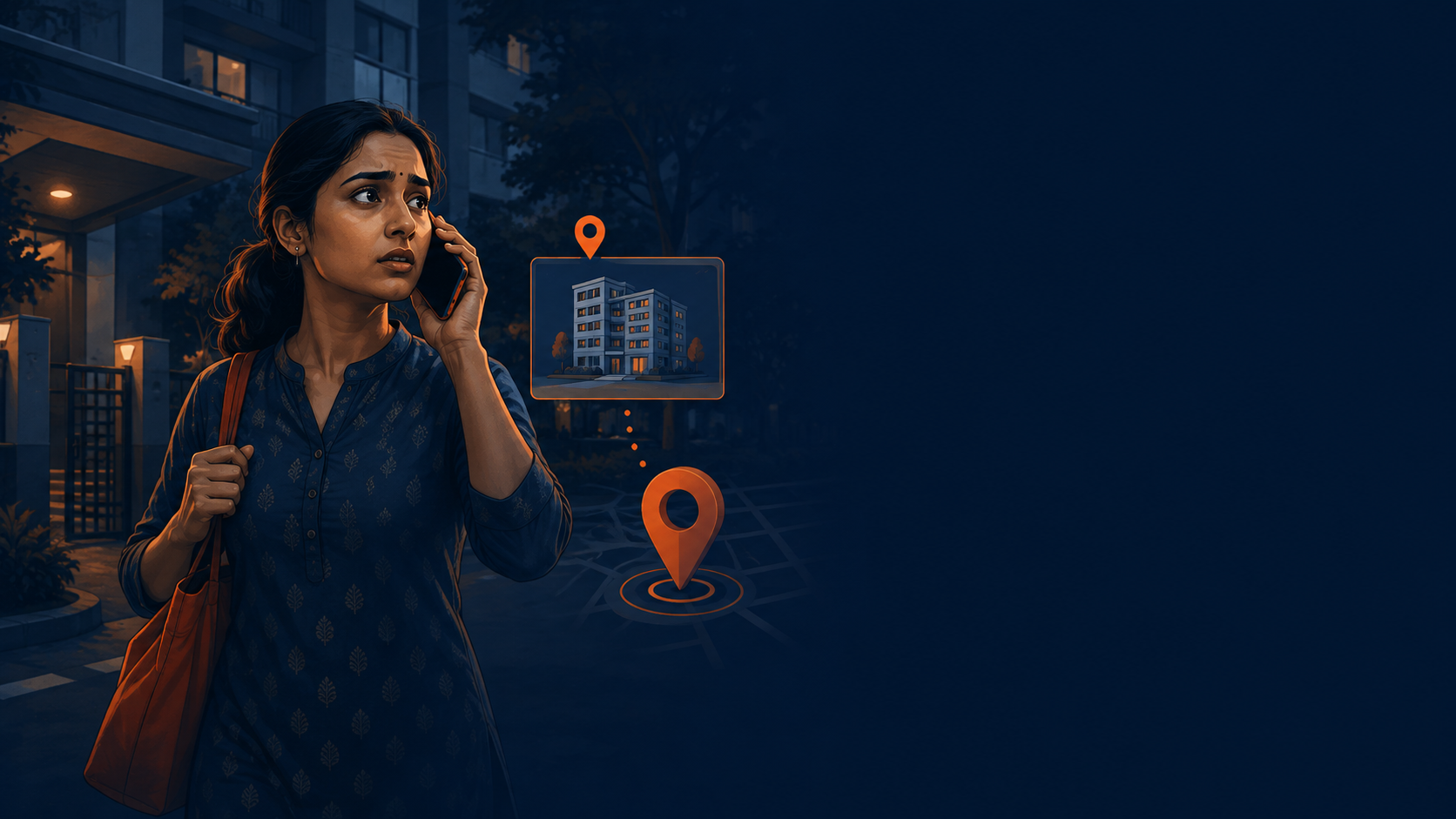
- Call 108 for an ambulance or 112, the single emergency number, and say your exact area, the landmark and that a curfew is on, so the crew can plan the route. See our emergency numbers guide and how to call 112, 101 or 108.
- Do not set out on your own with the patient unless the ambulance cannot reach you; if you must, go on foot or in your own vehicle to the nearest hospital, carry the order if you have it and tell the nearest police point why you are out. We could not confirm from an official source how much leeway police give, so call first.
- For a mental-health crisis, see our page on who to call in a mental-health emergency (related list).
- For a fire, call 101 or 112 and get out. Our fire brigade number guide explains what to say.
When the mobile internet is cut
Under the Telecommunications (Temporary Suspension of Services) Rules, 2024, as we read them on third-party legal sites, not in the gazette: a suspension order must be passed by the Union Home Secretary or the State Home Department’s Secretary and must record the reasons in writing; it is to be published with its reasons, limited to a stated area and kind of service, and not to run beyond fifteen days; a copy goes to a review committee within 24 hours, which is to meet within five days. In 2020, in the Anuradha Bhasin case, the Supreme Court is reported to have held that an indefinite suspension is not allowed and that suspensions must be proportionate and open to judicial review, according to a LiveLaw report. We did not open the judgment.
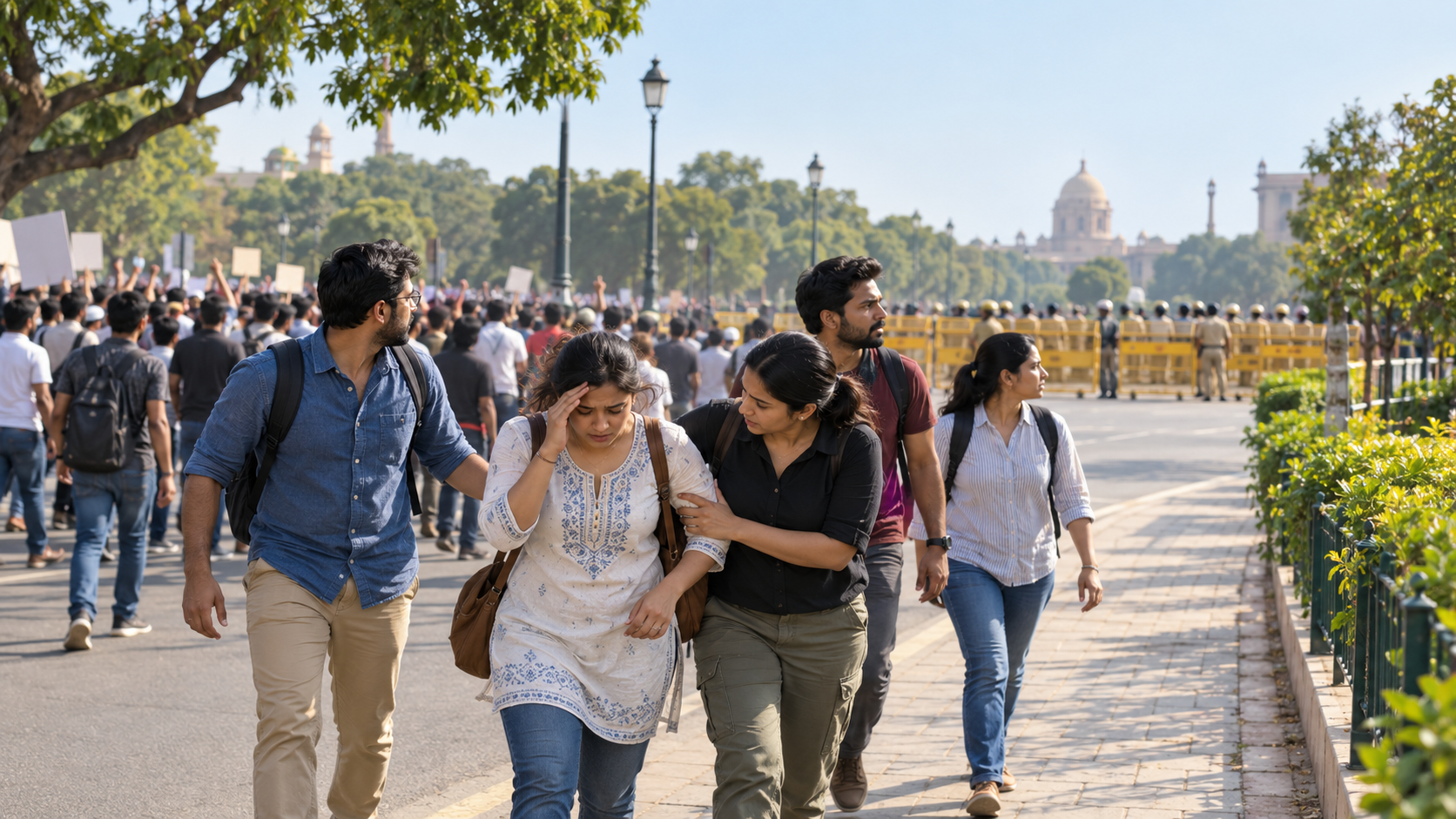
A recent example is contested and we take no side. An Outlook report of 15 October 2026 said the Centre told the Supreme Court that mobile internet was suspended in a 4 km radius around Raisina Hills in Delhi from 10 pm on 9 October to 10 pm on 10 October 2026 at Delhi Police’s request, and that broadband and Wi-Fi were not affected. The Court’s order of 11 October is reported to have said that internet facilities should function unhindered, and the Centre said there was no wilful violation. We did not see a later ruling.
- Voice and SMS work when data does not. Say “SMS me” to family and agree on a message such as “all ok”.
- One contact outside the area. Everyone calls or messages that one person, who passes the news around. This keeps calls short and the lines free.
- Know the offline plan. Where the family will meet if you must leave, which hospital is nearest, which road is open (see the order).
- The 112 India app has a panic button, as the official 112 India video below shows, but it needs data. We could not confirm how 112 SMS works from an official page; call from a phone if you can.
- Keep a battery radio or a charged phone with FM if you can. Our suggestion.
When the curfew is relaxed, and when it ends
- Read the relaxation hours, and go out only for what is needed: medicines, milk, cash, food. Go together with one other adult, carry a copy of the order and your ID, and be home before the window ends.
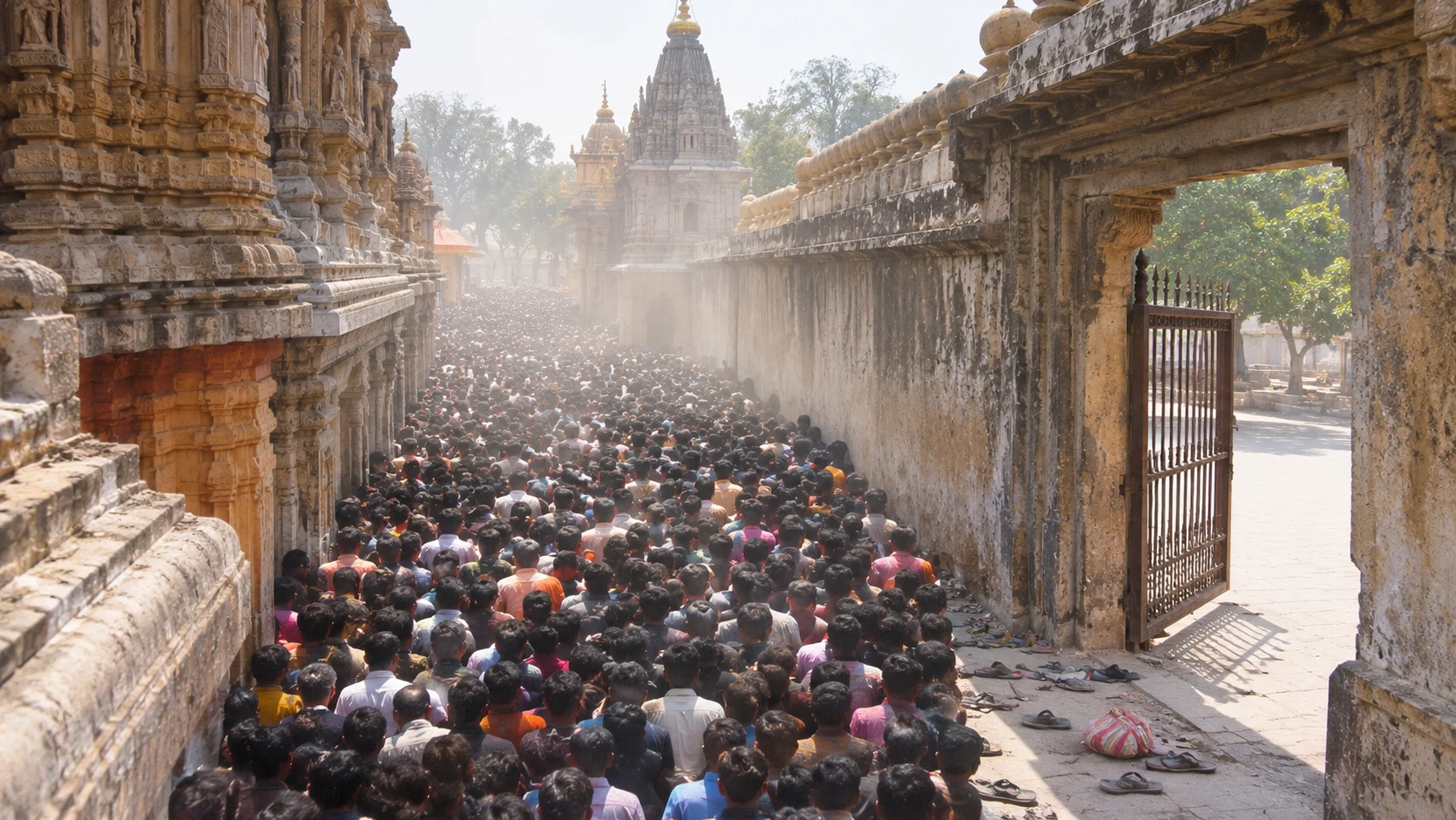
- Avoid crowds and queues that turn into crowds. If a line at a shop or an ATM gets tight, leave and come back; see our guide on surviving a crowd crush (related list).
- Re-check the order before every trip. It can be changed or withdrawn, and relaxation can be cancelled.
- After it ends, check the house, restock calmly and talk to the children. If anyone is anxious or not sleeping, see our mental-health page.
What not to do
- Do not go out to watch, film or join a gathering.
- Do not forward alarming videos, voice notes or lists you cannot trace to an official source. See the section on rumours in our Manipur guide.
- Do not hoard petrol, LPG cylinders or crackers at home.
- Do not light a coal or charcoal fire in a closed room, or a candle near curtains.
- Do not argue with the police or the volunteers at a barricade. Show the order, say why you are out and follow instructions.
- Do not rely on a single phone. Have a paper list of numbers.
Do these this week, before anything is announced
- Write the key numbers on paper and stick the sheet on the fridge or the inside of a cupboard.
- Check the medicines box, and keep at least a week’s supply of regular medicines if you can.
- Agree with your family on one contact person outside your town.
- Read our pages on the family emergency plan, the climate-ready home guide (power cuts, in the related list) and civil defence drills and blackout basics. See the City Safety Guides for your city’s numbers.
What we could not confirm
We could not open an official NDMA or MHA stay-at-home list; the pages that should have it returned errors, so the food, water and cash points are our own advice. We read section 163 of the BNSS and the 2024 telecom rules on third-party legal sites, not on India Code or in the gazette, so the wording should be checked there. The Anuradha Bhasin ruling is from a news summary and we did not open the judgment. The Delhi shutdown of October 2026 is contested; we give only what the reports say and nothing after 15 October. We found no official page on e-passes, so we do not promise any, and no police instruction on how they treat a person taking a patient out, so call first. The Imphal exemptions are from one 2024 news report; the Meghalaya order we found was a scanned file that we could not read. We found no Instagram, Facebook or LinkedIn clip we could check, and the one video below is YouTube; we did not watch it in full and its spoken language was not reviewed. This page is general information, not legal advice.
What needs attention
- Curfew in the news usually means a section 163 order under the BNSS, which must be in writing with reasons and lapses after two months unless the State extends it, as the text reads on a third-party site.
- Exemptions and relaxation hours differ by order; one 2024 Imphal West order exempted health, electricity, water, press and courts.
- The 2024 telecom suspension rules, as read on third-party sites, cap an order at fifteen days and require publication with reasons and review within five days.
- The Delhi shutdown of 9 and 10 October 2026 is contested; we report only what the cited reports say and nothing after 15 October.
- We found no official NDMA or MHA stay-at-home list and no official page on e-passes.
Controls that reduce risk
- Read the written order for your area.
- Check medicines, water, food, charged phones, torch and cash.
- Write 112, 108, 101 and family numbers on paper.
- Agree on one contact outside your area.
- For any emergency, call 108 or 112 and say your exact area.
Common unsafe practices
- Going out to watch, film or join a crowd.
- Forwarding videos or lists you cannot trace to an official source.
- Hoarding petrol or LPG cylinders at home.
- Lighting coal or charcoal in a closed room, or a candle near curtains.
- Arguing at a barricade instead of showing the order and following instructions.
- Relying on one phone and one app.




Leave a comment