
Quick answers
What should I do if I am caught in a stampede or crowd crush?
Our guide on how to survive a stampede or crowd crush has the steps we give. In short, call 112 if you can, do not push into a blocked front, keep moving with the flow towards an edge or exit, and stay on your feet. The NDMA guide's own advice to visitors is about avoiding the situation: learn the exits and travel light.
What causes a crowd crush?
The NDMA guide points to four things together: crowd force, the information a crowd acts on (false or real), the physical space and the time. In our case studies the triggers were rain, a rumour of live current, a broken barricade and gates being opened.
What is the main cause of death in a crowd crush?
The NDMA guide says compressive asphyxia has historically been the most common reason for deaths in crowd disasters. That means people cannot get enough air because of pressure on the body.
Who is responsible for preventing a crowd crush at an event?
The NDMA guide places the main duty on organisers and administrators: a crowd management plan, entry that matches the capacity of the holding and movement routes, and an event that does not go ahead if preparedness is found wanting.
How can I plan for a crowded festival or mela?
Pick a quieter day if you can, agree a meeting point outside the crowd, put a phone number on every child and older person, find two exits on arrival and travel light. Our pages on pandals and melas and on Magh Mela and Sankranti crowds have more.
How many people die in stampedes in India each year?
We found no public national count on an official page, so we do not give one. Our guide on why stampede deaths keep happening discusses the record, and our case studies give single incidents.
Which emergency number should I call in a crowd emergency?
112 is the single emergency number in India. 101 is the fire number and 108 is the ambulance number, as our emergency numbers guide explains.
Where can I find your case studies on crowd incidents?
The Crowd and Public Safety list on the site, and the India Incident Map, which you can filter by type.
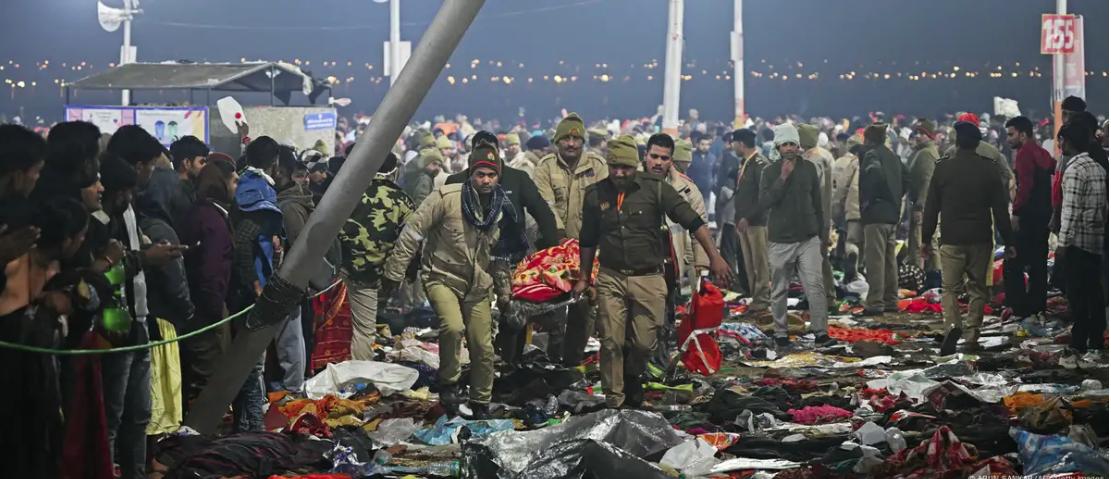
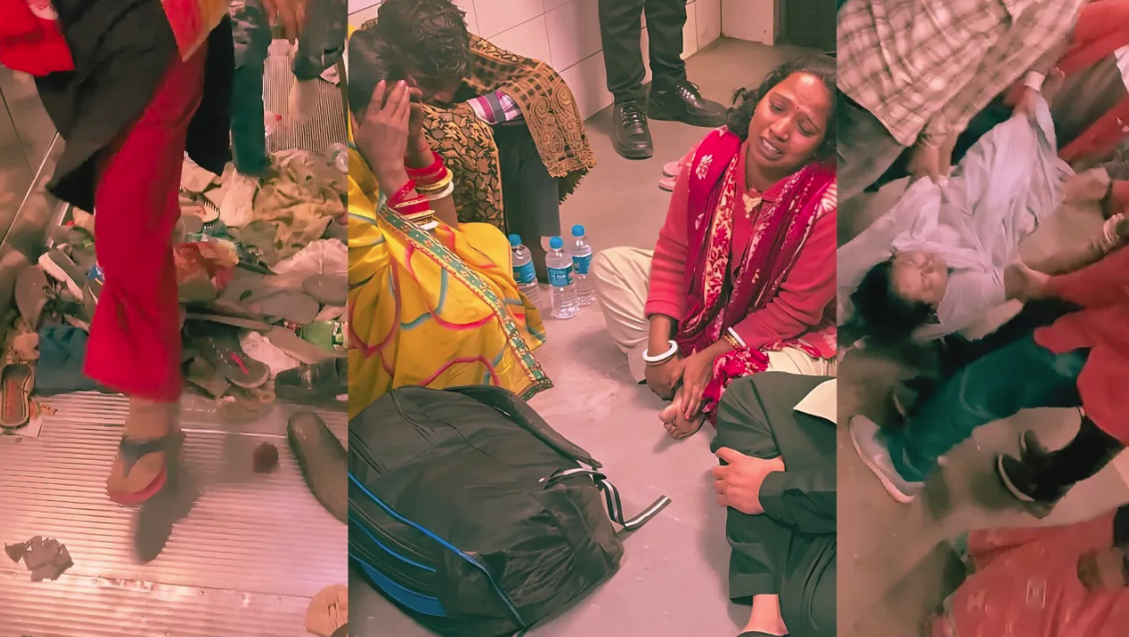
Crowd crushes in India do not come with a warning label. They happen at a temple gate in Sawan, at a pandal exit in the rain, at a station footbridge after a train is announced, at a ghat on the biggest bathing morning. We have written a good deal about them, and this page is the map. It does not repeat those pages. It tells you which one to open for the question you have, and links the case studies, city guides and tools that go with them. The only official document we lean on here is the National Disaster Management Authority’s 2014 guide on managing crowds, which we read for the sections on visitors and on the causes of death for this page. Checked 10 November 2026.
In short
- If you are about to go to a crowded place, read the warning-signs page and the one for your kind of event, listed below.
- If you are caught in one now, the page on what to do if you are caught has the steps. Call 112.
- If you want to know why they keep happening, read the pages on the deaths data and the poor-planning pattern.
- The main duty is the organiser’s. The NDMA guide says organisers should have a crowd management plan and should not admit visitors beyond the capacity of the holding and movement routes.
- A visitor’s best protection is to leave early. The NDMA’s advice is to learn the exits, travel light and not push into a blocked front.
What the NDMA guide asks of a visitor
Appendix 3.4 of the NDMA guide, Managing Crowd at Events and Venues of Mass Gathering (2014, read in the Goa State Disaster Management Authority’s copy), gives visitors short do’s and don’ts. In our words: travel light and carry medicines if you need them; register for the event if there is a registration; learn the layout and the entry and exit points; follow the rules; where there is an obstruction ahead, do not push through or push back, but hold and tell the people behind you to hold until it is removed; note the emergency numbers. Do not rest or sleep at entry or exit points; do not push, fight or provoke others; do not panic or spread rumours. The guide also says, in its review of crowd disasters, that compressive asphyxia has historically been the most common reason for deaths in them.
Which page to open
Before you go
- Crowd-crush warning signs: recognise dangerous pressure and leave early. What to look for in the first minutes, before it is too late to move.
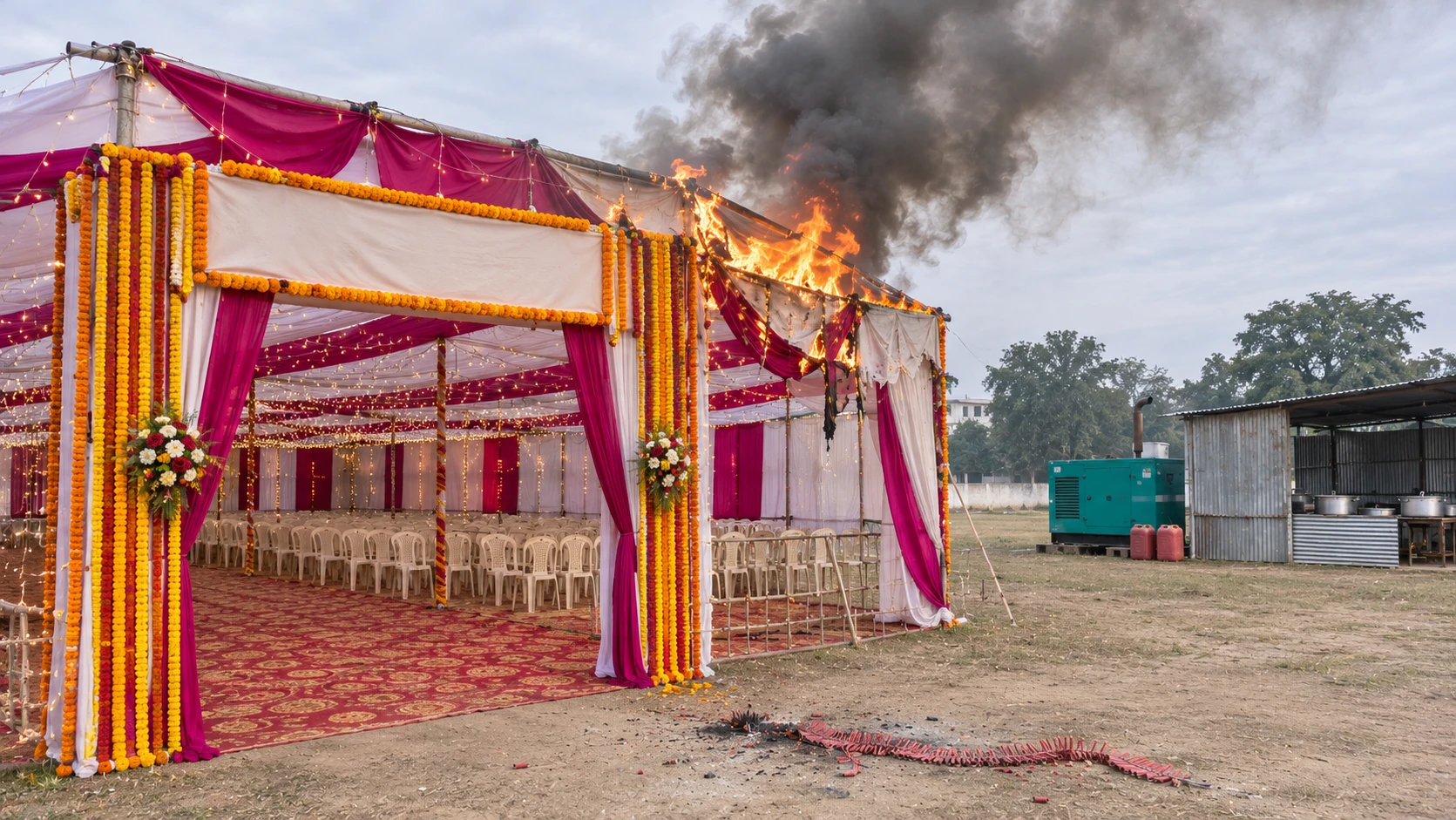
- Pandals, melas and festival crowds: how to stay safe. What to check before you enter, and how rain, wet floors, bamboo, wiring and generators raise the risk.
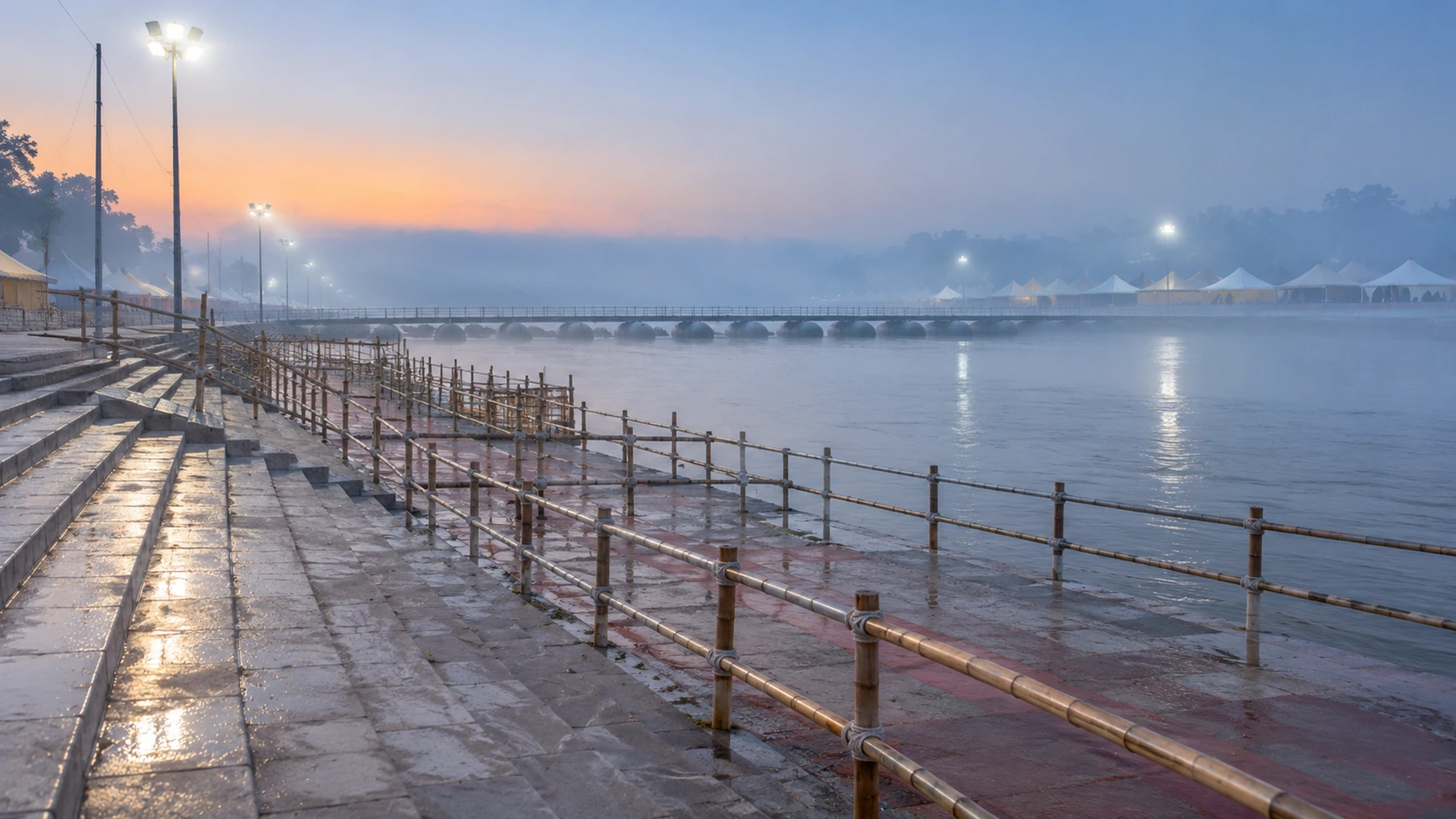
- Magh Mela, Ganga Sagar and Sankranti pilgrim crowds. Dates we could confirm, what January 2026 looked like and how to plan for the crush, the cold and the water.
- Chhath and Dev Diwali ghat safety. Crowd, steps, boats and what to do if someone goes under.
- New Year’s Eve: getting out of a packed club or party. Exits, fire and a crush indoors.
- Wedding pandal and venue safety. Exits, crackers and generator fumes for guests and hosts.
- Dussehra fairs, Ravan dahan and immersion. What went wrong in October 2026 and how to stay safe at a fair.
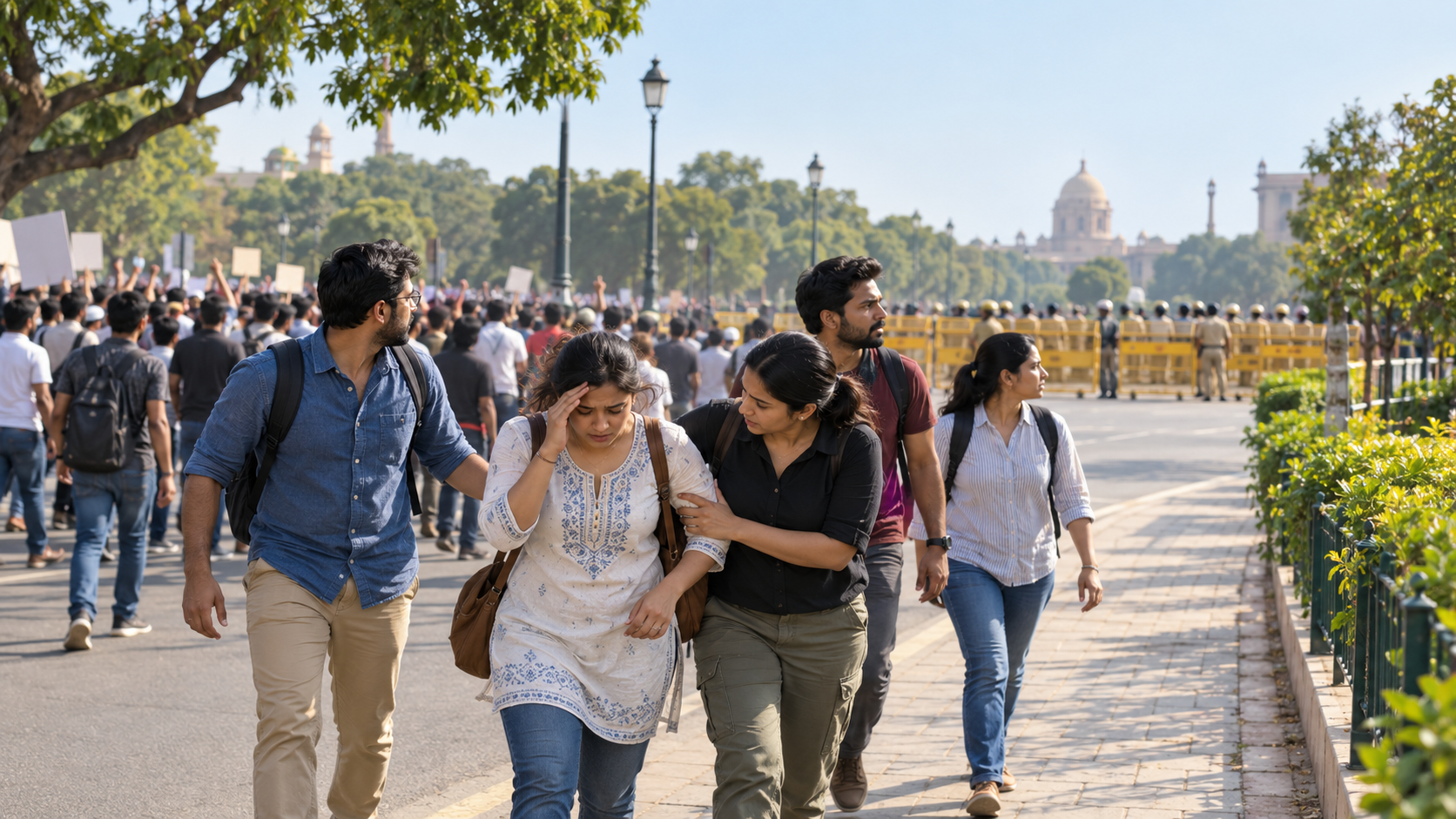
- Staying safe at a protest. Planning an exit and avoiding crowd pressure.
If you are caught in one
- How to survive a stampede or crowd crush: what to do if you are caught. The steps we give, written after the Hathras crush.
- Trapped under a heavy object: crush injuries for bystanders. Scene safety, calling 112 and when to remove the weight.
- How to do CPR: hands-only CPR in three steps and the first five minutes of an emergency.
- Emergency numbers in India: 112, 101, 108.
Why they keep happening
- Stampede deaths in India: why they keep happening. Deaths do not rise steadily; they come in sudden spikes.
- Stampedes at religious gatherings. Four crushes between 2022 and 2025 at a shrine, a satsang, a temple token counter and the Maha Kumbh.
- Railway station stampedes: why footbridges turn deadly. Nobody keeps a public national count, but two of the worst tell you most of what you need.
- How poor planning increases disaster severity. Six Indian disasters from 2019 to 2024 and the planning failures behind them.
Recent crowd crushes in our case studies
These are the crushes we have written up this year. The counts are as each case study states them, with the date of its last update, and they are not a national count.
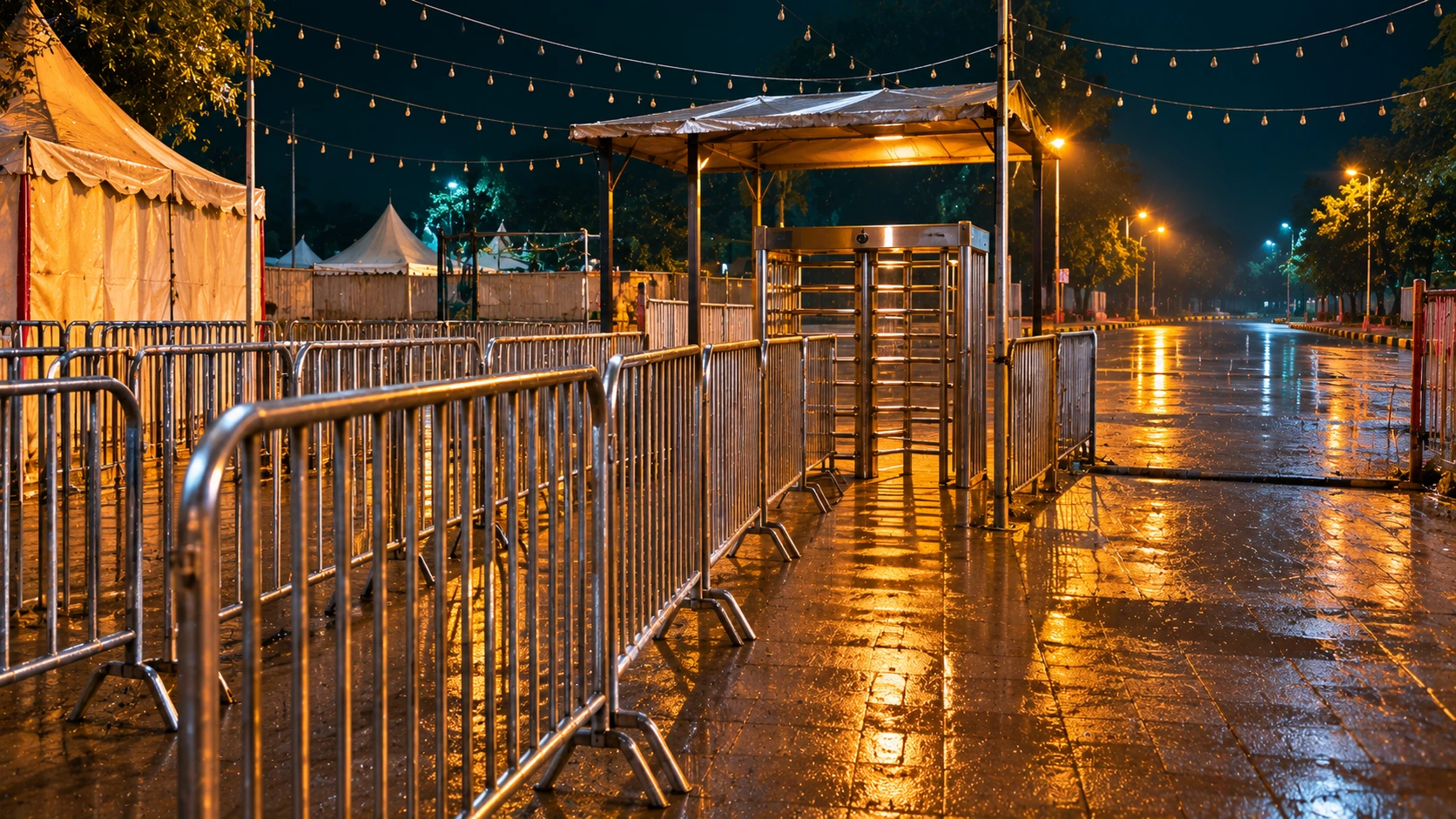
- Chorbagan, Kolkata, 17 October 2026. A crowd crush at the exit of a Durga Puja pandal killed 19 people and injured 25. Police point to rain, narrow gates and poor crowd management.
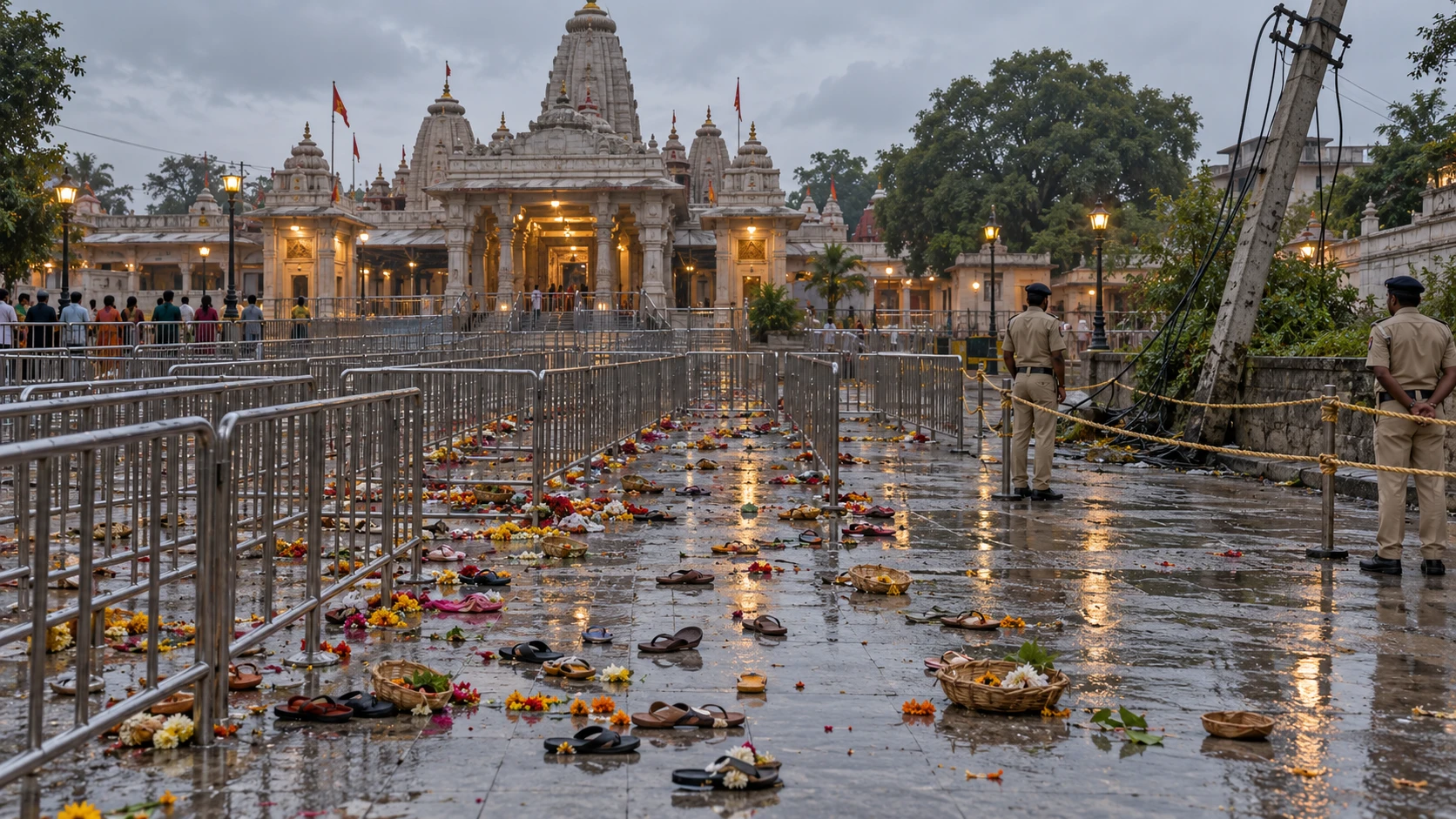
- Ashok Dham, Lakhisarai, 17 August 2026. A crush near a temple on the third Sawan Monday killed seven women and injured 25 after a barricade broke, a pole fell and a false rumour of live current spread. No official finding had been published.
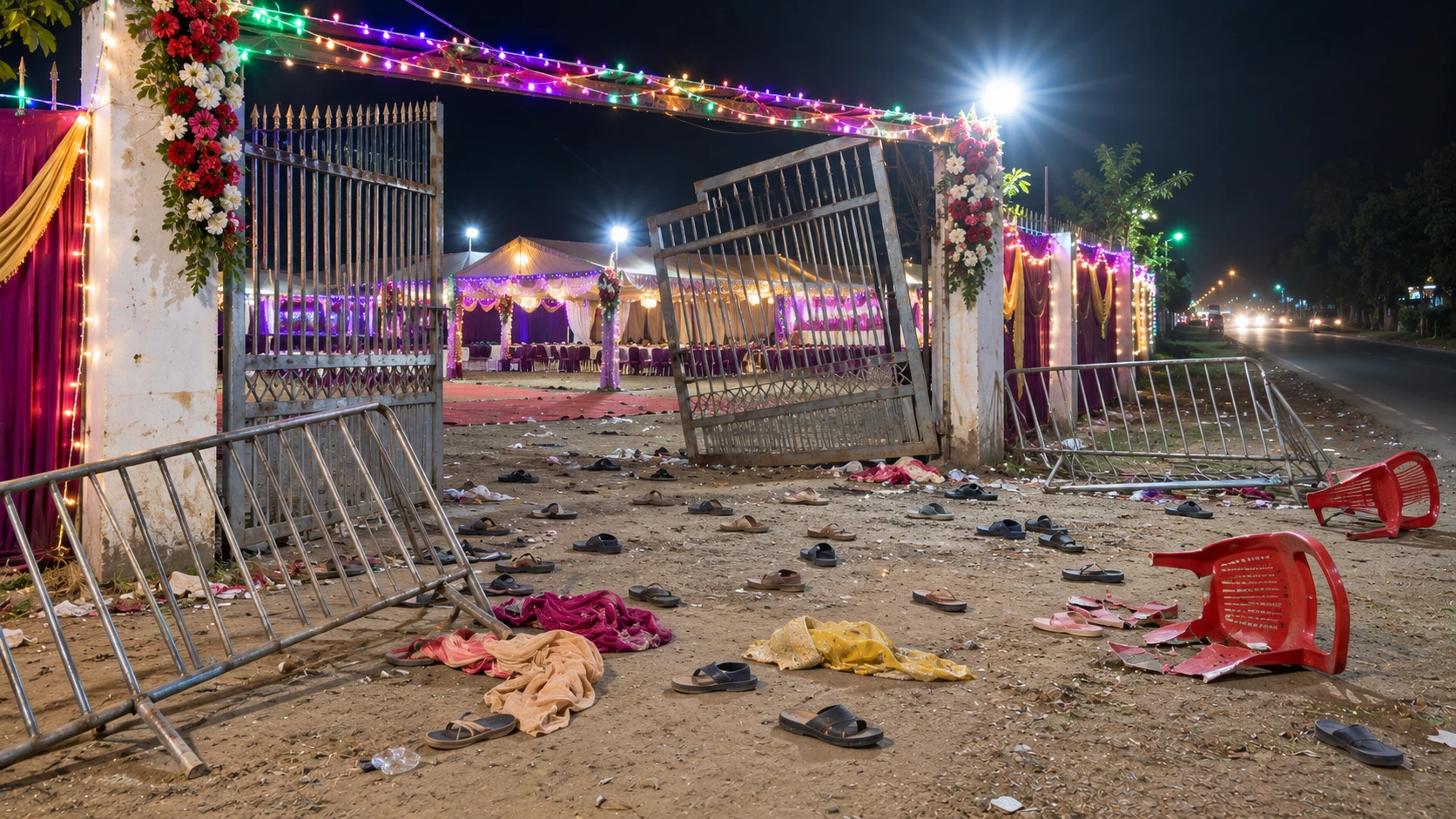
- Daska Road, Sialkot, Pakistan, 30 October 2026. A crush at the gate of a social-media creator’s event killed two and injured 18, per police. We cover it as a major event abroad.
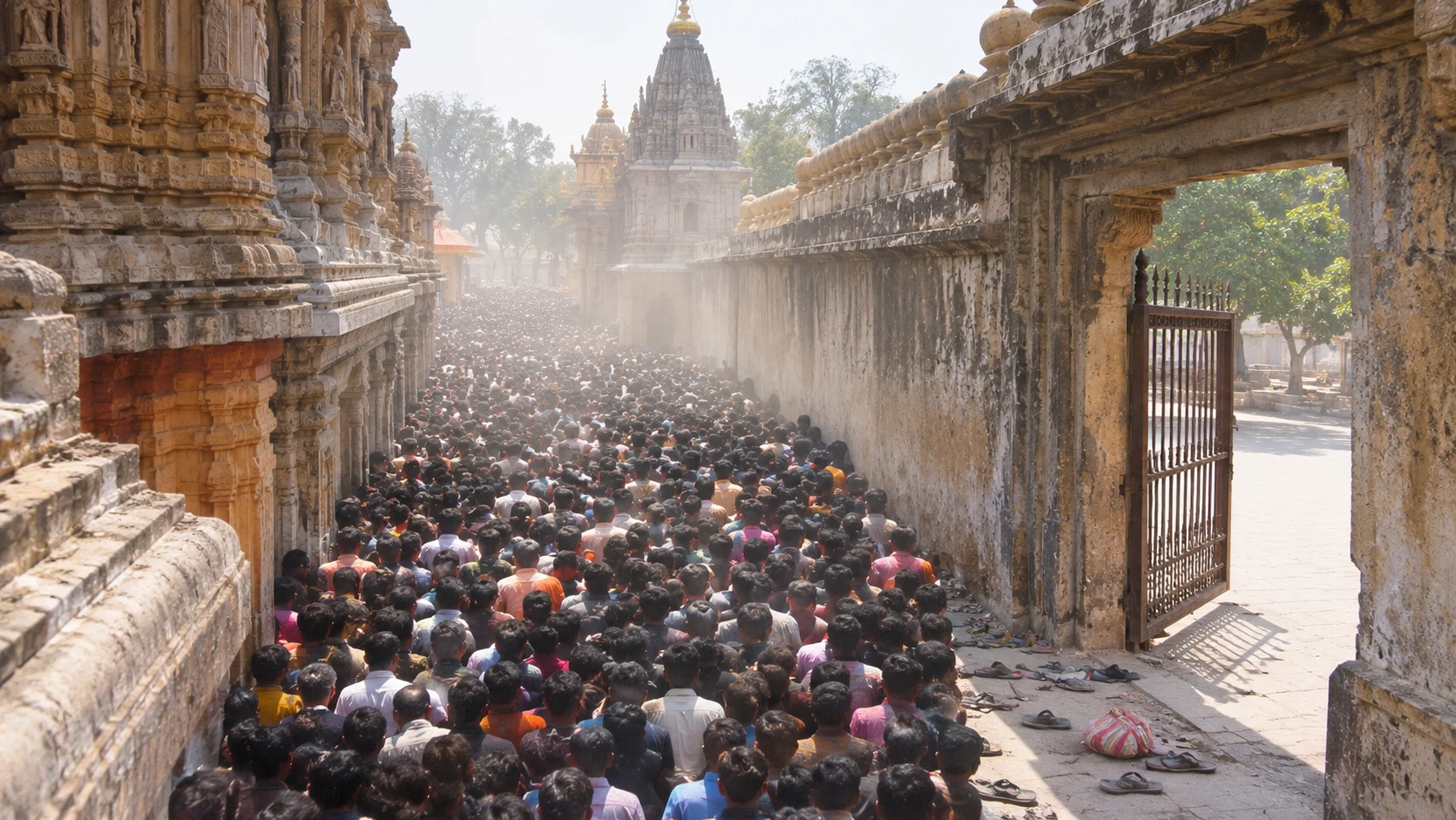
- Hathras, 2 July 2024. Our guide on surviving a crowd crush opens with the satsang where 121 people died.
The pattern the cases share is a narrow point, a trigger such as rain, a rumour or a gate, and too many people for the space. That is also what the NDMA guide describes.
Your city, and the maps and tools
- The City Safety Guides list emergency numbers and local risks for 188 cities and towns. Crowd-heavy examples include Kolkata, Prayagraj, Lakhisarai, Mumbai and Delhi.
- The India Incident Map shows every case study on a map, and you can filter it by type. The Crowd and Public Safety list gathers our crowd case studies.
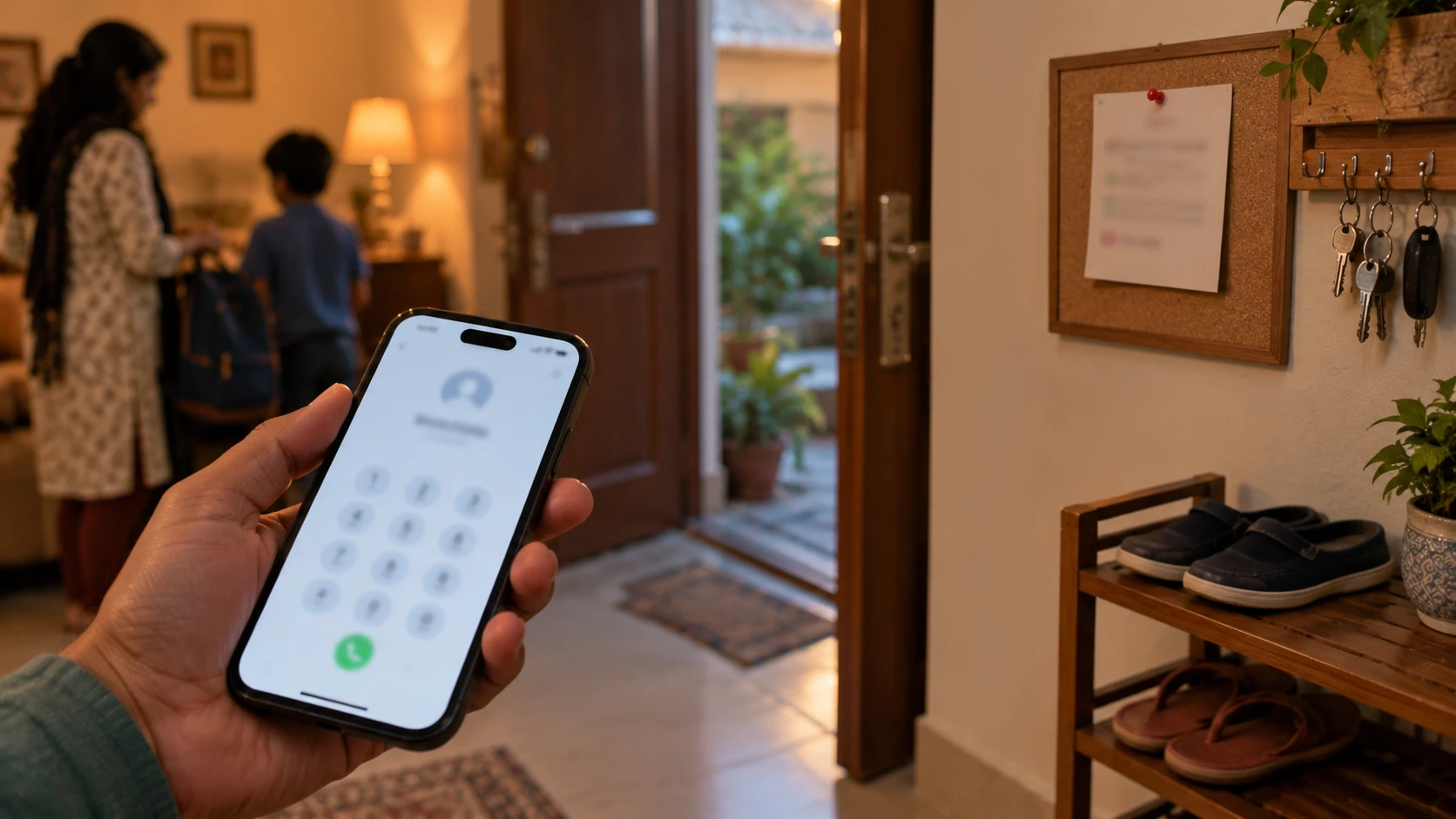
- Make a family emergency card with numbers and a meeting point, and print it at wallet size.
- Organisers and societies can use the fire drill kit, which includes an assembly point sheet.
A short plan for any crowd
- Agree a meeting point outside the crowd and a time to meet, in case you are separated. Put a phone number on every child and older person.
- Find two exits on arrival. Note which one you came in by, because a panic often sends everyone to it.
- Stay near an edge or an open side, not in the middle of a bottleneck.
- If it starts to feel tight, or you cannot turn your shoulders, leave then. Our advice.
- If the front is blocked, do not push. Hold and tell those behind you to hold.
- If someone cannot breathe, call 112 or 108 and say the exact place.
What we could not confirm
The NDMA guide was read through a state copy and may have a later edition. We found no public national count of stampedes or crowd crush deaths on an official page, so we give none; the figures here are single incidents from our case studies and guides. We have not seen an official finding for Lakhisarai, and the Chorbagan post-mortem findings in our case study are preliminary. The one video below is from a state disaster management authority and is in Hindi; we did not watch it in full and its spoken language was not reviewed. This page is a guide to our own pages and is not a substitute for the instructions of the police and organisers at an event.
What needs attention
- The NDMA guide places the main duty on organisers and administrators and asks visitors to avoid the situation.
- Compressive asphyxia has historically been the most common reason for deaths in crowd disasters, per the NDMA guide.
- The 2026 crushes we cover share a narrow point, a trigger (rain, a rumour, a barricade or a gate) and too many people for the space.
- No public national count of stampede deaths was found on an official page.
Controls that reduce risk
- Read the warning-signs page before your next mela, pandal or ghat visit.
- Agree a meeting point and put a phone number on every child and older person.
- Find two exits on arrival.
- Leave early when the crowd feels tight.
- Call 112 in an emergency.
Common unsafe practices
- Pushing into a blocked front.
- Staying in the middle of a bottleneck.
- Resting at an entry or exit point.
- Ignoring the first signs that a crowd is tight.
- Forwarding rumours.
- Not agreeing a meeting point before you go.








Leave a comment